


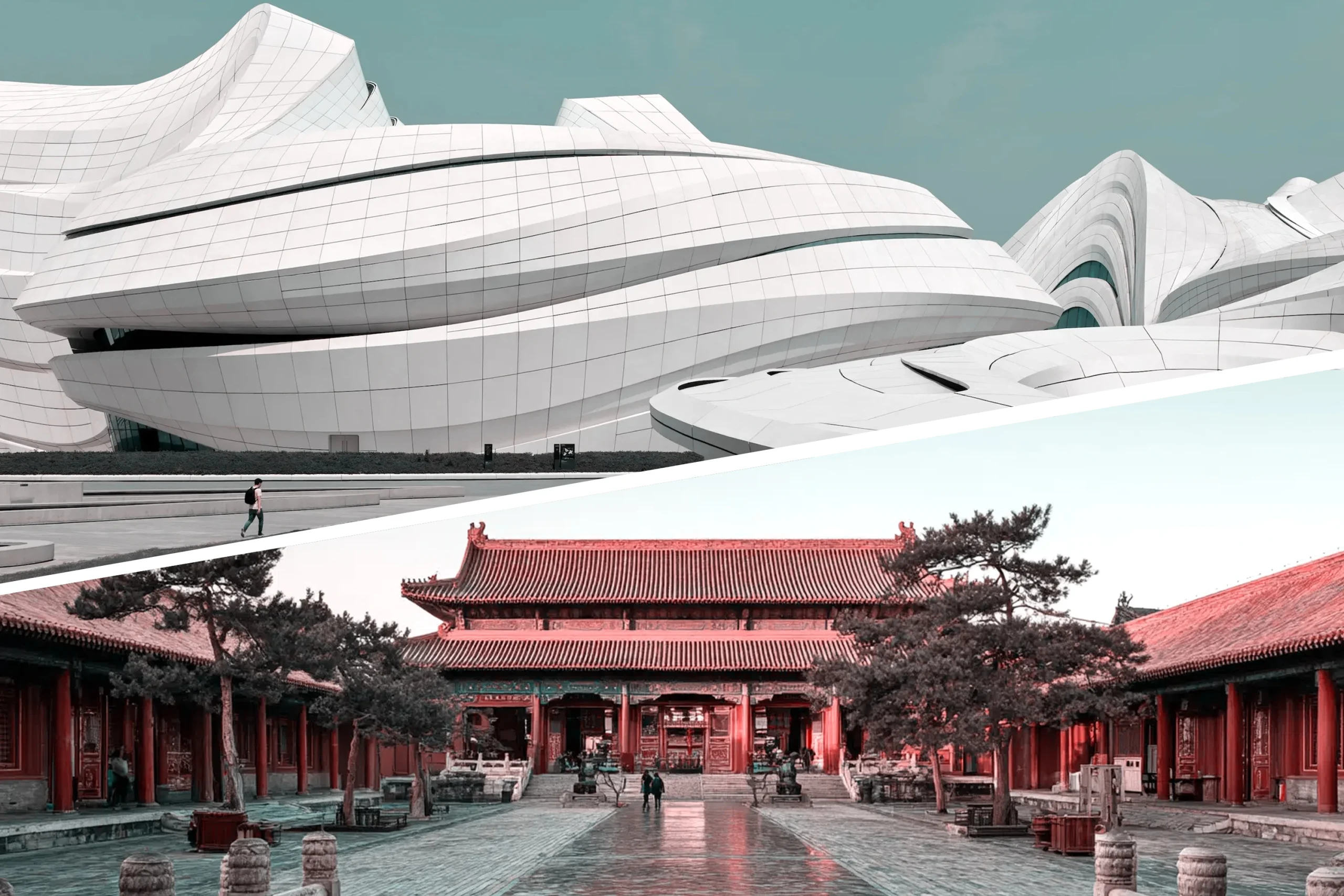
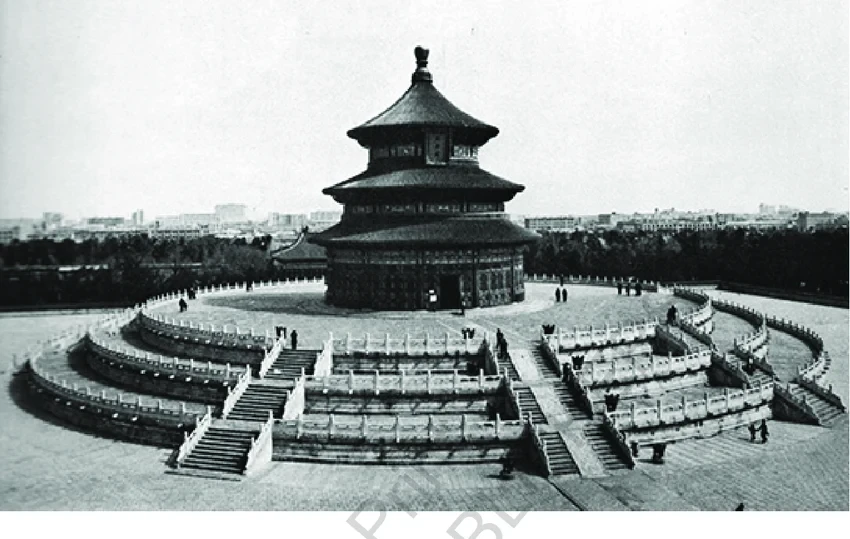
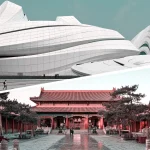
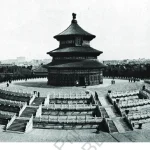
Chinese architecture has long been associated with a recognizable visual language: bilateral symmetry, enclosed courtyards, layered roofs, horizontal spatial composition, and cosmological ordering shaped by feng shui principles. For centuries, temples, palaces, and pagodas have become simplified global symbols representing not only China but East Asian architecture as a whole. Yet contemporary Chinese architecture no longer operates comfortably within these inherited images. Over the past few decades, China has radically transformed both the physical form and intellectual meaning of its built environment.
The 2008 Beijing Olympics and the 2010 Shanghai Expo marked decisive turning points in this transformation. These global events revealed an architectural culture no longer defined by nostalgic repetition of tradition, but by experimentation, technological ambition, and political projection. China began presenting itself not as the guardian of an ancient civilization alone, but as a producer of architectural futures. This trajectory reached a symbolic milestone with Liu Jiakun’s 2025 Pritzker Prize, which confirmed that Chinese architects are no longer peripheral participants in global discourse. They are increasingly shaping it.
The evolution of contemporary Chinese architecture is therefore more than a stylistic shift. It reflects a deeper struggle over identity, modernity, globalization, memory, and power. Chinese architecture today operates within tensions between local history and global capital, tradition and experimentation, state authority and creative autonomy. Understanding this transformation offers insight into how alternative forms of modernity emerge outside dominant Western narratives.
Modernism and the Chinese Context
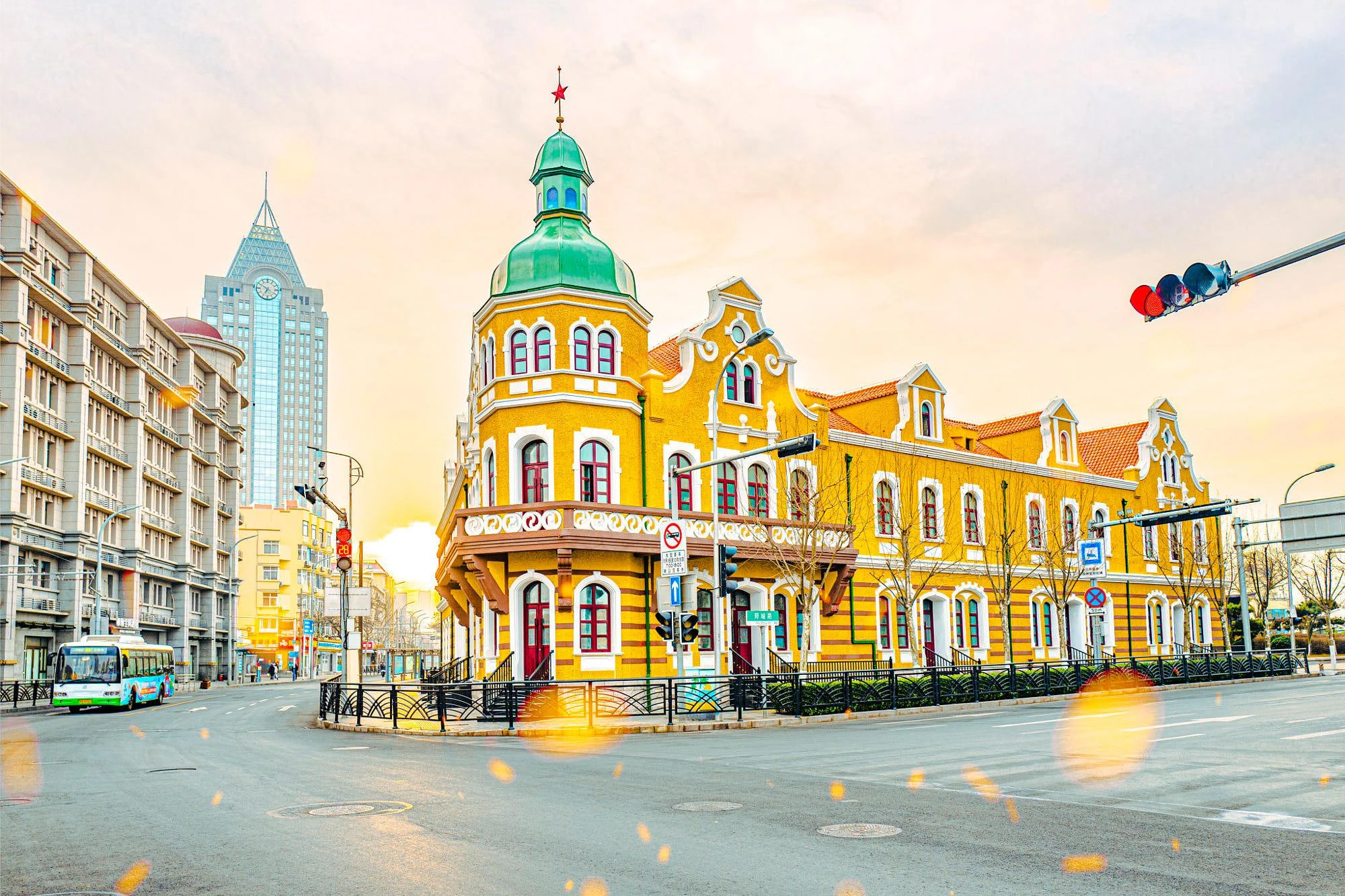
The modernization of Chinese architecture did not occur as a smooth or natural evolution. It emerged through disruption, conflict, and external intervention. The first major rupture came during the nineteenth century following the Opium Wars, when colonial powers imposed treaty-port urbanism on Chinese cities. Foreign concessions introduced new materials, technologies, and institutional systems, including reinforced concrete, steel construction, professional architectural offices, and engineering practices.
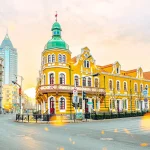
Architecture became one of the spatial instruments of colonial power. Banks, customs houses, hotels, and commercial buildings established an imported urban order that contrasted sharply with traditional Chinese spatial organization. Modernity initially arrived not as liberation, but as unequal power embodied in buildings and infrastructure.
During the early twentieth century, Chinese architects attempted to reconcile this tension between imported modernism and national identity. Architects such as Liang Sicheng sought to create hybrid forms that combined modern programs with symbolic Chinese elements. Curved roofs, timber-inspired ornamentation, and classical spatial compositions were adapted to modern structural systems. These efforts aimed to produce architecture that appeared both modern and culturally authentic.
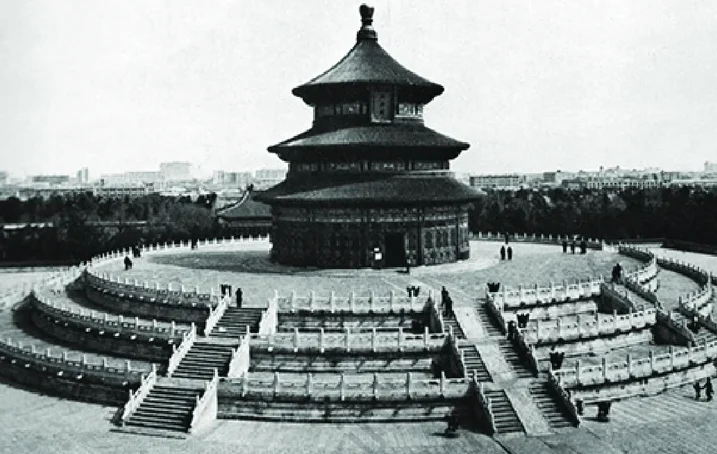
However, Chinese tradition itself was never static. Traditional architecture had always evolved through adaptation and reinterpretation. The deeper question was therefore not simply how to preserve tradition, but how to redefine it within conditions of industrialization, nationalism, socialism, and globalization. Contemporary Chinese architecture reflects more than delayed modernization. It represents a century-long negotiation over what modernity means within Chinese historical experience.
Western Architects and the Colonial Legacy
The earliest Western architectural presence in China was closely connected to colonial expansion and missionary activity. Missionaries built churches, schools, and hospitals that merged Western typologies with selected Chinese visual motifs. This hybridization was often strategic and not just culturally sensitive. Chinese roofs and decorative forms were used to make foreign institutions appear locally acceptable while maintaining fundamentally Western organizational systems.
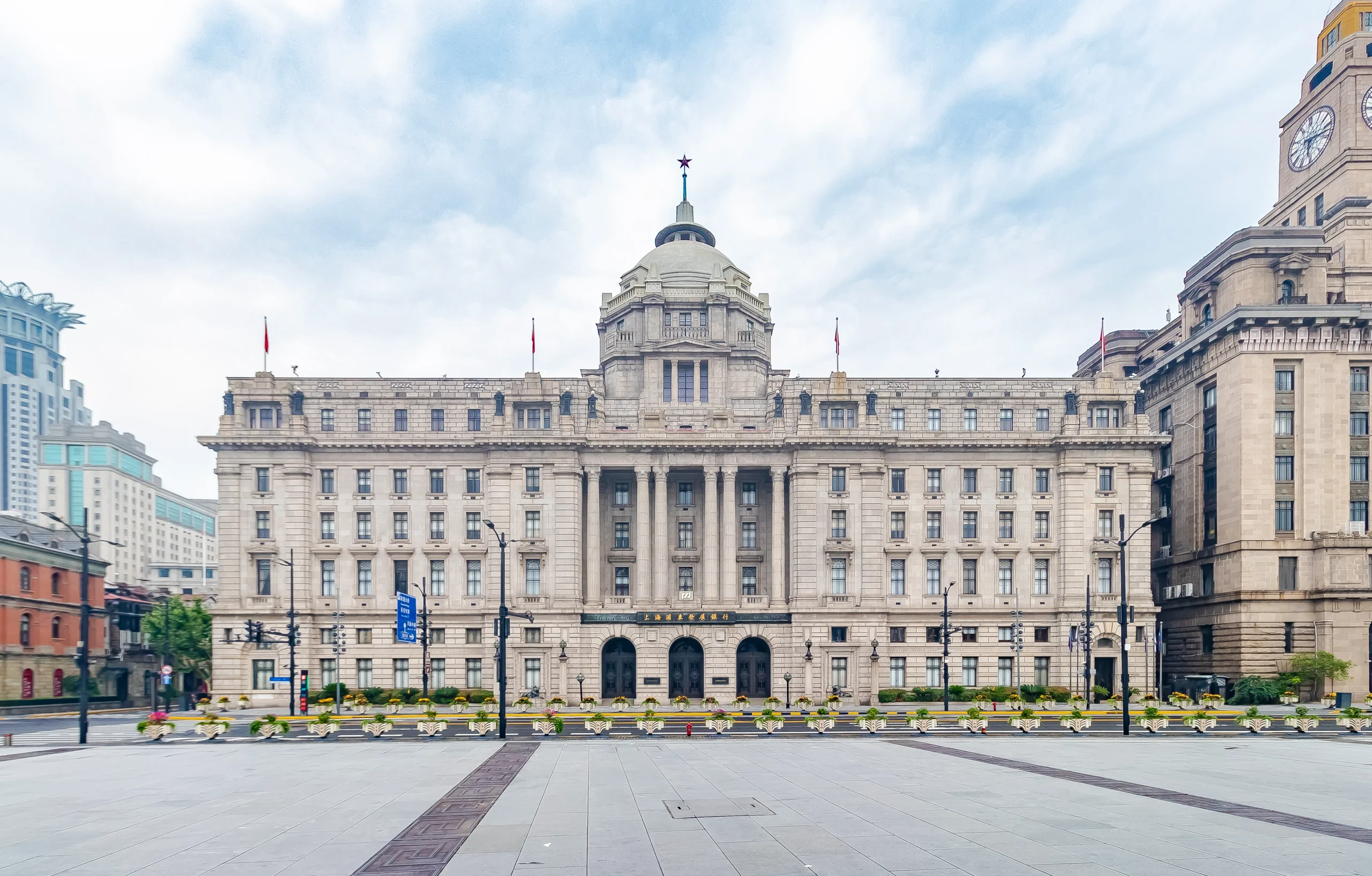
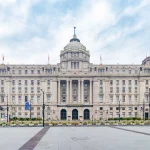
Professional Western firms later expanded this transformation through large-scale urban development in treaty ports such as Shanghai. Firms including Palmer & Turner introduced Beaux-Arts classicism, Art Deco, and modern commercial architecture into the Chinese urban landscape. Buildings such as the Hongkong and Shanghai Banking Corporation headquarters symbolized international capitalism and colonial authority.
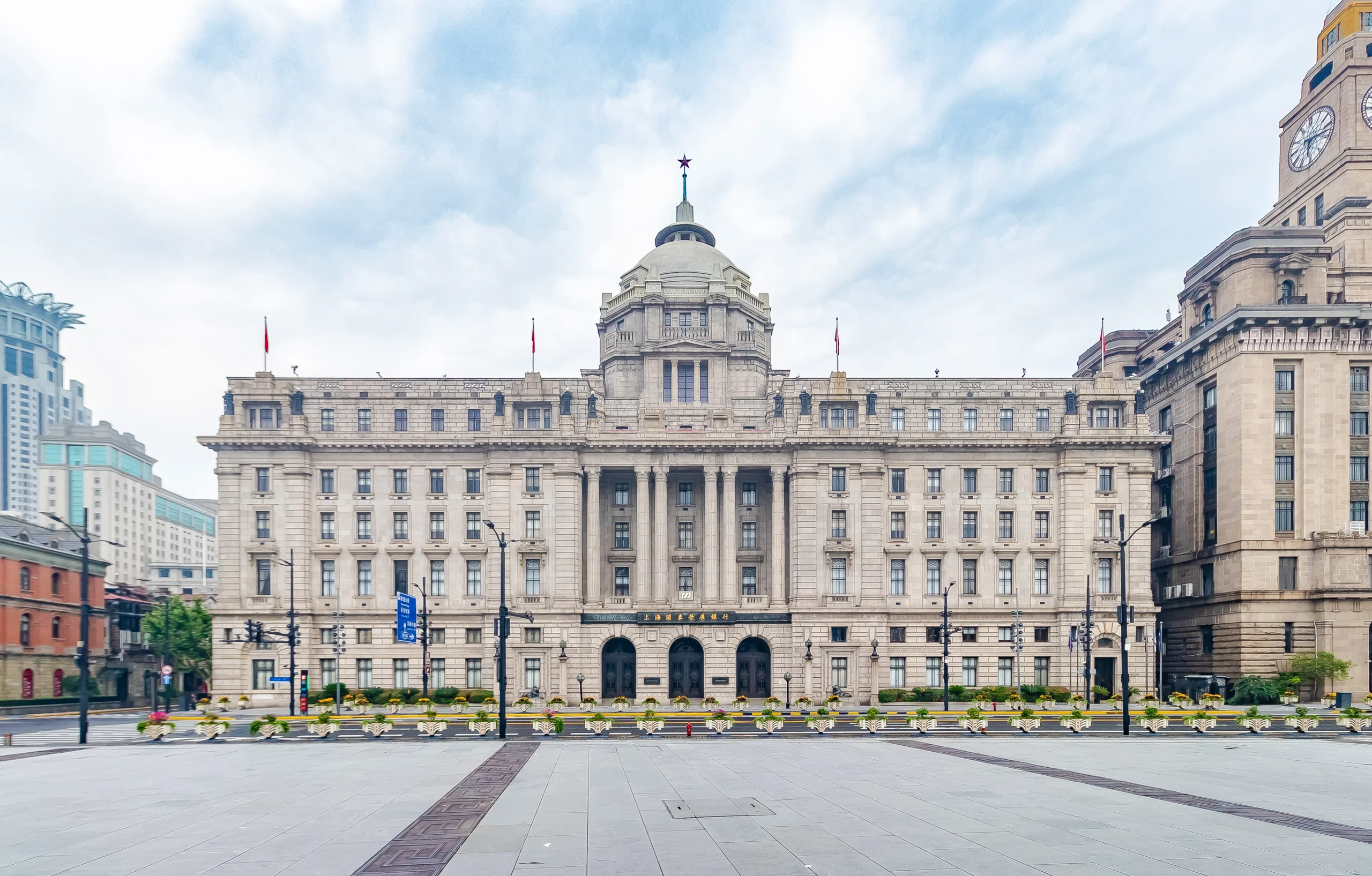
More important than individual buildings, however, was the institutional system these firms established. Western architectural practice introduced professional offices, contractual construction methods, modern engineering systems, and the separation between design and construction. These changes fundamentally reorganized Chinese building culture.
Henry Killam Murphy became one of the most influential figures of this period. His projects for educational institutions, including Yenching University and Ginling College, used reinforced concrete structures combined with traditional Chinese roof forms. Murphy attempted to create what became known as “adaptive Chinese architecture,” blending modern functionality with recognizable cultural symbolism.
Yet this approach also exposed important contradictions. Murphy’s architecture remained shaped by Western spatial logic and institutional priorities even while visually referencing Chinese tradition. His work illustrated the larger dilemma that Chinese architects themselves would later confront: how to become modern without abandoning cultural identity.
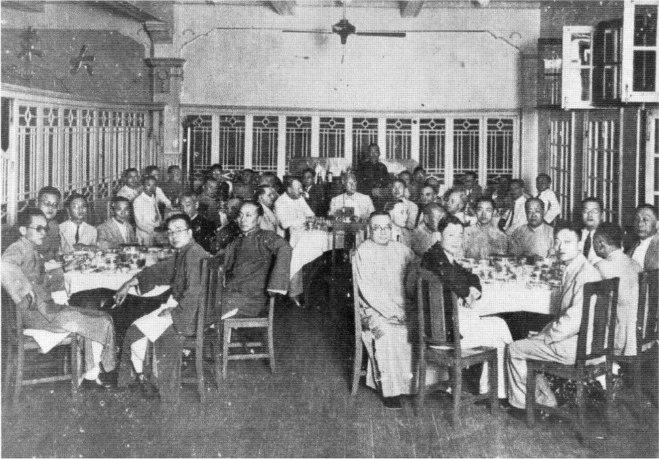
Alongside monumental buildings, commercial urbanism transformed everyday life even more profoundly. Apartment blocks, department stores, and the hybrid lilong housing of Shanghai introduced new urban lifestyles driven by commerce and density rather than symbolic ideology. Modernity became embedded not only in state institutions but in ordinary urban experience.
Global Starchitects and China’s International Image
By the late twentieth and early twenty-first centuries, China’s relationship with foreign architects had fundamentally changed. Unlike in the colonial era, global architects were now invited by a powerful sovereign state eager to project itself as technologically advanced and globally connected.
Architects such as Norman Foster, Zaha Hadid, Rem Koolhaas, Herzog & de Meuron, and Steven Holl became central participants in China’s urban transformation. Their projects were not imposed from outside but strategically commissioned as symbols of national ambition and global status.
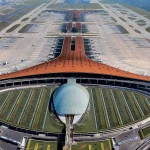
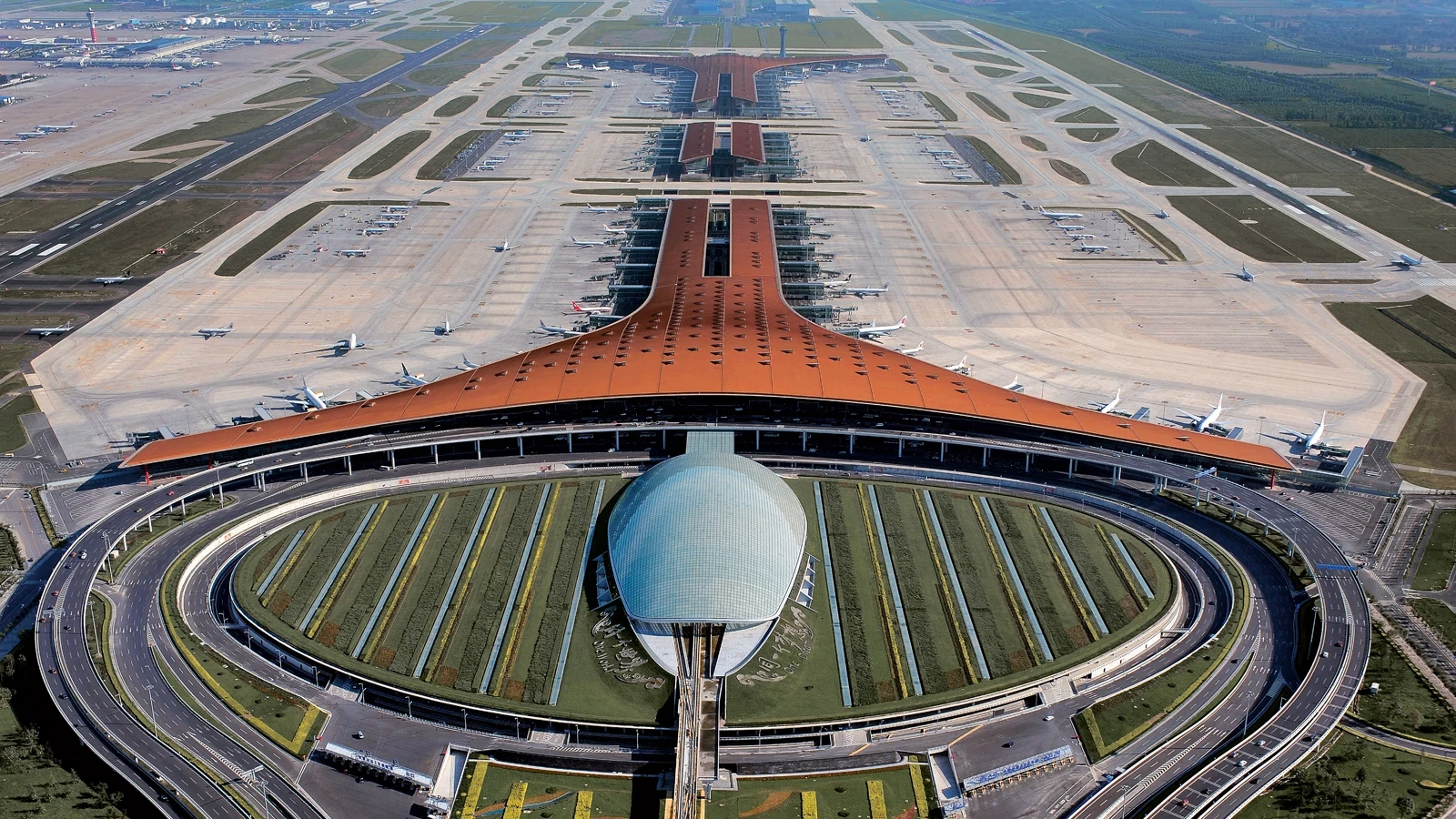
Norman Foster’s Beijing Capital International Airport Terminal 3 exemplified this shift. The immense terminal employed Foster’s characteristic high-tech aesthetic while simultaneously being interpreted through Chinese symbolic narratives, including references to dragons and national progress. The project demonstrated how China could absorb global architectural language into its own political and cultural framework.
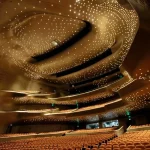
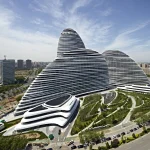
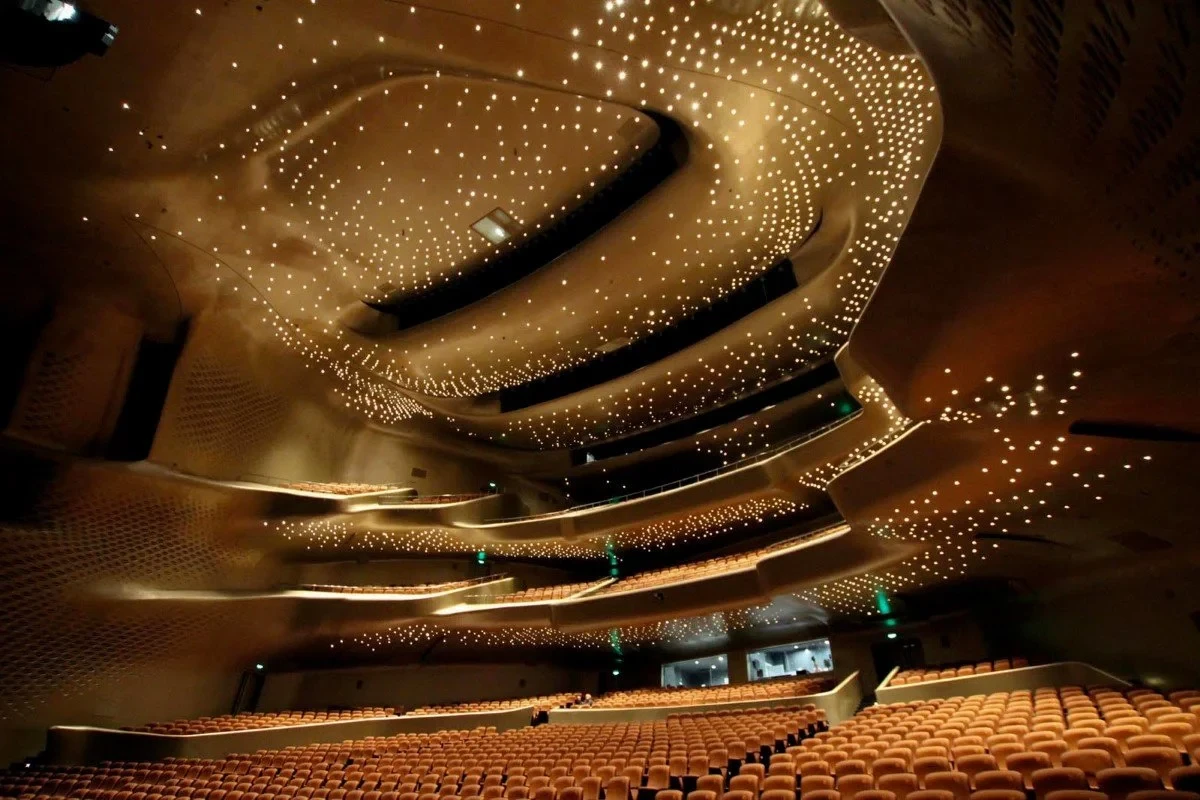
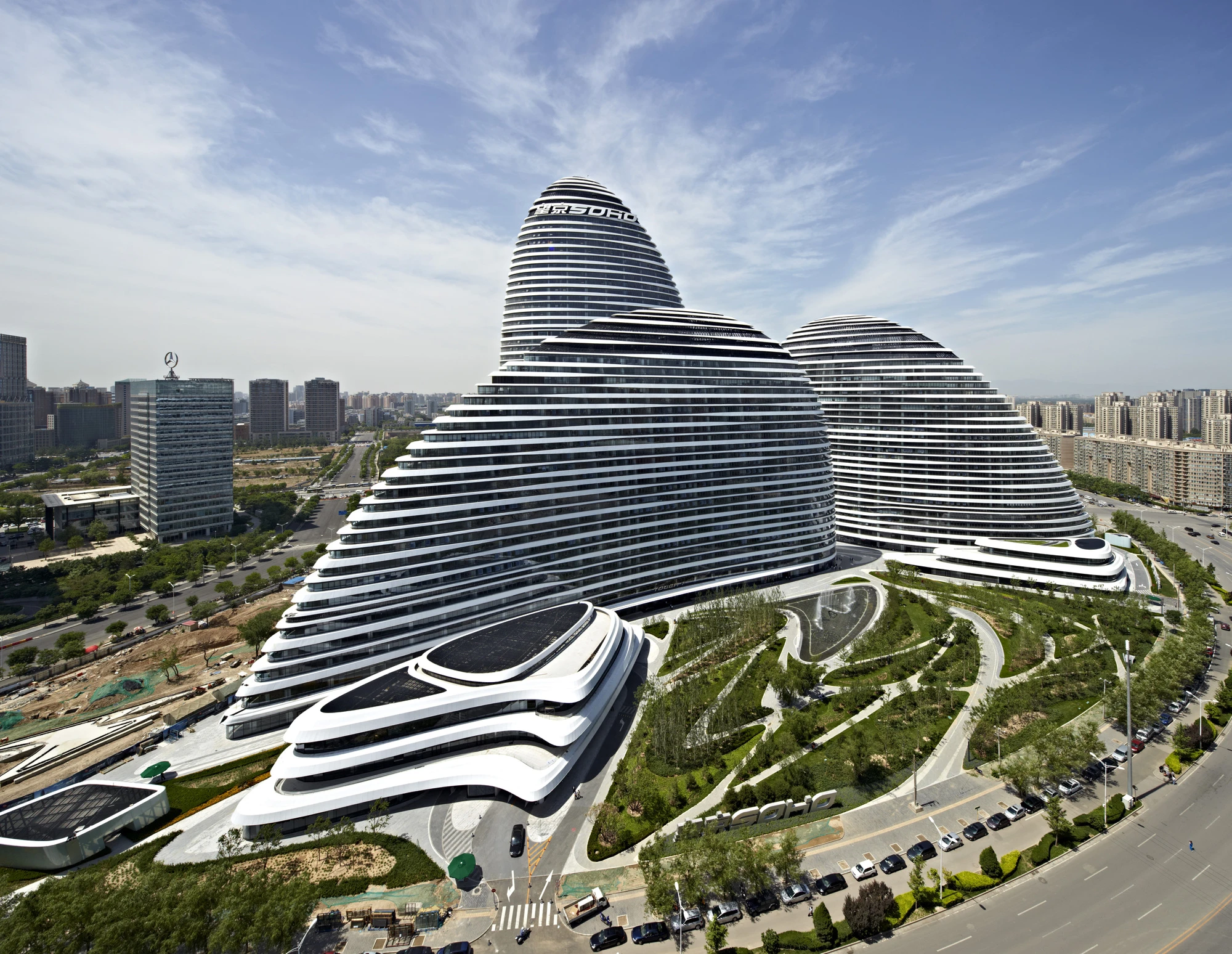
Zaha Hadid’s projects in China, including the Guangzhou Opera House and Wangjing SOHO, represented another dimension of globalization. Her fluid parametric forms rejected historical references and regional typologies in favor of a universally recognizable spectacle. These projects became icons of contemporary urban identity, signaling China’s participation in a futuristic global culture.
Yet Hadid’s work also revealed contradictions beneath architectural spectacle. The dramatic forms often obscured the labor systems, economic structures, and political conditions enabling such rapid construction. Architecture functioned as image production as much as spatial innovation.
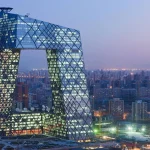
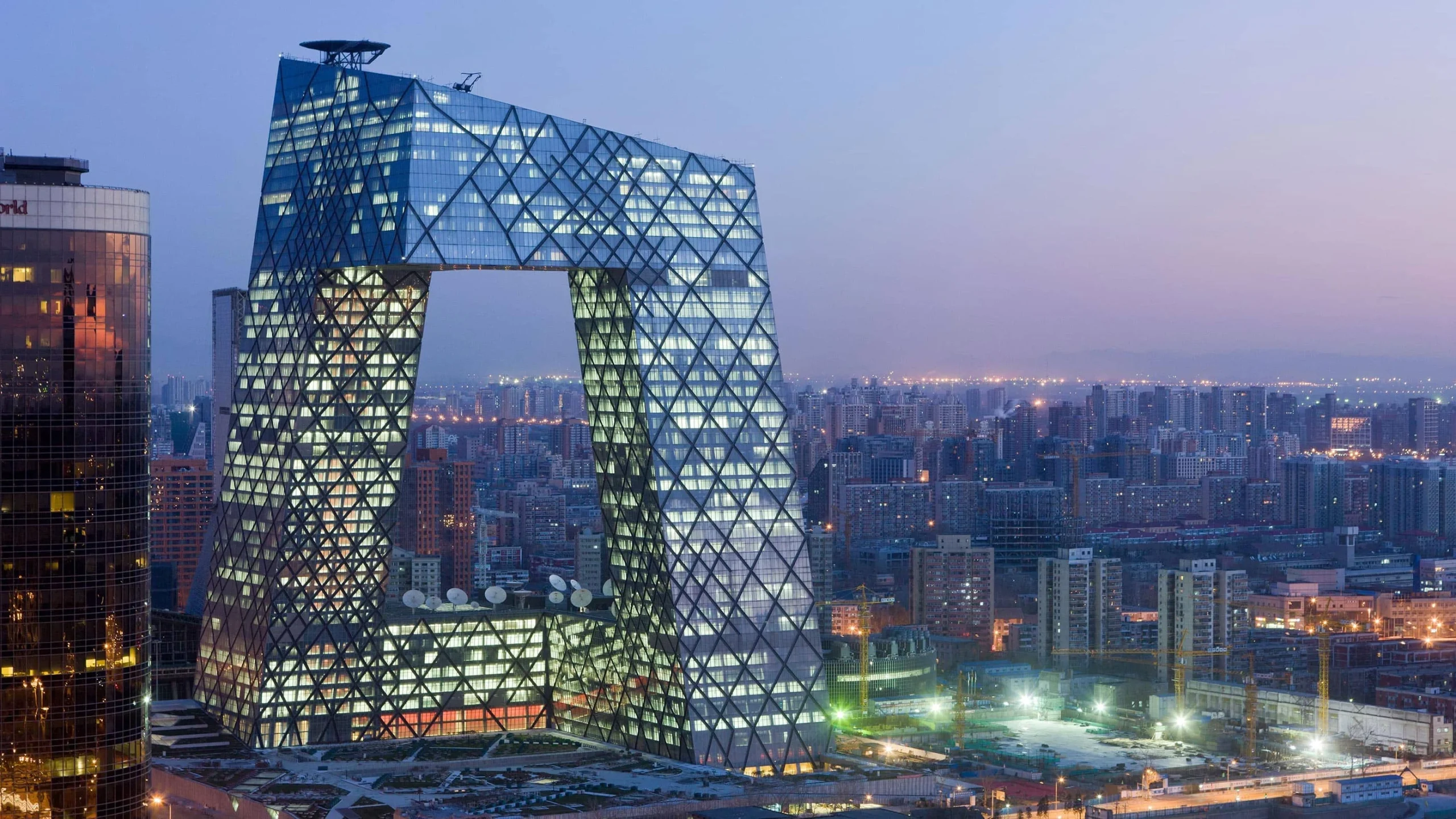
Rem Koolhaas approached China differently. His CCTV Headquarters in Beijing was not merely a landmark but a theoretical experiment challenging conventional skyscraper typology. The looping structure embodied Koolhaas’s fascination with scale, density, and accelerated urbanization. However, the building also housed China’s state media apparatus, raising difficult questions about the relationship between critical architecture and political power.
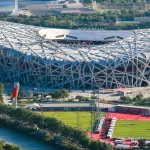
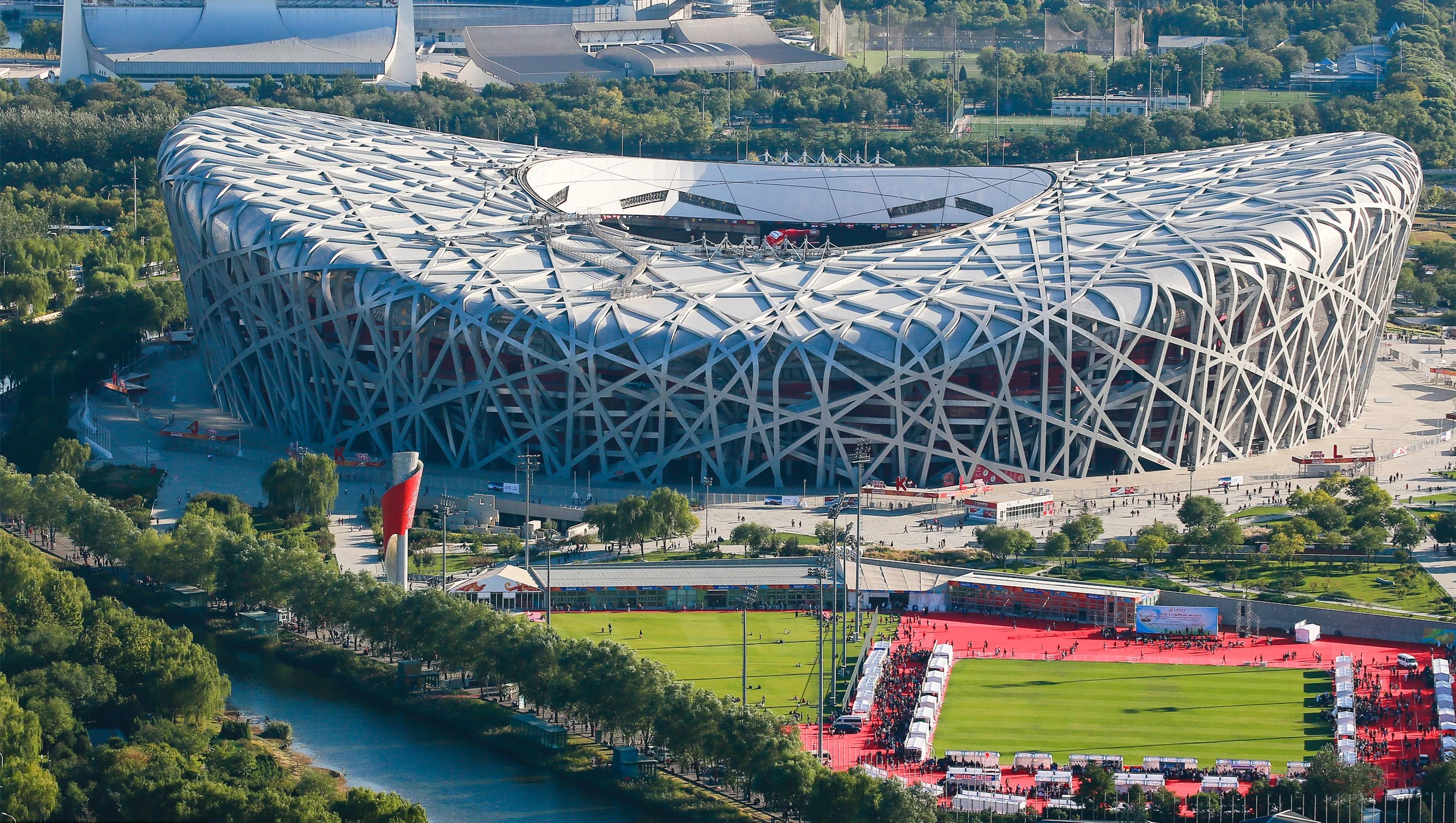
Herzog & de Meuron’s Bird’s Nest Stadium became the defining image of the 2008 Olympics and perhaps the most globally recognized symbol of contemporary Chinese architecture. The stadium combined engineering innovation with national symbolism, presenting China as technologically sophisticated and culturally confident.
These global architects operated within a triangular relationship involving creative ambition, state authority, and global capitalism. China offered unprecedented scales of construction and experimentation, while international architects provided symbolic legitimacy and visual distinction. Architecture became a tool of soft power and global branding.
However, this period was ultimately transitional. As foreign-designed icons multiplied across Chinese cities, local architects increasingly sought alternative approaches rooted in regional context, social engagement, and critical reflection.
Contemporary Chinese Architects and New Directions
The most important contemporary Chinese architects emerged not through rejection of global modernity, but through critical negotiation with it. Their work reflects diverse responses to urbanization, heritage loss, environmental crisis, and cultural identity.
Liu Jiakun
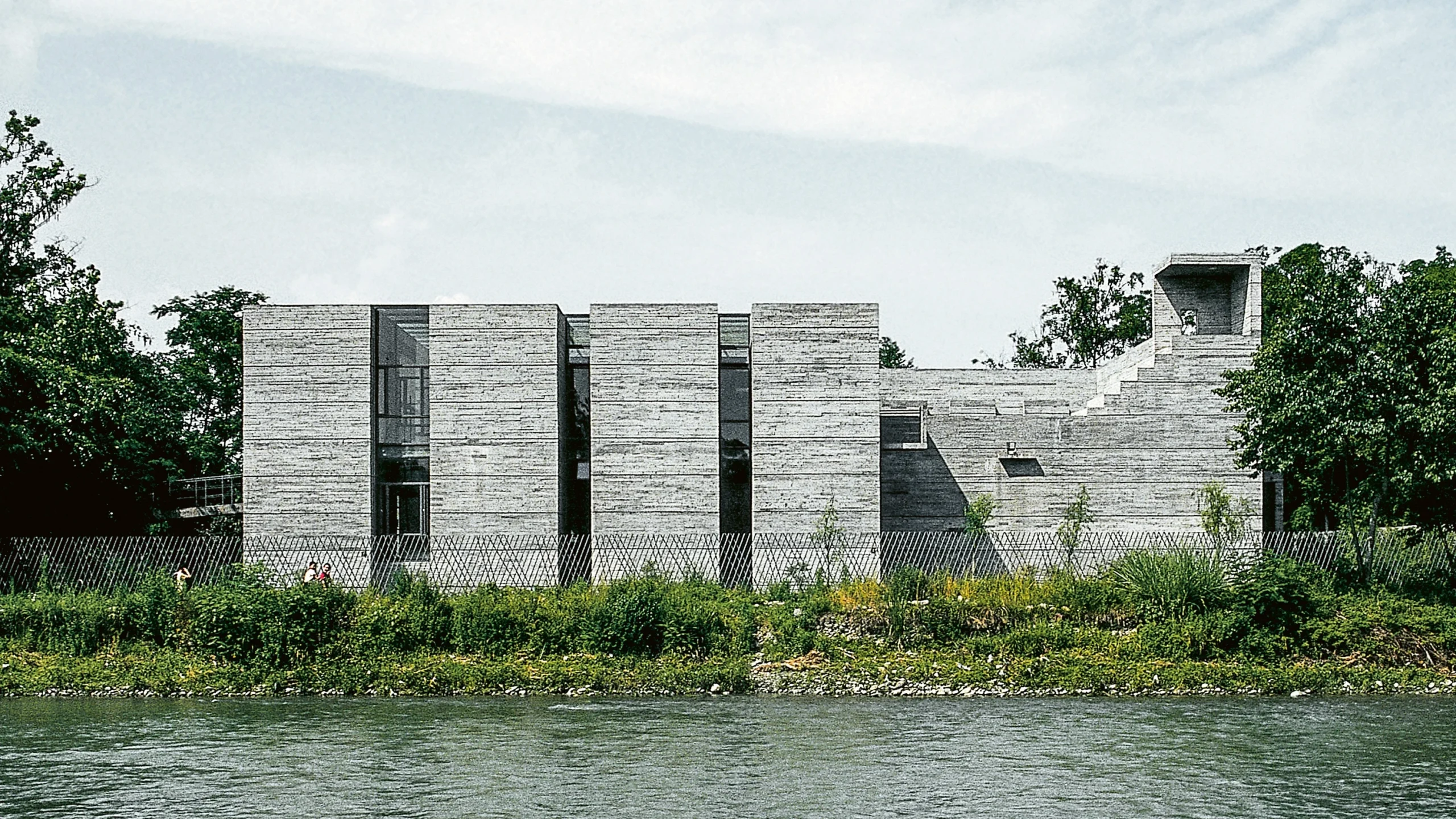
Liu Jiakun, winner of the 2025 Pritzker Prize, represents one of the most significant voices in contemporary Chinese architecture. Based in Chengdu rather than Beijing or Shanghai, Liu has consistently resisted spectacle-driven architecture. His projects prioritize ordinary social life, local materials, and modest spatial interventions.
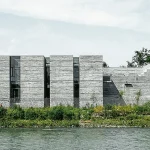
Buildings such as the Luyeyuan Stone Sculpture Museum and West Village complex demonstrate his commitment to low-tech construction and contextual sensitivity. Recycled materials, exposed brick, bamboo formwork, and tactile textures create architecture grounded in everyday experience rather than iconic imagery.
Liu’s work offers an alternative to both nostalgic traditionalism and globalized spectacle. His architecture suggests that Chinese modernity can emerge from regional knowledge, material honesty, and social continuity, and not just monumental symbolism.
Wang Shu
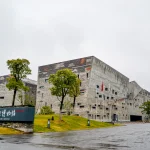
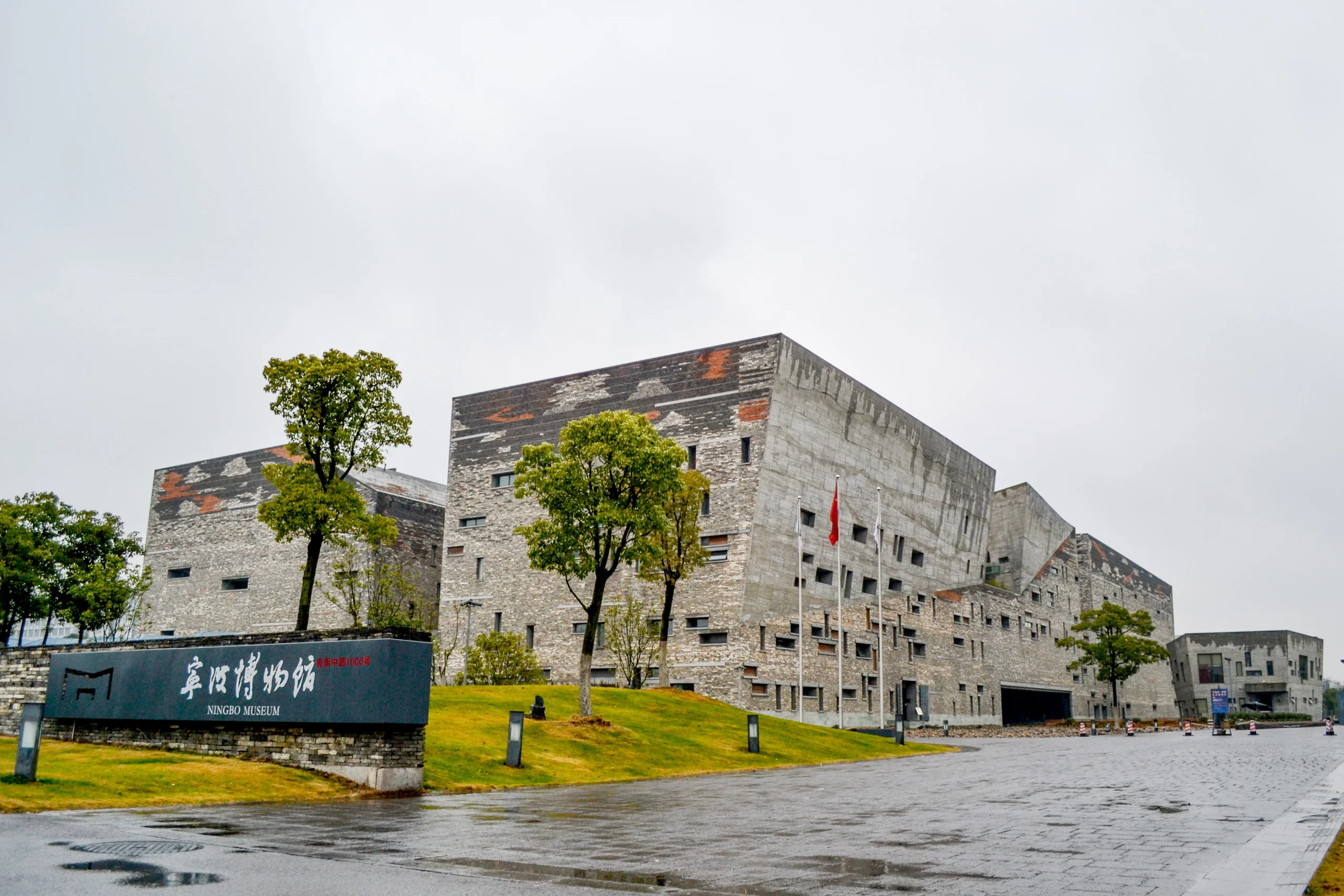
Wang Shu, the 2012 Pritzker laureate and founder of Amateur Architecture Studio, approaches architecture through memory and historical continuity. The Ningbo History Museum famously incorporated recycled materials salvaged from demolished villages, confronting the destructive consequences of rapid urbanization.
Wang rejects the idea of architecture as purely technological progress. Instead, he emphasizes craft, landscape traditions, and material history. Projects such as the Xiangshan Campus reinterpret spatial principles from classical Chinese gardens while avoiding direct historical imitation.
At the same time, Wang’s work reveals tensions between critique and aesthetics. The poetic use of salvaged materials risks transforming urban destruction into visual beauty. Yet this ambiguity is also what gives his architecture intellectual depth.
Zhang Ke
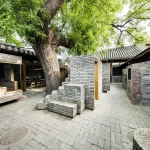
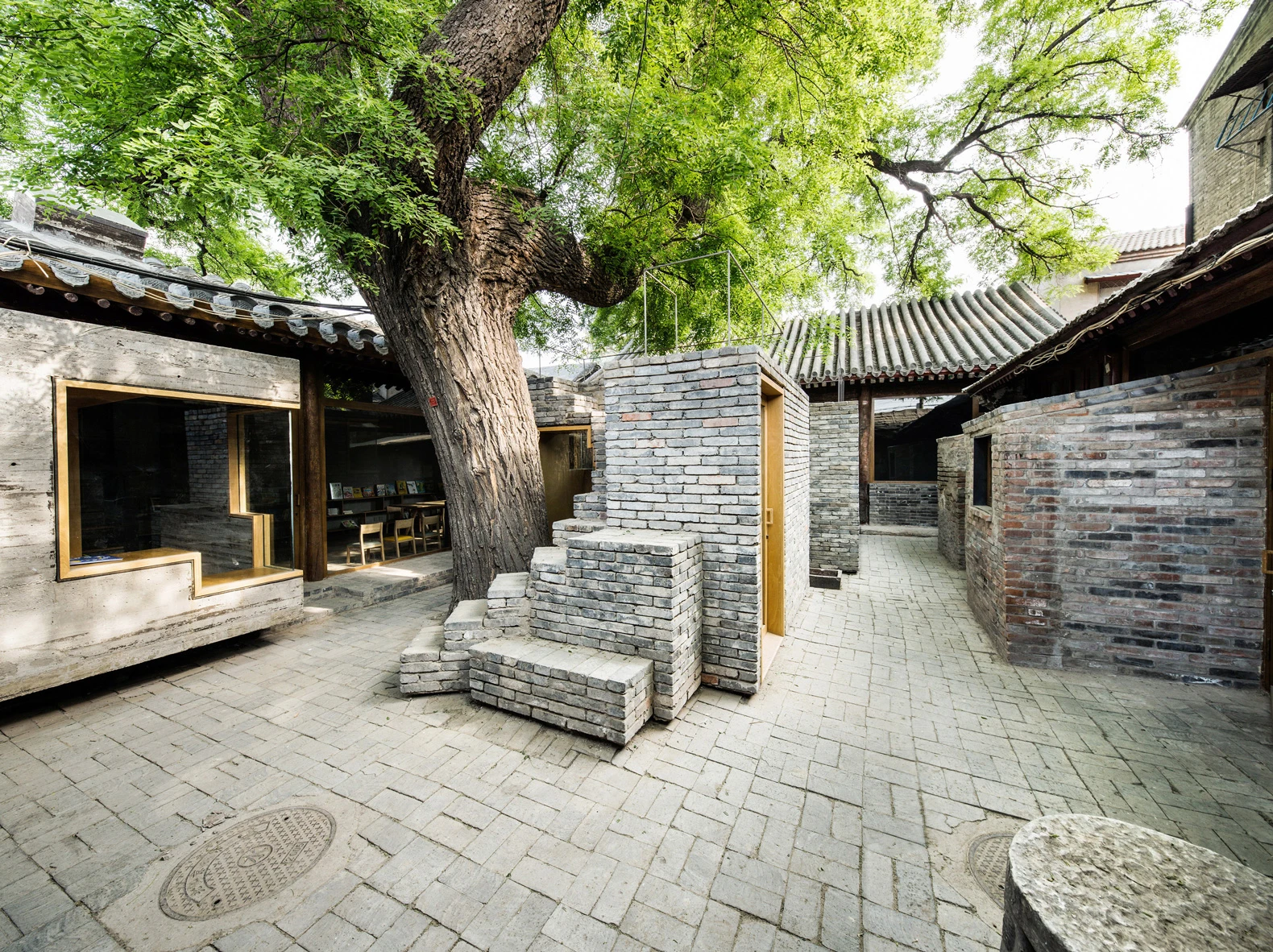
Zhang Ke and his firm ZAO/standardarchitecture focus on small-scale urban interventions, particularly within Beijing’s disappearing hutong neighborhoods. Rather than pursuing monumental projects, Zhang works through subtle insertions into existing urban fabric.
Projects such as the Hutong Children’s Library demonstrate how contemporary architecture can revitalize historic neighborhoods without erasing their social structure. His work challenges dominant models of urban renewal based on demolition and replacement.
Zhang’s architecture suggests that modernization does not require tabula rasa urbanism. Incremental transformation and adaptive reuse can produce meaningful contemporary spaces while preserving collective memory.
Ma Yansong
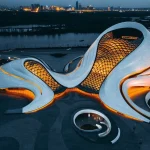
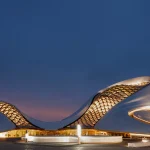
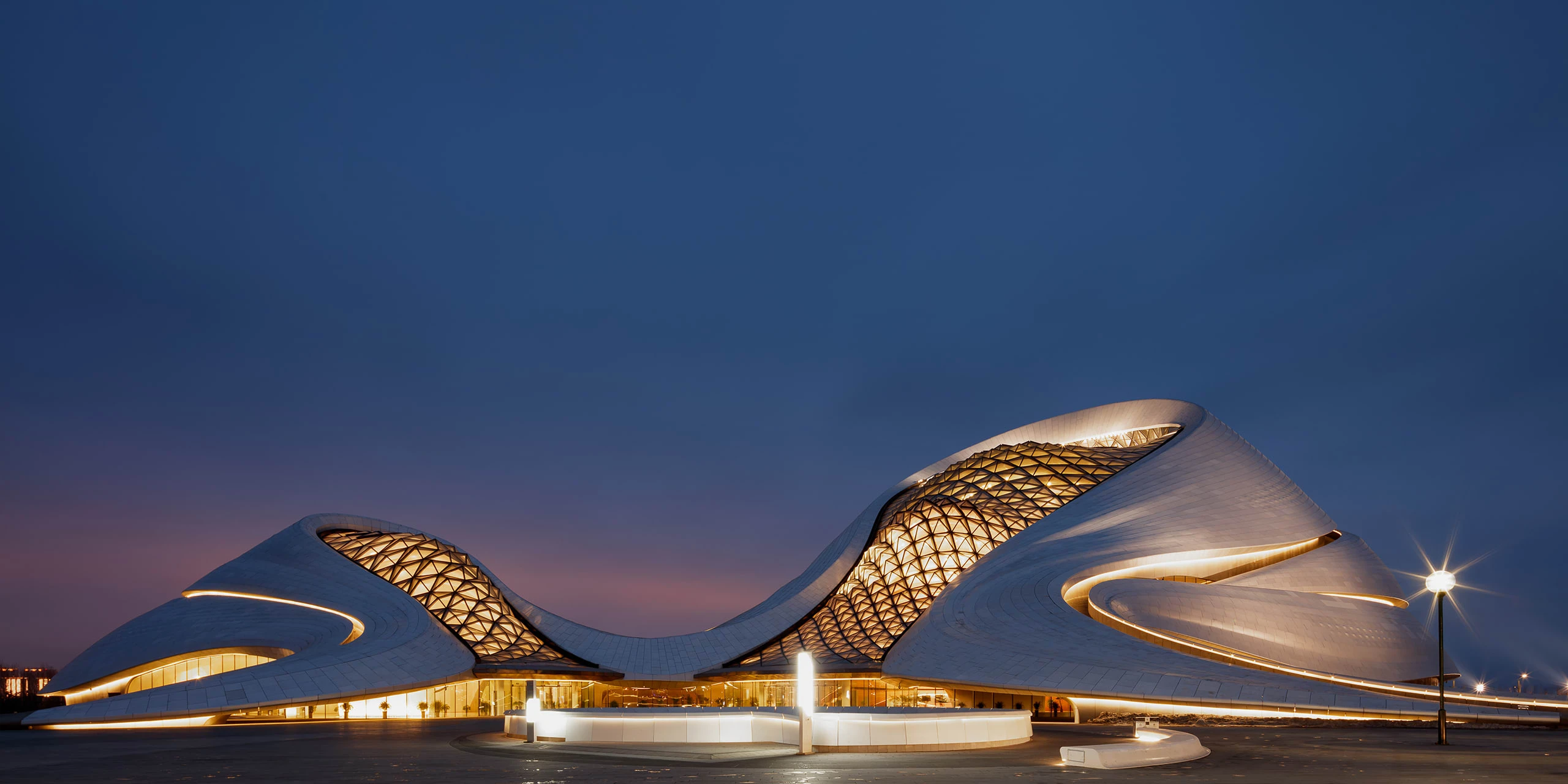
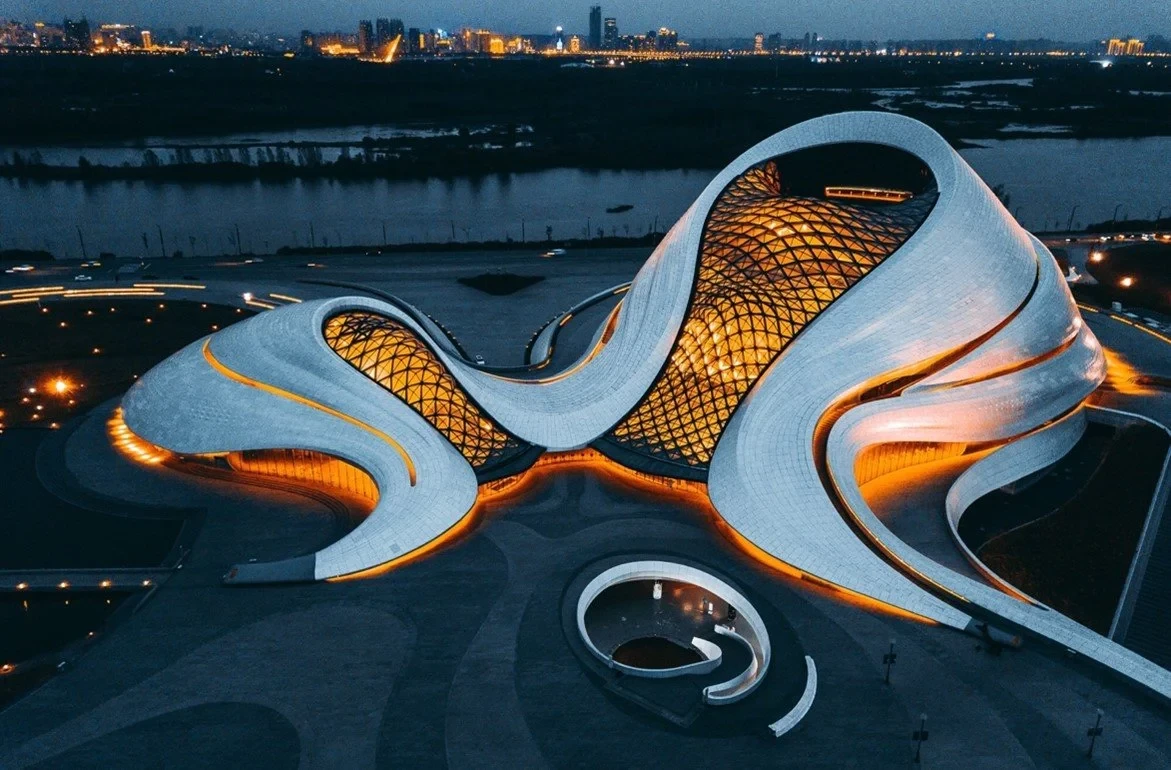
Ma Yansong of MAD Architects occupies a more controversial position within contemporary Chinese architecture. His projects, including Harbin Opera House and Chaoyang Park Plaza, employ fluid parametric forms inspired by natural landscapes and Chinese shanshui painting traditions.
Critics argue that Ma’s work merely reproduces global spectacle under the language of cultural symbolism. Supporters, however, see his architecture as an attempt to redefine Chinese identity for a globalized generation.
Regardless of interpretation, Ma’s work highlights an important question: can spectacular architecture become culturally meaningful rather than merely commercial or political? His projects reflect ongoing attempts to reconcile technological experimentation with emotional and philosophical dimensions of space.
Dong Gong
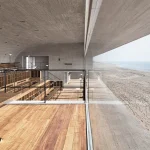
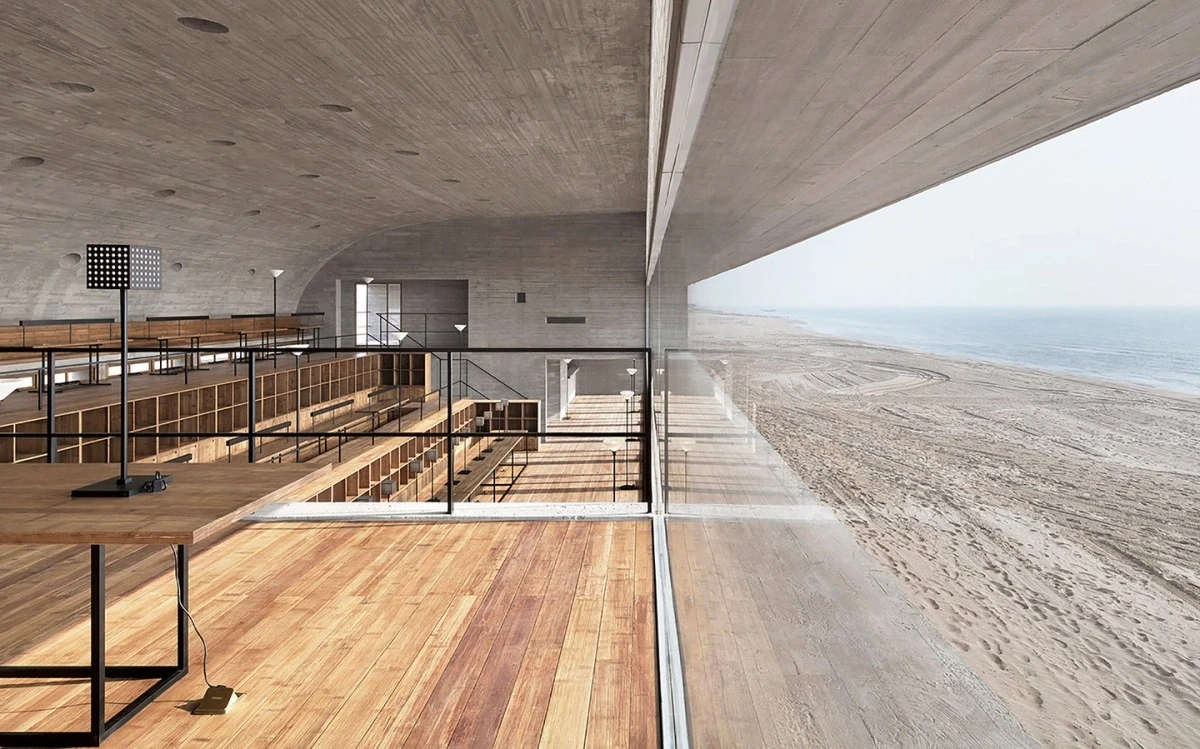
Dong Gong of Vector Architects represents yet another direction. His work avoids overt cultural symbolism almost entirely. Projects such as the Seashore Library and Seashore Chapel emphasize light, proportion, silence, and phenomenological experience.
Dong’s architecture is restrained, minimal, and deeply atmospheric. Rather than signaling “Chineseness” through visual references, his work participates confidently in a universal architectural language.
This approach may represent a significant shift in Chinese architecture. Instead of continually performing cultural identity, architects like Dong Gong assert that Chinese practitioners can engage global discourse without needing to constantly explain or symbolize their nationality.
Chinese Contemporary Architecture Lessons
Contemporary Chinese architecture cannot be understood through a single narrative. It is not simply the continuation of ancient tradition, nor merely the imitation of Western modernism. Instead, it reflects a long and unresolved negotiation shaped by colonialism, nationalism, socialism, globalization, and rapid urban transformation.
The architectural evolution of China reveals how modernity itself is never singular or universal. Chinese architects have inherited historical forms, foreign interventions, political pressures, and global ambitions, yet they continue to reinterpret these conditions in radically different ways.
The era of imported modernity and foreign dominance has gradually given way to a more self-aware architectural culture. While global starchitects once symbolized China’s arrival on the world stage, contemporary Chinese architects increasingly define architecture on their own terms. Figures such as Liu Jiakun, Wang Shu, Zhang Ke, Ma Yansong, and Dong Gong represent distinct yet interconnected efforts to rethink the relationship between memory, technology, society, and place.
Their work indicates that Chinese architecture today is not searching for a fixed identity but engaging in an ongoing process of reinvention. Some architects look toward local materials and craft traditions; others toward phenomenological minimalism or experimental form. Together, they reveal the diversity and complexity of contemporary Chinese architectural thought.
Ultimately, the significance of China’s architectural transformation extends far beyond national boundaries. It offers one of the clearest examples of how alternative modernities can emerge outside Western historical frameworks. Instead of simply following established models, Chinese architecture increasingly constructs its own contested and evolving trajectory.
The question is no longer whether China can produce modern architecture. That argument expired somewhere between the Bird’s Nest Stadium and an entire forest of impossible skylines. The more important question now is what kind of modernity Chinese architects will continue to build, and whether architecture can remain socially meaningful within systems driven by speed, spectacle, and power.
That struggle remains unfinished. Which is probably the only reason architecture stays interesting at all.

-150x150.webp)