







• About Us
  • Submit Project
  • Advertise
  • NewsLetter
PA
Subscribe
  • Articles
    • Archipreneurs
    • Technology
    • Bim / Aec
    • 3D Printing
    • Architects
    • Artificial Intelligence
    • Robotics
    • Sustainability
    • Tools
    • Case Study
    • City Guide
    • Opinions
    • Interviews
    • Architecture & Design
      • Urbanism
      • Metaverse
      • Space Architecture
      • Geography
  • Projects
    • Architecture
    • Interior
    • Design
      • Fashion
      • Pavilion
      • Installation
      • Digital Art
      • Landscape Design
    • Products
  • News
  • Workshops
  • PA Talks
  • Videos
  • Books
  • More
    • PA+ Membership
    • Courses
    • Competitions
    • Events
    • Jobs
    • About Us
    • Contact Us
Font ResizerAa
PAPA
Search
  • Articles
    • Archipreneurs
    • Technology
    • Bim / Aec
    • 3D Printing
    • Architects
    • Artificial Intelligence
    • Robotics
    • Sustainability
    • Tools
    • Case Study
    • City Guide
    • Opinions
    • Interviews
    • Architecture & Design
  • Projects
    • Architecture
    • Interior
    • Design
    • Products
  • News
  • Workshops
  • PA Talks
  • Videos
  • Books
  • More
    • PA+ Membership
    • Courses
    • Competitions
    • Events
    • Jobs
    • About Us
    • Contact Us
Follow US
PA > Blog > Articles > 5 Infrastructure Lessons from FIFA World Cup 2026: What Future Host Cities Must Learn
Articles

5 Infrastructure Lessons from FIFA World Cup 2026: What Future Host Cities Must Learn

Last updated: July 28, 2026 6:08 am
Pooja Khanna Tyagi
Pooja Khanna Tyagi
ByPooja Khanna Tyagi
Pooja Khanna Tyagi is an India-based architect and design writer. Her work engages with architecture, interiors, materials, and evolving lifestyle narratives, with a focus on translating...
Share
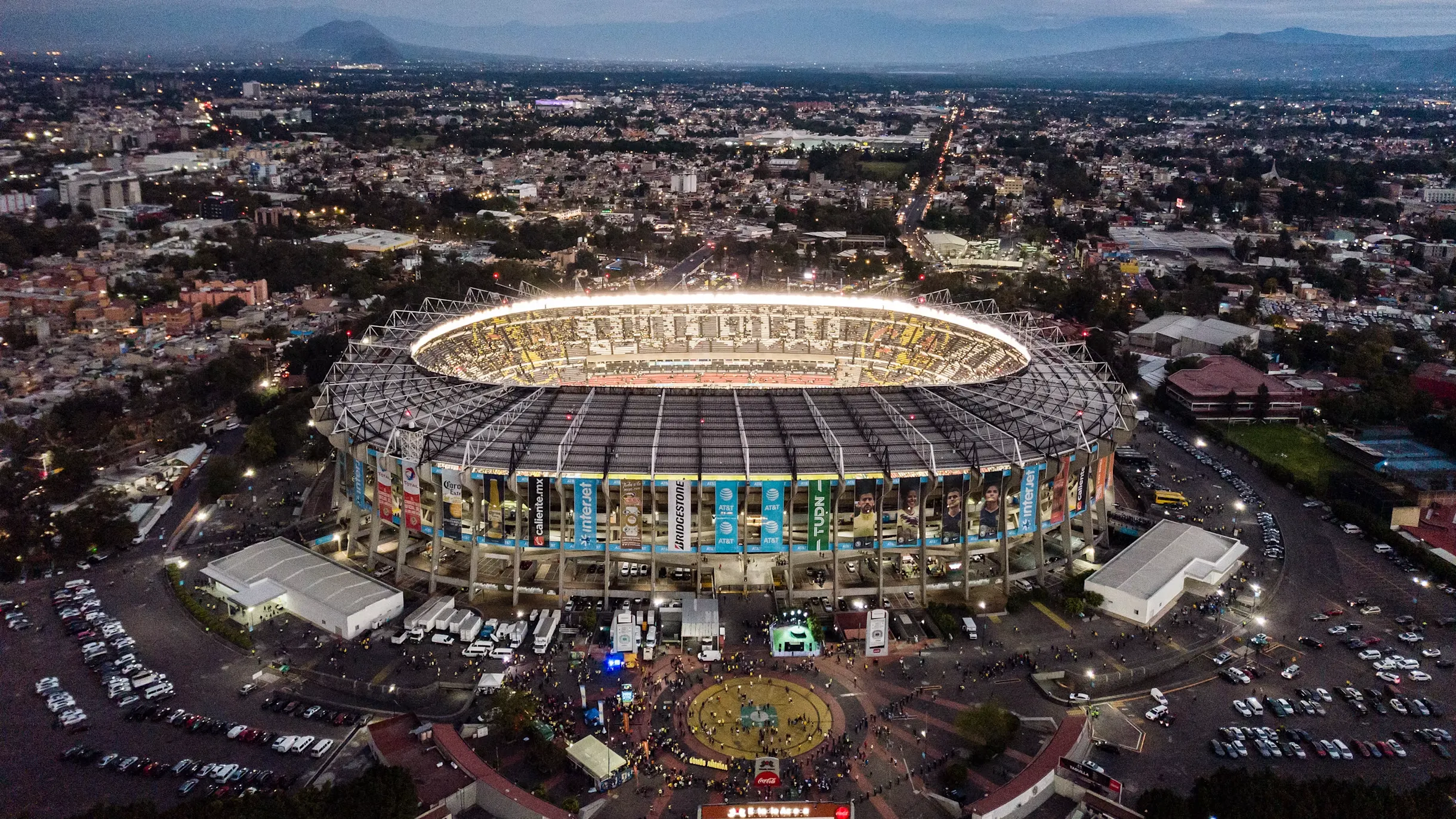
2026 FIFA World Cup Stadiums
2026 FIFA World Cup © 2019 Getty Images
FIFA World Cup 2026
© Nhat V. Meyer via Bay Area News Group
FIFA World Cup 2026
Opening Ceremony FIFA 2026 © Ricardo Mazalan/AP Photo
FIFA World Cup 2026
© Hector Vivas/Getty Images
FIFA World Cup 2026
© PA Images via Getty Images
FIFA World Cup 2026
© allstarshuttles.com
FIFA World Cup 2026
© hootboard
FIFA World Cup 2026
David Ramos via Getty Images
List of Images 1/8
2026 FIFA World Cup Stadiums
FIFA World Cup 2026
FIFA World Cup 2026
FIFA World Cup 2026
FIFA World Cup 2026
FIFA World Cup 2026
FIFA World Cup 2026
FIFA World Cup 2026
SHARE

The FIFA World Cup 2026 was the largest tournament in football history, spanning three countries, 16 host cities, and 48 national teams. While the event showcased world-class stadiums and attracted millions of fans, it also became a real-world stress test for urban infrastructure. Extreme weather, transportation demands, cross-border logistics, and digital operations demonstrated that hosting a mega sporting event is no longer just about building iconic stadiums. It requires resilient cities capable of adapting to climate change, managing unprecedented mobility, and delivering seamless experiences for both residents and visitors.

Contents
  • 1. Climate-Resilient Stadiums Can No Longer Be Optional
  • 2. Transportation Networks Matter More Than Stadium Capacity
  • 3. Existing Stadiums Need Continuous Modernization
  • 4. Digital Infrastructure Is Now Essential Urban Infrastructure
  • 5. The Legacy of a Mega Event Begins Before Construction
FIFA World Cup 2026
© PA Images via Getty Images

Rather than focusing on isolated shortcomings, the tournament revealed broader infrastructure challenges that architects, engineers, and urban planners should address before the next generation of global sporting events. Here are five key lessons.

1. Climate-Resilient Stadiums Can No Longer Be Optional

One of the tournament’s defining challenges was extreme summer heat across several U.S. host cities. The Round of 16 match between France and Paraguay in Philadelphia became one of the hottest World Cup fixtures ever played, with temperatures approaching 38°C and heat index values exceeding 40°C. The conditions reignited debate about whether open-air stadiums designed decades ago remain suitable for a warming climate.
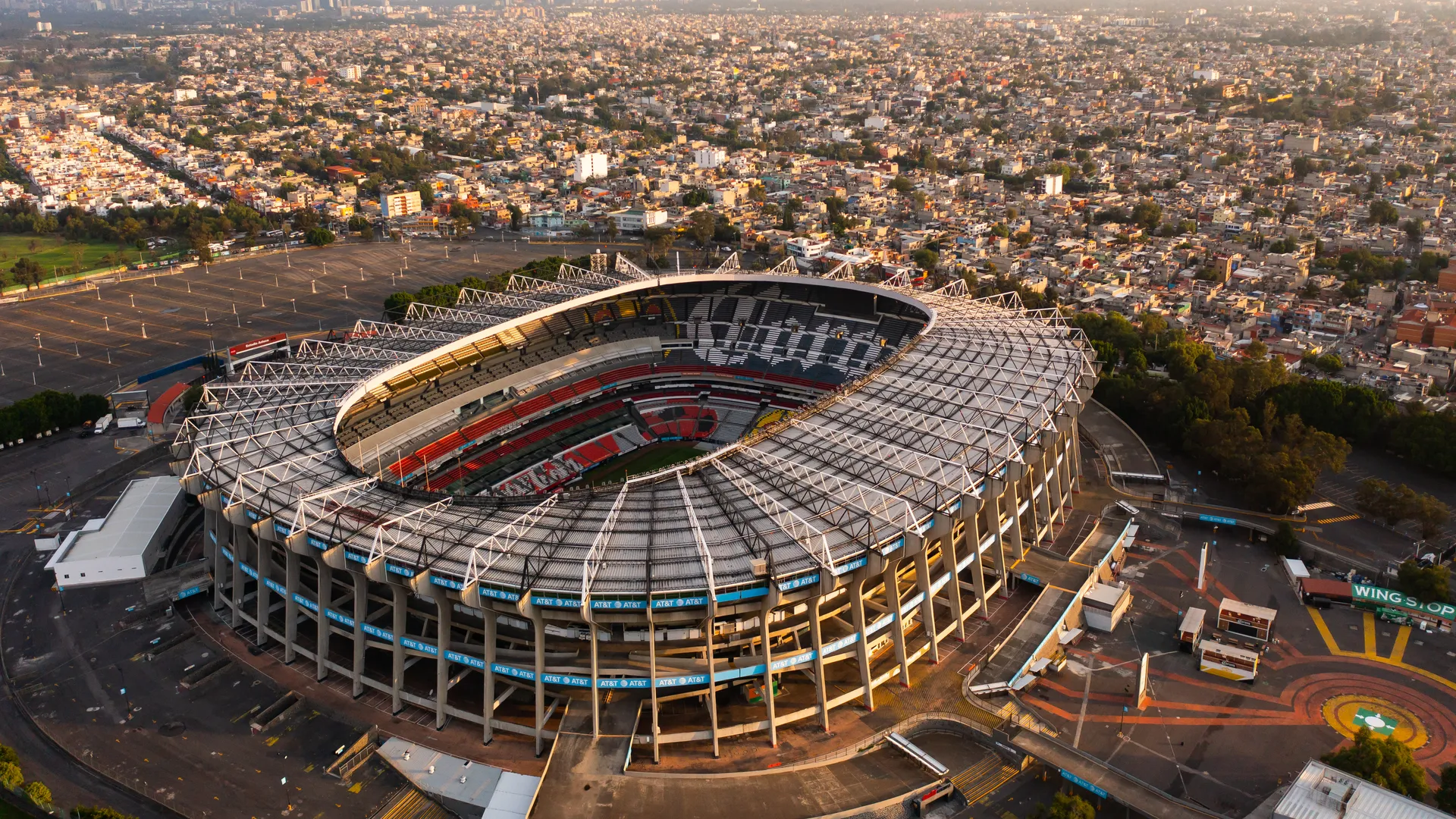
FIFA World Cup 2026
Estadio Azteca © Hector Vivas/Getty Images

While hydration breaks and cooling stations helped mitigate immediate risks, the tournament demonstrated that operational measures alone are insufficient. Future stadiums should integrate passive cooling strategies, larger shaded spectator zones, high-performance façades, natural ventilation systems, and climate-responsive materials. Climate adaptation must become a core design principle rather than an operational contingency.

2. Transportation Networks Matter More Than Stadium Capacity

Most World Cup venues successfully accommodated spectators inside the stadium, but moving hundreds of thousands of people across metropolitan regions proved to be an equally important challenge. With matches distributed across three countries and thousands of kilometres, airports, rail services, metro systems, and last-mile transport became the backbone of the tournament.
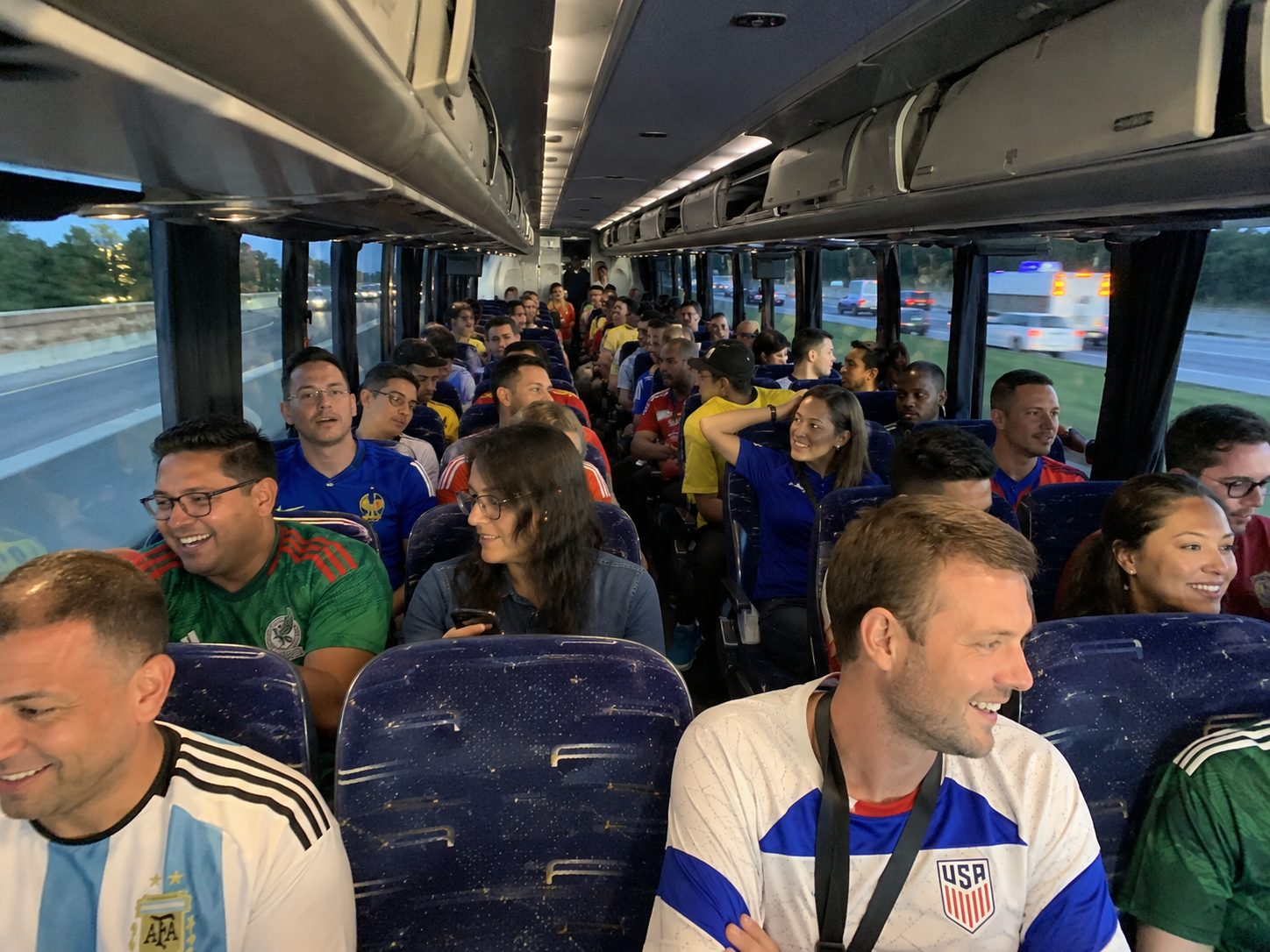
© allstarshuttles.com

The event highlighted that transport investment often determines the overall fan experience more than the architecture of the venue itself. Future host cities should prioritize multimodal mobility, integrated ticketing, dedicated event transit corridors, and pedestrian-friendly public spaces around stadium districts. A successful tournament begins long before spectators reach their seats.

3. Existing Stadiums Need Continuous Modernization

Unlike previous tournaments that relied heavily on newly constructed venues, the 2026 FIFA World Cup largely utilized existing NFL and football stadiums. This approach reduced construction-related emissions and costs but also exposed the limitations of venues originally designed for different sports and climatic conditions.
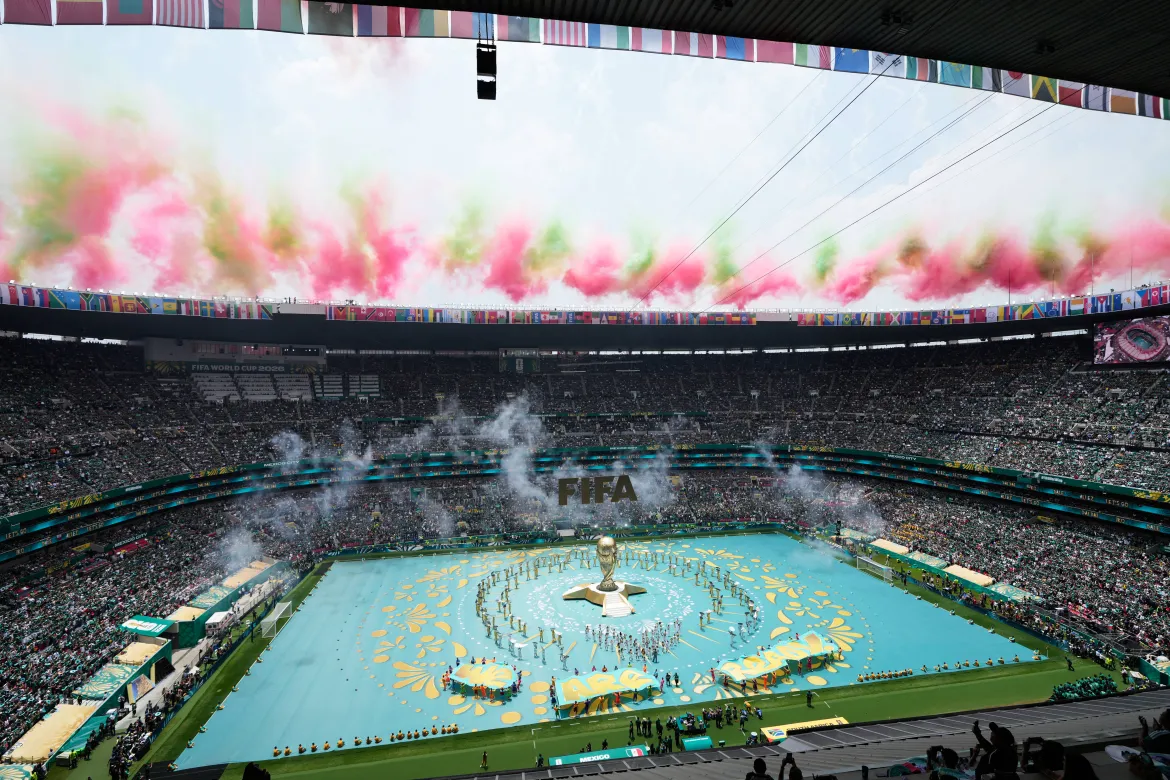
FIFA World Cup 2026
Opening Ceremony FIFA 2026 © Ricardo Mazalan/AP Photo

The tournament showed that legacy stadiums require continuous upgrades in accessibility, digital infrastructure, energy efficiency, crowd circulation, and environmental performance. Future investments should focus less on constructing new landmarks and more on transforming existing facilities into flexible, year-round civic assets capable of hosting multiple event types.

4. Digital Infrastructure Is Now Essential Urban Infrastructure

The success of a modern mega-event depends as much on invisible infrastructure as on physical construction. Digital ticketing, real-time crowd monitoring, mobile navigation, security screening, and communication networks became indispensable throughout the tournament.
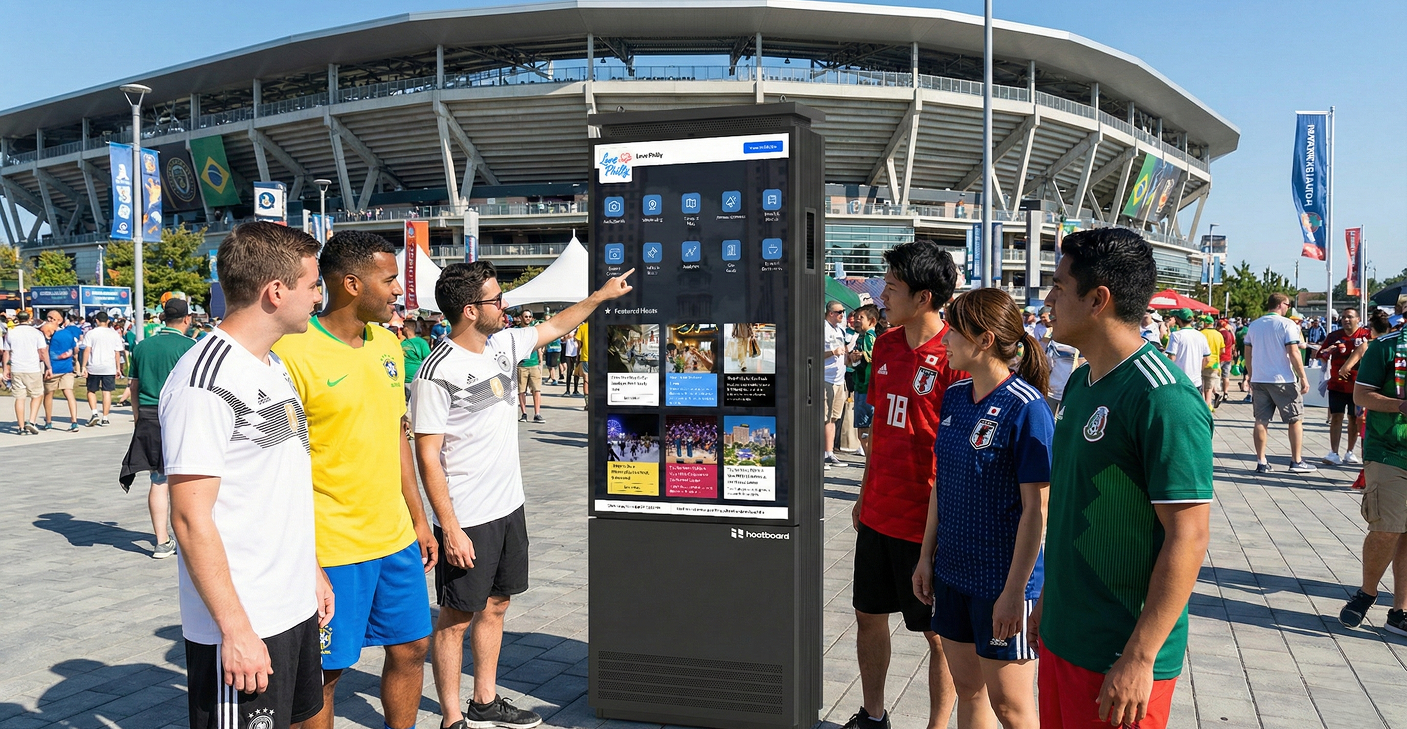
FIFA World Cup 2026
© hootboard

As attendance increased with the expanded 48-team format, host cities relied heavily on integrated digital systems to manage visitor flows efficiently. Future sporting infrastructure should embed smart technologies from the earliest design stages, including digital twins, AI-supported operations, IoT sensors, and resilient communication networks capable of responding dynamically to changing conditions.

5. The Legacy of a Mega Event Begins Before Construction

Perhaps the tournament’s most valuable lesson is that infrastructure should never be designed solely for a month-long sporting spectacle. Every investment in transport, public space, utilities, and stadium modernization should contribute to long-term urban development.

FIFA World Cup 2026
© Nhat V. Meyer via Bay Area News Group

The multi-country hosting model encouraged cities to improve regional connectivity, modernize transport systems, and upgrade public infrastructure that will continue serving residents long after the final whistle. For architects and planners, the measure of success is not the tournament itself but whether these investments strengthen cities for decades to come. Sustainable legacy planning remains the defining benchmark for future World Cups.

The FIFA World Cup 2026 demonstrated that the future of mega sporting events lies beyond architecture alone. Climate resilience, integrated transportation, adaptable stadiums, smart digital systems, and long-term urban legacy collectively determine whether a tournament leaves behind meaningful value.

As cities prepare to host increasingly complex global events in an era of climate uncertainty and rapid urbanization, infrastructure must evolve from serving spectators for a few weeks to supporting communities for generations. The greatest legacy of the FIFA World Cup 2026 may not be remembered for the goals scored on the pitch but for the lessons it offered about designing more resilient, connected, and future-ready cities.

TAGGED:FIFA World CupFootballstadiums
Share This Article
Email Copy Link Print
ByPooja Khanna Tyagi
Pooja Khanna Tyagi is an India-based architect and design writer. Her work engages with architecture, interiors, materials, and evolving lifestyle narratives, with a focus on translating complex ideas into clear, accessible content. With a minimalist sensibility, she uses writing to simplify design ideas. A graduate of Dr. B.N. College of Architecture, Pune (2000), India, she has been active in the writing domain since 2016. She has contributed to leading publications in India and internationally, bringing together professional insight and a measured, articulate voice.
Previous Article Goya Tower by Boonserm Premthada Is Built from Elephant Dung Bricks in Thailand Goya Tower by Boonserm Premthada Is Built from Elephant Dung Bricks in Thailand
Next Article 10 Pavilion Designs of 2026 That Transform Materials into Architectural Statements 10 Pavilion Designs of 2026 That Transform Materials into Architectural Statements

More Stories

Construction Projects

Beyond the Architect: Rethinking Power and Hierarchy in Contemporary Construction Projects

By
Mahshid Motamed
How AI Is Transforming Outdoor Living Spaces Beyond The House

How AI Is Transforming Outdoor Living Spaces Beyond The House

By
PA Editorial Team
Miami Bay Towers

Miami Bay Towers Brings Four Sculptural Forms to Biscayne Bay

By
Isha Chaudhary
Sarnath

Sarnath Becomes India’s 45th UNESCO World Heritage Site

By
Isha Chaudhary

Motion in the Shell by Melike Altinisik Architects

By
Hamid Hassanzadeh
Iranian Architecture

A Legacy Built in Brick and Geometry: Arches in Iranian Architecture

By
Mahshid Motamed
Tianmeng Tower

Woods Bagot Shapes the IGG Tianmeng Tower Around Fuzhou’s Iconic Banyan Tree

By
Isha Chaudhary
Origami architecture

Top 10 Buildings Shaped by the Art of Origami Folding in Architecture

By
Arpitha S
Korean Football Park

UNStudio Completes Korean Football Park in Cheonan

By
Isha Chaudhary
Stormwater Drainage Grates

7 Anti-Slip Surface Standards Required for Stormwater Drainage Grates

By
PA Editorial Team
Previous Next

Subscribe Newsletter

- Upcoming Workshop-
Ad image

You Might Also Like

Architecture & DesignArchitecture News

Do we really need to build more skyscrapers?

August 15, 2024
ArticlesArtificial Intelligence

10 spotlighted AI designers of 2023

January 5, 2024
ProjectsArchitectureArticles

An Immersive Wine Experience by CHYBIK + KRISTOF ARCHITECTS

October 30, 2023
Architecture & Design

10 Sustainable Projects by Lake Flato Architects

July 8, 2025
PA

© All rights reserved. Parametric Architecture (2018-2026) - ISSN 3023-7564

Facebook Twitter Youtube Rss Medium

Get to Know Us

  • Architecture
  • Design
  • Digital Art
  • Fashion
  • Installation
  • Pavilion
  • Interior
  • Products

© 2026 ParametricArchitecture. All Rights Reserved. By utilizing this website, you are consenting to our User Agreement, Privacy Policy, and Cookie Statement. In compliance with the privacy laws of Turkey and the United States, we recognize and respect your rights. Please be aware that we may receive commissions for products bought through our affiliate links. Unauthorized reproduction, distribution, or transmission of any material from this site is strictly forbidden without prior written permission from ParametricArchitecture.

Join Us!
Subscribe to our newsletter and never miss our latest news, podcasts etc..
Please check admin setting to display form corretly.
Zero spam, Unsubscribe at any capitalpost.
Welcome Back!

Sign in to your account

Username or Email Address
Password

Lost your password?