





• About Us
  • Submit Project
  • Advertise
  • NewsLetter
PA
Subscribe
  • Articles
    • Archipreneurs
    • Technology
    • Bim / Aec
    • 3D Printing
    • Architects
    • Artificial Intelligence
    • Robotics
    • Sustainability
    • Tools
    • Case Study
    • City Guide
    • Opinions
    • Interviews
    • Architecture & Design
      • Urbanism
      • Metaverse
      • Space Architecture
      • Geography
  • Projects
    • Architecture
    • Interior
    • Design
      • Fashion
      • Pavilion
      • Installation
      • Digital Art
      • Landscape Design
    • Products
  • News
  • Workshops
  • PA Talks
  • Videos
  • Books
  • More
    • PA+ Membership
    • Courses
    • Competitions
    • Events
    • Jobs
    • About Us
    • Contact Us
Font ResizerAa
PAPA
Search
  • Articles
    • Archipreneurs
    • Technology
    • Bim / Aec
    • 3D Printing
    • Architects
    • Artificial Intelligence
    • Robotics
    • Sustainability
    • Tools
    • Case Study
    • City Guide
    • Opinions
    • Interviews
    • Architecture & Design
  • Projects
    • Architecture
    • Interior
    • Design
    • Products
  • News
  • Workshops
  • PA Talks
  • Videos
  • Books
  • More
    • PA+ Membership
    • Courses
    • Competitions
    • Events
    • Jobs
    • About Us
    • Contact Us
Follow US
PA > Blog > Articles > Tools > 10 Architecture Tools Using AI That Are Transforming Design in 2026
Tools

10 Architecture Tools Using AI That Are Transforming Design in 2026

Last updated: July 10, 2026 12:02 pm
Pooja Khanna Tyagi
Pooja Khanna Tyagi
ByPooja Khanna Tyagi
Pooja Khanna Tyagi is an India-based architect and design writer. Her work engages with architecture, interiors, materials, and evolving lifestyle narratives, with a focus on translating...
Share
© Abhishek Jain via PAACADEMY
10 AI Platforms Every Architect Should Use in 2026
autodesk
10 AI Platforms Every Architect Should Use in 2026
© autodesk
10 AI Platforms Every Architect Should Use in 2026
List of Images 1/11
10 AI Platforms Every Architect Should Use in 2026
SHARE

Architecture in 2026 is evolving rapidly as artificial intelligence becomes an integral part of the design process. Designing a building is no longer limited to drafting plans or producing construction documents. Today, architects use a growing range of architecture tools that incorporate AI to generate ideas, evaluate design options, predict building performance, and streamline decision-making long before construction begins.

Contents
  • 1. Autodesk Revit
  • 2. Autodesk Forma
  • 3. ComfyUI
  • 4. SketchUp
  • 5. Archicad
  • 6. TestFit
  • 7. Hypar
  • 8. Midjourney
  • 9. Stable Diffusion
  • 10. Maket.ai
  • How AI is Changing Architectural Work

Rather than replacing creativity, AI is enhancing the software architects already rely on. From BIM platforms and parametric modeling tools to generative design applications and AI-driven visualization, these technologies help automate repetitive tasks, improve collaboration, and support more informed decisions about space, materials, sustainability, and building performance.

Here are 10 architecture tools using AI that are transforming the way architects design, collaborate, and deliver projects in 2026.

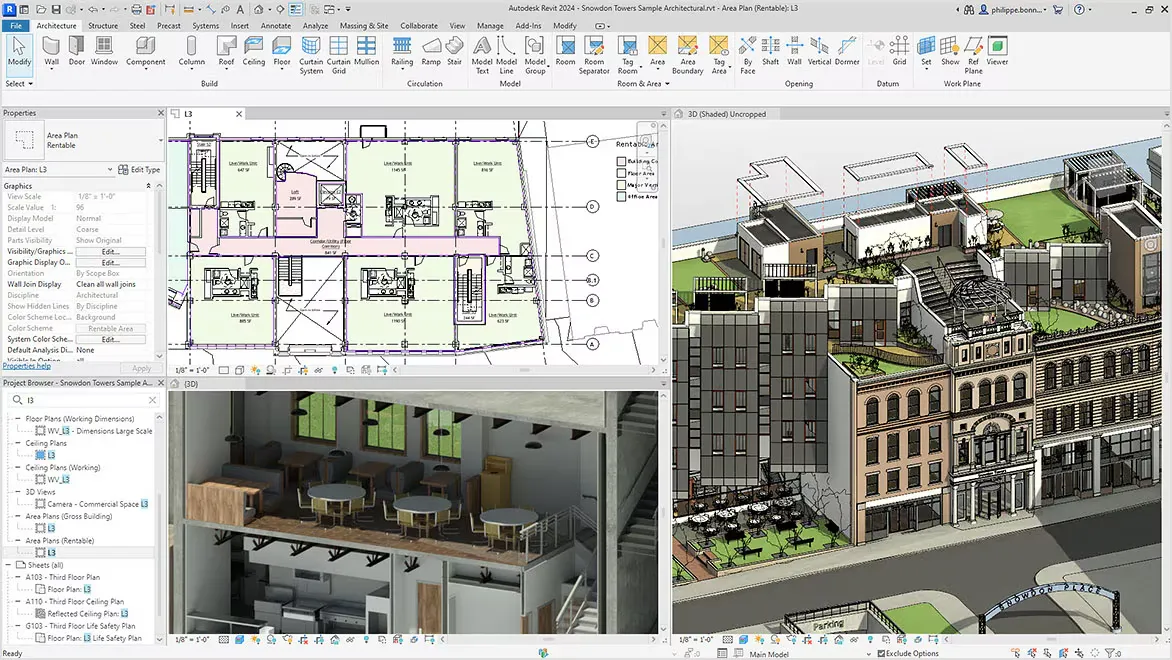
1. Autodesk Revit
10 AI Platforms Every Architect Should Use in 2026
© autodesk

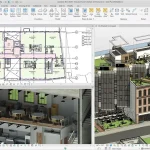
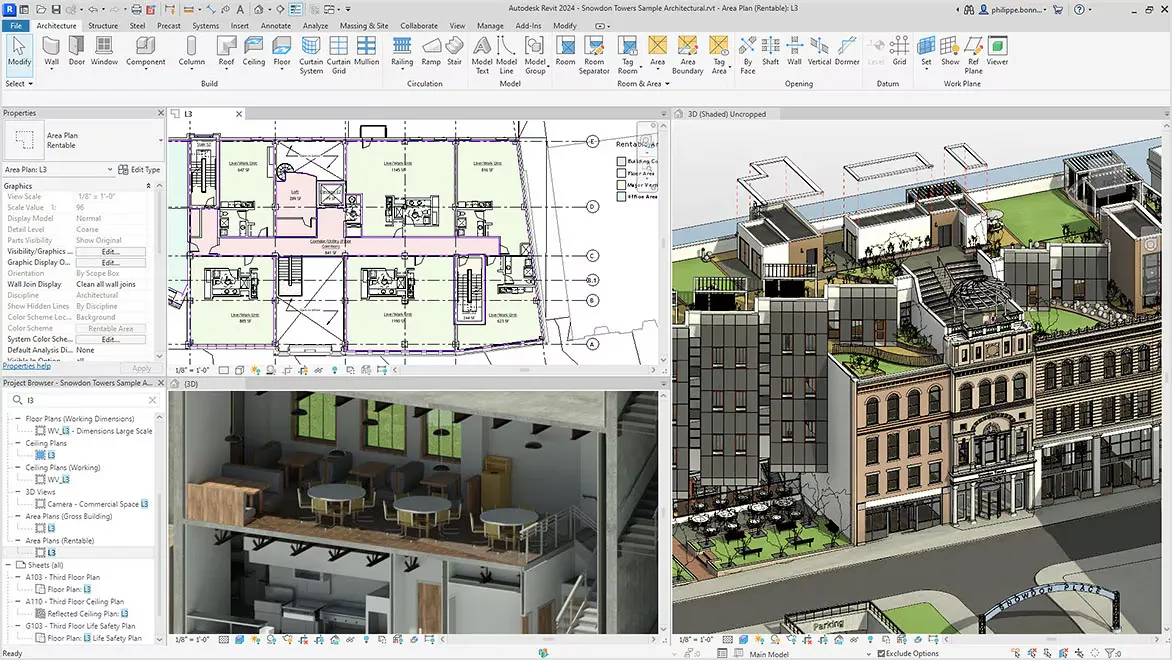
Autodesk Revit continues to be one of the most widely used building information modeling tools. What has changed in recent years is how much intelligence has been added to it. AI-powered features help automate routine tasks, identify design conflicts, and provide predictive insights throughout the design process. Instead of only documenting design, it now helps detect coordination issues early, suggests improvements in model structure, and supports performance-related decisions.

Architects use it to understand how a building behaves before construction begins, especially in terms of energy use and spatial efficiency. It remains the central platform for project delivery in many firms.

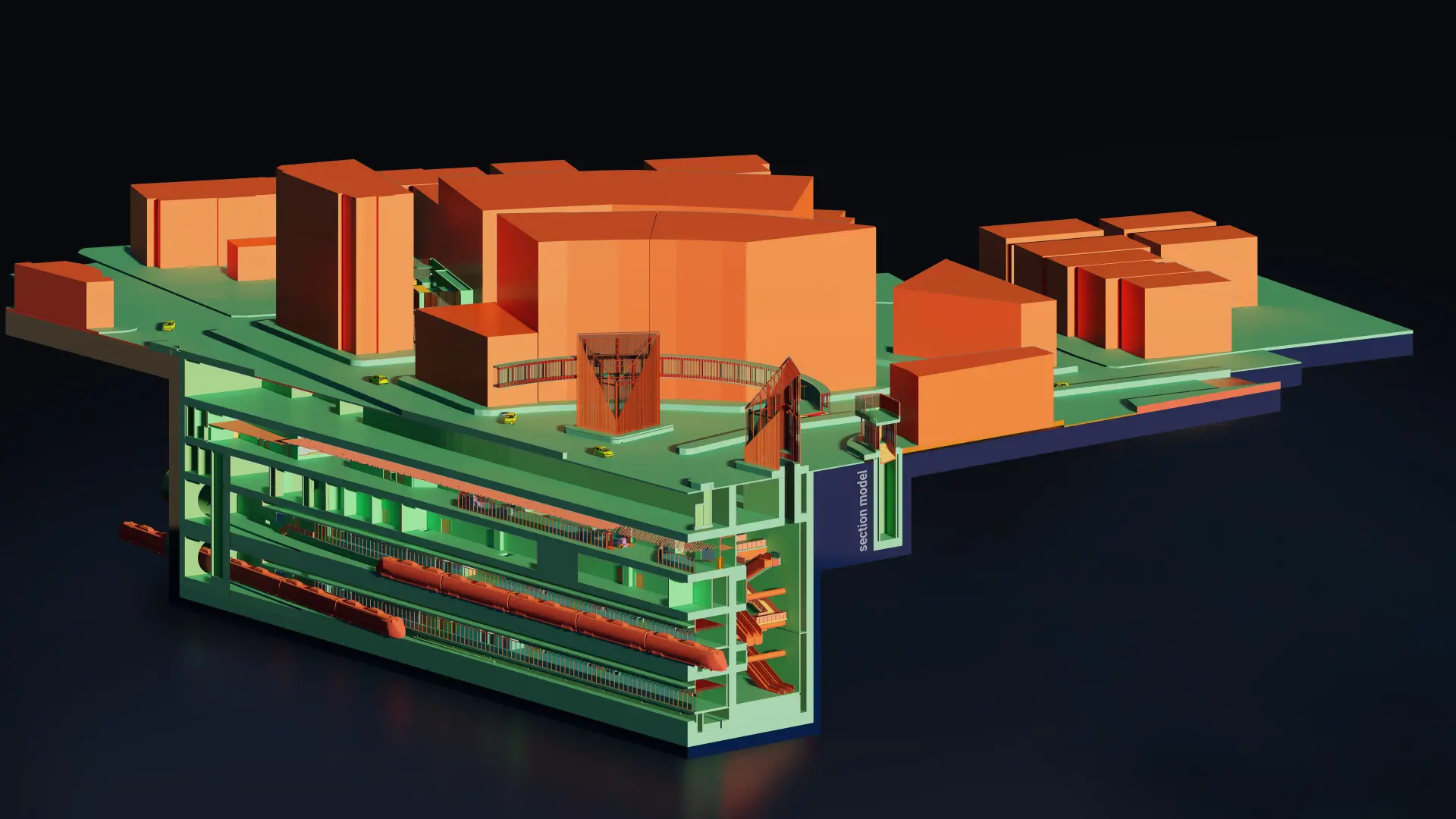
2. Autodesk Forma
10 AI Platforms Every Architect Should Use in 2026, Tools
© autodesk

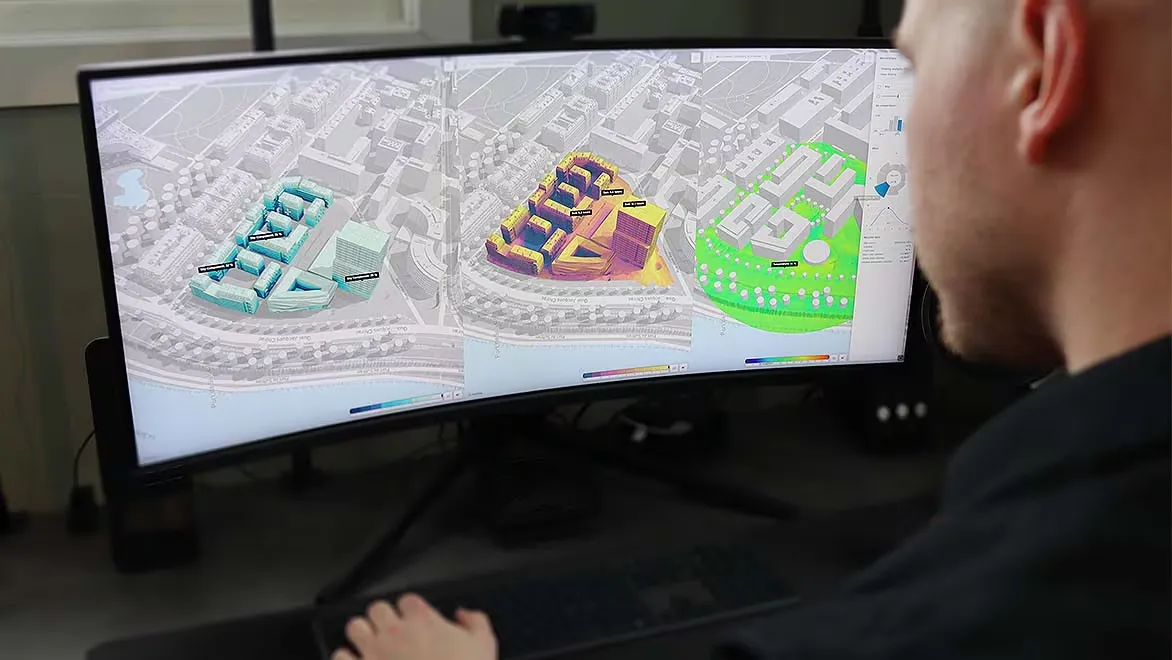
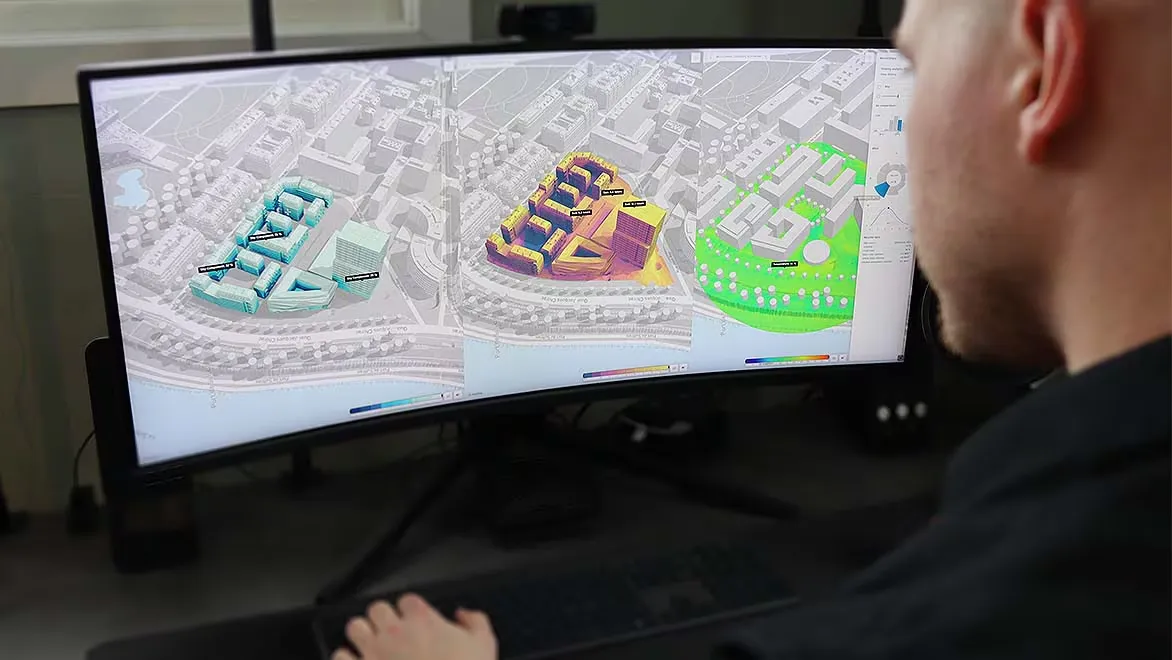
Autodesk Forma is designed for the earliest stages of design when ideas are still flexible. Its AI-powered analysis instantly evaluates design options, providing data-driven insights for faster decision-making. It allows architects to test building massing options while understanding environmental factors like sunlight, wind flow, and noise.

What makes it valuable is the speed of feedback; instead of waiting for manual analysis, designers can immediately see how each idea performs. This makes early planning more informed and less dependent on guesswork.

3. ComfyUI

© comfyui.org

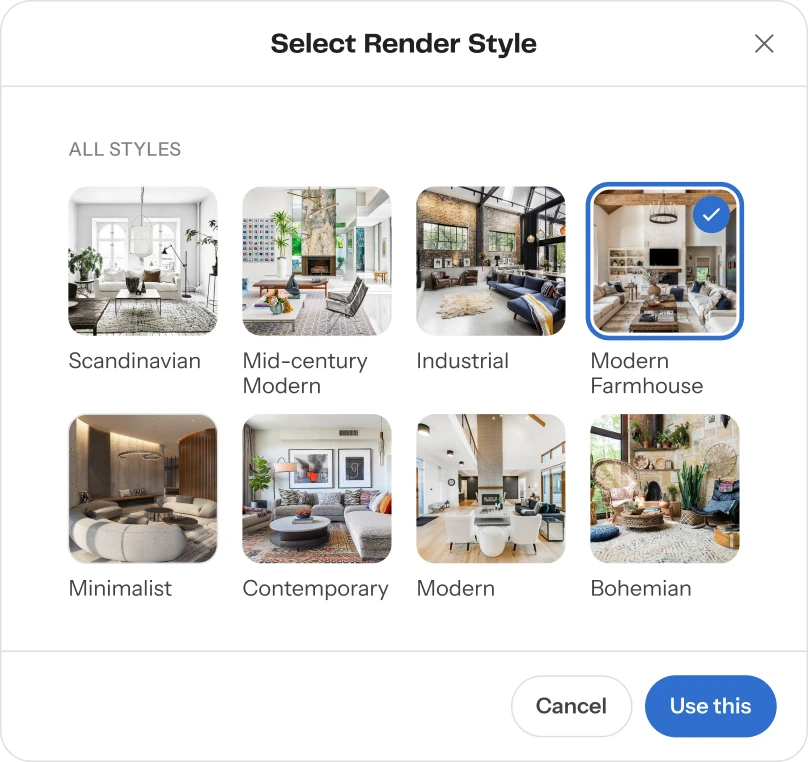
ComfyUI is an open-source, node-based AI platform that enables architects to build custom image-generation workflows. It offers precise control over prompts, models, and rendering, supporting faster and more flexible design exploration.

ComfyUI helps architects generate multiple design concepts, refine visualizations, automate rendering workflows, and maintain consistent styles. Its local AI support, customization, and advanced controls make it ideal for architectural visualization.

4. SketchUp
10 AI Platforms Every Architect Should Use in 2026
© 3D warehouse

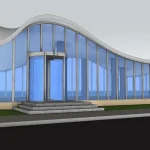
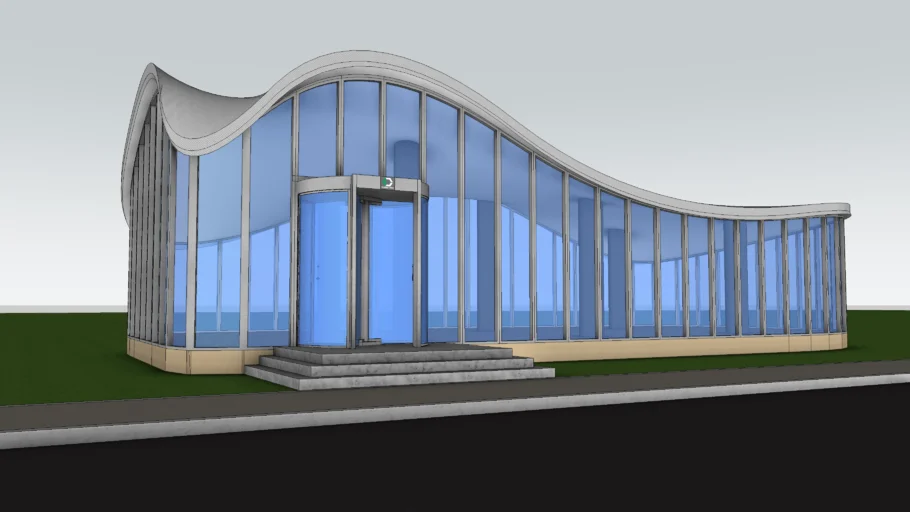
SketchUp remains popular because of its simplicity. AI-powered extensions accelerate concept generation, automate repetitive modeling tasks, and enhance visualization with intelligent design suggestions. It is often the first tool architects use when exploring ideas quickly.

With AI-assisted workflows, SketchUp supports faster massing studies, layout suggestions, and realistic visualizations. Its speed, ease of use, and accessibility make it an ideal tool for early-stage design and client presentations.

5. Archicad
10 AI Platforms Every Architect Should Use in 2026
© graphisoft

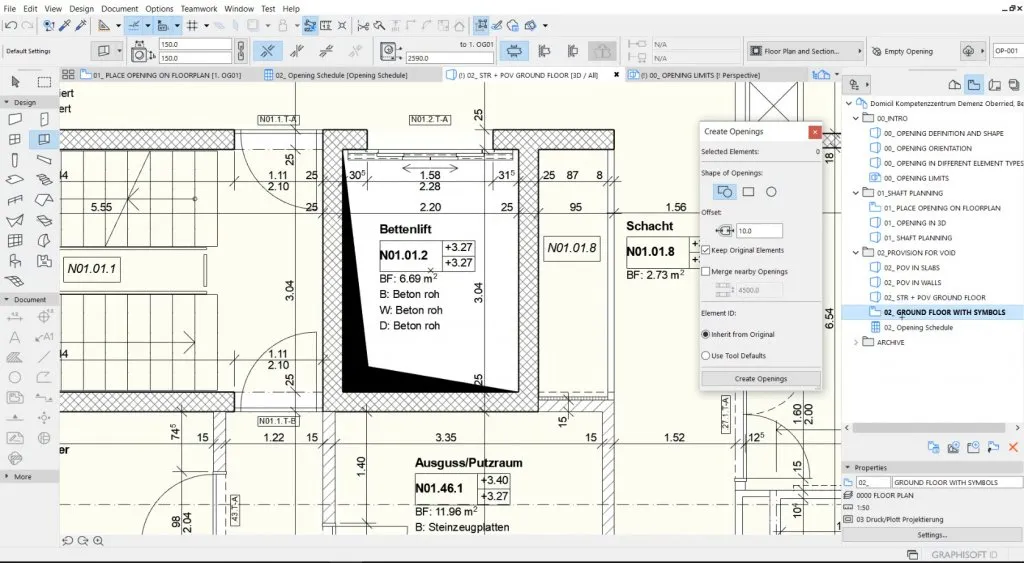
Archicad is a collaborative building information modeling platform that streamlines teamwork across architects, engineers, and consultants. Its AI-powered tools automate documentation, detect design conflicts, and provide performance-based recommendations for smarter decision-making.

By improving coordination and identifying issues early, Archicad reduces errors, enhances project accuracy, and helps teams deliver complex building projects more efficiently.

6. TestFit
10 AI Platforms Every Architect Should Use in 2026
© TestFit

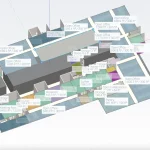
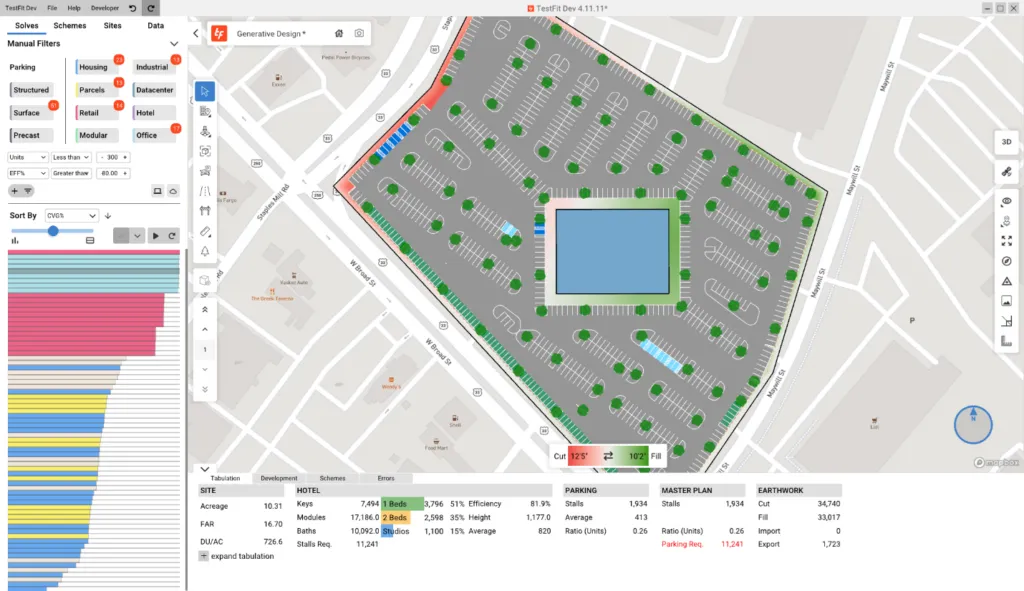
TestFit is an AI-powered feasibility and site-planning tool that rapidly generates development layouts from inputs such as zoning rules, parking needs, unit mix, and site constraints.

By analyzing thousands of possibilities in minutes, TestFit helps architects compare options, optimize density and parking, and make faster, data-driven decisions during the earliest stages of housing and commercial projects.

7. Hypar
10 AI Platforms Every Architect Should Use in 2026
© hypar

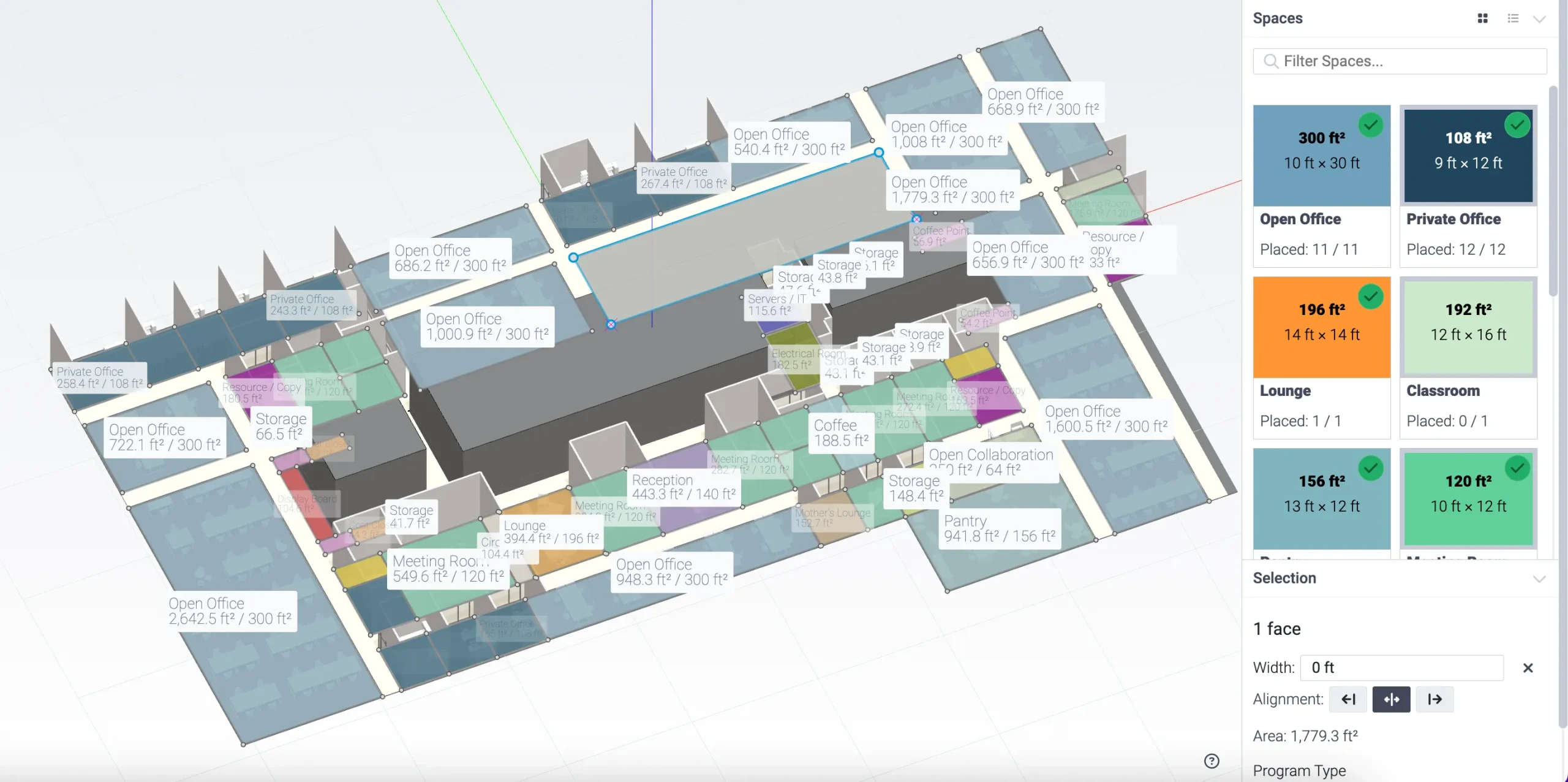
Hypar is a cloud-based generative design platform where architects define goals and rules instead of modeling everything manually. Its AI-powered automation generates layouts, structural systems, and building configurations based on project constraints.

By creating repeatable design logic, Hypar accelerates large-scale projects, reduces manual work, and allows architects to focus on optimizing systems rather than drawing individual elements.

8. Midjourney
10 AI Platforms Every Architect Should Use in 2026
© HiveSchools by Rolando Cedeño de la Cruz

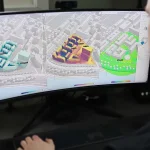
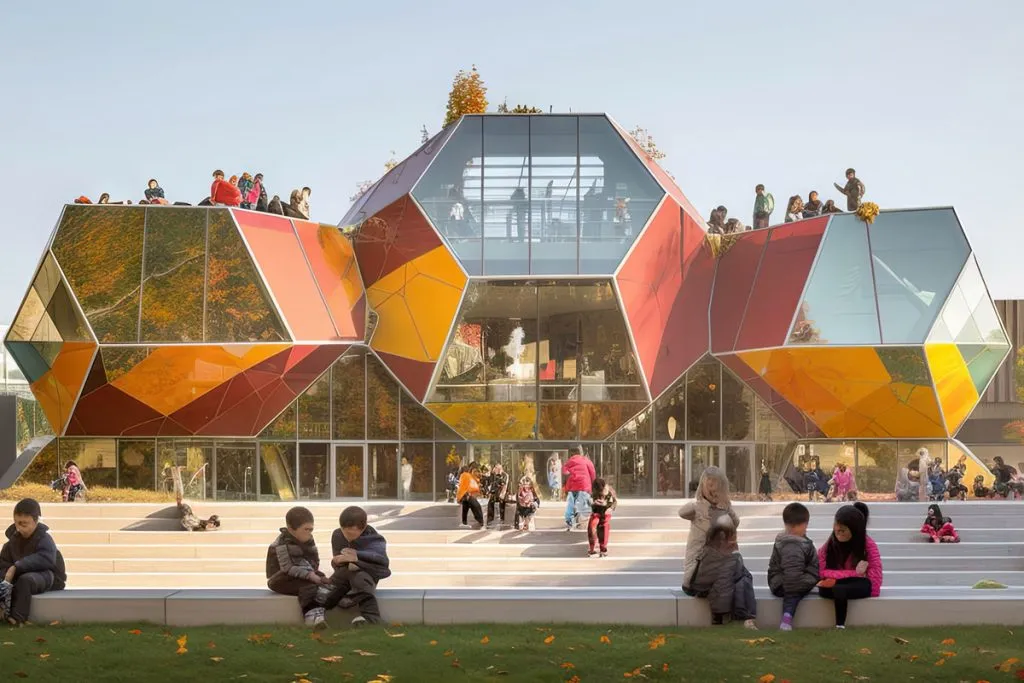
Midjourney is an AI-powered image generation platform that helps architects rapidly explore design concepts, materials, lighting, and spatial atmospheres from text prompts. It excels at visual ideation rather than technical modeling.

Architects use Midjourney to communicate design intent, test creative directions, and produce compelling concept visuals. It speeds up brainstorming and enhances client presentations during the earliest stages of design.

9. Stable Diffusion
10 AI Platforms Every Architect Should Use in 2026
© stable diffusion

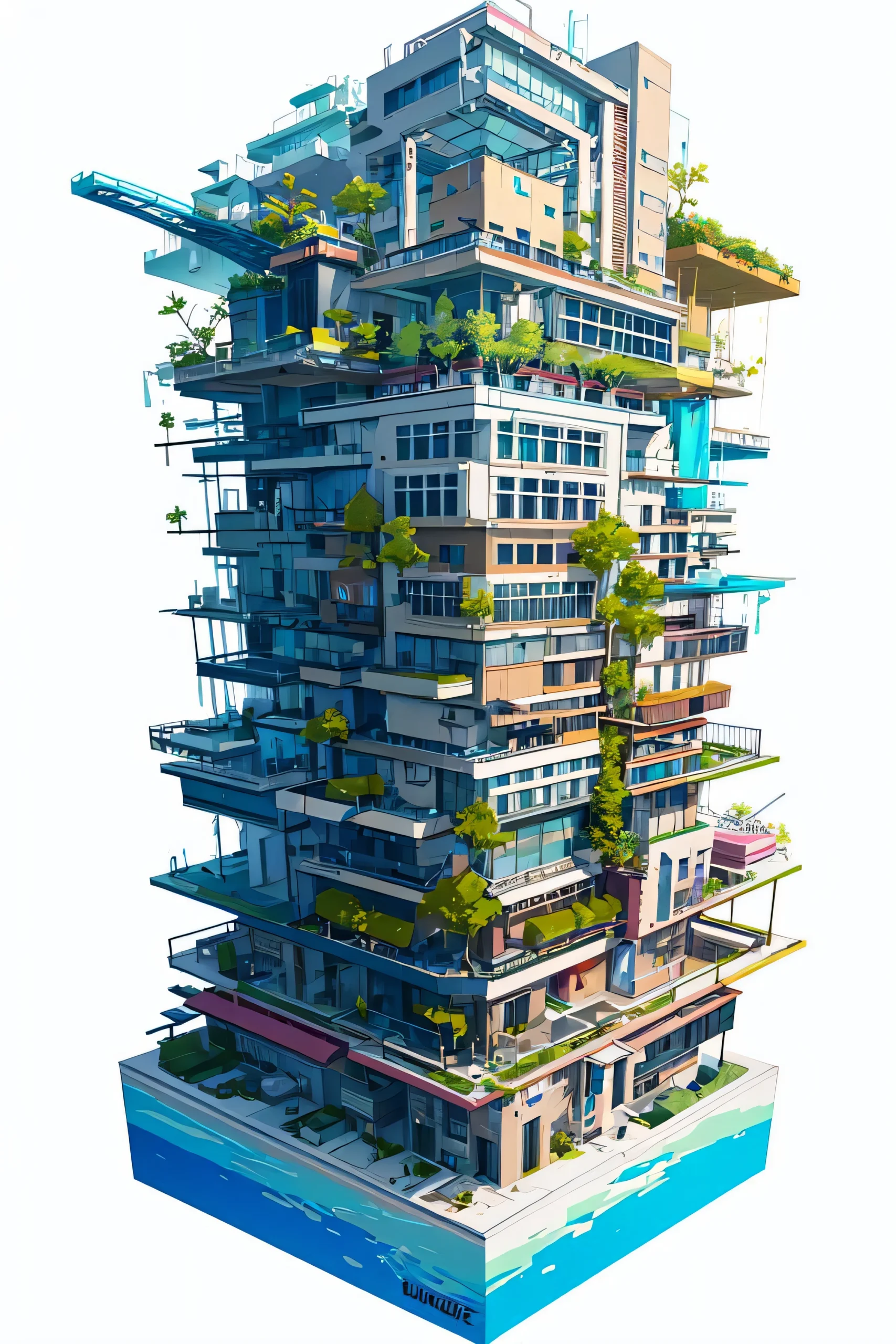
Stable Diffusion is an open-source AI image generation system that gives architects greater control and customization over visual outputs. Its AI models can be fine-tuned for specific styles, materials, and architectural aesthetics.

This flexibility helps firms maintain a consistent design language across projects while creating unique visual presentations. Its adaptability and control make it valuable for creative exploration and branding.

10. Maket.ai
10 AI Platforms Every Architect Should Use in 2026
© makit.ai

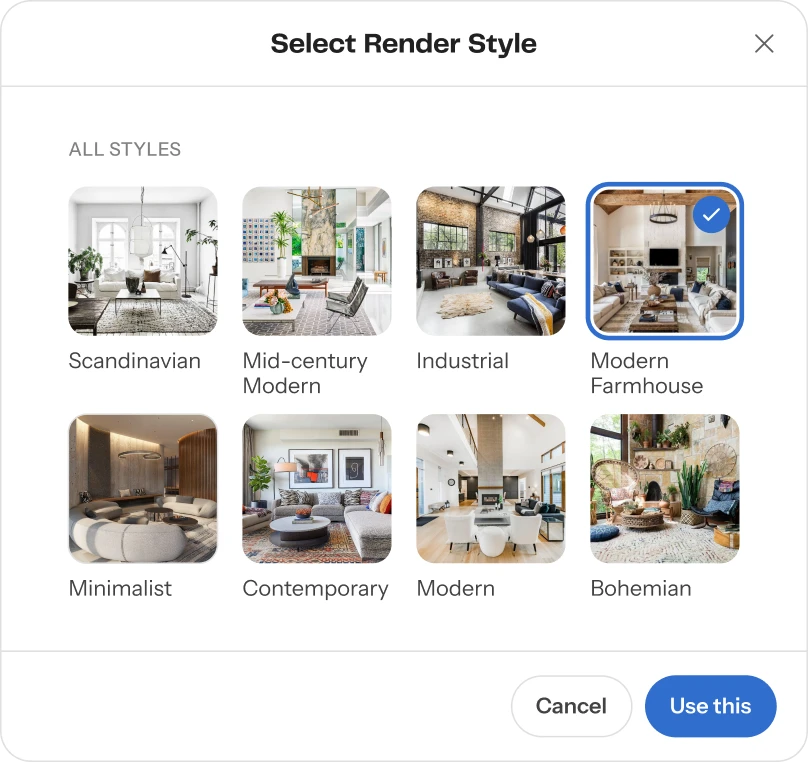
Maket.ai focuses on AI-powered automated residential planning, generating floor plans based on plot size, user preferences, and regulatory requirements.

By creating multiple design options instantly, it helps architects explore possibilities faster, improve early decision-making, and accelerate the conceptual phase. It is especially useful for small studios and developers managing tight project timelines.

How AI is Changing Architectural Work

Across these architecture tools, one clear shift is reshaping the profession. Artificial intelligence is helping architects spend less time on repetitive tasks and more time refining ideas, solving complex design challenges, and making informed decisions. Whether through AI-assisted BIM workflows, environmental analysis, generative design, automated planning, or concept visualization, these tools are expanding what architects can achieve throughout the design process.

As AI continues to evolve, architecture tools will become even more intelligent and connected. Rather than replacing architects, they are augmenting creativity, improving efficiency, and enabling better-informed design decisions. The future of architecture lies not in AI alone, but in how architects use these technologies to create more innovative, sustainable, and human-centered buildings.


TAGGED:AI platformAutodeskRhinotools
Share This Article
Email Copy Link Print
ByPooja Khanna Tyagi
Pooja Khanna Tyagi is an India-based architect and design writer. Her work engages with architecture, interiors, materials, and evolving lifestyle narratives, with a focus on translating complex ideas into clear, accessible content. With a minimalist sensibility, she uses writing to simplify design ideas. A graduate of Dr. B.N. College of Architecture, Pune (2000), India, she has been active in the writing domain since 2016. She has contributed to leading publications in India and internationally, bringing together professional insight and a measured, articulate voice.
Previous Article Europe Under Heat: The 2026 Heatwaves are a Stress Test for the Built Environment Europe Under Heat: The 2026 Heatwaves are a Stress Test for the Built Environment
Next Article Sharjah Architecture Triennial Sharjah Architecture Triennial Announces 2026 Participants

More Stories

Construction Projects

Beyond the Architect: Rethinking Power and Hierarchy in Contemporary Construction Projects

By
Mahshid Motamed
How AI Is Transforming Outdoor Living Spaces Beyond The House

How AI Is Transforming Outdoor Living Spaces Beyond The House

By
PA Editorial Team
2026 FIFA World Cup Stadiums

5 Infrastructure Lessons from FIFA World Cup 2026: What Future Host Cities Must Learn

By
Pooja Khanna Tyagi
Miami Bay Towers

Miami Bay Towers Brings Four Sculptural Forms to Biscayne Bay

By
Isha Chaudhary
Origami architecture

Top 10 Buildings Shaped by the Art of Origami Folding in Architecture

By
Arpitha S
Sarnath

Sarnath Becomes India’s 45th UNESCO World Heritage Site

By
Isha Chaudhary
Korean Football Park

UNStudio Completes Korean Football Park in Cheonan

By
Isha Chaudhary
Iranian Architecture

A Legacy Built in Brick and Geometry: Arches in Iranian Architecture

By
Mahshid Motamed
Tianmeng Tower

Woods Bagot Shapes the IGG Tianmeng Tower Around Fuzhou’s Iconic Banyan Tree

By
Isha Chaudhary

Motion in the Shell by Melike Altinisik Architects

By
Hamid Hassanzadeh
Previous Next

Subscribe Newsletter

- Upcoming Workshop-
Ad image

You Might Also Like

ArticlesTools

8 AI image to animation generators

July 6, 2026
PAACADEMYWorkshops

UN_Locking Materiality: Python & Robotic Archeologies – Studio Daniela Atencio

February 11, 2025
ArticlesTools

Unreal Engine: Essential features and architectural impacts

March 17, 2024
ArticlesTools

10 online collaboration platforms for productive teamwork

August 6, 2024
PA

© All rights reserved. Parametric Architecture (2018-2026) - ISSN 3023-7564

Facebook Twitter Youtube Rss Medium

Get to Know Us

  • Architecture
  • Design
  • Digital Art
  • Fashion
  • Installation
  • Pavilion
  • Interior
  • Products

© 2026 ParametricArchitecture. All Rights Reserved. By utilizing this website, you are consenting to our User Agreement, Privacy Policy, and Cookie Statement. In compliance with the privacy laws of Turkey and the United States, we recognize and respect your rights. Please be aware that we may receive commissions for products bought through our affiliate links. Unauthorized reproduction, distribution, or transmission of any material from this site is strictly forbidden without prior written permission from ParametricArchitecture.

Join Us!
Subscribe to our newsletter and never miss our latest news, podcasts etc..
Please check admin setting to display form corretly.
Zero spam, Unsubscribe at any capitalpost.
Welcome Back!

Sign in to your account

Username or Email Address
Password

Lost your password?