


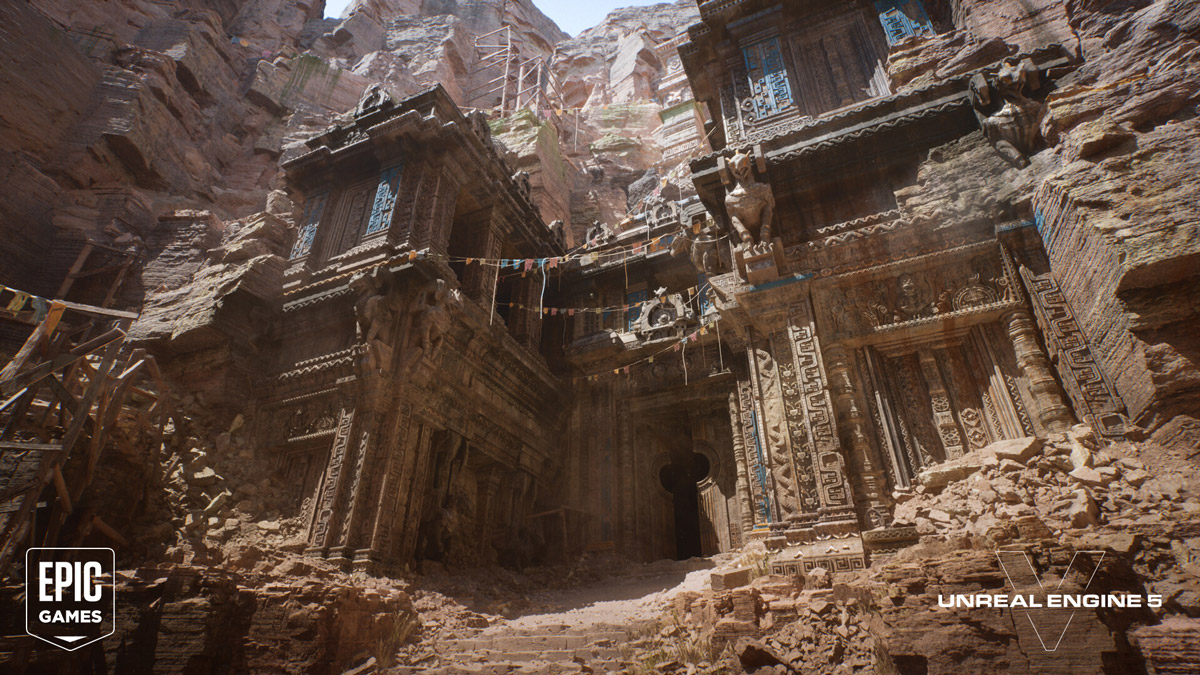
Unreal Engine (UE) is a flexible and powerful real-time 3D creator engine all over the globe that provides photorealistic visuals and inspiring experiences. Blueprints and C++ are the primary development tools in UE, which is extremely portable and compatible with a wide range of desktop, mobile, console, and virtual reality platforms. Unreal Engine’s capabilities are so vast and critical to all elements of utilizing the engine—from rendering and asset generation to animation and audio—that Guinness World Records declared it the “most successful videogame engine” in 2014. The article outlines a summary of UE, discussing its features and how it might benefit architects.
Epic Games created the UE line of 3D computer graphics game engines. In 1988, it was created for first-person shooters on personal computers. Subsequently, it has become utilized in several game genres and borrowed by other industries, such as architecture, film, and television. The most recent generation, Unreal Engine 5 (UE5), debuted in April 2022. The Gameplay Framework acts as a springboard for developing games in Unreal Engine. The concepts of actors, classes, and interfaces are used. As a whole, the UE leans heavily on object-oriented programming design, in addition to terms such as encapsulation class communication.
Features

UE is a comprehensive set of creation tools for game development, architectural and automotive visualization, linear film and television content creation, broadcast and live event production, training and simulation, and other real-time applications. It provides users with a realistic virtual experience, allowing them to recreate real-world circumstances in a controlled environment.
Unreal Engine has hundreds of major and minor features, ranging from subtle to outstanding. Here’s an overview of some of the important features:
User Interface
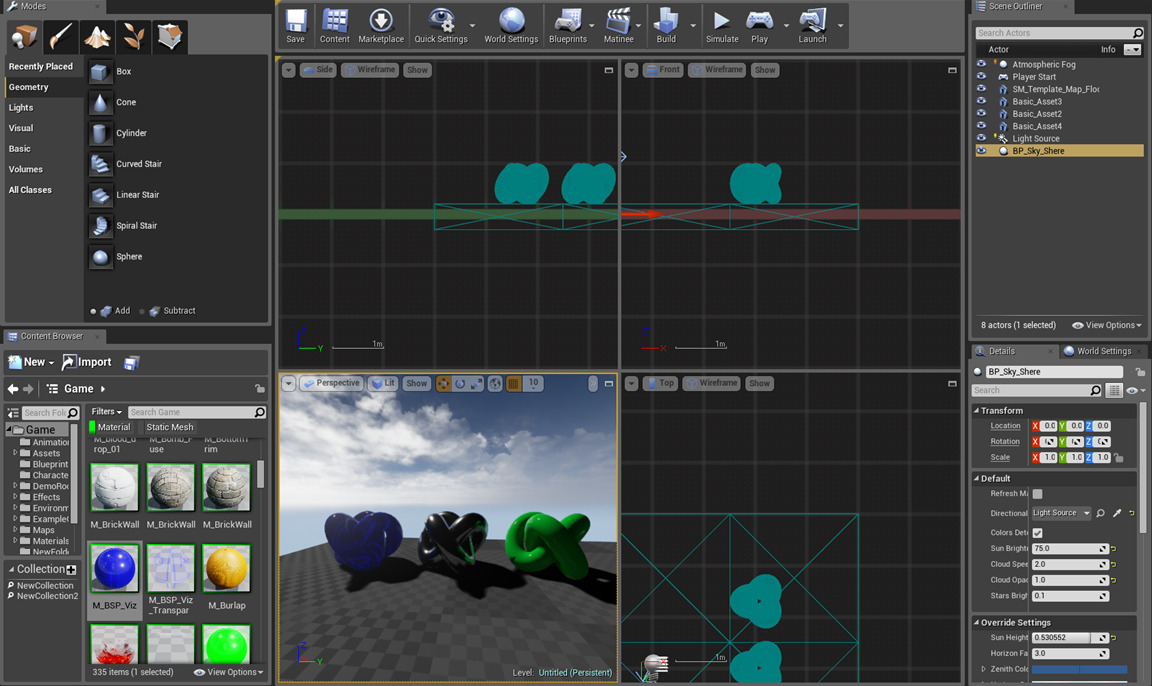
The UE editor has a style that simplifies the workflow and makes screen space more efficient, making it easier and faster to use. To make more space for viewport interactions on the UE editor, the developer has added the ability to swiftly summon and stow the content browser, as well as dock any editor tab to the collapsible sidebar. A favoriting system in the details panel allows users to quickly access commonly used features, and the create button on the main toolbar makes it easy to add actors to the scene.
Animation
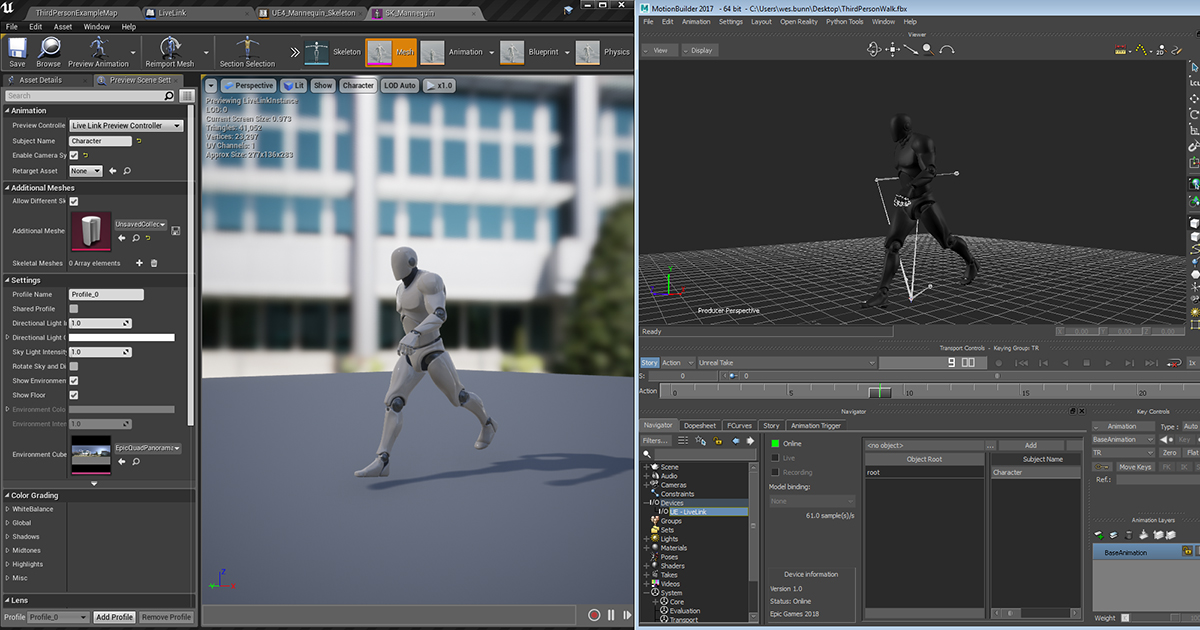
The control rig is one of the important features of UE. It allows users to distribute rigs across multiple characters, pose them in a sequencer, and apply the poses using the pose browser. It also promotes natural mobility with the Full-Body IK solver. Motion-warping lets you dynamically change a character’s basic motion to match multiple targets with a single animation. Full Body IK and Motion Warping are important aspects of game animation that will shape how most Unreal avatars are animated shortly. These techniques make game animation more interesting, straightforward, and precise than ever before.
Audio
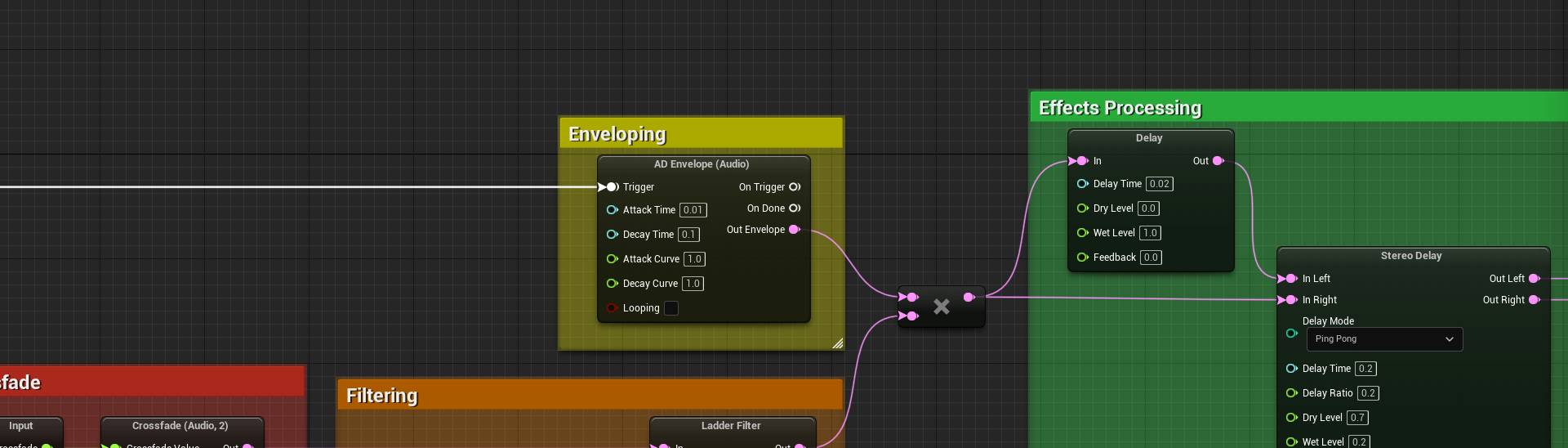
UE employs an audio technology known as MetaSounds. It is a high-performance solution that provides control over the production of audio, allowing users to manage all aspects of audio rendering and create next-generation procedural audio experiences. MetaSounds functions similarly to a fully programmable material and rendering pipeline, bringing all of the benefits of procedural content creation to audio that the material editor brings to shaders, including dynamic data-driven assets, the ability to map game parameters to sound playback, significant workflow improvements, and much more.
Lumen
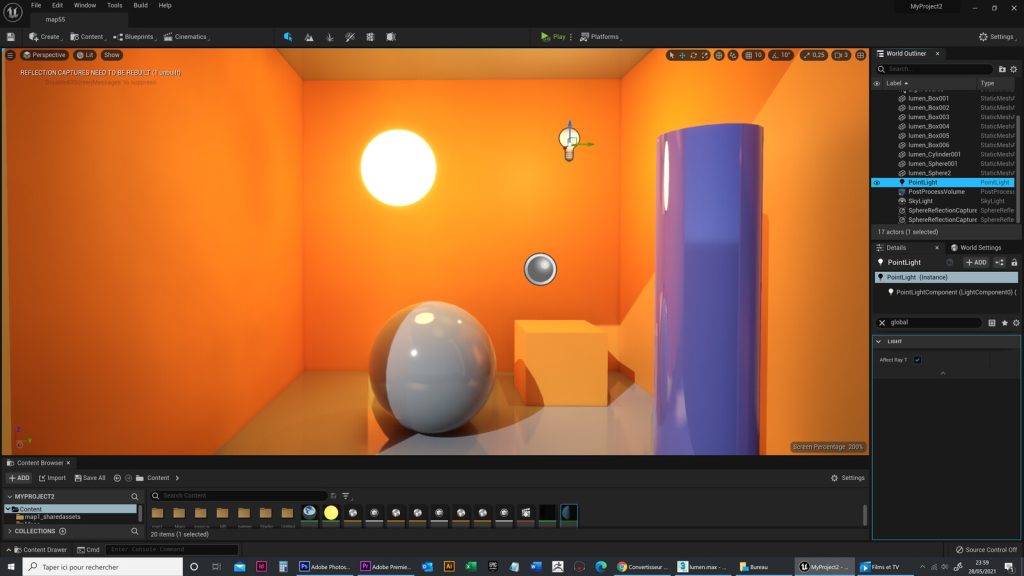
Lumen is a very exciting technology in UE, which is a fully dynamic global illumination and reflection system that is designed for next-generation consoles. Lumen is the default global illumination and reflection system in UE5. It renders diffuse reflection with, detailed environments varying at scales ranging from millimeters to kilometers. Lumen makes creating high-quality lighting much easier by removing much of the technical complexities that come with traditional static and dynamic lighting techniques.
Nanite Virtualized Geometry
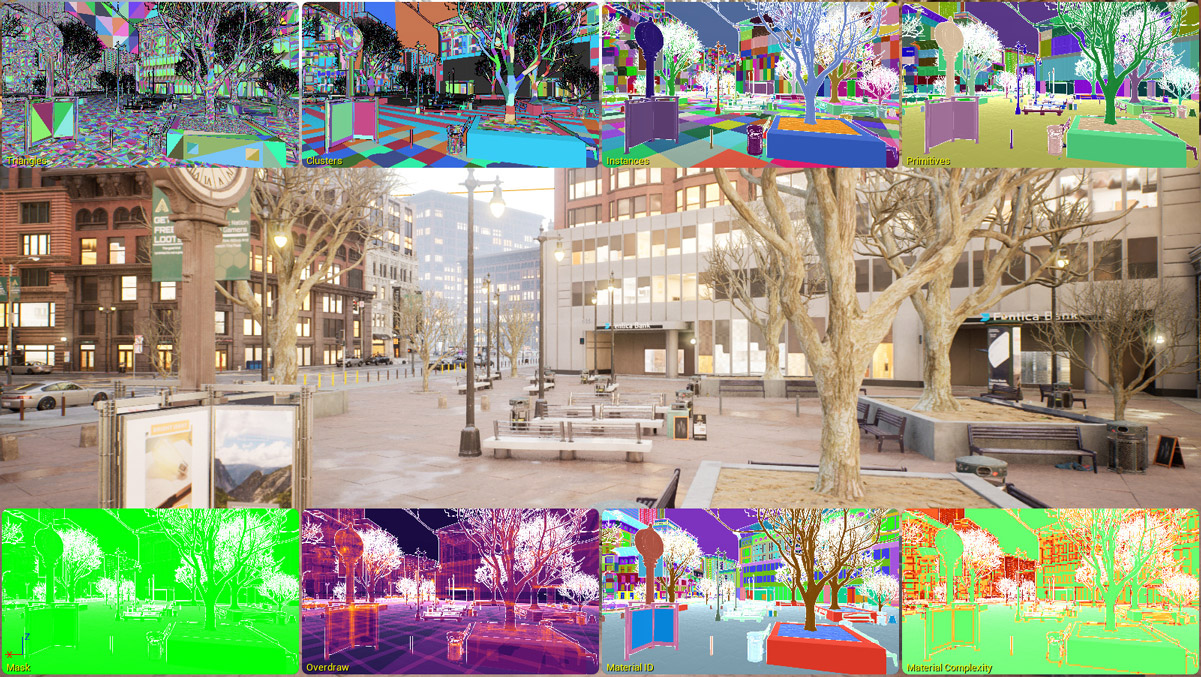
Nanite is UE’s virtual geometry system. It uses mesh formatting and rendering techniques. With fine-grained streaming, the data format is highly compressed. The rendering engine enables for the rapid presentation of pixel-scale information and large object counts. It logically focused on the obvious aspects. It has the ability to alter the environment by offering people virtually unlimited freedom to design high-fidelity items. However, there are certain practical limitations to consider, such as material complexity, instance count, and even triangles per mesh.
Chaos Physics
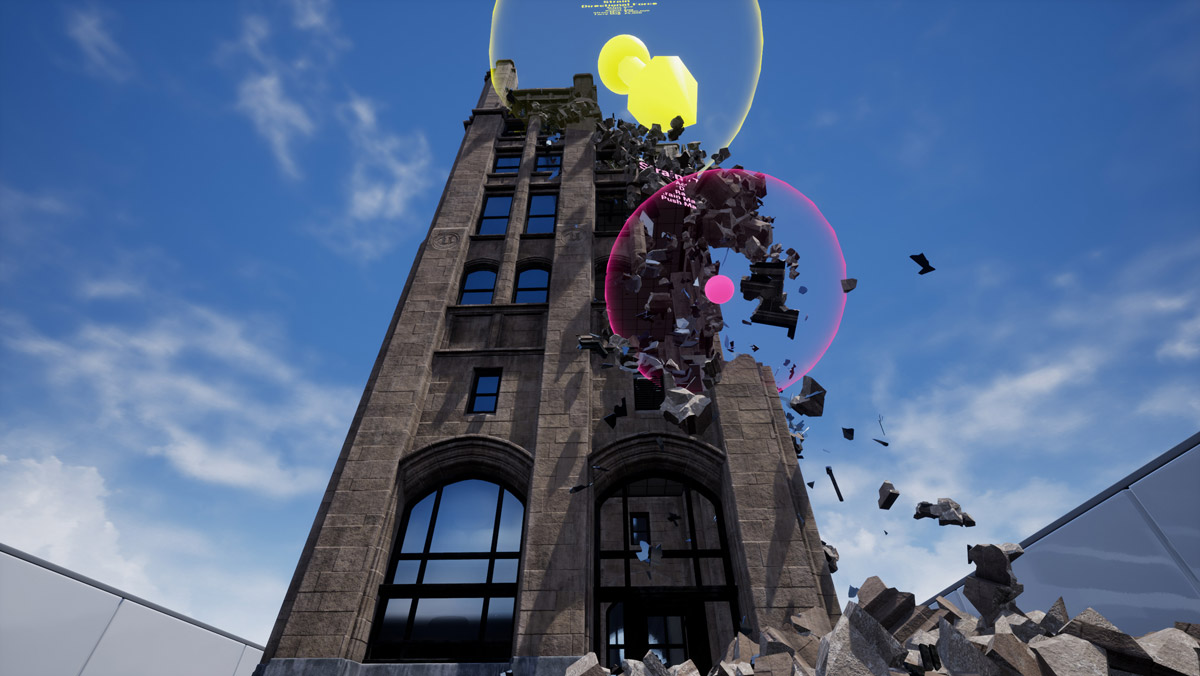
Chaos Physics is a simulation solution for UE designed to fulfill the needs of next-generation games. The system includes the following main features: rigid body dynamics, rigid body animation nodes and cloth physics, destruction, ragdoll physics, vehicles, physics fields, fluid simulation, and hair simulation. The majority of changes in basic physics and collision are code-level, and they include enhancements to existing systems such as collision channels and replies, among others.
Unreal Engine and Architecture
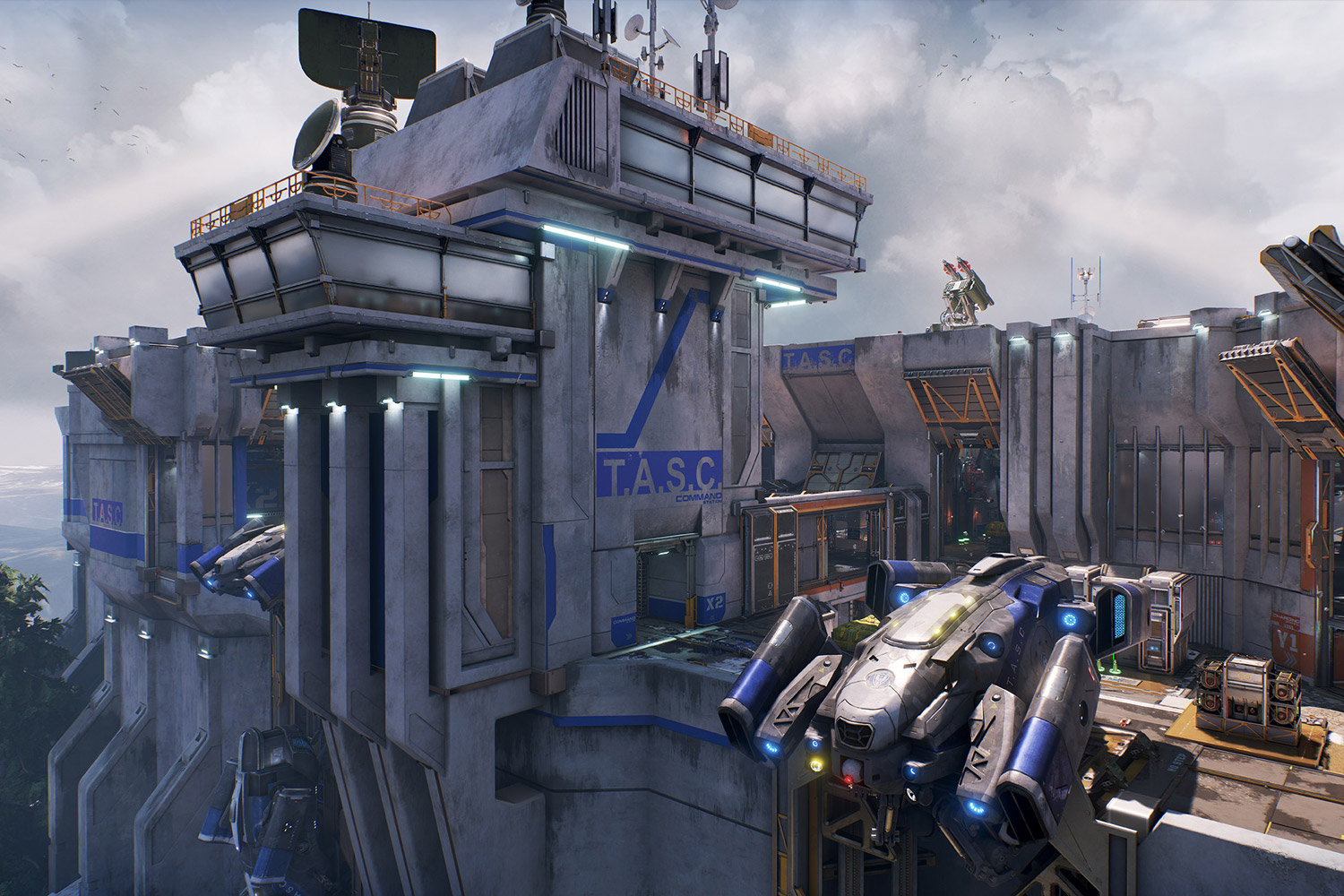
Unreal Engine allows architects to experiment and present their designs more effectively. It offers a number of features and effects specifically to the needs of architects. Architects may use UE to speed up and improve the process of producing photorealistic visualizations and animations. UE makes it simple to import high-fidelity data from a wide range of 3D, CAD, and BIM systems, allowing architects to start building immersive experiences. With support for large projects and exceptional photorealism, architects can easily bring their most ambitious dreams to fruition. It also helps to bridge the distance between stakeholders to solve problems by employing remote collaboration technologies that make everyone feel involved.
To conclude, Unreal Engine was originally designed to serve as the foundation technology for video games, but its accessibility and feature set have led to its use in a wide range of creative fields. It has been used as the basis for a virtual reality tool to investigate improved photorealism, as a virtual environment to explore and design new buildings and automobiles, and in filmmaking to create virtual sets that can track a camera’s movement around characters and objects and display them in real-time. As there are different perspectives on what the UE signifies to architects and designers, there are almost as many working definitions of it.
