In an era where technology continuously reshapes the creative landscape, architect and designer Pooriya Zamani is pioneering a bold new approach to Iranian architecture, one where artificial intelligence becomes a tool for rediscovery rather than disruption. Sharing his explorations on Instagram, Zamani investigates how digital intelligence can reinterpret, preserve, and evolve traditional architectural narratives across multiple scales by blending AI-driven processes with the time-honored principles of Persian design.
From the intimate details of intricate tilework to the vast expanse of urban environments, his work delves into the deeper essence of Iranian architecture, questioning how its spatial intelligence, ornamentation, and integration with nature can be reimagined for the contemporary world. Through a series of experimental exercises, AI-generated visualizations, and conceptual studies, he challenges the conventional boundaries between heritage and innovation, offering a fresh perspective on how digital tools can breathe new life into age-old architectural wisdom.
At its core, Pooriya Zamani’s work is an invitation to architects, designers, and thinkers to see tradition not as a fixed past but as an evolving dialogue between culture, technology, and human experience.

Inspirations from Iranian Architecture
Iranian architecture feels like a second skin, a space of origin, childhood, learning, growth, and immersion in the art of architecture. These spaces are deeply ingrained in collective memory, as familiar as the sky above or the ground beneath, performing their roles seamlessly, harmoniously, and with an innate kindness to the human spirit. The experience of living in such spaces has been documented extensively. Yet, when designers set out to create work inspired by these spaces, they often confront the realization that understanding this architecture is far from comprehensive, demanding further research and exploration.
In exercises with artificial intelligence, efforts were made to replicate and highlight certain qualities that make this architecture profoundly mysterious and captivating. The goal has been to deepen understanding of Iranian architecture. Each exercise focuses on a specific concept, employing diverse AI processes to generate imagery. While embracing creativity in these outputs, the process consciously avoids straying from the framework of ideas and principles associated with this architectural tradition.

For instance, in one early exercise, the sense of invitation embedded in the entrances of Iranian buildings was explored. The process began with studying and analyzing examples to gain a preliminary understanding of this characteristic, followed by translating that understanding into visual representations using AI tools. In subsequent exercises, the exploration extended to how these traditional concepts might manifest in contemporary architectural forms, considering ways to use the language and structure of this architecture to shape both living spaces and, on a larger scale, urban environments.
The audience’s reaction to these visualizations has been particularly noteworthy, even though it is clarified that the outputs are not intended as design proposals for specific projects or spaces.
Relationship Between Architecture and Nature
The relationship between architecture, nature, and humanity is a critical topic of persistent concern. This triad requires a delicate balance, regarded as one of the most vital issues architects must address. Questions arise: How can architectural spaces maintain harmony in their interactions with nature and human beings? How can these spaces draw inspiration from the soul and order of nature while simultaneously accommodating human life and activity?
Iranian architecture, in its remarkable brilliance, offers profound answers to these questions. Its integration with the human spirit and nature has long been a subject of admiration. Various exercises demonstrate how this architecture merges seamlessly with different natural contexts—deserts, seas, forests—while preserving its core identity and creating environments that support human life and activity within these natural landscapes.

As AI-driven design continues pushing creative boundaries, Pooriya Zamani’s work highlights how technology can reinterpret architectural heritage while preserving its essence. His explorations align with a broader shift in the industry that encourages designers to harness AI as a tool for innovation and storytelling. For those eager to explore this frontier, PAACADEMY’s AI workshops provide hands-on training in cutting-edge AI tools and techniques, equipping architects and designers with the skills to integrate computational intelligence into their creative processes. Discover more here.

Patterns and Ornamentation in Iranian Architecture
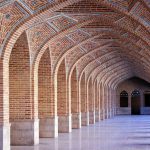
Other explorations focus on the intricate patterns and ornamental designs in Iranian architecture. Under the “Pattern Projection” theme, numerous studies attempt to create architectural spaces that fuse these ancient motifs with contemporary design principles.
For example, envision urban spaces like bridges, tunnel entrances, or caravanserais situated within deserts or other natural environments designed with these patterns. The process of generating these patterns with AI, aside from initially requiring complex techniques, opens up a rich avenue for investigation. Beyond the creative outputs, these exercises provide deep insights.

In another series, contemporary architectural forms, such as residential complexes and towers, are reimagined through the lens of various historical periods of Iranian architecture. These explorations highlight the stark contrasts between contemporary apartment living and the collective and private spaces of the past, raising the question of whether the values embedded in these historical designs can be rediscovered and revived.

Studies are also dedicated to specific elements, motifs, and colors in architecture—examining the presence of water and trees, the emphasis on communal life in Iranian spaces, the use of Iranian-colored tiles, and the transformative impact these elements have on various environments.

One ongoing project, titled “The City’s Respect for Its Citizens,” visualizes parts of cities designed to honor and accommodate their inhabitants, whether through thoughtfully designed seating areas, inclusive solutions for people with physical disabilities, or even small decorative features that bridge the past with contemporary shared language.

These exercises remain ongoing, each carrying a distinct name and clear purpose. The hope is that through these collective efforts, a deeper understanding of this architecture will be developed. Working with artificial intelligence is akin to practicing architecture, a process of discovery, a means to better comprehend the built environment, and a way to explore pathways toward creating a better future than today.



-150x150.webp)