




Around the world, organizations such as UNESCO, ICCROM (International Centre for the Study of the Preservation and Restoration of Cultural Property), ICOMOS (International Council on Monuments and Sites), the World Monuments Fund, and national heritage agencies work alongside architects, conservation specialists, governments, and private developers to protect significant historic sites. They not only preserve architectural heritage but also work on reducing construction waste, lowering the environmental impact of demolition, and giving historic buildings sustainable new purposes.
- 1. Casino Doxi Stracca, Puglia, Italy
- 2. Distillery District, Toronto, Canada
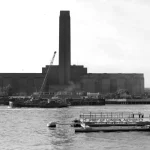
- 3. Tate Modern, London, UK
- 4. Zeitz MOCAA, Cape Town, South Africa
- 5. Battersea Power Station, London, UK
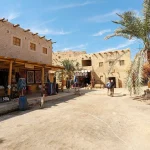
- 6. Shali Fortress, Siwa Oasis, Egypt
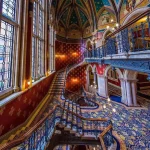
- 7. St Pancras Renaissance Hotel, London, UK
- 8. Gasometer City, Vienna, Austria
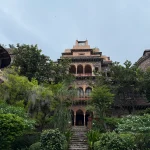
- 9. Neemrana Fort-Palace, Rajasthan, India
- 10. Najd Al Meqsar, Khorfakkan, UAE
This list covers 10 projects that span hospitality, industrial, public, and cultural reuse, showing different ways old buildings are given new functions while keeping their historic character intact.
1. Casino Doxi Stracca, Puglia, Italy
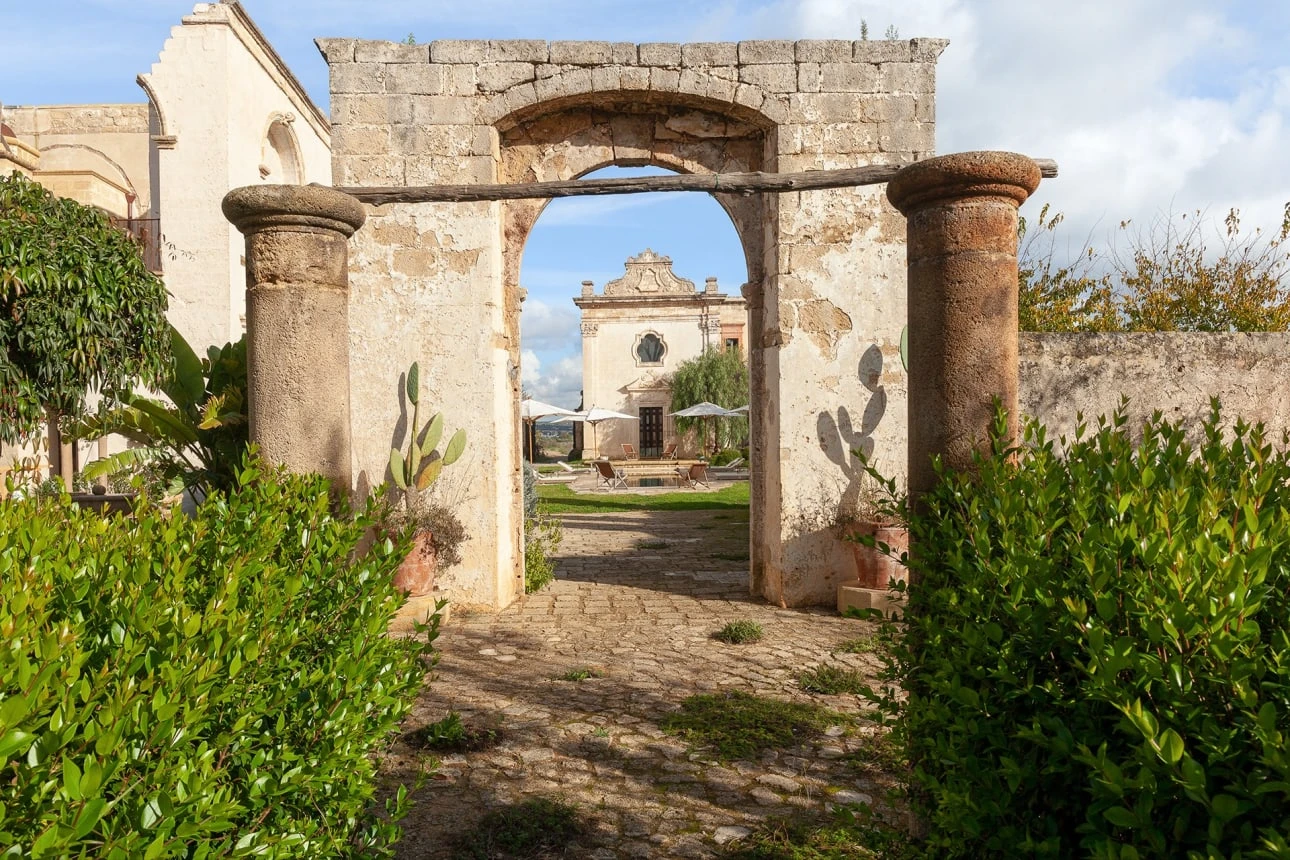
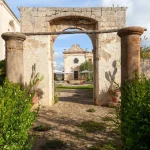
Casino Doxi Stracca is an 18th-century aristocratic residence near Gallipoli, in the Salento region of Puglia. Once home to the Doxi Stracca family, the property fell into disrepair before architect Paolo Genta Tarnavasio took on its restoration and converted it into a private rental villa. The estate comprises three separate structures: the main palazzo, a smaller building called the casino, which once served as the center of the estate’s agricultural operations, and a baroque chapel dedicated to San Rocco, which now functions as a communal breakfast room overlooking the courtyard pool.
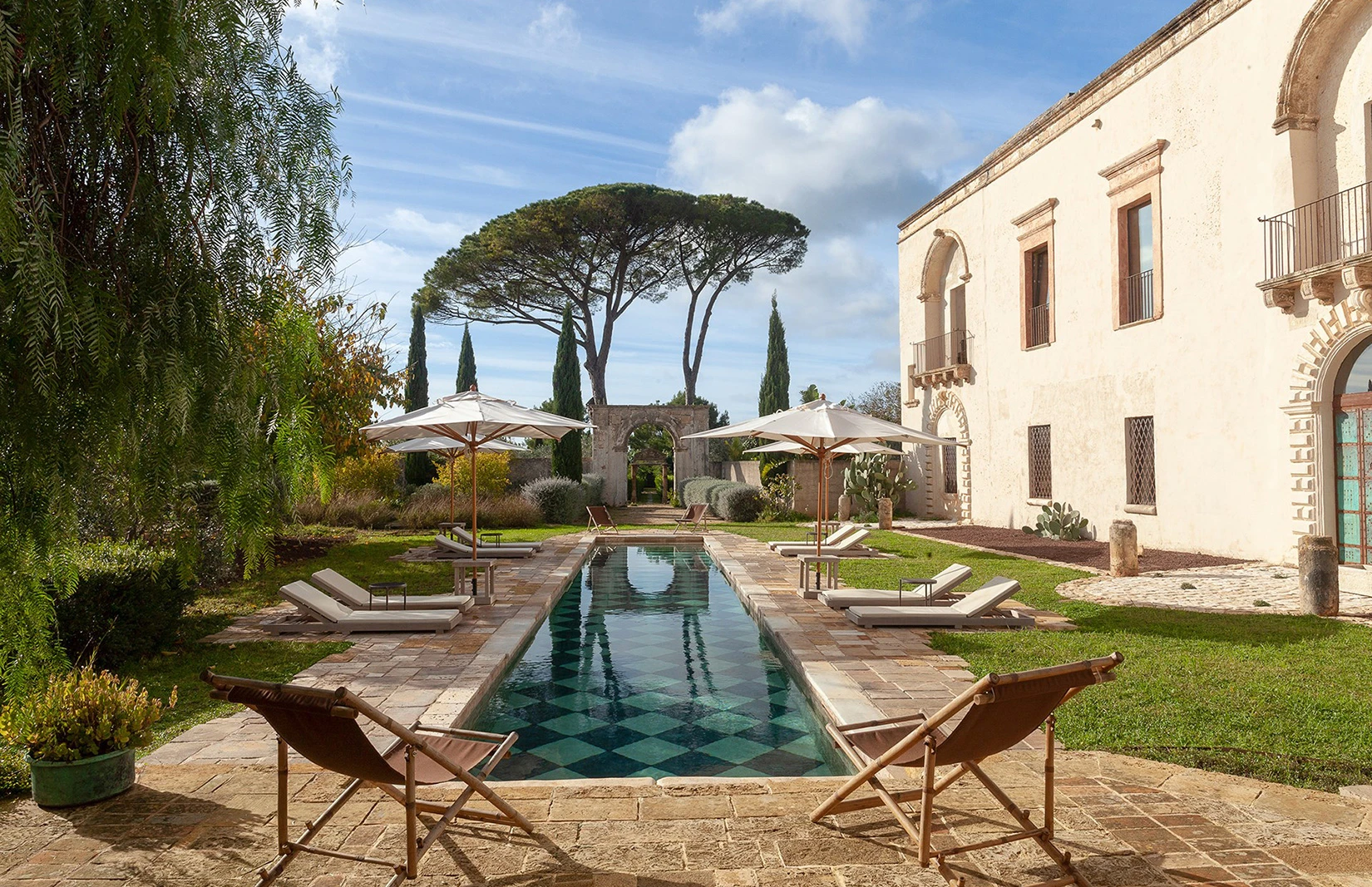
Inside the palazzo, arched openings connect a set of living areas furnished with antique pottery from the 10th and 11th centuries alongside contemporary lighting and furniture. Upstairs, four bedrooms sit under vaulted ceilings behind hand-painted antique doors. Five acres of olive groves, vineyards, and formal gardens surround the buildings, offering privacy while keeping the property close to the baroque town of Alezio and the beaches of Gallipoli.
2. Distillery District, Toronto, Canada
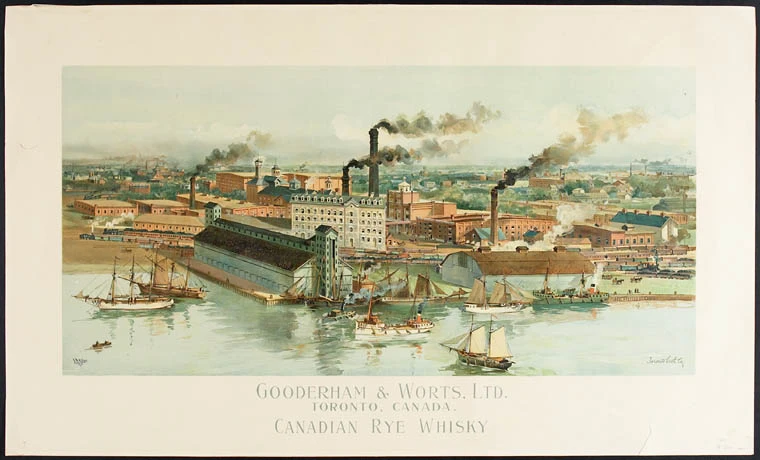
The Distillery District occupies the former Gooderham & Worts complex, a business that began in 1832 as a lakeside windmill and grew, by the 1860s, into the largest distillery in the British Empire, producing over two million gallons of whisky a year at its peak. Whisky production wound down through the 20th century, and the site closed entirely in 1990, leaving more than 40 Victorian brick and stone buildings vacant even as the National Historic Site designation, granted in 1988, protected them from demolition.
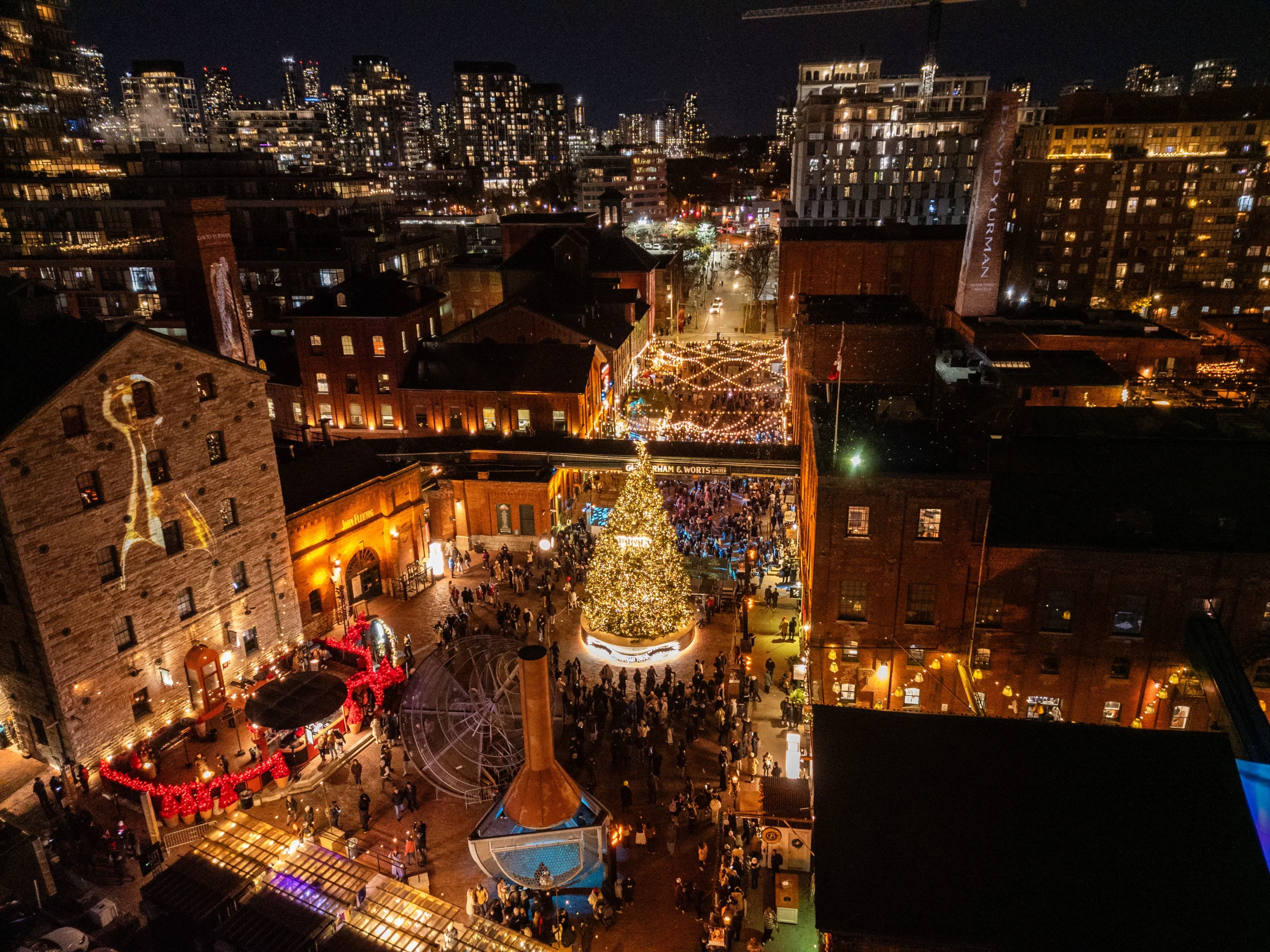
Cityscape Holdings purchased the 13-acre property in 2001 for 15 million dollars and began a restoration guided throughout by ERA Architects, who served as heritage consultants on approvals, conservation plans, and detailed restoration work across more than a dozen individual buildings.
Original materials such as timber beams, brick facades, and stone walls were repaired and reused wherever possible, supplemented with contemporary green building systems where needed. The district reopened to the public in May 2003 as a car-free neighborhood of galleries, restaurants, and boutiques, built around the Stone Distillery, its oldest and largest surviving structure. It remains the biggest collection of Victorian industrial architecture still standing in North America and now draws more than two million visitors annually.
3. Tate Modern, London, UK
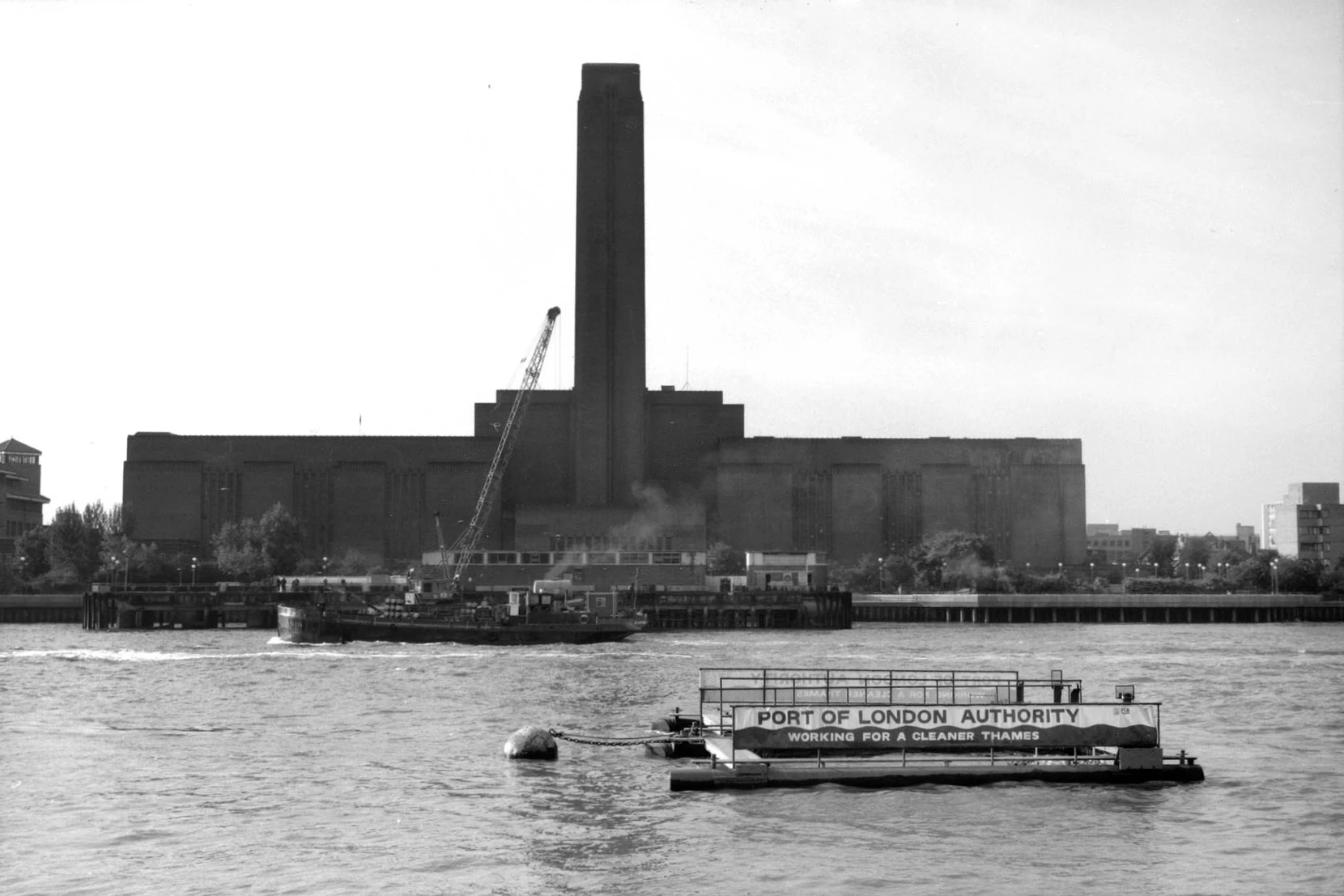
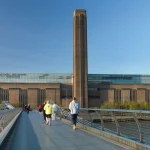
Tate Modern occupies the former Bankside Power Station, a building designed by Sir Giles Gilbert Scott and constructed in two phases between 1947 and 1963. The station shut down in 1981 and sat empty for over a decade until the Tate Gallery chose the site for a new museum dedicated to international modern and contemporary art.
An international competition held in 1994 drew 148 entries, and the Swiss firm Herzog & de Meuron was announced as the winner the following year. Their approach kept most of the building’s steel frame and brick shell untouched, preserving the cavernous Turbine Hall, which still holds the overhead traveling crane once used to move generators.
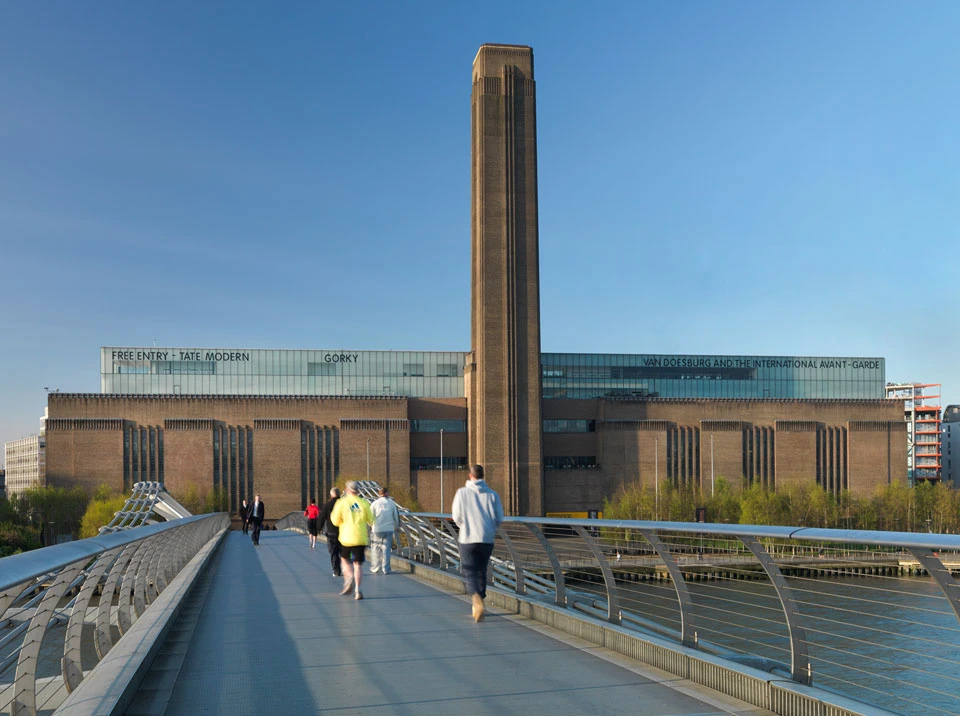
The conversion, completed in 2000 at around £134 million, added a two-story glass volume across half of the roof as its most visible external change. Queen Elizabeth II opened the museum in May 2000, and it drew 5.25 million visitors within its first year alone. A second building, the Blavatnik Building, opened in 2017 on the site of the former switch house, nearly doubling the museum’s total display space and adding education and performance facilities.
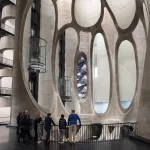
4. Zeitz MOCAA, Cape Town, South Africa
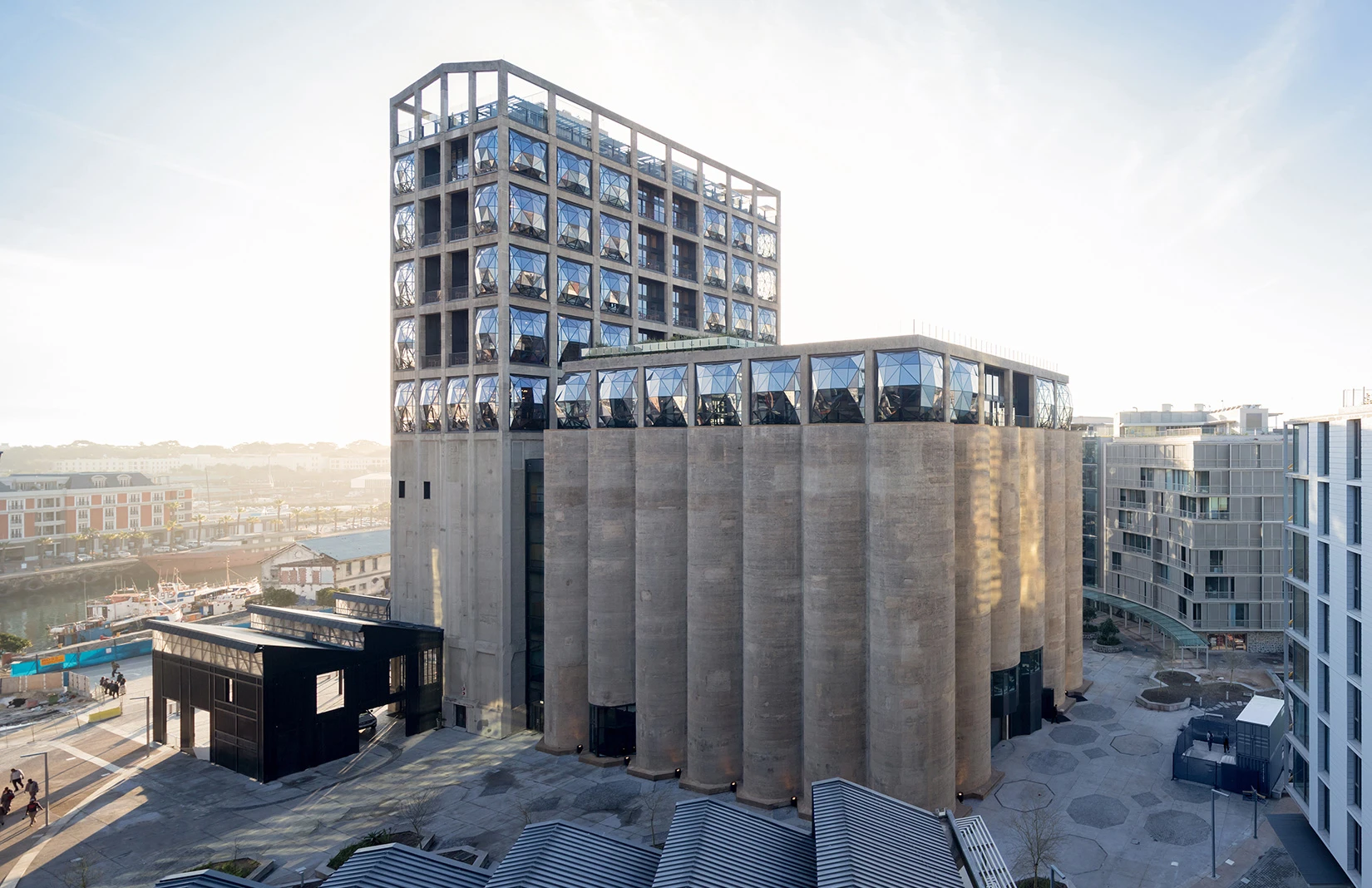
Zeitz MOCAA is housed inside a grain silo complex on Cape Town’s V&A Waterfront, a structure built in 1921 that was once the tallest building in sub-Saharan Africa. The silo stored and graded maize from across South Africa until it was decommissioned in 1990, after which floods, pigeons, and years of neglect left the concrete shell in poor condition. Heatherwick Studio took on the challenge of adapting the building’s 42 tightly packed concrete tubes, choosing to carve a central atrium through the structure instead of cladding it in new material.
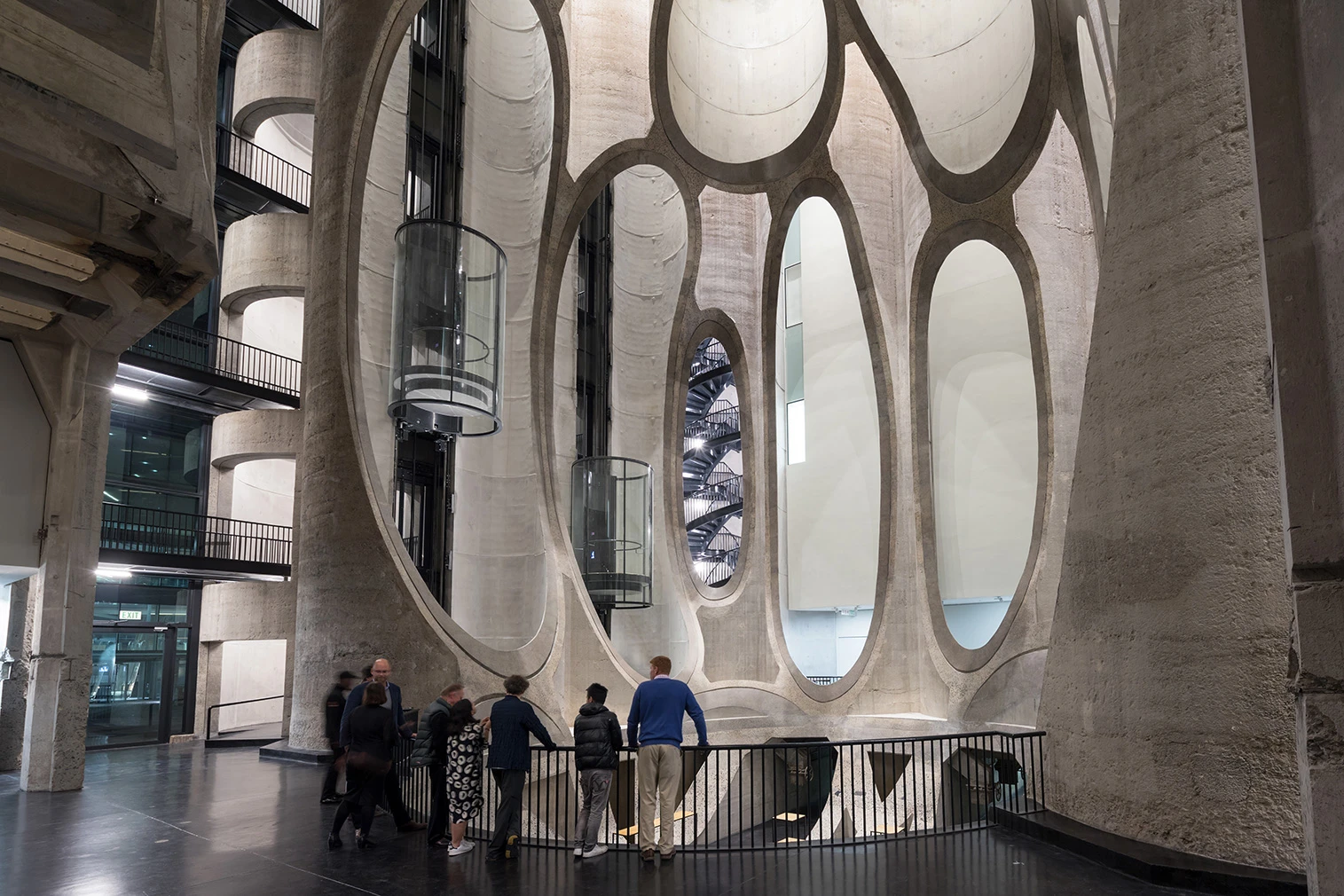
The resulting space, modeled on the shape of a single grain scaled up to the building’s full 27-meter height, has been compared to a vaulted cathedral. Polished edges mark where the tubes were cut back, contrasting against the rough original concrete to make clear where old construction ends and new intervention begins. The museum opened in September 2017 with roughly 80 gallery spaces spread across nine floors, a rooftop sculpture garden, and a facade of faceted glass panels that give the tower section a lantern-like glow after dark, all built without demolishing the original grading tower or silo shell.
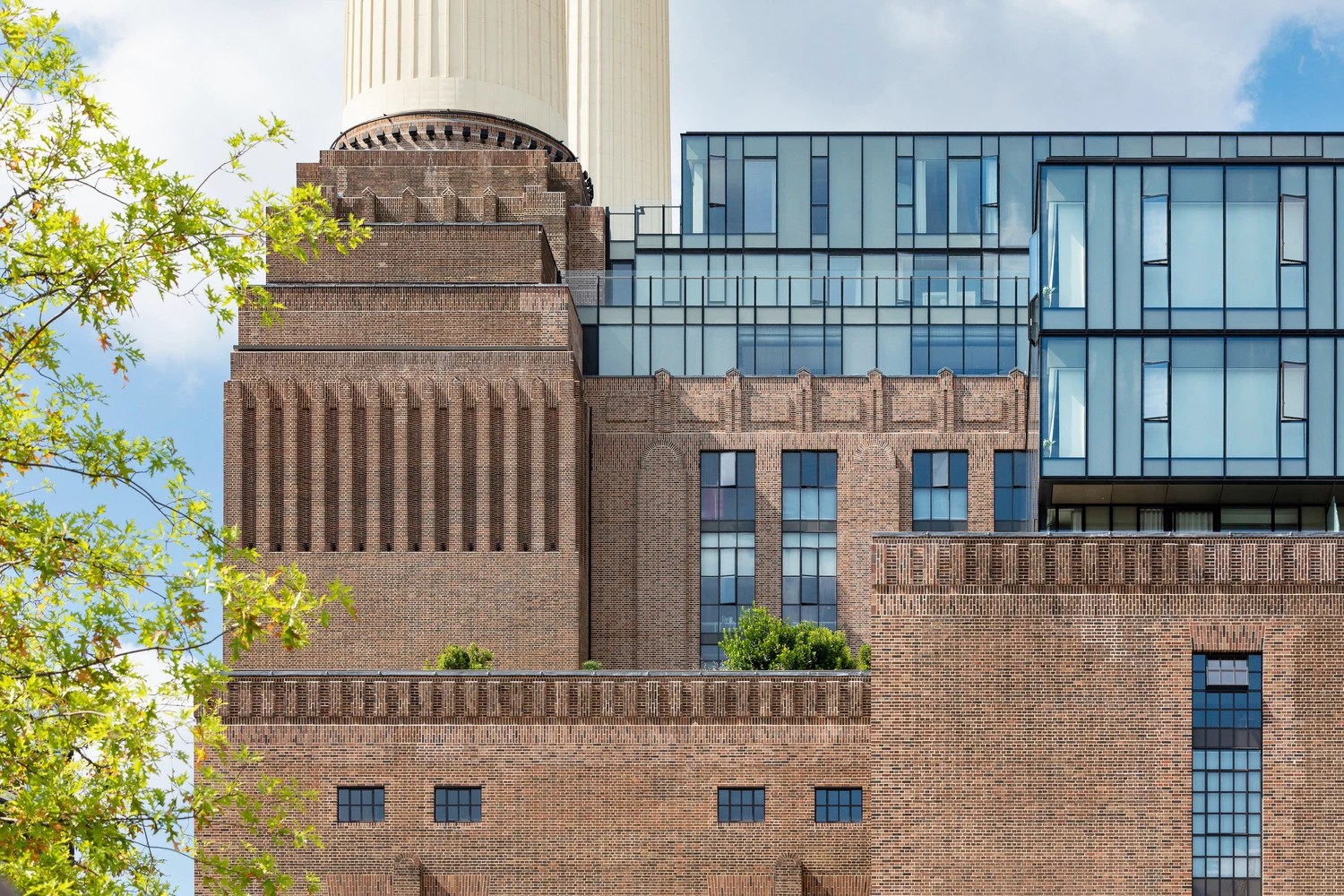
5. Battersea Power Station, London, UK
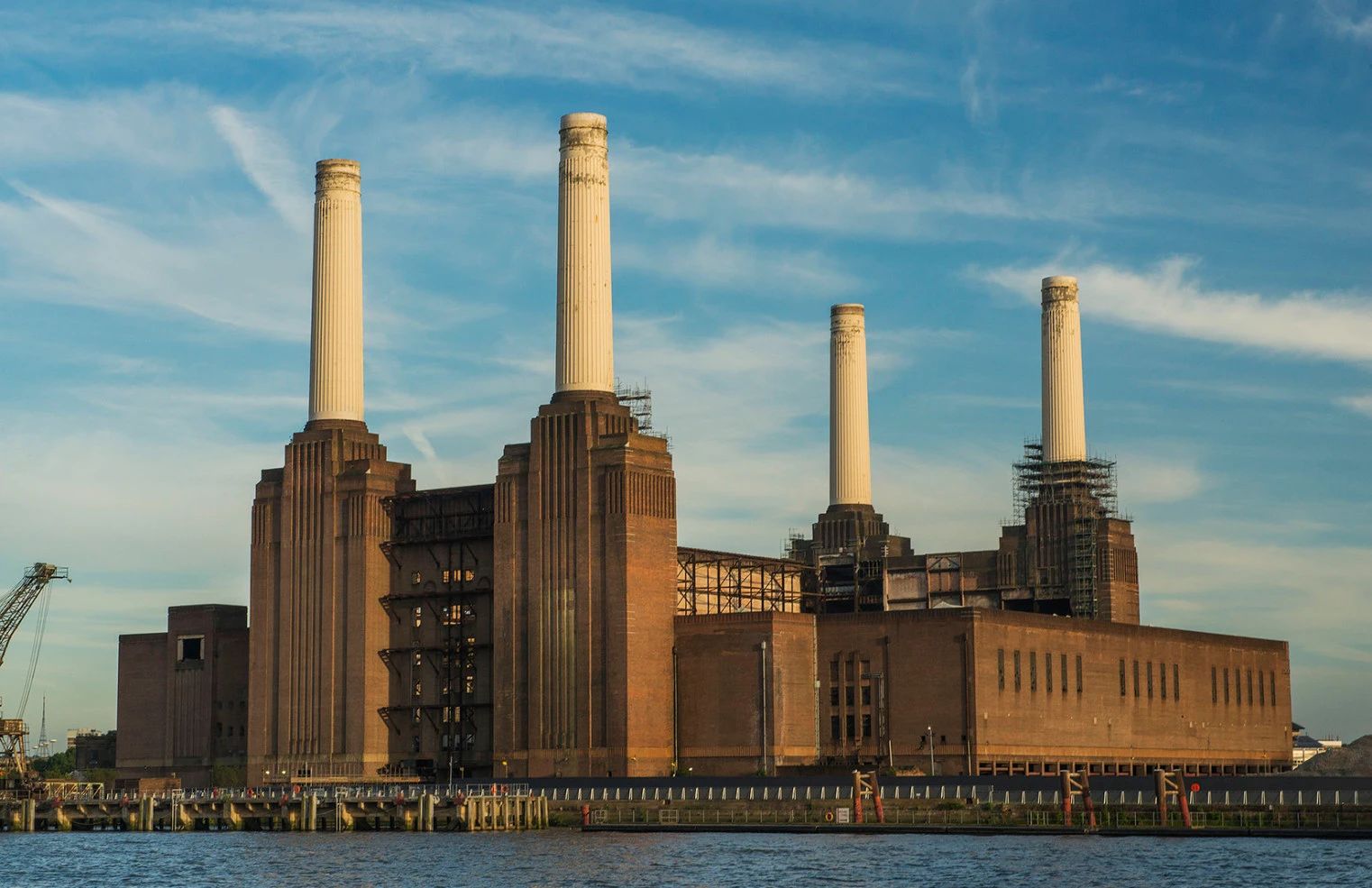
Battersea Power Station, designed by Sir Giles Gilbert Scott and built in stages between 1929 and 1955, once generated a fifth of London’s electricity and appeared on the cover of Pink Floyd’s 1977 album Animals. The station closed in 1983 and, after a failed 1980s redevelopment attempt stripped its roof, stood as an exposed brick shell for close to three decades while successive ownership groups and masterplans came and went. A Malaysian-led consortium purchased the site in 2012 and appointed WilkinsonEyre to restore the Grade II listed structure under a broader masterplan by Rafael Viñoly.
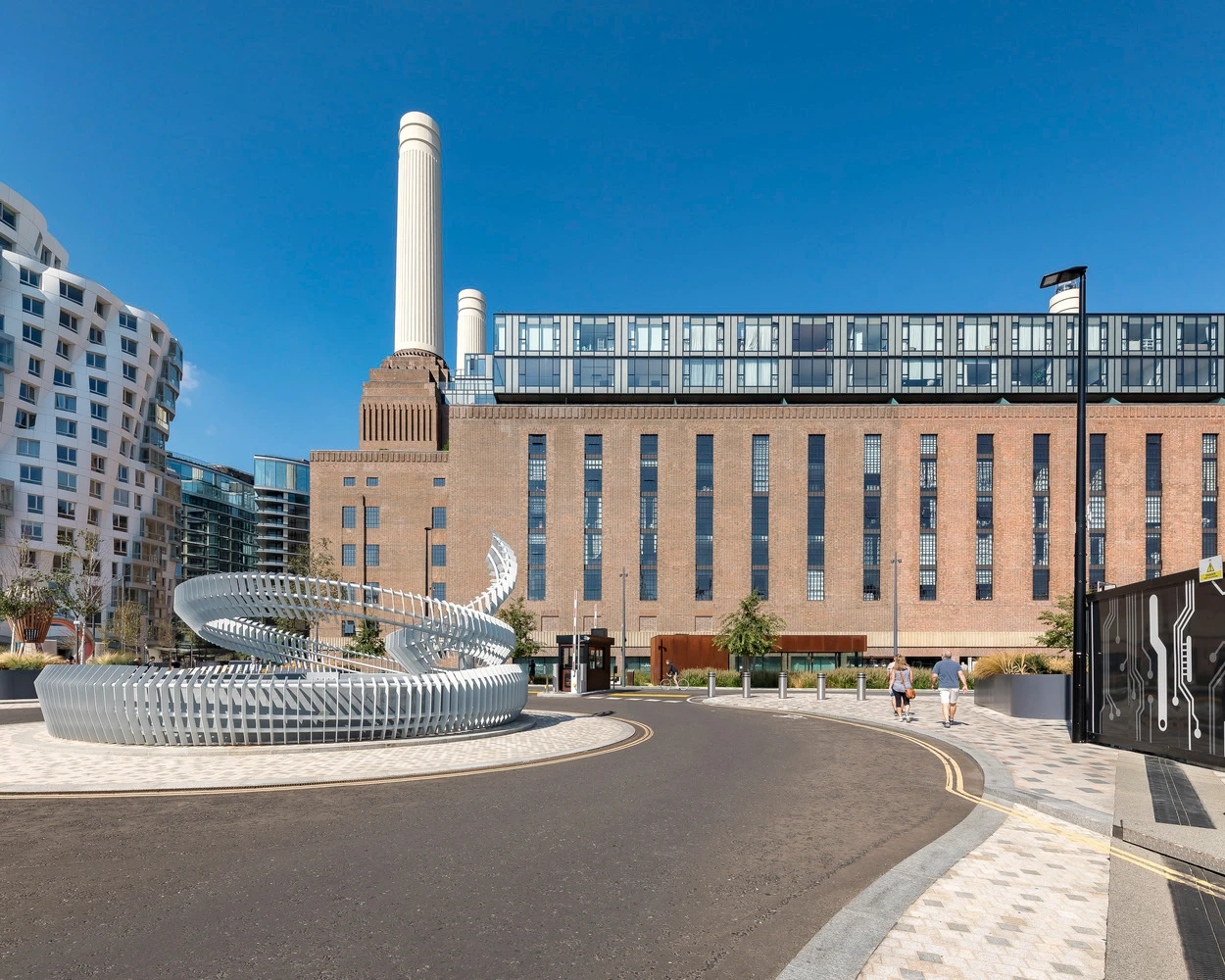
The architects retained the building’s four chimneys and its two turbine halls, converting them into multi-level retail galleries while inserting steel structures that add floor space without touching the original walls. The Art Deco marble columns of Turbine Hall A were cleaned and repaired, and the original control rooms became an events venue and a bar, still fitted with their period dials and switches.
Apartments were built within the boiler house and switch house wings, some with exposed original brickwork. The station reopened to the public in October 2022 as the anchor of a wider 42-acre riverside district that also includes housing designed by Frank Gehry and Foster + Partners.
6. Shali Fortress, Siwa Oasis, Egypt
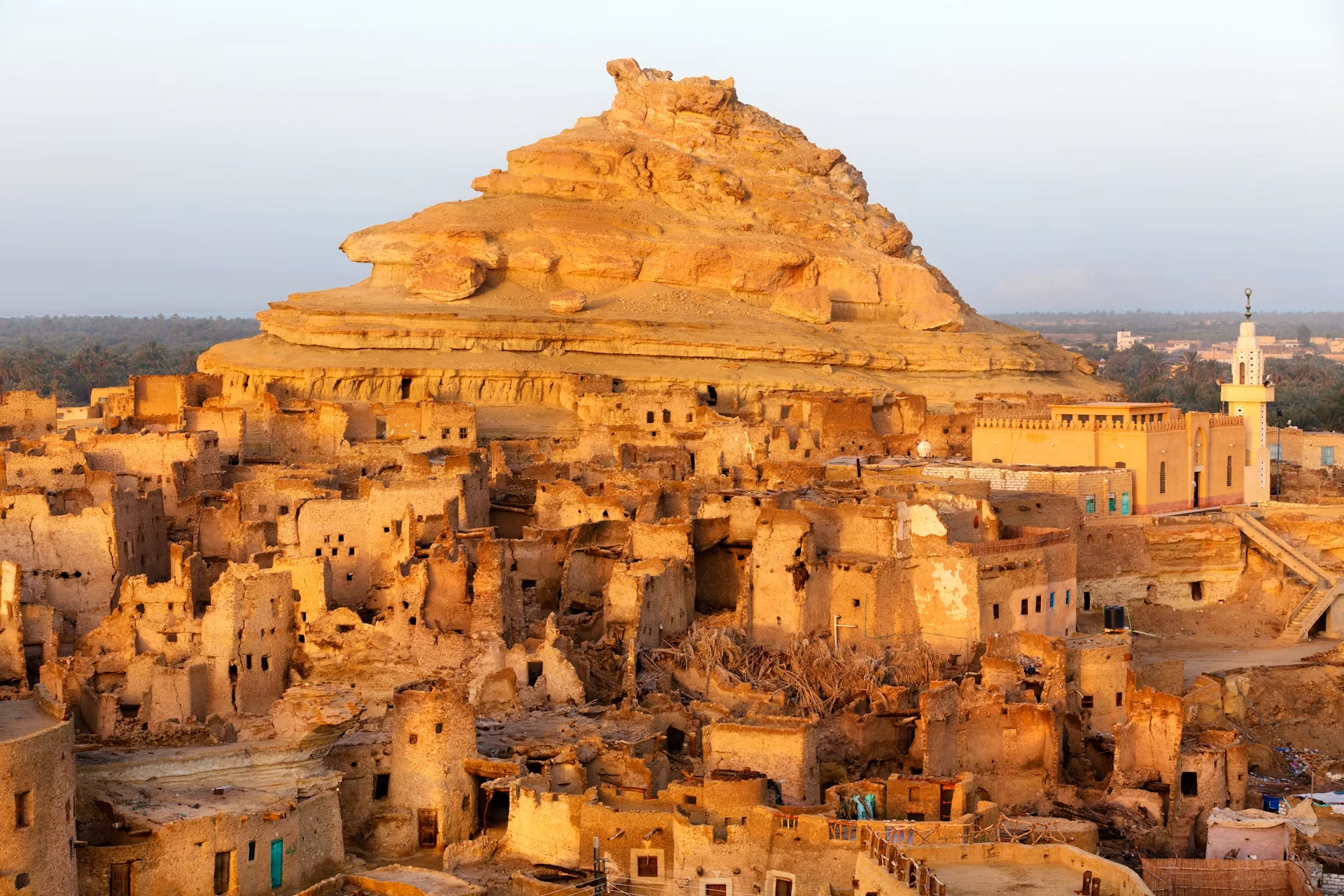
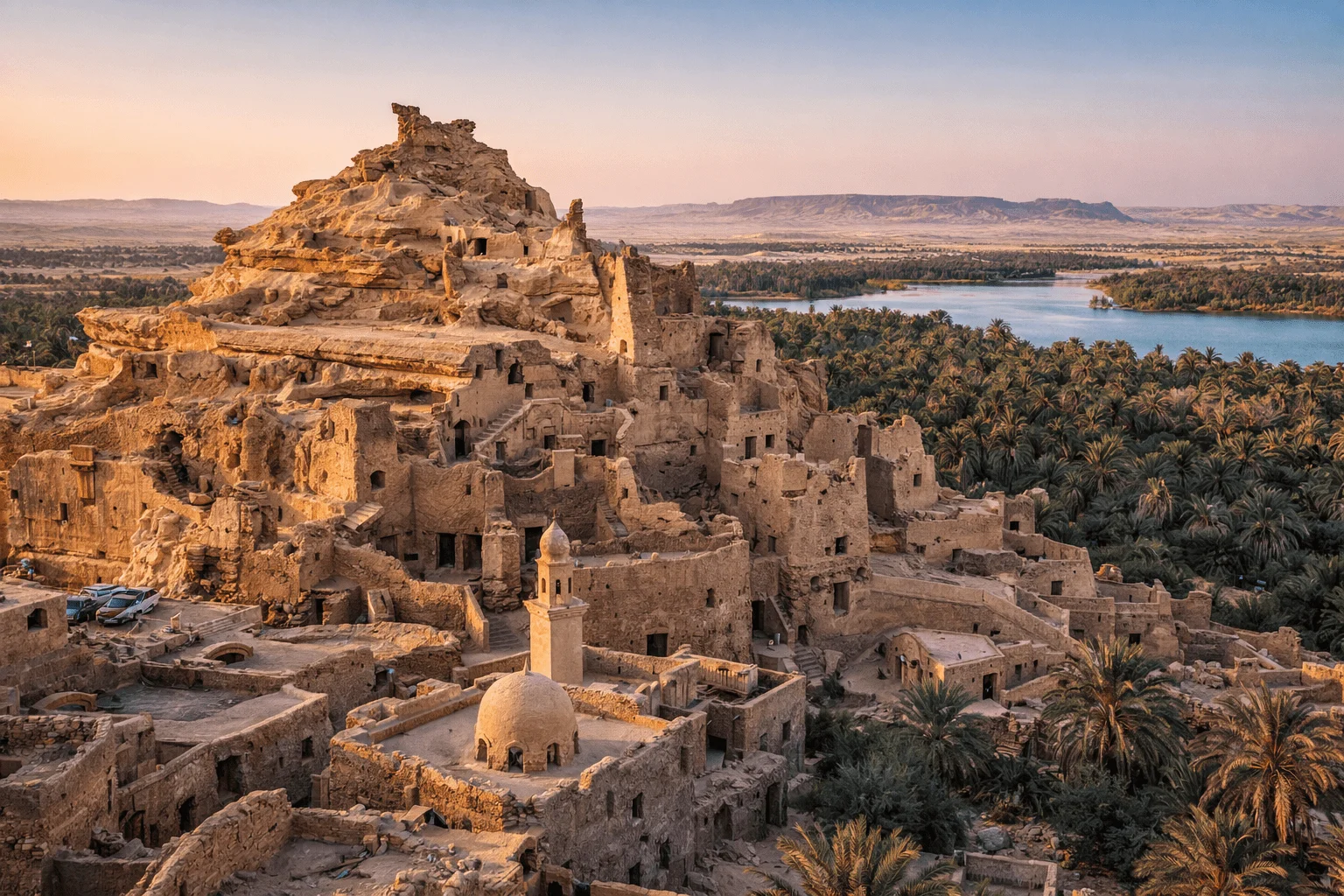
Shali Fortress is a hilltop settlement in Egypt’s Siwa Oasis, built around the 13th century by local Berber communities entirely from kershef, a mixture of hardened salt rock and mud that once kept the structure naturally cool in the desert heat. Three days of heavy rain in 1926 caused large sections of the mud brick walls to dissolve, and residents gradually abandoned the site over the following years, leaving it a picturesque but deteriorating ruin for nearly a century. In 2018, the European Union partnered with the Egyptian firm Environmental Quality International for Small and Medium Enterprise Development to fund and carry out a restoration.
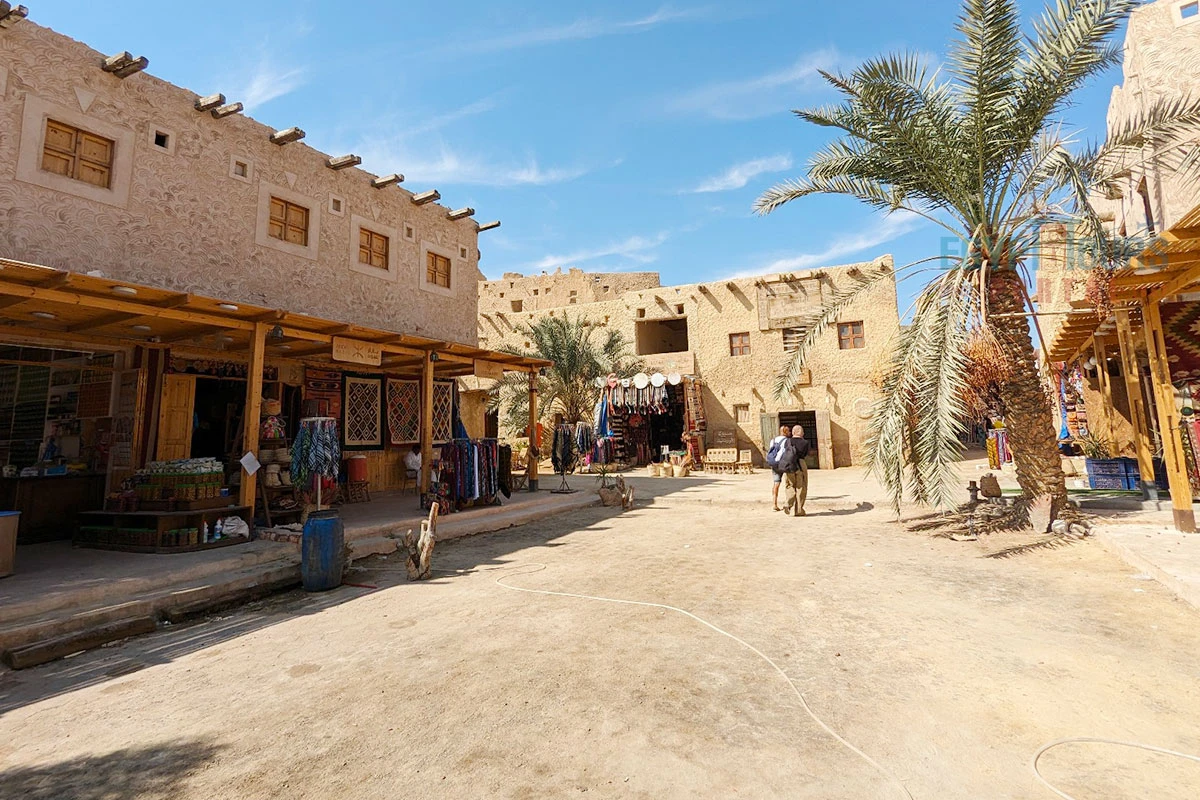
Conservators relied on traditional kershef building methods, palm trunk roofing, and olive wood for doors and window frames, consulting Siwan residents who remembered the older construction techniques from earlier generations. The project restored roughly 95 percent of the surrounding walls, reopened commercial alleyways known locally as “khoss,” and added a Mother and Child Healthcare Center along with an Earth Architecture Museum documenting Siwan building traditions. The Aghurmi Mosque, considered the oldest mud-built mosque in Africa, reopened in 2015, with the full village inaugurated for visitors in 2020.
7. St Pancras Renaissance Hotel, London, UK
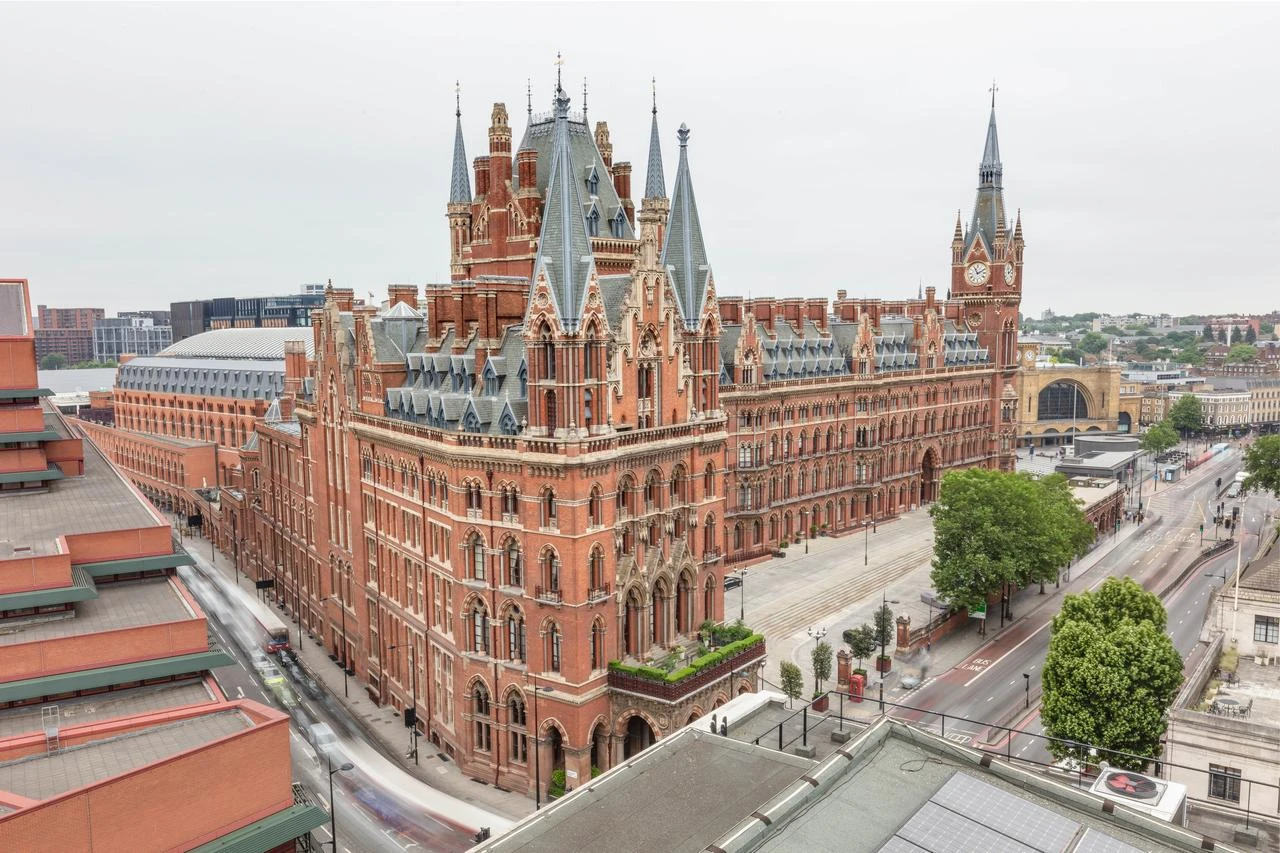
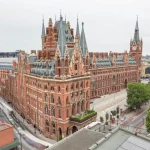
The St Pancras Renaissance Hotel began life as the Midland Grand Hotel, a Gothic Revival building designed by Sir George Gilbert Scott after he won a competition held by the Midland Railway Company in 1866. Construction ran from 1868 to 1876 and produced a hotel known for its grand staircase, gold leaf ceilings, and early use of hydraulic lifts and revolving doors, though none of its original rooms had private bathrooms.
Changing tastes in hotel design led to its closure in 1935, after which the building served as railway offices until it was vacated entirely in 1985. A campaign led by poet Sir John Betjeman helped secure Grade I listed status for the building in 1967, protecting it from demolition even as it sat empty and deteriorating for decades afterward.
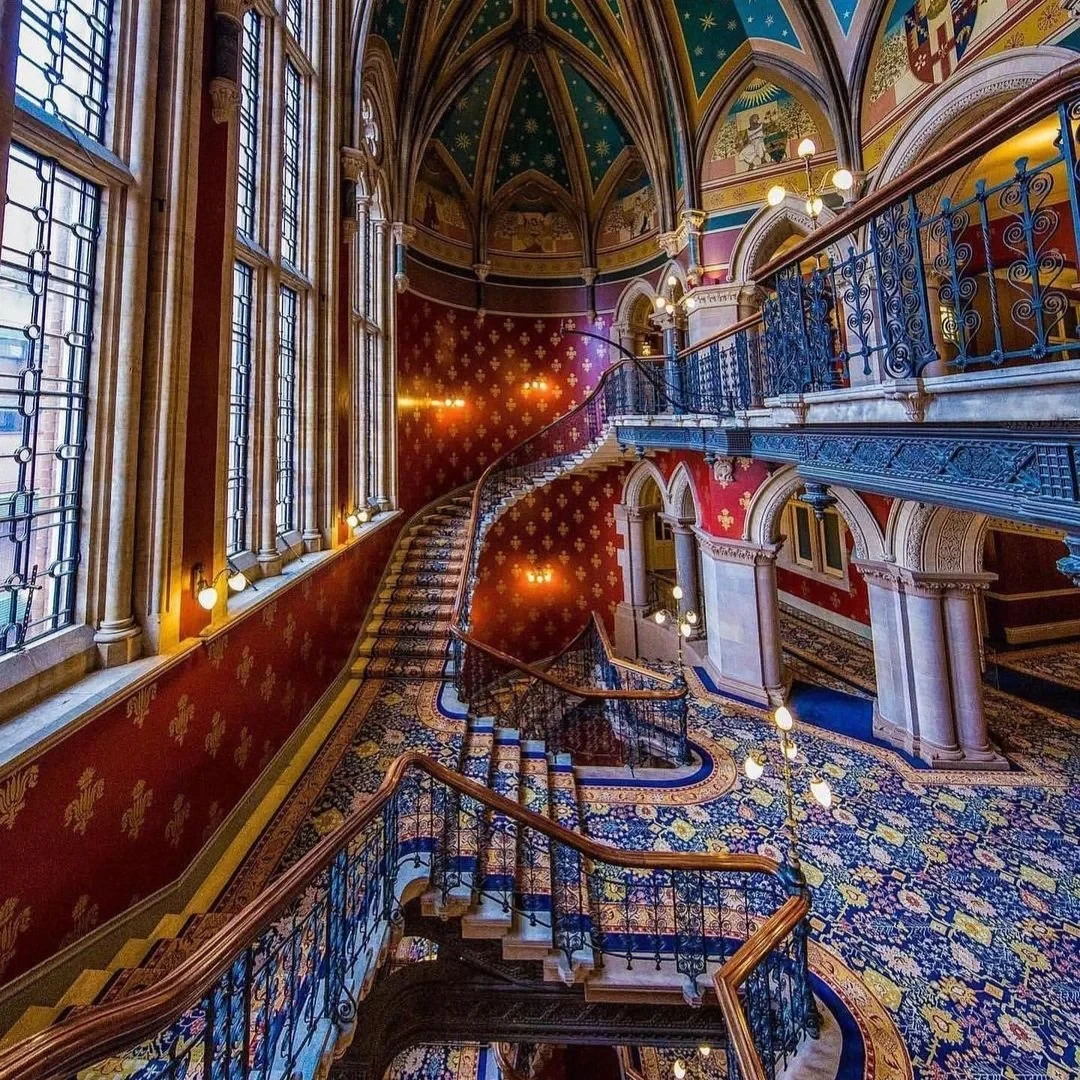
Manhattan Loft Corporation eventually took on the full redevelopment, employing hundreds of craftsmen and conservation specialists over a ten-year restoration that cost more than £200 million. The project returned the Grand Staircase and its vaulted ceiling to their original condition, converted the former taxi driveway beneath the main tower into the hotel lobby, and added a new bedroom wing beside the historic Barlow train shed. The hotel reopened on 5 May 2011, exactly 138 years after its first opening.
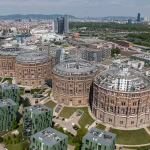
8. Gasometer City, Vienna, Austria
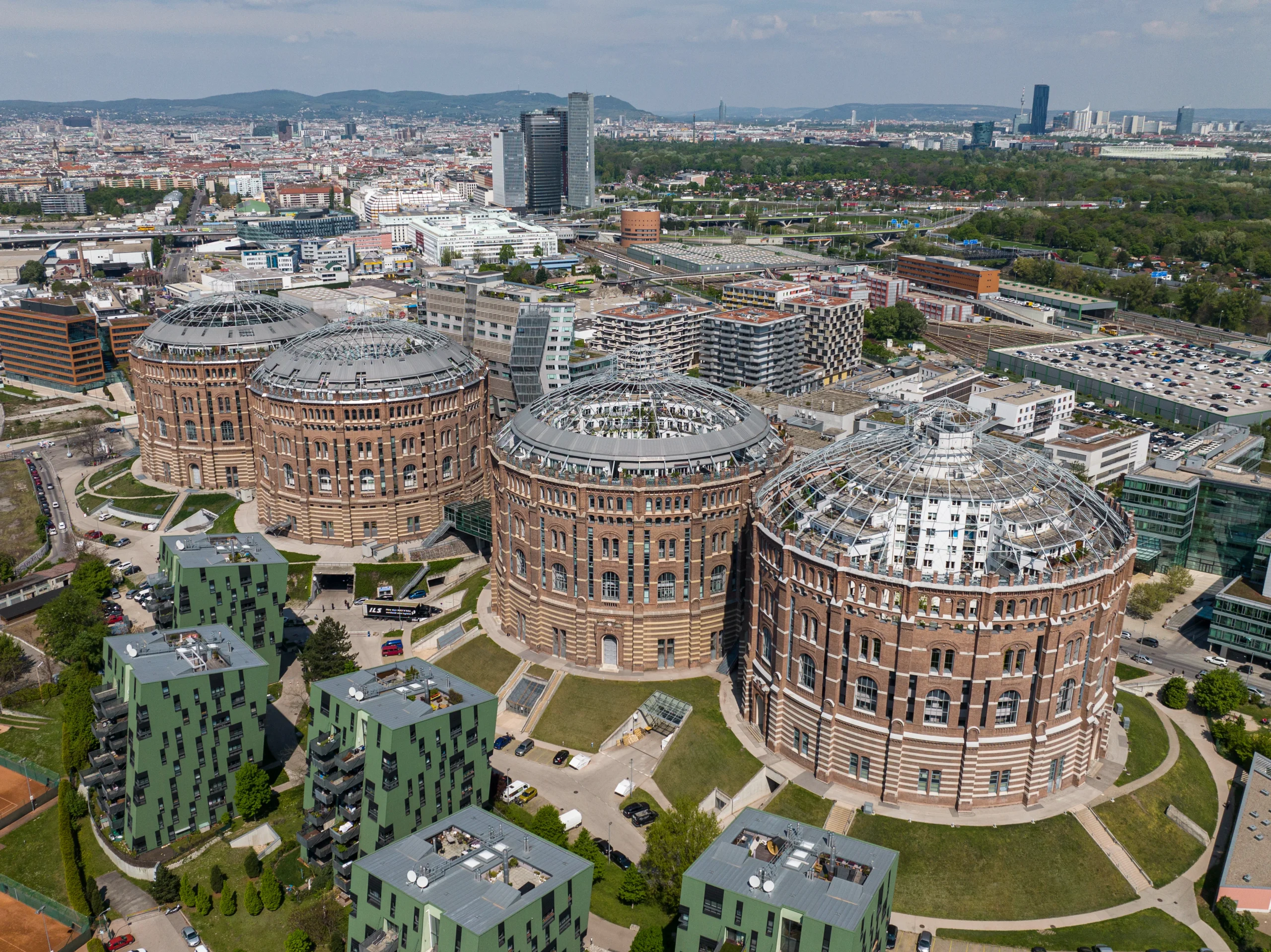
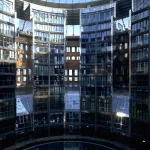
Vienna’s four gasometers were built between 1896 and 1899 in the Simmering district to store town gas for the city, their brick exteriors and glass domes disguising what was, at the time, the largest gas storage facility in Europe. The four structures were retired in 1984 as Vienna shifted to natural gas, and by 1978, they had been granted protected landmark status, which ruled out demolition but left the city searching for a viable new use.
A 1995 competition assigned each gasometer to a different architect: Jean Nouvel took on Gasometer A, Coop Himmelb(l)au handled Gasometer B, Manfred Wehdorn worked on Gasometer C, and Wilhelm Holzbauer completed Gasometer D.
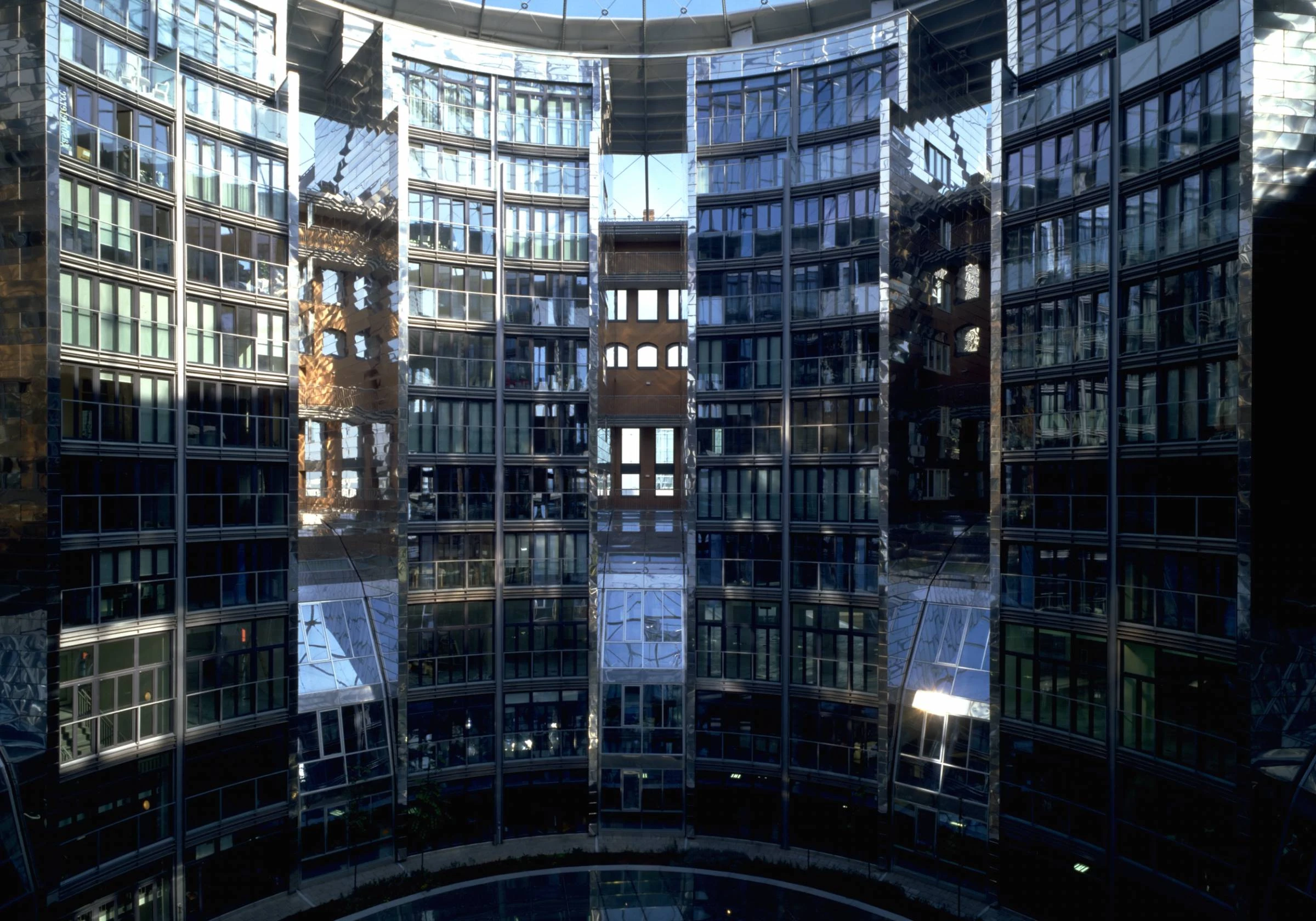
Each architect gutted the interior of their assigned cylinder down to the historic brick shell, then inserted independent new structures for housing, offices, and retail, with visible gaps left between old and new construction so the original walls stayed legible from inside. Nouvel arranged wedge-shaped apartments radiating from the perimeter, while Coop Himmelb(l)au added an angular glass shield visible from outside the historic silhouette.
Completed between 1999 and 2001, the four buildings now hold more than 600 apartments, a student dormitory, offices, and over 70 shops and restaurants, connected to each other by covered skybridges above a shared shopping level.
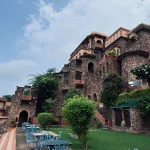
9. Neemrana Fort-Palace, Rajasthan, India
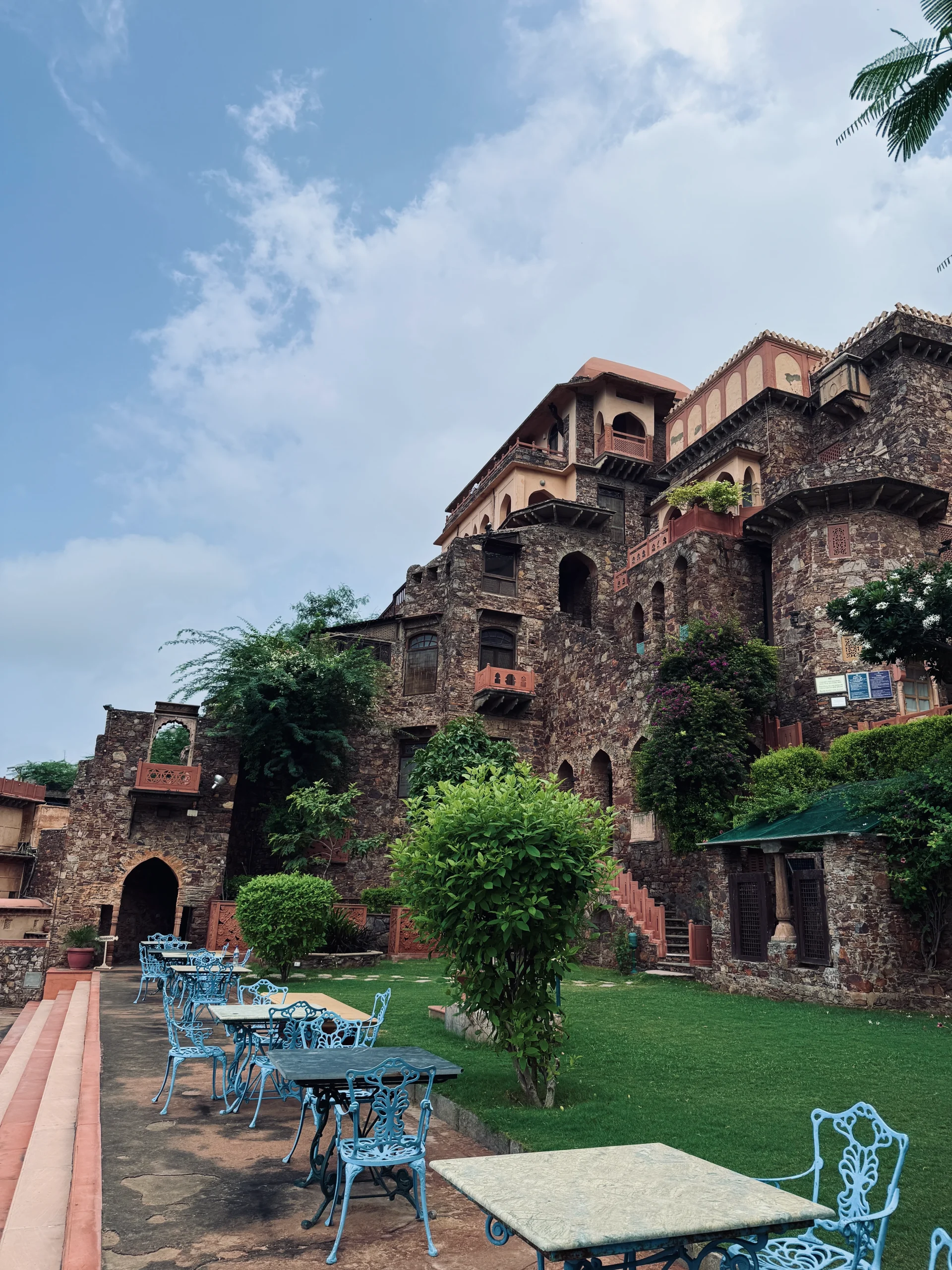
Built in 1464 under the Chauhan rulers, Neemrana Fort-Palace combines Rajput, Sultanate, and Mughal architectural styles across walls that in places measure between six and sixteen feet thick. The fort stood abandoned for roughly 40 years before historian Aman Nath, along with Lekha Poddar and OP Jain, acquired the ruin in 1986 for Rs 700,000. Restoration proceeded one wing at a time, with income from completed sections funding work on the rest, an approach that let the project avoid taking on any loans.
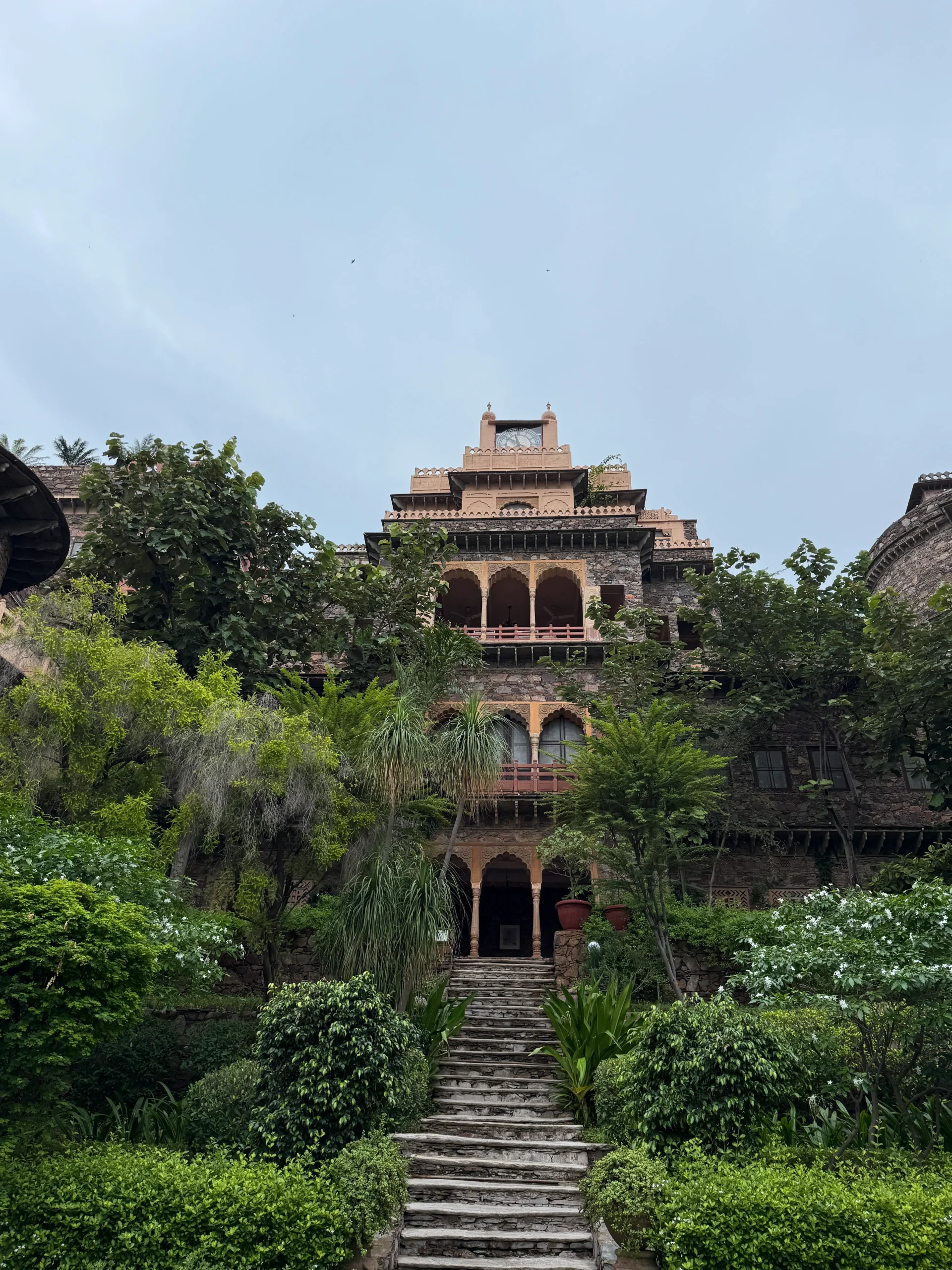
The fort-palace opened as a 12-room heritage hotel in 1991 and has since grown to 100 rooms across 14 tiered levels built into the Aravalli hills. Courtyards, swimming pools, an amphitheater for evening performances, and multiple open-air dining spaces now occupy sections that were rubble three decades ago. Guests reach some wings by elevator, while others remain accessible only by the original stone stairways. Neemrana became the founding property of what is now the Neemrana Hotels chain, which has gone on to restore more than 30 heritage buildings across multiple Indian states.
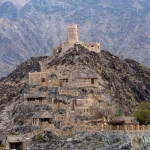
10. Najd Al Meqsar, Khorfakkan, UAE
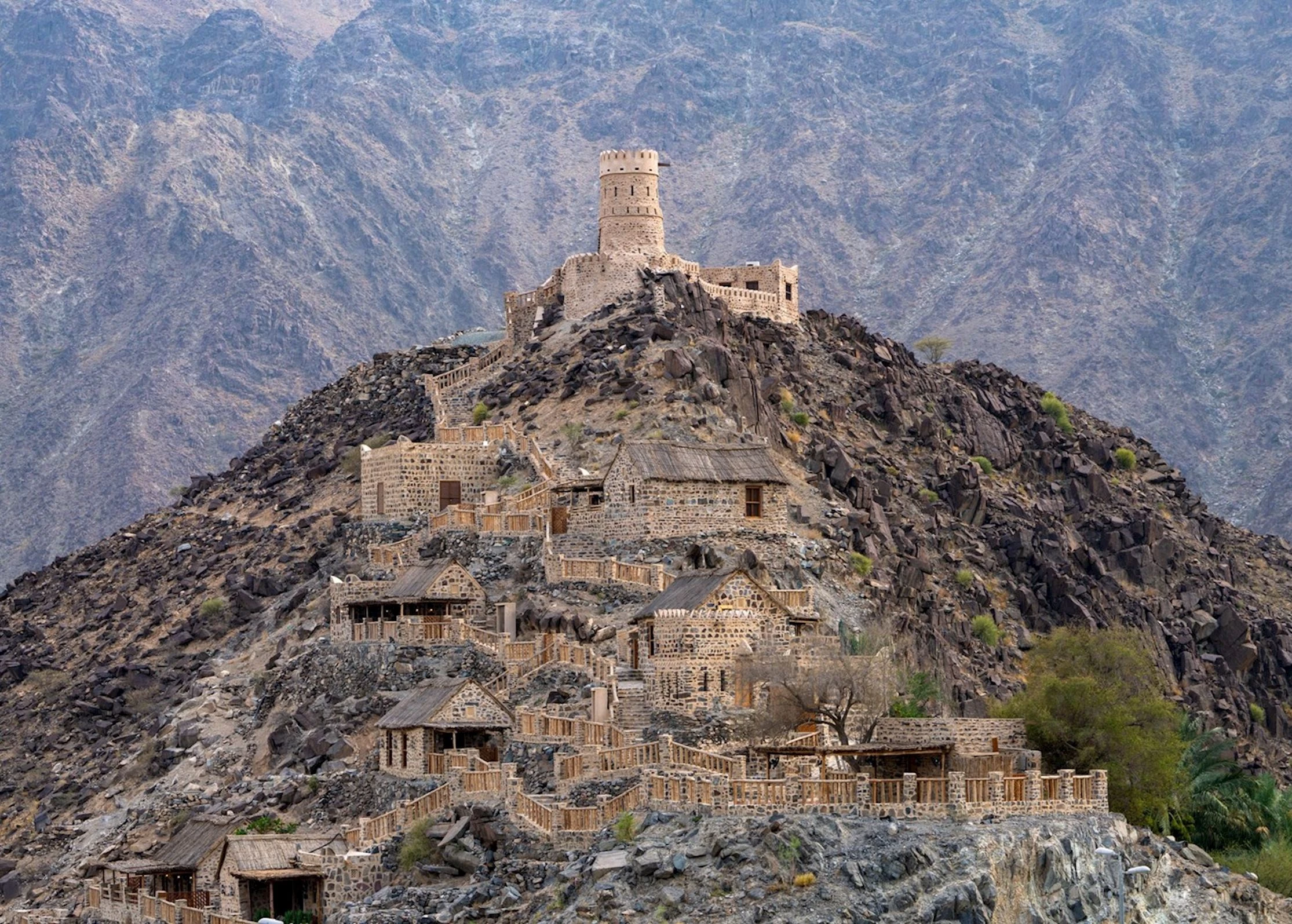
Najd Al Meqsar sits within the Wadi Wishi archaeological site in the Hajar Mountains near Khorfakkan, an area where excavations have uncovered rock carvings depicting camels and horses dating back roughly 5,000 years. The village’s guest accommodations occupy Kareen houses, traditional stone dwellings more than a century old that were originally built from silt and stone with thatched roofing to suit the mountain terrain.
Sharjah’s investment and development authority, Shurooq, led the restoration in partnership with the Sharjah Infrastructure Development Authority, sourcing materials chosen to match the original construction while meeting modern building standards.
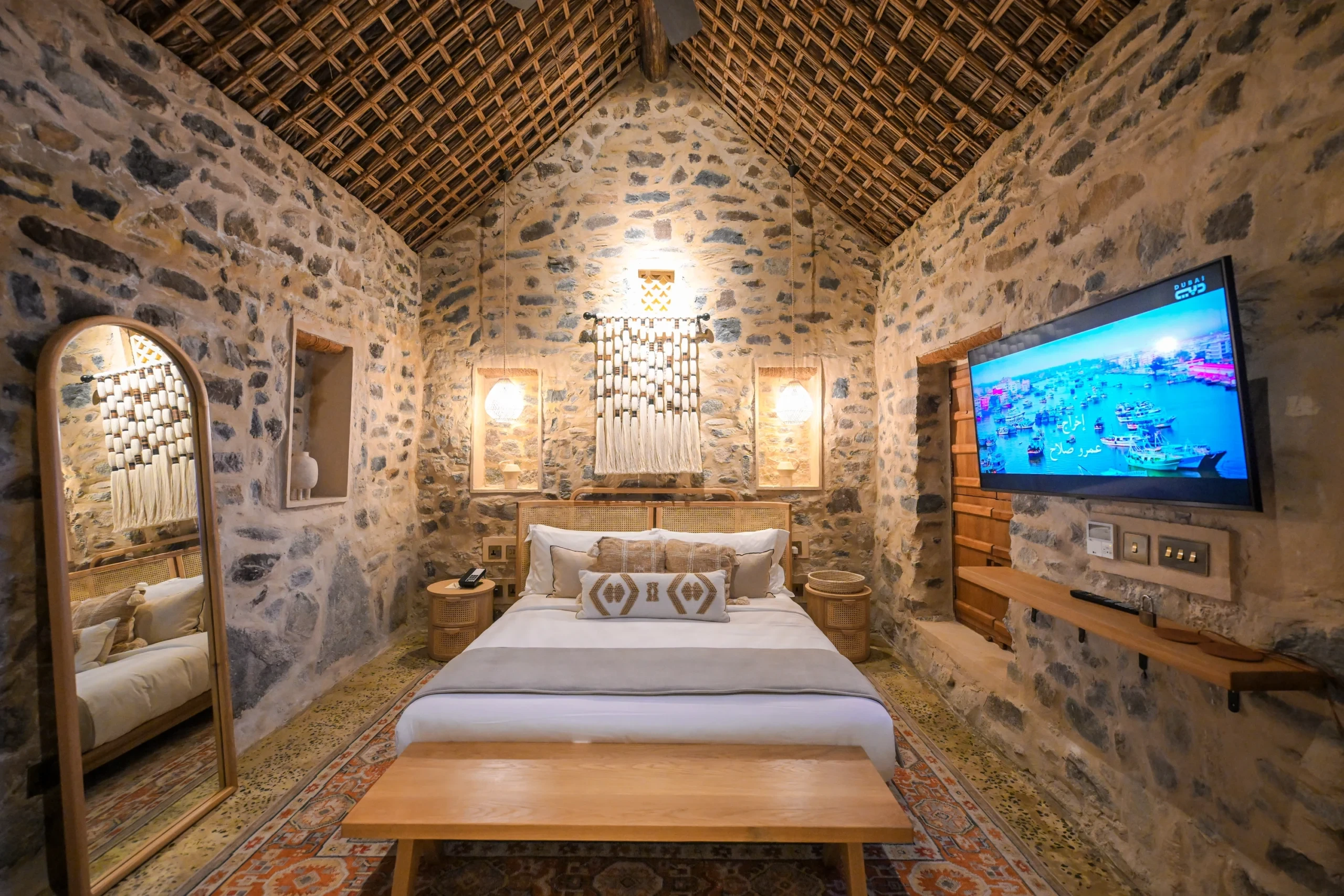
Phase one, which opened in 2024, delivered seven restored guest units spread across 17,210 square meters, along with a restaurant and reception area built to merge with the surrounding rock-strewn landscape. A walking trail connects the property to the nearby 300-year-old Al Meqsar Fortress, also known as Al Rafisah or Sulailat Fort, once used by the Al Hanateeb tribe, who settled the valley near its natural water source. Phase two, planned for completion in 2026, will add further units overlooking the valley on an adjoining 16,500-square-meter plot, along with shared spaces intended to expand the property without disturbing the historic core.
These projects show that heritage restoration works across very different building types and climates. Power stations become museums and shopping districts, distilleries become cultural quarters, forts and mud-brick villages become hotels, and railway hotels regain their original grandeur. In each case, the architects and developers treated the existing structure as the main design material, adding new elements only where the building’s new function genuinely required them.




-150x150.webp)