


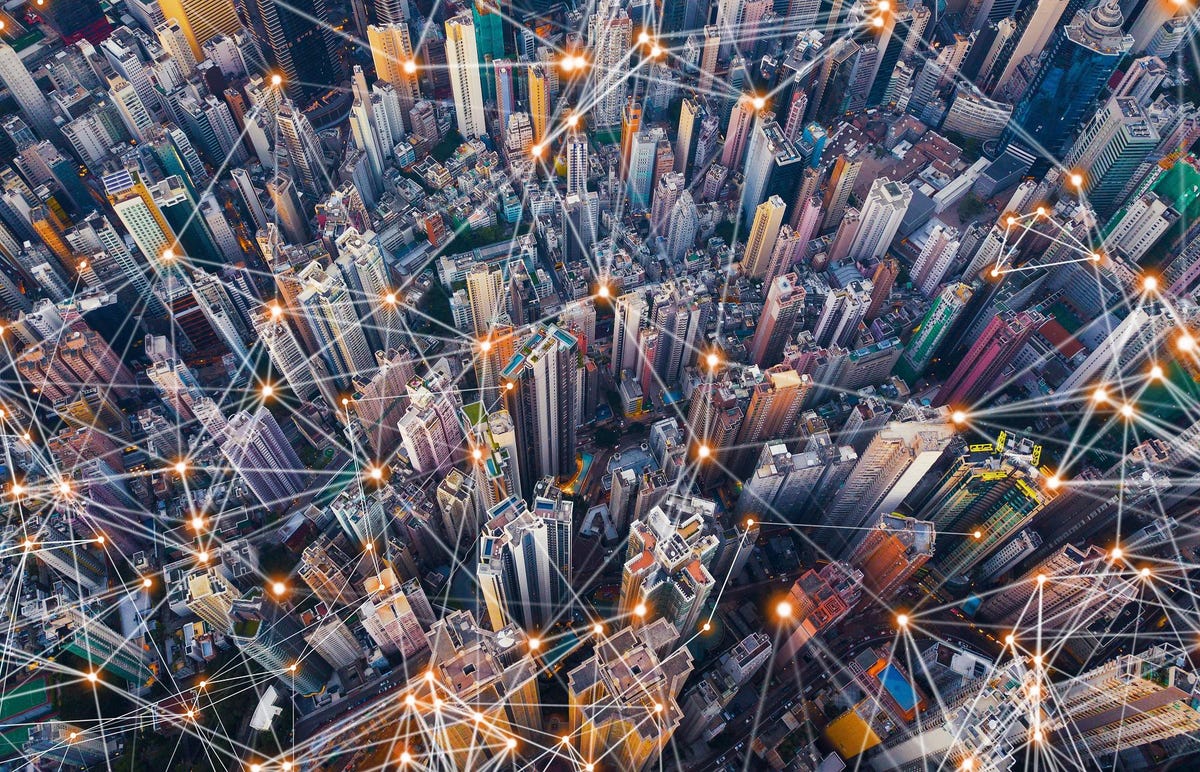
In the 21st century, technology almost affecting every moment of human life. Information and communication technologies are rapidly changing and transforming the citizens’ urban life, culture, and habits.
Today, cities are lively, active, productive, and innovative, but, at the same time, cities face many problems, such as high density, traffic, waste, water and air pollution, unplanned urbanization, etc. Public and local administrations have focused on finding solutions to these problems and developing new strategies.
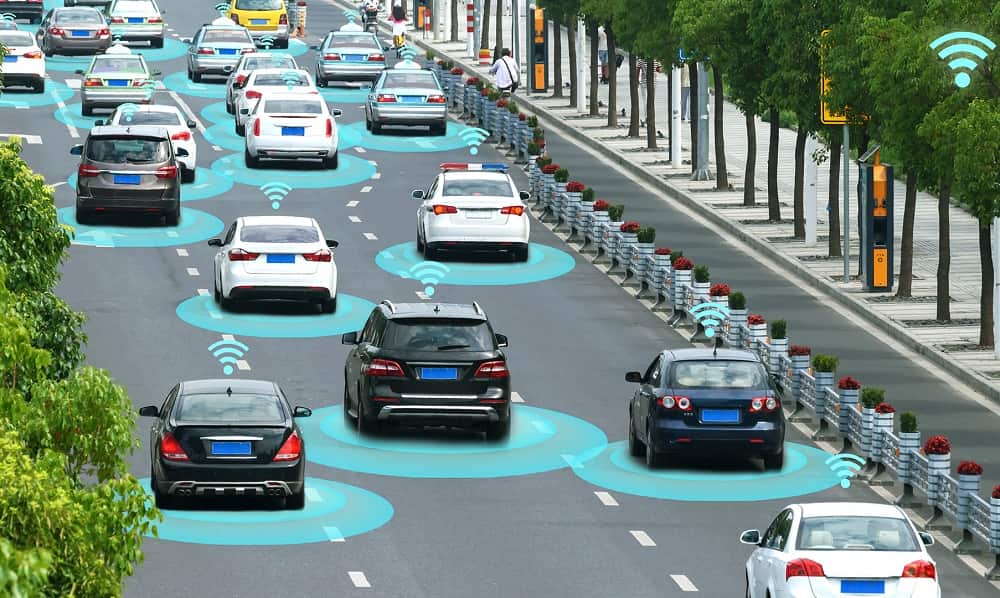
According to the United Nations’ World Population Prospects 2022 most recent forecasts, the world population might reach 8.5 billion in 2030, 9.7 billion in 2050, and 10.4 billion in 2100. By 2050, it is estimated that 68% of the world’s population will live in cities.
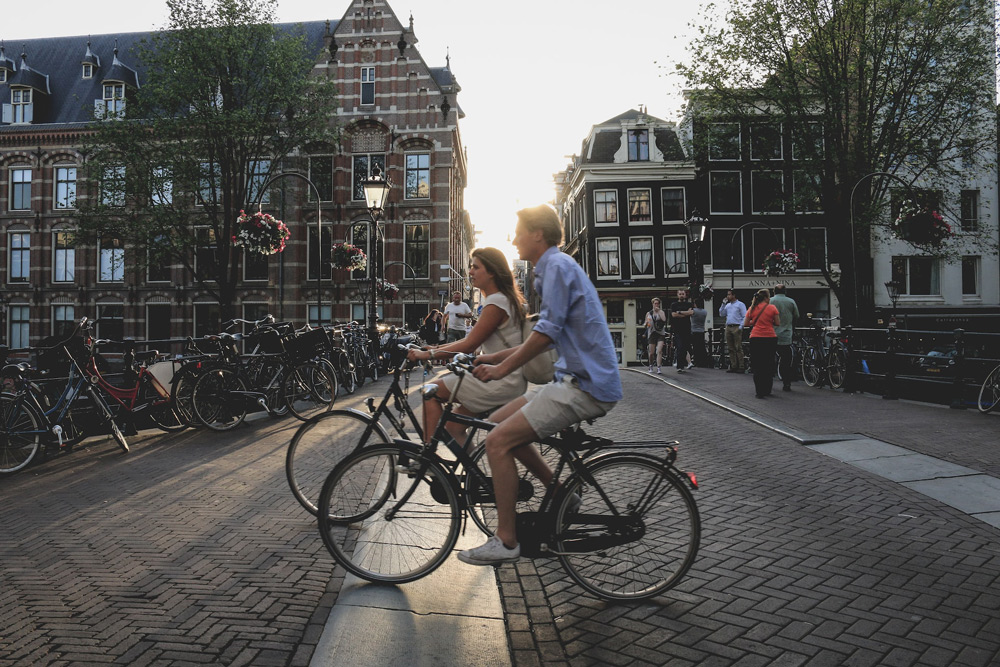
What is Smart City?
There are many different definitions of smart cities. However, smart cities should not be thought of only as places where technology is applied and used intensively.
“Smart City” effectively integrates physical, digital, and human systems with a structured environment to provide a sustainable, prosperous and inclusive future for ecosystem assets. (PAS 180, 2014)
“Smart City” is a model in which new-generation information technologies such as the Internet of Things, Cloud Computing, Big Data, and integrated Geographic Information Systems are applied to facilitate the city’s planning, management, construction, and smart services. (ISO, 2014)

Smart City Components
Smart City refers to three concepts: sustainable urban development (smart environment), the use of information and communication technology in service management (smart economy), and the creation of participatory spaces for cooperation and creativity (smart governance).
Smart City is also a successful marketing phrase for technology companies such as IBM, Microsoft, Siemens, General Electric, and Philips.
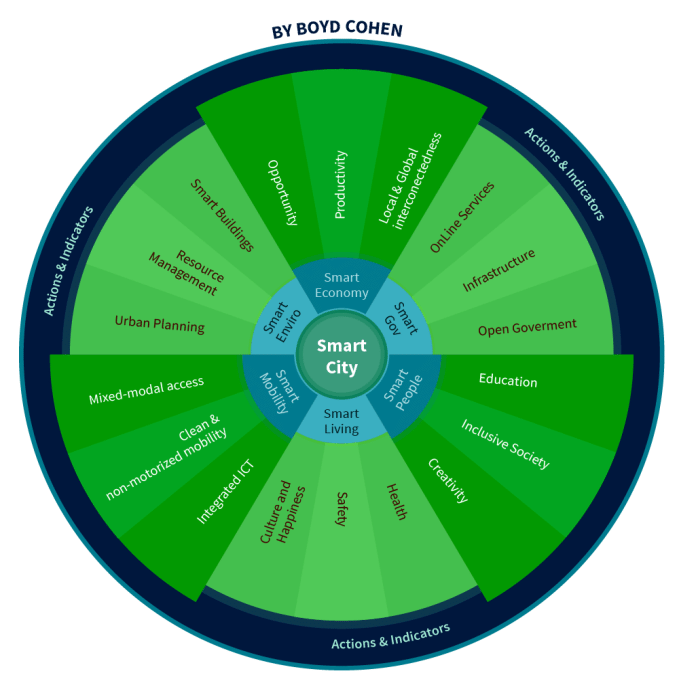
According to Dr. Boyd Cohen’s “Smart Cities Wheel-SCW,” smart cities consist of 6 components.
- Smart Transportation: The smart transportation component includes hybrid, clean, and integrated systems.
- Smart Living: The smart living module includes culture, safety, and health.
- Smart Governance: The intelligent governance module comprises open data, infrastructure, and web services.
- Smart Environment: The smart environment module includes urban planning, management, and smart building.
- Smart Economy: The module includes opportunities, productivity, and networks.
- Smart People: The smart people module includes creativity, inclusive society, and education.
Smart City Planning
Digitalization, the development of innovation, allows us to solve cities’ economic, social, and technological problems. Many technologies are developing that allow cities and governments to make long-term plans.
This rapid development in technology can occur in both harmful and beneficial situations. The fact that every piece of information is accessible causes society to want more, and the administrations should be able to offer solutions to meet these demands.
City planning has an essential place in long-term urban development. Depending on this digitalization in today’s modern cities, urban smart technologies are emerging.
Connecting urban infrastructure, integration, and organization of sectors is an essential part of sustainability in smart cities.
Smart City Index
According to the Smart City Index (SCI), 118 cities are ranked based on the UN Human Development Index’s economic and social indicators and residents’ opinions. Index published by the Institute for Management Development (IMD) and the Singapore University of Technology and Design (SUTD).
2021 Smart City Index; Singapore (1st), Zurich (2nd), and Oslo (3rd) were ranked as the world’s smartest cities.

Singapore is more than a smart city, actually, they are a “Smart Nation.” Smart Nation Initiative, launched in 2014. Singapore is concentrating on digital projects and technology to increase productivity in the advanced economy of the nation. Likewise aims to be the first nation to build a totally eco-smart car-free town and become a world-class, tech-driven city-state. Like other smart cities, Singapore also uses digital tools to improve urban life. Nation has three key pillars for becoming a “Smart Nation”: Digital Society, Digital Economy, and Digital Government.

Singapore also has an artificial intelligence program called AI Singapore (AISG). The program goals are creating social and economic impacts, growing local talent, building an AI ecosystem for the nation and worldwide, and supporting Singapore-based research institutions, startups, and companies.
Singapore has also the “Skills Passport,” which registers degrees, certificate programs, or joining a blockchain-powered system. This promotes job mobility and a lifelong learning profile; In this way, all age groups are encouraged to take an active part in society.
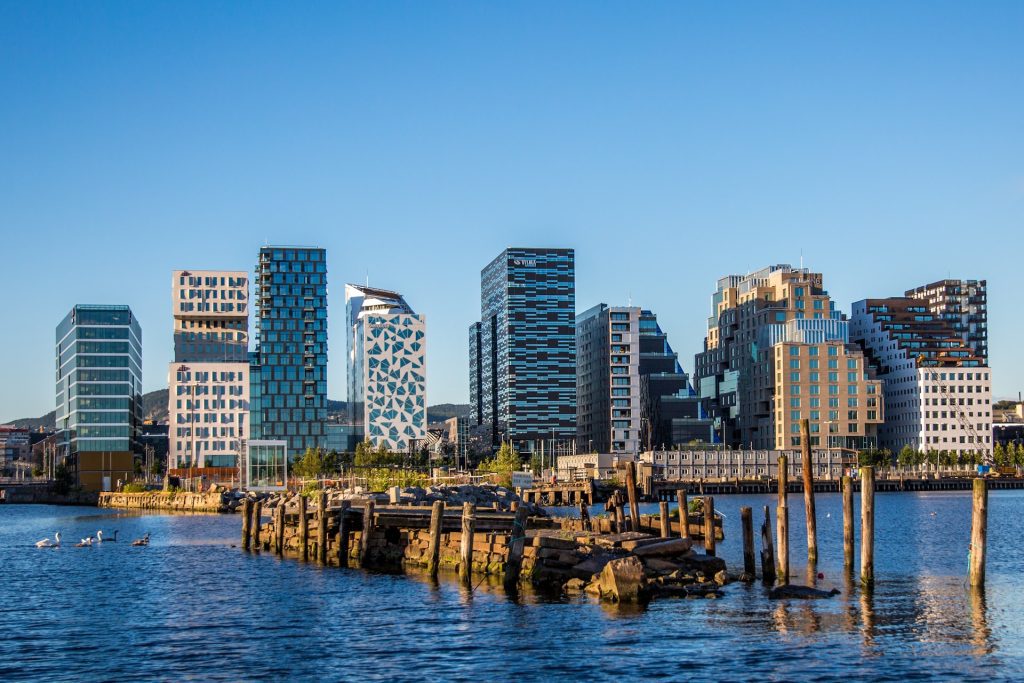
Norway’s capital, Oslo, focuses on creating a sustainable, eco-friendly environment. Oslo is part of the Nordic Smart City Network, and its vision is urban development to improve the lives of the citizens by being open, connected, sustainable, and innovative. With 670,000 residents, Oslo, the Eco Capital of Europe, has likewise committed to having only electric vehicles in the city by 2025. Oslo is also working on reducing carbon emissions. They encourage the public to use electric vehicles, smart systems, green structures, or renewable energy sources.
Oslo governance wants to be “smart” across all sectors. City governance has a wide range of smart city projects and programs for energy management, waste management, water management, urban mobility, education, industry development, welfare and health care, and other community services, etc.

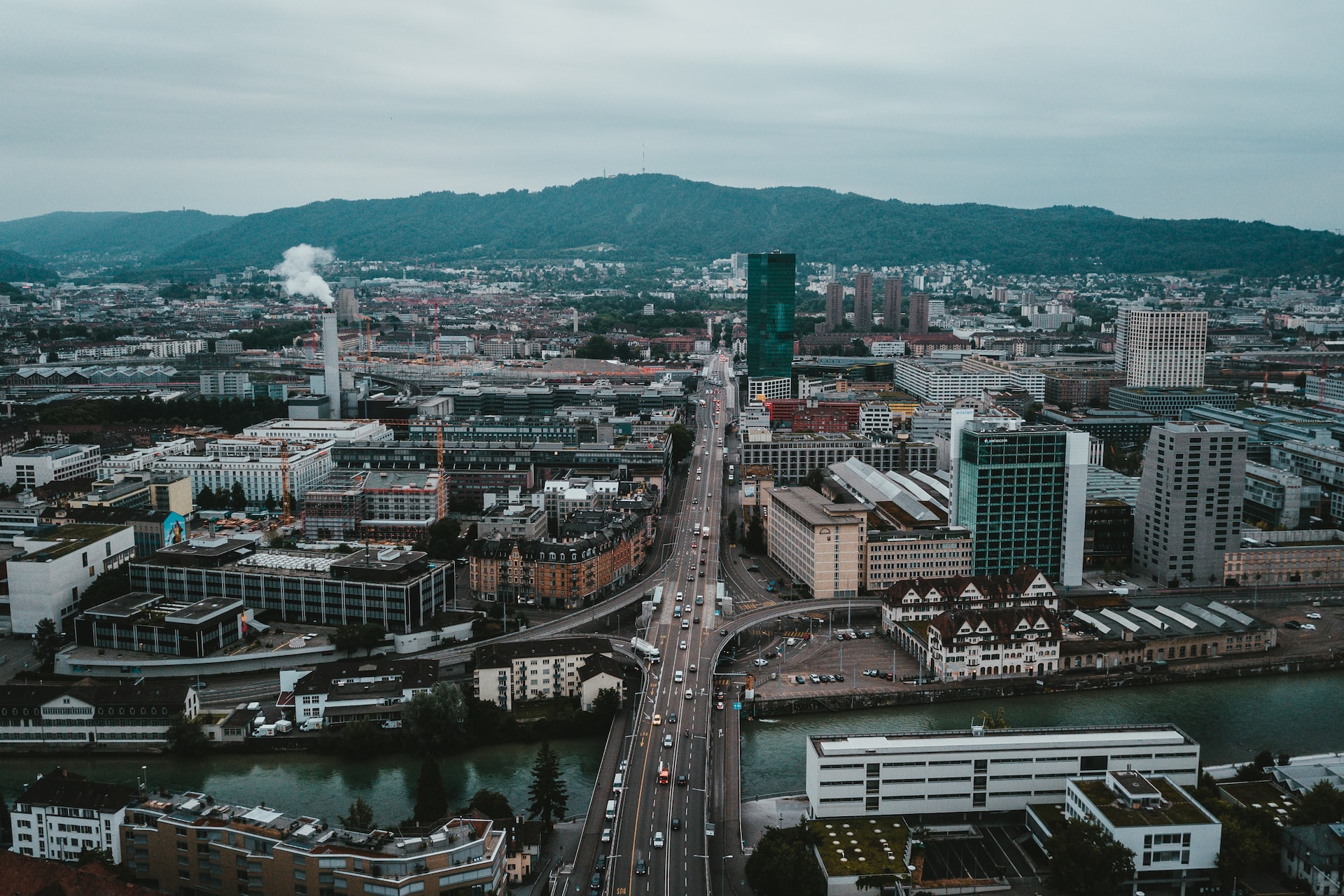
Switzerland’s capital Zurich is already doing many digital projects to connect people, organizations, or infrastructures. Zurich is leveraging digital transformation to better environmental quality and create the 2000-watt society. Zurich actively supports the whole population to sustainable living methods, including everyone who lives, works, or visits the city. Also, Zurich is collecting data from The Long Range Wide Area Network (LoRaWAN) for smart city solutions. This data is used to find solutions to challenges like air quality, water management, and traffic.
Learn more about The relevance of digital twins for building future cities
Smart City Technologies
Smart cities collect data with the Internet of Things (IoT) technologies and use the information obtained from this data to manage resources and services efficiently. At the same time, it also uses information and communication technologies (ICT) to increase operational efficiency, share information with the public, and improve both the quality of government services and the well-being of citizens.
For example, Oslo has around 20,000 smart streetlights that have contributed to a total energy saving of approx. 70%. Smart cities use IoT technologies and networks to reach goals such as improving quality of life and economic growth.
Smart cities are supported by various kinds of technologies:
- Information and communications technology (ICT)
- Connected physical devices using the Internet of Things (IoT) network
- Geographical information systems (GIS)
Each collaborates to gather and interpret huge amounts of information that may be utilized to enhance municipal systems and infrastructure. Cloud-based IoT applications are really important for smart cities because applications can receive, analyze, and manage all the data, like traffic, public transportation, etc. This data help the local governance to find solutions, make spaces more accessible, and better optimize for security.
Learn more about Top 7 IoT Applications in Architecture and Design
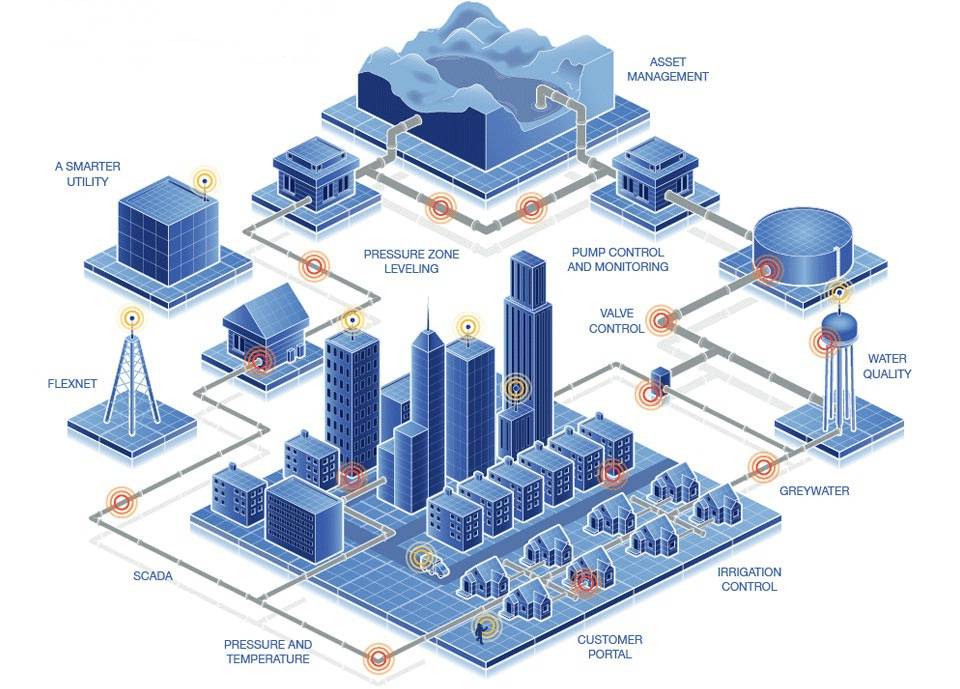
The four most essential steps followed by prosperous smart cities are:
- Information collection: Smart sensors in the city collect real-time data.
- Analysis: Data collected by smart sensors is evaluated to obtain meaningful insights.
- Communication: The information collected during the analysis phase is transmitted to the authorities through solid communication networks.
- Activity – Cities: They use information from data to create solutions, optimize operations and asset management, and improve residents’ quality of life.
Smart cities also can use artificial intelligence (AI), blockchain, and other new technologies for better urbanization. Smart cities are open to a wide range of blockchain possibilities. Some cities developing blockchain-based projects are Dubai, Milan, London, Stockholm, and Singapore.
In conclusion, it is a great chance for us to build smart cities and to be able to apply the smart urbanism tools that we have discussed in theory to the real world to create livable cities. Many city governments in different parts of the world are trying to apply these tools to their cities. Smart city technologies are of great importance for sustainability and the development of humanity.
