


Technological devices used to make modern life more comfortable and the widespread use of electricity generate a very high energy demand. The construction sector, which consumes 40% of global energy every year, is one of the main causes of climate anomalies arising from the deterioration of the environment and global warming. For a sustainable future, architects need to use energy efficiently and effectively. At this point, passive design strategies are employed, which utilize natural resources to optimize a building’s performance, comfort, and energy efficiency.
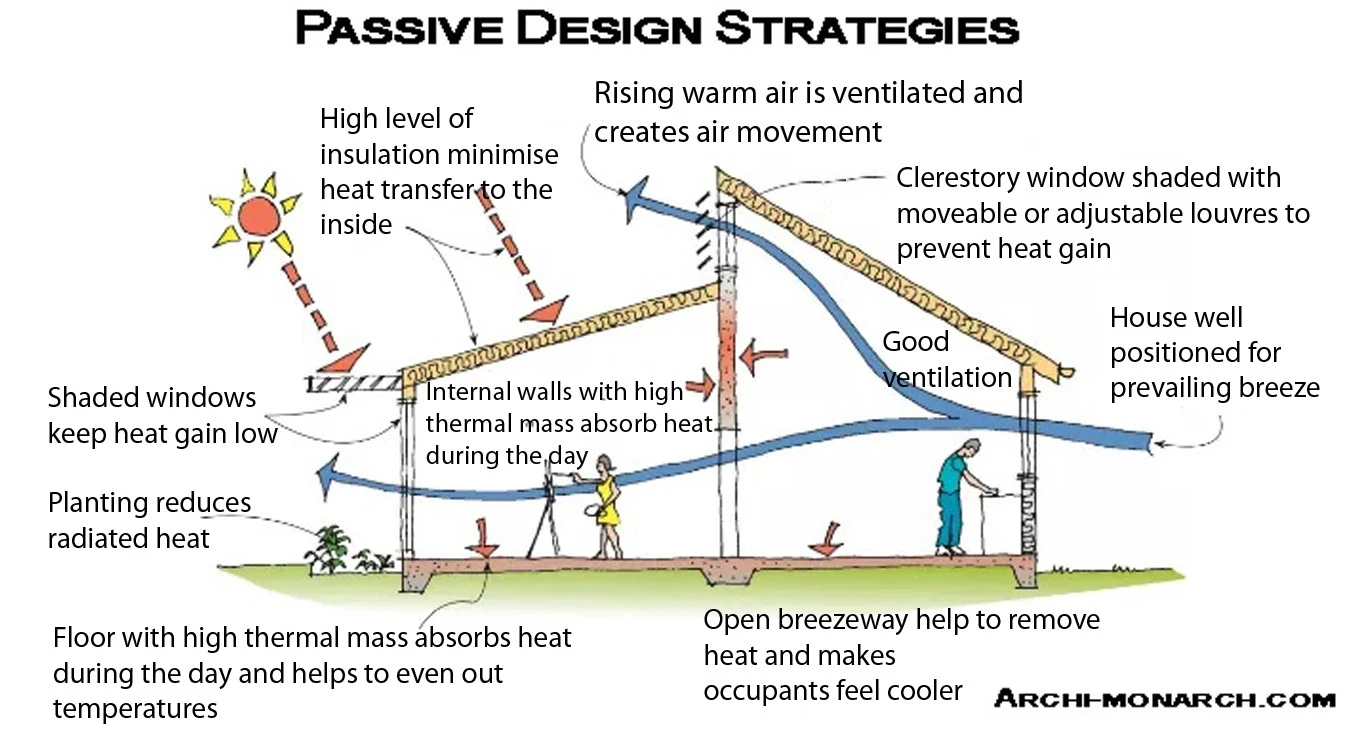
Unlike active design, which relies on mechanical interventions, passive strategies in architecture utilize the natural characteristics of a space to regulate heating, cooling, lighting, and ventilation within a building. Adhering to the laws of nature, these strategies leverage climate, terrain, and materials to create structures that work in harmony with their environment. Integrated into the design process to support the development of sustainable built environments, passive design strategies reduce a building’s energy consumption and create comfortable, energy-efficient spaces.
Take a look at the best design strategies architects use today:
1. Strategic Building Orientation
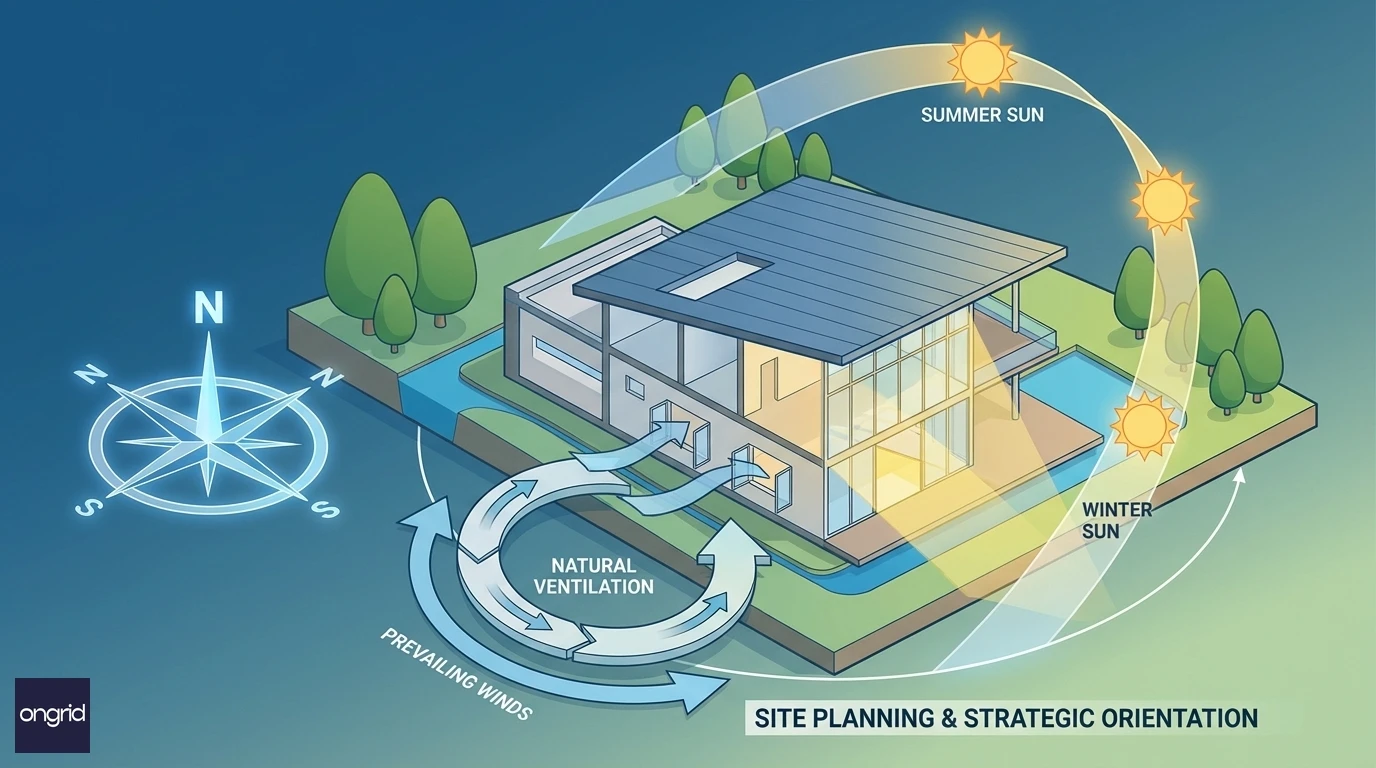
Building orientation refers to the positioning of a building on its site in relation to the sun and wind, and it is a fundamental element of passive design. A well-planned layout allows warming sunlight to enter interior spaces during colder months while minimizing solar exposure in the summer to reduce excessive heat gain. Building orientation maximizes natural ventilation, increasing indoor comfort by reducing the need for heating and cooling systems. Similarly, orienting the building to take advantage of prevailing winds helps create comfortable indoor environments without relying on mechanical ventilation systems.
2. High-Performance Insulation
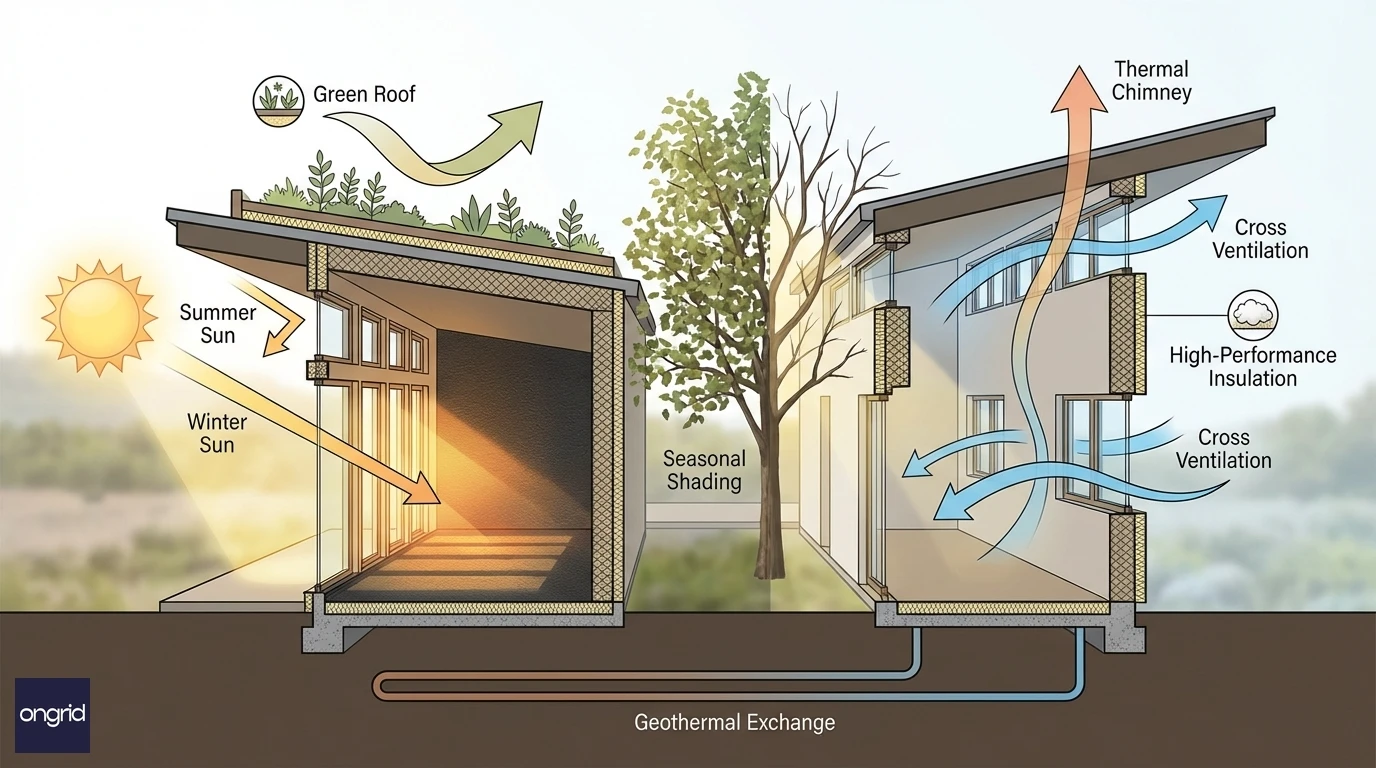
Thermal control maximizes comfort and energy efficiency by keeping the inside warmer when it’s cold outside and cooler when it’s hot outside. As one of the most critical strategies in passive design, insulation aims to improve the building’s thermal envelope. A robust insulation envelope uses advanced materials and techniques that act as a barrier against heat transfer.
Insulation can be applied to building walls, floors, windows, and roofs to reduce heat loss or gain. The most commonly used materials include fiberglass, cellulose, and foam, selected according to local climate, building type, and targeted energy performance. Ventilated roof systems, which facilitate air circulation beneath the roof surface, allow hot air to escape and reduce the thermal load on the building structure.
3. Daylight Utilization
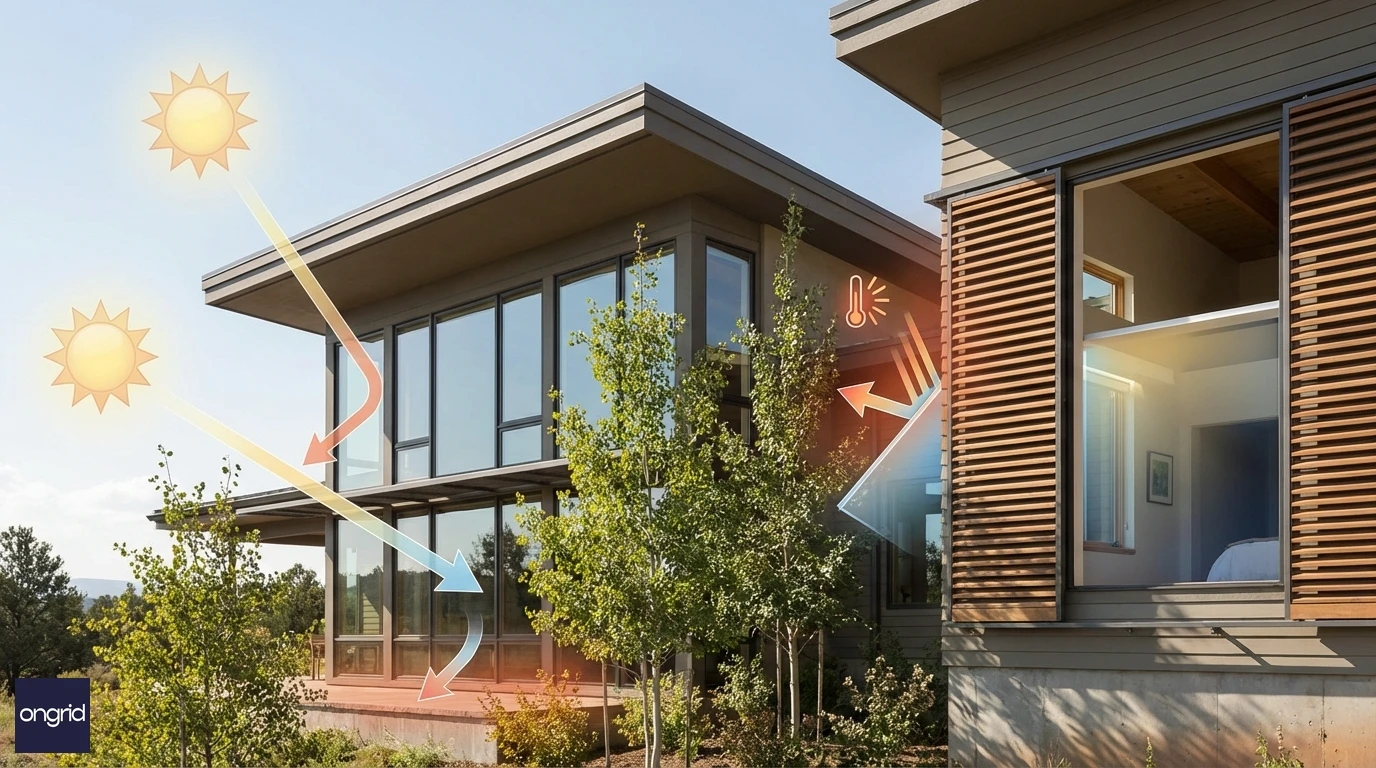
Properly positioned windows, skylights, light wells, and openings help illuminate interior spaces, significantly reducing the need for artificial lighting during daylight hours. This energy-saving, optimized passive sustainable design also creates a visually inviting atmosphere.
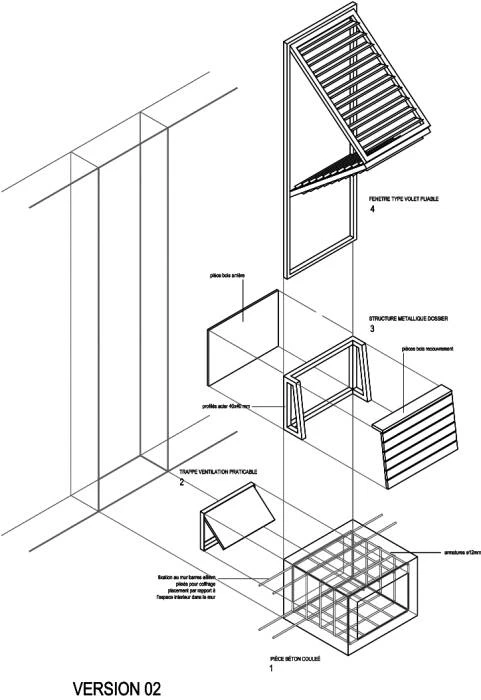
When designing windows for passive performance, several factors must be considered, including orientation, size, shading, glazing type, and frame material. Light-colored, reflective surfaces on walls and ceilings, along with skylights that allow natural light in while blocking unwanted heat, help prevent heat loss while maximizing daylight penetration. Light shelves can be placed on the outside of windows to protect them from direct sunlight during the hottest hours of the day while reflecting natural light inwards. The use of high-performance glass and frame materials can also improve the thermal performance of windows and reduce heat loss or gain.
4. Natural Ventilation
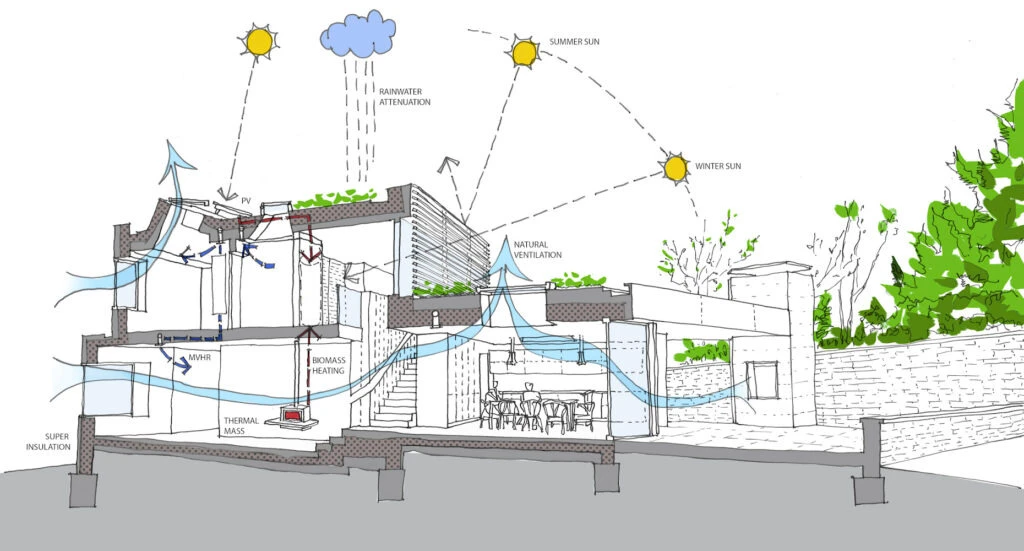
One of the most important passive design strategies for designing an energy-efficient building is to ensure adequate ventilation. Natural ventilation, which helps regulate indoor air quality, reduce indoor pollution, and improve overall indoor comfort, also plays a role in passive cooling and heating by allowing indoor and outdoor air exchange.
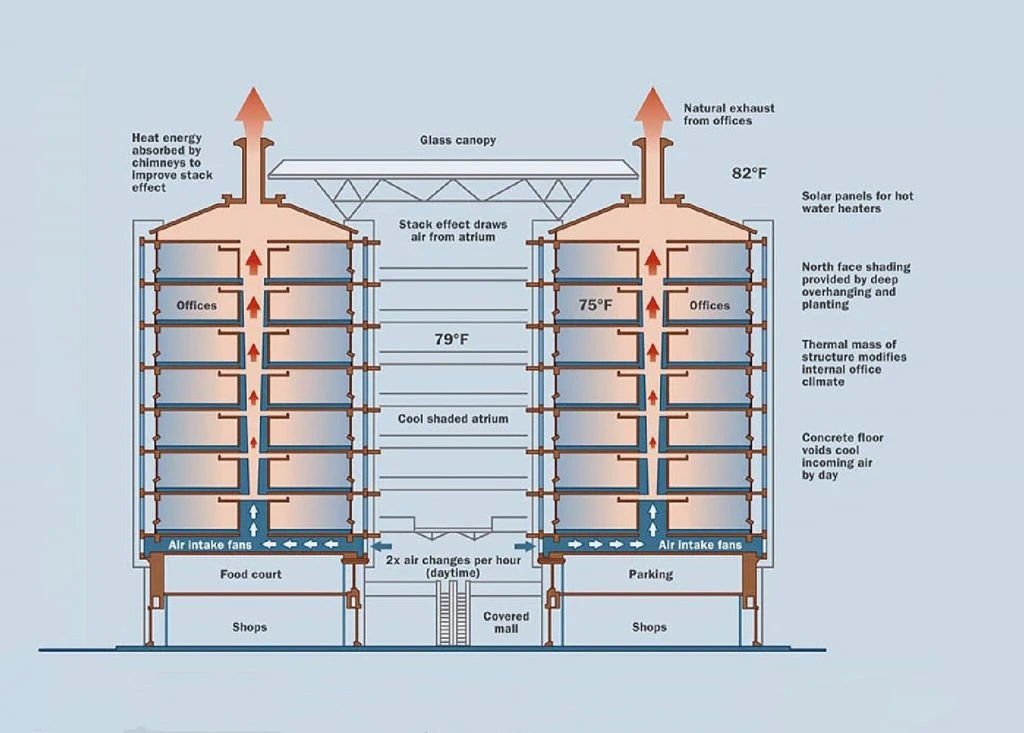
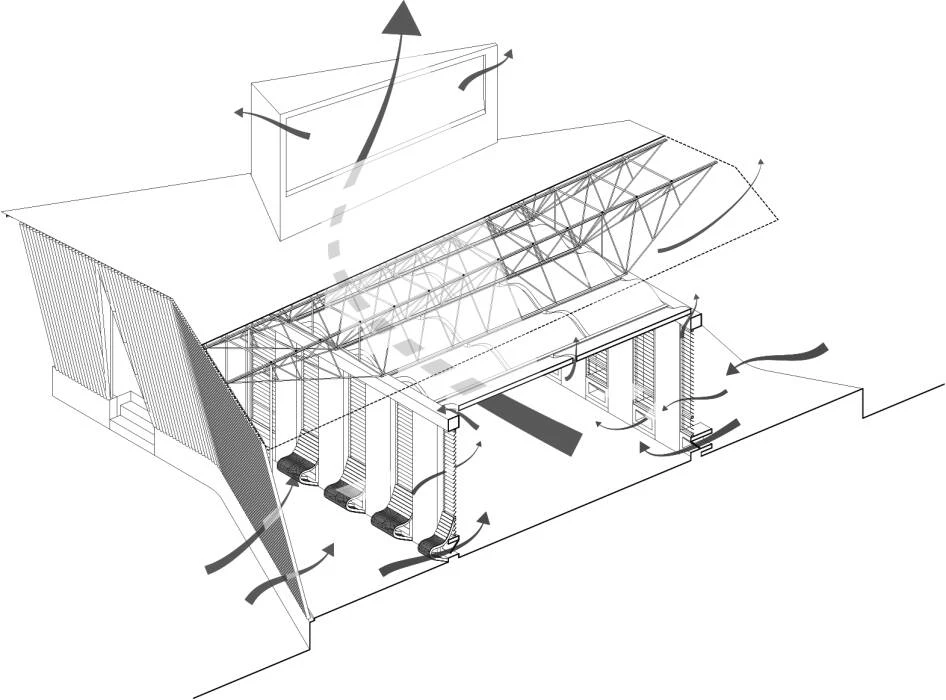
Methods such as stack ventilation, cross ventilation, and ventilation towers, supported by door and window placement as well as open-plan design principles, can ensure fresh air circulation indoors without the need for mechanical systems. When designing ventilation systems, the direction and size of openings, the use of shading devices, and the overall thermal performance of the building facade should be considered.
5. Shading and Solar Control
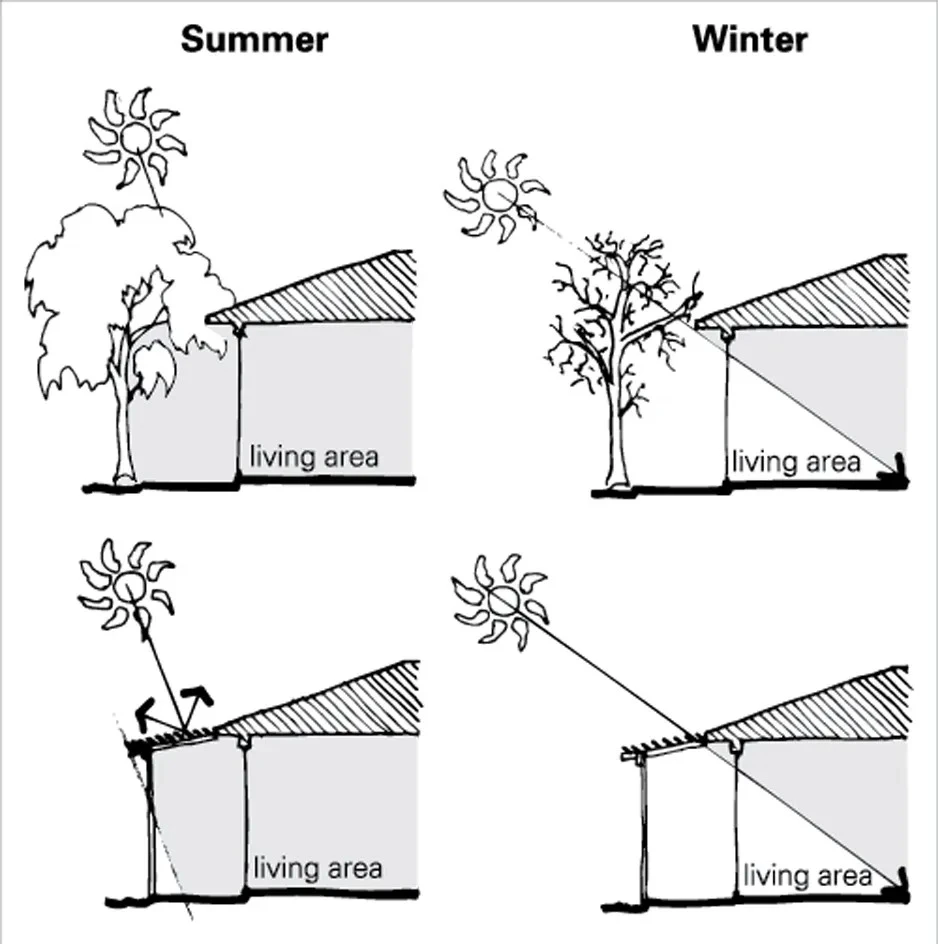
The interaction between light and shadow is central to passive solar design strategies. In hot and humid climates, shading systems used to reduce heat gain in buildings are among the most effective passive design techniques. Simple elements such as roof overhangs, awnings, or deciduous trees block summer sun while allowing winter sunlight to enter, helping to regulate indoor temperatures naturally. Overhangs and recesses that provide a comfortable indoor climate also contribute to the aesthetics of the building facade.
6. Local Material Selection
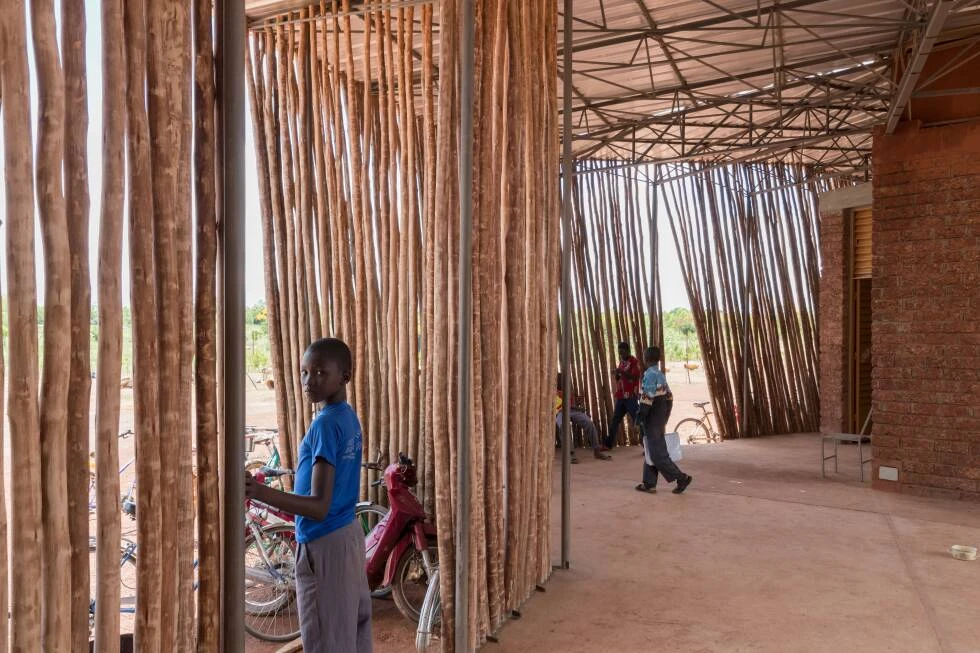
The use of local and sustainable materials is one of the strongest strategies of passive design. Representing a holistic relationship established between climate, culture, economy, and ecology, this approach reduces energy consumption and the environmental impact of construction. Local materials readily available in the area where the building is located reduce the carbon footprint from transportation and also create a deeper connection between the built environment and the surrounding community.
Architects who prioritize local materials benefit from their natural advantages, such as their ability to adapt to local climate conditions. The use of renewable or locally sourced materials such as timber, stone, bamboo, or recycled steel is another effective way to reduce carbon emissions and the consumption of non-renewable resources.
7. Use of Water
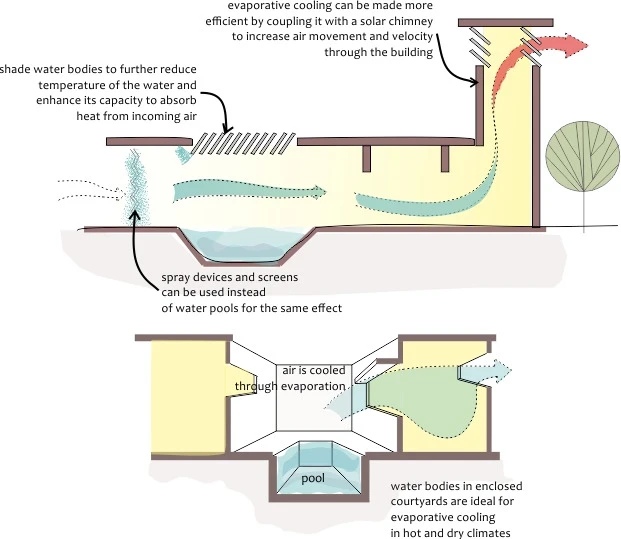
Water elements used in passive design are often perceived as an aesthetic touch, but they are actually one of the most effective tools for creating a microclimate. Especially in hot and dry climates, a properly positioned water surface noticeably reduces the surrounding temperature. Water molecules absorb heat from the surrounding air and cool the environment through evaporation, contributing to evaporative cooling. As air passes over a water surface, it absorbs moisture and cools down before entering the building.
8. Green Surfaces
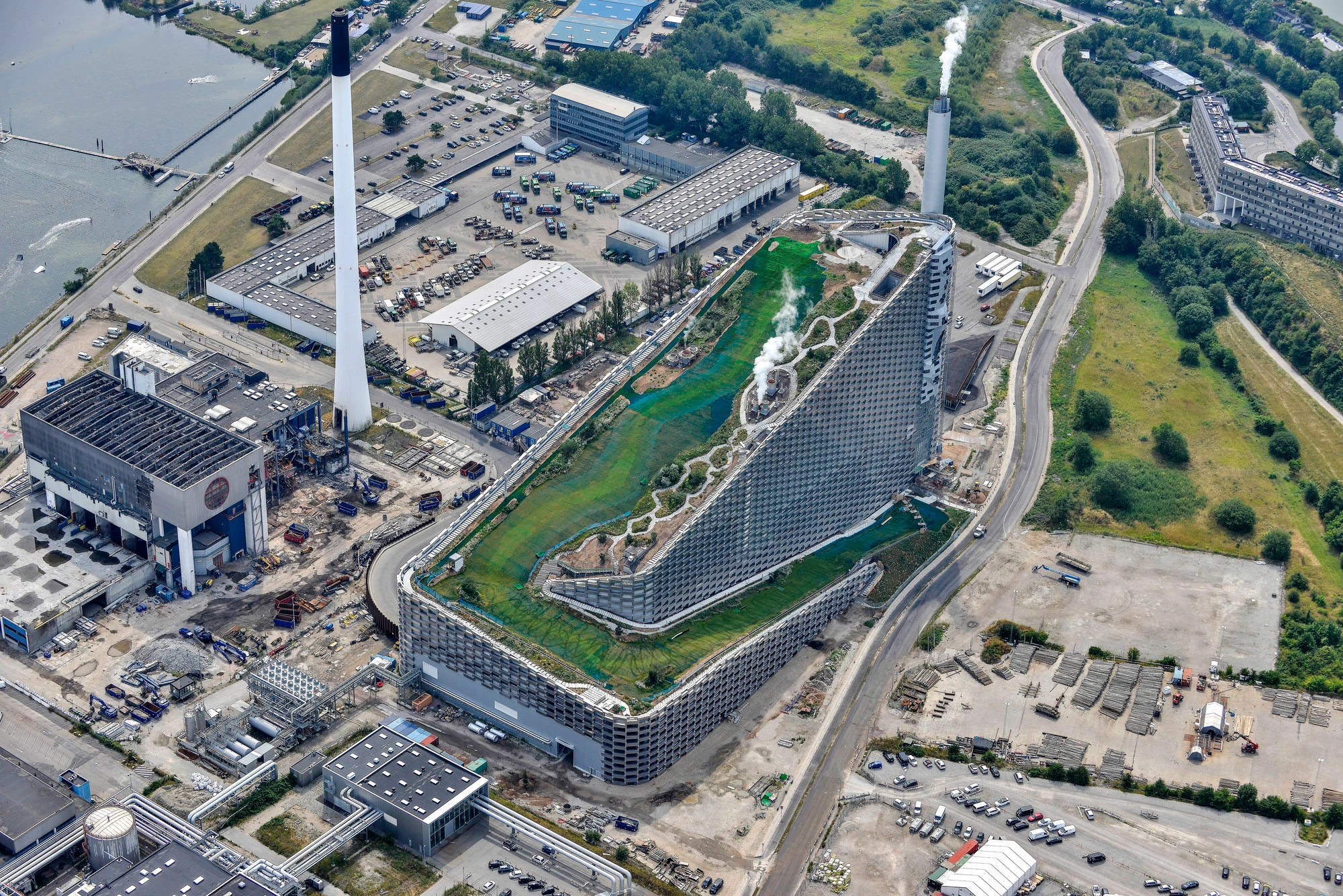
The concept of green architecture includes green roofs and green walls, which offer a wide range of benefits such as improved insulation and thermal performance, reduced stormwater runoff, increased biodiversity, and enhanced air quality. Especially in hot and humid regions, integrating green architectural features such as rain gardens, vertical gardens, and green roofs supports environmental sustainability and thermal comfort. This living passive design strategy, which introduces living vegetation to buildings, creates a deep connection between the built environment and the surrounding ecosystem.
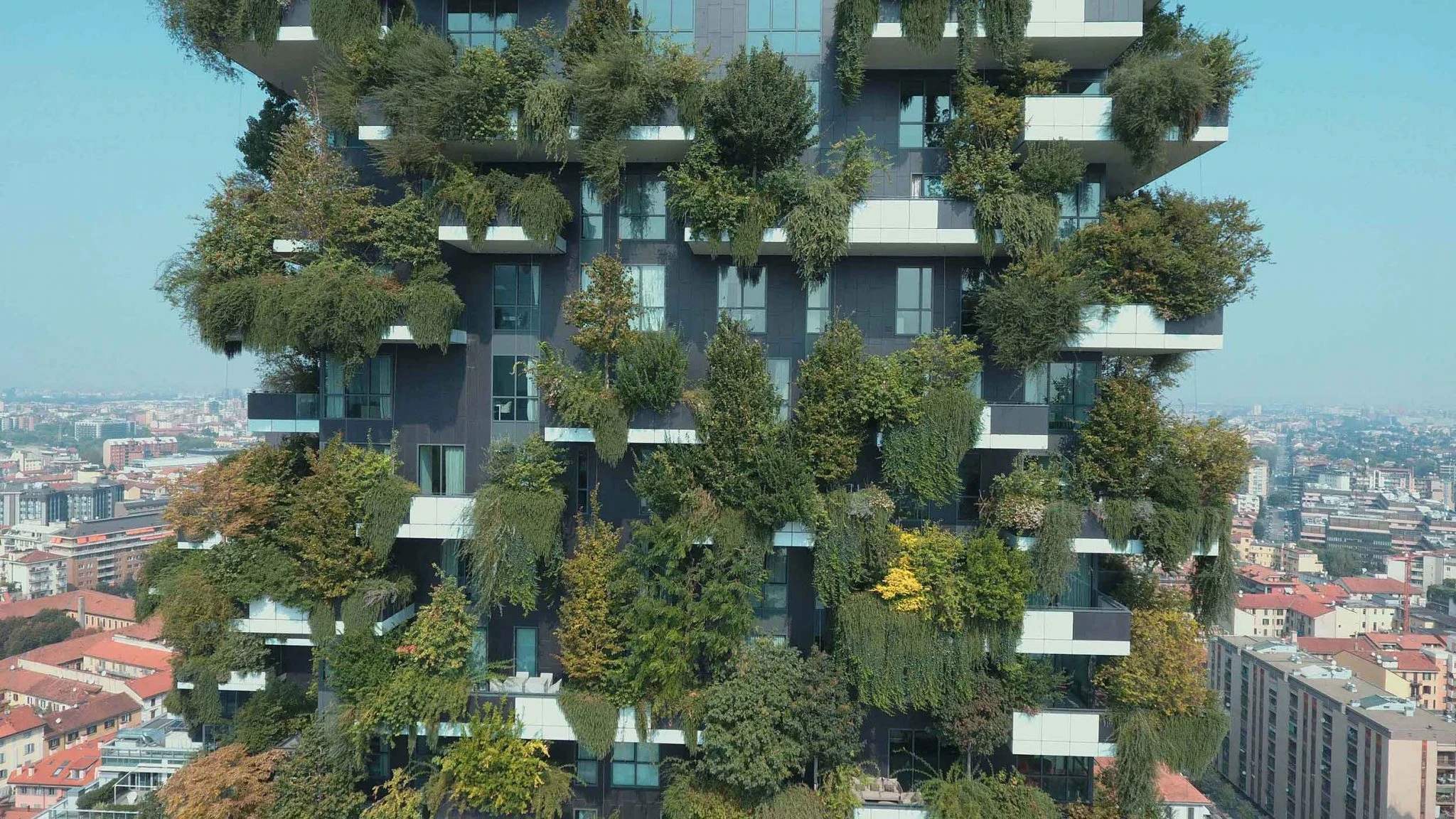
Green roofs reduce heat absorption by providing thermal insulation, while also managing rainwater runoff and reducing the load on drainage systems. Green walls, also known as vertical gardens, improve indoor air quality while adding a natural aesthetic touch. When designing green roofs and walls, it is important to consider factors such as plant type and quantity, growing medium, drainage, and irrigation systems. Proper design and maintenance are essential to ensure long-term performance and sustainability.
9. Ground Heat Gain
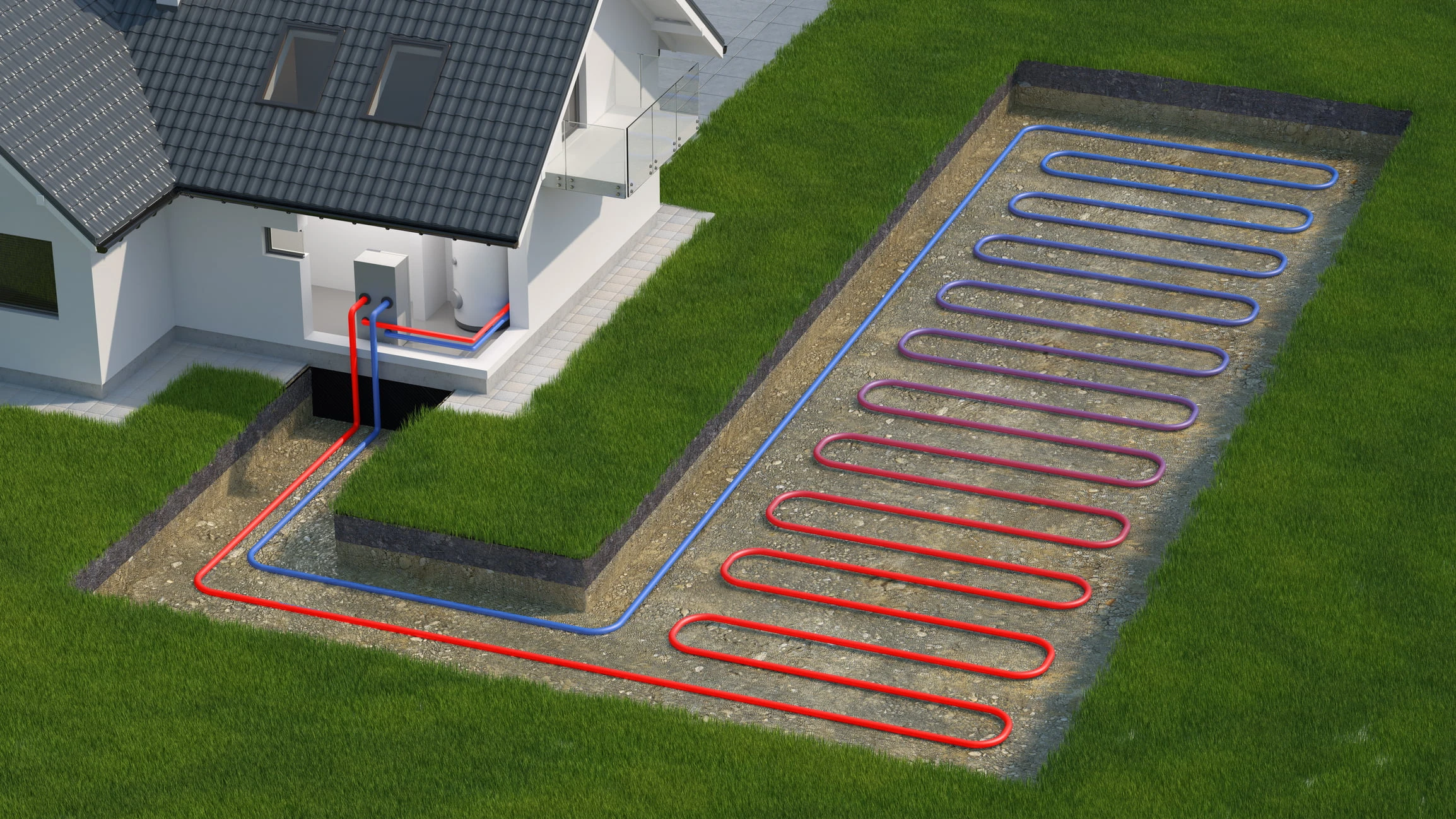
Ground heat gain is one of the most important passive design strategies. Particularly effective in structures in contact with the ground or in semi-buried masses, ground heat gain balances the indoor temperature by absorbing or releasing heat from the ground. Soil, which remains relatively constant at a certain depth throughout the year, is warmer than the air in the winter and cooler in the summer. This system can be implemented through ground-source heat pumps, earth-sheltered foundations and floors, underground buildings, and thermally massive construction materials.
10. Insulated and Ventilated Roofs
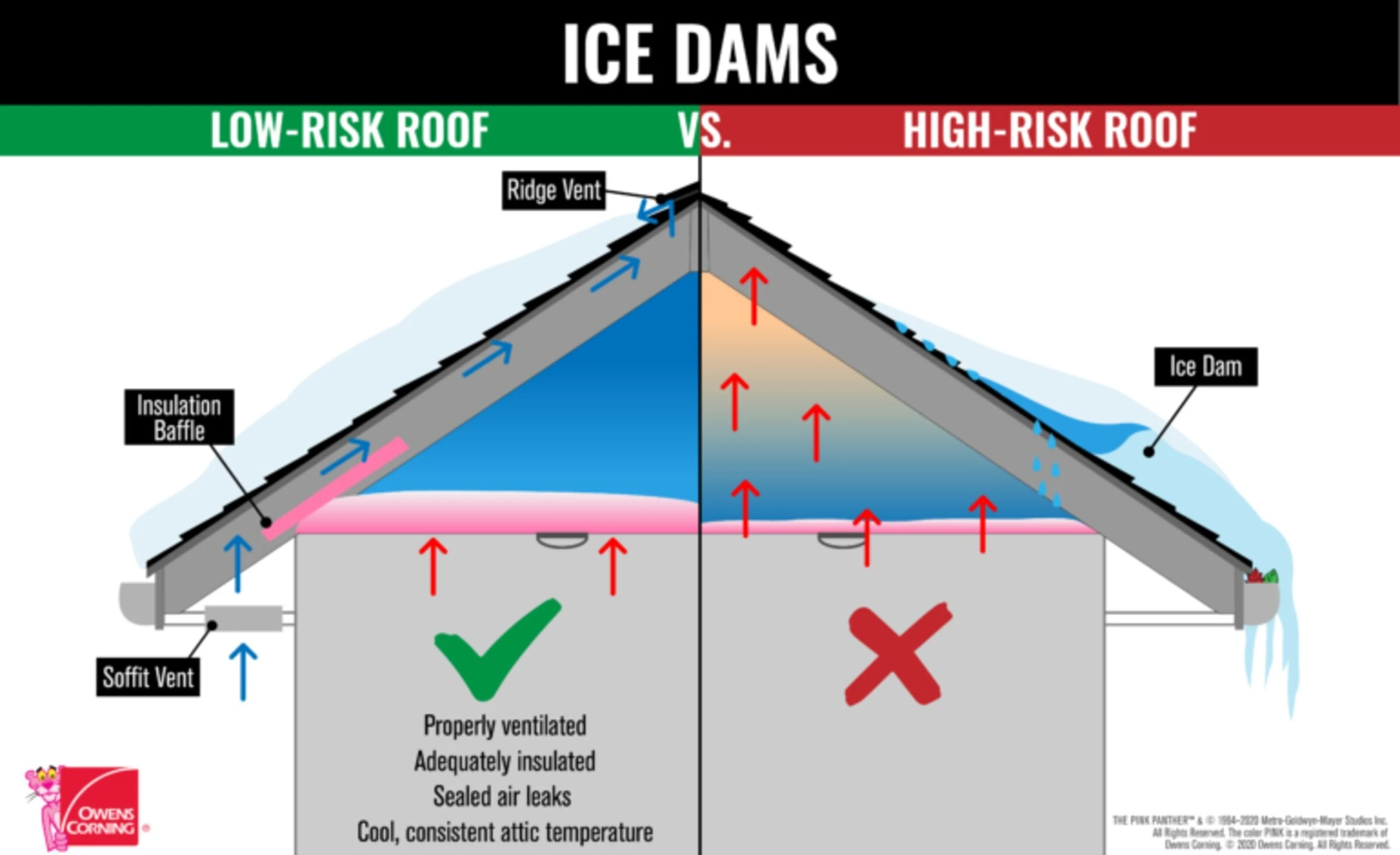
One of the most impressive passive design strategies with high potential for transforming traditional roofs into energy-efficient surfaces is cool roofs. The basic idea of insulated and ventilated roofs, which minimize the absorption of high solar radiation and effectively dissipate heat back into the atmosphere, is based on the use of roofing materials and coatings with high solar reflectivity and heat dissipation properties. By significantly reducing roof temperatures, these systems help mitigate the urban heat island effect while lowering a building’s overall cooling demand.
Projects designed with passive design strategies in mind in architecture:
Eastgate Center
Location: Harare, Zimbabwe
Architect: Mick Pearce
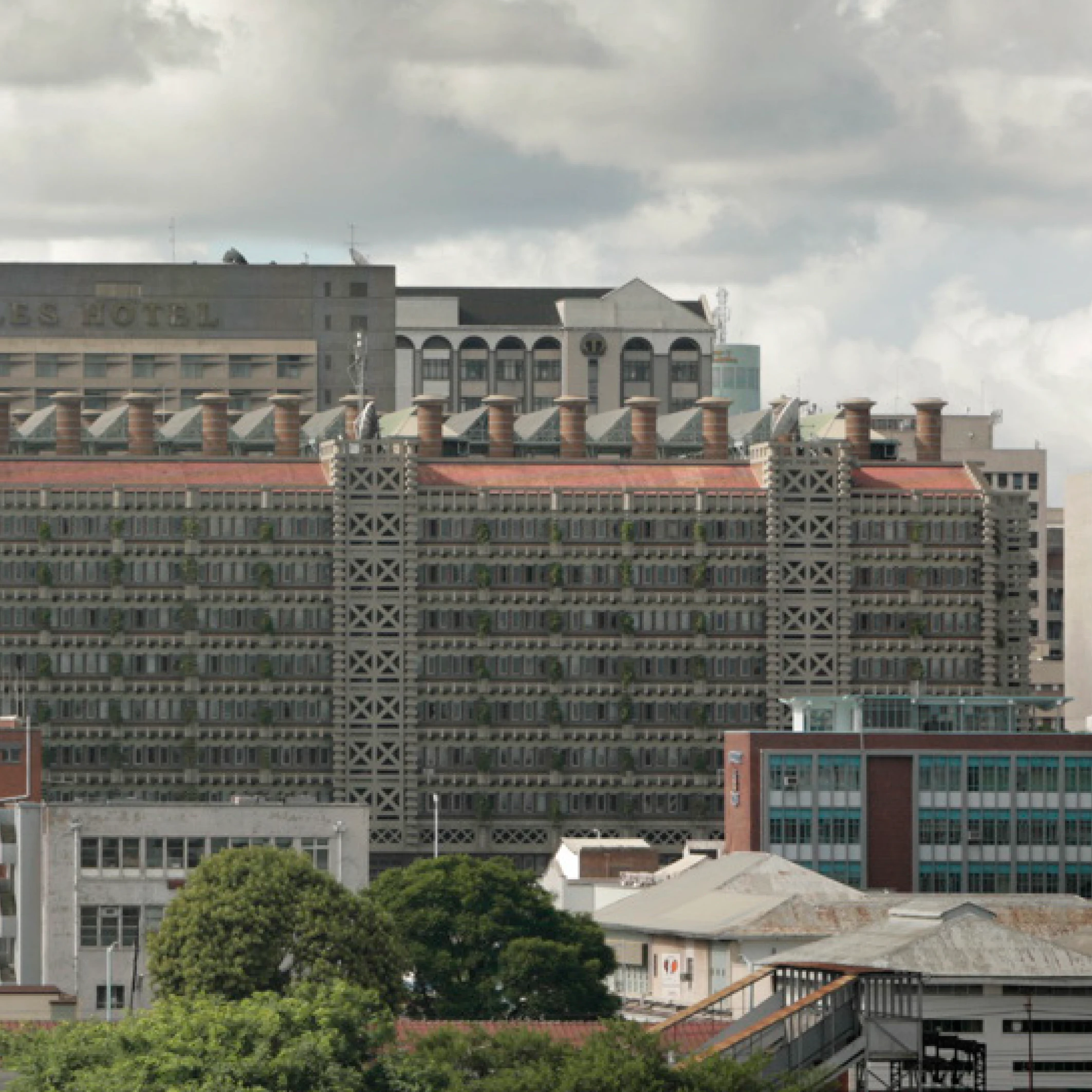
One inspiring example of how passive design can produce radical performance in contemporary architecture is Eastgate Center by Mick Pearce. Designed with inspiration from termite mounds, the building minimizes reliance on mechanical cooling systems. Consisting of two blocks connected by a glass roof, Eastgate features 48 brick chimneys on its roof that exhaust warm air rising from the office spaces. Below the office floors, 32 low- and high-volume fan groups filter the air, and fresh air is drawn in through a central core and distributed into the spaces via underfloor systems. In the office space, upward-facing lighting fixtures utilize the concrete vaulted ceiling to reflect light downwards and absorb heat.
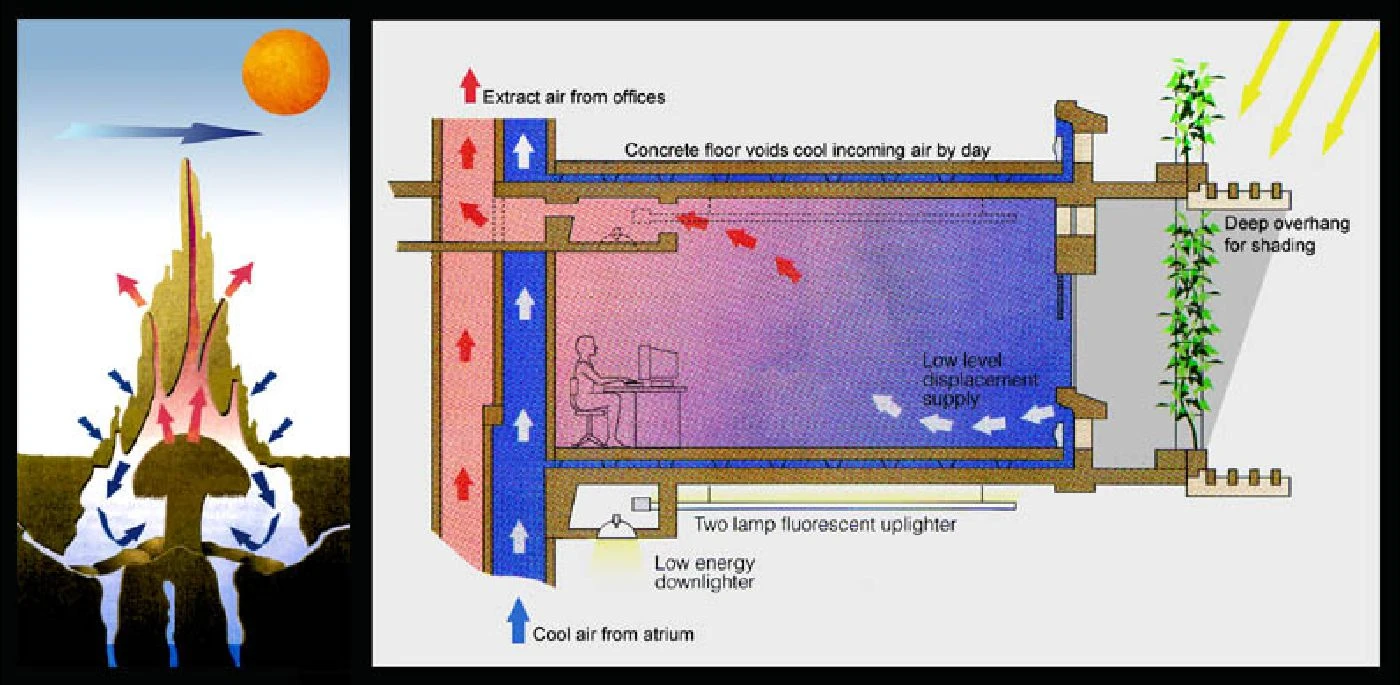
The sandwich structure formed by the domed ceiling and the hollow floor above acts as a heat exchanger. Cold night air passing through the voids, which are decorated with concrete ridges, removes the heat of the previous day, and the warm outside air of the next day is cooled by approximately 3°C by the same ridges before entering the room. Consuming 35% less energy compared to traditional HVAC buildings, Eastgate Centre uses passive design to offer a durable and efficient solution.
Lycée Shorge
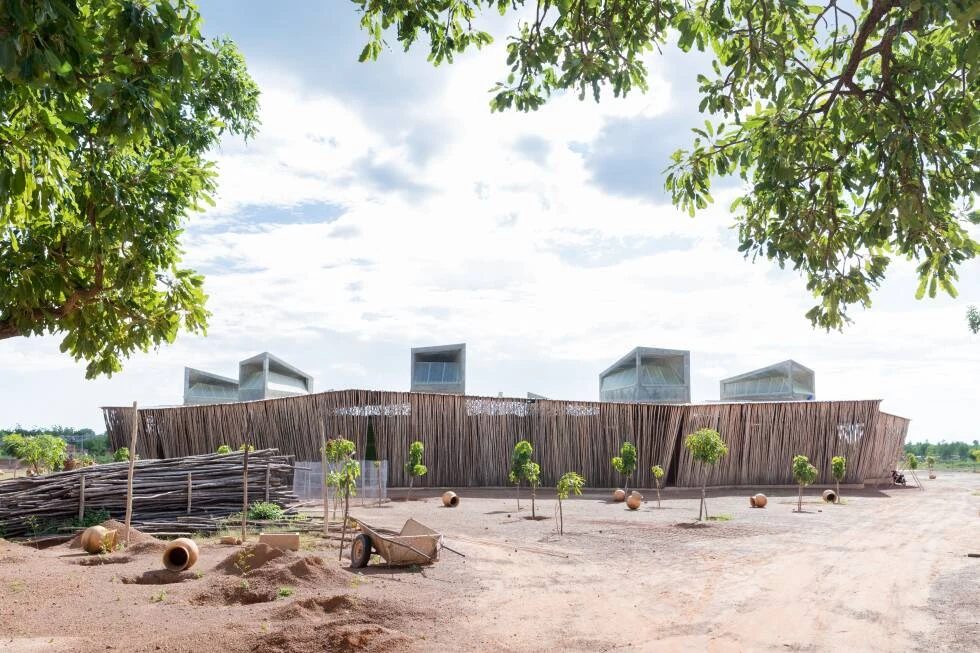
Location: Koudoungou, Burkina Faso
Architect: Francis Kéré
The Lycée Schorge Secondary School, designed by Francis Kéré, is composed of nine modules arranged around a central courtyard that protects the space from wind and dust. The walls of each module are built from locally sourced laterite stone, giving them their striking deep red color. This material acts as an excellent thermal mass, absorbing intense daytime heat and releasing it during the cooler night hours. A secondary facade made of local eucalyptus wood wraps the classrooms like a sheer fabric, creating various shaded interstitial spaces where students can informally gather while waiting for their lessons.
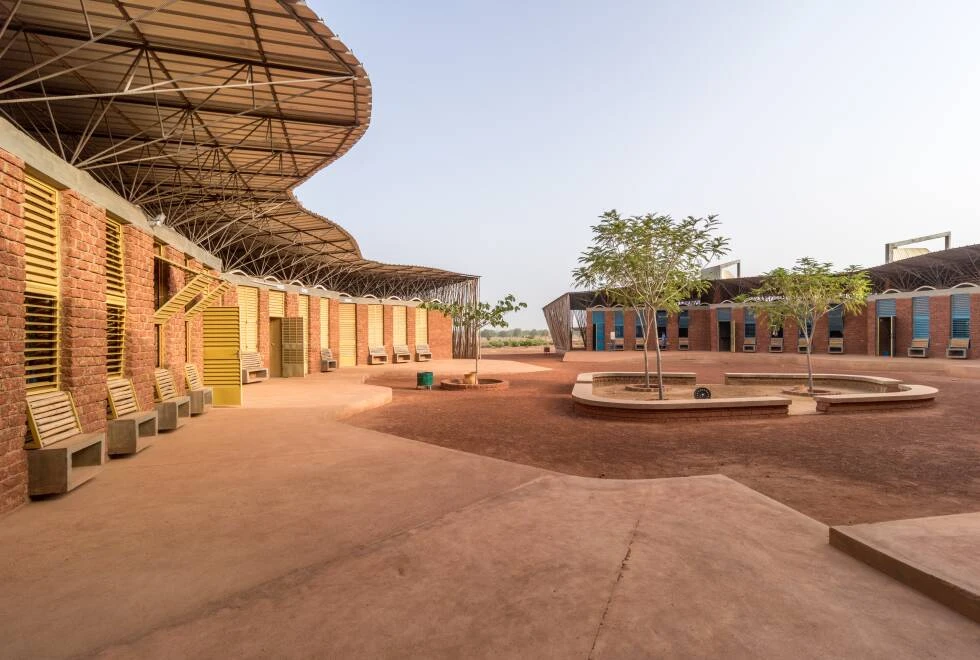
Classroom ceilings made of perforated plaster vaults improve light quality by diffusing indirect sunlight while preventing heat gain from direct solar radiation. Wind towers located behind each classroom allow hot air to escape, further helping to lower the interior temperature. By effectively combining passive design strategies such as local materials, daylighting, and shading, the Lycée Schorge School achieves maximum comfort with minimal energy use.
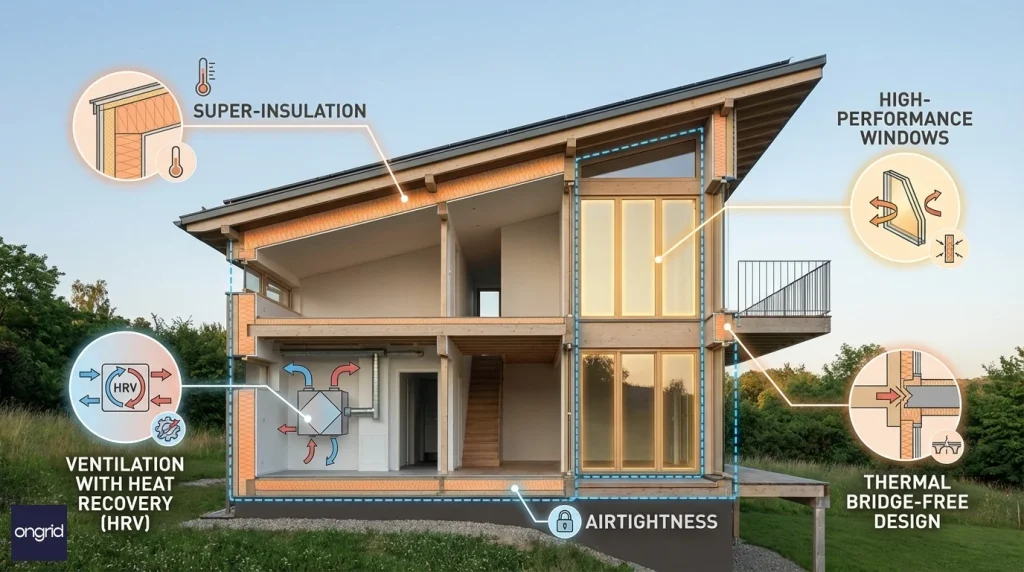
Today, as the world struggles with urgent issues such as climate change and global warming, it has become essential for architects to more carefully consider the environmental impact of their building designs. At this point, passive design strategies enhance the quality of the built environment, improving livability and user experience.
Architects can use computational design tools such as parametric modeling and building performance analysis to understand the environmental impact of a project. In this context, the “Radical Net-Zero Buildings” workshop offered by PAACADEMY focuses on the design of energy-efficient buildings using tools such as Rhinoceros, SubD modeling, and the Ladybug Tools ecosystem.
