


Beyond the technique of designing and building, architecture is much deeper. Throughout decades, much like humans and technology, architecture evolved. This process was based on the history and growth of human interaction. At the beginning of time, humans lived in caves; this was what architecture was all about. It was part of the earth, blending with the environment and protecting people by being a source of shelter. With time, architecture became part of people’s visceral emotions, playing a vital role in one’s mental state and general mood. Architecture has undergone numerous transformations, spanning from the classic, Romanesque, and gothic, to Art Nouveau, Art Deco, Bauhaus, modernism, postmodernism, and more. These movements were a form of expression of people’s cultures and beliefs; they meant much more than advancements in design.
A movement or a “reaction” that began during the second half of the twentieth century, as the Great Depression kicked in, is postmodernism. It is the departure from modernism, where people mixed ideas, designs, and thoughts in an ironic matter. Postmodernism is an expression of skepticism, subjectivism, and relativism, showcasing the diverse cultures and the ability to combine several thoughts together making them coexist; it was a way of questioning and reacting against Western philosophy and modernism. This article will delve into the Postmodern movement, exploring how it also evolved in movies. Architects and urbanists used movies as valuable sources of inspiration, as they showcased a dynamic view of architectural and urban concepts. Unlike traditional academic or theoretical approaches, films offer a visual and experiential medium that can capture the essence of architecture and urban environments in a more immersive way.
Architectural postmodernism and cinema
Every architect is known for his/her vast imagination, which makes movies a great source of inspiration and comfort, as they are closer to the “immateriality of imagination.” Finnish Architect and Professor Juhani Pallasmaa, explains that architects and people who are interested in the field, study movies and films because they are a great visual representation of concepts and ideas, which are the foundation and first phase of every design project. In traditional architecture, there is a set of rules and right-angle constraints one must follow, but in cinematography, these rules do not exist. There are endless possibilities and no precise definitions, which is what postmodernism in architecture is.
Cinematography is the closest art to architecture due to a common key factor in both; space. Like architecture, cinematography is an art that allows you to experience the scenes’ space, context, and built environment. The fluidity of films and how the audience experiences the transformation across different time frames are what make movies truly iconic and very relatable to architectural postmodernism. The postmodernism era was a great time for directors like Roberto Rossellini, Vittorio De Sica, Luchino Visconti, and Pietro Germi, who used cinematography as a form of criticism and expression showcasing the reality of Italy after the war. Movies like, “Rome, Open City (1945)” and “The Bicycle Thief (1948),” offered critical perspectives on the country’s situation.
Film directors like Peter Weir and Jacques Tati used architectural postmodernism to criticize modern realities by using design and architecture out of the traditional context and in a somewhat exaggerated way, about how cities are built and structured. Filmmakers hope that by doing this, they can make people more aware of the quirks and issues in their surroundings and inspire them to consider changes for a better future. The combination of the story and the way buildings are portrayed in these films is a way of commenting on the present reality and suggesting improvements for the future.
Examples of films that underline Architectural Postmodernism
Truman Show by Peter Weir (1998)
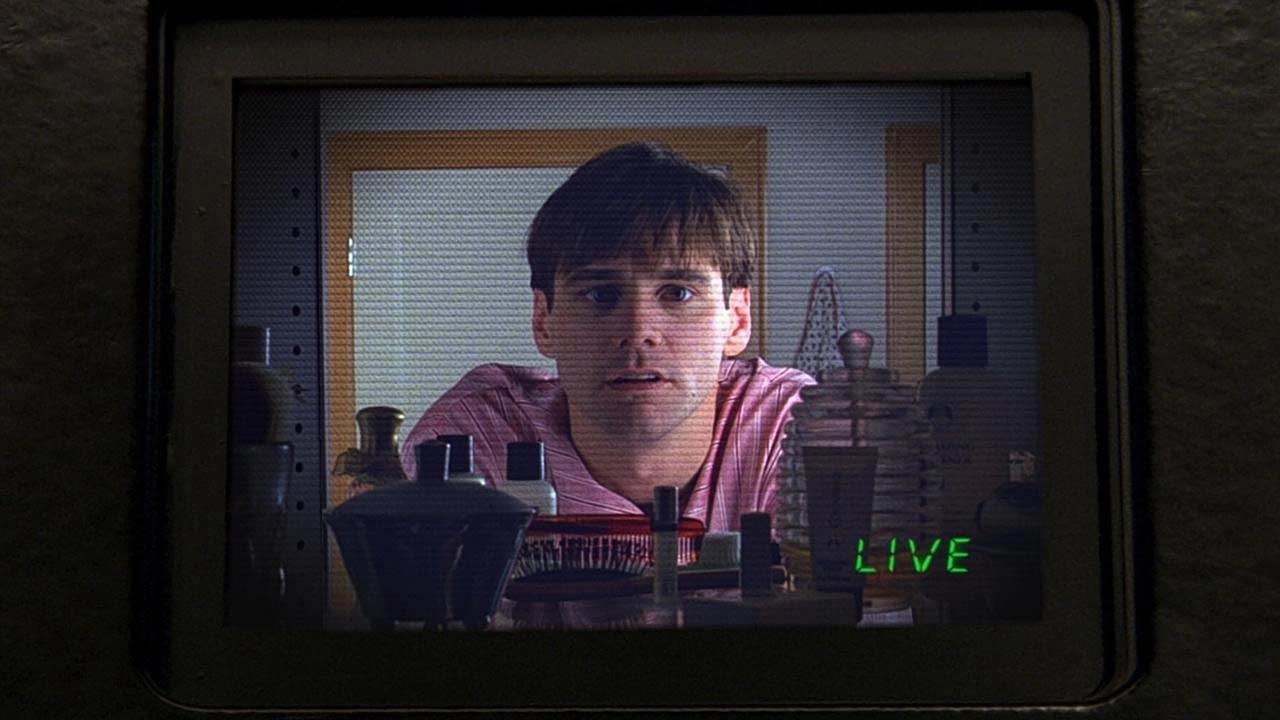
The Truman show revolved around a character named Truman Burbank whose life was a reality TV, without his knowing. Cameras followed him everywhere but he was too delusional to recognize that his reality was far from perfect, despite having had an ideal life in an ideal town called Seahaven. Later on, he starts to question his seemingly perfect life and look for answers to achieve fulfillment. The show highlights the importance of how people strive for perfection yet miss out on genuine human interaction which makes them feel unfulfilled no matter how “perfect” their life is.
Additionally, it underlines the unfortunate fact that sometimes, people focus too much on reality TV, which slowly turns them into unsympathetic beings. Peter Weir explains, “We’re all plugged in. We’re all there, the world is watching. We all watched the gulf war as if it were a television show. Cameras have gone in on everything. There’s nothing strange now about hearing of a terrible accident, a child killed, and then seeing clips from his life because his parents shot video of the child. Like a movie. So strange.”
The architecture of the show was of particular importance, as it showcased the existing urban development of a town called Seaside in Florida. It is a four-hundred-home area with modern buildings and very strict regulations regarding the front lawns, exterior decorations, building type, and size. It was designed to be a walkable town in a family-oriented environment which was too perfect. It was a mockery of our modern world and the rapid growth of urban developments in the most superficial and unrealistic way possible.
Blade Runner by Ridley Scott (1982)
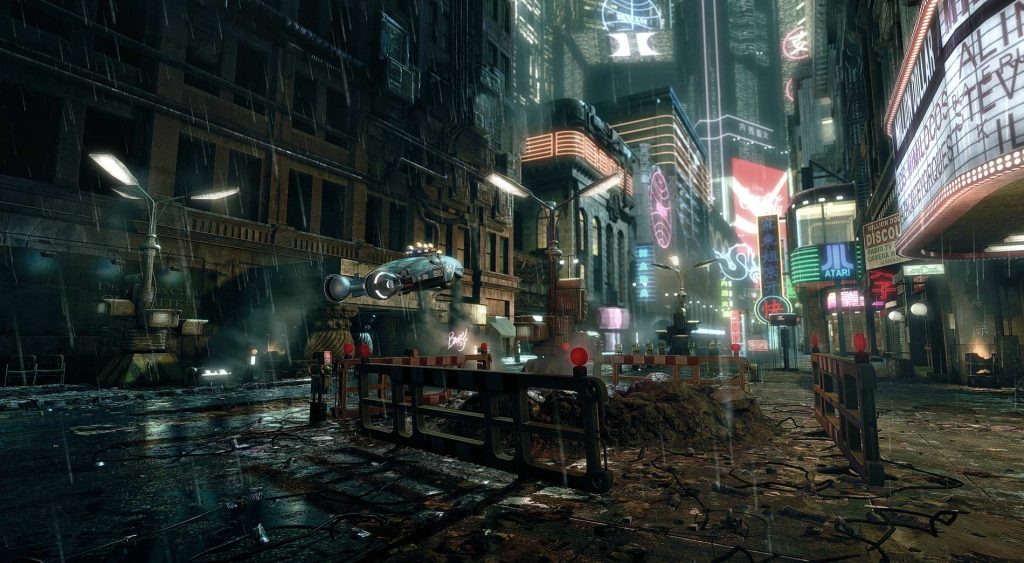
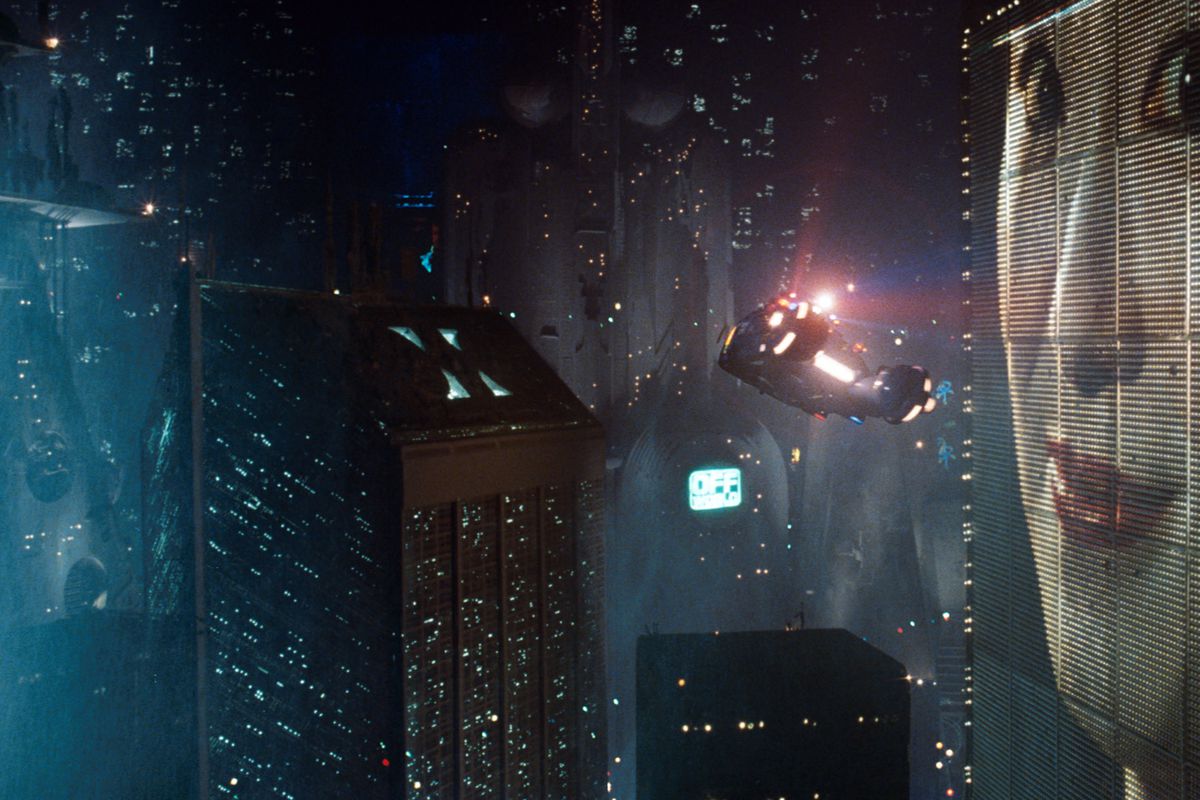
The movie was released in 1982, and features the city of Los Angeles in 2019 (the dystopian future). In this gloomy future, famous architectural landmarks such as the Bradbury Building and Ennis House are seen in a fictional city called “San Angeles”. The Blade Runner movie blends architecture with cinema by showcasing a dystopian city with different architectural styles that later leave residues of meaningless spaces. This environment is described as, “Dystopian Manifestations of Modernism”.
Underlining the negative impacts of capitalism post-industrial era on architecture and urbanism, the blade runner connects the past, to a gloomy future world by including buildings from the Romanesque and Mayan revival style. This confusing connection and unknown future world seem to highlight what postmodernism in architecture is.
Pulp Fiction by Quentin Tarantino (1994)
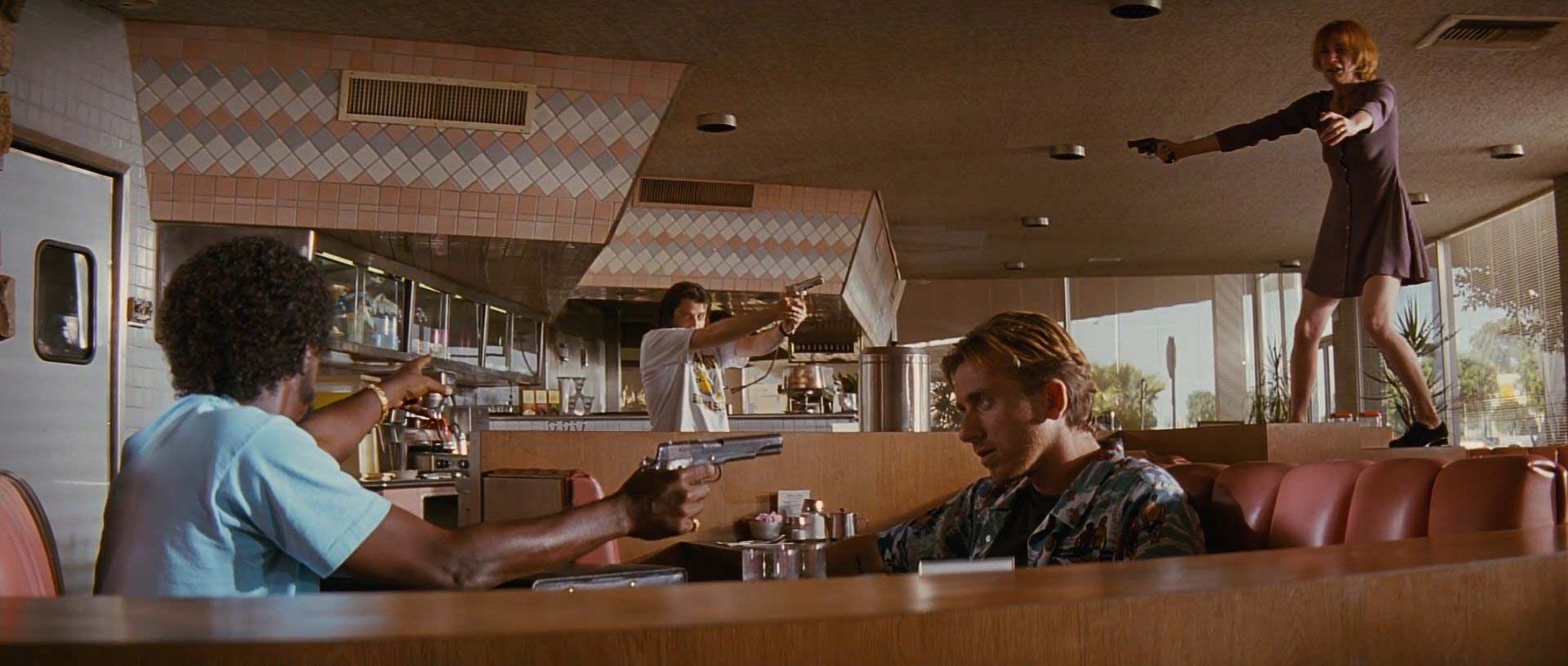
The movie features a “generic city”, referring to a city with no character that sets it apart from other cities. The actors and actresses include unemployed people, murderers, waitresses, and roadside hotels which reflect a dirty realism style. The movie’s context acts as a metaphor to the characters’ psychological issues and how they lose their sense of self while living in a city that lacks distinction.
Sometimes, when things are too mundane, they become a little out of the ordinary. This movie specifically illustrates how the surroundings and urban landscape influence individuals psychologically, causing them to feel unfulfilled and lacking a sense of self, as depicted in architectural postmodernism.
Wings of Desire by Wim Wenders (1987)
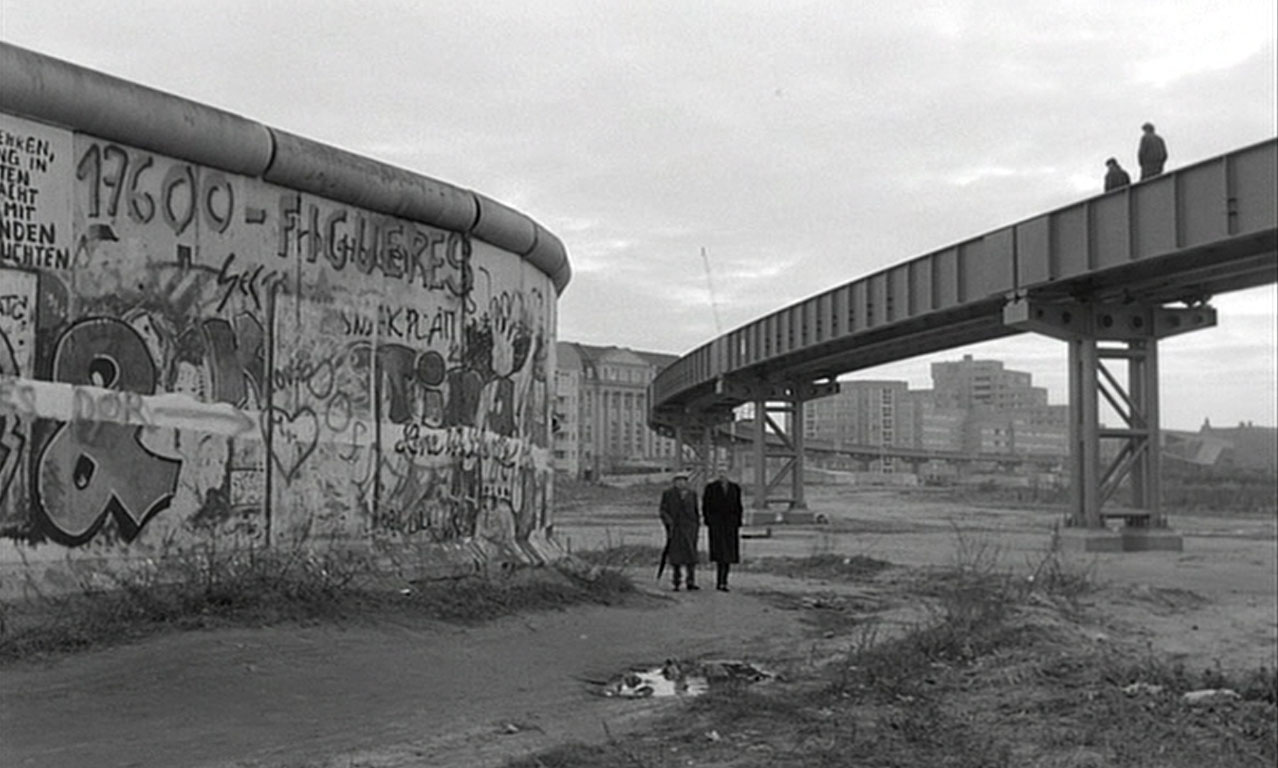
The film was set in Berlin, just before the fall of the Berlin Wall, where the city was portrayed as fragmented and lacking unity, which reflects the people’s emotions at that time in history. The architecture, voids, and residues of the city had a huge influence on the movie’s characters, evoking memories tied to places that have transformed into a sense of absence. The film explores the intersection of the cityscape, memories, and people’s emotions, which creates a rich tapestry of reflections on history and human experience.
The Wings of Desire relates to postmodernism in architecture by portraying the emptiness and chaotic city which was seen in the residents’ emotions in their everyday lives. It highlights the importance of context and how it plays a huge role on the way people live their lives on a daily basis. How they feel and what they think. It is all connected.
Inception (2010)
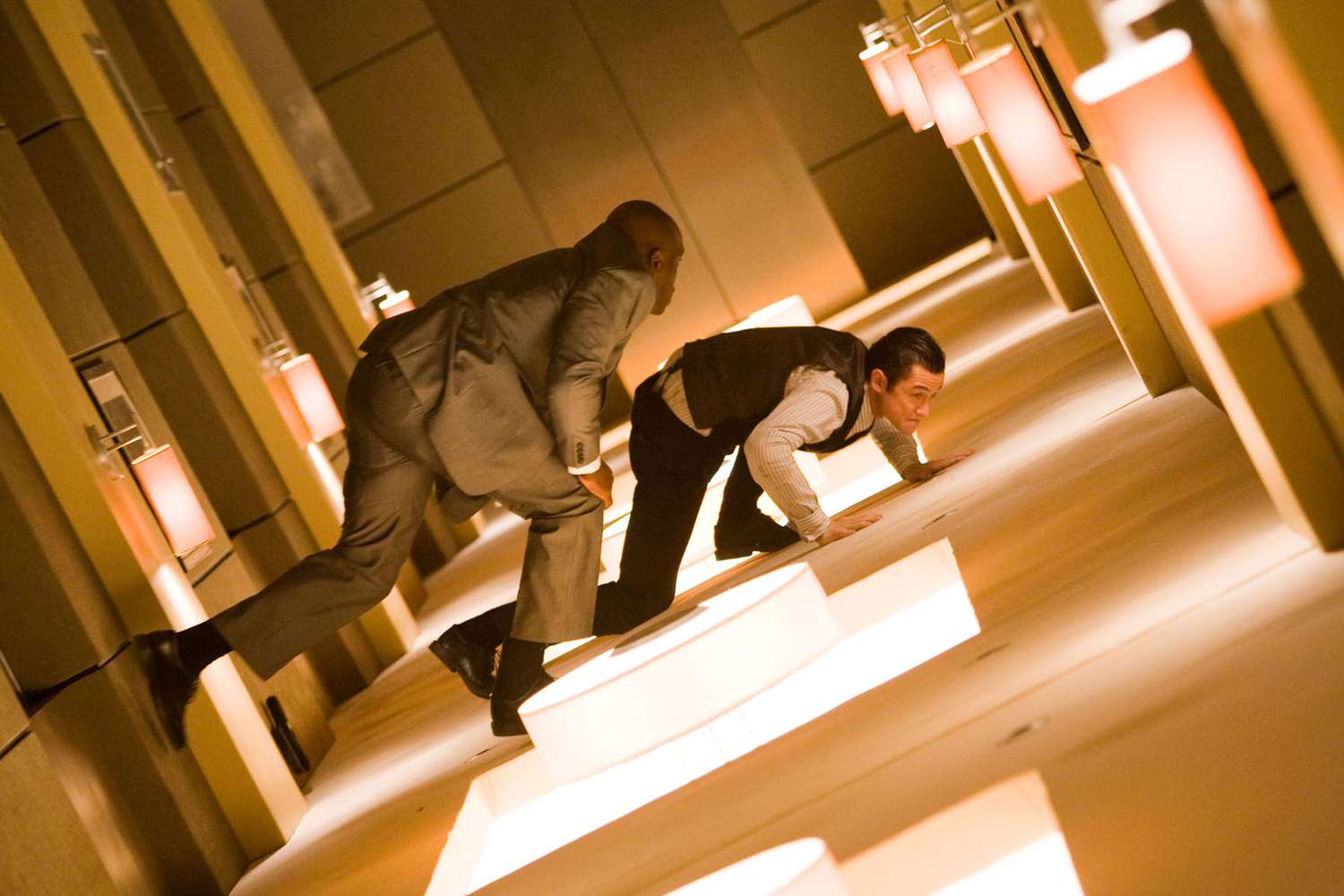
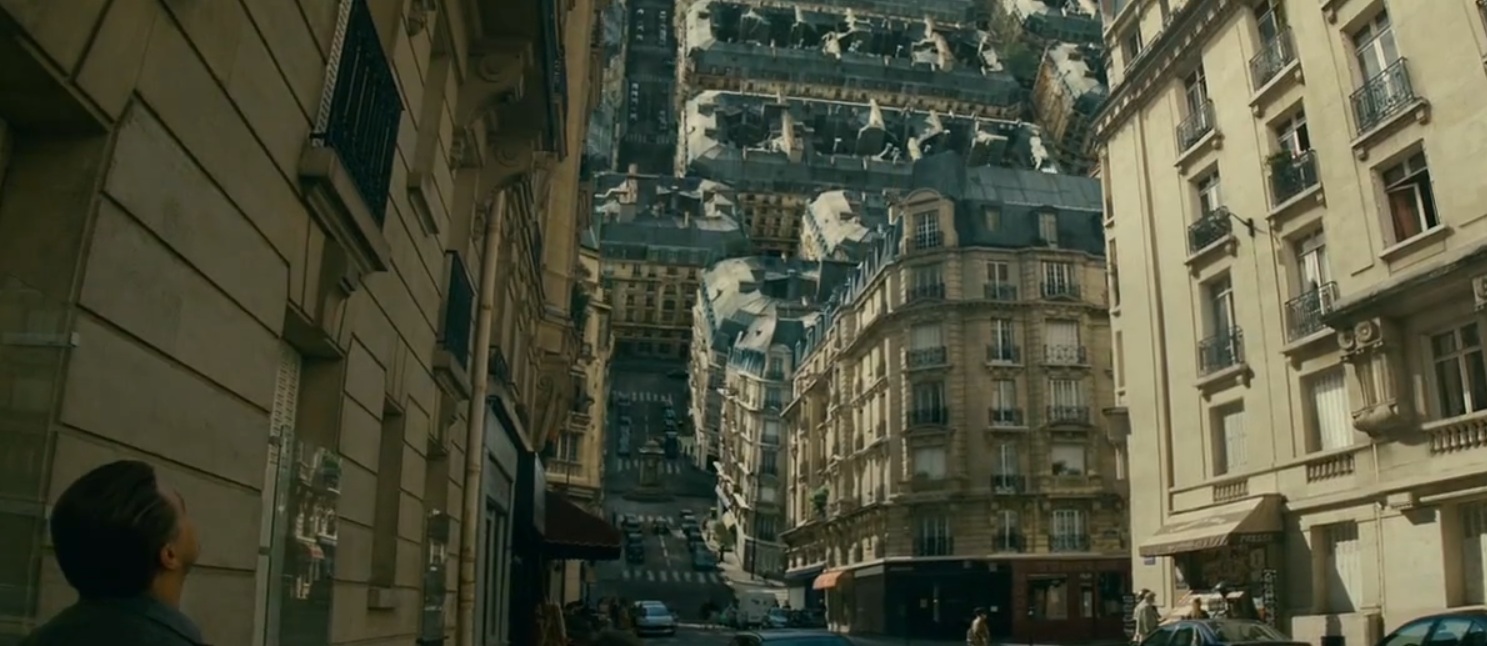
From the point of view of a postmodernist, time, space, and reality are fluid and continuously changing. There is no rational explanation for what goes on, unlike modernism. In Inception, the director, Aidan Murphy succeeded in maintaining the fluidity of the storyline by jumping from one narrative to another. This portrayal is seen as soon as the movie begins, where the opening scene is actually the end and the plot continuously shifts from dreams to realities which seems absurd yet fascinating to the watcher.
One of the main movie characters is an Architect who is an expert in complex designs. She was given the responsibility of designing and manipulating people’s dreams. The plot of the movie unfolds by the continuous manipulation of the Architecture paradoxically, creating an optical illusion. The idea of complexity and achieving things with no limited meaning is similar to the concept of postmodernism, where the past, present, and future are mixed, to end up with an extremely complex structure.
In conclusion, in a world where freedom of speech is a luxury many do not have, artists play a pivotal role. They start to make art like movies, poetry, music, paintings, and more, to express their anger, heartbreak, love, and pain. Profoundly and ironically, beautiful things came into being during tough times. Highlighting architectural postmodernism, films created during this era helped people reflect on how and why this movement started and why it changed film and architecture in many ways.
