



We’re living in a time where the once-impossible visions of science fiction are becoming our everyday reality. It’s perplexing and somehow confusing because everyone is now scared that artificial intelligence will replace them. When you think about the potential of machine learning in architecture, it seems impossible to compete with algorithms that can calculate massive, complex structural and environmental data in a split second. But the problem lies in how we look at it, AI can not replace human thinking it can only enhance and push it further.
Welcome to the future of architecture, where machine learning isn’t just a tool but a collaborator, a designer’s trusty companion. Long before the first blueprint is ever drawn, ML algorithms integrated with BIM can predict how a building will interact with its environment. So, should we be afraid of where we are heading or rather excited and welcome this new era of unimagined reality?
Explore the latest techniques in leveraging machine learning to optimize design decisions by enrolling in the PAACADEMY course.
In this article, we’ll explore how ML’s cutting-edge technology is revolutionizing design processes, enhancing decision-making, and ultimately redefining the very fabric of our built environment.
What Is Machine Learning?
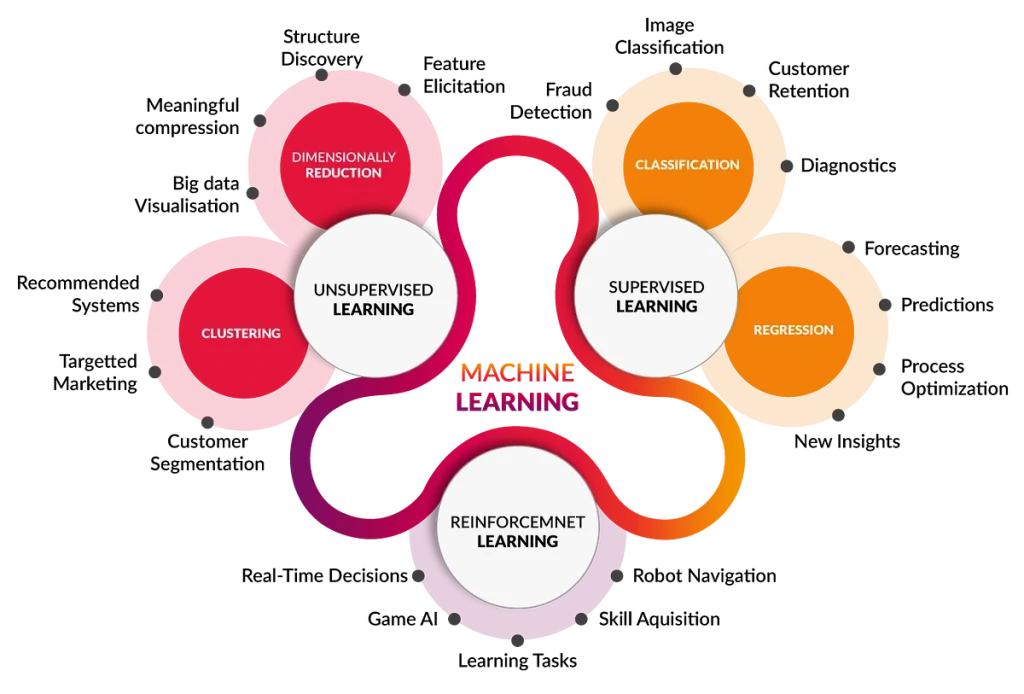
John McCarthy, credited as the father of AI, defined artificial intelligence in the 1950s as “the science and engineering of making intelligent machines, especially intelligent computer programs.” Machine learning falls under the broad umbrella of artificial intelligence and focuses on developing algorithms capable of learning from and making decisions based on data. In 1959, a pioneer in the ML field, Arthur Samuel, defined it as the “field of study that gives computers the ability to learn without being explicitly programmed.”
To better illustrate how ML works, consider the simple example of Instagram algorithms. Obviously, you don’t tell the platform which reels you are interested in (no instructions were given), but the ML algorithm carefully watches your interactions (learns from patterns in data) and suggests content based on your activity (gives predictions or decisions on its own).
For a bigger picture, you should be familiar with a core component of ML technology, the artificial neural networks (ANNs). These are computational models that mimic the human brain’s structure by forming layers of interconnected nodes, or “neurons”. Their ability to learn complex patterns from data powers tools such as image recognition, language processing, and predictive analytics to drive innovations across various industries, including architecture.
How does machine learning apply to architecture?

The key to grasping the potential of machine learning in architecture is understanding ANNs. In the same way that these networks can analyze data to recognize patterns in images, they can be trained to identify specific design elements, optimize spatial layouts, and predict a building’s structural performance. Here’s how ML can be applied to the various aspects of architecture:
Enhances Design Processes
Architects have always relied on intuition and experience to come up with designs. These ideas are often criticized for being impractical, too much LaLa land, or plain simple, too “in the box”. It’s safe to say it has always been a challenge to find the sweet spot between imagination, innovation, and feasibility. Machine learning algorithms can work with an idea and take it even further than expected. For example, a designer can input building codes, environmental factors, budget limits, spatial preferences, and so on, and watch the system generate multiple design options. What used to take weeks can take up to minutes, so not only does this speed up the design process, but it also sparks up the creative flame and becomes a collaborative process between the designer and the machine.
Improves Decision-Making

Probably the most dreadful thing while designing is taking a decision and standing by it tenaciously. What if this material works better …or maybe this is too expensive…but what if I could expand this terrace more… Instead of drowning in the vast sea of options, machine learning can assist in this decision-making process in a very practical way away from haunting doubts. For example, ML models can analyze historical design data, climate conditions, past projects’ data, and user behavior to predict how a building will perform over time. This way architects can create more sustainable buildings by relying on data-backed decisions, instead of gut feelings and manual research.
Automates Routine Tasks

Architecture actually has a dark side, as it is not always a creative bomb of dreams and sketches. Much of it includes the mundane routine tasks of drafting, rendering, and structural analysis. Frankly, sometimes it is too overwhelming and ML can do a great , and arguably better, job at handling them. Instead of manually drafting each section of the project, a machine learning model can automate the process based on predefined parameters. Think about how drawing a simple link in Revit immediately becomes a detailed wall. This delegation frees up an architect’s mind for the more creative aspects of their work.
Integrates Seamlessly with Emerging Technologies
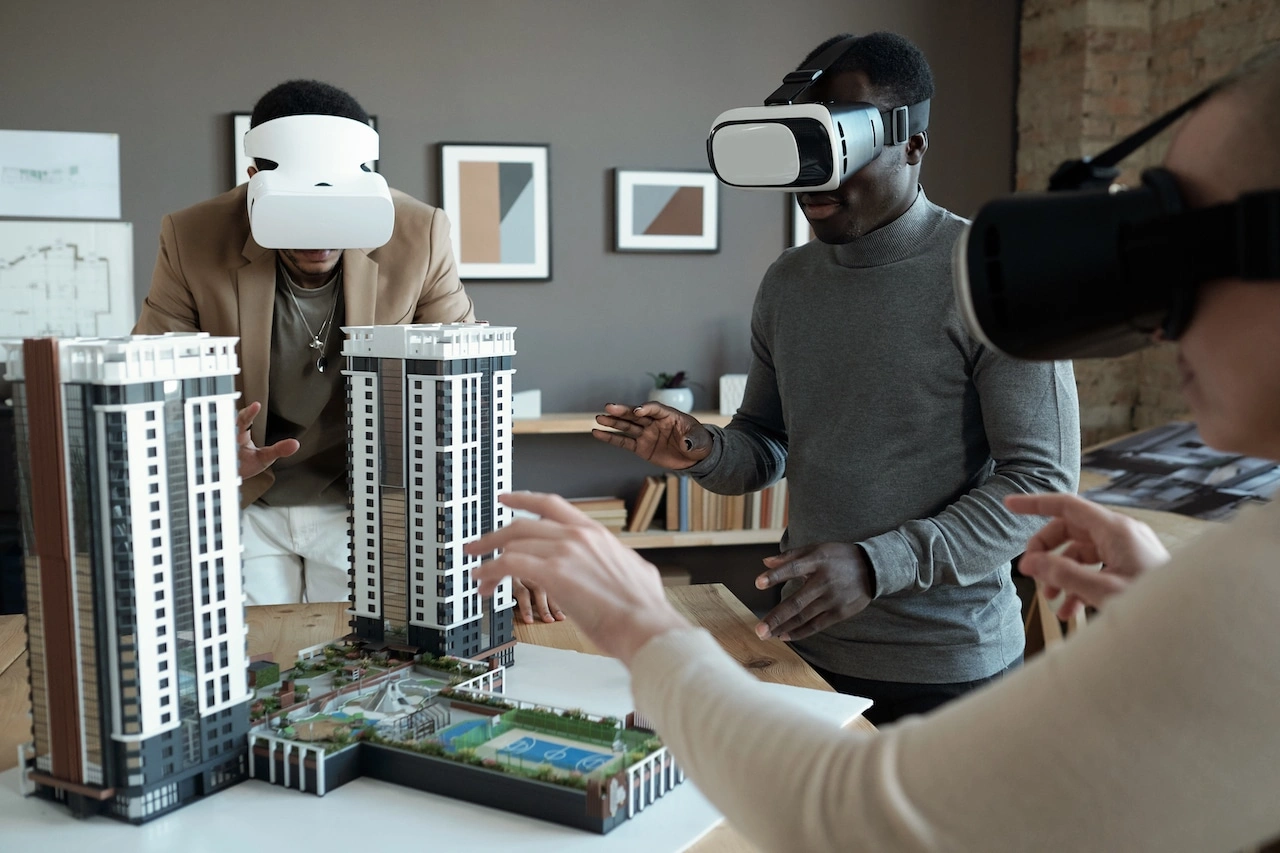
The combination of machine learning with Building Information Modeling (BIM) and parametric design is a match made in heaven for architects and engineers. With BIM ML-integrated softwares such as Revit, architects can analyze the energy efficiency of various materials, work seamlessly with other specialists, produce accurate schedules and more with a few clicks. Similarly, parametric design softwares such as Rhino opened up the horizon for creating accurate depictions of even the wildest curves ever imagined based on algorithmic rules.
4 Practical Applications of ML in Architecture.
Generative Design in Stadium

Zaha Hadid Architects (ZHA) has been at the forefront of integrating machine learning into architectural design. One of their standout projects is Al Janoub Stadium in Qatar, a venue for the 2022 FIFA World Cup. Utilizing ML through generative design software like Autodesk Revit and Rhino with Grasshopper, allowed the team to optimize for factors like aerodynamics and material efficiency. Also, refine the stadium’s undulating roof structure and ensure it would withstand the local climate conditions while minimizing material use.
Deep Learning for Structural Analysis
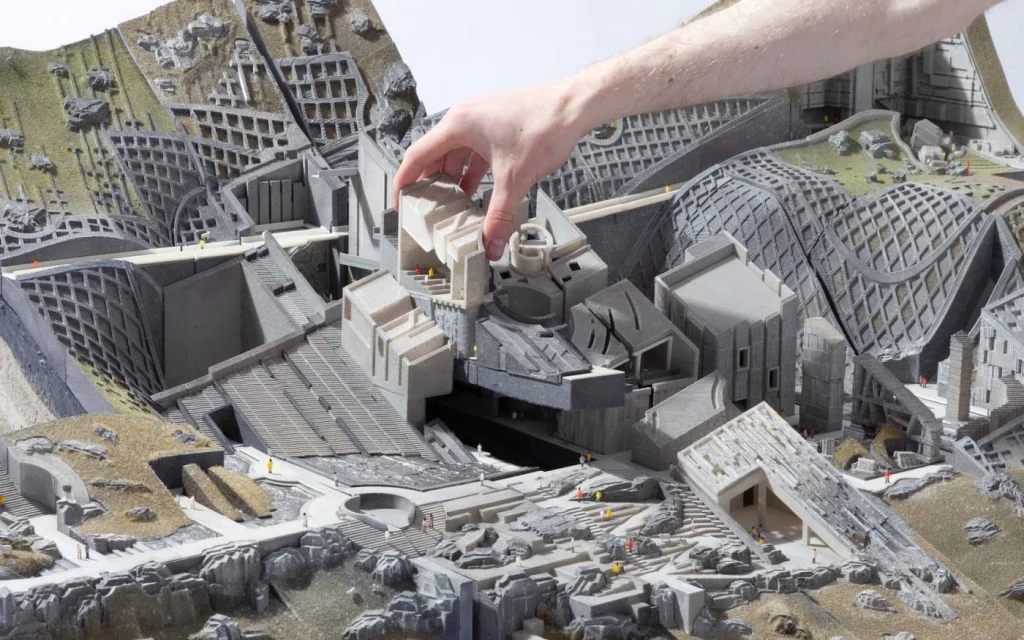
Researchers at The Bartlett School of Architecture, part of University College London, have developed a deep learning model to aid in structural analysis and design. The model, integrated into computational design tools like Autodesk Robot Structural Analysis and Karamba3D for Grasshopper, allows architects to predict the performance of complex structures under various loads and conditions. By training the model on vast datasets of previous structural designs and performance outcomes, the software can provide real-time feedback to architects and suggest design modifications to improve structural integrity and material efficiency.
Optimizing Building Performance
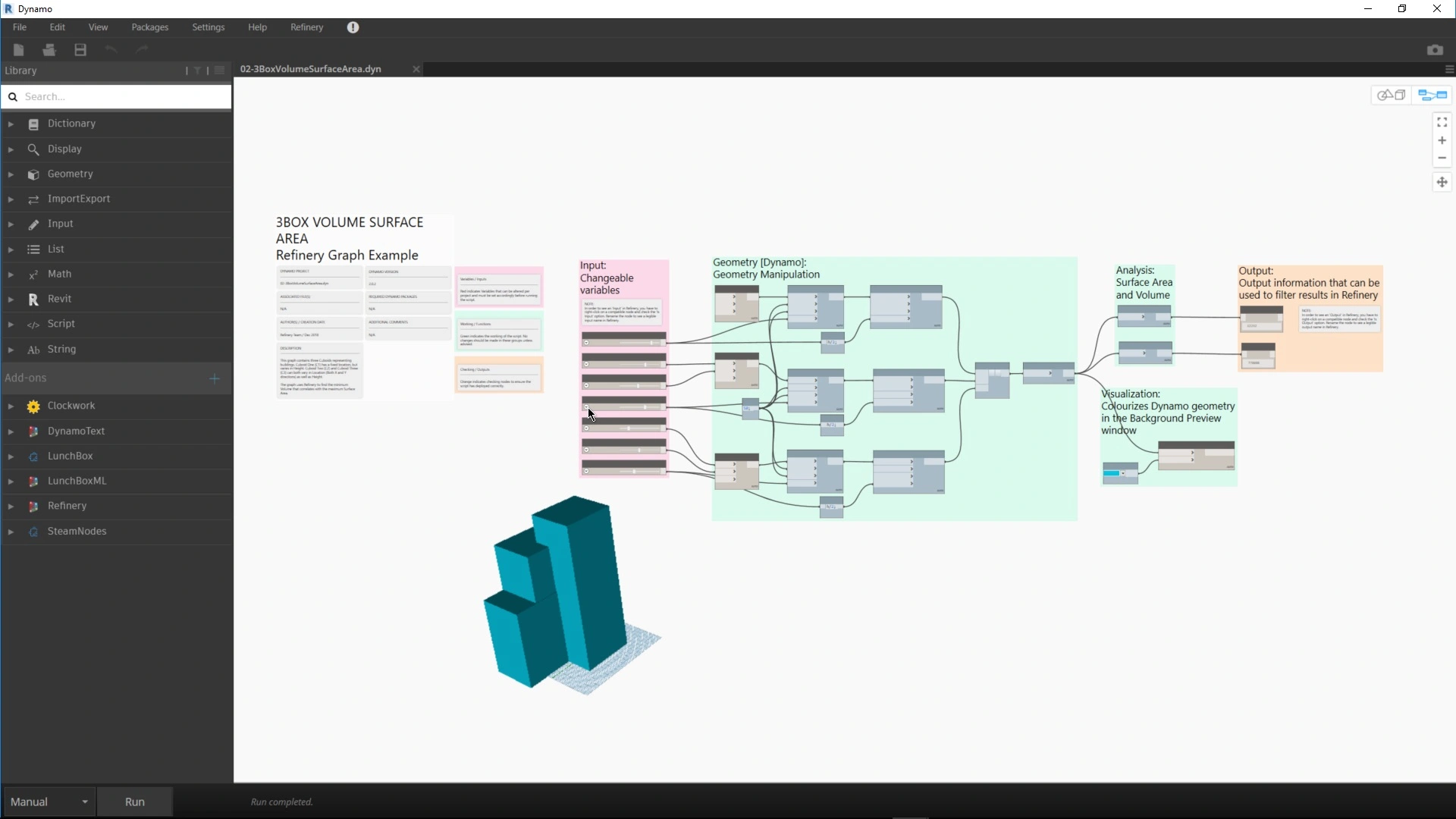
Autodesk’s Project Refinery is an example of how machine learning is being used to optimize building performance across multiple criteria. This generative design tool leverages ML algorithms to explore a vast array of design options based on parameters set by the user, such as energy efficiency, material costs, and spatial configuration. This ultimately enhances the building’s overall performance and user experience. You can find it in beta phase on their official website.
Predicting Workspace Utilization with Machine Learning
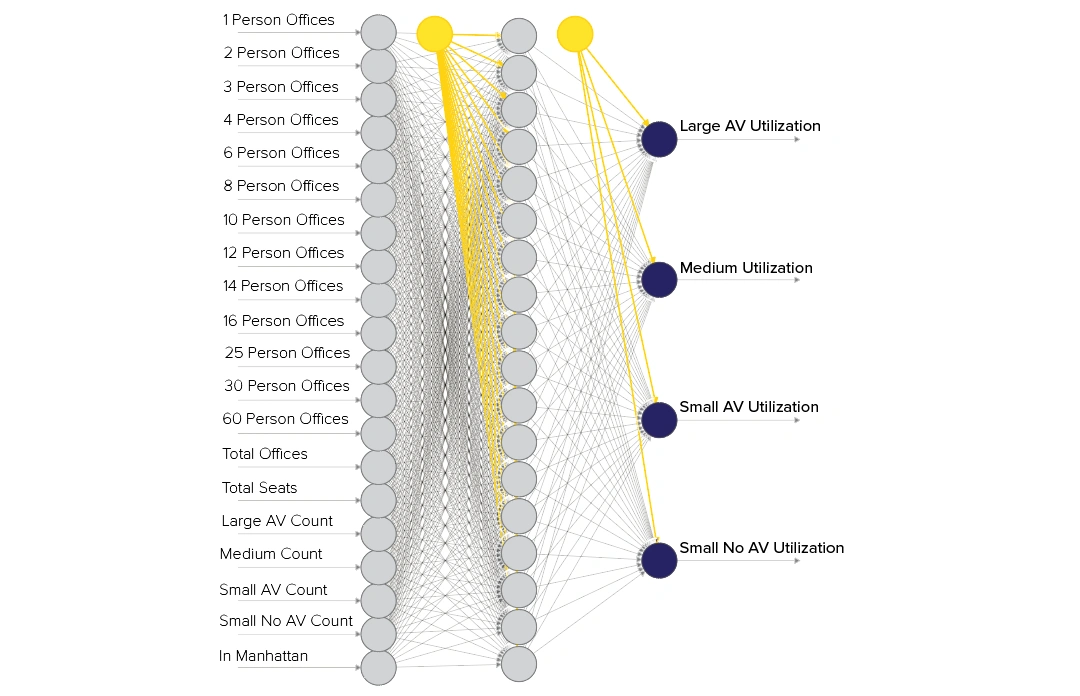
WeWork, a leader in shared office spaces, has been using machine learning in a very interesting and creative way to optimize workspace design and utilization. They placed thousands of sensors in their offices worldwide and analyzed the data to learn how different workspace configurations impact employee productivity and satisfaction. This data-driven approach dictates the design of new spaces and ensures that they are tailored to the user’s needs.
