


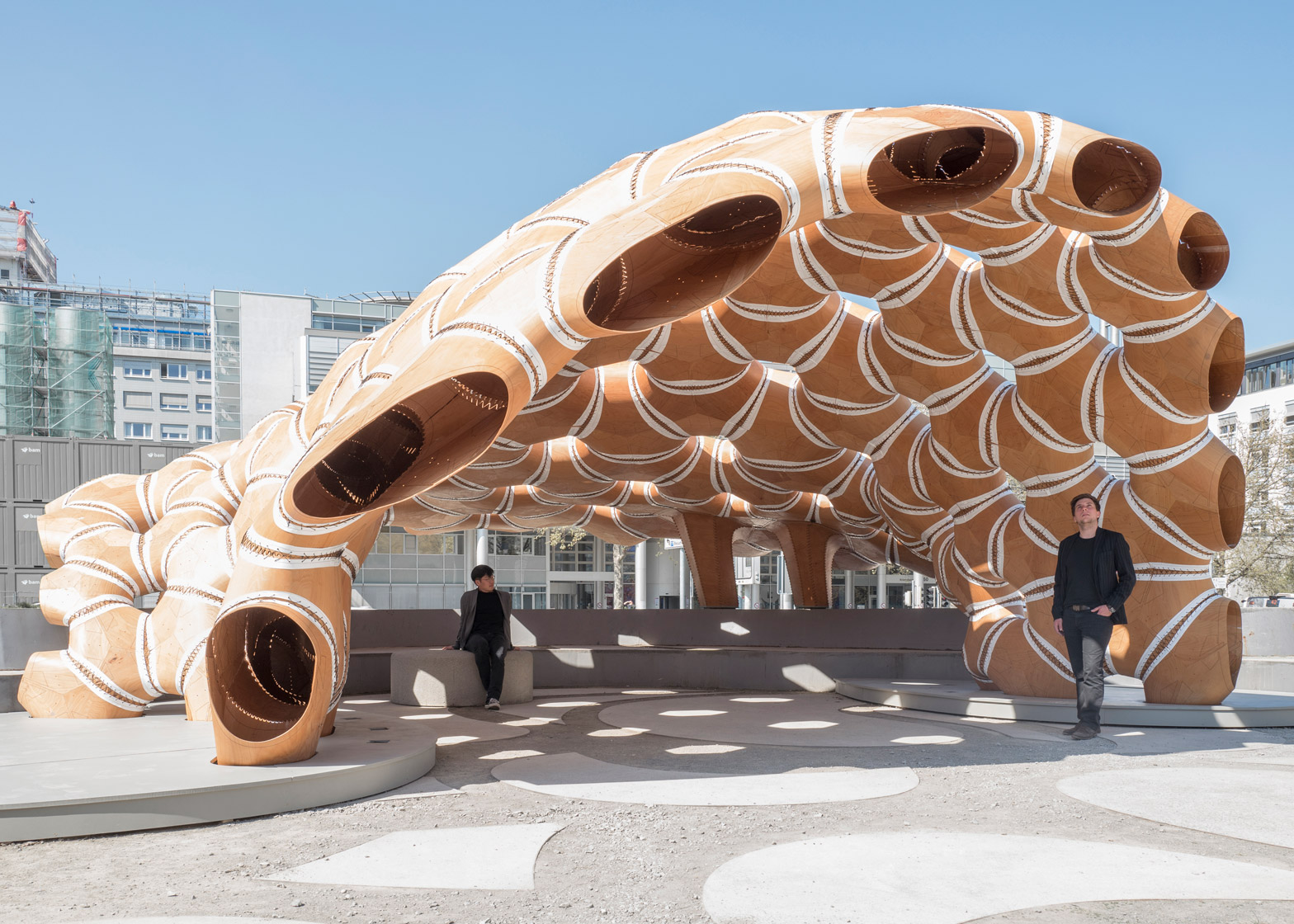
Digital fabrication is one of the most significant innovations in the construction industry of the 21st century. This method utilizes digital technologies and programs like 3D printing, CNC machining, and laser cutting to generate tangible objects from digital models. In this regard, it presents new possibilities for design. In contrast to traditional construction methods that employ manual labor coupled with standardized processes, digital fabrication provides more flexibility in design regarding precision and efficiency.
Digital fabrication combines computing and manufacturing techniques, which enable it to produce more complex designs, customized parts, and feasible ways of construction. This technique has substantially impacted building design and construction because it has led to the development of buildings that were once considered unfeasible or far too costly.

Digital fabrication in buildings responds to the increased demand for both environmental practices and technical innovation. By maximizing material consumption, digital fabrication helps to create greener buildings in line with global trends. Furthermore, by evaluating complexes with computer software rather than traditional methods, designers can create precise structures with fewer resources, saving time and money. This means that digital technology provides viable solutions for large-scale infrastructure projects or custom architectural designs.
This article analyzes digital fabrication, and the way it differs from traditional methods. It also looks into different techniques, remarkable buildings and possibilities for future construction.
Understanding Digital Fabrication
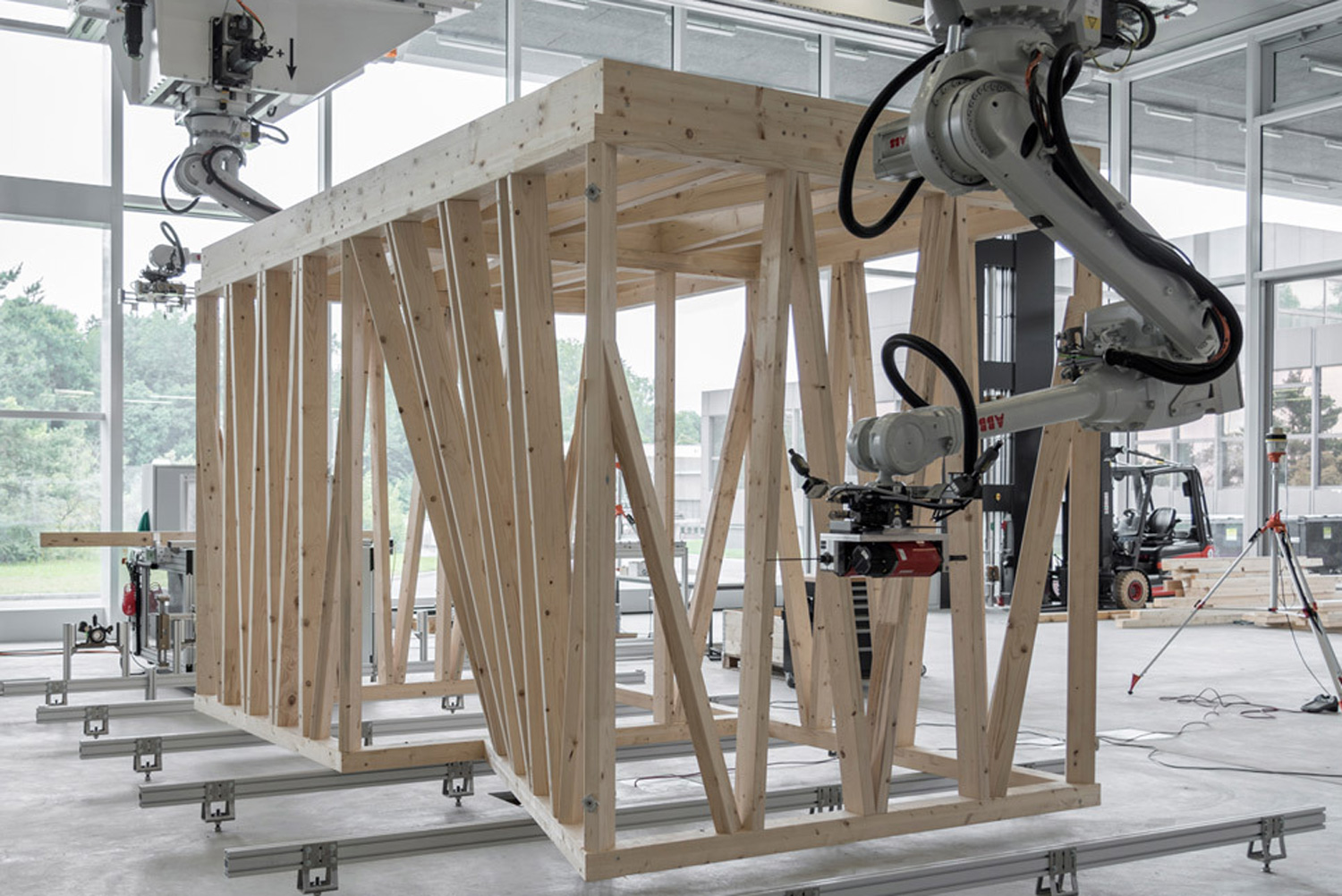
Digital fabrication refers to the conversion of digital designs into physical objects through automated production methods. Such methods are employed by computer-aided design (CAD) and computer-aided manufacturing (CAM). A digital design is turned into instructions that guide machines such as 3D printers, CNC (Computerized Numerical Control) machines, or robotic arms, producing a physical component or structure. These technologies allow for making components that have never been produced before with such precision and complexity; hence, they are highly sought after in the construction industry.
Complex geometries, customized pieces, and precise building components can be created by combining automated manufacturing techniques and computerized designs. Digital fabrication is fundamentally characterized by its capacity to seamlessly bring together design and production processes, which makes the end product a perfect replica of the initial digital model with little human involvement.
Digital fabrication has been characterized by its capacity to manufacture unique, bespoke items at a relatively low cost as compared to traditional construction techniques that depend on mass production and standardization for economies of scale. With its capability of customization and minimal material waste, digital fabrication has made significant strides in achieving sustainable and efficient building practices. Moreover, digital manufacturing uses advanced materials and methods that help establish efficiency in structures, thus promoting sustainability; examples include light composite products and energy-efficient construction.
Techniques in Digital Fabrication
Digital fabrication has several techniques, each having its capabilities and applications. Fundamental technologies that underlie digital fabrication include 3D printing, CNC machining, laser cutting, and robotic assembly. These methods enable the construction industry to manufacture parts with high accuracy and intricate patterns that greatly benefit building construction.
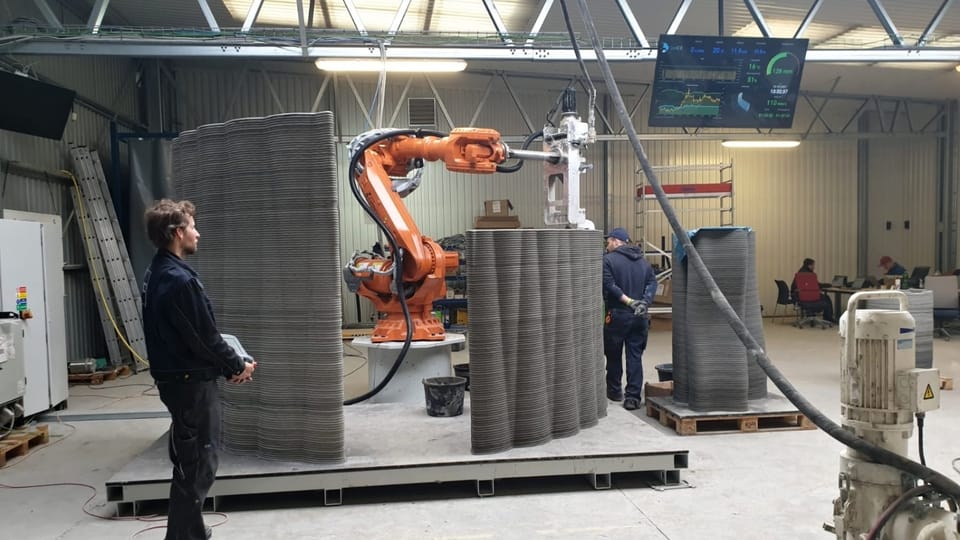
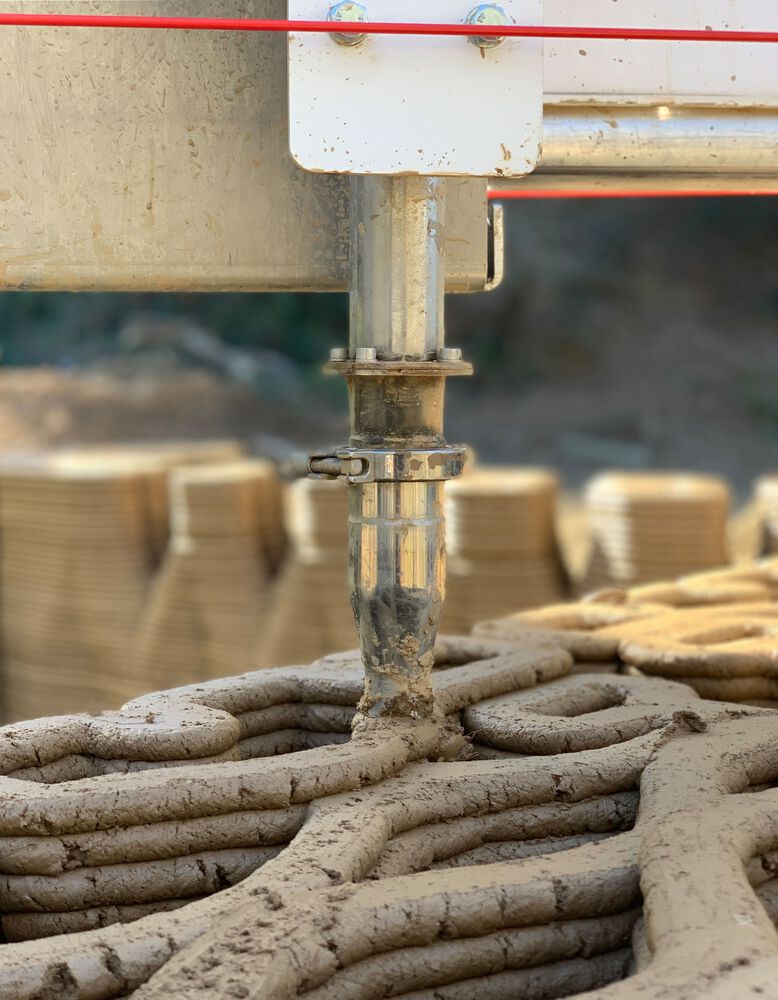
One of the most prominent methods in digital production is additive manufacturing, or 3D printing. It comprises creating objects layer by layer from a digital model, thus allowing for intricate shapes and constructions that would have been difficult or impossible to construct using conventional approaches. This technology has been used to design custom architectural parts, prototypes, and even entire buildings.
Subtractive manufacturing is another approach that includes carving away sections of a solid block until the desired shape is attained. For instance, during this process, computer numeric control devices (CNCs) are frequently employed because they have excellent precision and can easily handle several materials like metals, wood, or plastics.
A focused laser beam is used in laser cutting to slice or engrave materials accurately. This method is popular when designing complex patterns and forms in such things as metal, glass, or wood sheets. In most cases, this technique has been used in the manufacture of ornate architectural features, signboards, and tailor-made metal works.
Robotic assembly is a different way of looking at digital fabrication. Robots are used to automate the construction process. They can lay bricks, pour cement, and assemble parts on a construction site with amazing speed and accuracy. This reduces the effect of later mistakes by people engaged in these activities. In addition, robots can function where it would be too dangerous for humans, for instance, in tall buildings or places with severe climatic conditions.
Digital Fabrication vs Traditional Methods
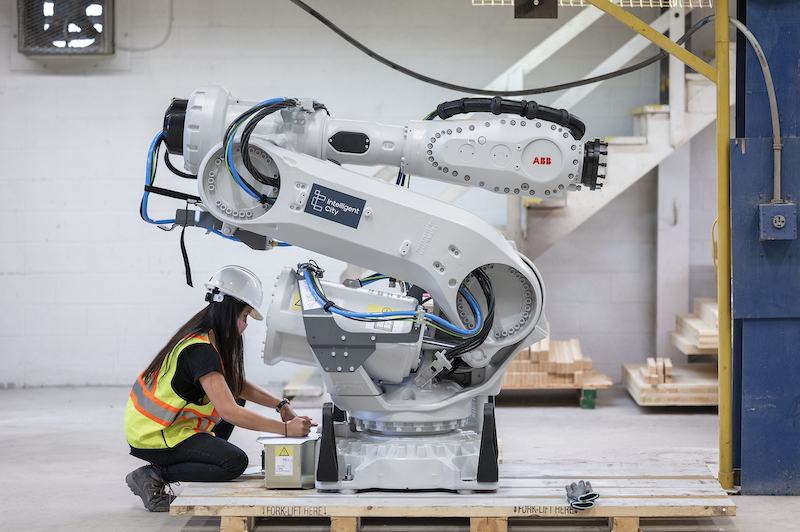
Traditional construction methods are far from the precision and customization levels offered by digital fabrication. While the traditional method is marked by standardized components and manual labor, which limits design flexibility and creates waste, digital fabrication utilizes advanced digital tools and automated processes to create customized components with minimal waste. A key feature of this precision is the ability to produce complex geometries like ornate latticework or organic shapes that would be too challenging or even impossible through traditional methods.
3D printing, robotic assembly, and CNC machining are examples of modern techniques that not only allow for creative architectural designs but also make construction faster and more efficient. For instance, digital fabrication significantly cuts down on time and costs, making it applicable to large-scale infrastructure projects and customized designs through the automation of laborious jobs with fewer mistakes. Besides this, digital manufacturing is environmentally friendly because it minimizes material waste, unlike traditional methods that regularly leave substantial amounts of materials unused due to human limitations.
Notable Structures Utilizing Digital Fabrication
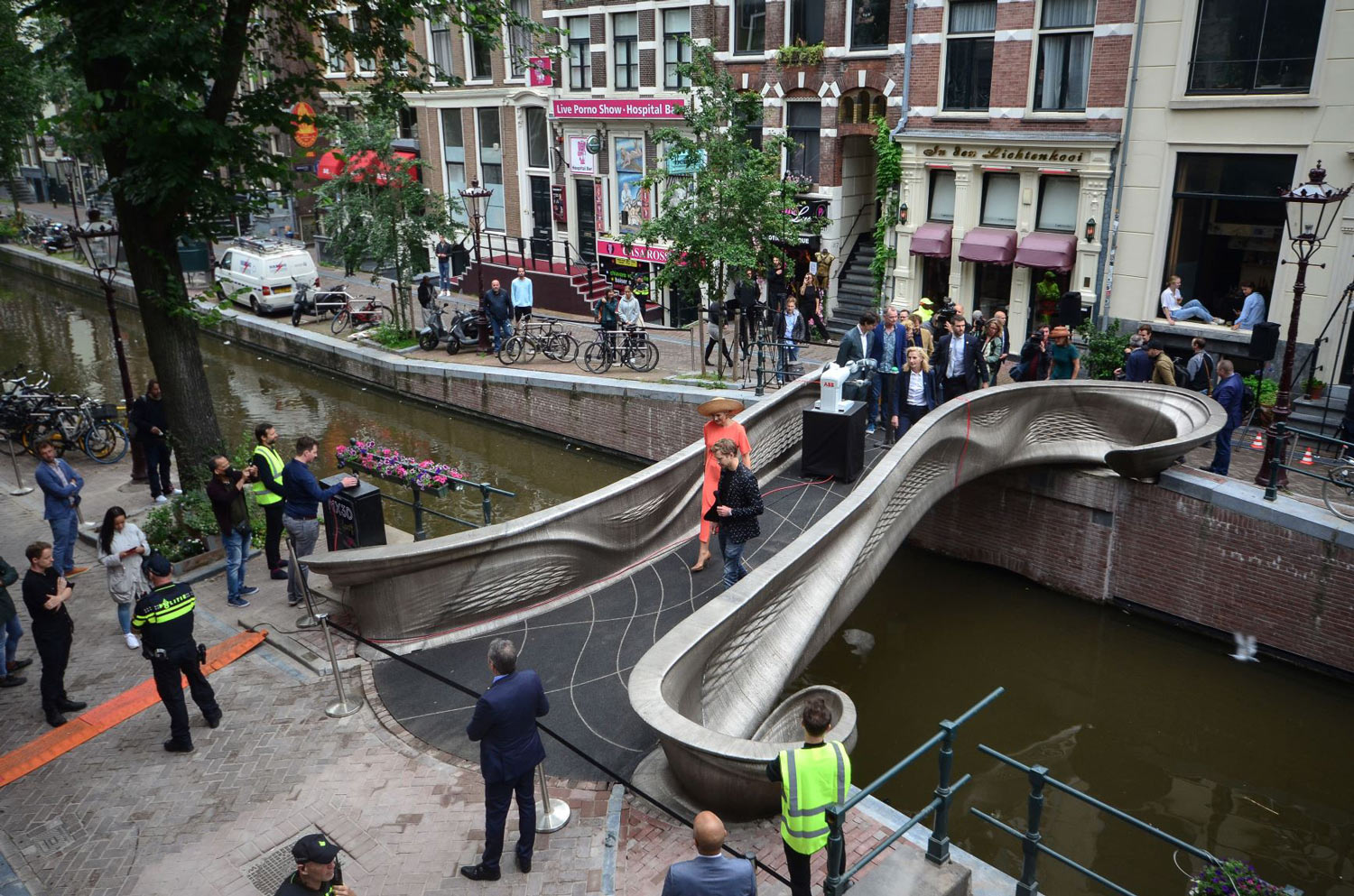
The MX3D Bridge in Amsterdam is one of the best examples of digital fabrication in construction. Designed by Joris Laarman and made using 3D printing technology, this pedestrian bridge reveals the power of digital fabrication, showcasing the opportunities to develop complex and customized structures. The bridge was printed using a robotic arm that allowed layering of stainless steel, which resulted in a structure intricately woven with lattice and organic shapes that would have been impossible to achieve using traditional construction methods. The MX3D Bridge, therefore, shows the strength of digital manufacturing and its ability to change urban infrastructure by allowing for customized designs tailor-made to specific sites.
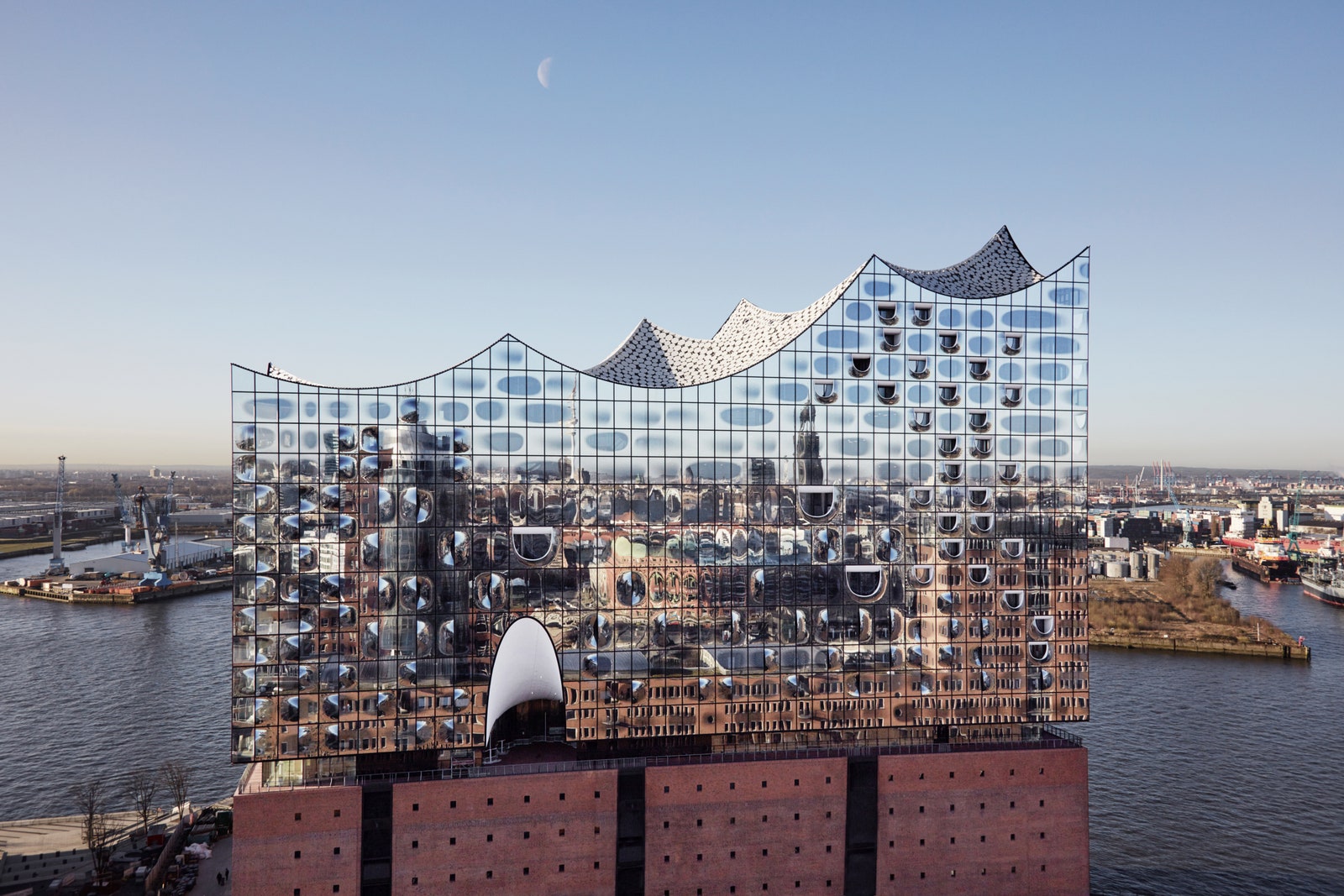
The Elbphilharmonie in Hamburg is another important example. Although traditional methods were used for the construction, its iconic façade was developed through digital fabrication. The façade has 1,100 single glass panels, each having different curvatures and designs. This was done by employing CNC machines so that each piece could be made into a replica of the digital model. Thus, architects were able to create an appearance that was never experienced before while maintaining the strength and aesthetics of the building.
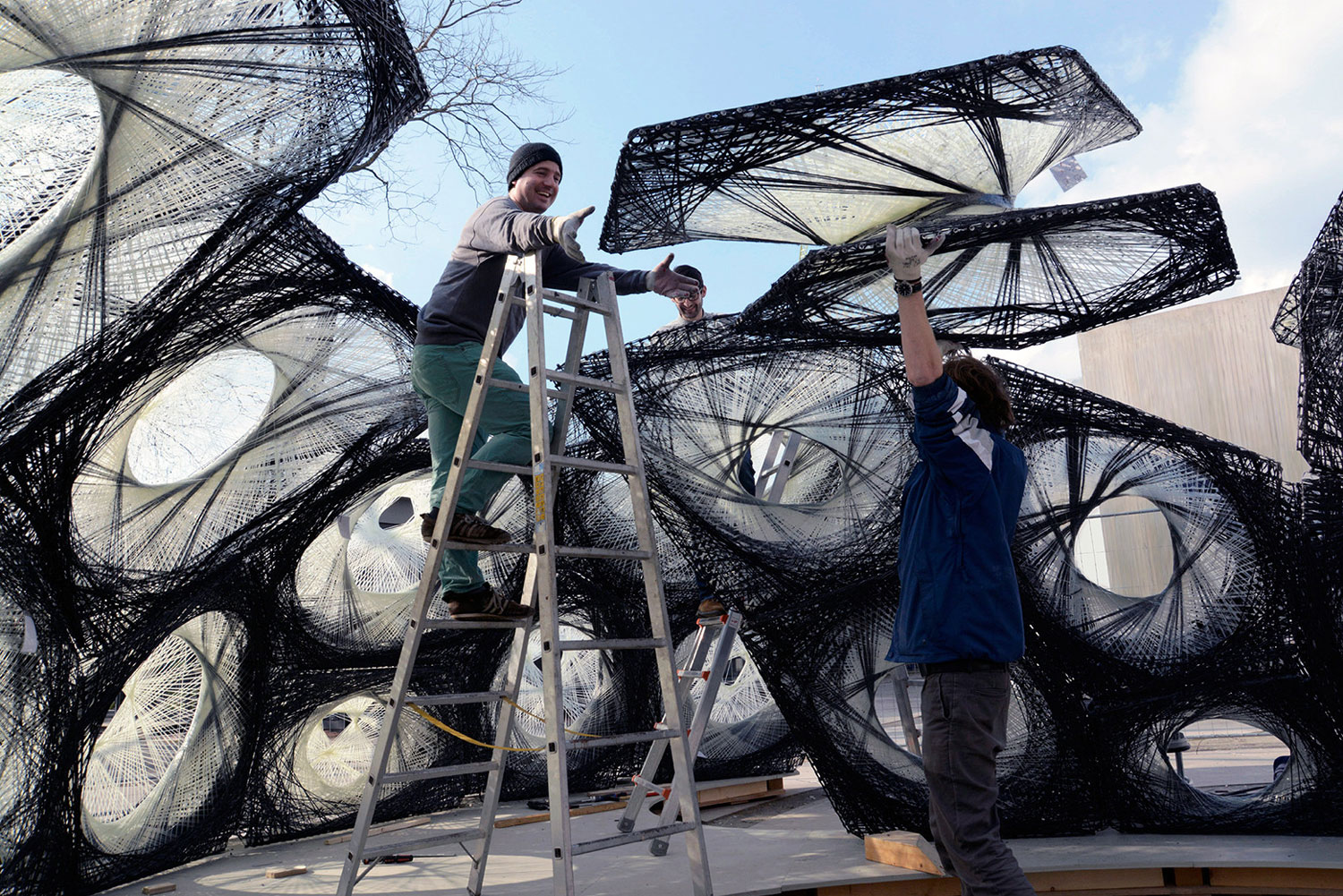
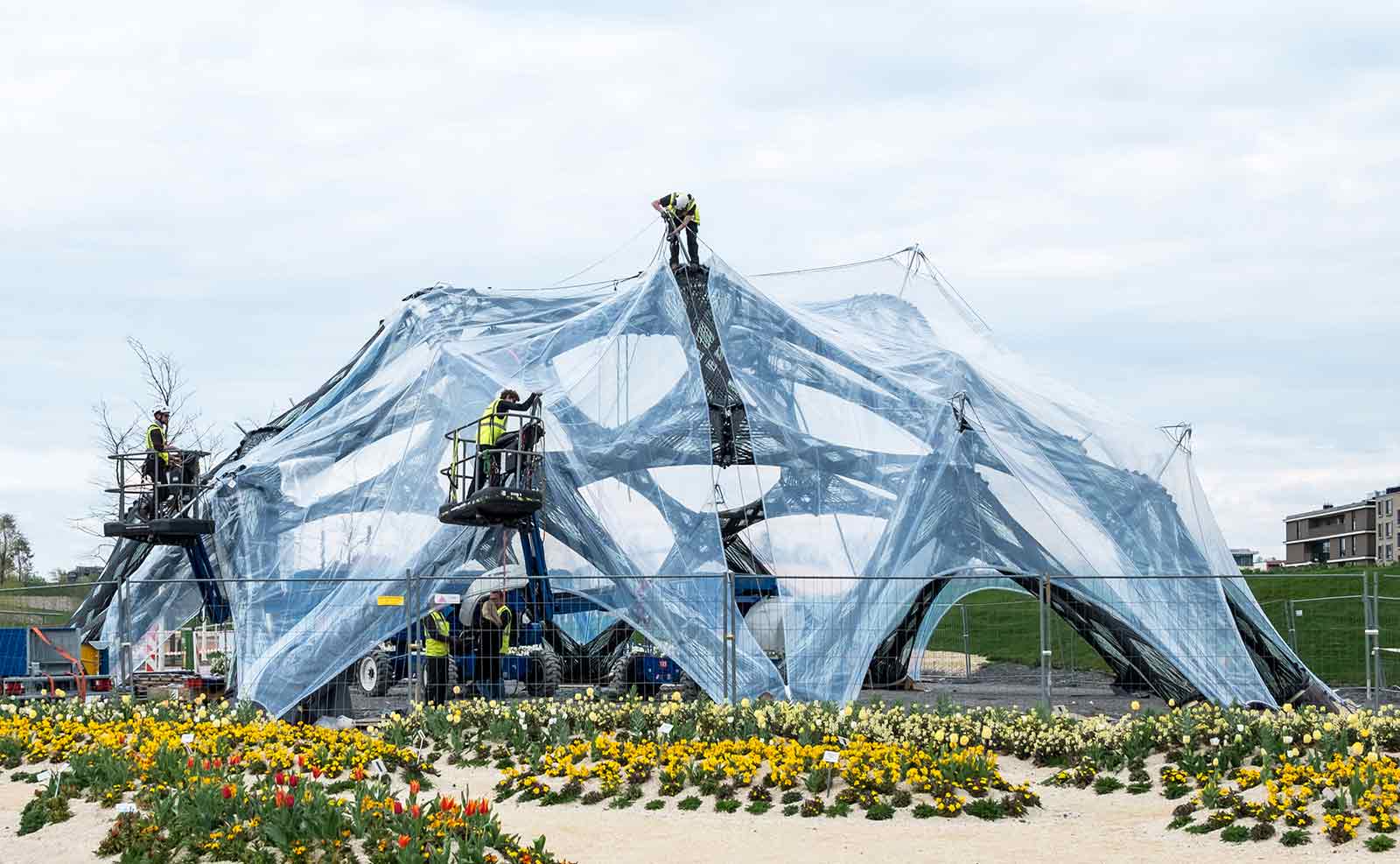
Another outstanding example of digital production in architecture is the ICD/ITKE Research Pavilion at the University of Stuttgart. The Institute for Computational Design and Construction (ICD) and the Institute of Building Structures and Structural Design (ITKE) designed this experimental structure, which employs robotic fabrication and computer design. The highly complex, biomimetic form of the pavilion was inspired by insect exoskeletons. The use of robotic arms to weave carbon and glass fibers resulted in light but flexible work that pushed the boundaries of digital fabrication.
The examples provided above highlight how digital fabrication has transformed construction techniques by enabling the creation of unprecedented and highly customized structures that would be difficult to build using traditional methods.
The Impact of Digital Fabrication on Construction
Digital fabrication transforms the design process and construction procedures. This allows designers to experiment with new forms and materials, resulting in complex and customized constructions that are very precise and efficient. One significant advantage of digital fabrication is its involvement in sustainability; for example, adopting 3D printing allows for precise material utilization, reducing waste while also reducing environmental consequences during building. Also, reusable or renewable materials are encouraged, thereby enhancing constructive practices that are friendly to the environment.
Another significant impact of digital fabrication is its potential for increased automation and efficiency in the construction industry. By reducing manual labor, it also speeds up construction schedules and reduces costs. Moreover, through improved process safety, this automation can allow systems to be used in unsafe environments, reducing risks for workers. In addition to that, digital manufacturing is spurring innovations in new materials and methods, such as bio-based mycelium or algae, along with advanced robotics and AI, paving the way towards completely automated building procedures, starting from design up to assembly.
The Future of Digital Fabrication in Construction
In construction, the future of digital fabrication looks bright, as ongoing research and development probably will give it more strength and breadth throughout the industry. A field that stands out is the cohesion between digital fabrication, Building Information Modeling (BIM), and other computer-aided design tools. Such a connection could result in a smooth and effective building process from the detailed planning stage up to actual site work, thereby reducing the time taken and money invested in building projects.
Prefabrication, or offsite construction, relies on digital fabrication as a technique that shows promise for future growth. This method reduces environmental impact, improves quality control, and speeds up project completion. In particular, it is beneficial for constructing modular buildings since they can be quickly assembled on-site. The evolving digital fabrication technology will shape future trends in design, materials, and techniques, leading to increased efficiency, more sustainable practices, and greater flexibility in formulating designs. This way architectural construction will enter an age of its own.
To explore the latest emerging tools in architecture and design, visit PAACADEMY for comprehensive resources and insights.
