
Close Menu
ParametricParametric

    Subscribe to Updates

    Get the latest creative news from FooBar about art, design and business.

    What's Hot

    tetsstststtt

    July 23, 2026

    Soundscape in Architecture: Designing Through Sound

    July 23, 2026

    MVRDV Wins Shift Embassy Competition with Rotterdam ROCKS!

    July 23, 2026
    Facebook X (Twitter) Instagram
    Facebook X (Twitter) Instagram Pinterest YouTube LinkedIn TikTok
    ParametricParametric
    Courses
    • Articles
      • Archipreneurs
      • Technology
      • BIM / AEC
      • 3D Printing
      • Architects
      • Artificial Intelligence
      • Robotics
      • Sustainability
      • Tools
      • Case Study
      • City Guide
      • Opinions
      • Interviews
      • Architecture & Design
        • Urbanism
        • Metaverse
        • Space Architecture
        • Geography
    • Projects
      • Architecture
      • Interior
      • Design
        • Fashion
        • Pavilion
        • Installation
        • Digital Art
        • Landscape Design
      • Products
    • Workshops
    • Ads
    • Architecture News
    • Digital Members
    • Books
    • CDNext
    • CDNEXT Recordings
    • Competitions
    • Events
    • PA Talks
    • Jobs
    • landscape
    • Landscape Architecture
    • PA Quotes
    • PAACADEMY
    • podcasts
    • memorial
    • Studio Recordings
    • Studio Workshops
    • Uncategorized
    • Videos
    ParametricParametric
    Home»Articles»3D Printing»Scientists Use Laser 3D-Printing to Turn Moon Dust Into Building Material
    3D Printing

    Scientists Use Laser 3D-Printing to Turn Moon Dust Into Building Material

    adminparametBy adminparametJuly 23, 202604 Mins Read0 Views
    Facebook Twitter Pinterest LinkedIn Tumblr WhatsApp Reddit Email
    Share
    Facebook Twitter LinkedIn Pinterest Email

    Scientists at The Ohio State University have developed a way to use laser 3D printing to turn moon dust into solid building material that could form the foundations of future lunar habitats and infrastructure. This work is part of a broader effort to make lunar bases more self-sufficient by using local materials instead of transporting everything from Earth, a costly and difficult process for long-term space missions.
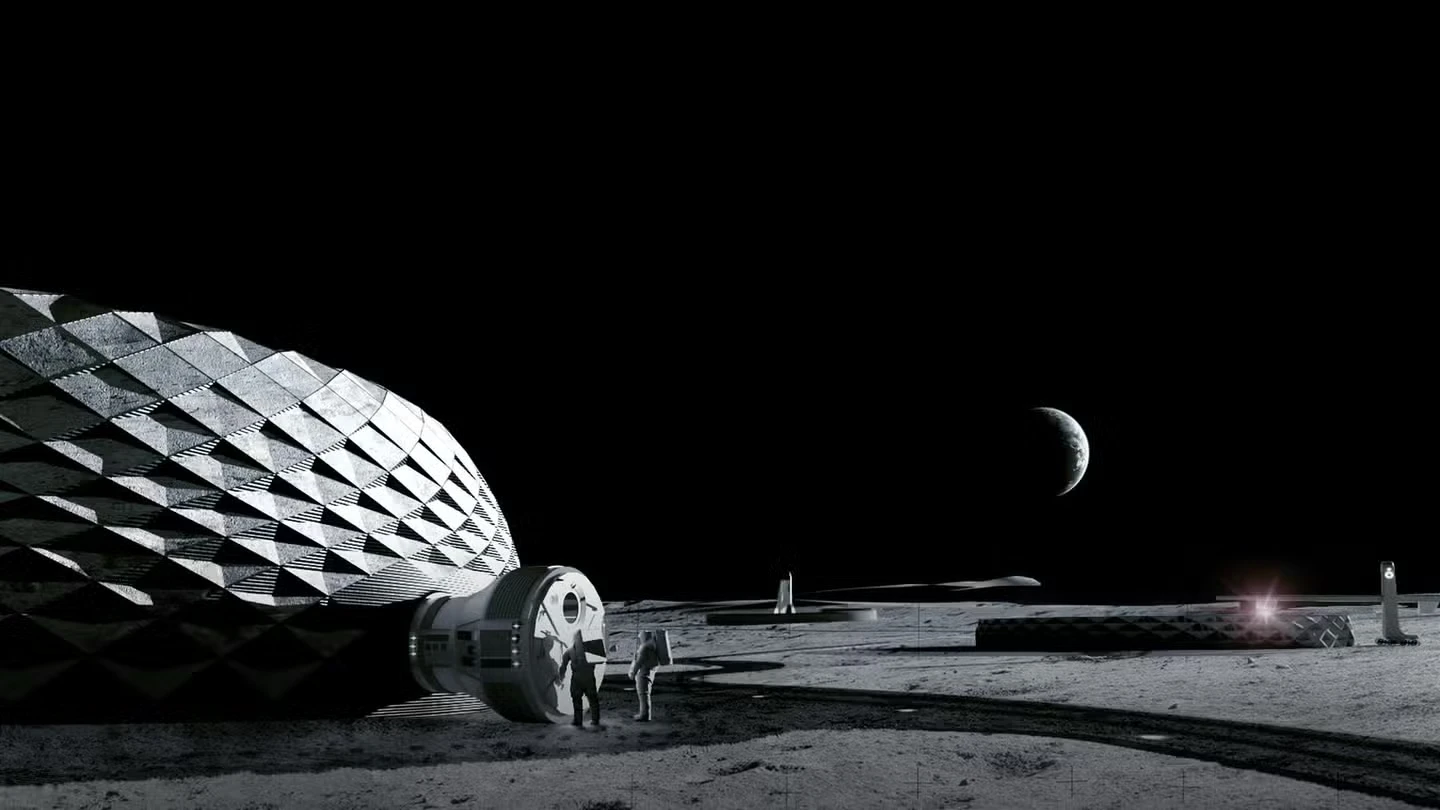
    Ohio State Scientists Use Laser 3D Printing to Turn Moon Dust Into Building Material
    Laser 3D printing turns moon dust into solid building material at Ohio State University. © ICON

    Much of the Moon’s surface is covered in fine, powder-like dust called regolith. This material is abrasive and very different from Earth soil, but it also contains minerals that can be melted and fused. In the Ohio State project, researchers used a laser-directed energy deposition additive manufacturing technique to rapidly heat and melt layers of this dust simulant, creating solid, heat-resistant structures.

    How the Laser 3D Printing Works

    In the laboratory, the team spread a thin layer of lunar regolith simulant called LHS-1, a synthetic material that closely mimics the dust found in the Moon’s highland regions. A high-energy laser then melted this layer, fusing particles together into a solid form. Once that layer cooled, additional dust was added and melted again, building up a hardened structure layer by layer. This process mirrors 3D printing on Earth, but with regolith instead of plastics or metals.
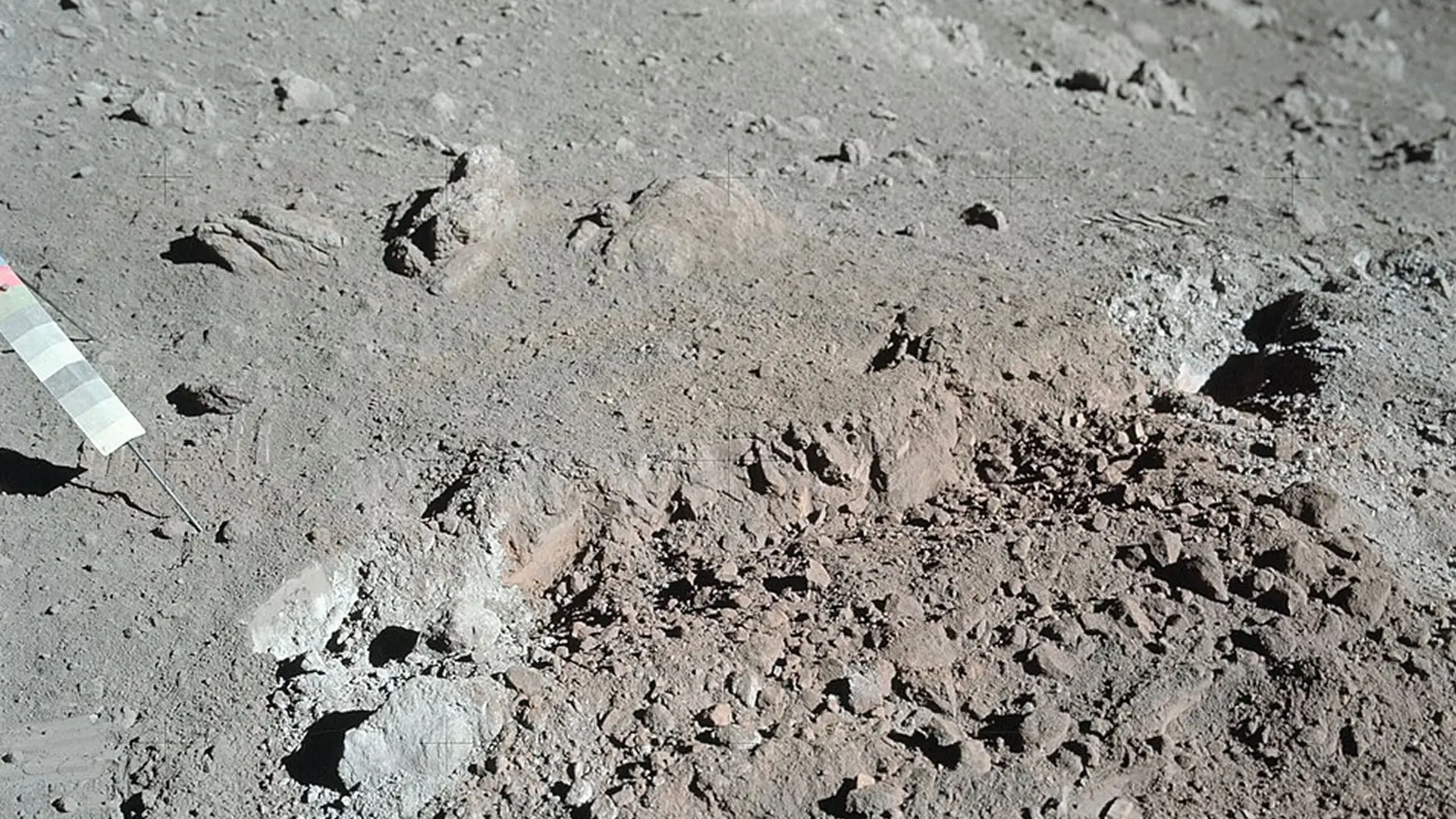
    Ohio State Scientists Use Laser 3D Printing to Turn Moon Dust Into Building Material
    Moon regolith captured during the Apollo 17 mission, 1972 © NASA/Wikimedia Commons

    When the material cools, it forms a strong ceramic-like solid that can tolerate heat and mechanical stress, which are critical properties for anything on the Moon, where there is no atmosphere and temperatures swing widely. The team tested how the fused material behaved on different base surfaces and found that it stuck much better to alumina-silicate ceramic than to stainless steel or glass, likely because compatible crystal structures form between the ceramic and the melted regolith.

    Environmental Factors Affect Strength and Quality

    The researchers also discovered that the final properties of the printed material depend heavily on the environmental conditions during printing. Factors like atmospheric composition, the power of the laser, and the speed of the printing process all changed how strong and heat-resistant the material became. In real lunar conditions, near vacuum and with almost no oxygen, these variables will be even more important to control.
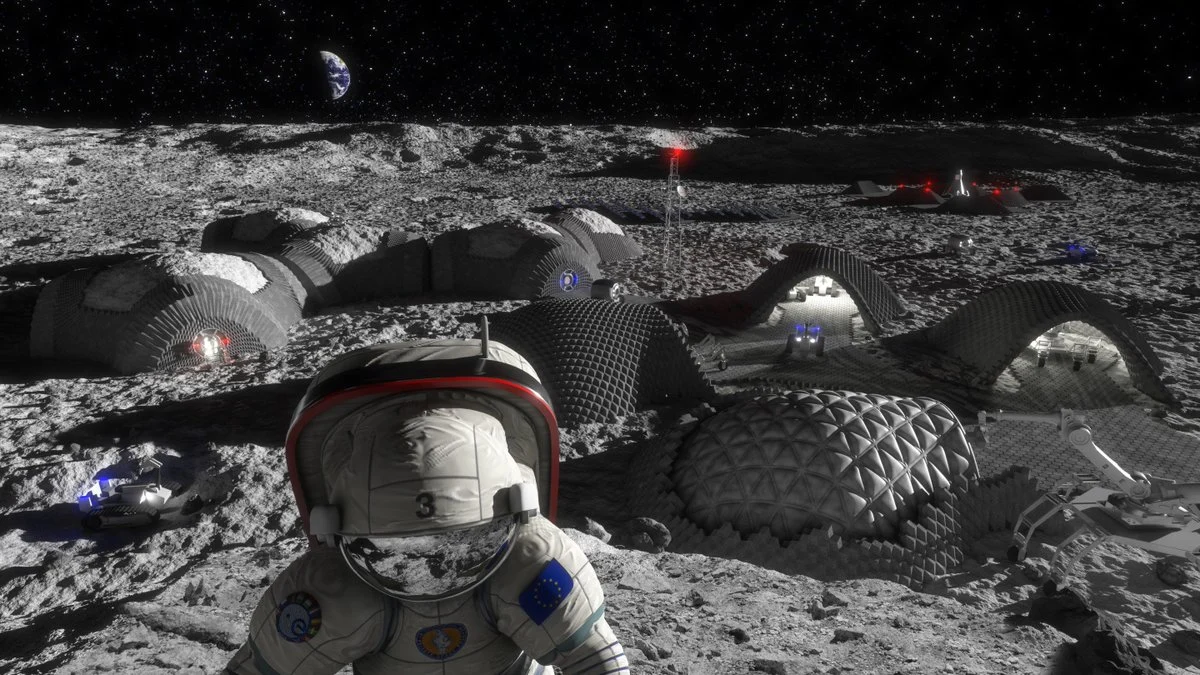
    Ohio State Scientists Use Laser 3D Printing to Turn Moon Dust Into Building Material
    © ESA

    Graduate research associate Sizhe Xu, the study’s lead author, explained that mixing different feedstocks like metals and ceramics into the process further changes the outcome, and understanding these effects is essential as engineers work to refine this manufacturing method.

    Impact on Upcoming Lunar Projects

    This research contributes to a key concept called In-Situ Resource Utilization (ISRU), using what’s already available on the Moon to build what space explorers need. If systems like this are scaled up for use on the Moon’s surface, they could be used to produce habitats, tools, landing pads, and radiation shields, reducing the need to ship heavy materials from Earth. That would lower mission costs and make longer stays on the Moon more feasible.
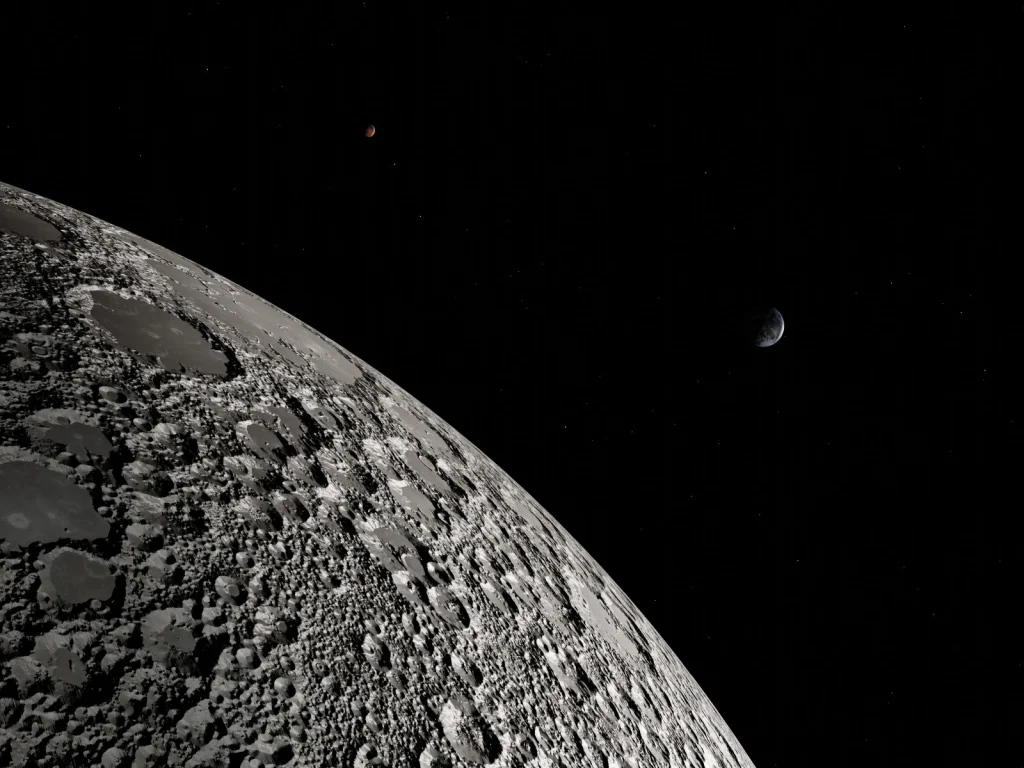
    Ohio State Scientists Use Laser 3D Printing to Turn Moon Dust Into Building Material
    © Getty Images

    Scientists Sarah Wolff, senior author of the study and assistant professor of mechanical and aerospace engineering at OSU, note that while the laboratory results are promising, actual lunar conditions will present new challenges. Achieving manufacturing systems that are flexible and reliable under those conditions is a key goal for continued research.

    Toward Sustained Lunar Habitation

    The ability to use local lunar material with laser 3D printing represents a major step toward sustainable lunar infrastructure. Advanced manufacturing methods such as this reduce dependency on Earth, support NASA’s Artemis goals for a long-term human Moon presence, and potentially help push exploration deeper into the solar system. At the same time, refining these technologies could also lead to new manufacturing insights back on Earth, especially in resource-limited environments.

    3d printing In-Situ Resource Utilization Laser 3D Printing Lunar Habitation Moon Dust Ohio State University
    Share. Facebook Twitter Pinterest LinkedIn Tumblr Email
    adminparamet
    • Website

    Related Posts

    This Robotic Clothing Wraps Around You in Just 10 Seconds

    July 23, 2026

    Where Did the Women Go? The Hidden Disappearance of Female Architects After Graduation

    July 23, 2026

    Morandi Bridge Collapse Ex-CEO Sentenced to 12 Years

    July 23, 2026
    Add A Comment
    Leave A Reply Cancel Reply

    Demo
    Top Posts

    Design Reviews Are Moving Beyond Still Images and Animations. D5 3.1 Shows What’s Next.

    July 23, 20268 Views

    tetsstststtt

    July 23, 20264 Views

    World Architecture Festival Unveils 2026 Shortlist Featuring 416 Projects Worldwide

    July 23, 20264 Views

    15 Picturesque Neighborhoods Around the World Every Design Lover Should Visit

    July 23, 20263 Views
    Don't Miss

    tetsstststtt

    By adminparametJuly 23, 2026

    Soundscape in Architecture: Designing Through Sound

    July 23, 2026

    MVRDV Wins Shift Embassy Competition with Rotterdam ROCKS!

    July 23, 2026

    Shanghai’s Pollinator Machine Installation Brings Ancient Evolution to Life

    July 23, 2026
    Stay In Touch
    • Facebook
    • Twitter
    • Pinterest
    • Instagram
    • YouTube
    • Vimeo

    Subscribe to Updates

    Get the latest creative news from SmartMag about art & design.

    Demo
    About Us
    About Us

    Your source for the lifestyle news. This demo is crafted specifically to exhibit the use of the theme as a lifestyle site. Visit our main page for more demos.

    We're accepting new partnerships right now.

    Email Us: [email protected]
    Contact: +1-320-0123-451

    Our Picks

    tetsstststtt

    July 23, 2026

    Soundscape in Architecture: Designing Through Sound

    July 23, 2026

    MVRDV Wins Shift Embassy Competition with Rotterdam ROCKS!

    July 23, 2026
    Most Popular

    Design Reviews Are Moving Beyond Still Images and Animations. D5 3.1 Shows What’s Next.

    July 23, 20268 Views

    tetsstststtt

    July 23, 20264 Views

    World Architecture Festival Unveils 2026 Shortlist Featuring 416 Projects Worldwide

    July 23, 20264 Views
    Facebook X (Twitter) Instagram Pinterest YouTube LinkedIn TikTok
    • Home
    • Buy Now
    © 2026 ParametricArchitecture. All Rights Reserved. By utilizing this website, you are consenting to our User Agreement, Privacy Policy, and Cookie Statement. In compliance with the privacy laws of Turkey and the United States, we recognize and respect your rights. Please be aware that we may receive commissions for products bought through our affiliate links. Unauthorized reproduction, distribution, or transmission of any material from this site is strictly forbidden without prior written permission from ParametricArchitecture.

    Type above and press Enter to search. Press Esc to cancel.

    Sign In or Register

    Welcome Back!

    Login to your account below.

    Lost password?