


The natural world, often seen as a source of materials or as static reservoirs, has reached a pivotal juncture where the boundaries of biological systems and technological advancement merge, creating a cohesive environment. For centuries, architecture was defined by Vitruvian permanence; today, it is being redefined through the lens of complexity, science, and material ecology. Organic intelligence reveals that nature is not merely a collection of objects but a parametric system that provides a framework for adaptability, energy efficiency, and self-organization.
Defining Organic Intelligence
Contemporary research in computational biology, neuroengineering, and parametric design explores the convergence of biomimicry and generative design. Organic intelligence, often referred to as biological intelligence, arises from its origin in the human brain and nervous system, shaped by a complex evolutionary history that prioritizes survival, adaptability, and consciousness.
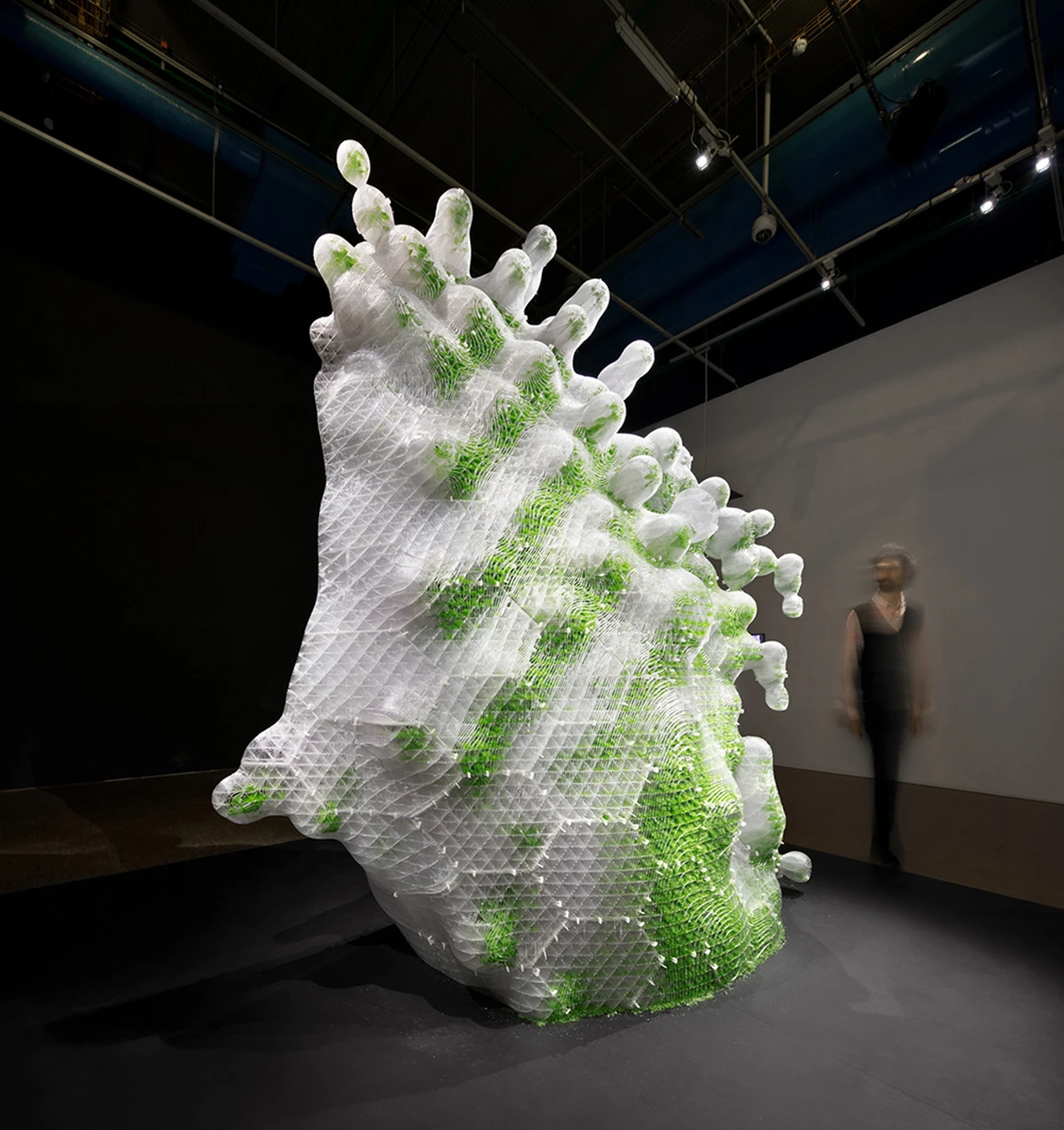
Artificial intelligence is a product of engineered algorithms designed to simulate cognitive functions within computational systems, while organic intelligence involves dynamic, stochastic interactions between neurons, neurotransmitters, and varying bodily states. AI systems and generative models learn through optimization of the loss function using massive, human-centered datasets.
Nature as the Original Parametric Designer
Modern digital architecture has adopted the concept of parametric design, where form is the result of varying parameters and rules. However, we can observe in nature complex systems that are both rigid and flexible. This fluid order in nature is defined by growth, pattern, and change. A primary example of nature’s parametric designs is phyllotaxis, the arrangement of lateral organs such as leaves on a stem or seeds in a sunflower.

These are highly ordered self-organizations, creating symmetry as a new primordium grows in the largest gap left between the previous primordium and the apex. Diverse experiments show that these patterns are not unique but are a form of symmetry breaking that can spontaneously occur in physical systems. The new adaptive approach to design blends biological, algorithmic, and material systems to create sustainable architecture. Biomimicry uses mathematics and generative modeling to realize designs that translate biological intelligence into architectural logic.
Biological Algorithms for Generative Design
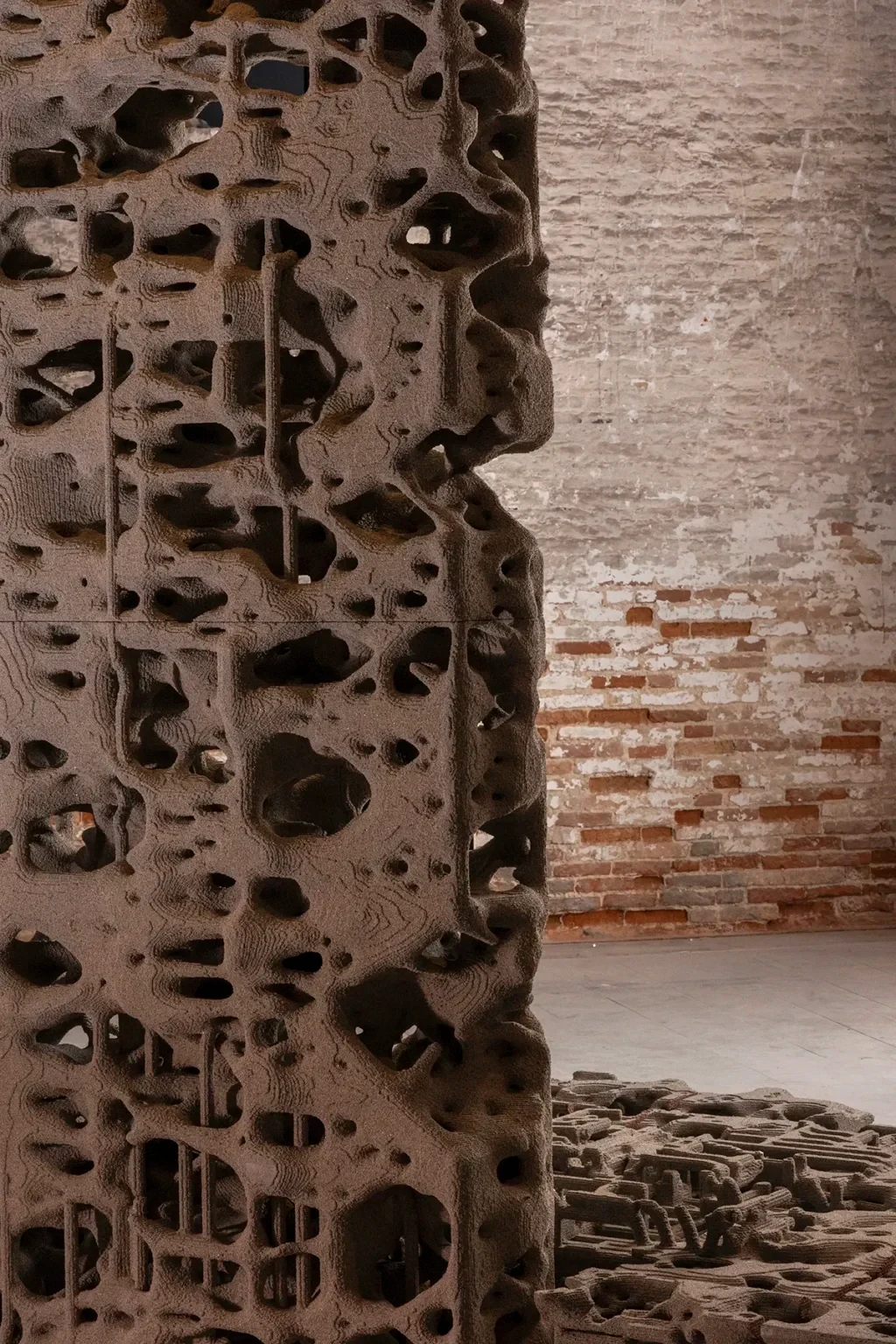
Modern innovation has led to a generative design solution in which the design team doesn’t create fixed geometries but defines a set of patterns and principles that produce an endless range of alternative design solutions. Several biological algorithms are implemented in computational environments. The application of these principles in architecture emerged as a new philosophy of material ecology that brings together humans, automated processes, and nature to transform construction into a hybrid act of building and growing.
L-Systems (Lindenmayer Systems): These use fractal geometry to describe the growth of plants, providing a theoretical basis for reconstructing complex natural processes in modality and complexity.
Voronoi Diagrams and Delaunay Triangulation: These geometric methods are implemented in software like Blender to mark starting points in image data sources and adjust parameters to create urban elements inspired by leaf spear-like forms.
Reaction-Diffusion Systems: These describe the spatial behavior of large groups of molecules and have been used to emulate the dynamics of deterministic cellular automata, allowing for the programming of discrete, complex dynamics.
Neri Oxman exploring Material Ecology
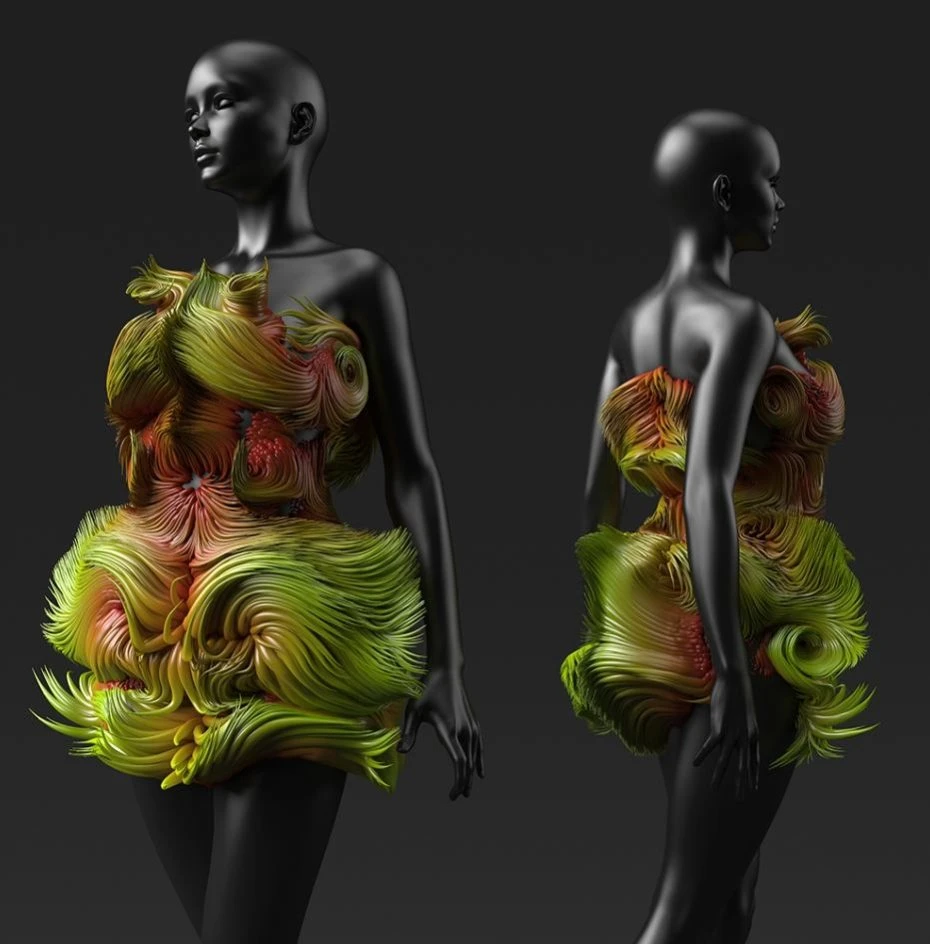
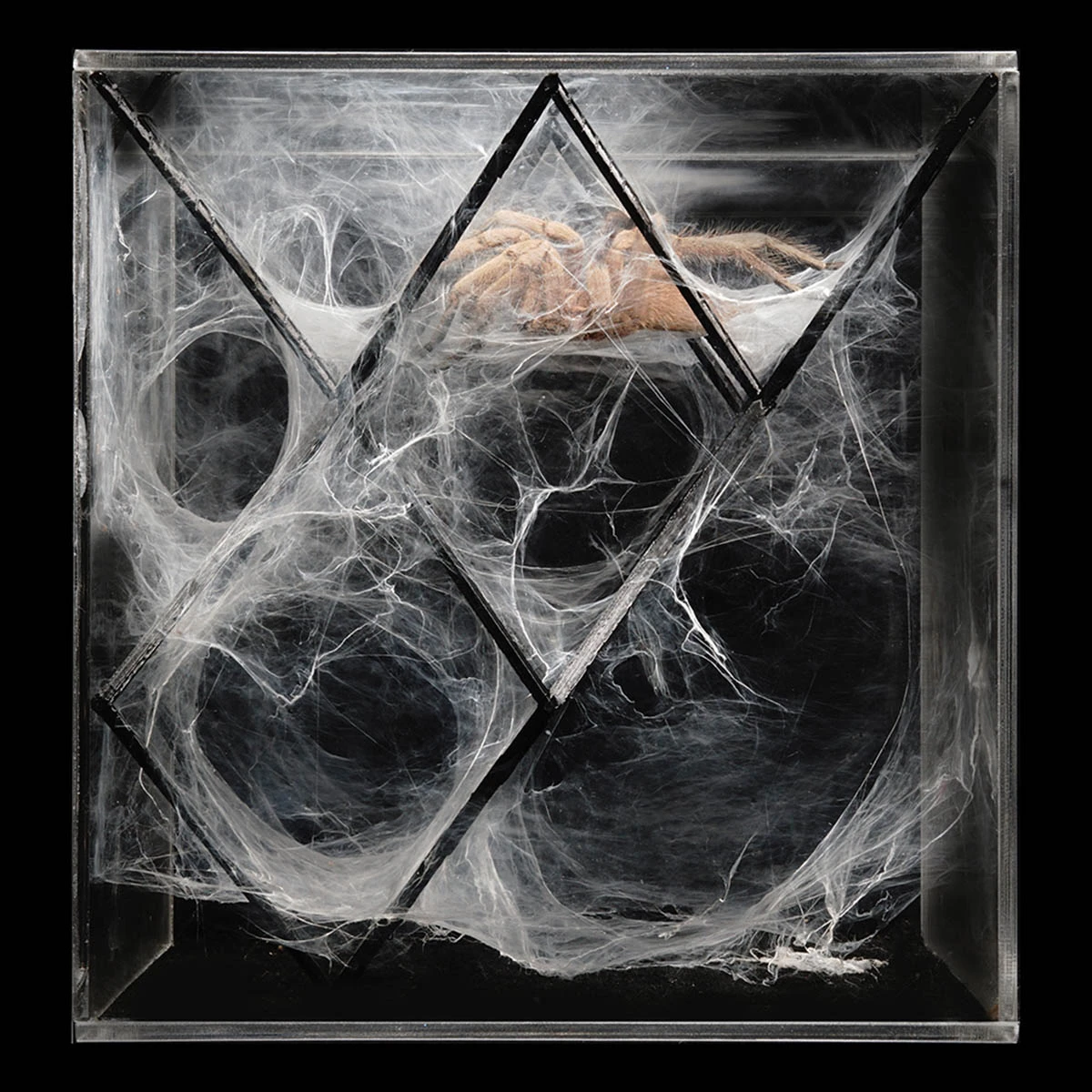
Neri Oxman and the Mediated Matter research group at MIT provide some of the most advanced case studies in this field. Neri Oxman’s work integrates computational design, digital fabrication, and synthetic biology to produce objects that behave as if grown in response to their environment. One of her projects, Silk Pavilion, explored the possibility of co-fabrication systems between silkworms and robots.
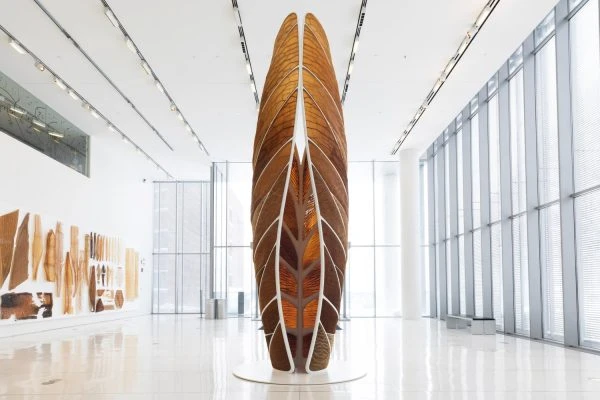
The team engineered a nylon dome and studied how silkworms respond to light and heat. Demonstrating the synthesis of sericulture, the researchers encouraged 6,500 worms to weave layers of silk onto the frame rather than spinning cocoons. The Aguahoja project explored the limits of bio-inspired design by using a water-based fabrication to print structures from chitosan, a biodegradable polymer found in the shells of crustaceans. The resulting structure is environmentally responsive, mimicking the ephemeral nature of organic life.
The Living Data Set
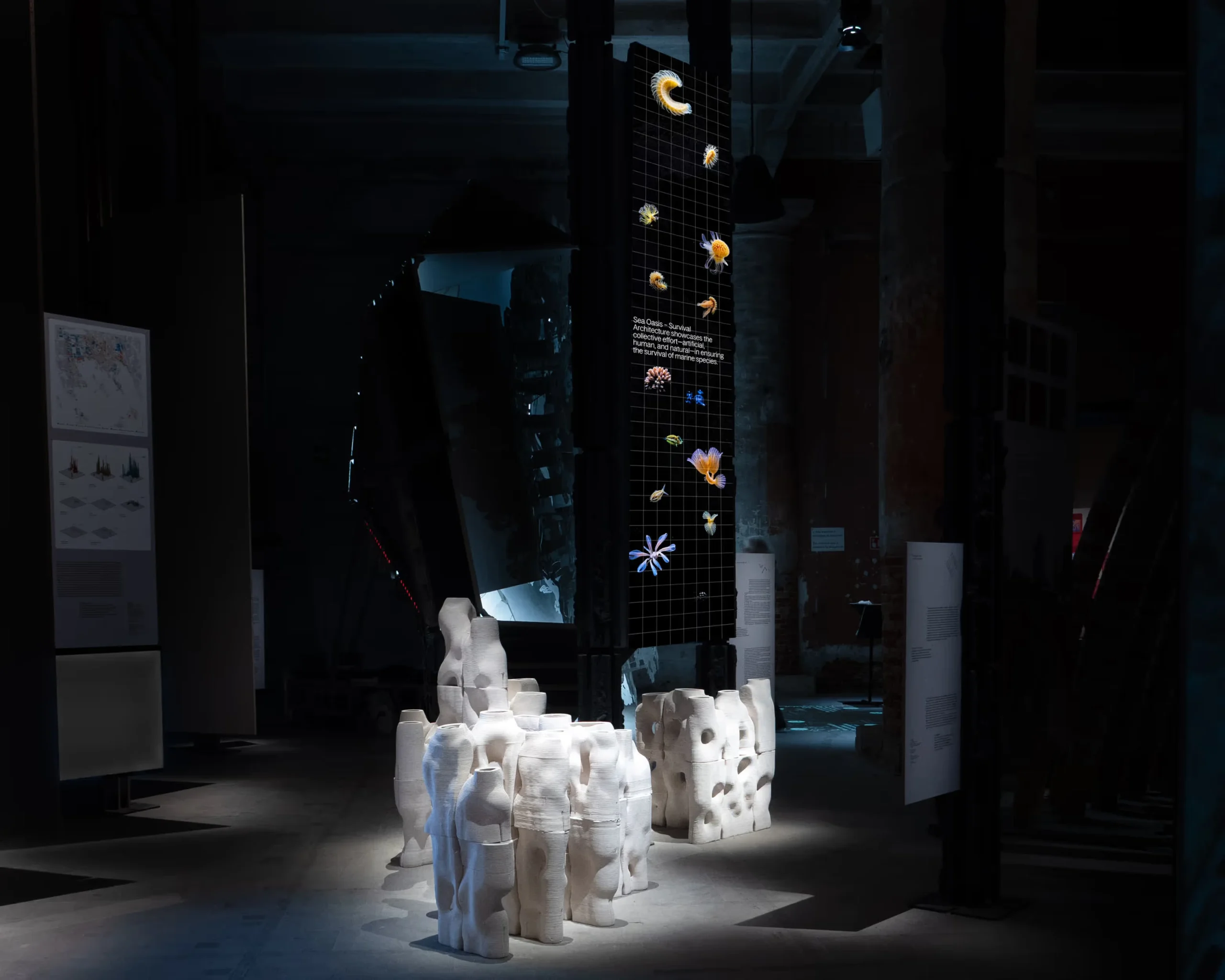
The living data set represents a new way in which information is not just stored but is integrated into the biological process of living systems. It includes DNA data storage and biological feedback loops that allow for real-time sensing and response to the environment. DNA storage provides various advantages over traditional silicon-based systems in terms of scalability, computational flexibility, and information storage potential.
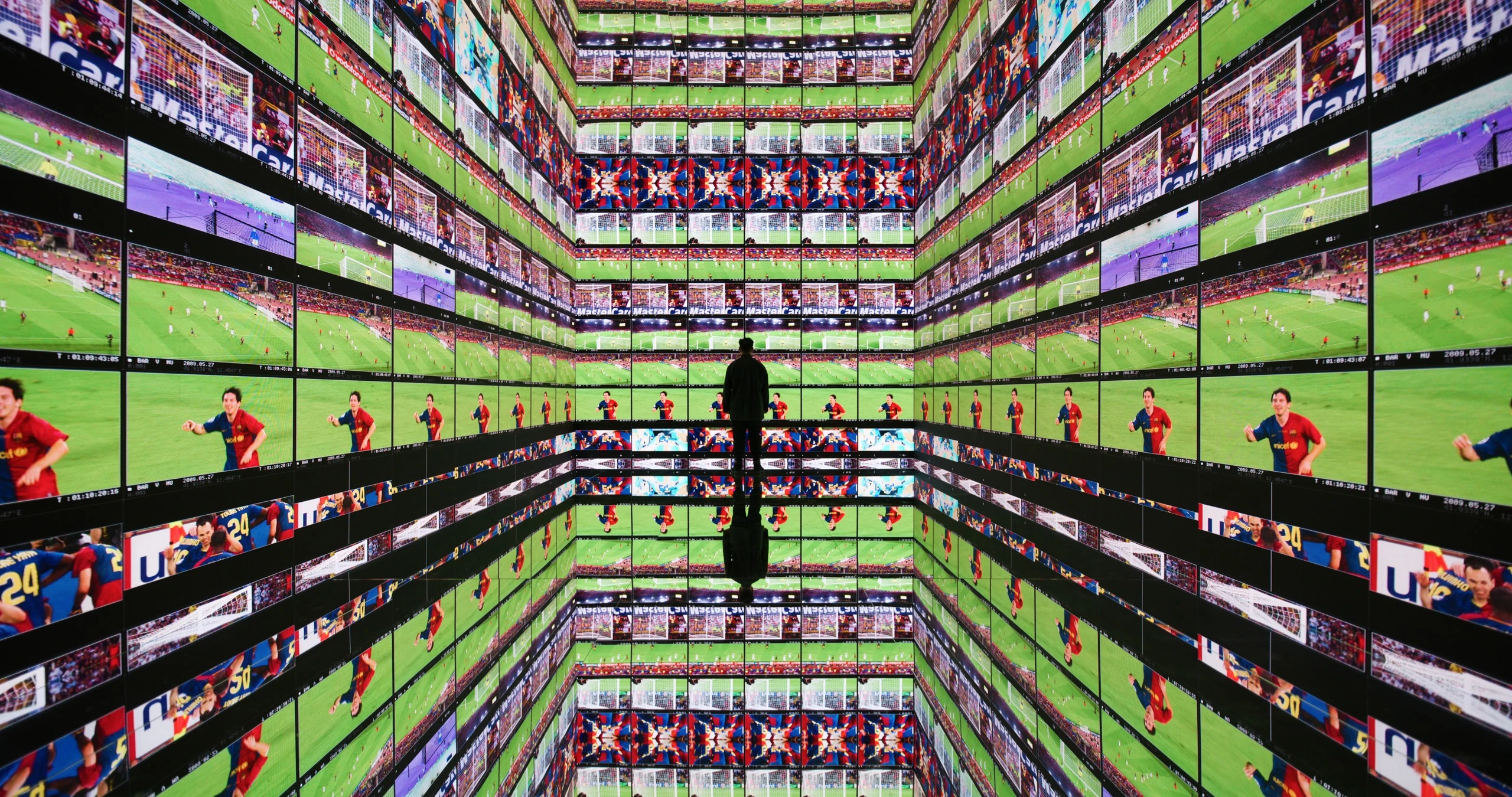
DNA can be used for living memory banks, becoming the key driver for the Programmable Planet, where biology becomes a powerful substrate for information processing, sensing, and decision-making. The application of living data extends beyond architecture, such as in the realm of carbon tracking. The Carbon Dioxide Information Analysis Center maintains a living dataset of observations downloaded by researchers worldwide to understand the sensitivity of simulation protocols to environmental changes.
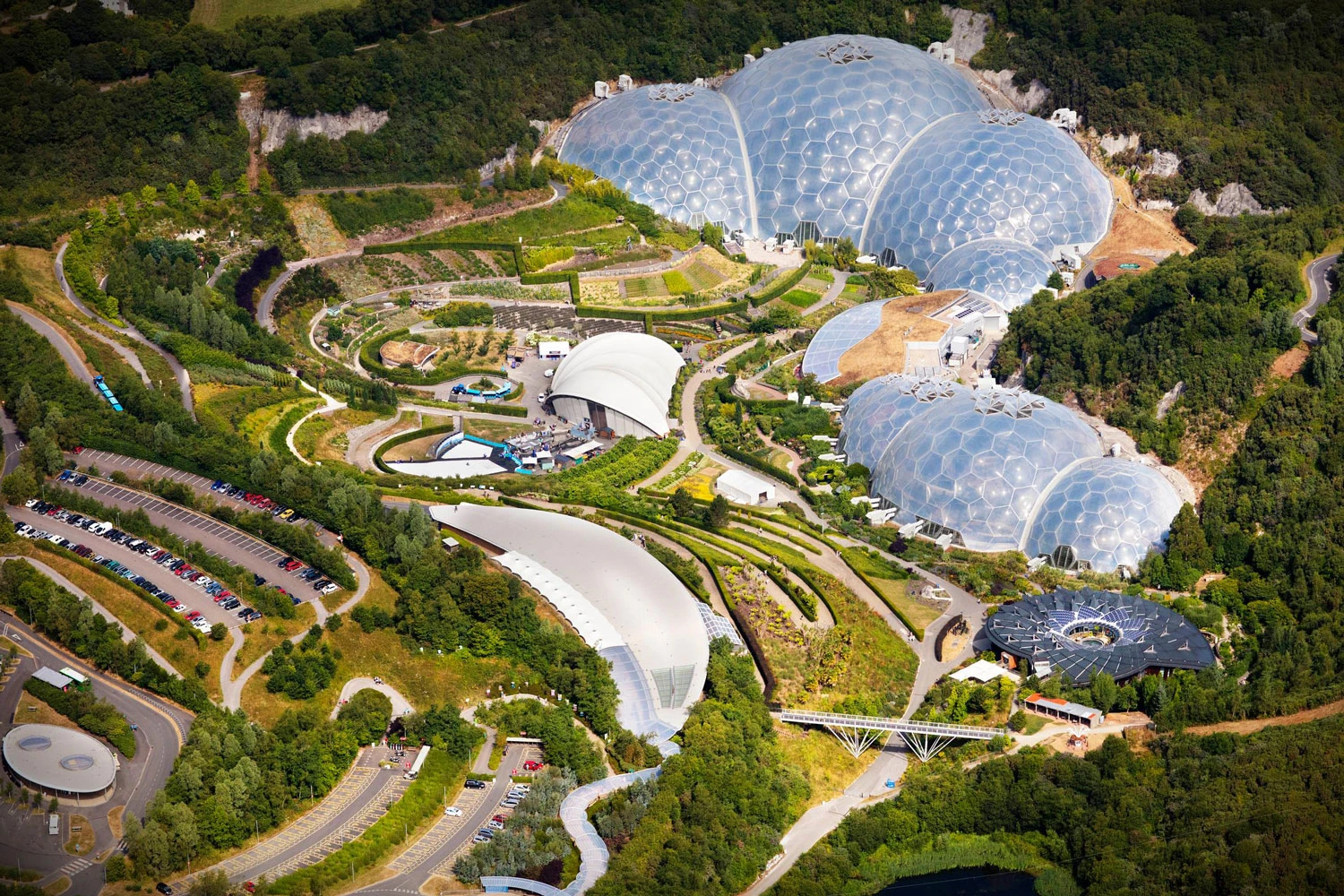
The future of technology is the merger of neuromorphic engineering, the growth of the bioeconomy, and the development of hybrid bio-digital interfaces that challenge the traditional dichotomy between the natural and the artificial. Synthetic biology has progressed from foundational recombinant DNA methods to an engineering-driven discipline that designs biological systems across molecular, cellular, and multicellular scales.
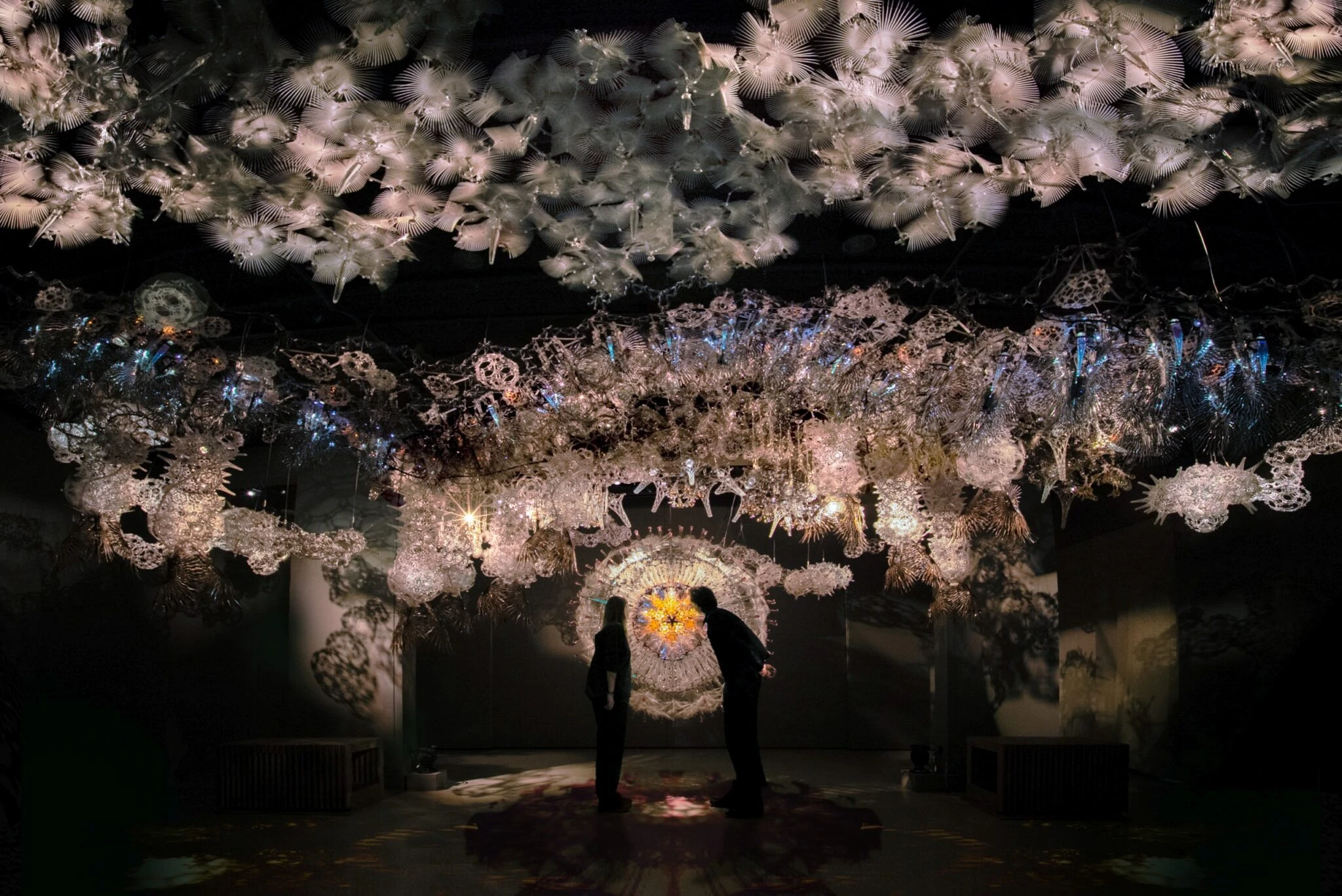
Philip Beesley and the Living Architecture Systems Group created immersive, sentient physical environments, like Aria, which utilize humming reactive systems and custom algorithmic controls to emulate close-packed cell arrays found in nature. These structures do not merely shelter life; they function as lifelike organisms with nerves and muscles that are curious about their inhabitants.
The Future: Merging Bio-Logic with Technology
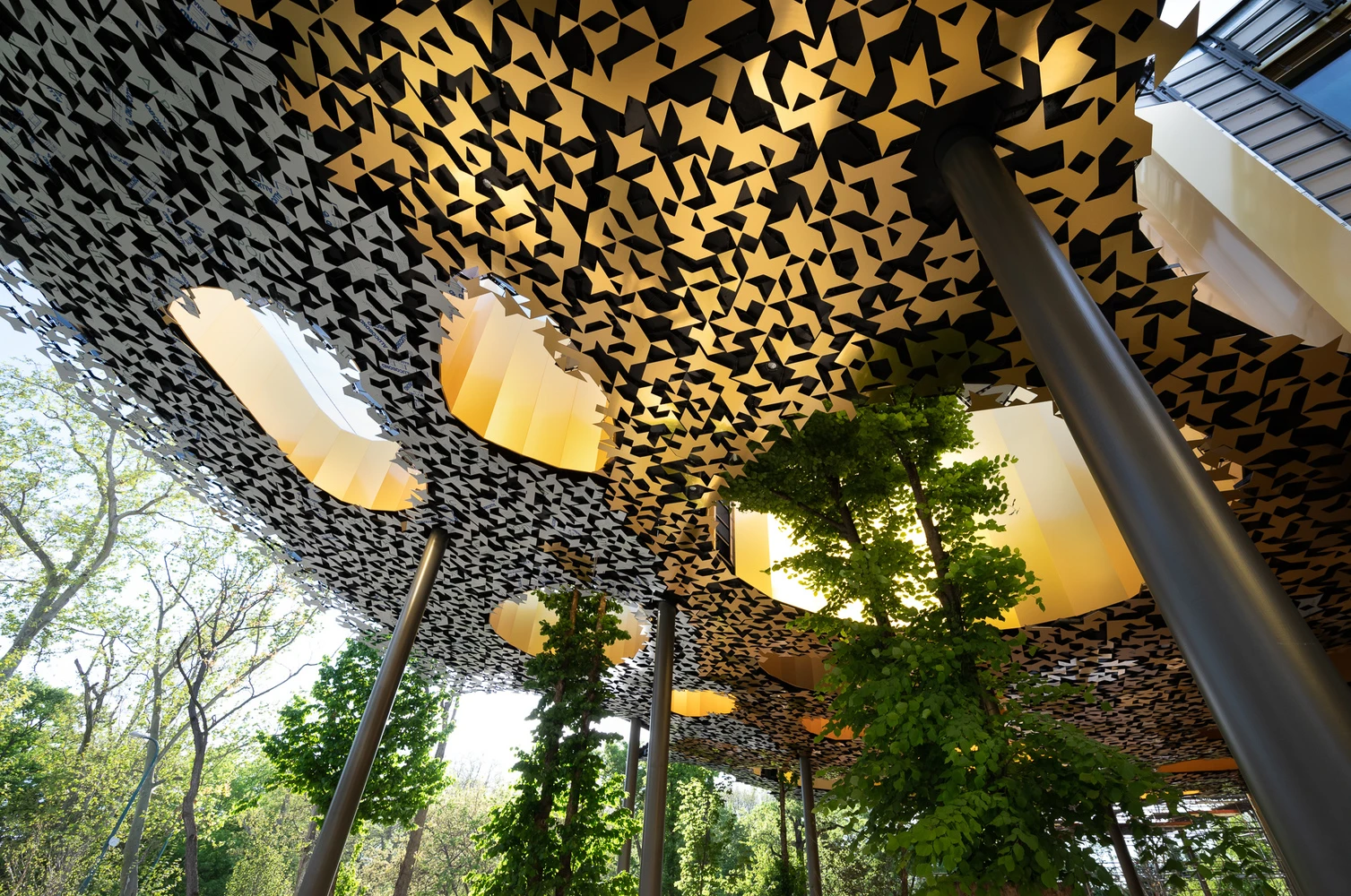
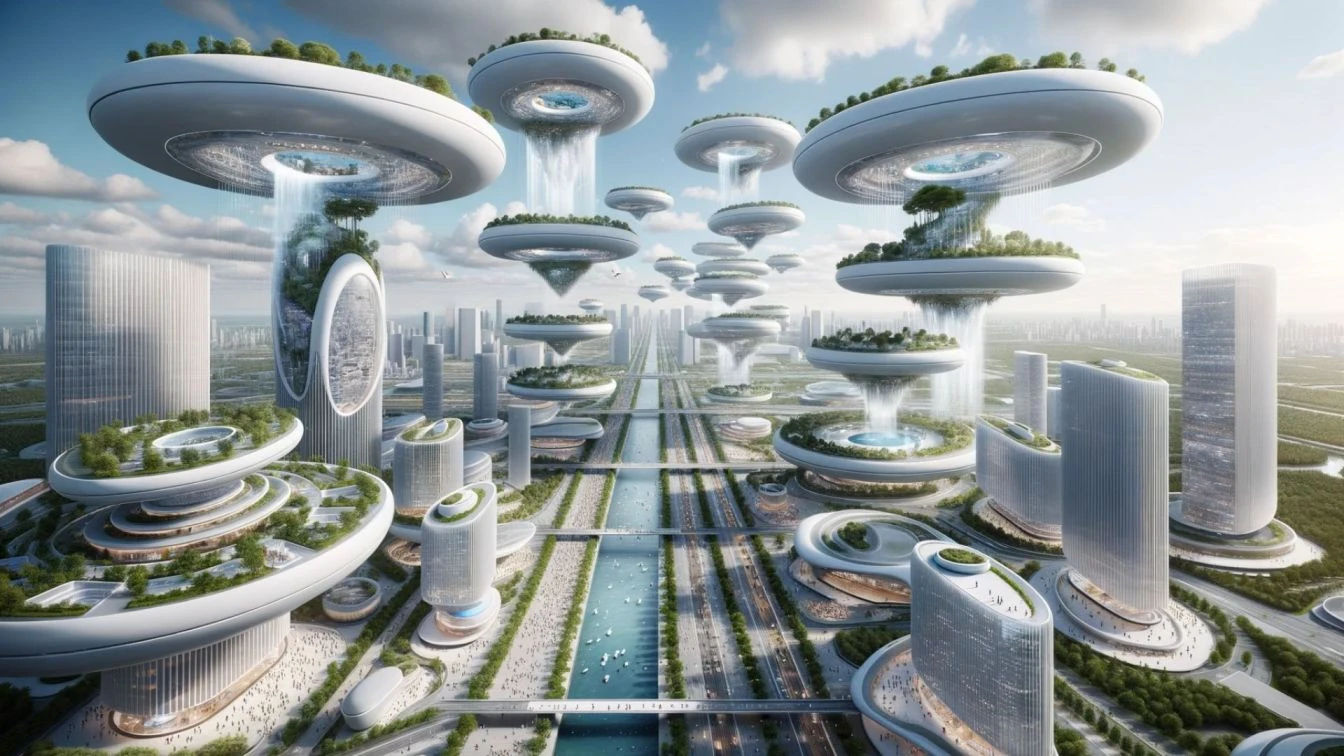
The artificial intelligence in architectural design translates biological intelligence into a spatial logic that includes adaptive building skins, such as facades inspired by chameleon nanocrystals that change color to regulate thermal reflectivity. Using artificial photosynthesis and synthetic organoids within building materials creates carbon-sequestering living walls. Mycelium-based building blocks store and process data chemically, creating decentralized thinking facades. Architecture is currently evolving from static parts to algorithmic living organisms, ensuring the built environment functions as a resilient, self-repairing extension of the natural world.
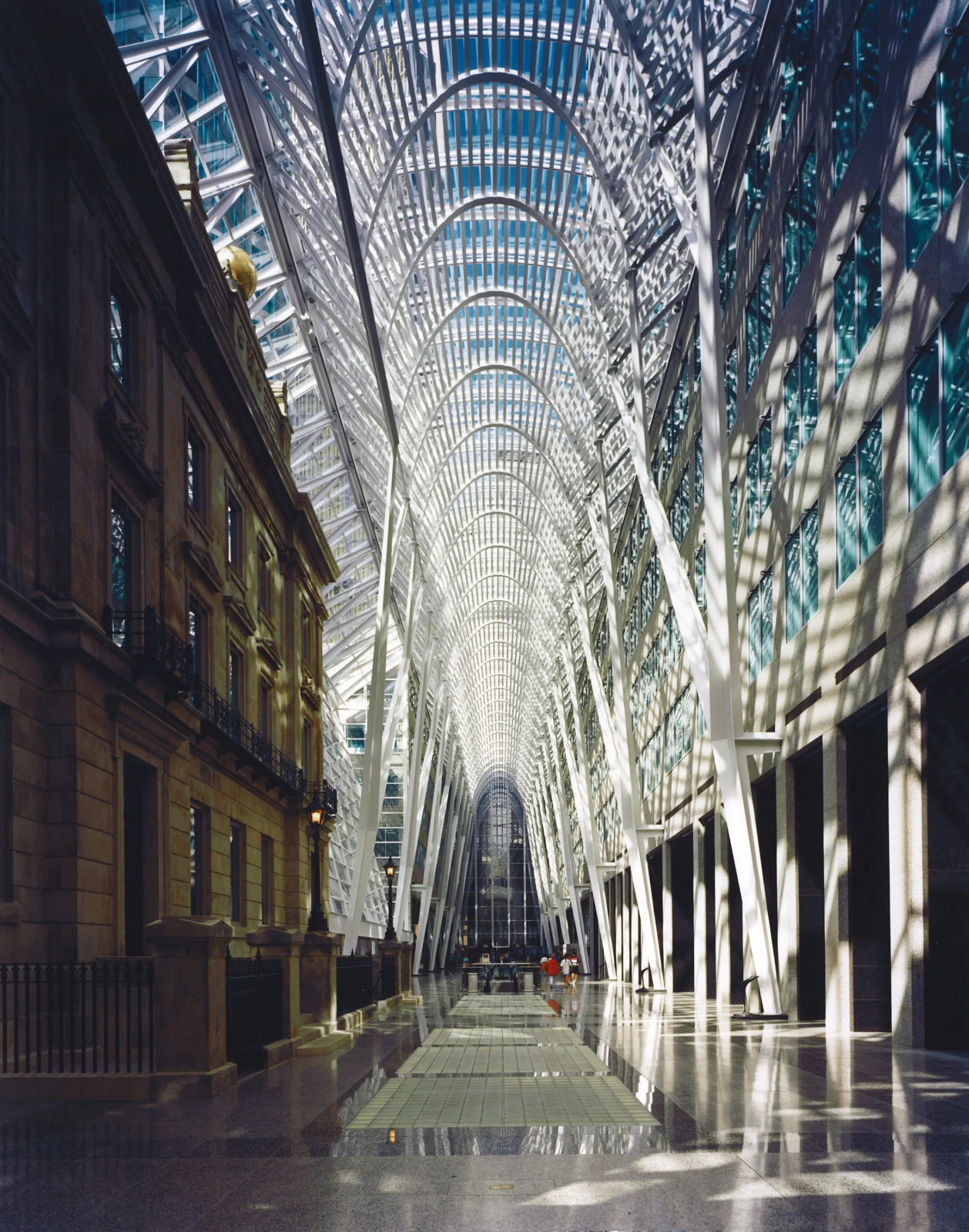
In the modern sustainable world, the integration of organic intelligence will be the first order of the parametric system, redefining the role of engineer and designer. The design approach shifts from static, fixed solutions to the stewardship of living processes. The emergence of organoid intelligence and neuromorphic systems suggests the future of computing in the miniaturization and energy efficiency of biological wetware. Merging bio-logic with technology, the architect participates in the ongoing evolution of intelligence in creating a world where the act of building is an act of growing.
