

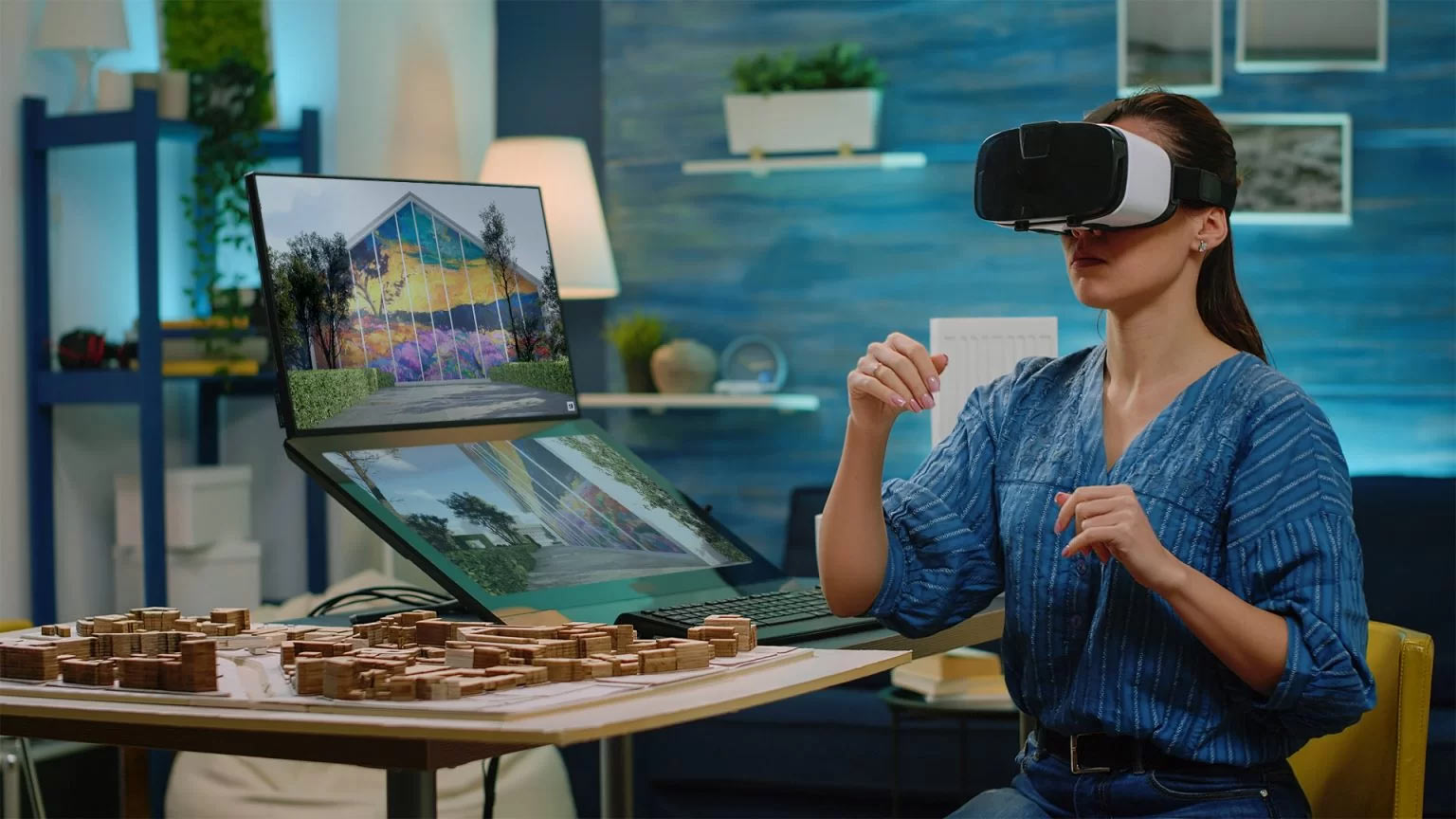
Virtual Reality, which has developed over the years and gained a large place in our lives, has become frequently used with its wide range of opportunities in various sectors. It is an immersive technology that transports users into computer-generated environments. It operates by stimulating our senses to create a convincing illusion of a different reality. It is a technology that goes beyond just looking at a screen; it enables users to step inside a virtual world and interact with it in a way that mirrors real-life experiences.
Virtual Reality (VR), a groundbreaking technology with applications in various industries, is making a profound impact on the field of architecture. It can be said that technological developments have created various breaking points in the architectural sector. 3D models created with the help of some tools are perhaps the most basic use of the concept of existence in a different reality. Recently, VR has developed rapidly and its impact on architecture can be observed.

The first thing that comes to mind when VR is mentioned and perhaps the most used effect in experiencing architecture is that it offers new ways of visualization, experience, and collaboration by uniting architects and stakeholders in a virtual environment. To be more precise, conceptual images and walkthroughs are examples of this. However, in fact, in recent years, when rapid changes and developments have been experienced in different subjects, VR has begun to influence architecture from a broader perspective, and it can be predicted that it will continue to do so.
This article aims to show what changes, conveniences, and benefits Virtual Reality has provided and can continue to provide in architecture. From conceptual visualization to Building Information Modeling (BIM) integration, from construction planning and safety to stress testing and structural analysis, and from historic preservation to sustainable design analysis, Virtual Reality is transforming architecture.
Conceptual Visualization and Walkthrough
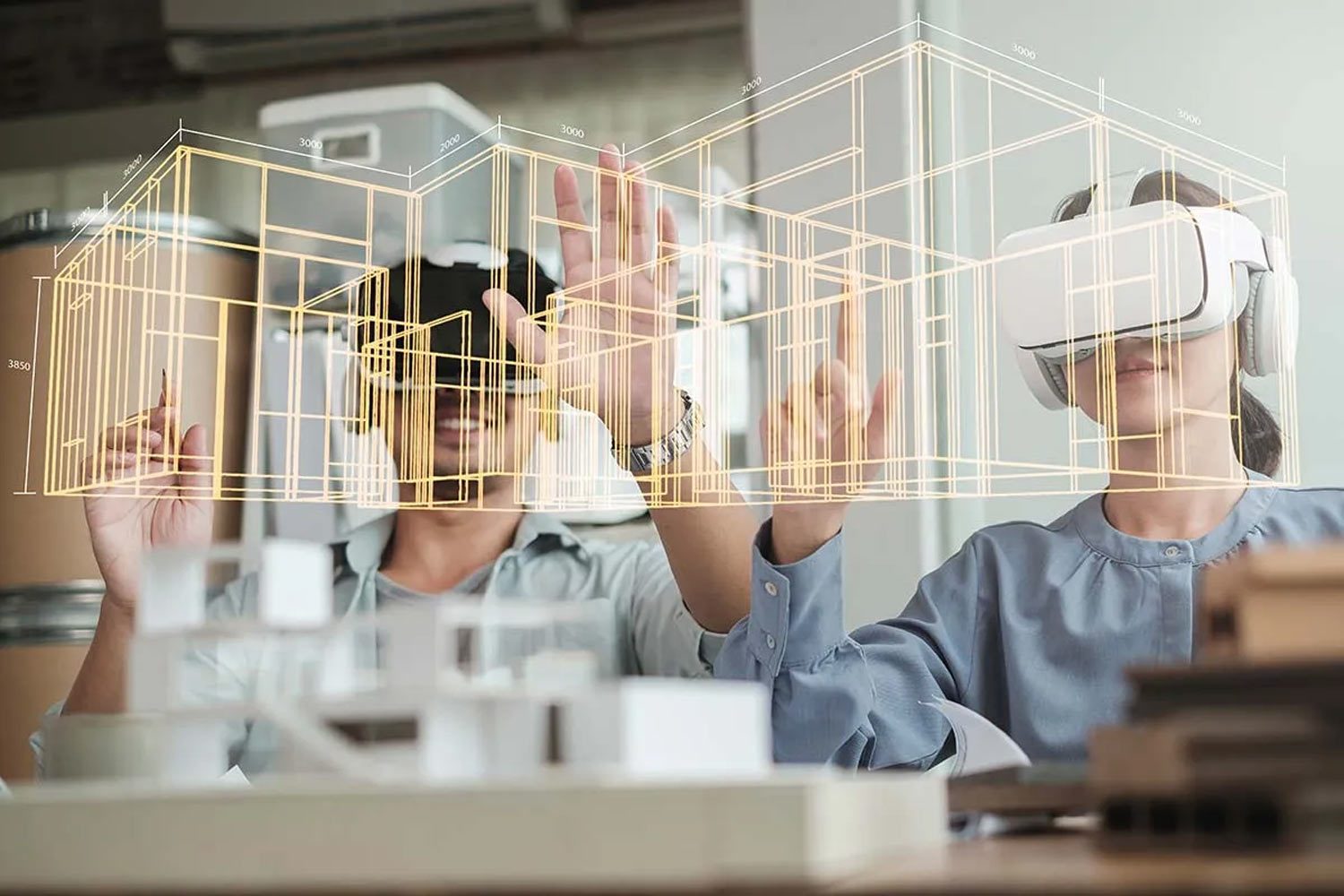
The production of models created at the concept stage in architectural projects has also become advanced with technology. 3D modeling is widely used to facilitate communication between architects, customers, and stakeholders and to convey ideas most accurately. At the point where these modeling tools have come, photographs of the building have become observable before the building is built, with fast and realistic production at the concept stages. In addition, program add-ons such as Revit Live also help to experience buildings spatially on the screen by providing walkthrough opportunities within the prepared models.
Static renderings and walkthroughs are, up to a point, efficient tools for architects to convey their ideas to stakeholders. However, it may not be possible to convey the full experience on the screen. At this point, virtual reality and augmented reality technology come into play and help both architects and stakeholders experience the building before its construction. Virtual reality tours at this stage can support the identification of deficiencies and the emergence of different ideas after comprehensive experience.
We can see that the use of 3D experience and walkthroughs has become widespread in architectural projects. It can be said that Foster + Partners is one of the most well-known offices that provide VR and similar experiences by reflecting the support of technological developments in their projects. The team Applied R+D contributes to projects in this sense and plays an important role. It is possible to see how VR and AR technologies are integrated into the design processes of the studio by creating high-quality virtual experiences.
Construction Planning and Safety
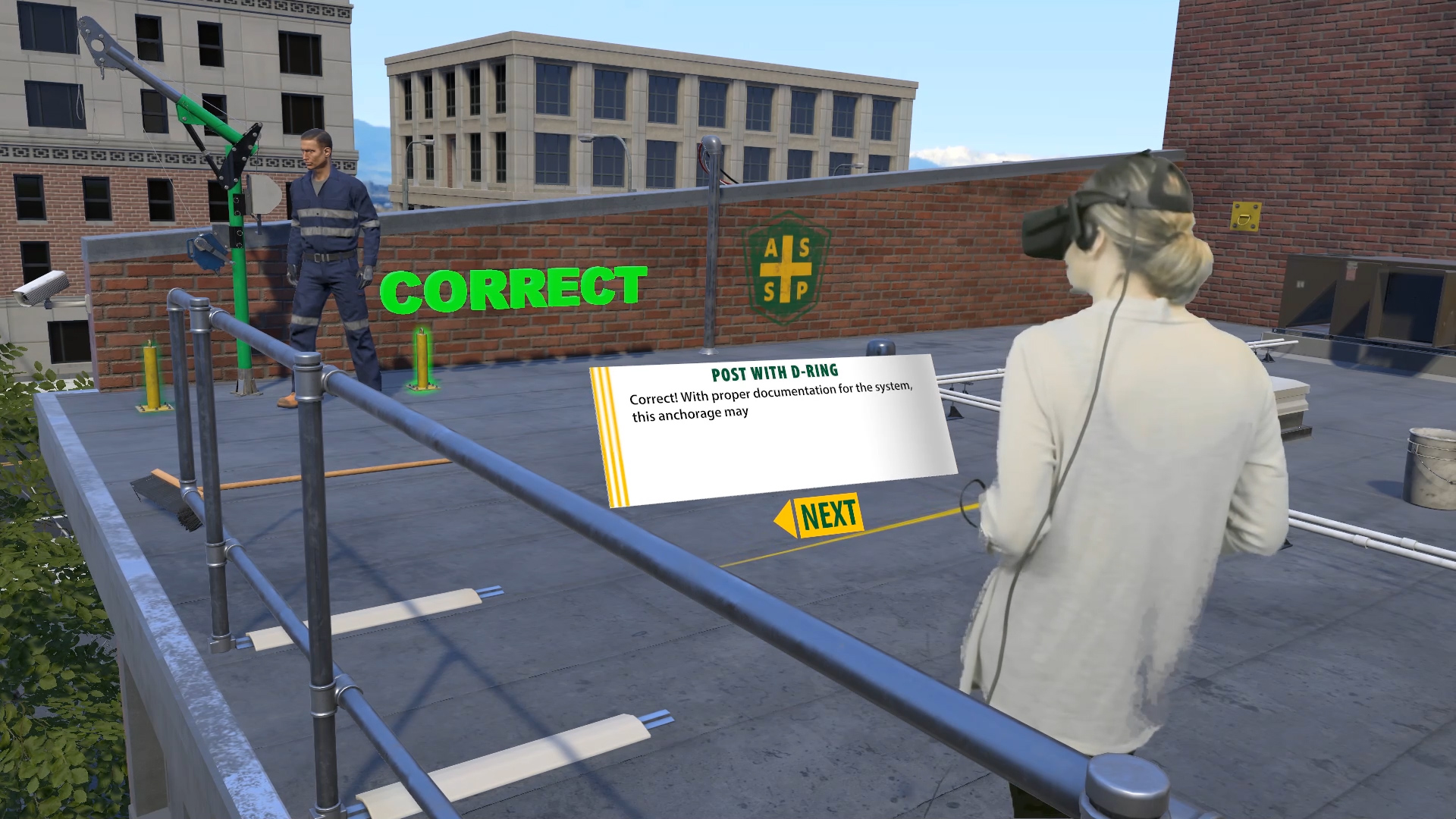
One of the most critical points in the construction of a building is to be protected from dangerous situations that may occur during the construction process. At this point, VR can create a simulation for the planned construction process, creating an environment where potential situations that may arise and the effects of environmental factors can be displayed. Such uses are among the approaches that are developing in the sector and are thought to be able to prevent serious disasters as they become more widespread. VR is a technology that allows situations that have not yet occurred in the material world to be experienced in virtual reality, and it paves the way for taking precautions with the help of various simulations. An example in this regard is Skanska Construction, which works on immersive experiences using VR technology in its projects. The company, which uses VR technology in various projects such as the LaGuardia Airport Center Terminal B project, attaches importance to detecting and solving potential problems before they occur in the field, with the help of these simulations.
Again, at the point of construction planning, VR can help architects and engineers obtain stress tests and structural analysis of the building without the need to make a physical model. After the systems in which the properties of the materials are processed in detail, simulating the effects of potential events and pressures on various structural elements is one of the important steps to recognizing the problems that may occur with stress tests and analysis or to understanding the elements correctly since they can be observed before construction takes place. Conducting virtual stress tests can allow us to optimize the design and understand the appropriate usage of materials.
Sustainable Design
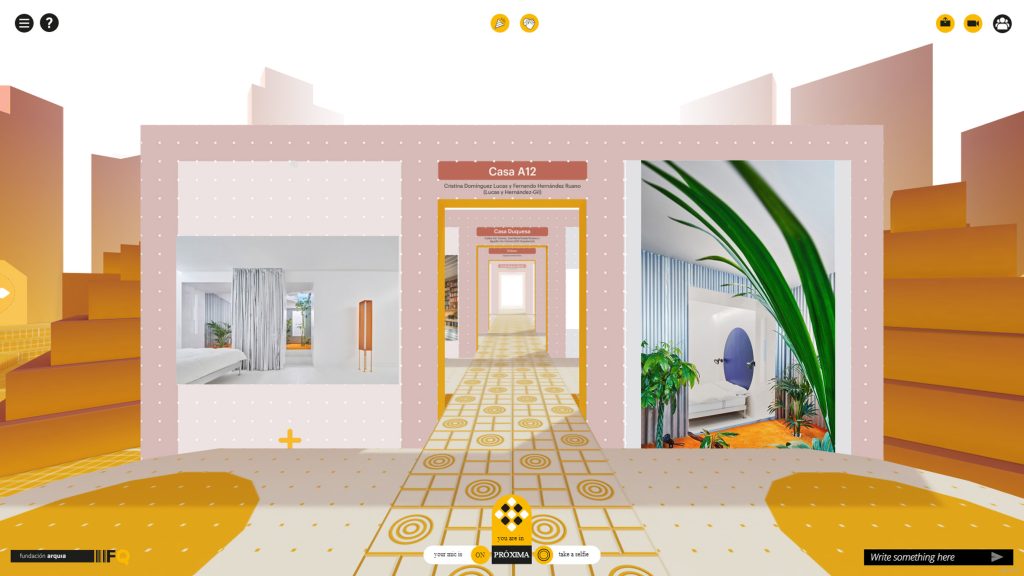
Sustainability in buildings, which is an important issue today, is one of the studies carried out with the support of many technological tools. In various modeling and analysis programs, the impact of the environment on buildings and the impact of buildings on the environment can be observed and projects are developed in this way. At this point, VR again shows its support with simulations that can be experienced. For example, with the help of VR, it is possible to observe the performances of buildings such as energy consumption, daylight, ventilation, and thermal comfort. For example, integrating Autodesk’s Insight platform with VR is one of the platforms used for architects and engineers to observe sustainable design decisions in a virtual environment and analyze building performance.
Details about energy efficiency, such as material selection, lighting effect, ventilation, and thermal performance, that may be overlooked when looking at the screen can be noticed by experiencing it in the virtual reality environment and optimization can be carried out accordingly. In addition, by observing the effects of weather conditions such as wind, rain, and snow on the building with an efficient simulation, precautions can be taken against potential situations, building durability can be seen, and building lifespan and maintenance can be planned accordingly.
Historic Preservation and Cultural Heritage
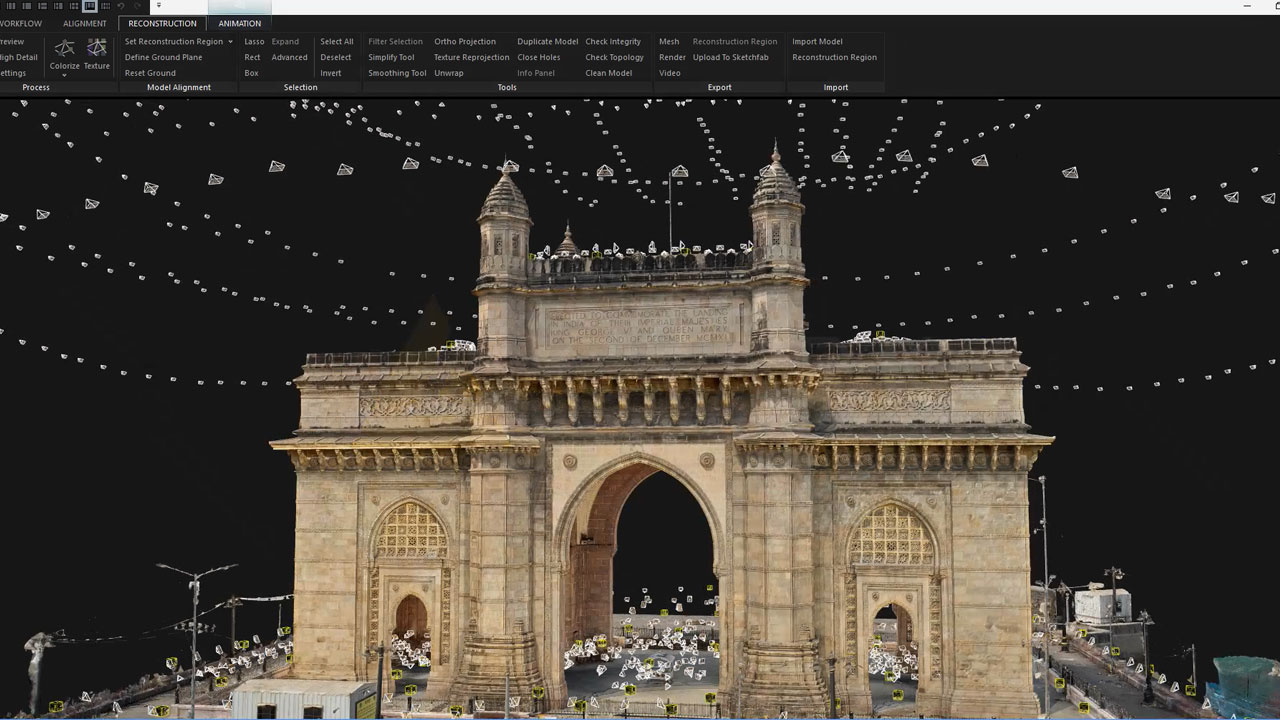
The use of virtual reality in the field of historic preservation and cultural heritage is an issue that is becoming increasingly widespread, discussed, and realized. Not losing historically valuable buildings is something that cultures value. In a world where the deterioration of materials and structures is inevitable, efforts are often made to protect these structures through maintenance and restoration. The introduction of virtual reality at this point reveals the potential of creating an environment where these structures can exist and be experienced forever in an alternative reality.
At this point, Virtual Reality not only opens the digital twins of existing cultural assets to all users but also offers the opportunity to experience how unreconstructed ancient structures looked in the past. VR enables individuals to visit historical sites and landmarks, even to the physically unavailables. With virtual tours, people can walk through ancient sites, see museums, and experience a glimpse of what archaeological sites felt like in the past. These structures, whose digital twins can be created in detail with a 3D scanner, are used as a method to transfer them to the future and offer the opportunity to be experienced in virtual reality.
While developments in this regard continue to accelerate, it is also possible to experience some structures prepared with open access through the Open Heritage Project.
