


Transportation is an indispensable element for the functioning of the human race, it plays an inevitable part in how we live, work, and play. On the one hand, without transportation, life as we know it could come to a standstill. But on the other hand, transportation is a chief consumer of fossil fuels and a substantial contributor to carbon emissions today. According to the United Nations, about 95% of the world’s transport energy still comes from fossil fuels, and the whole industry contributes to one quarter of the world’s greenhouse gas emissions. The need to shift to sustainable transportation has never been more critical, if the need to address climate change is indeed a top priority.
And it all starts at the planning stage – the conceptual and design of the transportation networks, the architecture of transportation hubs, and how it is proposed to work will ultimately define how it is constructed and used to maintain a holistically sustainable journey. Embarking on the journey to create sustainable transportation infrastructure should encompass the proficient use of resources that facilitate efficient mobility. But, consecutively, there should be no compromise to the positive impact on the quality of life and the preservation of the natural environment. And this requires all the key stakeholders to propose a holistic plan and be in agreement with the needs and interests of the users and the environment at large.
Factors contributing to sustainability in transportation architecture
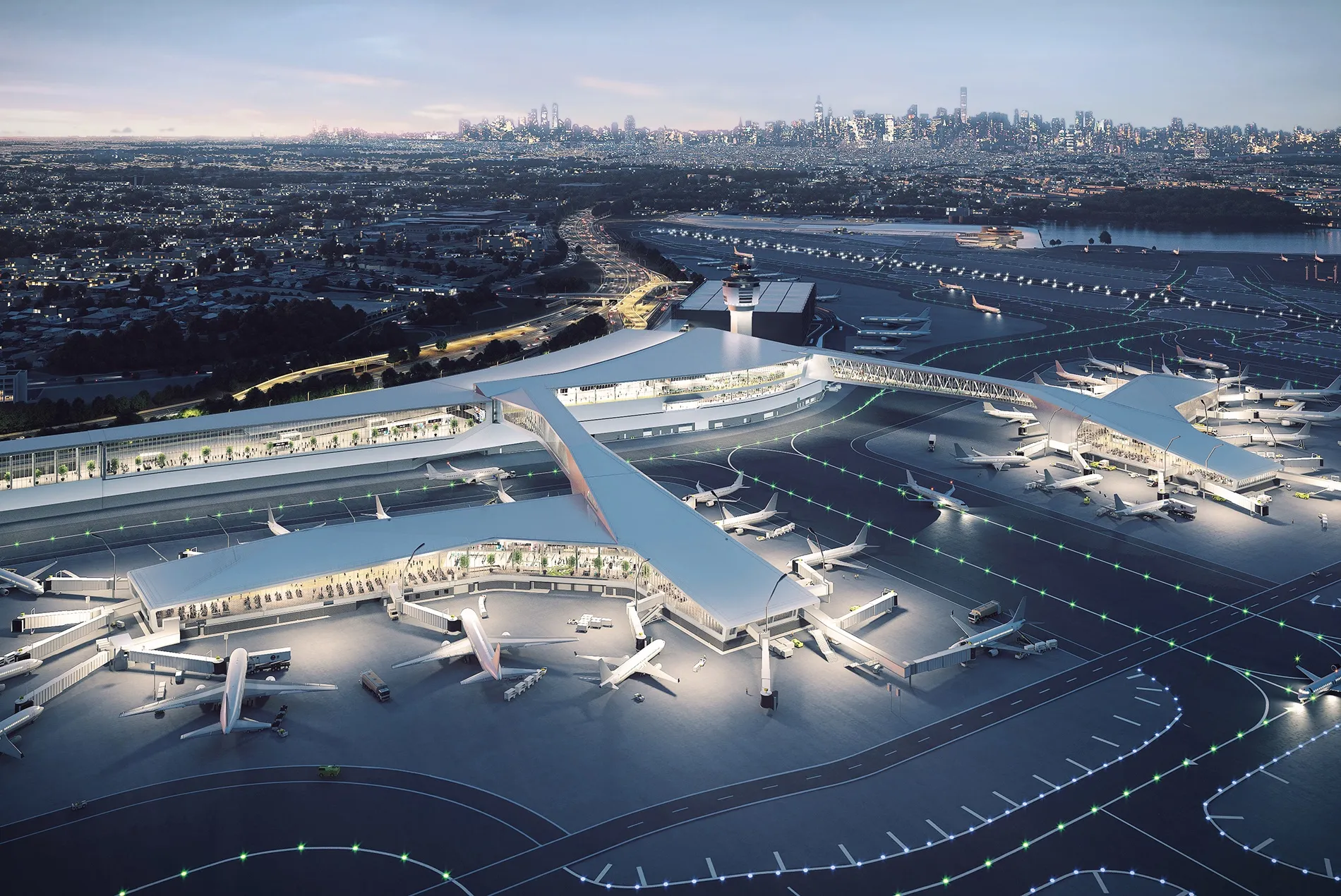
With transportation being a very urban feature, it involves more than just architecture – it encompasses many stakeholders who are equally responsible for the sustainable design, construction, and functioning of the infrastructure. Transport infrastructure is expected to last longer than an average structure, but at the same time facilitate the government in making necessary changes to accommodate the latest technology and systems. The changes are indispensable since it is a public space that not only caters to all the users but also in many ways represents the local culture, efficiency, and productivity.
With constant development and spread of the urban area to accommodate the growing population, transport also needs to increase or be upgraded in parallel to support the growing demand for connectivity. These facets can be addressed using appropriate targets and performance indicators, stakeholders can also address sustainability in transportation architecture using five aspects:
Climate resilience – The change in climate scenario cannot be ignored when designing assets that are long-lasting by nature, like those in the transport infrastructure. Buildings comprising the transportation industry should be well prepared to withstand any climatic challenges of the present and future.
Inclusion – All public buildings should be designed to include and support all surrounding communities. Only by being socially inclusive can the building fulfil the ESG goals of the UN. According to the Global Infrastructure Hub, inclusive infrastructure can be defined as “any infrastructure development that enhances positive outcomes in social inclusivity and ensures no individual, community, or social group is left behind or prevented from benefiting from improved infrastructure.”
Digital tools, such as BIM, IoT, AI, and digital twins, can help expedite collaboration among stakeholders on the sustainable journey in architecture. You can master these cutting-edge tools and many more at the PAACADEMY.
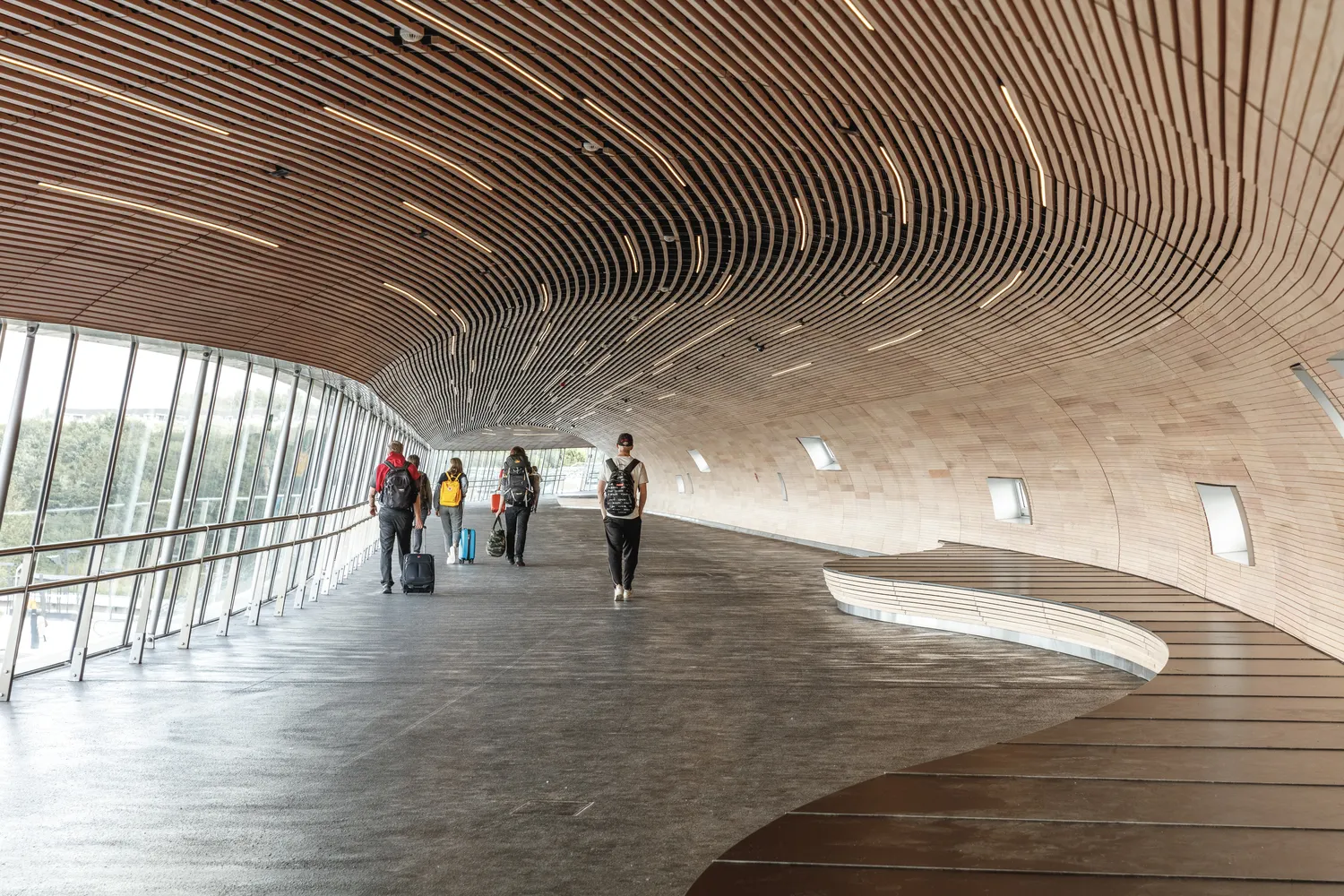
Technology – With technology advancing every aspect of our lives, it should be optimised to efficiently design, construct, and maintain the transportation infrastructure, including monitoring use. The right data could be used to reduce the carbon footprint and reduce the costs incurred for maintenance and functioning over the period of the building’s life cycle.
Productivity – When circular economy is adopted as part of the design and construction process, the built fabric can initiate a sustainable model for the whole life cycle. With sustainability embedded into the project and digital platforms to monitor the performance, the productivity can be efficient, and the value can increase exponentially.
Flexibility – Again, with technological advancement and conditions like the pandemic, flexibility becomes an essential component of transportation, specifically. Accommodating sudden shifts in transportation patterns and demands, the design should benefit the users without compromising the environmental conditions.
Addressing these five aspects can provide strong and enduring transportation in the urban fabric that embraces environmental, social, and economic considerations. According to the UN’s ESG guidelines, any project aimed at sustainability needs to address these three dimensions to benefit the present and future generations – environmental, social, and economic.
Environmental considerations
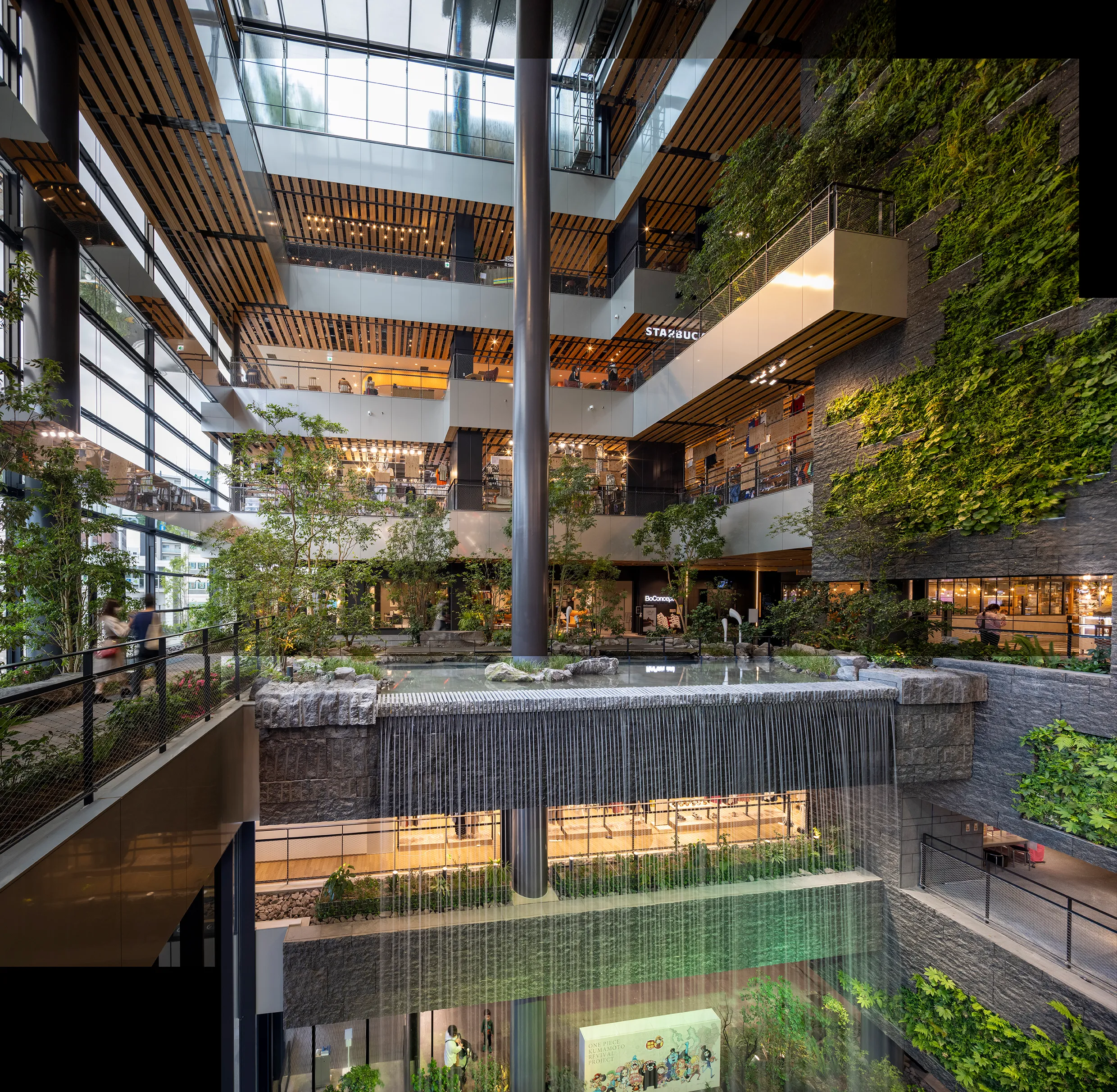
By conducting Life Cycle Assessments (LCA), stakeholders can measure the impact of the built structure on the environment for its whole life cycle – this includes mitigating climate, protecting biodiversity, and minimising pollution. This will also enable stakeholders to make decisions on the circularity of the design and how to optimise the solutions for an efficient and sustainable structure. Designers should make allowances for maintenance, repair, upgrades, and changes in the surroundings of the transportation structure with regard to the impact on the environment. Data analytics, IoT, and other technologies can be incorporated to facilitate this adaptation. These tools can also be used to predict and monitor the performance and make necessary changes, scrutinising carbon emissions, daylighting, ventilation, and air quality.
Social considerations
As much as the built structure should be environmentally sound, it should also consider the needs and interests of its users. The structure should be inclusive and accessible to all communities and abilities, and this should be factored into the design from the conceptual stage till the time of demolition. It is even more significant in the case of public structures like transportation infrastructure, which serve all patrons, including the elderly, the differently abled, and minorities, in equal capacity and on a day-to-day basis. The built structure should cater to the ease of movement, wellbeing, comfort, and accessibility of the users; on the whole, increase the quality of life for the locals. As it is a public building, it should also reflect the place and help to preserve the local culture.
Economic considerations
With rapid urbanisation comes the need to continuously pour efforts, time, and capital into the transport infrastructure, considering its demand and the variety of users. But this also fuels job creation and overall economic growth. With sustainable architectural practices, the trend of circular economy gets embedded into the process. By incorporating energy-efficient designs, using digital tools, and facilitating systems to reduce harm to the ecosystem, it would help to reduce waste, emissions, and consumption while increasing the resilience and life of the building. Thus, employing circular economic practices in the design can reap tangible and intangible profits. The added benefit is the increase in employment today, and through the infrastructure’s long-term commitment to sustainability, a better environment for the future.
Benefits of sustainability techniques in transport architecture
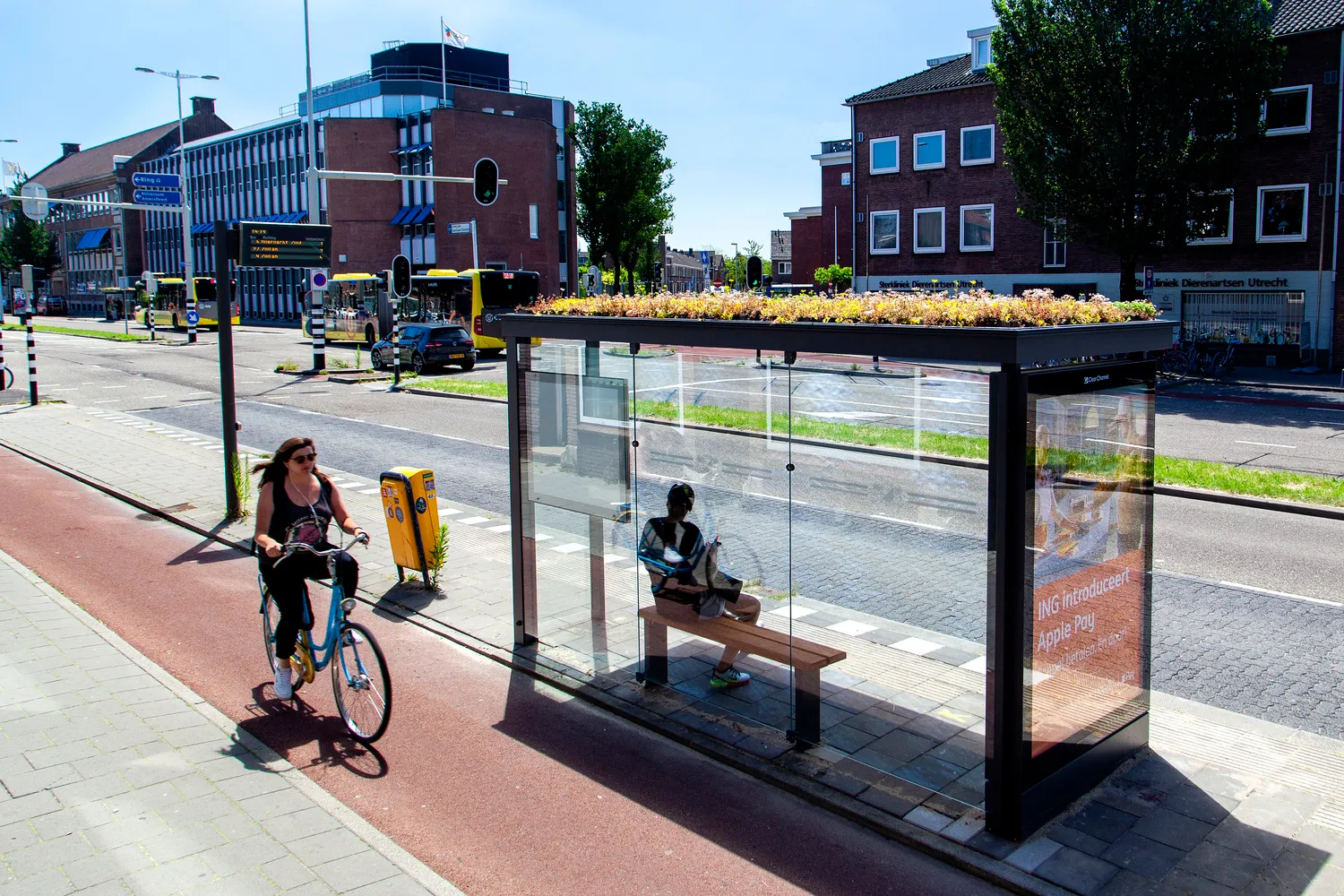
- Sustainable transportation focuses on low-emission fuels and modes of transportation, and its architecture should complement it by employing sustainable and circular economic techniques that would benefit the users and the environment equally. Techniques like using sustainable materials, encouraging healthier modes of transportation, and well-landscaped spaces help to reduce emissions.
- Encouraging healthier modes of transportation through design helps to improve the mental and physical well-being of the residents. Designing secure, aesthetically appealing, and healthy spaces can lead to an active lifestyle for the users and optimise safety in the transport infrastructure.
- Sustainability, by definition, applies to all sections of the community without discrimination, and this characteristic can be enhanced in public structures like transportation systems. Enabling accessibility and inclusion in the design can accommodate the needs of all and make the system truly sustainable today and tomorrow.
- Employing sustainability in the transportation architecture means efficiently using materials and systems that are long-lasting. These structures are flexible, resilient, and resourceful under all conditions present or future. They also represent the local identity and thus can be aesthetically appealing, memorable, and inviting.
- Sustainable transportation infrastructure is ecological, involving elements from the environment into the design. Systems to increase natural light and ventilation, foster rainwater harvesting, protect local environmental conditions, strengthen biodiversity, and preserve local cultural facets help to support the ecosystem while creating less negative impacts on the surroundings.
What is the future of sustainable transportation architecture?
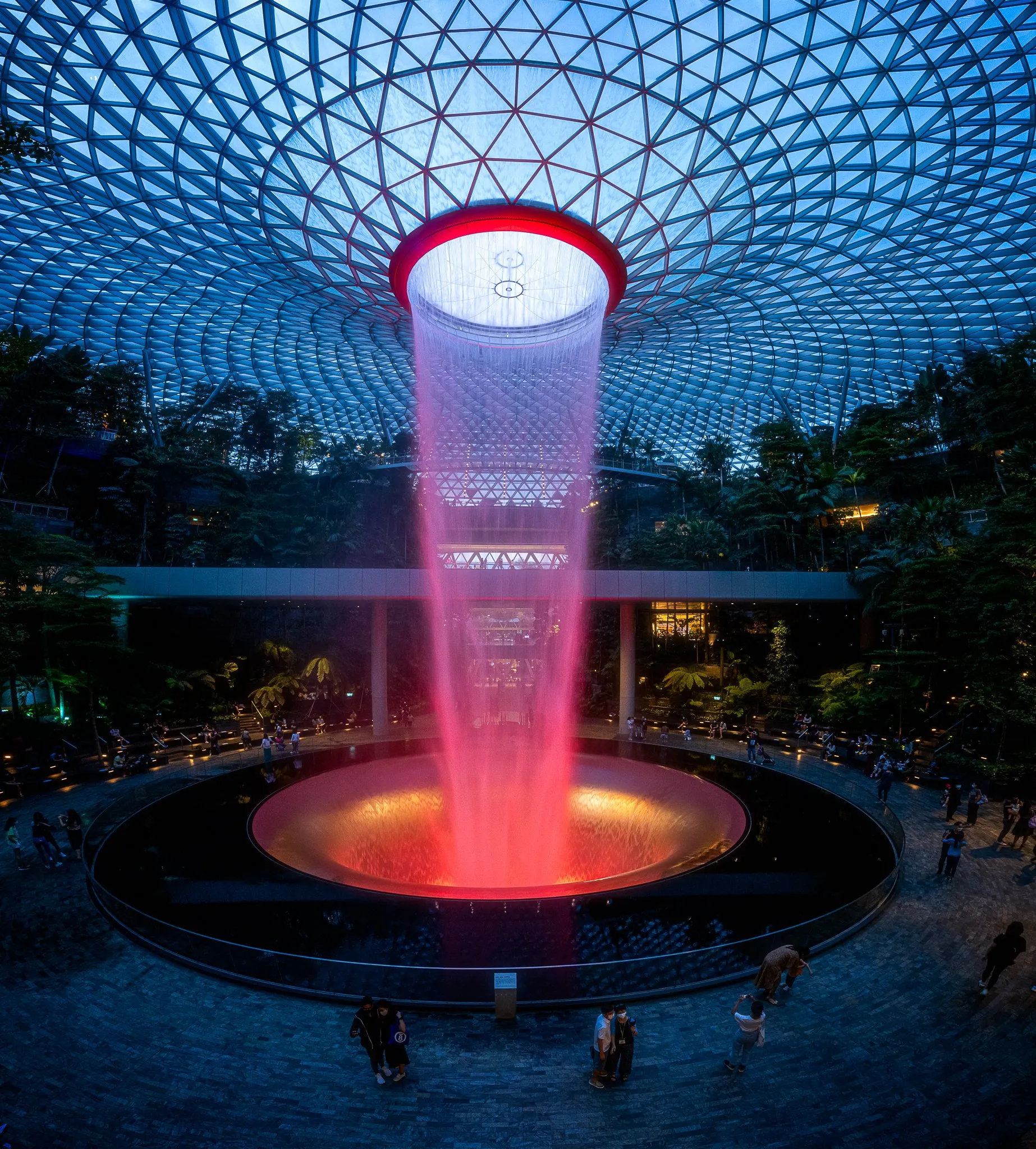
With climate change solutions becoming a paramount necessity, transportation architecture comes under high-level scrutiny owing to its ever-increasing demand and significance in the very existence of the human race. The best way forward to keep environmental impact at a minimum while meeting the growing requirements is for the stakeholders to collaborate so that sustainability gets integrated at every stage during the life cycle of the transportation infrastructure. This can keep the emissions low and efficiency high to create an accessible, inviting, and inclusive environment for all travellers.
