


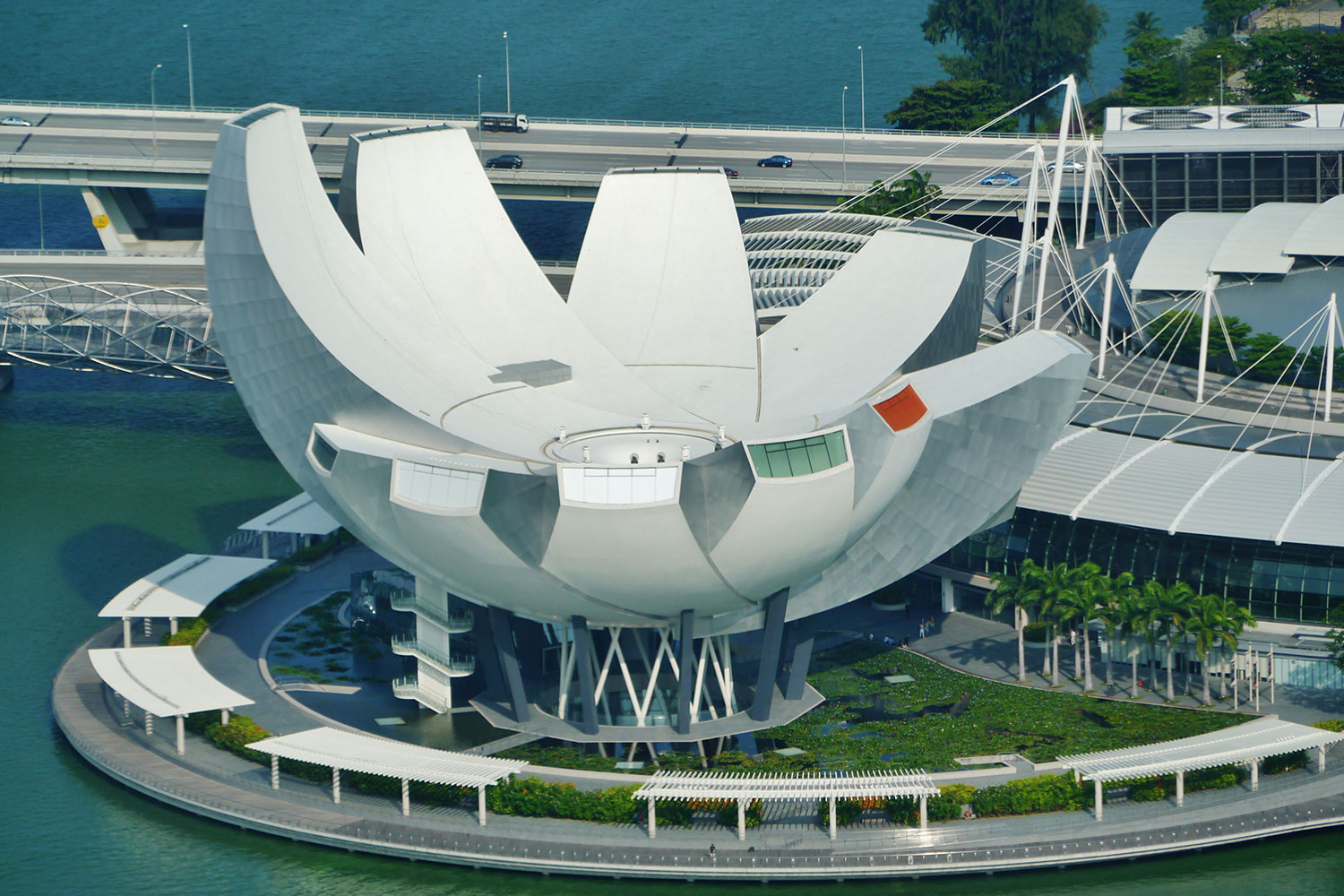
Singapore, one of Asia’s most significant multi-cultural urban centers, is often referred to as the leading example of a smart city. The advantage of being a small city-state has allowed Singapore to structure a rather quick and uniform development, creating a well-connected system where the concept of a smart city could be adapted nationally.
For the past few decades, global challenges deriving from limited resources and changing environmental conditions have pushed cities to integrate technologies into the daily workflow to seamlessly ease and simplify the multifaceted processes within an urban system and increase the life quality of its dwellers.
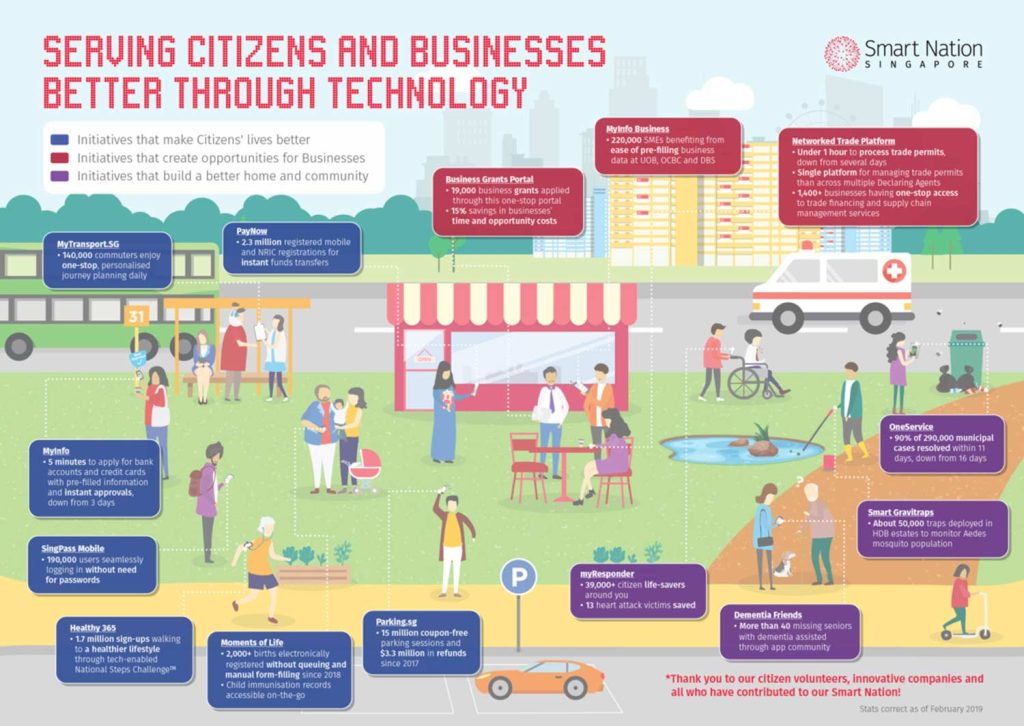
In the context of defining the boundaries of the term ‘smart’, it should be mentioned that despite the myriad terminologies associated with it, the ultimate goals of any smart city could be analyzed by the impact on social, economic and environmental sustainability. And to be able to assess Singapore as a smart city, one must first identify its main driving force and the scale of its influence. That said, it should be mentioned that the government greatly stimulates Singapore’s smart city development. Nonetheless, such an approach, combined with the contribution of private parties by means of projects to the city-state’s status of a smart city, leads to the implementation of smart technologies across a range of scales.
One of the largest elements extensively utilized within both systems is the IoT (Internet of Things) sensors. They were heavily integrated in the creation of Singapore’s Smart Nation Platform (the central component of Singapore’s Smart Nation initiative launched in 2014 that aimed at standardizing the digitalization of data and improving connectivity network) and play a key role in data collection/integration, aggregation/analysis, smart services, and applications, citizen engagement, as well as security and privacy.
For example, placed across the city-state, the IoT sensors assist in monitoring and collecting real-time data about the quality of various aspects of urban life (transportation, environment (air, water quality, weather conditions…), energy consumption, waste and water management). Speaking of such, IoT sensors embedded in roads, traffic lights, and vehicles monitor traffic flow, detect congestion, and manage road networks more efficiently. These sensors collect vehicle speed, volume, and occupancy data, enabling authorities to implement dynamic traffic management strategies and optimize signal timings in real time.
However, while there are numerous examples of how the integration of smart technologies can affect inhabitants’ lives indirectly, quite a few cases display a rather direct impact on them. For instance, while one of the main objectives of Singapore, according to Shamsuzzoha, is to enhance the efficiency, reliability, and safety of the vehicles with improved transportation methods and systems, the main typologies targeted are identified to be autonomous vehicles. Numerous trials have been made to test the efficiency of driverless cars, buses, (campus) shuttles, and various public transport.
Autonomous vehicles are not only believed to substantially reduce the time and money spent in search of a parking space (in case of private vehicles), but also give a better reaction to quick and unpredictable situations occurring daily. To give you an idea, human errors take 1.3 million lives away in traffic accidents yearly. According to Yong, road vehicles that are not influenced by external factors or health conditions can reduce fatalities, injuries, and damage by more than 90 percent.
Singapore is one of the few cities worldwide that has established a well-integrated balance between science, urban design, and planning. Various technological tools are used in different stages of development and design to enhance projects’ efficiency, sustainability, and livability. Some of these tools include Data Analytics Platforms, GIS, BIM, and computational design to achieve diverse goals.
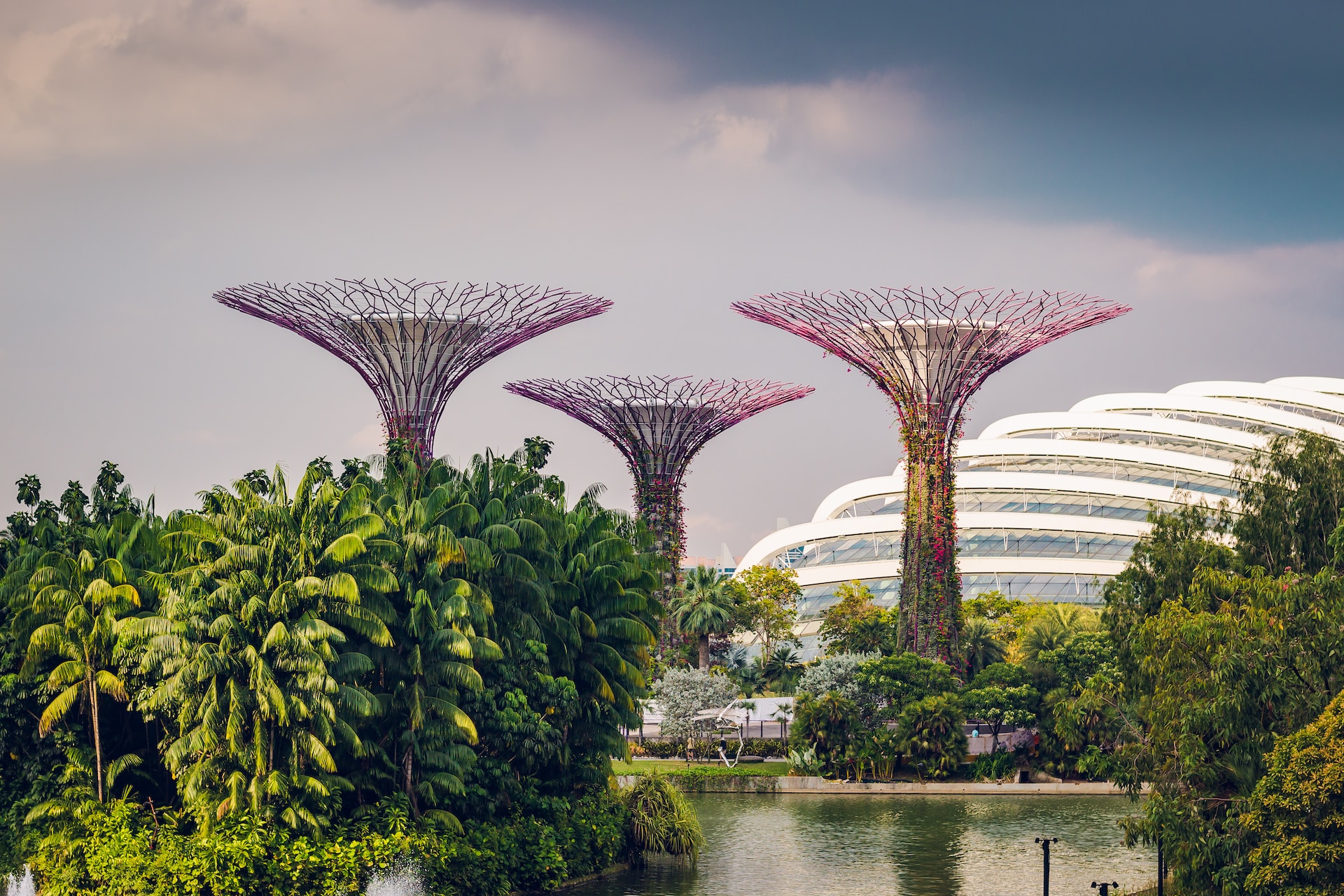
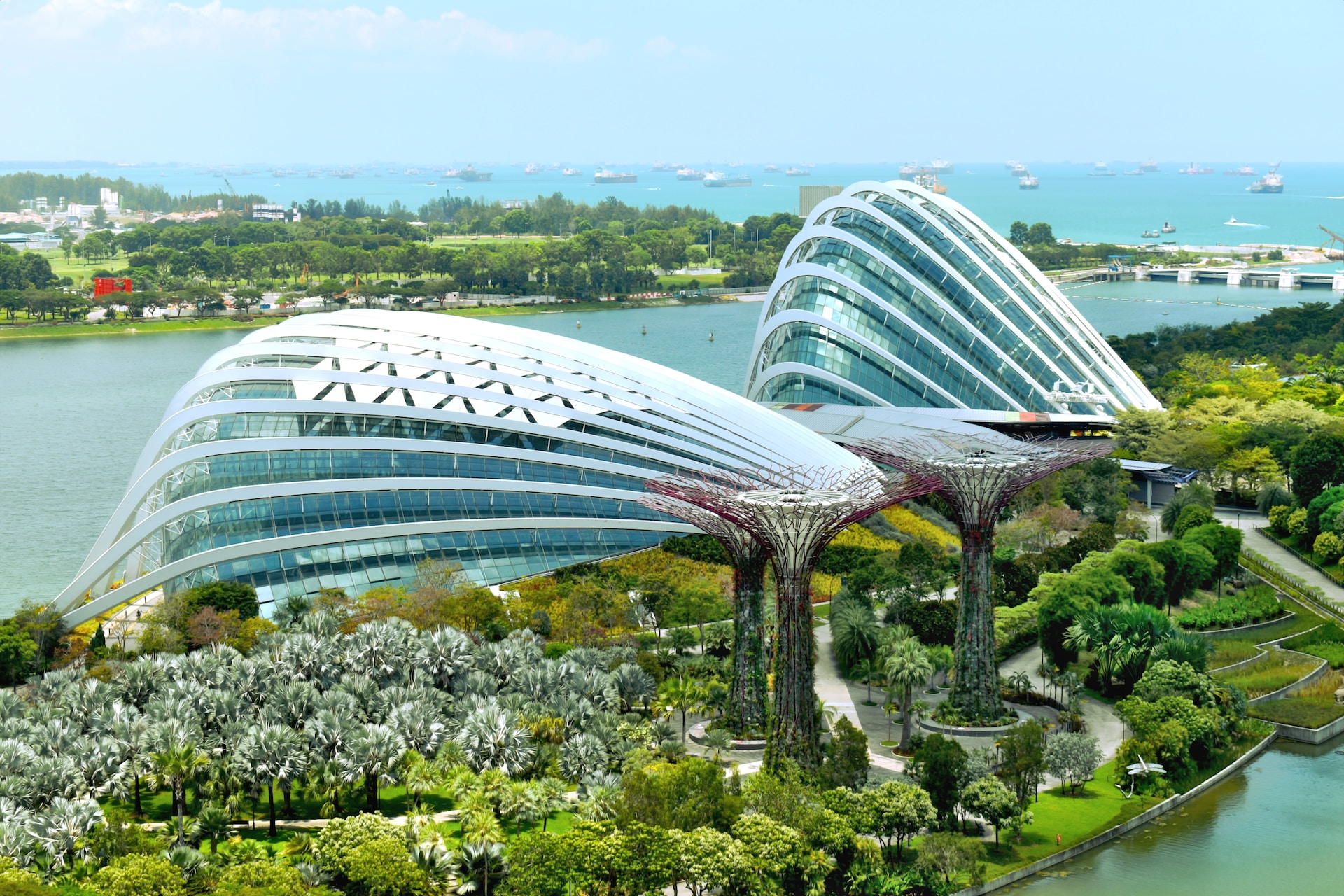
The Gardens by the Bay project is a case displaying an outstanding vision in the context of urban planning and design. Being supported by arguably the largest cooling system with automated climate control, the project creates optimal conditions for diverse plant growth, garden cultivation, and management, successfully combining it with leisure functions like daily light and sound shows, events, dining, and retail spaces…
The iconic Supertrees, being an inherent part of the whole masterplan maintained by the Cooled Conservatories, present sustainable vertical gardens with integrated water and energy management that allows for the creation of a pleasant microclimate. The superstructures are illuminated at night using sustainable lighting powered by photovoltaic cells, reducing dependence on traditional energy sources. In addition, smart irrigation systems intelligently manage water usage based on real-time data. This promotes efficient plant care and conservation efforts. Meanwhile, digital engagement tools provide visitors with informative content and engaging information, enhancing their overall park experience.
This all makes even more sense when considered from the perspective of changing climate conditions in urban areas, which escalate the temperature difference between rural and more urbanized areas by 7 degrees Celsius in the case of Singapore.
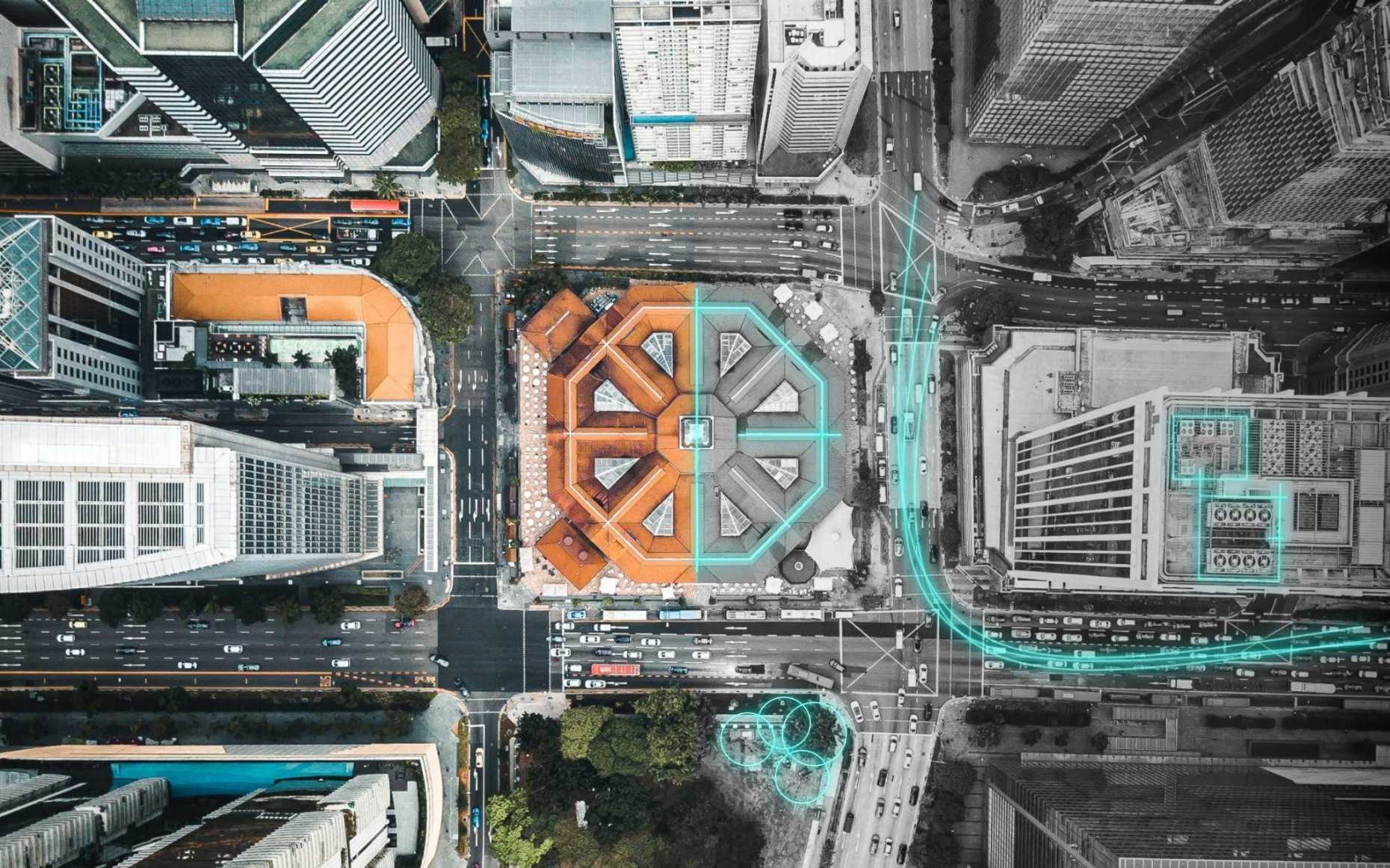
And while Singapore stays on top of its game in terms of innovation and technologies incorporated in the government and urban systems, the problem remains in the fact that when it comes to the built environment, it is still a challenge to understand and calculate the exact effects of the developing(-ed) tools as input data on the tangible structure(s) within the realm urban environment(s). To tackle that, Singapore is pushing forward a project by Cooling Singapore, a government-based initiative founded in 2018 to tackle the effects of climate change, that concentrates on creating a digital replica or “twin” of the city-state’s urban environment.
Developed with urban planners and researchers, Digital Urban Climate Twin (DUCT) utilizes advanced computational urban modeling, data analytics, and simulation technologies to simulate and analyze various aspects of urban climate and environmental conditions in an existing urban context. Such a comprehensive modeling and simulation tool will ease collaboration among government agencies, research institutions, and industry partners, as well as allow for a proper and more in-depth evaluation of the efficiency of the project and the possible consequences of design decisions and planning (geometries of the buildings, transportation lines, insulation (energy)…).
In conclusion, by harnessing the power of digital technologies and smart solutions, city-states versatile initiatives contribute to building a smarter, more resilient, and sustainable version of Singapore, further solidifying its position as a leading example of smart city development.
