


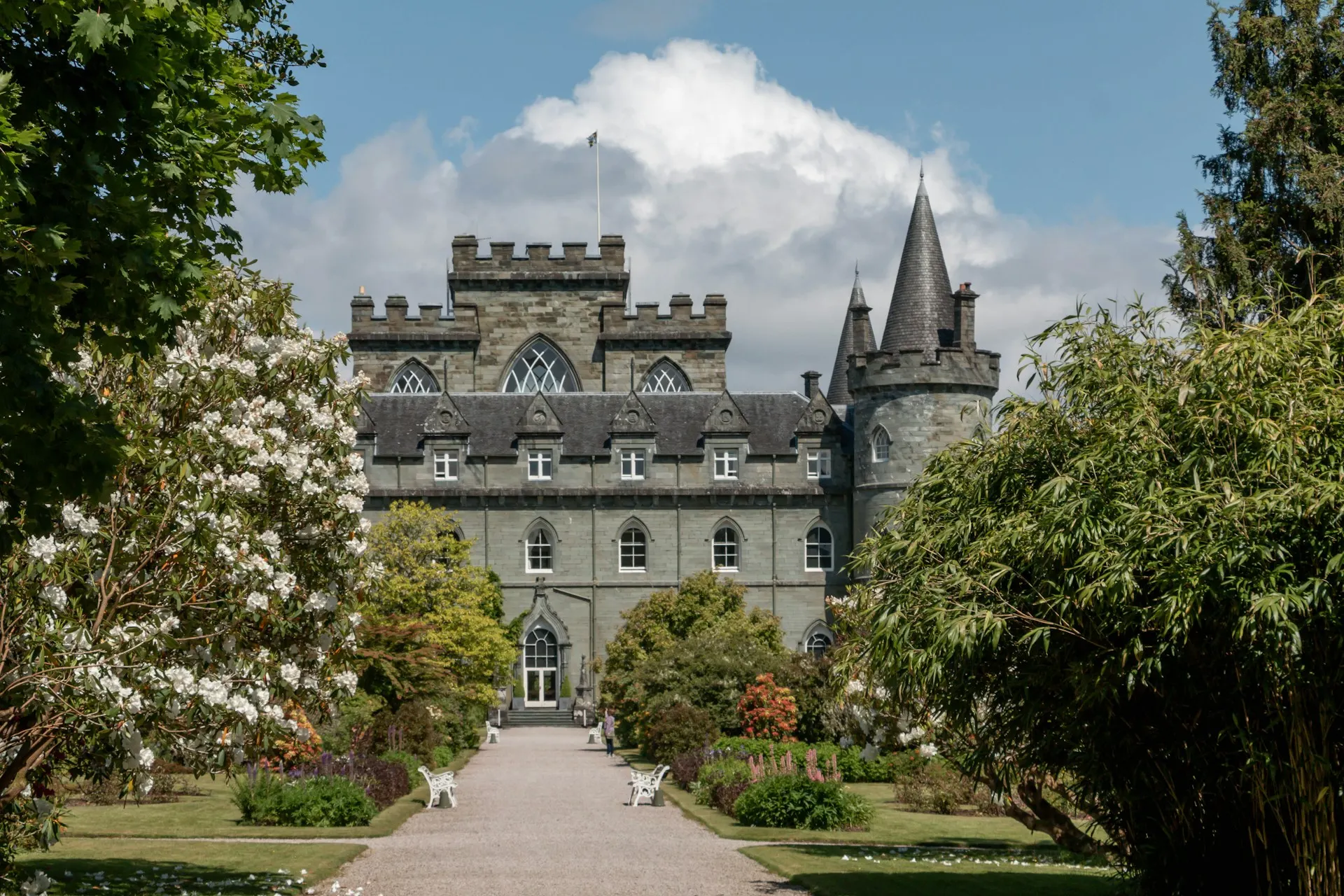
European medieval architecture, spanning the Romanesque and Gothic periods, has left an indelible mark on the architectural world. From the grand cathedrals of the Middle Ages to the intricate craftsmanship seen in civic buildings, these styles not only defined a distinct era but also laid the groundwork for architectural evolution in the centuries that followed.
Let’s explore how the principles, forms, and materials of European medieval architecture influenced and inspired the development of modern styles, creating a lasting legacy that still resonates in contemporary design.
The Influence of Geography on European Architecture
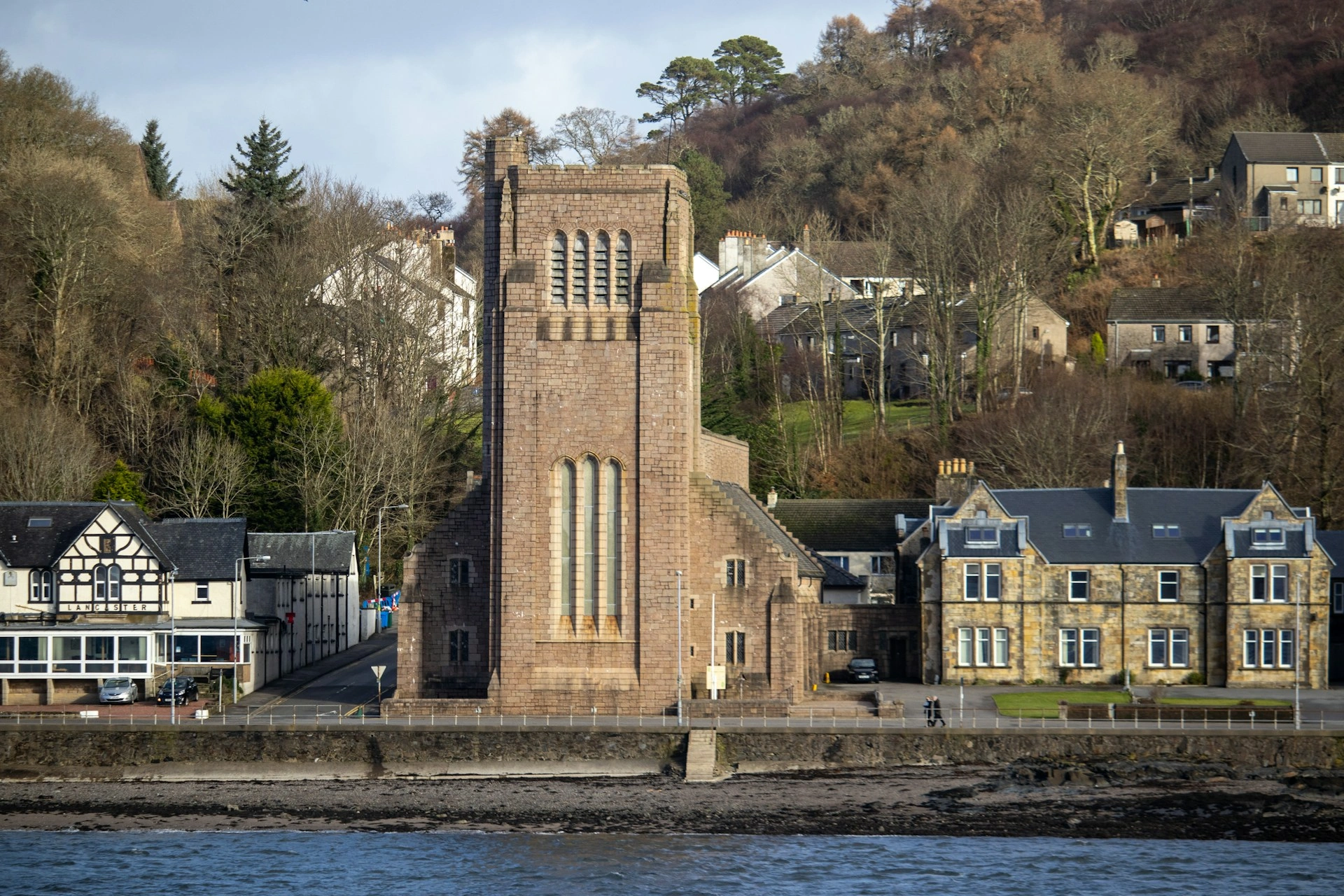
The natural characteristics of architecture often reflect a region’s geographical location. In Europe, diverse climatic conditions led to architectural elements like steeply pitched roofs, thick walls, open courtyards, or large windows, depending on the location.
By observing these details, one can identify the exact location of a European city. Mediterranean buildings feature flat roofs, thick walls, and open courtyards, while Scandinavian and British Isles buildings have pitched roofs designed to shed rain and snow.
Classifying European Architecture: Three Major Periods
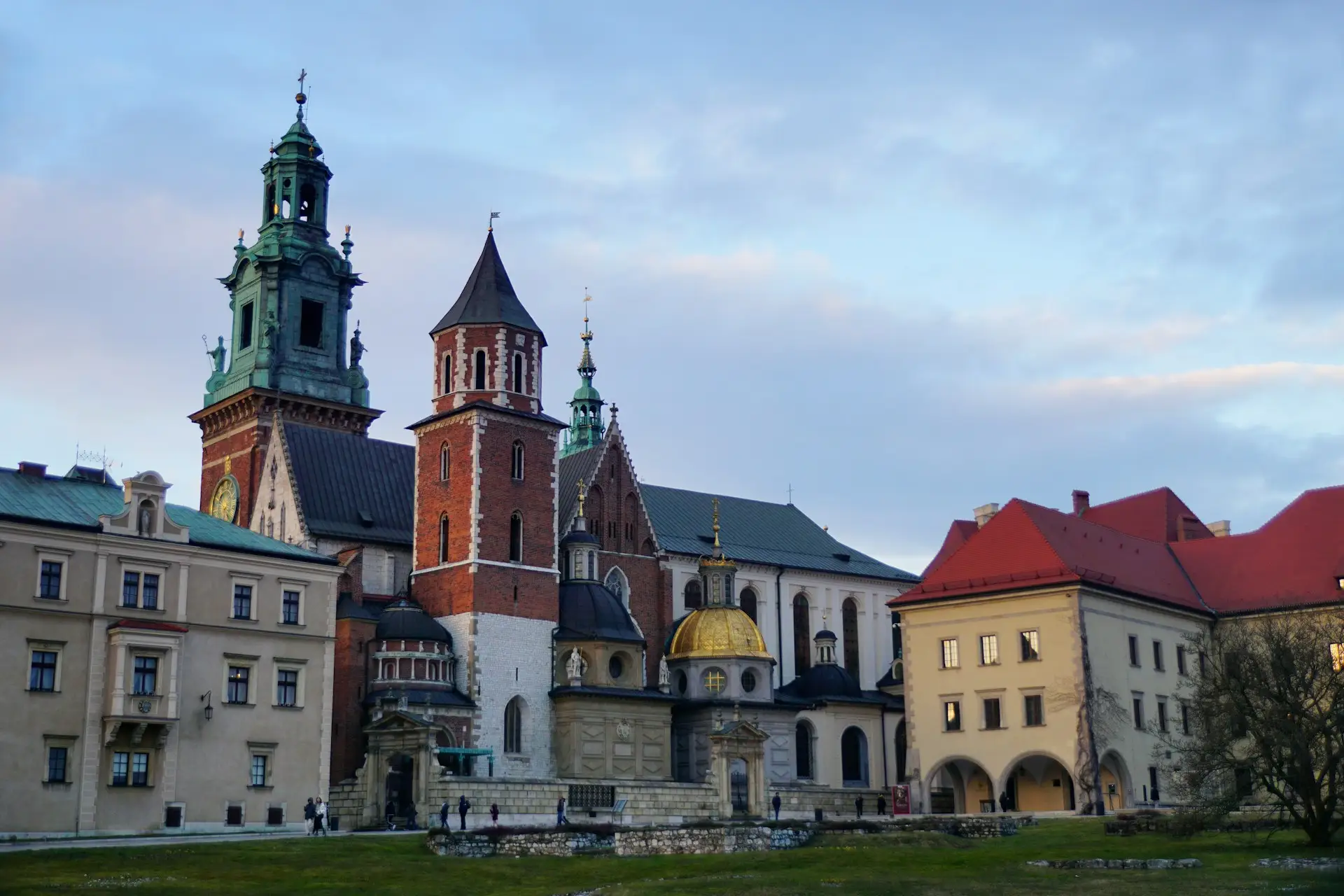
European architecture can be classified into three periods:
- Early Ages
- Middle/Medieval Ages
- Revival or Modernism
The Medieval period, also called the Middle Ages, spans the 6th to 16th centuries. Romanesque architecture dominated from the 6th to the 12th century, followed by Gothic architecture from the 13th to the 16th century.
While these two successive periods share a common history, their construction techniques, materials, and design details differ significantly. In the following sections, we will explore the aesthetic elements and planning principles behind each architectural style.
Romanesque Architecture
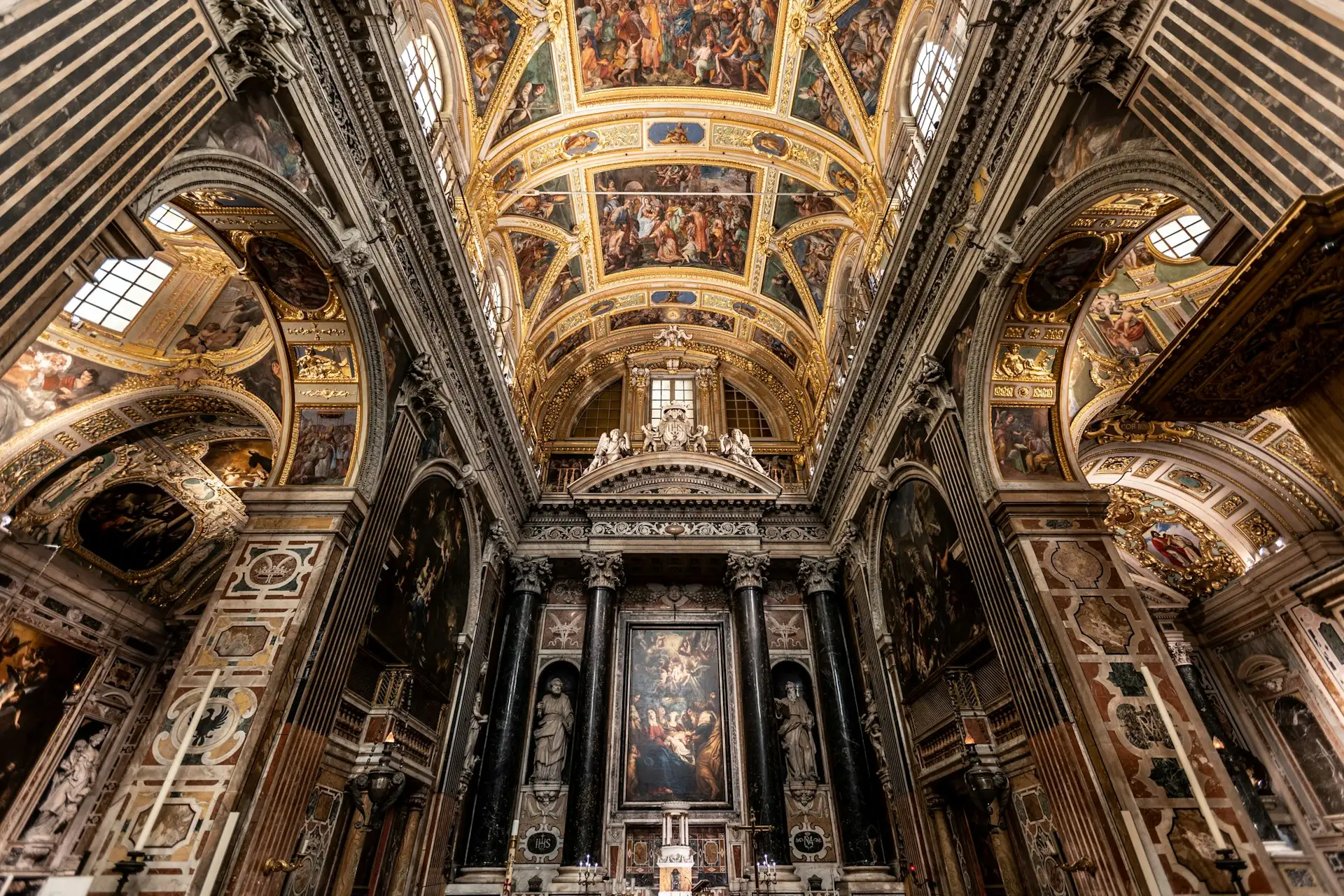
Romanesque architecture reimagined ancient Byzantine and Roman forms, blending classical grandeur with innovative techniques to create a distinct regional style. This phase, which flourished around the 1000s, contributed to the European skylines we see today with awe-inspiring structures and rounded arches.
The Romanesque style evolved from Roman, Byzantine, Carolingian, and Ottonian traditions, influencing countries like Germany, Italy, France, and Spain. These majestic, durable designs range from churches to political buildings. Over time, intricate, locally inspired elements were added to the initially minimalistic style.
Defining Features of Romanesque Architecture
Round Arches: Characterized by half-circle arches, often used in entrances and window frames. These arches distributed structural loads across the massive structures, adding order and balance.
Barrel and Groin Vaults: Romanesque buildings often featured vaulted roofs, which allowed more light into the interiors. Groin and barrel vaults, extensions of rounded arches, created dramatic and magnificent ceiling patterns.
Thick Fortress-Like Walls: Built from sturdy materials like stone, brick, wood, limestone, and mortar, Romanesque structures were known for their thick, light-colored walls that brightened the interiors.
Small Windows: To maintain structural strength, windows were small and limited in number, creating dim interiors. Clerestory windows and grouped narrow windows allowed light in while preserving the grandeur of the stone walls.
Intricate Decorative Elements: Limestone carvings often depicted scenes from the Bible or local life, showcasing the craftsmanship of the era.
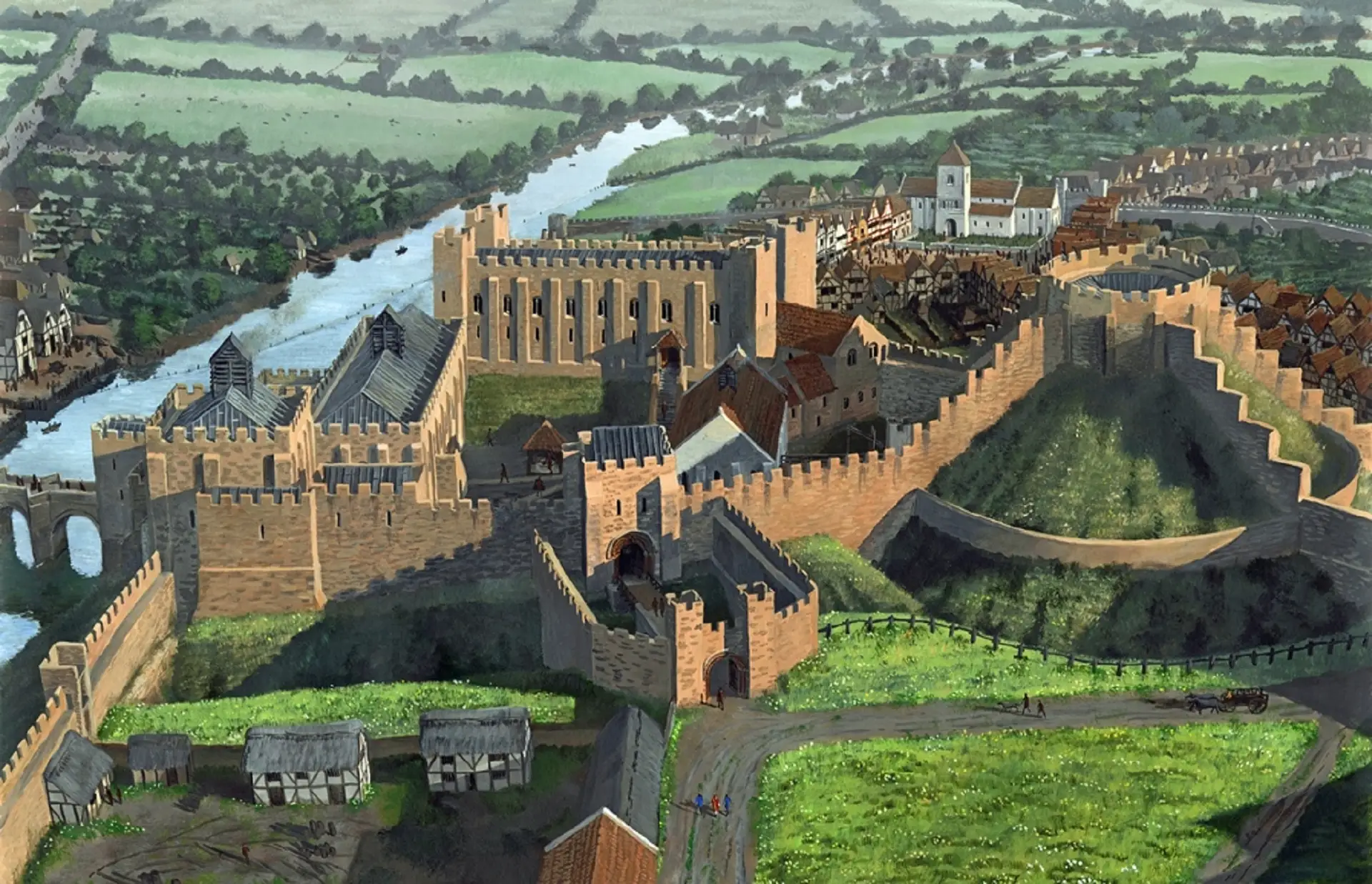
For example, Durham Castle in England is a prime example of Romanesque architecture, notable for its fortress-like design. Built to protect the region from Scottish invasions, its interiors are adorned with vibrant paintings and carvings depicting religious scenes. This Romanesque structure marked the transition from wooden to stone buildings, a defining characteristic of the style.
Gothic Architecture
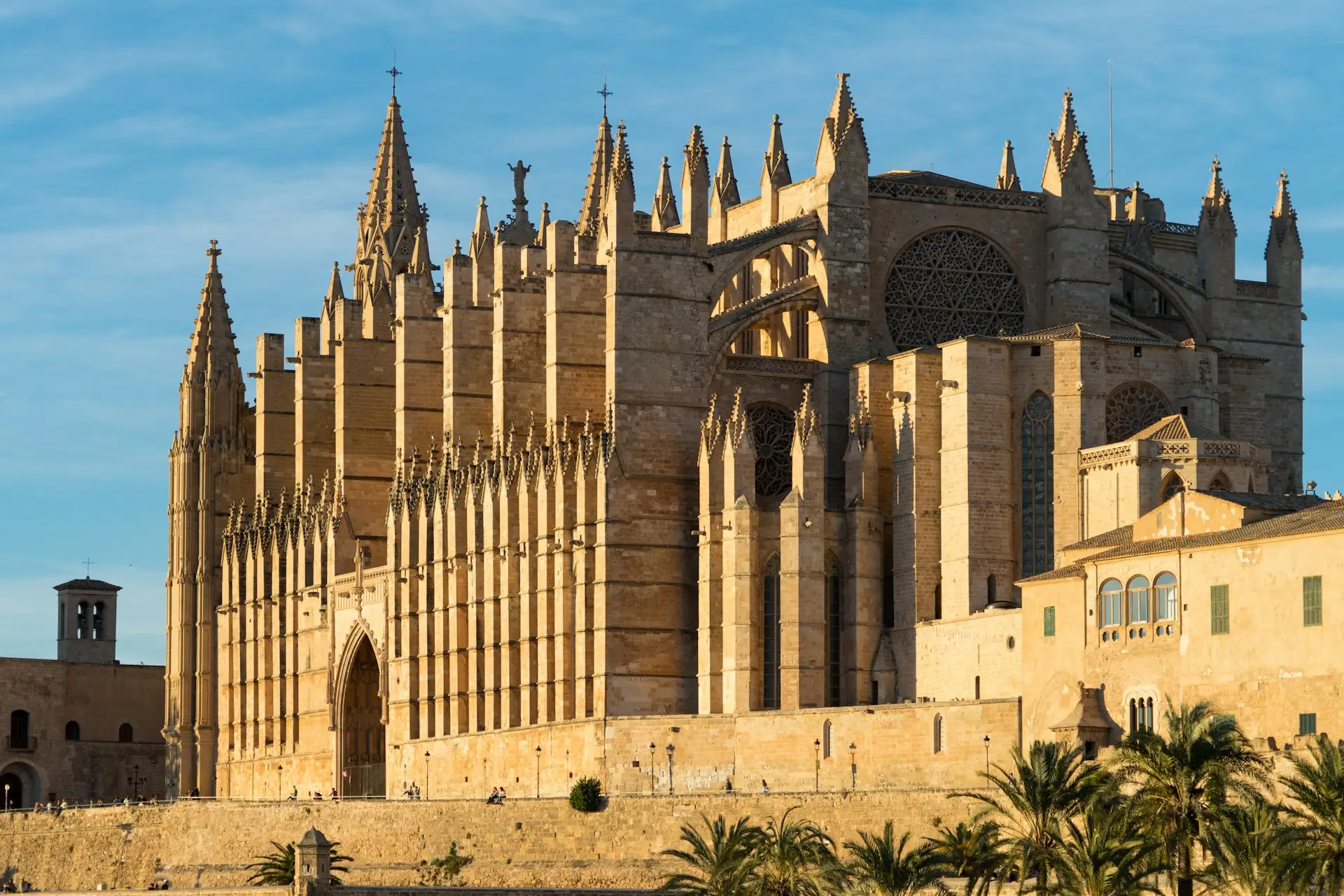
Gothic architecture, known for its stained-glass windows, pointed arches, and flying buttresses, contrasts sharply with Romanesque architecture. Flourishing between the 12th and 16th centuries, Gothic architecture introduced structural experimentation, resulting in thinner walls, larger windows, and monumental cathedrals.
Key Characteristics of Gothic Architecture
Flying Buttresses: These exterior supports allowed for taller, thinner walls and helped distribute the weight of the roof.
Pointed Arches: Unlike the rounded Romanesque arches, Gothic architecture featured pointed arches that provided additional structural support.
Ribbed Vaults: These intersecting pointed arches created a crisscrossed pattern, adding strength to the structures.
Stained-Glass Windows: The development of ribbed vaults and flying buttresses enabled the construction of large stained-glass windows, creating a mystical atmosphere within Gothic churches.
Ornate Decorations and Gargoyles: Gothic buildings were known for intricate sculptures, including historical figures and gargoyles, which added both aesthetic and symbolic value.
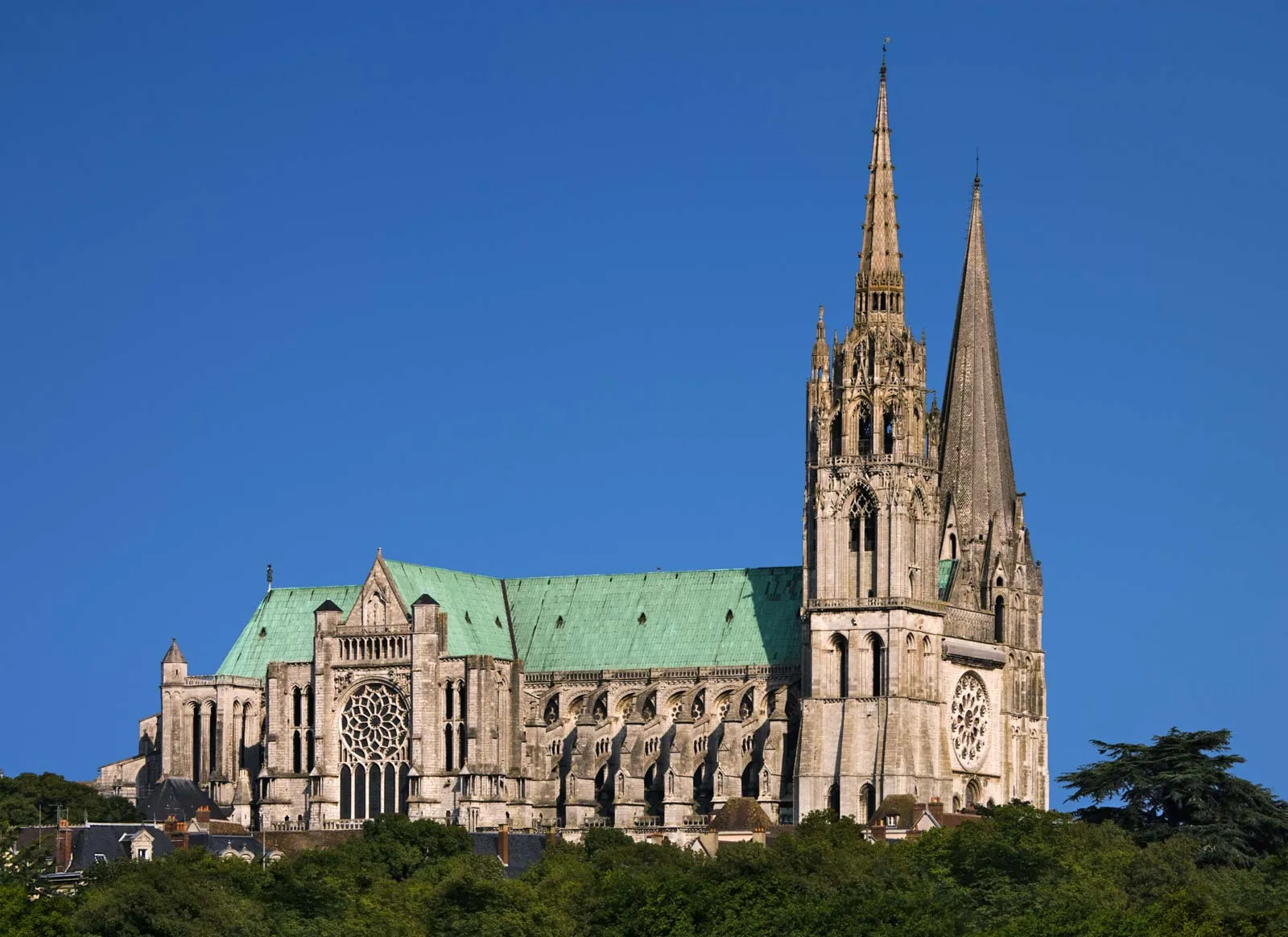
For instance, Chartres Cathedral in France is one of the most spectacular examples of Gothic architecture. Built between 1194 and 1220, the cathedral boasts soaring pointed arches, ribbed vaults, and flying buttresses. With 167 stained-glass windows, it remains a testament to Gothic innovation.
The Influences of European Medieval Architecture

Romanesque and Gothic architectural styles introduced several innovations that laid the foundation for later styles. Rounded arches, barrel vaults, and thick stone walls defined the Romanesque period, while Gothic architecture featured ribbed vaults, flying buttresses, and large windows.
These styles influenced Renaissance architecture (15th–17th centuries), where proportion and geometry echoed medieval techniques. Later, Baroque architecture (17th–18th centuries) embraced the dramatic, dynamic qualities of Gothic spaces with more ornate detailing.
Medieval craftsmanship in stone masonry and decorative elements shaped the aesthetic quality of later styles, leaving a lasting legacy on Europe’s architectural landscape.
The Lasting Legacy of European Medieval Architecture

European Medieval Architecture holds a unique place in history, bridging the gap between ancient classical and modern styles. Romanesque architecture emphasized functionality and stability, while Gothic architecture transformed religious and civic buildings with innovations like flying buttresses and pointed arches.
Today, remnants of both styles are evident in modern architecture and city planning, showcasing how medieval architecture continues to influence contemporary civic and urban spaces.
