

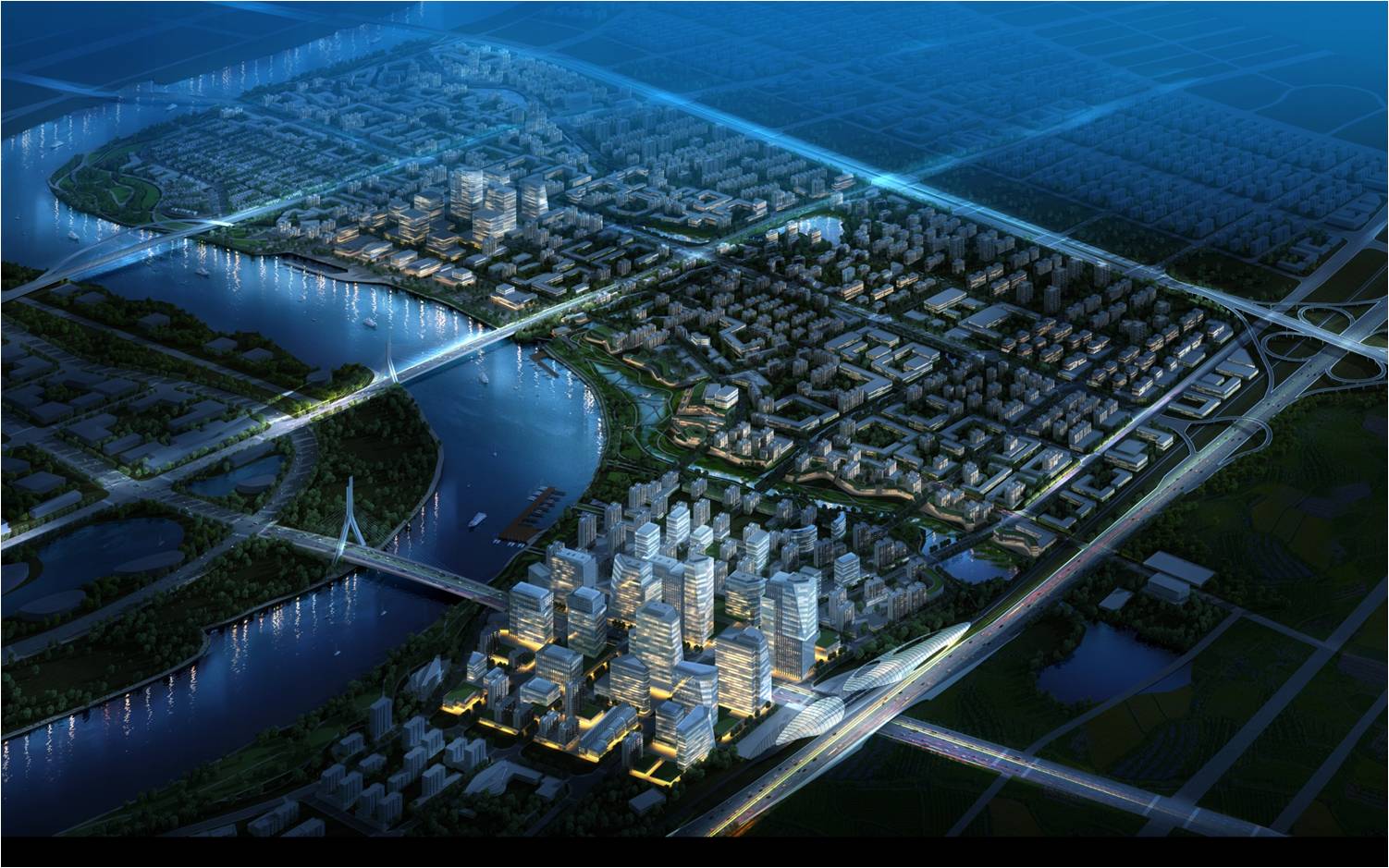
Cities are speedily evolving as hotbeds for growth and opportunities. People desire improved living standards, state-of-the-art infrastructure, better connectivity, and working conditions – all of which are available in cities. As a result, the rate of population influx in urban areas is rising. While rapidly growing cities are a good problem, it is important to plan and direct their growth in an organized manner. For this purpose, studying everything that impacts a city’s day-to-day functioning and its people is essential. Technology-driven data collection, modeling, and analysis are effective ways to do that.
What is Parametric Technology?
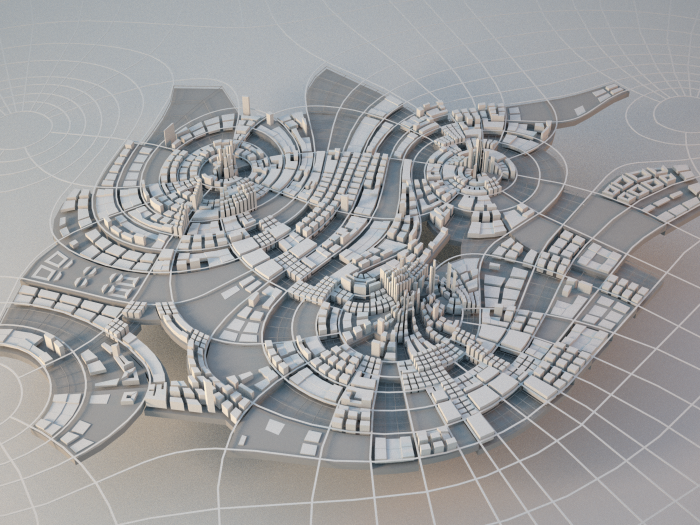
To provide for a growing city’s tangible and intangible needs, architects, city planners, urban designers, policymakers, and civic authorities can leverage parametric technology. It involves developing algorithms using computational tools and softwares to determine the form and structure of built space. With the help of an algorithm developed, the parameters and rules so developed determine the relationship between the “design intent” and the “design response.”
What is Parametric Urbanism?
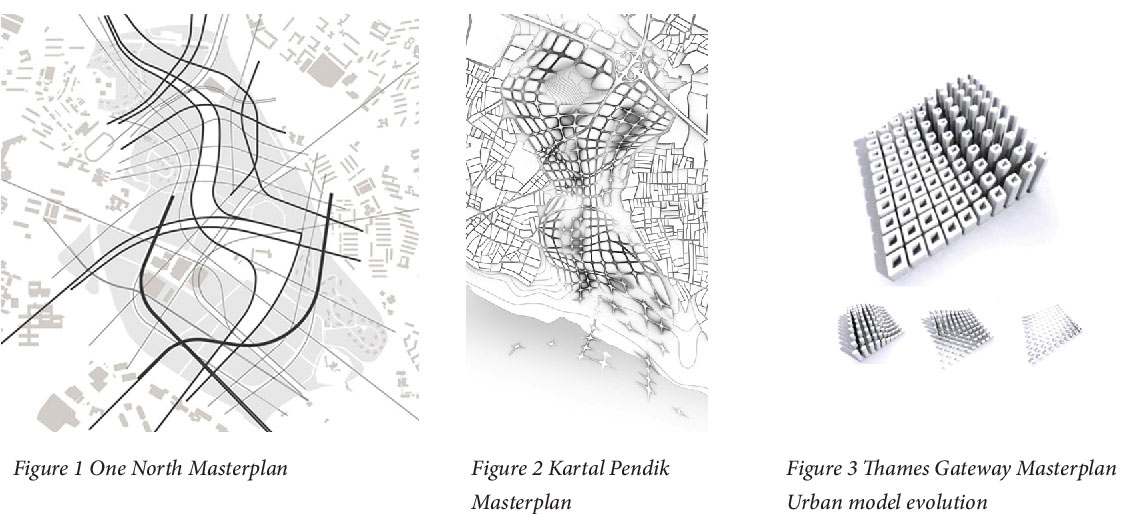
Urbanization is complex. It involves multiple layers of interest and development. Parametric urbanism involves developing or regenerating an urban area based on the algorithmic understanding of every element that constitutes the city. Parametrics can help future cities to be high-performance, sustainable, and adaptive. The beauty of parametric urbanism is that it can be used for everything from ideating a city to correcting an urban-level issue and regenerating a city post-disaster.
Design and Planning Parameters of a City
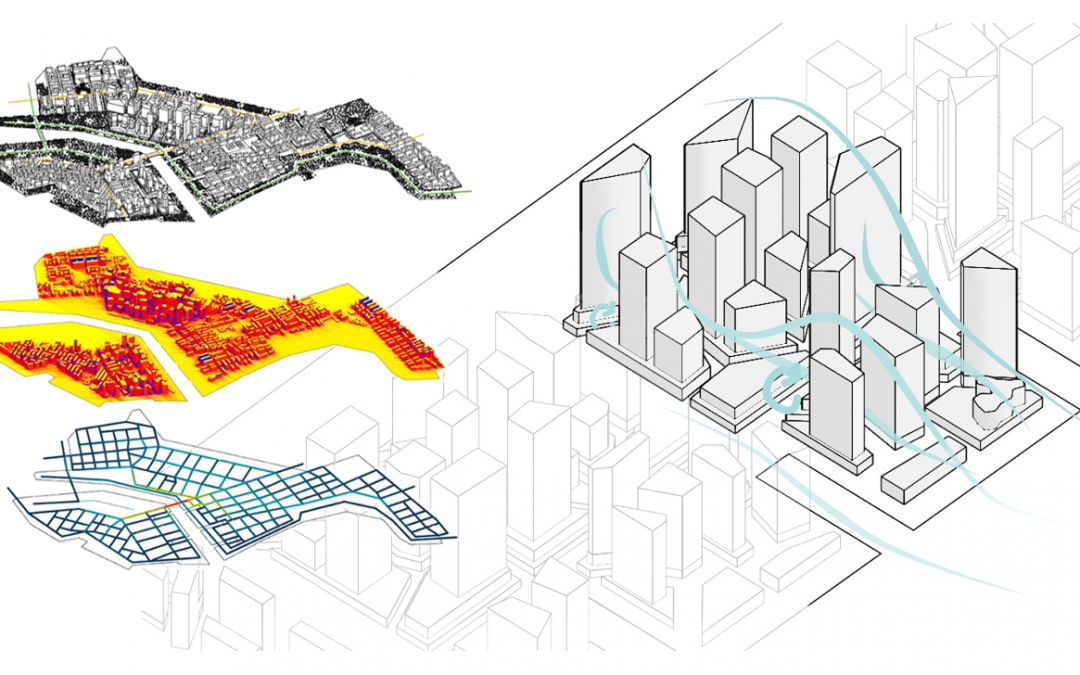
Developing a city involves an understanding of various urban parameters. Each parameter needs to be investigated and developed individually and in relation to other parameters in order to test its feasibility. Below are the key parameters that bring a city together to keep it up and to run.
- Spaces for living, working, and recreation
- Transportation
- Density of population
- Availability of daylight and sunlight
- Access to wind and views
- Neighborhood development
- Function-based zoning
- Public spaces
- Landscape and nature
- Use of materials
- Influence of culture
- Sustainability
How Does Parametric Approach Helps City Development?
A parametric approach to developing cities helps design them with a futuristic vision. One of the key reasons major cities’ prevailing infrastructure and urban design is failing is their outdated systems. A parametric approach can help address this issue by designing future-ready, technologically-relevant cities and well-equipped with resources.
Improved Infrastructure
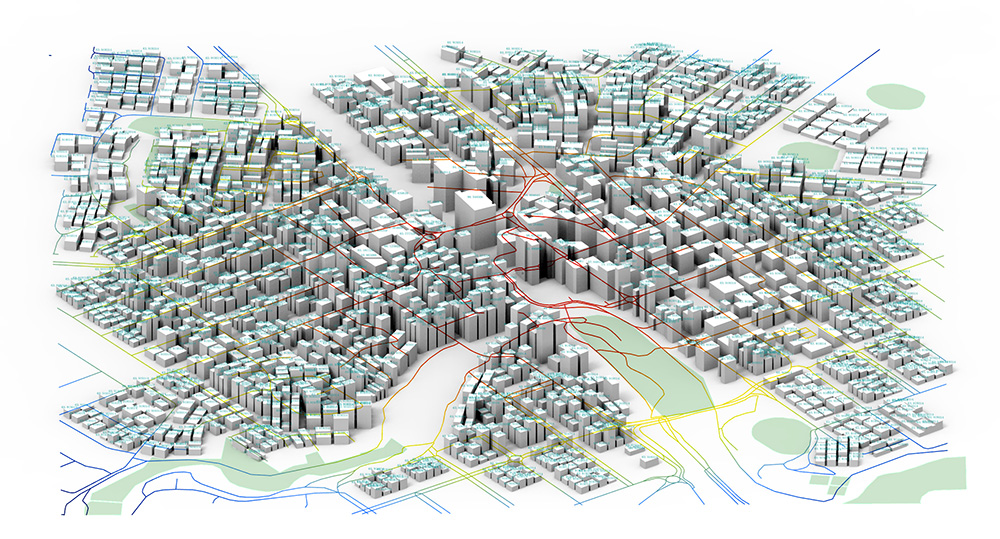
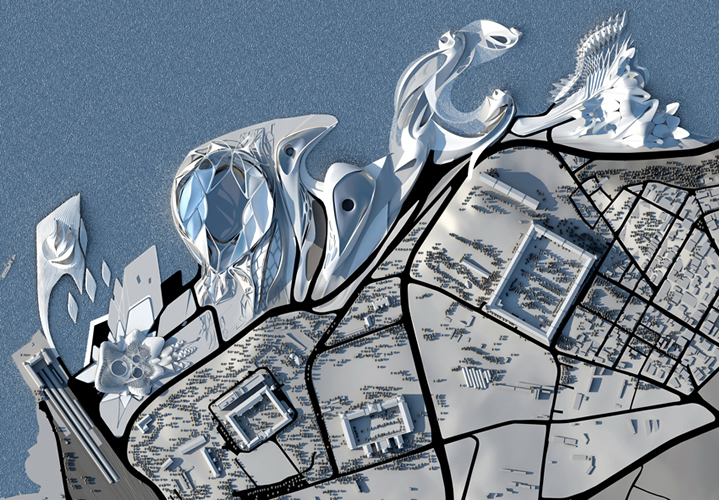
Traffic networks depend highly on the landscape, public health, and land ownership. Every city needs to have a meticulously designed grid of highways, roads, paths, nodes, and public avenues. Parametric tools provide the ability to experiment with city infrastructure and transportation plans. Urban designers can identify bottlenecks that may occur due to increased traffic and vehicles. The roads’ width and the multi-modal transit systems’ feasibility can be studied under varying traffic flows and timings. This understanding allows transport planners to develop road grids and street hierarchies while creating traffic management systems. The use of parametric approaches can lead to the development of dense, functional, and people-centric cities that are resilient, healthy, and flexible.
Save Time in Planning
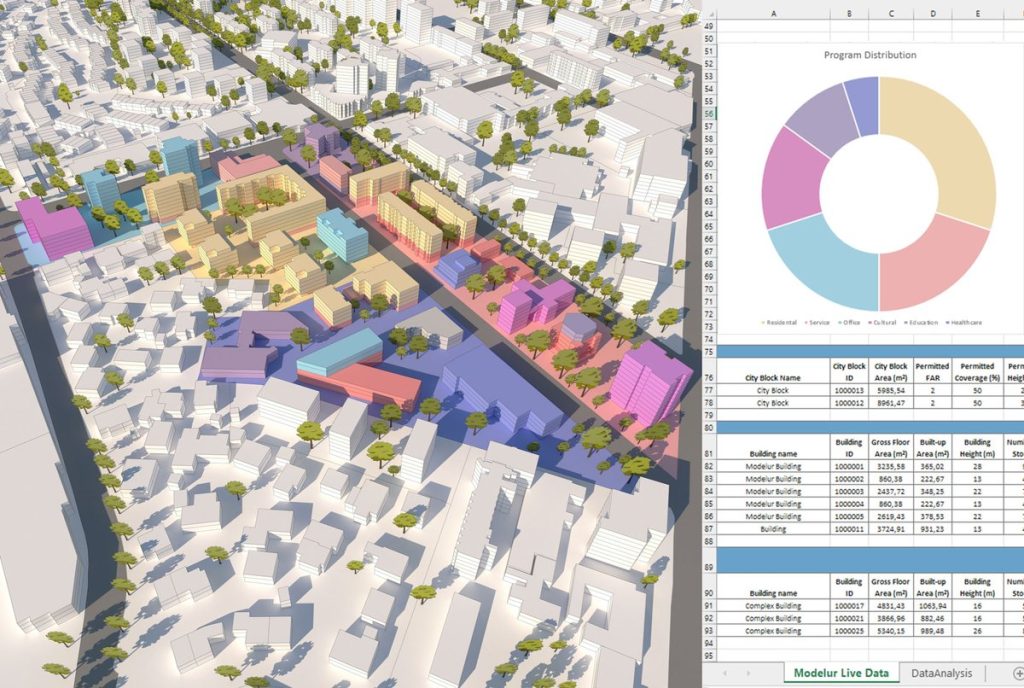
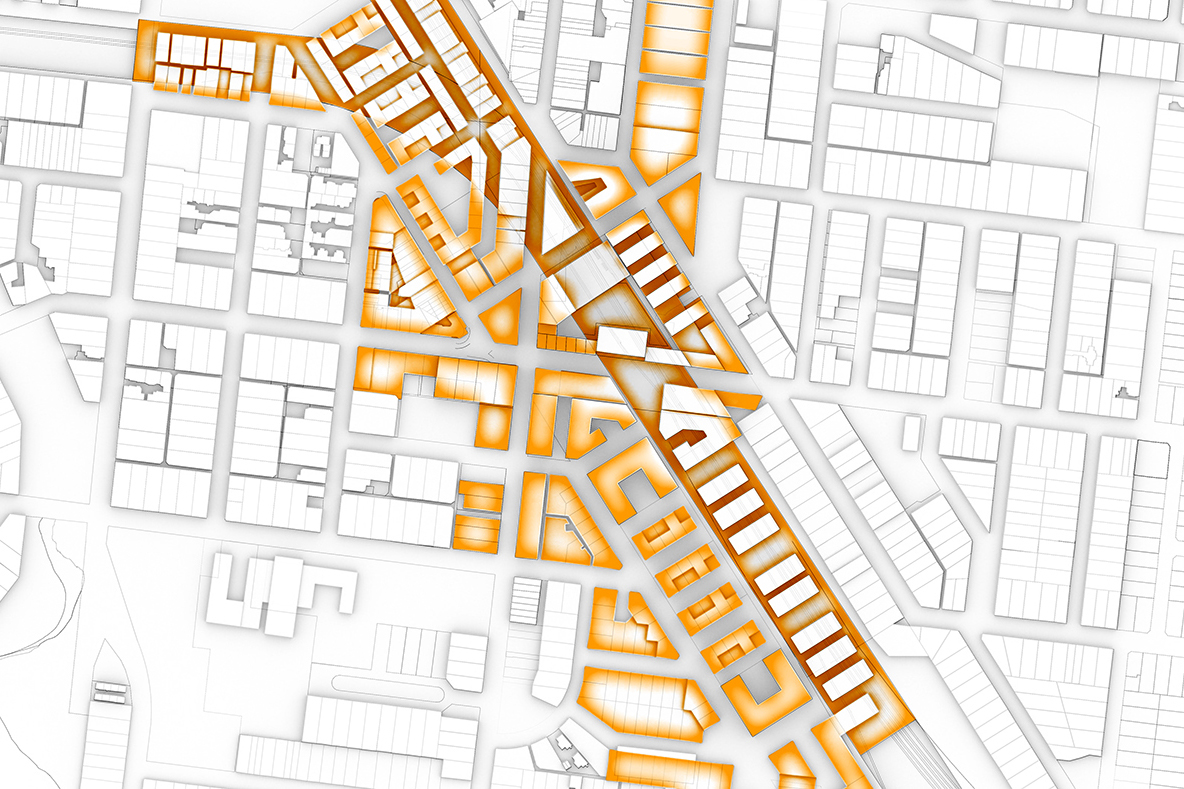
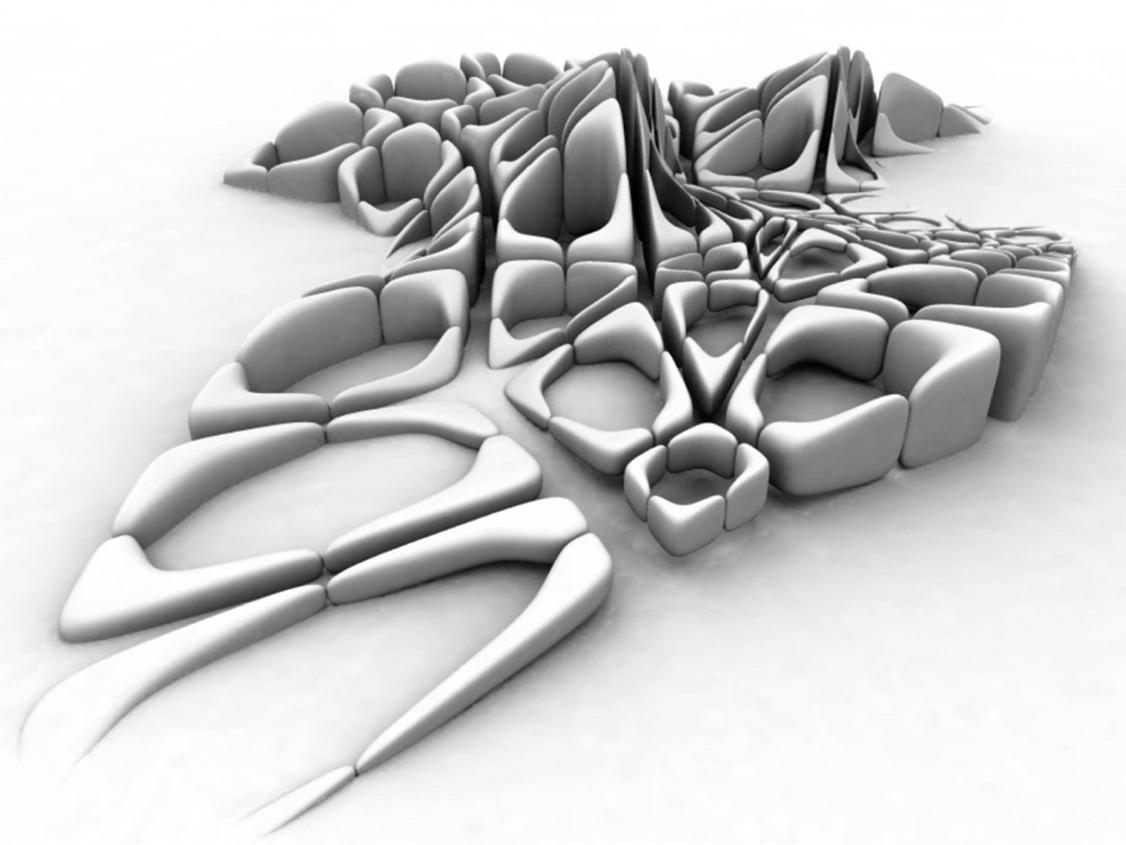
Adopting a parametric approach to city planning can help pre-test the results of a design proposal without investing time and money to build the physical model. Using parametric tools, urban designers can explore various built forms, zoning, building typologies, and neighborhood planning options. It can help in understanding open-to-built ratios, Floor Area Ratio (FAR), Gross Floor Area (GFA), building heights, space occupancy, and the number of dwellings and parking units. Parametric tools such as Modelur provide all the values and calculations to save the time invested in manual work. It also has a built-in survey feature that allows designers to visualize the post-construction impact of a work-in-progress building by considering future environments.
Less Scope for Error
Accuracy in design is the primary benefit of parametric technology. Algorithms derived from real-time data help create an impeccable foundation for urban infrastructure and construction activities. A lot of computational experimentation and testing leaves little room for error in the real world. Urban designers can explore the long-term environmental impacts of building materials and forms and choose them wisely. The quality of construction can be tremendously improved and speeded up by analyzing the correct material compositions and ratios. Used appropriately, a parametric approach can reduce costs, improve building performance, and clarify a project’s environmental and socio-economic concerns.
An Exemplary Parametric Urban Design Project
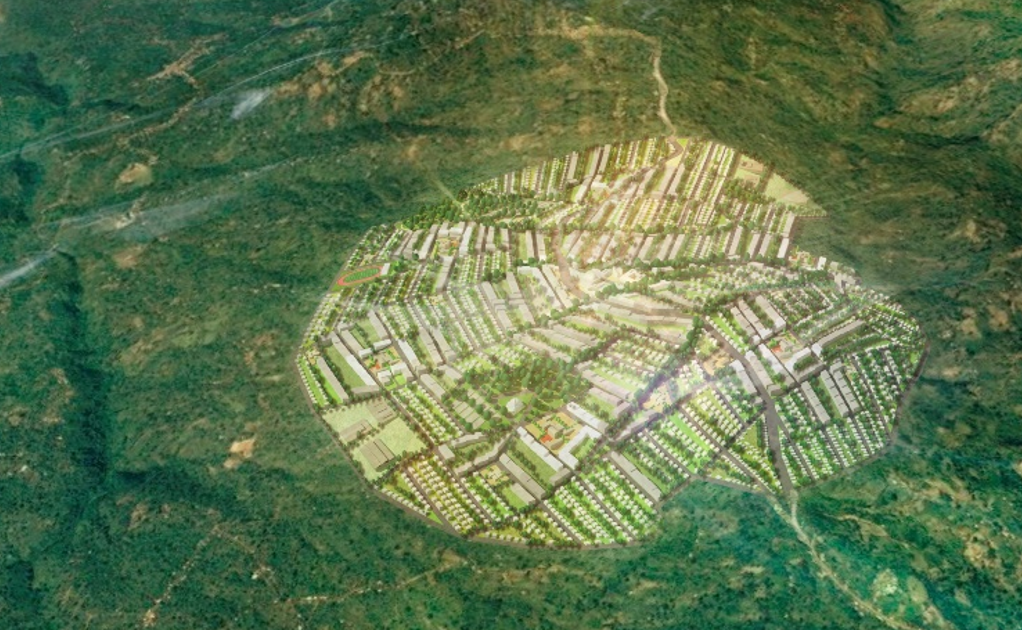
SynCity 2020 is a collaborative effort between Bauhaus University, Weimar, and EIBAC that focuses on developing futuristic urban planning tools with the help of a parametric approach. Both organizations believed that traditional urban planning frameworks will cease to be relevant in the near future due to the rapid evolution of cities. As a result, the project was aimed to explore urban spatial structures in the light of computational design strategy.
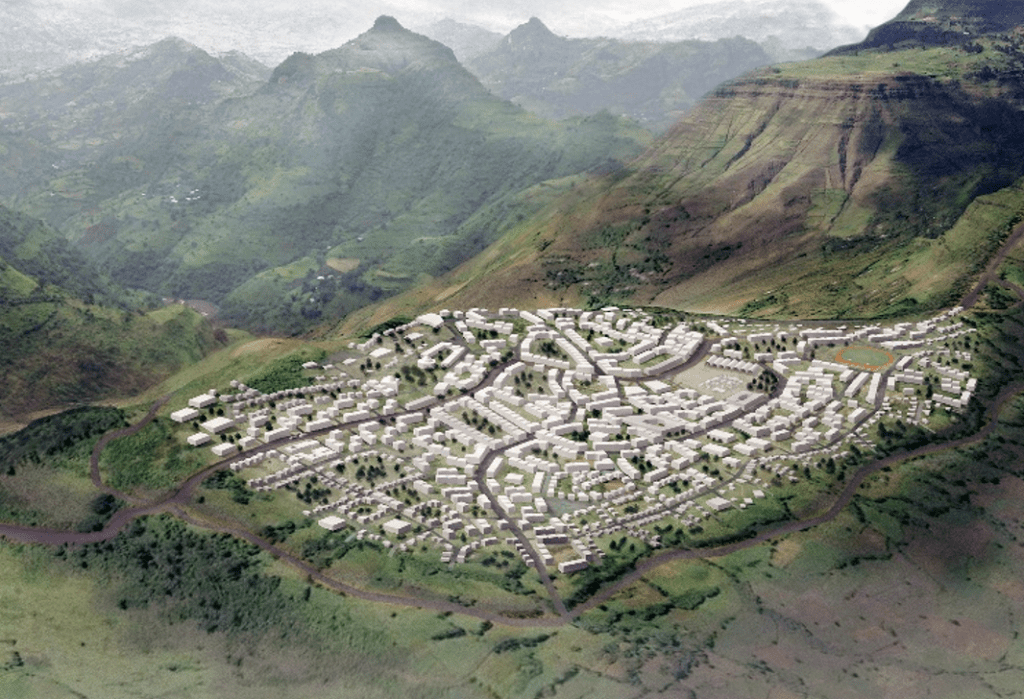
The vision for SynCity 2020 was to develop an urban area that adapts to changing urban environments and integrates the perspective of the urban population. The plan aimed at synthesizing a set of design rules derived from the city’s lives and interactions rather than abstract geometric forms.
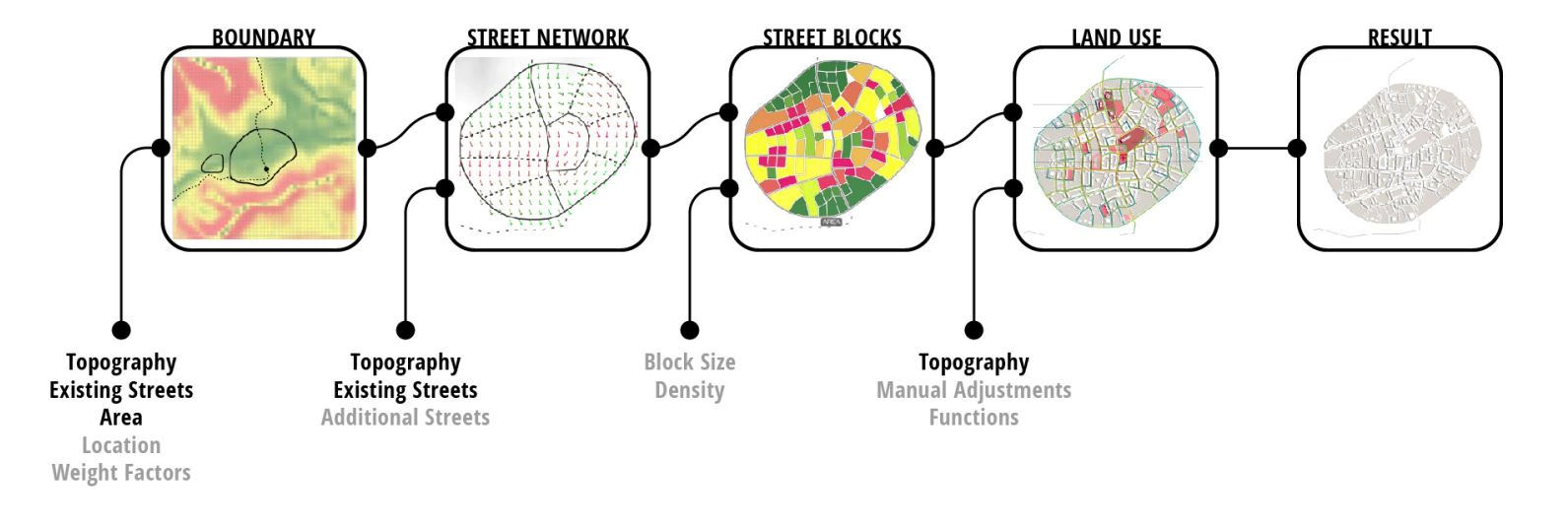
Consequently, a site for SynCity 2020 was chosen in Habeshaville that fulfilled the criteria of connectivity, infrastructure, and land terrain. An optimized street network was proposed based on the terrain morphology that helped prevent water erosion and avoid steep streets. The proposed twins consisted of 4 housing typologies ranging from complex mixed-use multi-story buildings to simple individual housing units adjacent to agricultural lands. Public buildings, open spaces, and other facilities were distributed using well-defined rules based on the algorithm study and site visits.
Summing it Up
Cities are dense entities that require an impeccable understanding of people, culture, and movement. Therefore, a parametric approach to city planning can help improve the quality of life a city provides to its people. Adopting parametric technology in urban development projects can provide the opportunity to rethink cities as a multitude of processes that humanize planning through technology.
Parenthetically, If you are curious to dive deeper into parametric design and social innovation, you can check out the Parametric Design as a Catalyst for Social Innovation workshop by PAACADEMY.
