

On June 10, 1926, Antoni Gaudí passed away in Barcelona after being struck by a tram a few days earlier. The architect was 73 years old and had spent the final years of his life almost entirely devoted to the construction of the Sagrada Família, the church that would become his greatest masterpiece. His death marked the end of an extraordinary career, but not the end of his influence.
Born in Catalonia in 1852, Gaudí studied architecture in Barcelona and went on to become one of the most important figures of the Catalan Modernisme movement. While many architects of his time followed established styles and rules, Gaudí chose a different path. He drew inspiration from nature, religion, local craftsmanship, and the landscape around him. Curves replaced straight lines, colourful mosaics replaced plain surfaces, and buildings became works of art in themselves.
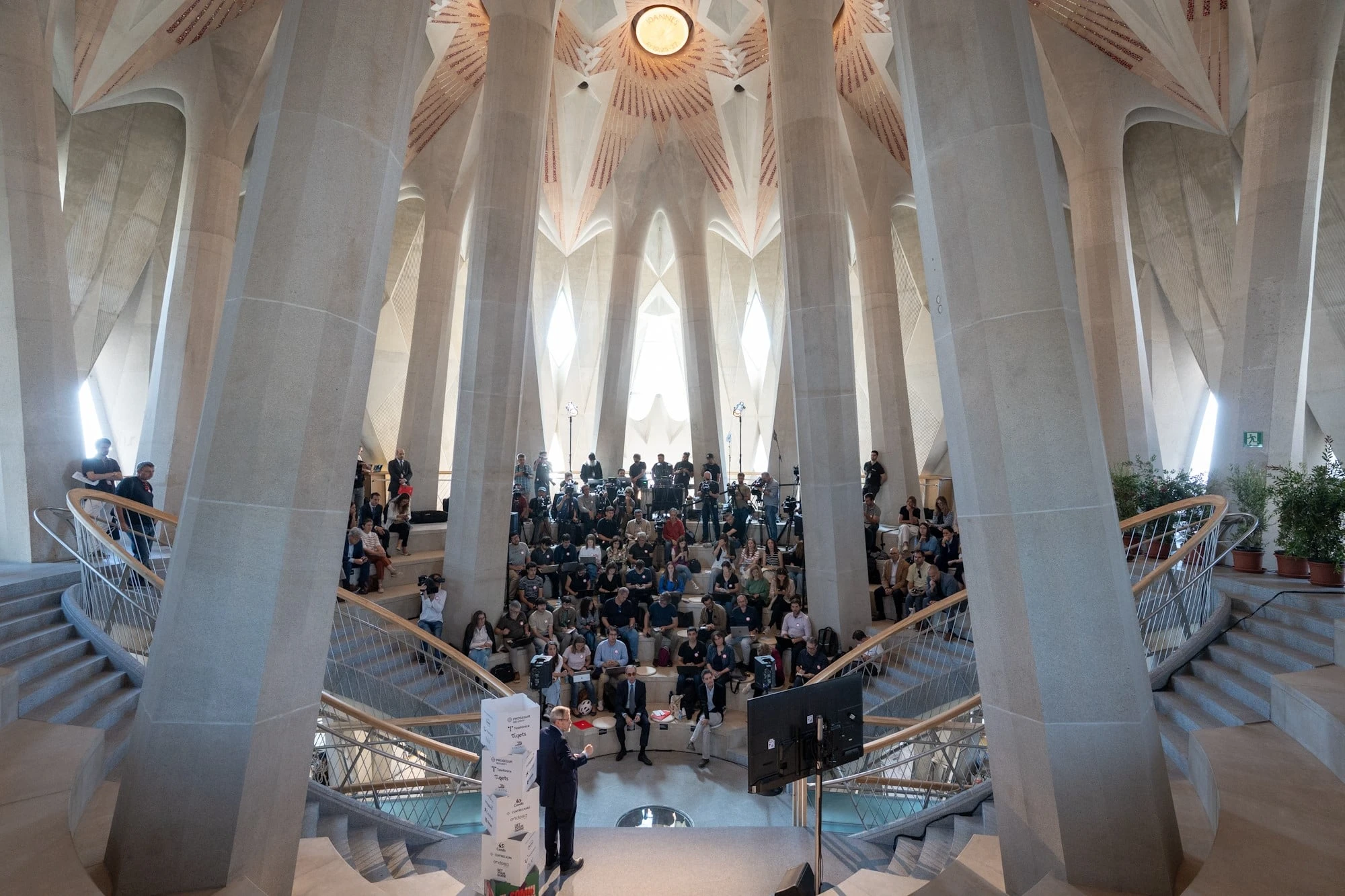
More than simply embracing ornament, Gaudí redefined what architectural maximalism could be. His designs fused artistic expression with structural innovation, proving that complexity and functionality could coexist. From the organic forms of Park Güell to the soaring geometry of the Sagrada Família, his work challenged conventional thinking and expanded the possibilities of architecture. Through this visionary approach, Gaudí transformed maximalism from decoration into a revolutionary architectural language that continues to inspire designers around the world.
Barcelona Marks 100 Years of Gaudí
The Gaudí Year 2026 marks the centenary of Antoni Gaudí’s death, and Barcelona is commemorating the occasion with an extensive city-wide programme of exhibitions, conferences, concerts, guided tours, projections, and cultural events. The celebrations coincide with Barcelona’s designation as the World Capital of Architecture 2026, placing Gaudí’s legacy at the centre of a year dedicated to architecture and design.
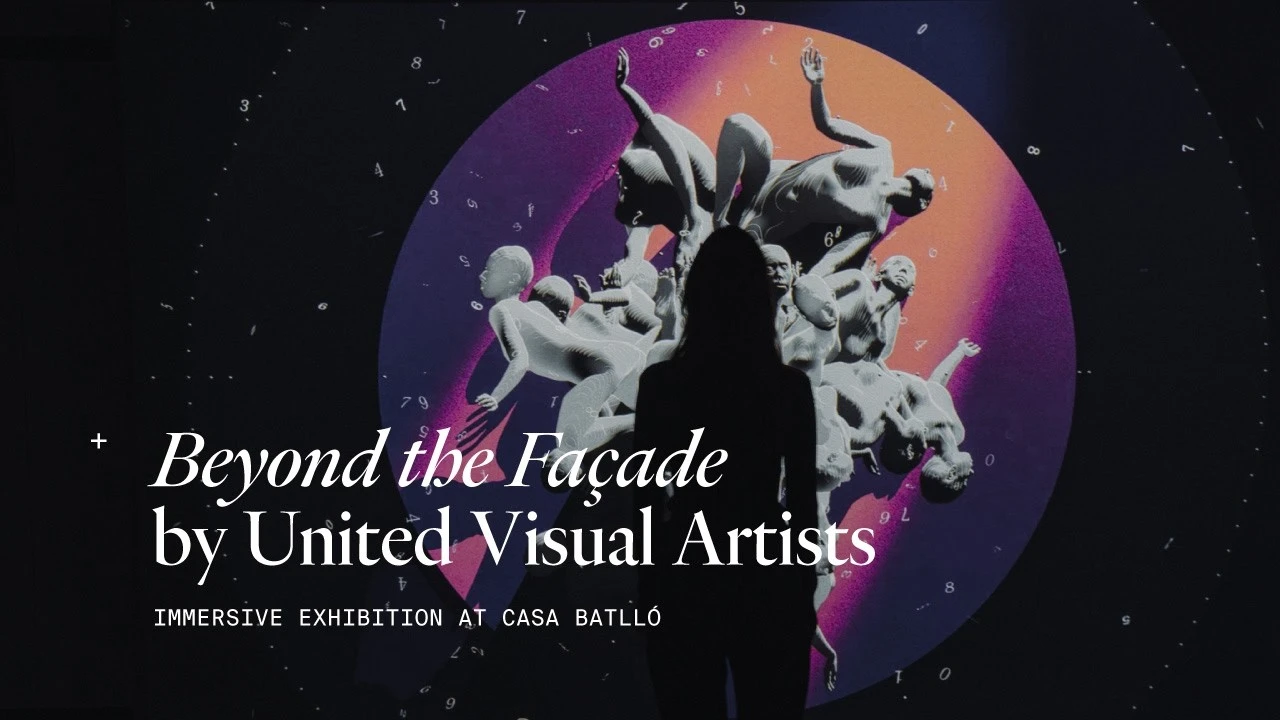
At the Sagrada Família, the inauguration of the Tower of Jesus Christ will take place. Rising to 172.5 metres, it will become the tallest church in Europe and the tallest building in Barcelona. The basilica has also planned a series of educational, musical, and religious activities throughout the year, including a commemorative mass on June 10, the exact centenary of Gaudí’s death.
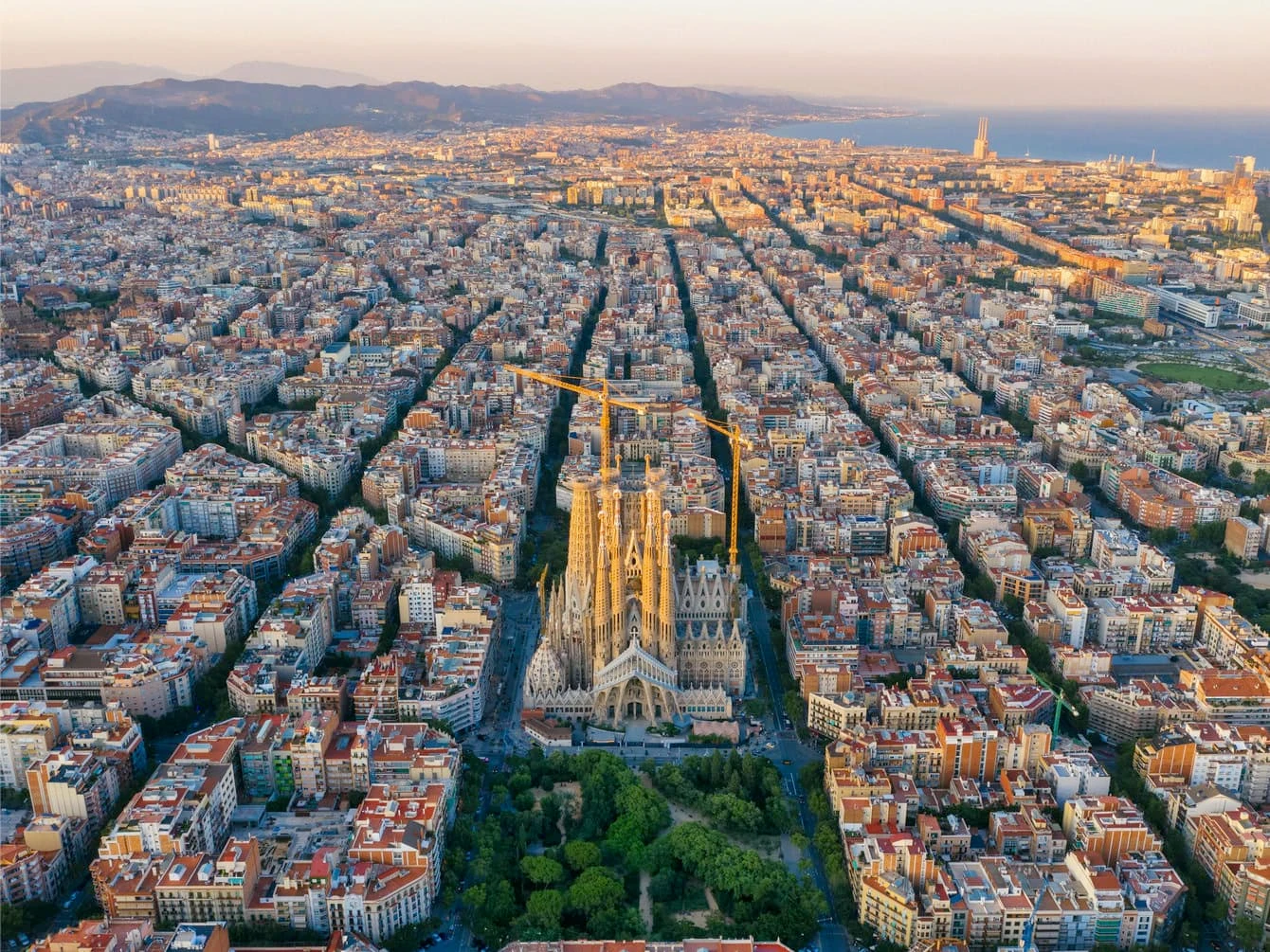
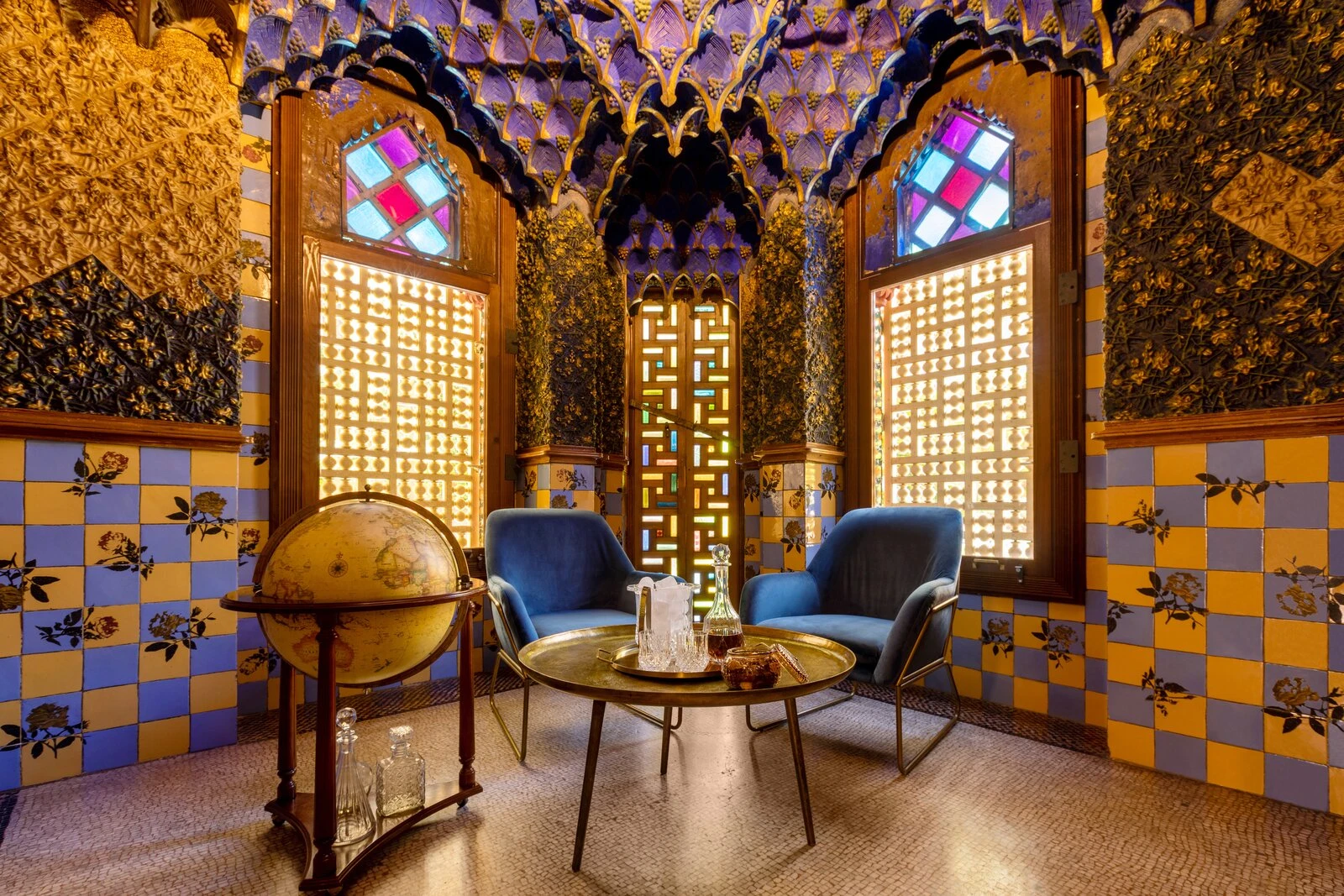
Casa Batlló is opening a new exhibition space that will debut with Beyond the Façade, an exhibition by the United Visual Artists (UVA) collective, exploring themes of light, darkness, and geometry inspired by Gaudí’s work. The house will also host Hidden Order, a large-scale projection mapping event that fascinated the architect throughout his career. At Casa Vicens, celebrations include the traditional feast of Saint Rita, a long-standing local custom connected to the property’s history, as well as the completion of the restoration of its fascinating smoking room.
One of the major academic highlights of the year will be the Gaudí International Congress, scheduled to take place at Casa Milà in June. Bringing together researchers, architects, and scholars, the congress will focus on new research and contemporary interpretations of Gaudí’s work.
Masterpieces of Antoni Gaudí
Gaudí once said, “The great book, always open and which we should make an effort to read, is that of Nature.” The following projects reveal how Gaudí’s philosophy took shape and why it continues to influence architecture today.
Church of Colònia Güell (The Crypt)
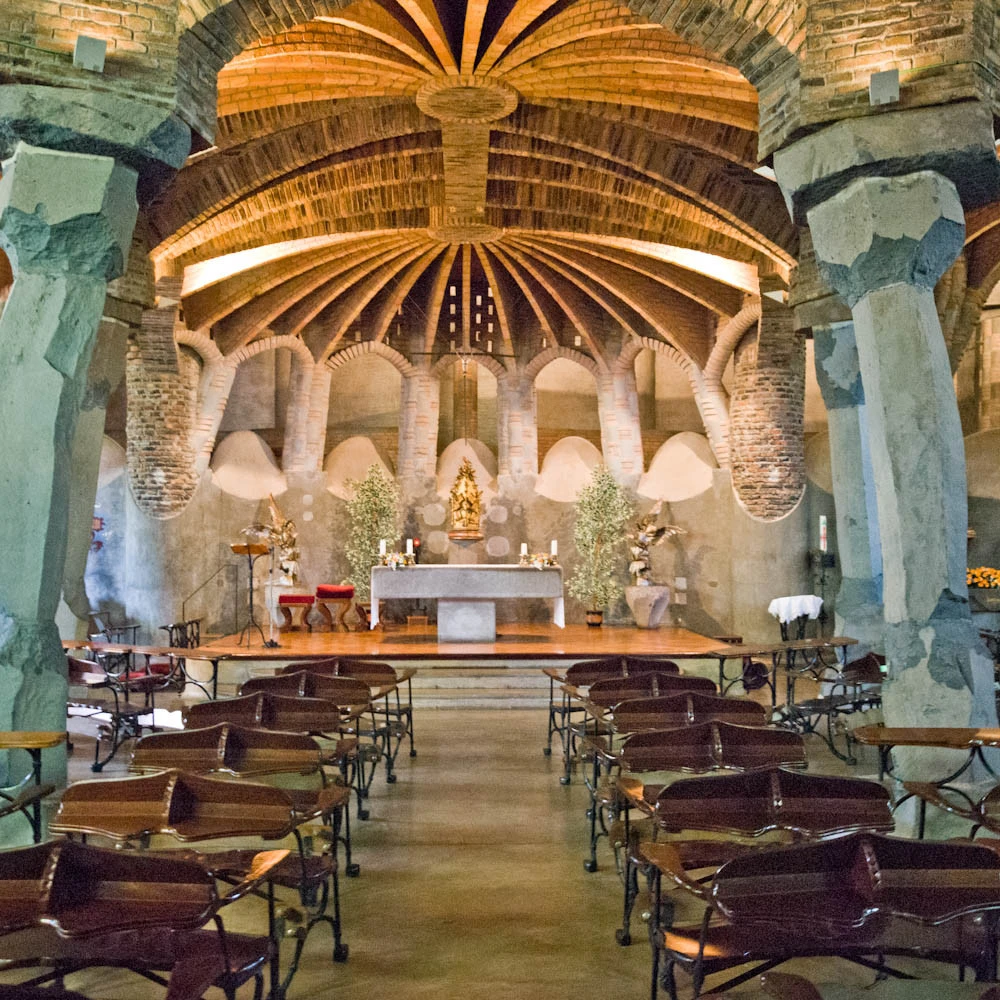
The Church of Colònia Güell, particularly its crypt, is one of Antoni Gaudí’s lesser-known works. Located on the outskirts of Barcelona, the project was commissioned as part of an industrial workers’ colony established by entrepreneur Eusebi Güell.
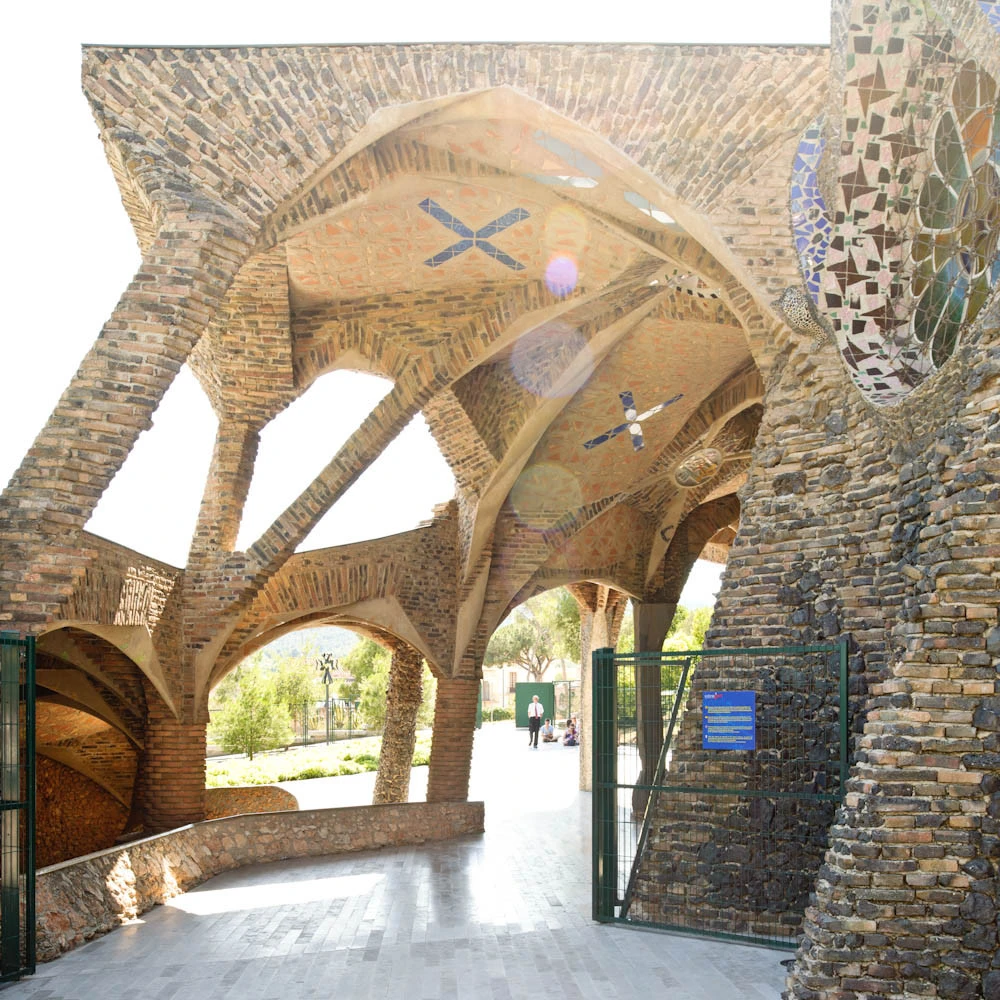
Although the church was never completed as originally planned, the crypt that was built is considered the architect’s experiment and a precursor to many ideas later seen in the Sagrada Família. The crypt embraces irregular forms, sloping columns, and organic geometries. Gaudí designed the structure using local stone and other materials, helping the building feel connected to the landscape. The columns tilt at different angles, creating movement while also supporting the structure more efficiently. The project is particularly important because it served as a testing ground for Gaudí’s structural innovations. He used hanging-chain models to study how forces moved through a building.
Casa Vicens
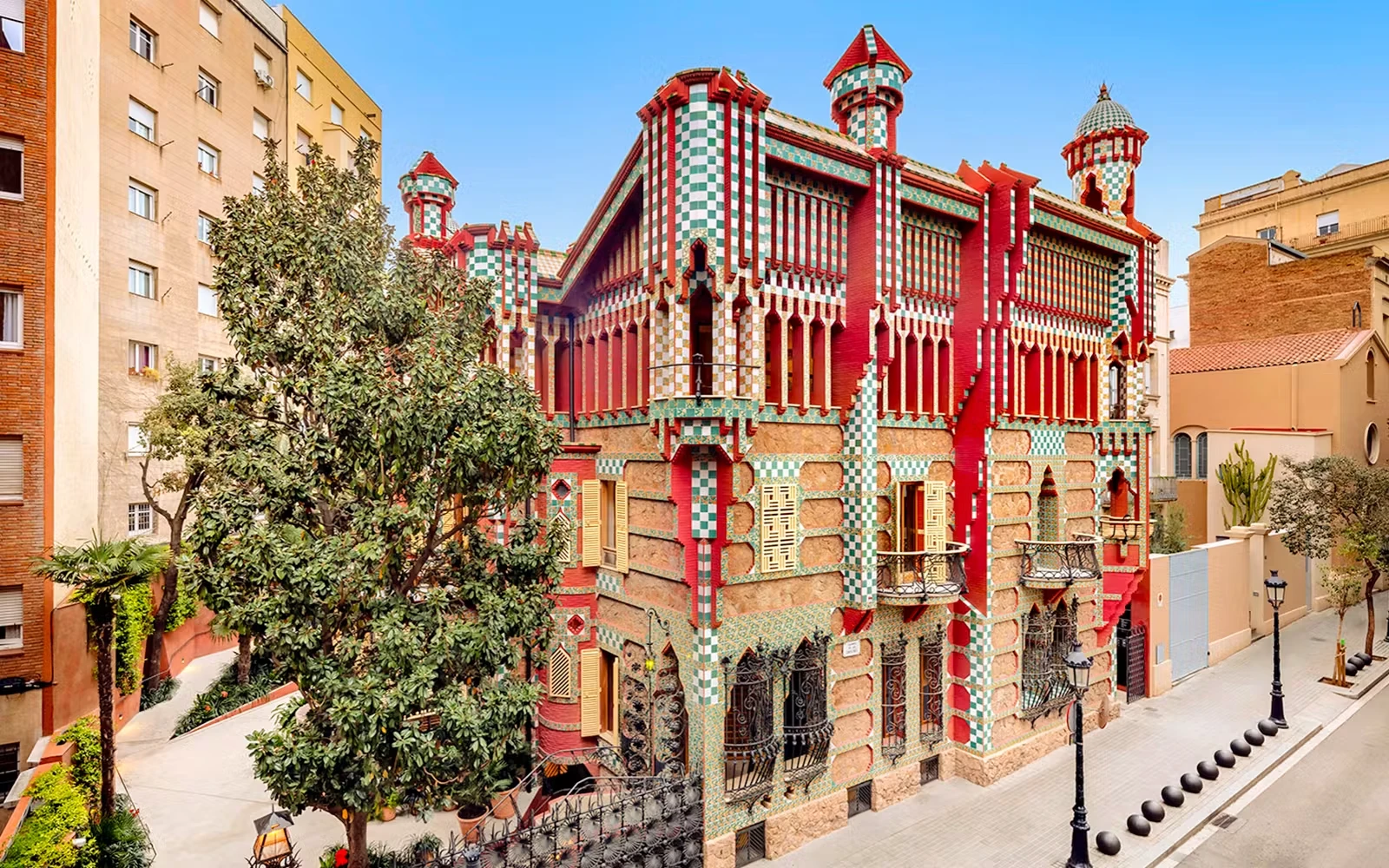
Completed in 1885, Casa Vicens was Antoni Gaudí’s first major commission. Originally built as a summer house for stockbroker Manuel Vicens, the building combines influences from Moorish, Islamic, and traditional Spanish architecture, resulting in a richly detailed facade covered with colourful ceramic tiles and decorative brickwork. Floral motifs appear throughout the design, inspired by the marigolds that once grew on the site.
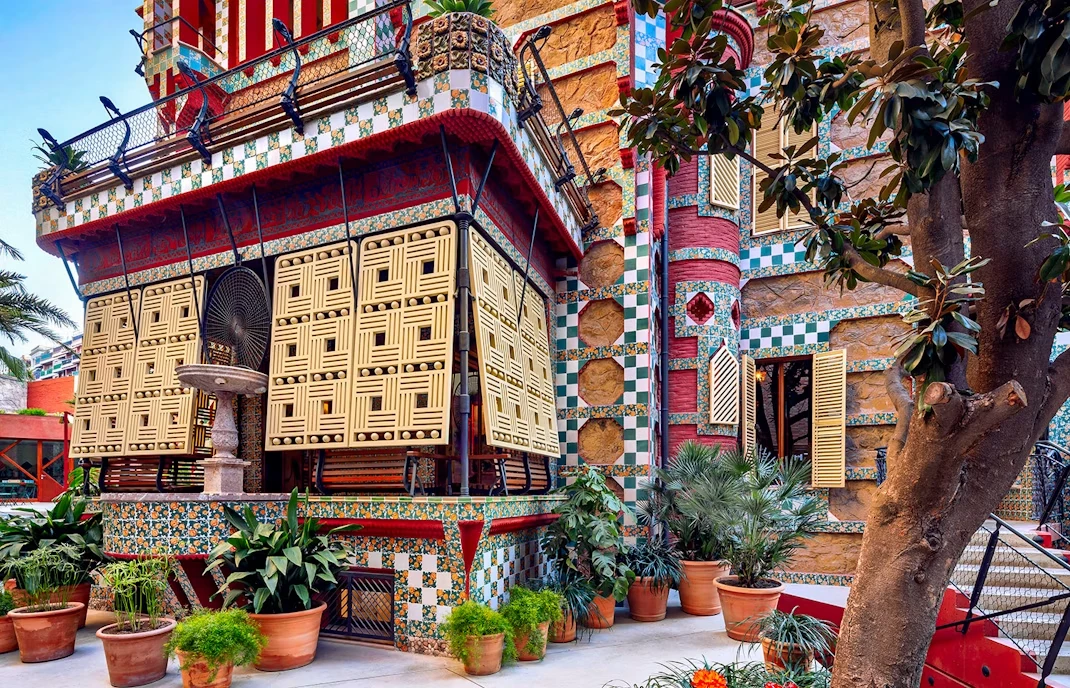
Inside, every room has its own character, with painted ceilings, intricate woodwork, and design details. The relationship between the house and its garden was also considered, reflecting Gaudí’s growing interest in connecting architecture with nature. What makes Casa Vicens significant is its celebration of craftsmanship. At a time when industrialisation was changing the construction industry, Gaudí relied heavily on skilled artisans to create custom tiles, ironwork, and decorative elements.
Park Güell
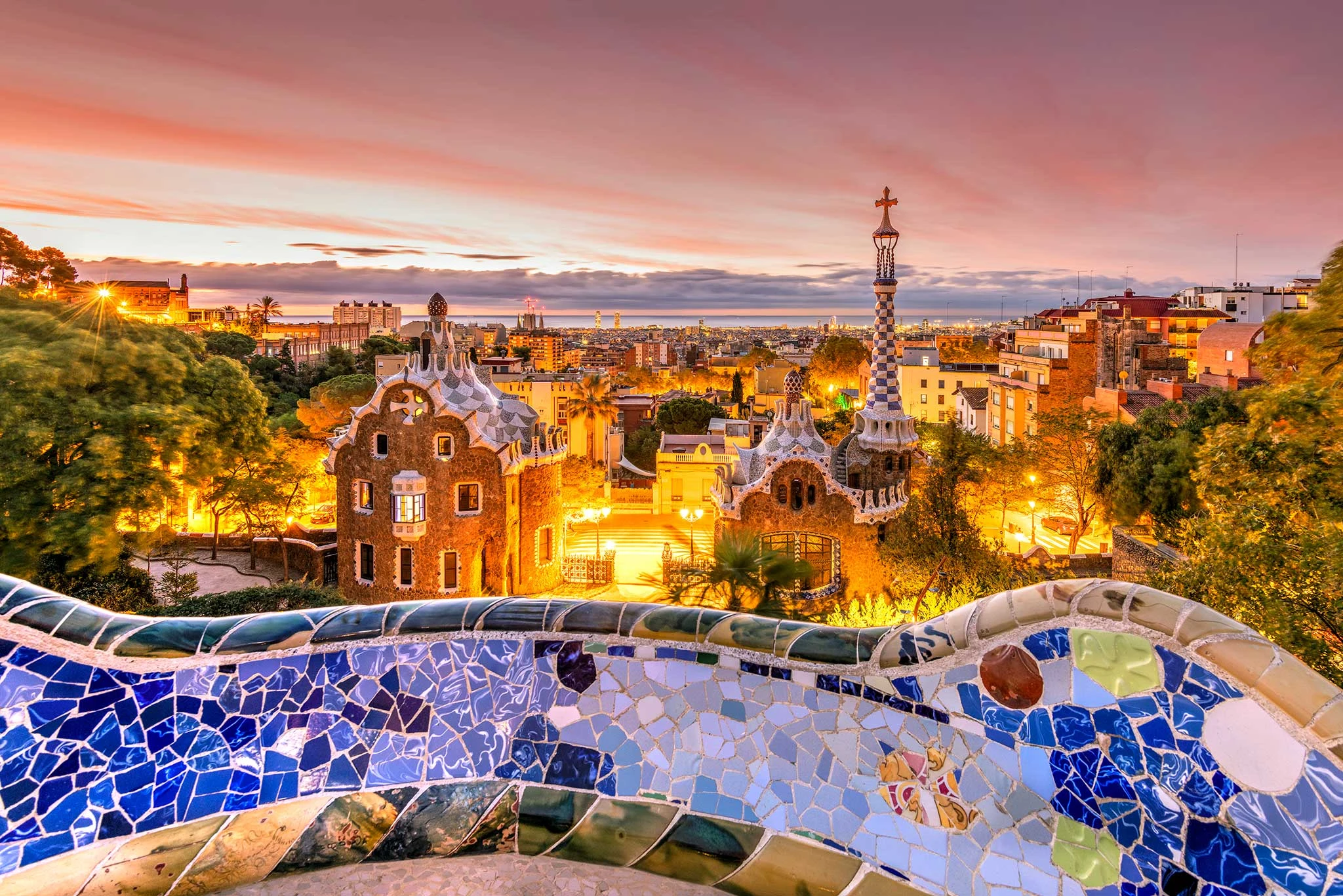
Originally conceived as a residential garden city, Park Güell was built between 1900 and 1914 on a hillside overlooking Barcelona. The project reflects Gaudí’s belief that buildings and landscapes should complement each other. Instead of reshaping the site to fit a rigid plan, Gaudí adapted the design to the natural terrain. Winding pathways follow the contours of the hill, while stone viaducts, stairways, and terraces merge with the landscape. The use of locally sourced stone helps many of the structures appear to emerge naturally from the ground. One of the park’s most recognisable features is its colourful mosaic work, created using broken ceramic tiles in a technique known as trencadís.
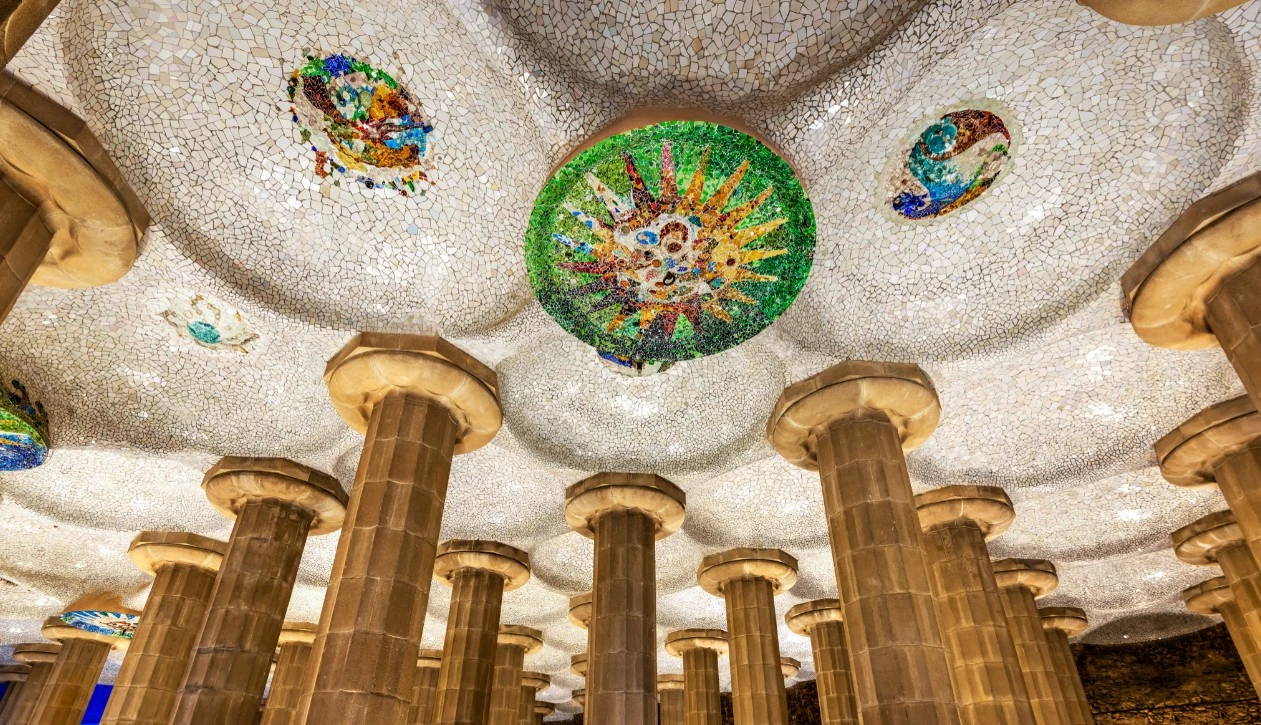
Beyond its artistic appeal, Park Güell incorporated practical environmental solutions. Its network of pathways, retaining walls, and drainage systems was designed to manage rainwater efficiently and respond to the site’s natural conditions. These ideas were forward-thinking for the early twentieth century. Today, Park Güell is viewed as an early example of sustainable and landscape-sensitive design.
Casa Batlló
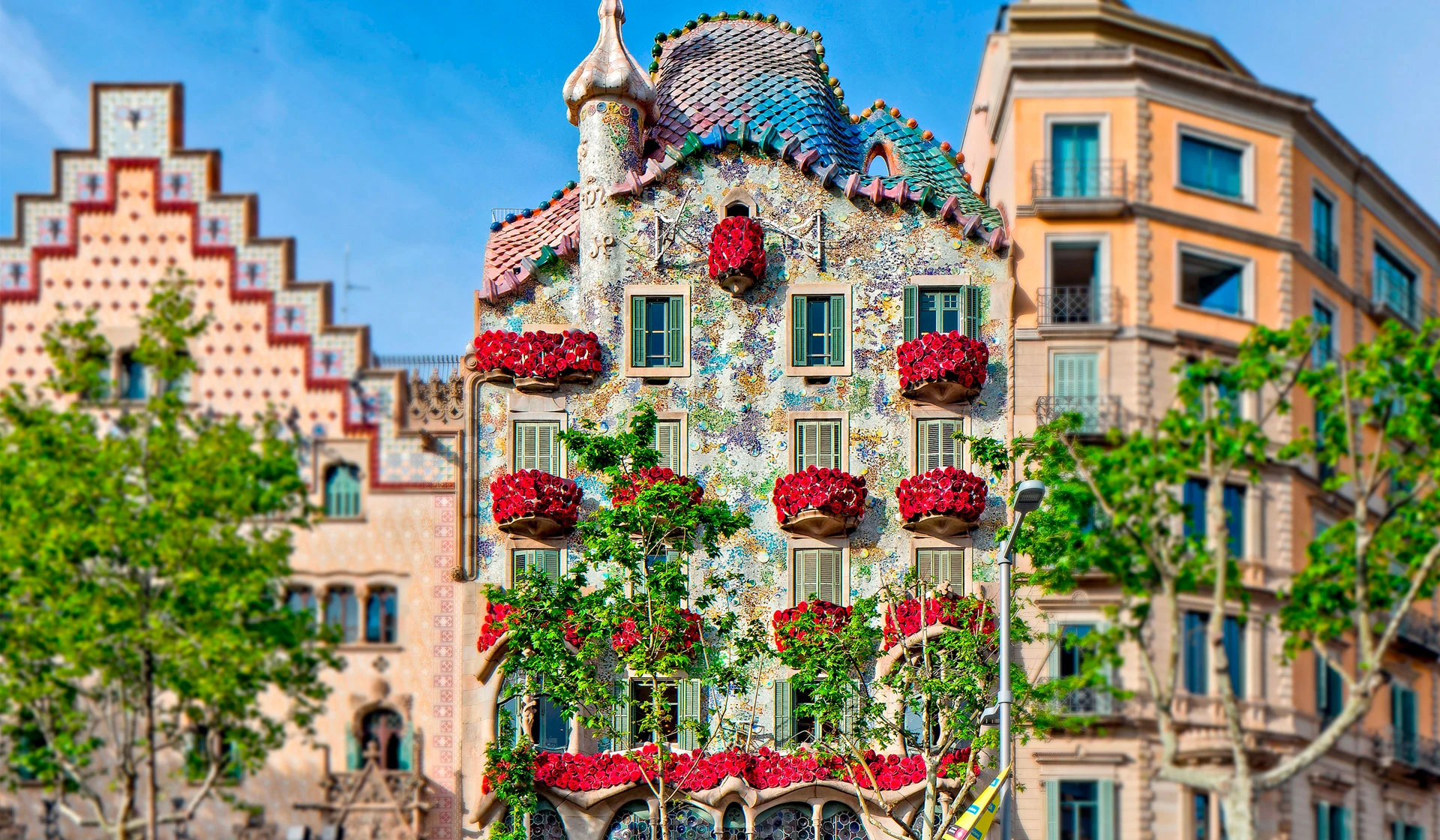
Completed in 1906, Casa Batlló is located on Barcelona’s Passeig de Gràcia. The building was a renovation of an existing house, which Gaudí transformed into a highly expressive work of art. The facade immediately stands out for its flowing forms, colourful mosaic surfaces, and unusual balconies that resemble masks. The roof, often compared to the back of a dragon, is believed to reference the Catalan legend of Saint George. Unlike the rigid and symmetrical buildings common during that period, Casa Batlló embraces colour and organic shapes inspired by nature.
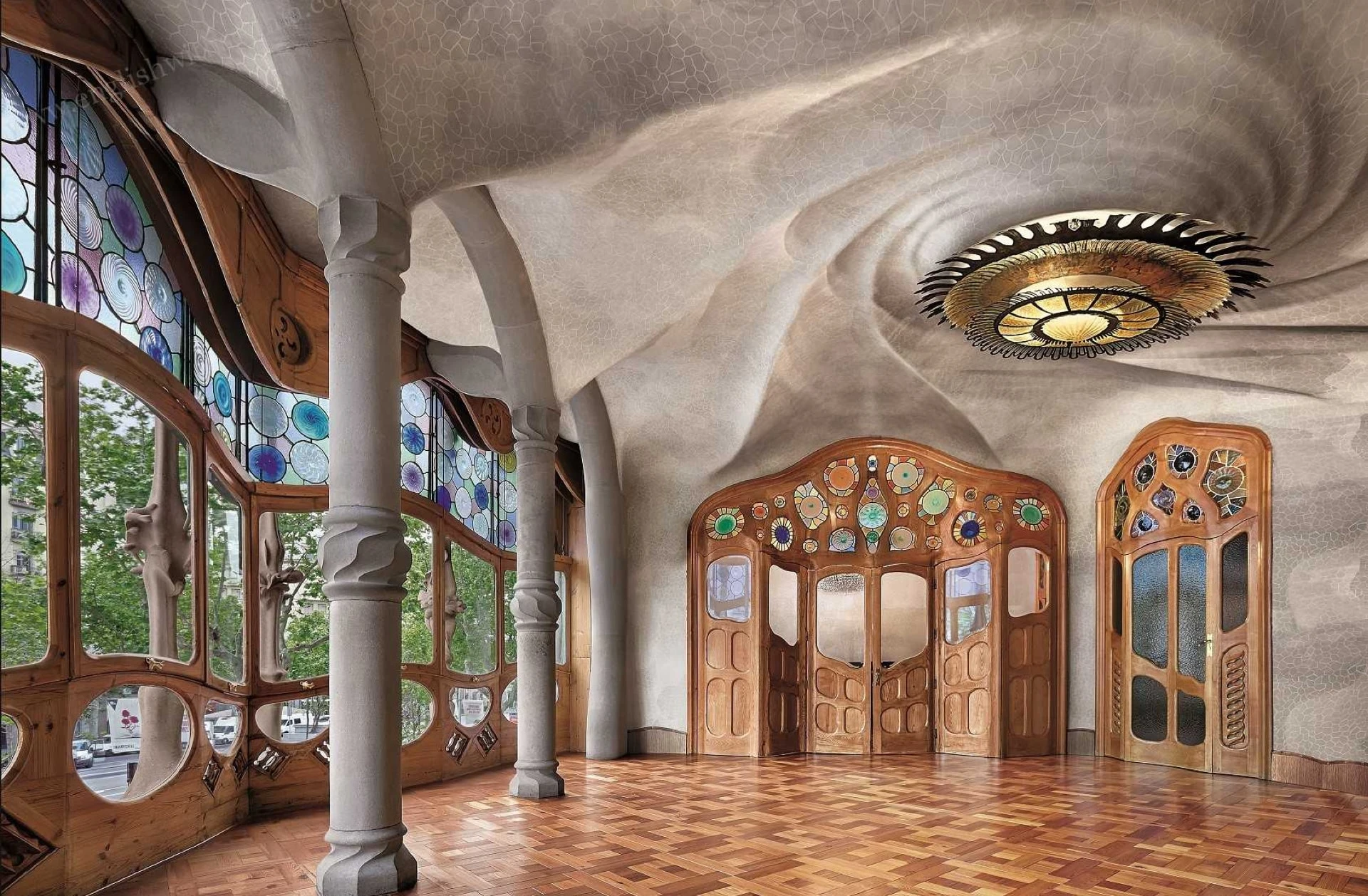
Inside, Gaudí paid equal attention to detail. Curved walls, custom-designed furniture, and openings added fluidity. Natural light was a key design element where central light wells distribute daylight throughout the building, and windows of varying sizes ensure balanced illumination across different floors. Ventilation was also considered for improving comfort long before modern climate-control systems became common.
Casa Milà
Casa Milà, popularly known as La Pedrera (The Quarry), is a residential project completed in 1912. The building challenged almost every convention of apartment design at the time and introduced ideas that remain relevant in contemporary housing. The first thing that stands out is its undulating stone facade, which appears to flow like a natural rock formation. The facade is complemented by intricate wrought-iron balconies, adding texture and character to the exterior.
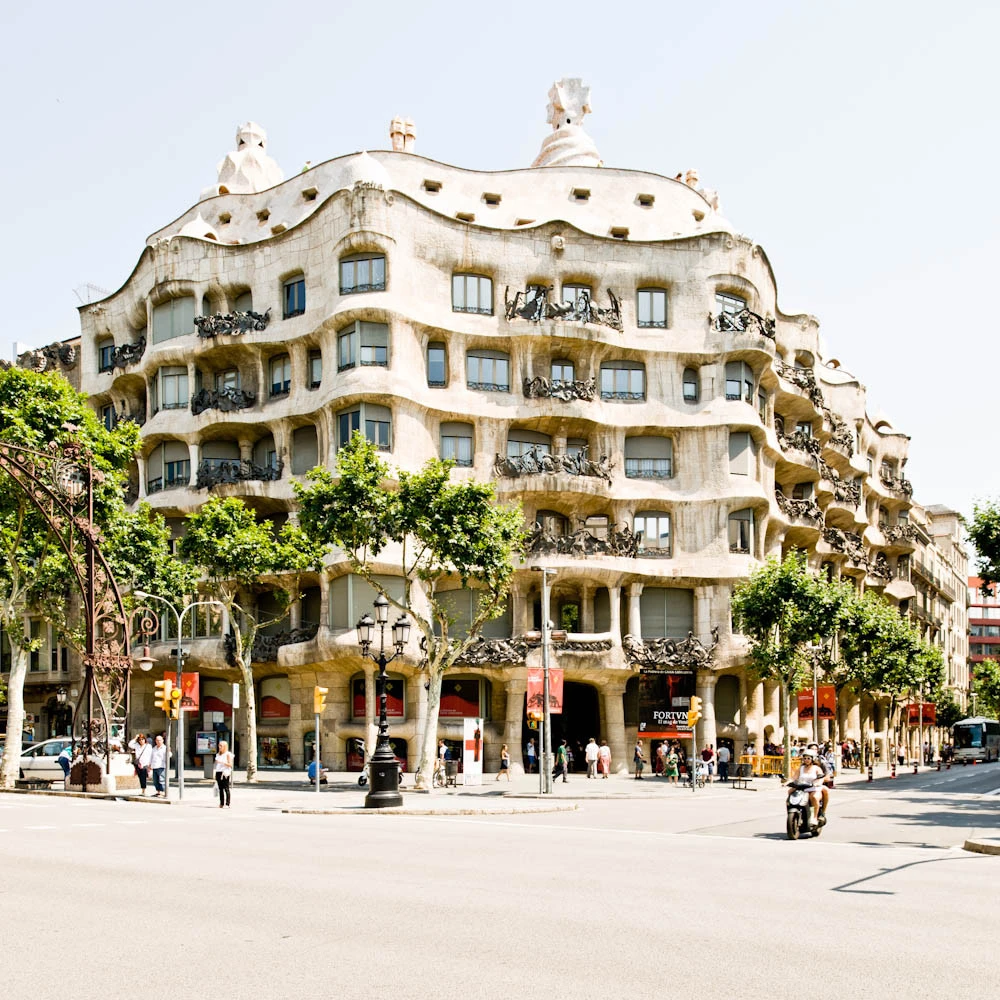
Beyond its appearance, the building was highly advanced in its planning. Gaudí designed a structural system that reduced the need for load-bearing walls, allowing for more flexible interior layouts. This gave residents greater freedom in organising living spaces, an idea that has also become common in modern residential design. Large courtyards were placed at the centre of the building to bring natural light and ventilation deep into the interiors, improving comfort and reducing dependence on artificial lighting. On the rooftop, instead of hiding functional elements such as chimneys, staircases, and ventilation towers, Gaudí transformed them into sculptural forms that contribute to the building’s identity.
Sagrada Família
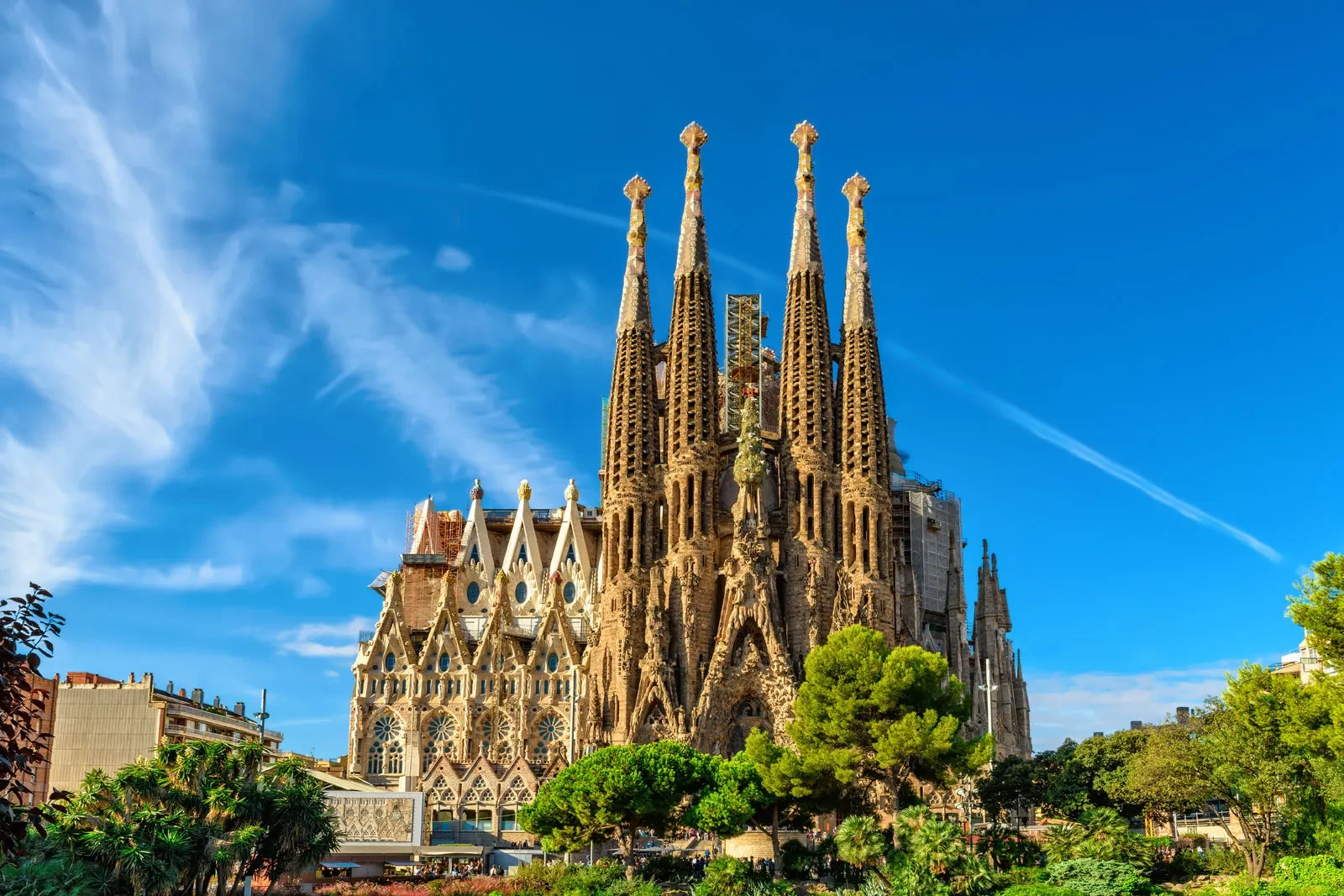
The Sagrada Família, Antoni Gaudí’s famously unfinished masterwork, has crossed a major technical and symbolic threshold. Construction crews have installed the first element of the cross atop the basilica’s central tower, bringing the structure to 162.91 meters and making it, by measured height, the tallest church in the world. Taking over the project in 1883, Gaudí transformed what was originally planned as a conventional church into a structure unlike any other in the world.
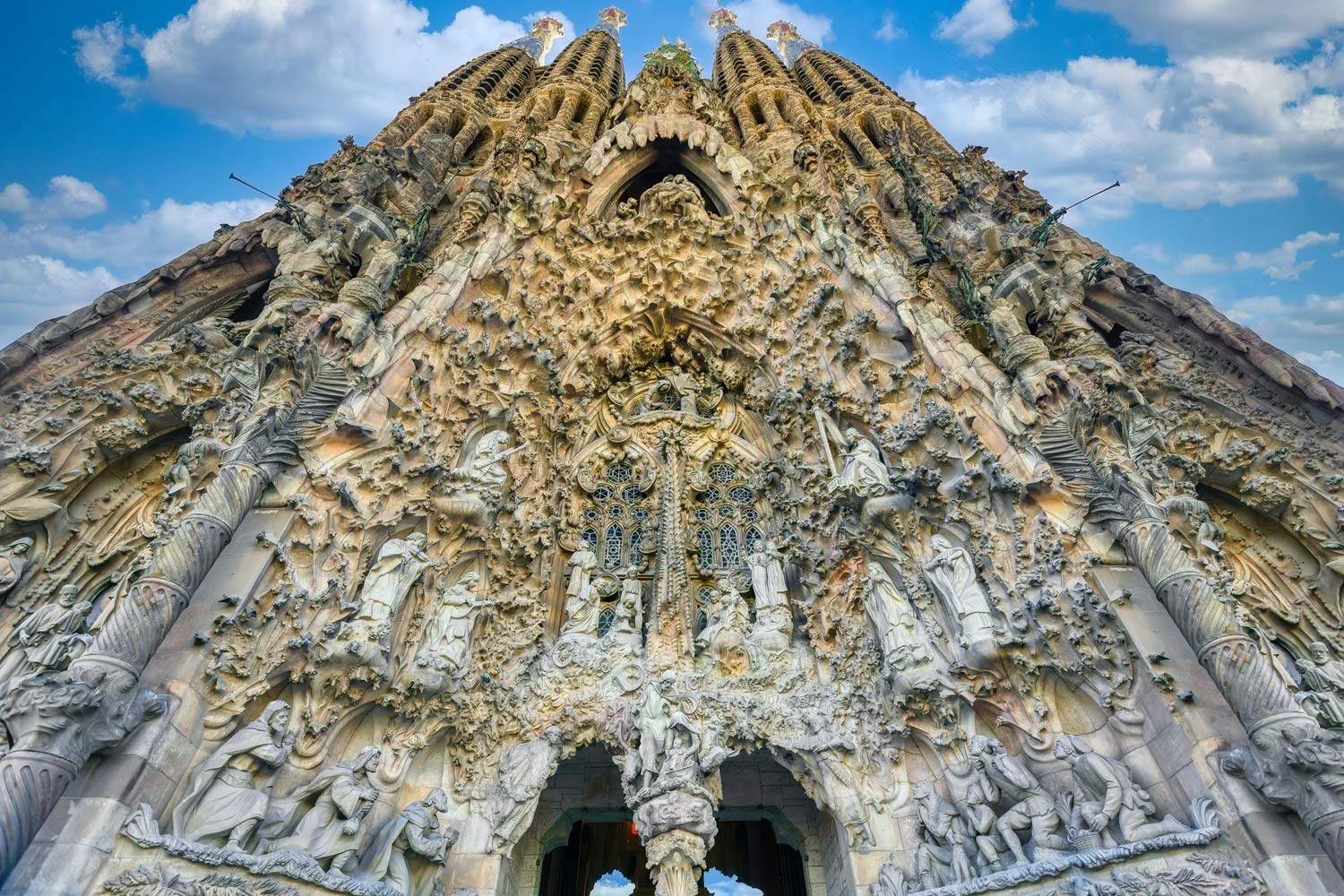
Gaudí looked to forests, trees, mountains, and natural geometries to shape the building. Inside the basilica, massive columns rise like tree trunks before branching out towards the ceiling, creating the impression of a stone forest. In addition to being decorative, the design also helps distribute structural loads efficiently throughout the building. Light plays an equally important role: large stained-glass windows flood the interiors with changing colours throughout the day. Gaudí used physical models and geometric studies to develop complex forms that were far ahead of their time.
One hundred years after his death, Antoni Gaudí’s greatest achievement remains unchanged: creating architecture that feels as inspiring today as it did a century ago. He believed that the answers to design, structure, light, and beauty already existed in the natural world: from the branching form of trees and the strength of bones to the patterns found in flowers, shells, and mountains. Today, his works continue to inspire architects and designers around the world while attracting millions of visitors to Barcelona every year.
