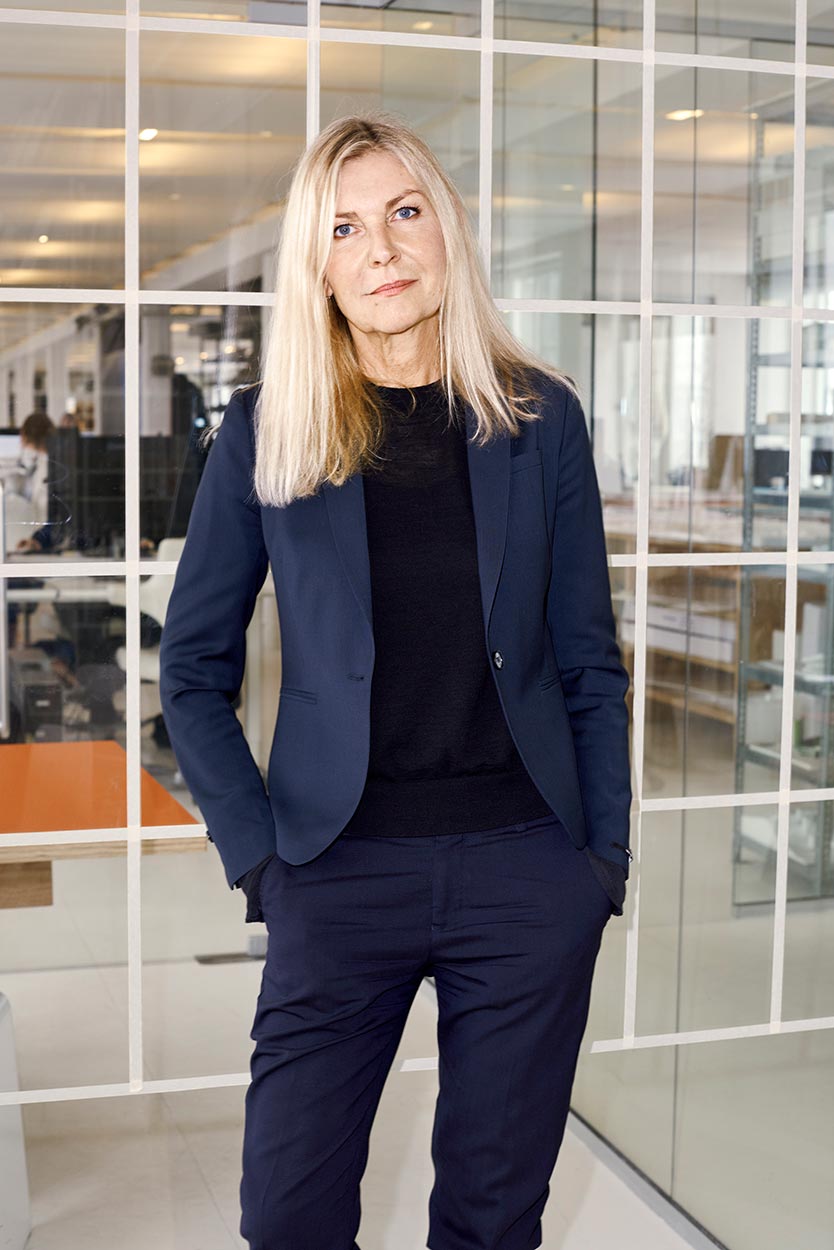
Dorte Mandrup is a passionate Danish-based architect, who loves to explore the other side of architecture, art, and design through reflective dialogues and dramatization. The Copenhagen architect basks in her exceptional talent for dealing with supremely tricky sites. Her striking philosophy on ‘irreplaceable places’ and designing architecture rousing from an artist’s viewpoint stir our emotions and concepts of space.
She is the Founder & Creative Director of the architectural practice Dorte Mandrup Arkitekter A/S. Her works strongly define innovation and exploration of form and materials tackled through an investigative approach. Along with her team, they delve into each project with a gripping grasp on reality while knocking on dreams loudly.
“If too many people are convinced that something is the only way to work, I will go in the other direction,” said Dorte Mandrup.
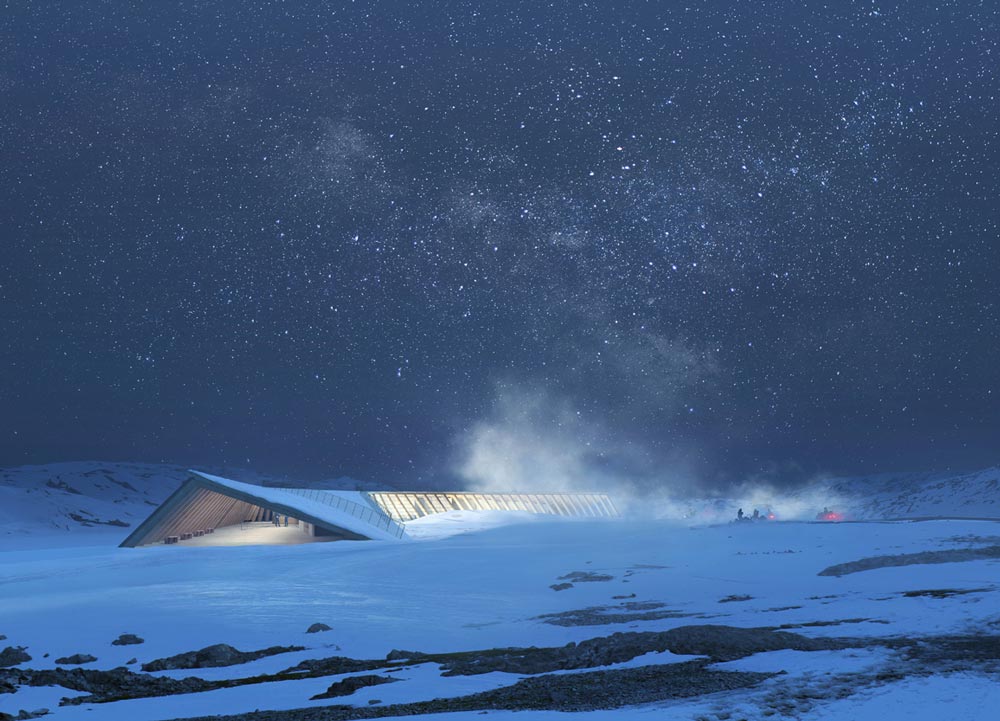
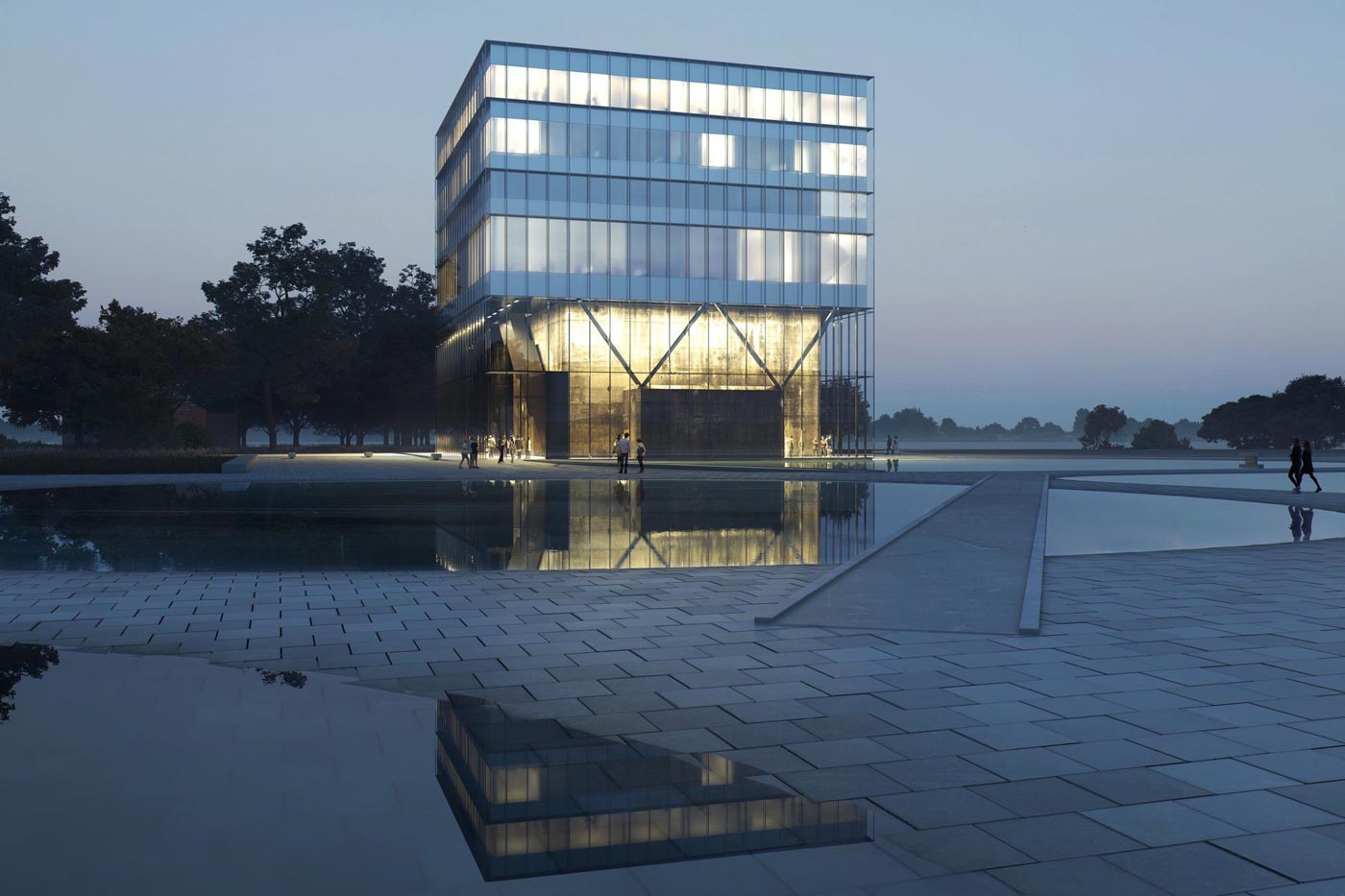
It is her belief of not-this-nor-that identity that makes her shine and stand apart as an intrinsic interlocutor of momentously nuanced places. Two of her projects adheres to this notion. The building erected over a glass volume on a World War II bunker that rests on the coast of Wadden Sea in Wilhelmshaven, Germany. It is a UNESCO World Heritage site. And her magical boomerang-shaped visitor centre at Ilulissat Icefjord, which is also a UNESCO site, located on the edges of Greenland’s Sermeq Kujalleq glacier. She celebrates in both the idea of locale rather than imposing her notions over it. The Icefjord building is a bold stance across a hill that could be covered in snowdrifts. So she cantilevered the structure’s boomerang elbow beyond the hilltop—both shucking powder and providing occupants with an enthralling viewing deck. In Wilhelmshaven, her design piggybacks the bunker and throttles a new life as an exhibition space, rather than cast it as a ruin.
Her nonconformist attitudes and ideas trace back to her father. As the son and grandson of architects, he urged her to avoid the practice. Initially, she pursued training in sculpture and medicine before finally caving into the design world, but still, she refused to follow the leader. In her student life at the Aarhus School of Architecture, she researched the lightweight constructions of Japanese architect Toyo Ito, while her classmates raged behind debating Post- and Neo-Modernism. After graduation, she had done a brief stint with Henning Larsen and launched her eponymous firm in 1999.
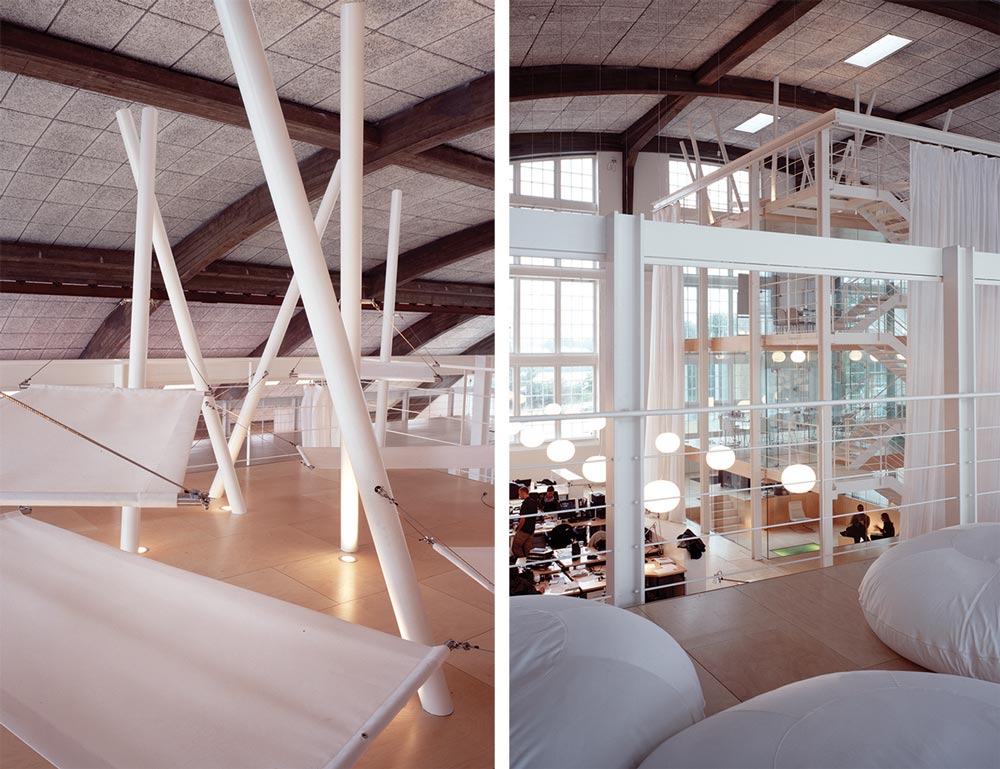
The series of commissions for designs she picked up showcased her revulsion to orthodoxy. There was a 1921 seaplane hangar on Copenhagen’s Holmen islands that she transformed into an office, by installing tracks on which the panels of parachute fabric sweeps back and forth to divide the workspace. The scheme rashly steers duelling philosophies for architects such as to take back the historical space to its original structure or smash a wildly contemporary addition onto it
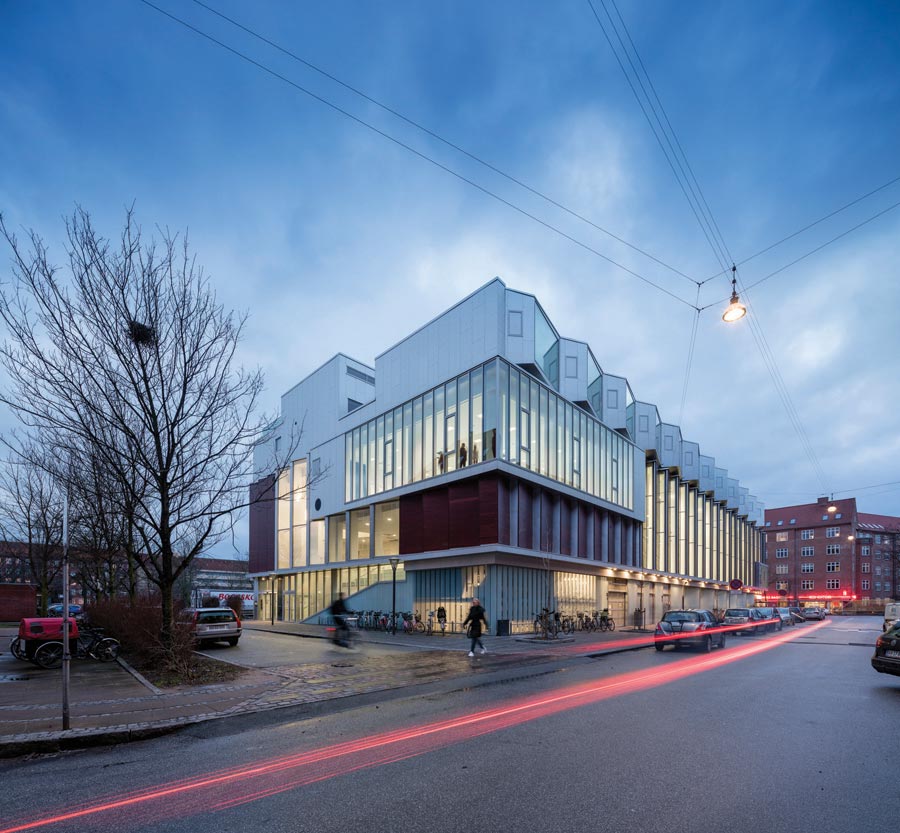
Mandrup has also aided in promoting the student’s perspective day-care and school projects, and “fighting hard for the childhood to sway through the magical, where adults are not always correcting or controlling the game.”
The field of architecture is vast and endless; over centuries, we have perceived it expand and dissect, morph and manifest itself into various contemplative definitions.
Dorte Mandrup believes that there’s always another question to answer.