


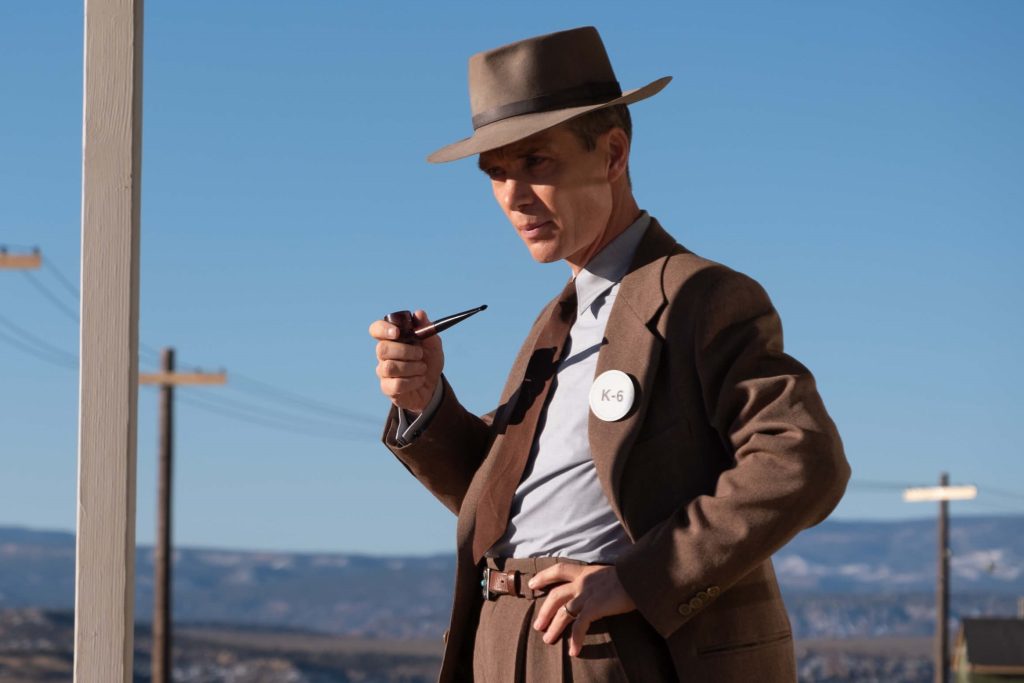
Oppenheimer, a 2023 theatrical release, sheds light on the gray space within people’s behavior, choices, and lives. It is a realistic piece of cinema that showcases the complexity of human nature, the thirst for power, and the vulnerability of devastation at its finest.
The movie conveys the story of J. Robert Oppenheimer- the brain that developed the first-ever atomic bomb during World War II. Its biographical plot follows the timeline of Oppenheimer’s life from the university to his pivotal role in the Los Alamos Laboratory, where he used his scientific genius to devise nuclear weapons under the label of the “Manhattan Project.” With compelling narratives, the movie addresses the broader themes of the complexities of war, the quest to become a superpower, the consequences of technology, and the implications of scientific responsibility.

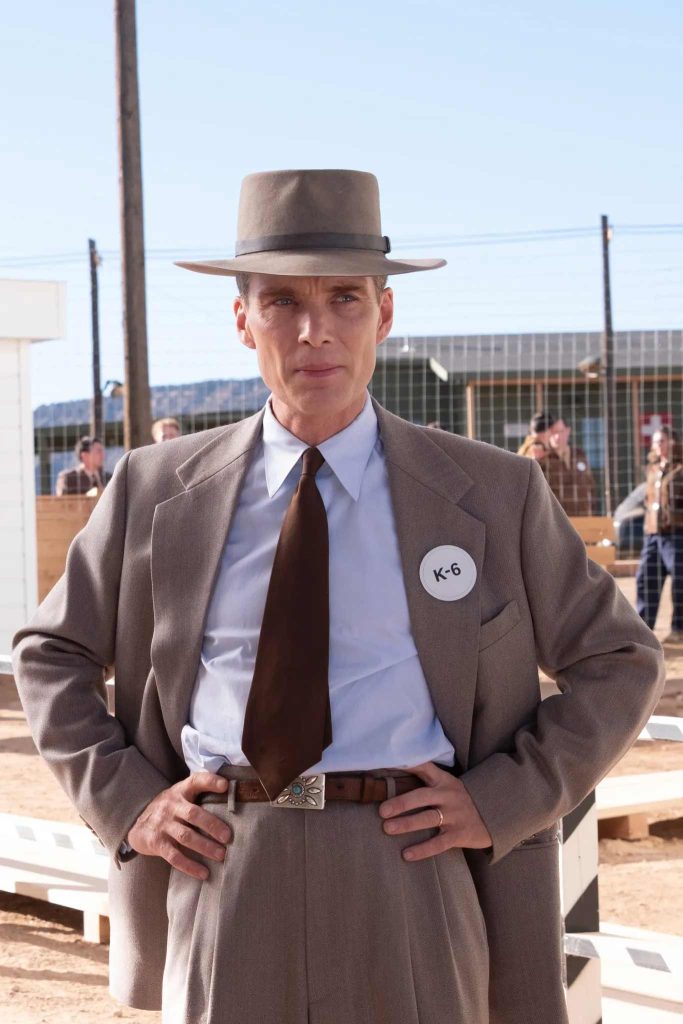
Christopher Nolan wrote, directed, and co-produced Oppenheimer. The movie is based on the 2005 biography American Prometheus by Kai Bird and Martin J Sherwin.
It is an intense and dramatic movie with Cillian Murphy as its main protagonist- J. Robert Oppenheimer, while Robert Downey Jr. plays the United States Atomic Energy Commission member Lewis Strauss. The supporting cast in the movie includes the most promising global actors, such as Emily Blunt, Matt Damon, Florence Pugh, Josh Hartnett, Casey Affleck, Rami Malke, and Kenneth Branagh. With its grappling plot line and impactful representation, Oppenheimer received 13 nominations at the 2024 Oscars and won 7 of them.
Setting the Context
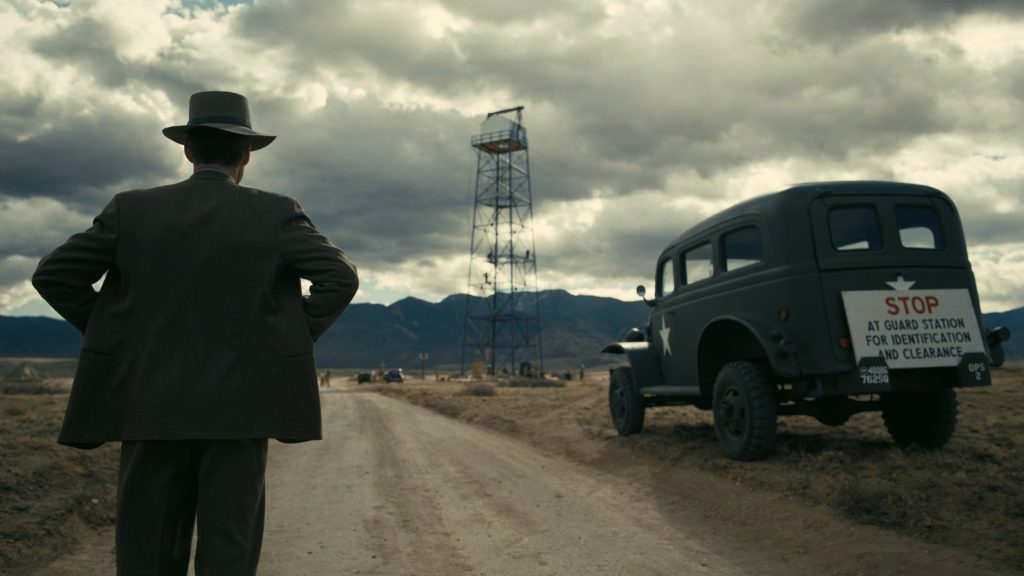
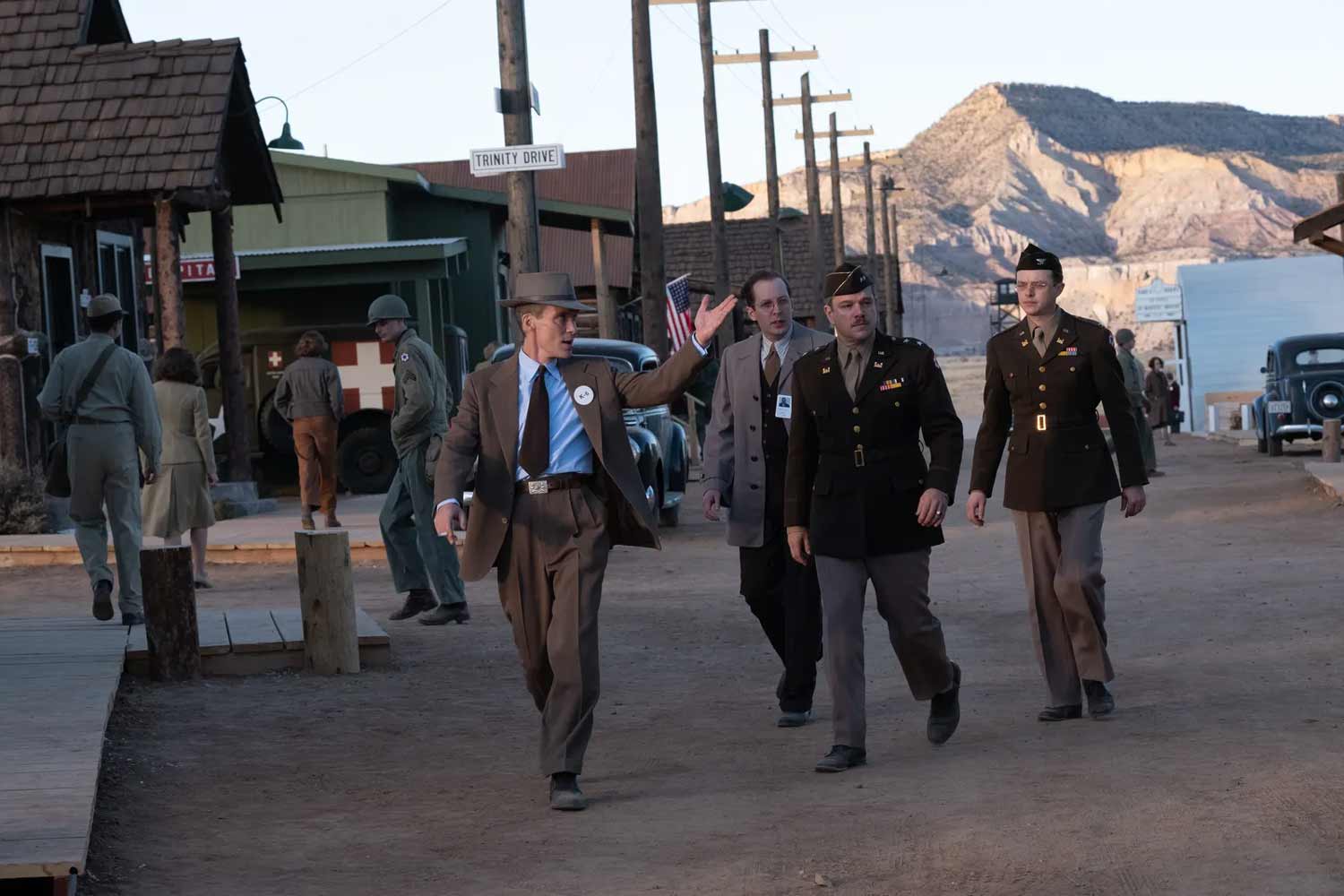
Given Nolan’s inclination towards shooting in real-life locations, he, along with Ruth De Jong, the production designer of Oppenheimer, conducted reikis of Los Alamos in New Mexico. However, the modernization of the locality was a considerable hindrance as it was far from the aesthetics of the 1940s. So, Nolan and Jong zeroed in on the idea of recreating the town of Los Alamos in the form of a life-size set. Together, they scouted numerous locations across New Mexico, Utah, and Colorado to identify places to build the look-alike town and create the epic vistas that Nolan desired.
Eventually, they finalized Ghosh Ranch, a picturesque 21,000-acre retreat in the northern part of New Mexico, as the set location. A physical 3D model of the set was created and placed in the production office’s backyard to emulate the essence of design details. However, the scenes in the movie have been shot both in the original locations as well as the set. While the cityscapes and open-to-sky scenes have been shot in the set, the interior scenes have been filmed within the original heritage buildings. This was a conscious decision between the creatives to help the actors season their performance and let the vibe of the place set in.
Architectural Features As Seen on the Sets of Oppenheimer
Oppenheimer is a period drama that time travels through the America of the 1930s to the 1960s. During this timeline, the architectural vocabulary of the country evolved through various design styles. While the 1930s were characterized by Art Deco features with geometric shapes and facade ornamentations, the period post World War II witnessed a significant shift to the mid-century modern style. The war-induced distraught state of affairs around the world gave rise to an architecture that was more focused on function than form. This is beautifully represented in the urban representations of Oppenheimer.
Buildings depicted in the movie have clean geometric lines, open floor plans, large windows, and an emphasis on connecting the indoors with the outdoors. Moving into the 1960s, the buildings in the USA embraced modernity through sleek, minimalistic designs and the use of industrial materials like steel, glass, and concrete. This journey of architectural evolution has been well captured through the timeline of Oppehemier’s life. A keen research of the history and lifestyle of people during the 20th century has helped recreate the socio-cultural and political fabric of the biographical film.
While every scene in the movie Oppenheimer is a visual treat for anyone who is interested in architecture, some of the most iconic structures and places shown in the movie are remarkable. Let’s explore the design details of these buildings in-depth.
Los Alamos National Laboratory
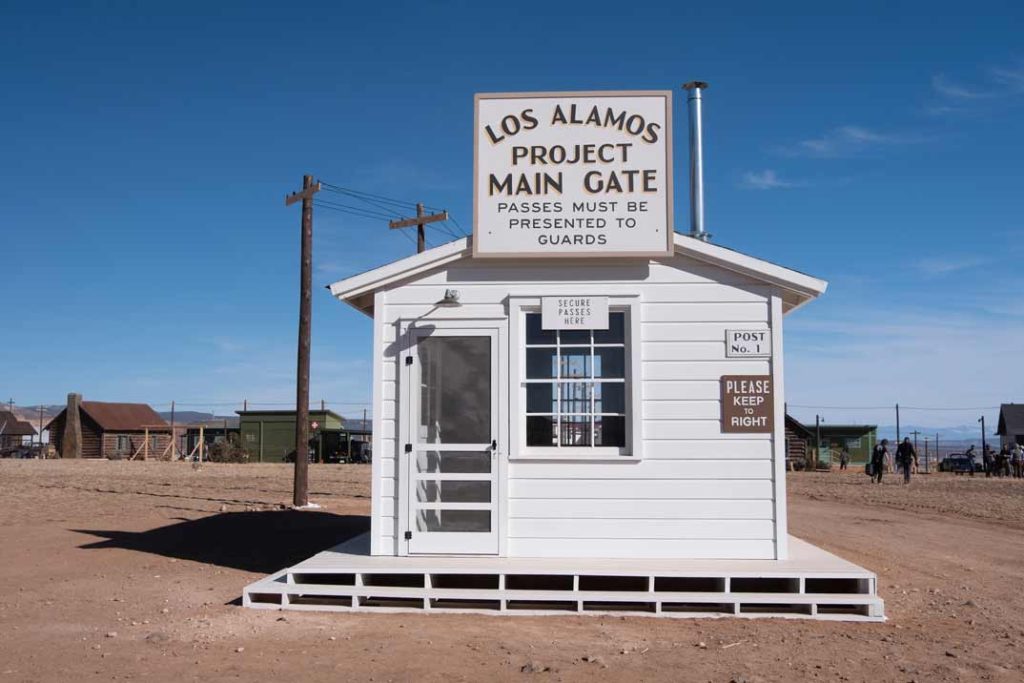
The central architectural element of the movie that holds the plot together is its den or the Los Alamos National Laboratory. Serving as a workplace for the scientists, the lab showcases traits of functional yet utilitarian designs. The facility building, as shown in the movie, is strategically organized to accommodate administrative offices, laboratories, support facilities, and workshops to support the larger endeavor of developing nuclear weapons. The industrial aesthetic of the laboratory shows its utilitarian nature and focus on enhancing efficiency. The depiction of the New Mexico desert landscape in the background through the windows reflects attention to detail and authenticity of portrayal.
Oppenheimer House
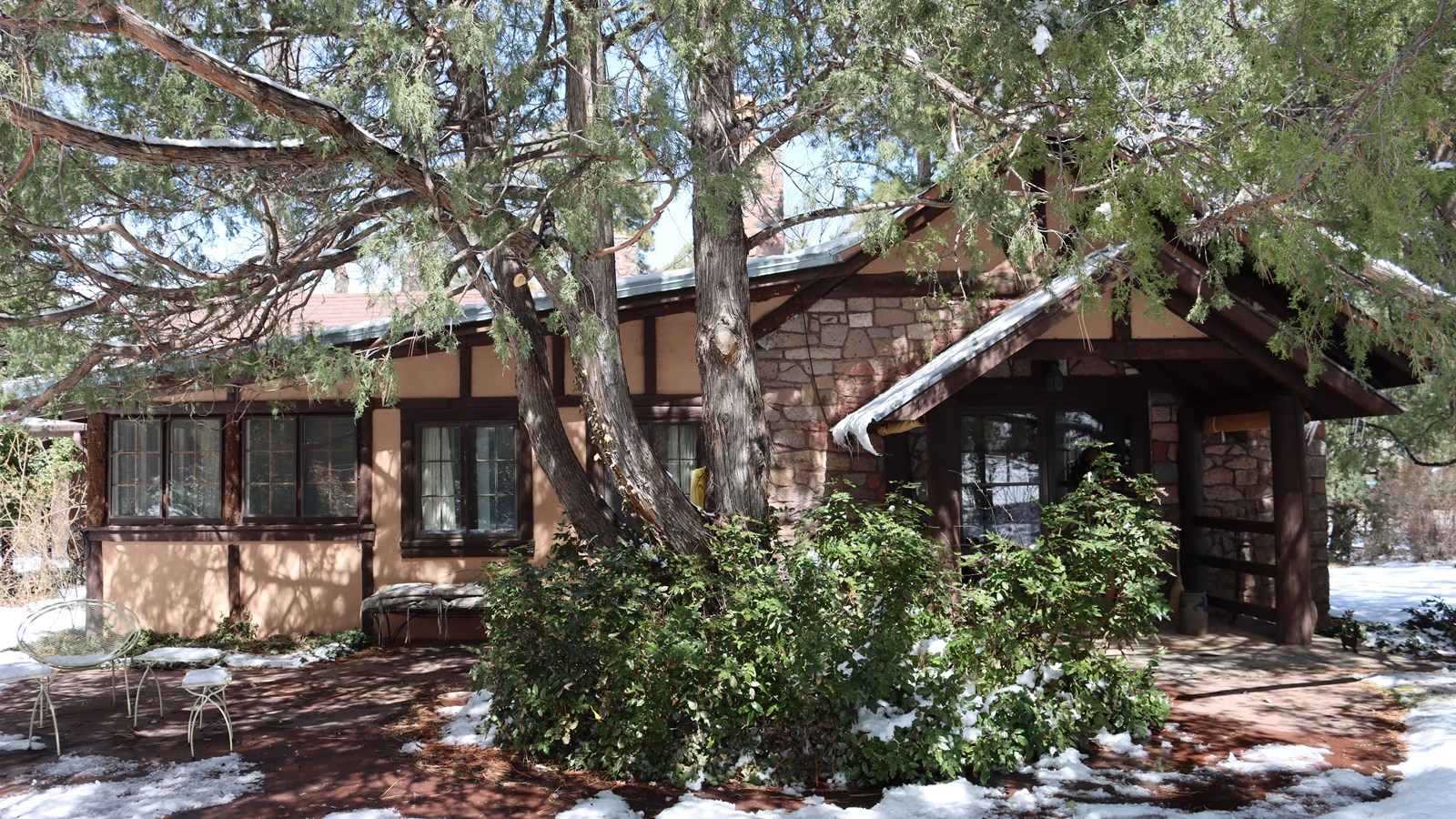
While working as the director of the Manhattan Project, Oppenheimer and his family lived in Los Alamos (also known as Site Y) from 1943 to 1945. His house reflects a sense of intellect and solitude. Similar to the laboratory, the design of this home is also driven by function. Various spaces within the house serve as a backdrop for intimate conversations and contemplative moments, offering a glimpse into the inner workings of Oppenheimer’s mind. Speaking of architecture, the house resembles the traits of mid-century modern elements with clean lines, ample natural light, and minimalist decor. This also personifies the forward-thinking approach of the protagonist and his strong focus on simplicity and effectiveness.
Fuller Lodge
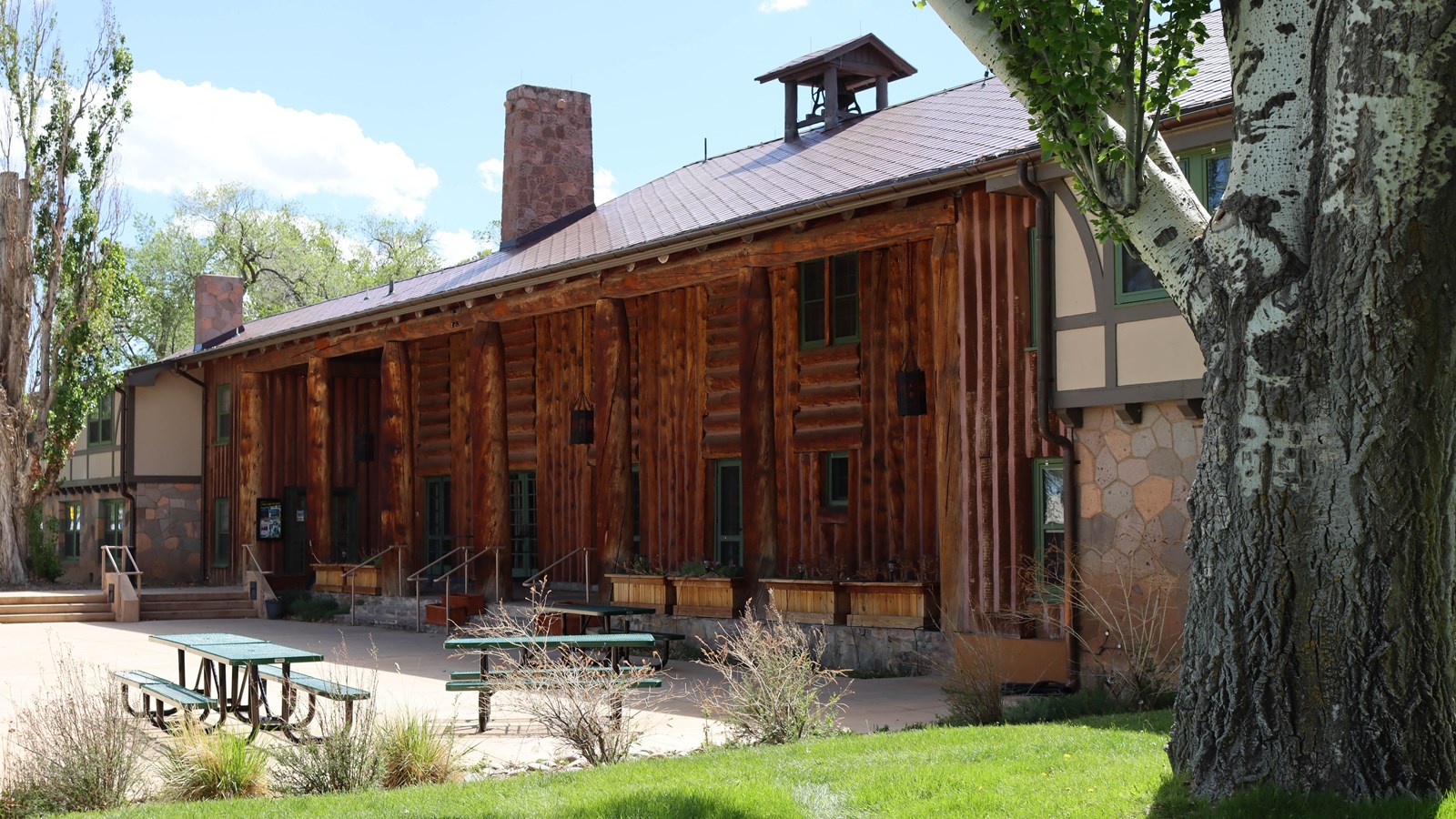
This was a real-life location shown in the movie. Serving as an accommodation for the scientists working on the Manhattan Project, this building was constructed in 1928 by architect John Gaw Meem. It is believed that the structure was built with more than 700 Ponderosa pines sourced from a nearby forest. The scientists were provided residency within close vicinity of the Los Alamos Laboratory to keep their mission of developing a nuclear weapon a secret from the world. Characterized by neat, clean lines and purpose-oriented circulation, the lodge depicted in the movie symbolized industrial minimalism at its best.
Millennium Biltmore Hotel
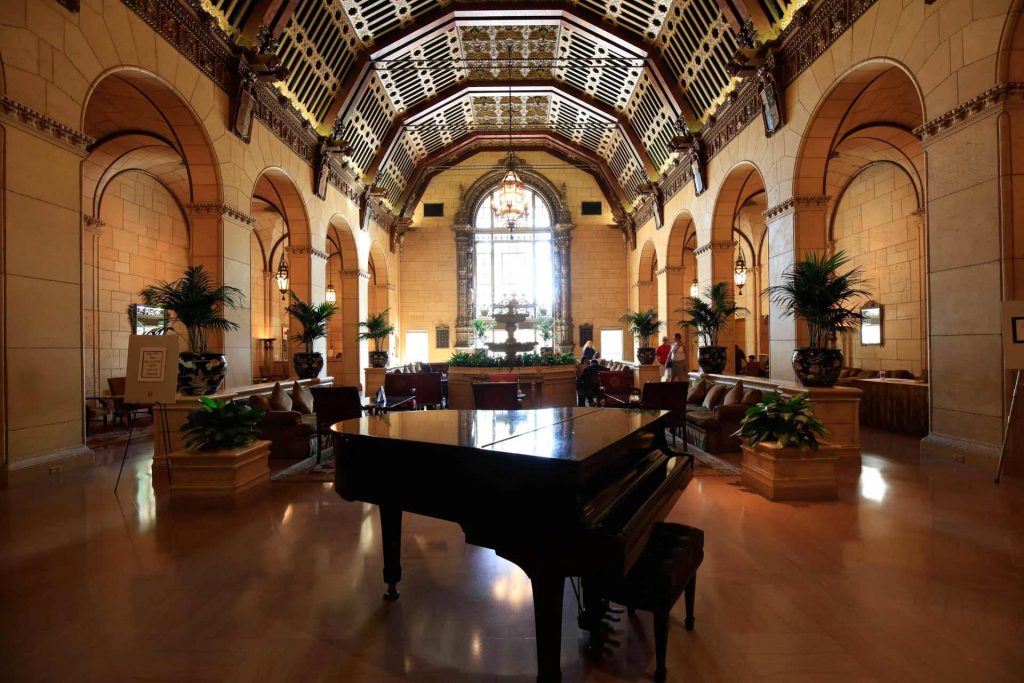
The scenes with Cillian Murphy and Matt Damon were filmed at this premium luxury five-star hotel. The structure was constructed in 1923 and showcases opulent architecture with grand interiors. The segments shot here provide a stark contrast to the fundamental setup of the movie, which is rather rustic and utility-driven. Through certain scenes, the viewers are transported to a world of glamor and intrigue as they witness characters navigate social gatherings and diplomatic negotiations. The architecture of the hotel is relatable to the Beaux-Arts style, showcasing lavish ornamentation, classical motifs, and a sense of grandeur.
Santa Fe
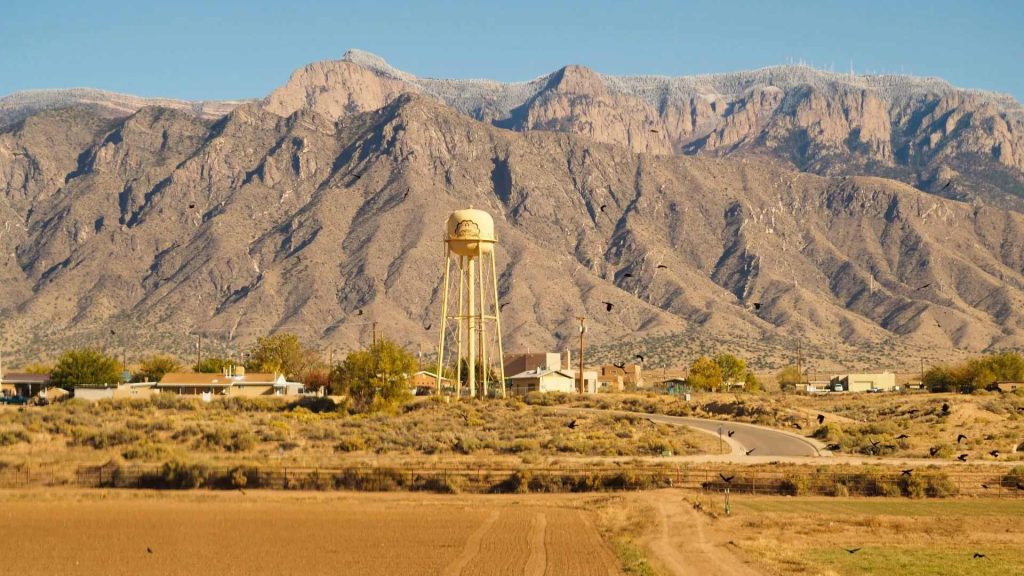
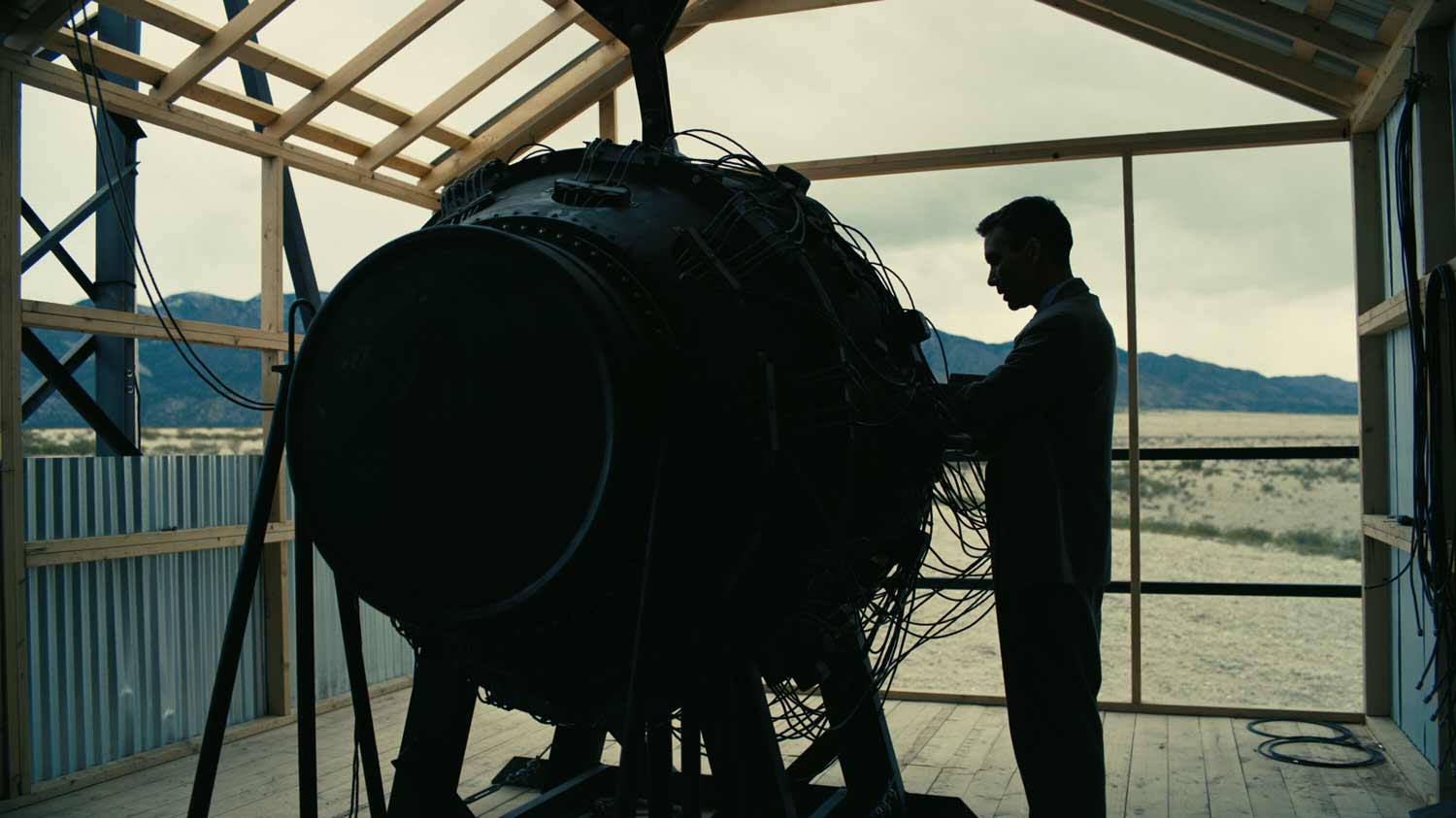
One of the most significant scenes in Oppenheimer is the Trinity Test Site in Santa Fe. It was in July 1945 when the first atomic bomb was put to the test in Santa Fe. It marked an important milestone in the development of nuclear weapons and was followed by the use of atomic bombs on Hiroshima and Nagasaki later that year. The barren and arid desert landscape of the region represents the tension, ambitions, hopes, and adversities of the Manhattan project- all through an immersive cinematic experience.
In conclusion, Oppenheimer captures the nuances of an evolving time in history through events that changed the fate of the modern world. The most crucial takeaway from the movie is when Oppenheimer asserts, “Now I am becoming death, the destroyer of worlds”- a quote from the Hindu scripture Bhagavad Gita. In saying so, the protagonist establishes the power of human intellect to build and demolish the world, underlining the fact that with great power comes great responsibility. All in all, the movie is a rollercoaster of emotions represented through the performance of the actors and solidified through the make-believe architecture and interiors in the background.
