
Close Menu
ParametricParametric

    Subscribe to Updates

    Get the latest creative news from FooBar about art, design and business.

    What's Hot

    tetsstststtt

    July 23, 2026

    Soundscape in Architecture: Designing Through Sound

    July 23, 2026

    MVRDV Wins Shift Embassy Competition with Rotterdam ROCKS!

    July 23, 2026
    Facebook X (Twitter) Instagram
    Facebook X (Twitter) Instagram Pinterest YouTube LinkedIn TikTok
    ParametricParametric
    Courses
    • Articles
      • Archipreneurs
      • Technology
      • BIM / AEC
      • 3D Printing
      • Architects
      • Artificial Intelligence
      • Robotics
      • Sustainability
      • Tools
      • Case Study
      • City Guide
      • Opinions
      • Interviews
      • Architecture & Design
        • Urbanism
        • Metaverse
        • Space Architecture
        • Geography
    • Projects
      • Architecture
      • Interior
      • Design
        • Fashion
        • Pavilion
        • Installation
        • Digital Art
        • Landscape Design
      • Products
    • Workshops
    • Ads
    • Architecture News
    • Digital Members
    • Books
    • CDNext
    • CDNEXT Recordings
    • Competitions
    • Events
    • PA Talks
    • Jobs
    • landscape
    • Landscape Architecture
    • PA Quotes
    • PAACADEMY
    • podcasts
    • memorial
    • Studio Recordings
    • Studio Workshops
    • Uncategorized
    • Videos
    ParametricParametric
    Home»Articles»Are Low-Carbon Buildings the Coolest Shift in Future Architecture?
    Articles

    Are Low-Carbon Buildings the Coolest Shift in Future Architecture?

    adminparametBy adminparametJuly 23, 202604 Mins Read0 Views
    Facebook Twitter Pinterest LinkedIn Tumblr WhatsApp Reddit Email
    Share
    Facebook Twitter LinkedIn Pinterest Email

    Low-carbon building design is rapidly redefining how architects and designers approach the built environment. This design concept moves beyond reducing energy and is about rethinking materials, systems, and long-term environmental impact. Today, design is driven by the intent to minimize the carbon footprint, optimize operational efficiency, and introduce regenerative strategies. 

    This shift strongly resonates with a Gen Z mindset that values sustainability, accountability, and innovation. As a result, buildings are evolving into high-performing ecosystems that respond to climate challenges while enhancing human experience. Through strategies such as circular material use, renewable energy systems, and carbon-negative thinking, low-carbon building architecture is moving toward a future that contributes positively to the environment

    Circular Material Use

    Architects and designers are prioritizing recycled, reclaimed, and locally sourced materials to limit emissions from extraction, manufacturing, and transport. This approach extends material lifecycles while reducing construction waste, making buildings more resource-efficient from the outset. It also encourages adaptive reuse and modular thinking, allowing components to be disassembled and repurposed. As sustainability becomes a core design driver, circularity transforms buildings into material banks that retain value beyond their initial lifecycle.
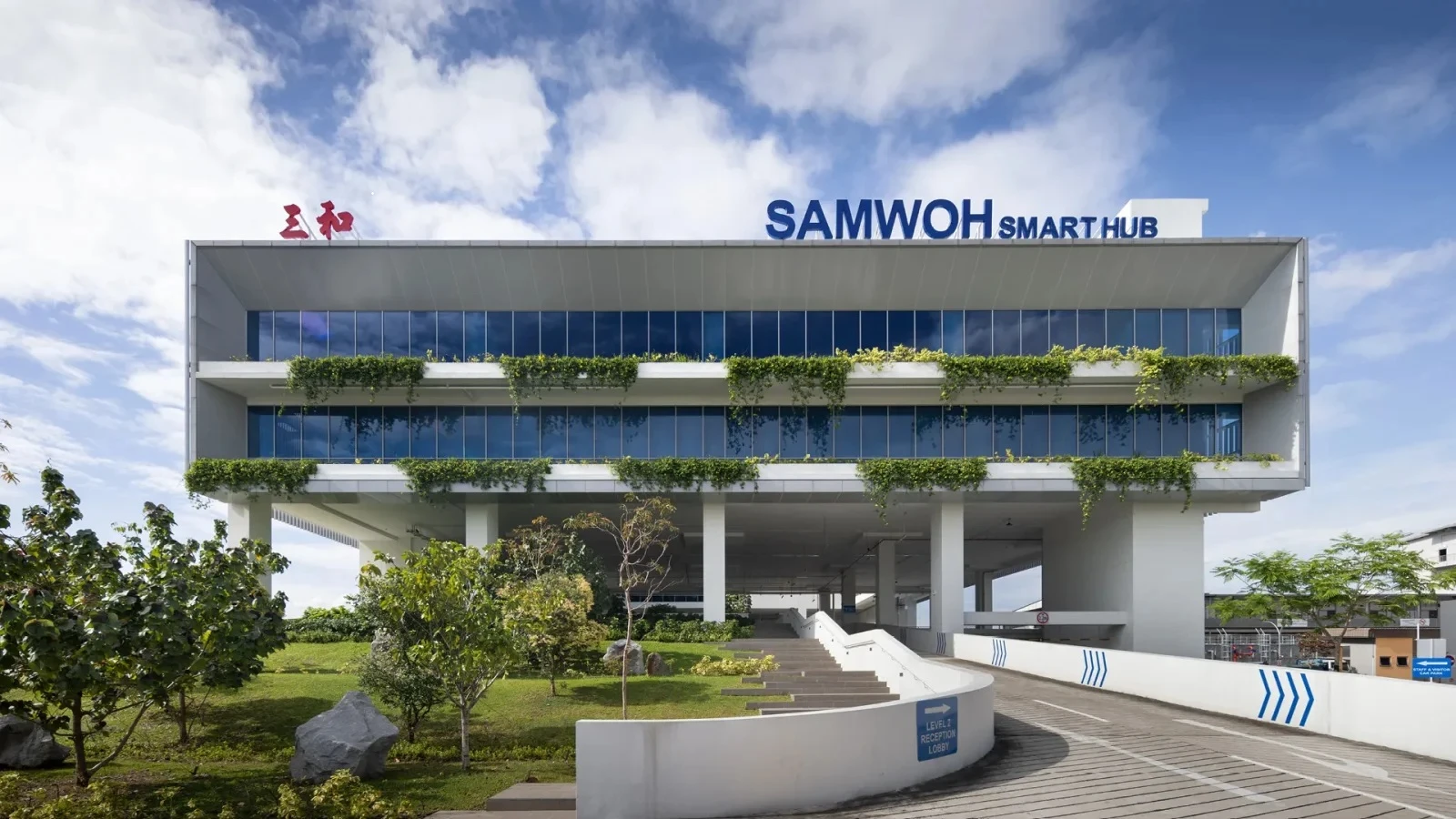
    Are Low-Carbon Buildings the Coolest Shift in Future Architecture?
    Samwoh Smart Hub © SAMWOH

    The Samwoh Smart Hub HQ exemplifies this principle by integrating recycled concrete aggregates and repurposed materials into its construction. The project integrates circular materials, energy-efficient systems, and renewable energy to significantly lower its carbon footprint. Recycled aggregates, green cement, and repurposed resources reduce emissions at the material level, while smart monitoring systems optimize performance in real time. Solar panels generate more energy than the building consumes, reinforcing its low-carbon building approach. 

    Net-Zero Energy Systems
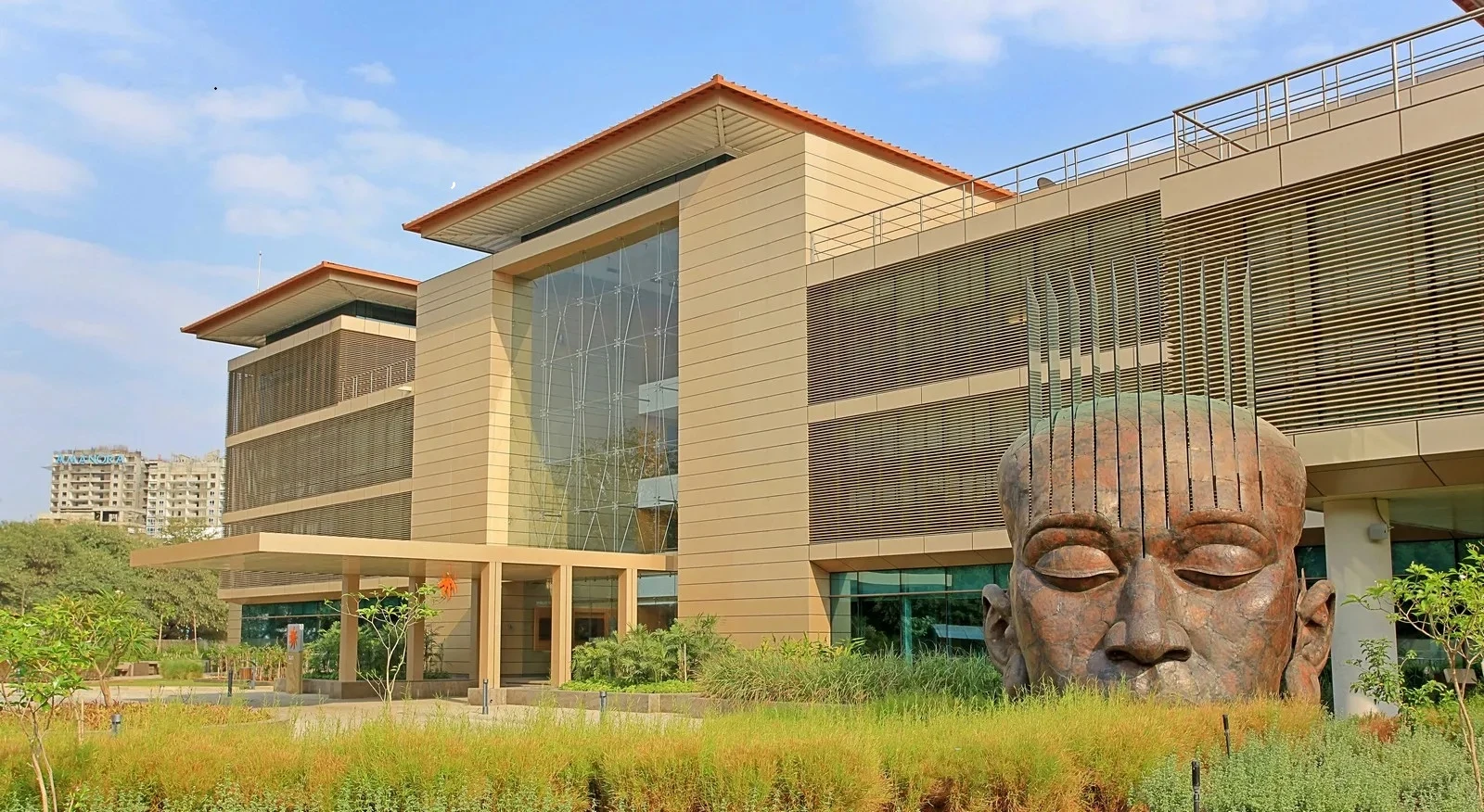
    Are Low-Carbon Buildings the Coolest Shift in Future Architecture?
    Suzlon One Earth, Pune, India © Ritesh Ramaiah

    Net-zero energy systems are central to achieving effective low-carbon building performance. Architects are creating buildings that balance energy consumption with on-site renewable energy generation, reducing reliance on fossil fuels. Passive strategies such as orientation, shading, and natural ventilation play a critical role in lowering energy demand. These are complemented by active systems like solar panels and wind energy that create a balanced, efficient ecosystem. 

    The integration of smart technologies further enhances performance by monitoring and adjusting energy use in real time, ensuring that buildings operate at optimal efficiency throughout their lifecycle.
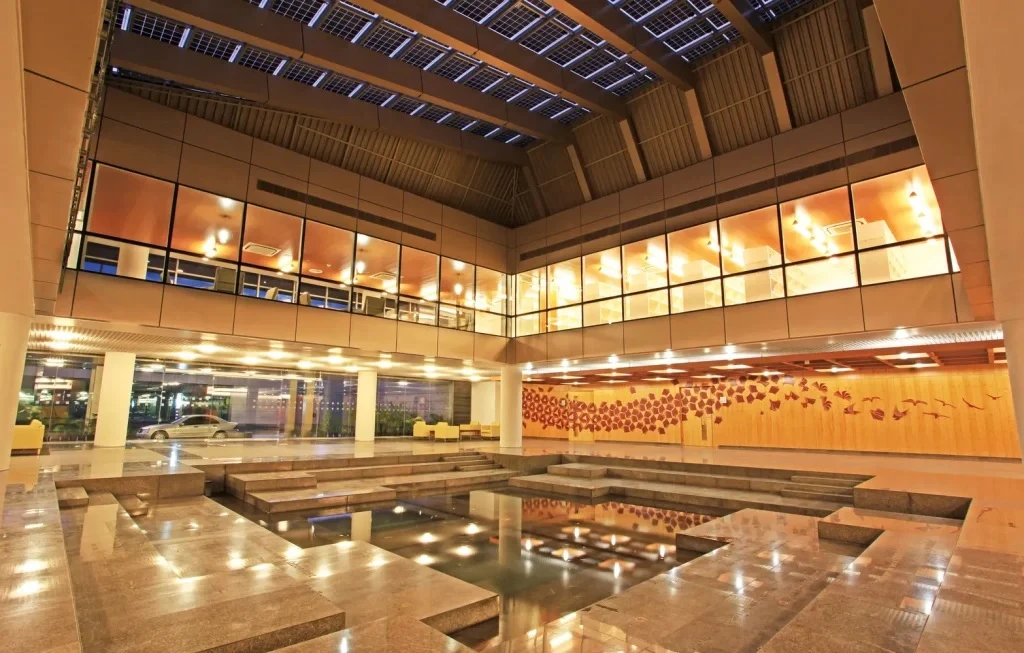
    Are Low-Carbon Buildings the Coolest Shift in Future Architecture?
    The central atrium © Ramprasad Naidu and TAO Studio

    Suzlon One Earth in Pune, India, stands as a benchmark for low-carbon building design. Designed by CCBA Designs, the campus integrates wind and solar energy systems that supply 92% of its electricity needs, making it a true zero-energy project. The horizontal layout, inspired by traditional Indian architecture, maximizes natural ventilation and daylight, while modular planning allows flexible use of space without increasing energy demand. Recycled, non-toxic, and locally sourced materials reduce embodied carbon, while water harvesting, greywater recycling, and waste management systems ensure minimal environmental impact.

    The design prioritizes occupant well-being while promoting low-carbon living, with landscaped courtyards, water channels, and open atria that connect humans to nature. Smart monitoring optimizes energy, temperature, and lighting in real time, achieving efficiency and cost savings. 

    Carbon-Negative Design

    Carbon-negative design represents the next step in low-carbon building evolution, where structures actively remove more carbon than they emit. Architects are achieving this through the use of bio-based materials, renewable energy production, and efficient construction techniques. Timber, for instance, acts as a carbon sink that stores emissions over its lifecycle.

    Prefabrication and modular construction further reduce waste and improve precision. These strategies collectively transform buildings into regenerative systems that contribute positively to the environment.
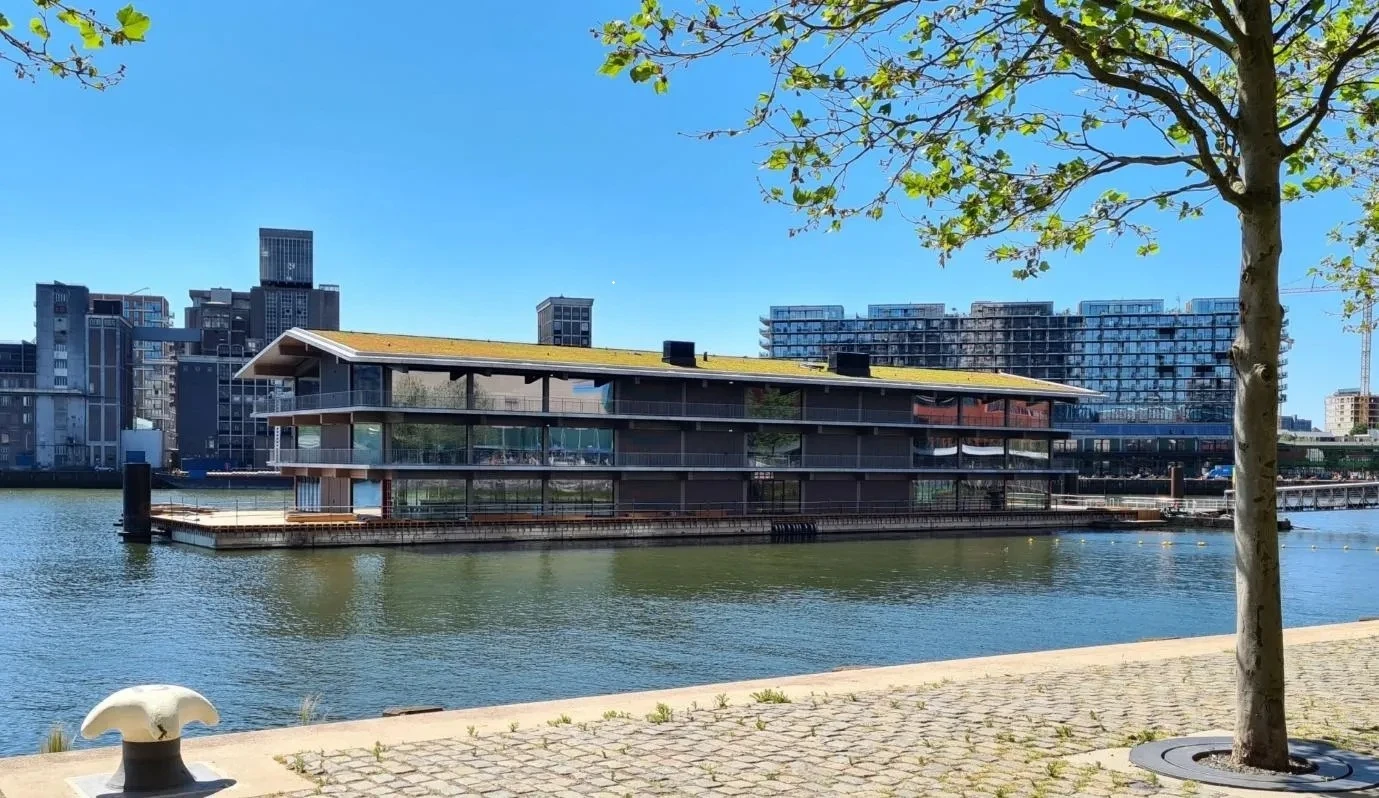
    Are Low-Carbon Buildings the Coolest Shift in Future Architecture?
    Floating Office Rotterdam © DVP

    The Floating Office Rotterdam is a pioneering example of carbon-negative design. Serving as the headquarters for the Global Centre on Adaptation (GCA), the building reflects the organization’s mission to advance climate resilience. Designed by Powerhouse Company, the three-story floating structure uses prefabricated timber modules for walls, floors, and roofs, allowing for easy disassembly and reuse. 

    Fifteen concrete pontoons provide a stable foundation, while solar panels generate surplus energy, and river water is harnessed for heating and cooling. The green roof enhances biodiversity, manages rainwater, and improves indoor comfort, creating a self-sufficient, environmentally considerate workspace. Modular planning allows flexible interior arrangements, supporting evolving operational needs. Digital monitoring systems optimize energy, air quality, and temperature in real time, ensuring efficiency without compromising comfort. 
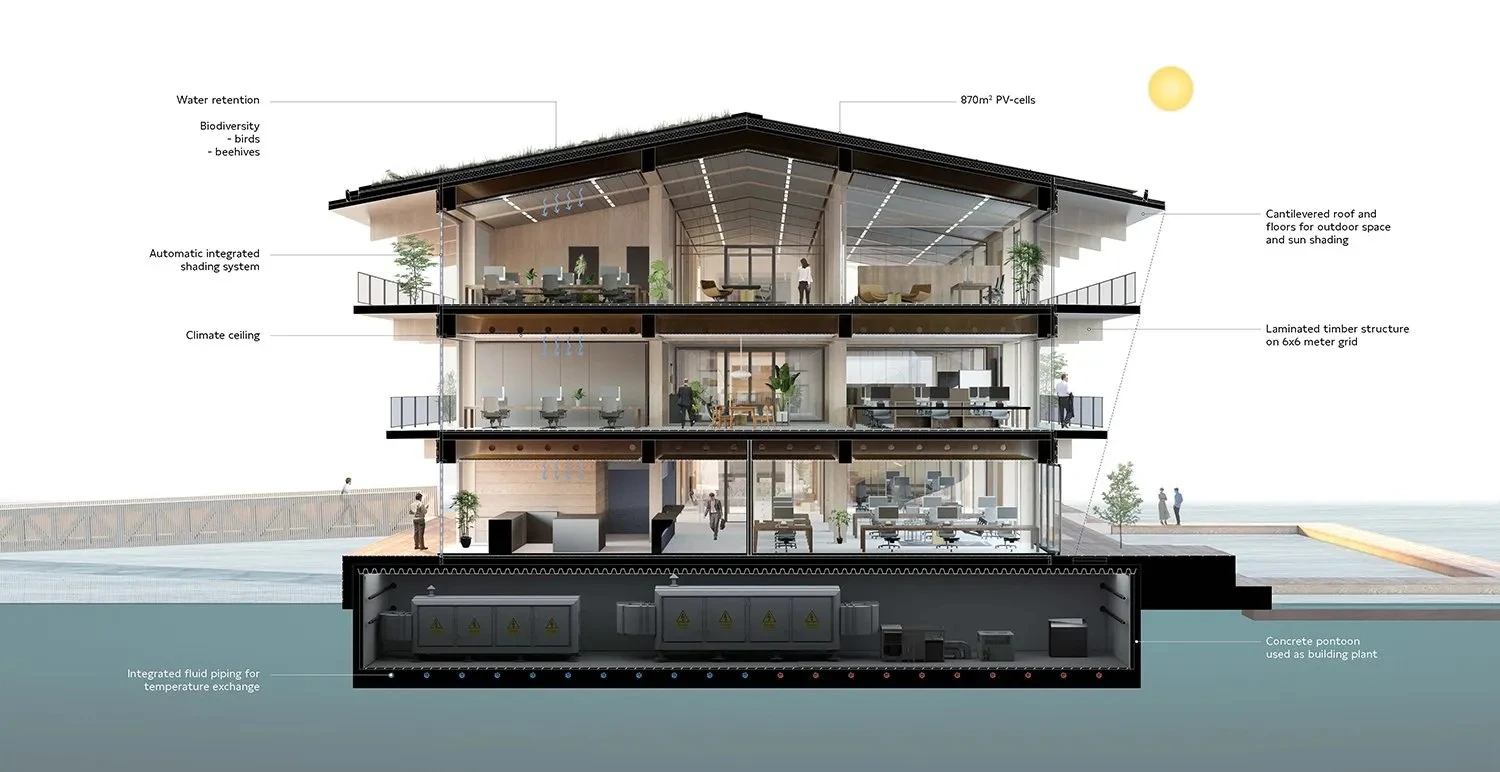
    Are Low-Carbon Buildings the Coolest Shift in Future Architecture?
    Floating Office Rotterdam © Powerhouse Company

    Low-carbon architecture is redefining design, as architects and designers create buildings that reduce harm and generate environmental value. These structures shape a sustainable, resilient, and future-ready built environment, advancing climate action through smart, eco-conscious design.

    Carbon Footprint floating office rotterdam low-carbon building Net-Zero Energy Samwoh Smart Hub HQ Suzlon One Earth
    Share. Facebook Twitter Pinterest LinkedIn Tumblr Email
    adminparamet
    • Website

    Related Posts

    15 Picturesque Neighborhoods Around the World Every Design Lover Should Visit

    July 23, 2026

    This Robotic Clothing Wraps Around You in Just 10 Seconds

    July 23, 2026

    Where Did the Women Go? The Hidden Disappearance of Female Architects After Graduation

    July 23, 2026
    Add A Comment
    Leave A Reply Cancel Reply

    Demo
    Top Posts

    Design Reviews Are Moving Beyond Still Images and Animations. D5 3.1 Shows What’s Next.

    July 23, 20268 Views

    tetsstststtt

    July 23, 20264 Views

    World Architecture Festival Unveils 2026 Shortlist Featuring 416 Projects Worldwide

    July 23, 20264 Views

    15 Picturesque Neighborhoods Around the World Every Design Lover Should Visit

    July 23, 20263 Views
    Don't Miss

    tetsstststtt

    By adminparametJuly 23, 2026

    Soundscape in Architecture: Designing Through Sound

    July 23, 2026

    MVRDV Wins Shift Embassy Competition with Rotterdam ROCKS!

    July 23, 2026

    Shanghai’s Pollinator Machine Installation Brings Ancient Evolution to Life

    July 23, 2026
    Stay In Touch
    • Facebook
    • Twitter
    • Pinterest
    • Instagram
    • YouTube
    • Vimeo

    Subscribe to Updates

    Get the latest creative news from SmartMag about art & design.

    Demo
    About Us
    About Us

    Your source for the lifestyle news. This demo is crafted specifically to exhibit the use of the theme as a lifestyle site. Visit our main page for more demos.

    We're accepting new partnerships right now.

    Email Us: [email protected]
    Contact: +1-320-0123-451

    Our Picks

    tetsstststtt

    July 23, 2026

    Soundscape in Architecture: Designing Through Sound

    July 23, 2026

    MVRDV Wins Shift Embassy Competition with Rotterdam ROCKS!

    July 23, 2026
    Most Popular

    Design Reviews Are Moving Beyond Still Images and Animations. D5 3.1 Shows What’s Next.

    July 23, 20268 Views

    tetsstststtt

    July 23, 20264 Views

    World Architecture Festival Unveils 2026 Shortlist Featuring 416 Projects Worldwide

    July 23, 20264 Views
    Facebook X (Twitter) Instagram Pinterest YouTube LinkedIn TikTok
    • Home
    • Buy Now
    © 2026 ParametricArchitecture. All Rights Reserved. By utilizing this website, you are consenting to our User Agreement, Privacy Policy, and Cookie Statement. In compliance with the privacy laws of Turkey and the United States, we recognize and respect your rights. Please be aware that we may receive commissions for products bought through our affiliate links. Unauthorized reproduction, distribution, or transmission of any material from this site is strictly forbidden without prior written permission from ParametricArchitecture.

    Type above and press Enter to search. Press Esc to cancel.

    Sign In or Register

    Welcome Back!

    Login to your account below.

    Lost password?