


Most major earthquakes occur along tectonic plate boundaries, where enormous sections of the Earth’s crust constantly slide against one another. The sudden release of this pressure sends shockwaves through the ground, causing buildings and infrastructure to shake. In coastal regions, undersea earthquakes can displace massive volumes of water, generating tsunamis that travel at extraordinary speeds before crashing into cities with destructive force.
While these disasters are natural, the scale of destruction is connected to human decisions: poor construction quality, unregulated urban expansion, weak infrastructure, and the failure to plan for known environmental risks. This is where architecture and urban planning become critical. Cities today should rely on earthquake-resistant engineering, flexible structural systems, elevated housing, evacuation infrastructure, coastal buffer zones, and hazard-sensitive planning to reduce future risk.
Located in some of the world’s most disaster-prone regions, countries like India, Japan, Chile, Nepal, Turkey, Indonesia, and Sri Lanka have developed unique techniques in architecture and resilient design in response to devastating earthquakes and tsunamis.
2011 Tōhoku Earthquake and Tsunami, Japan
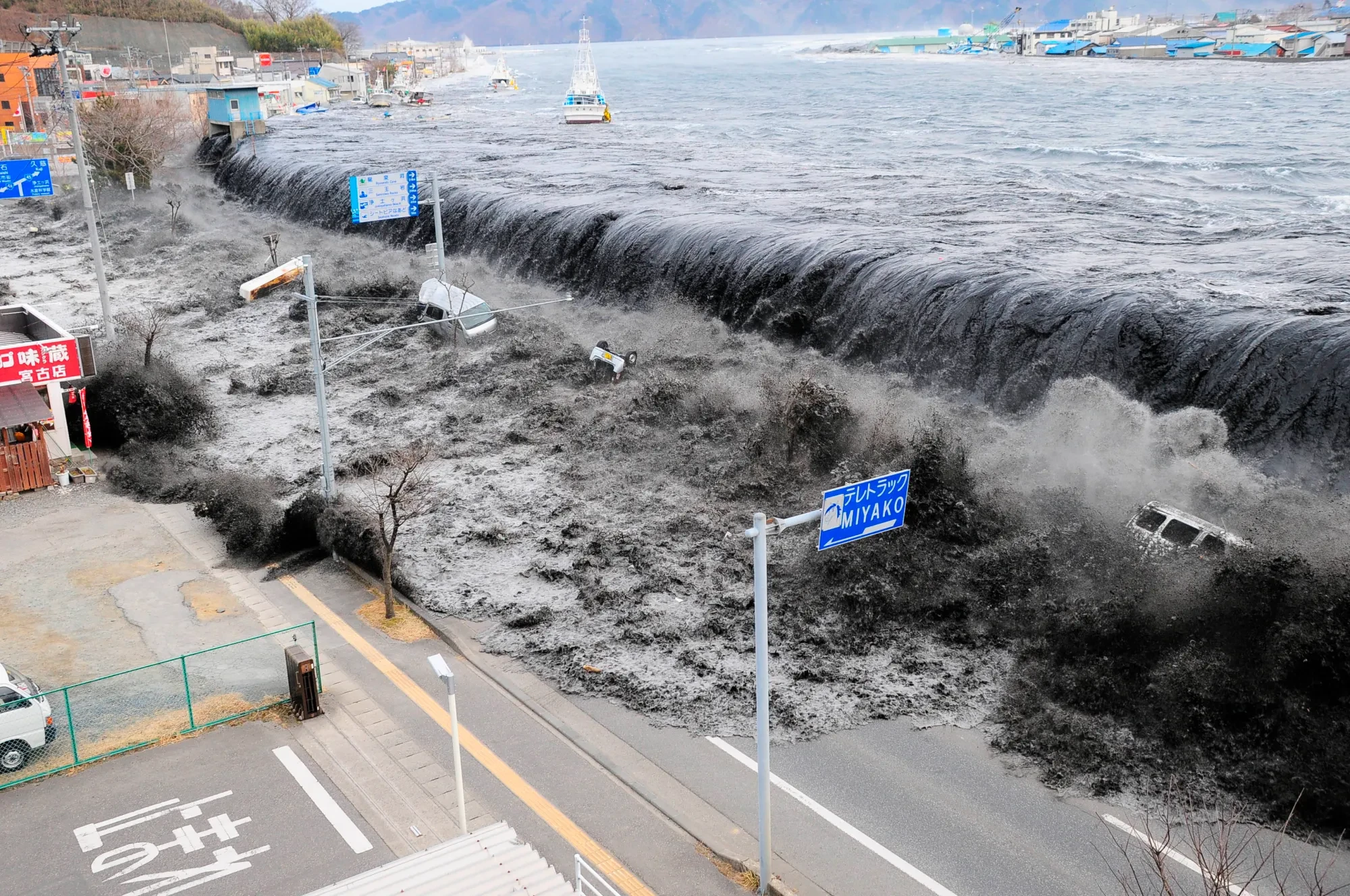
When the 2011 Tōhoku earthquake and tsunami struck northeastern Japan, entire coastal towns were wiped out within minutes. Beyond the immense human loss, the disaster exposed how vulnerable even highly developed urban systems can be when faced with combined natural catastrophes. In the years that followed, Japan’s reconstruction efforts became a global example of how architecture can move beyond simply rebuilding structures.
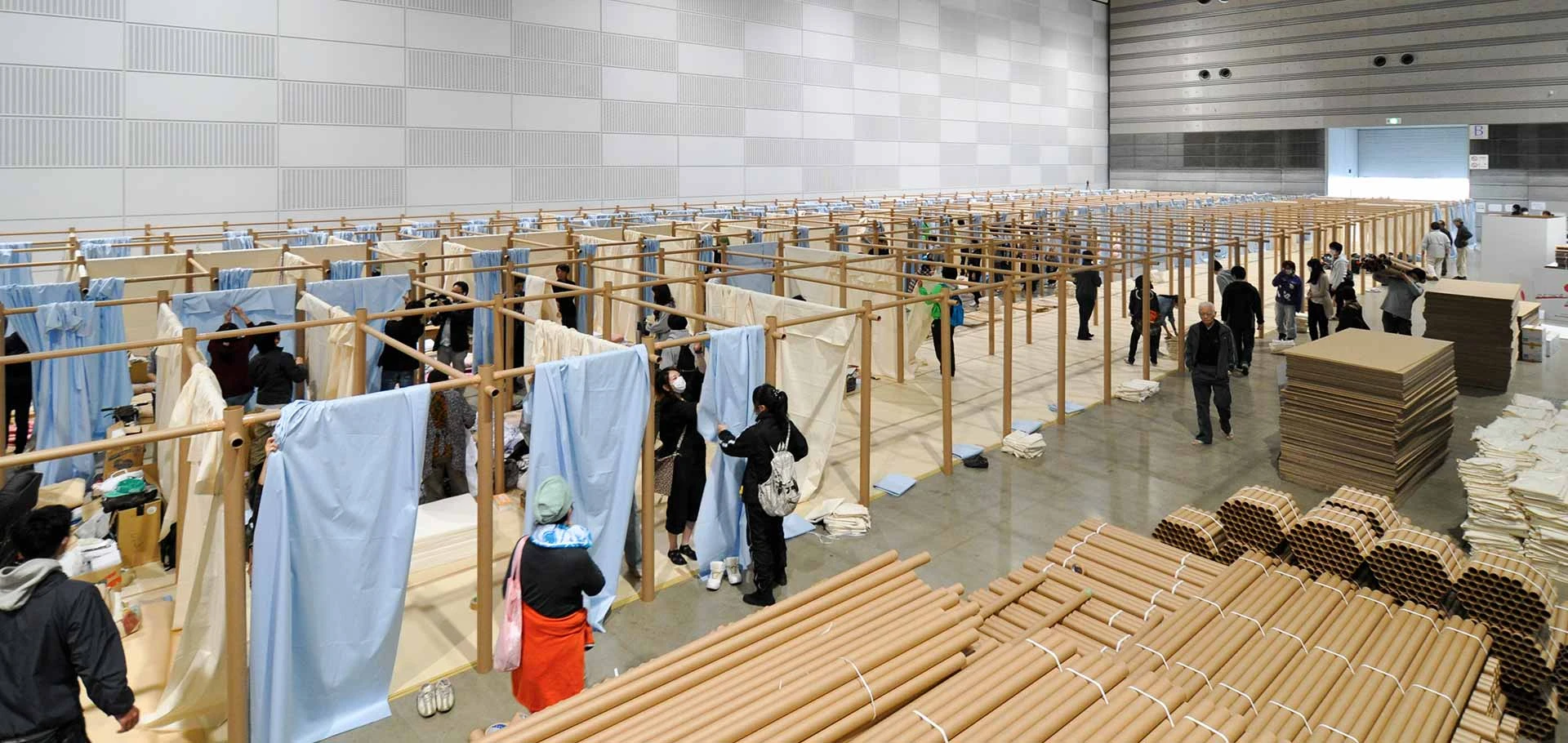
Among the most notable architectural responses was the work of Shigeru Ban, known internationally for his humanitarian disaster-relief projects. Ban designed temporary shelters and partition systems using recycled paper tubes, fabric curtains, and lightweight modular materials that could be assembled quickly inside evacuation centers. While simple in appearance, these structures offered dignity to displaced families.

Japan’s larger rebuilding strategy also focused heavily on long-term resilience. Coastal towns introduced elevated housing, tsunami evacuation towers, strengthened seawalls, and disaster-ready public infrastructure. In several regions, vulnerable settlements were relocated to higher ground to reduce future risk. Schools, community centers, and public spaces were redesigned to function as emergency shelters during disasters.
Chile’s Seismic Resilience and Rebuilding Techniques
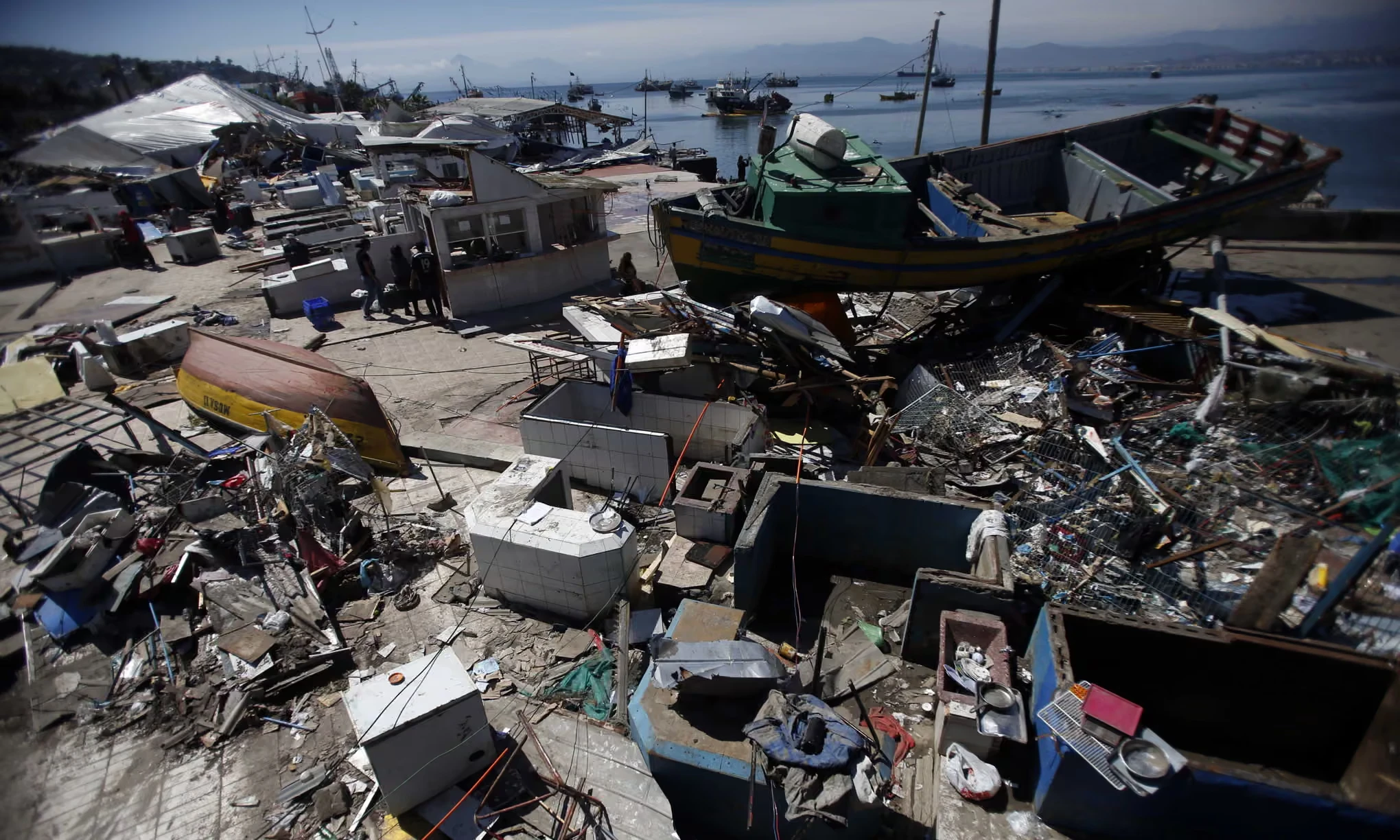
Located along the Pacific Ring of Fire, Chile is one of the most seismically active nations in the world. The country has experienced repeated earthquakes throughout its history, forcing cities and planners to continually consider how buildings should respond to seismic activity. Chile has excelled in using successive earthquakes as opportunities to improve construction methods and urban safety standards over time.
One of the turning points came after the 1960 Valdivia earthquake, the strongest earthquake ever recorded in history. The devastation pushed Chile toward stricter seismic regulations and advanced structural engineering practices. Over the following decades, reinforced concrete systems, shear walls, flexible structural frames, and improved foundation technologies became central to Chilean construction. Architects and engineers increasingly designed buildings to absorb and distribute seismic forces instead of resisting them rigidly, allowing structures to move safely during earthquakes.
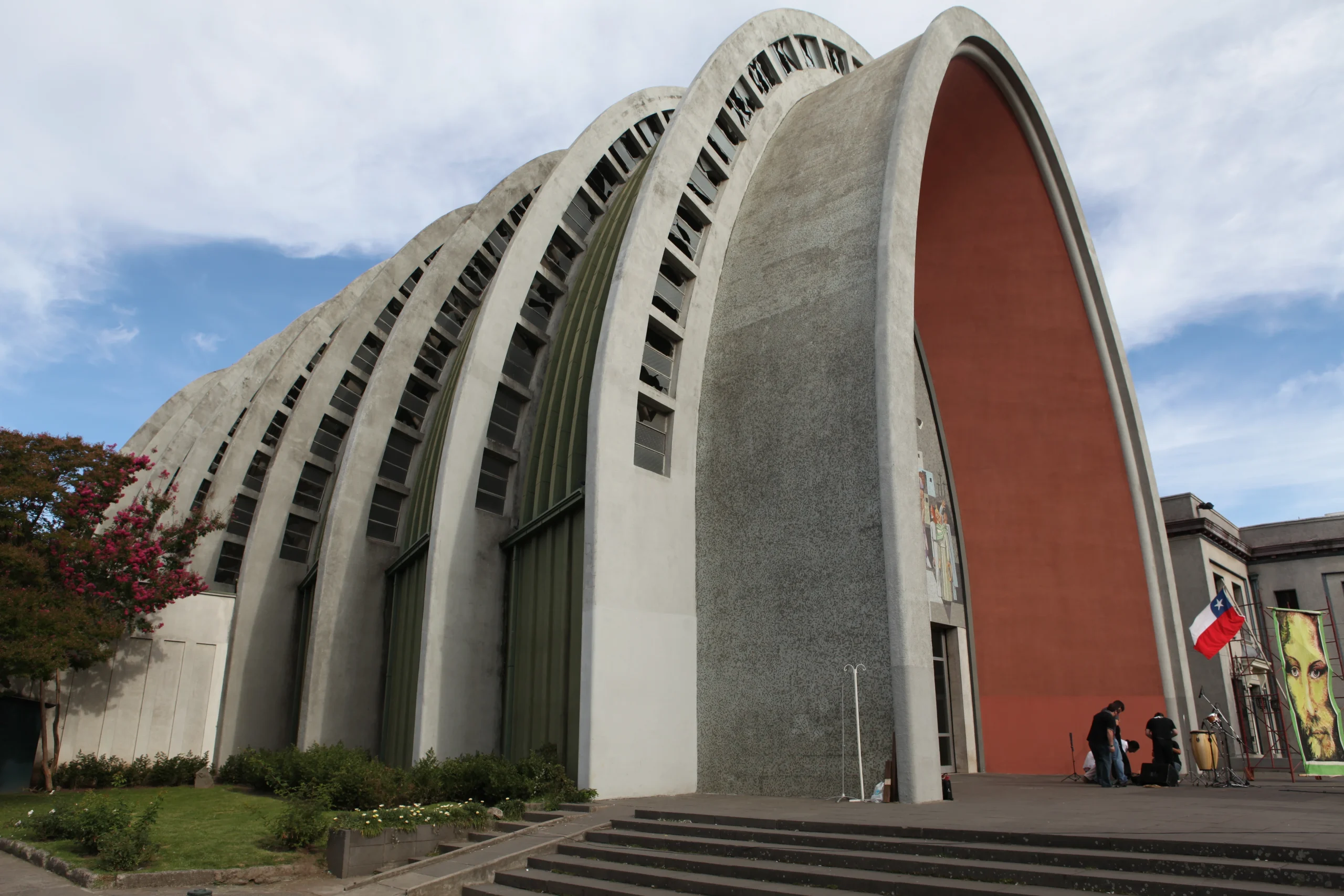
When the powerful 8.8 magnitude earthquake struck central Chile in 2010, cities such as Concepción suffered extensive damage, yet many modern buildings remained standing due to the country’s strong seismic codes. While infrastructure and housing still required major reconstruction, the disaster demonstrated how long-term investment in resilient planning could reduce urban collapse and loss of life.
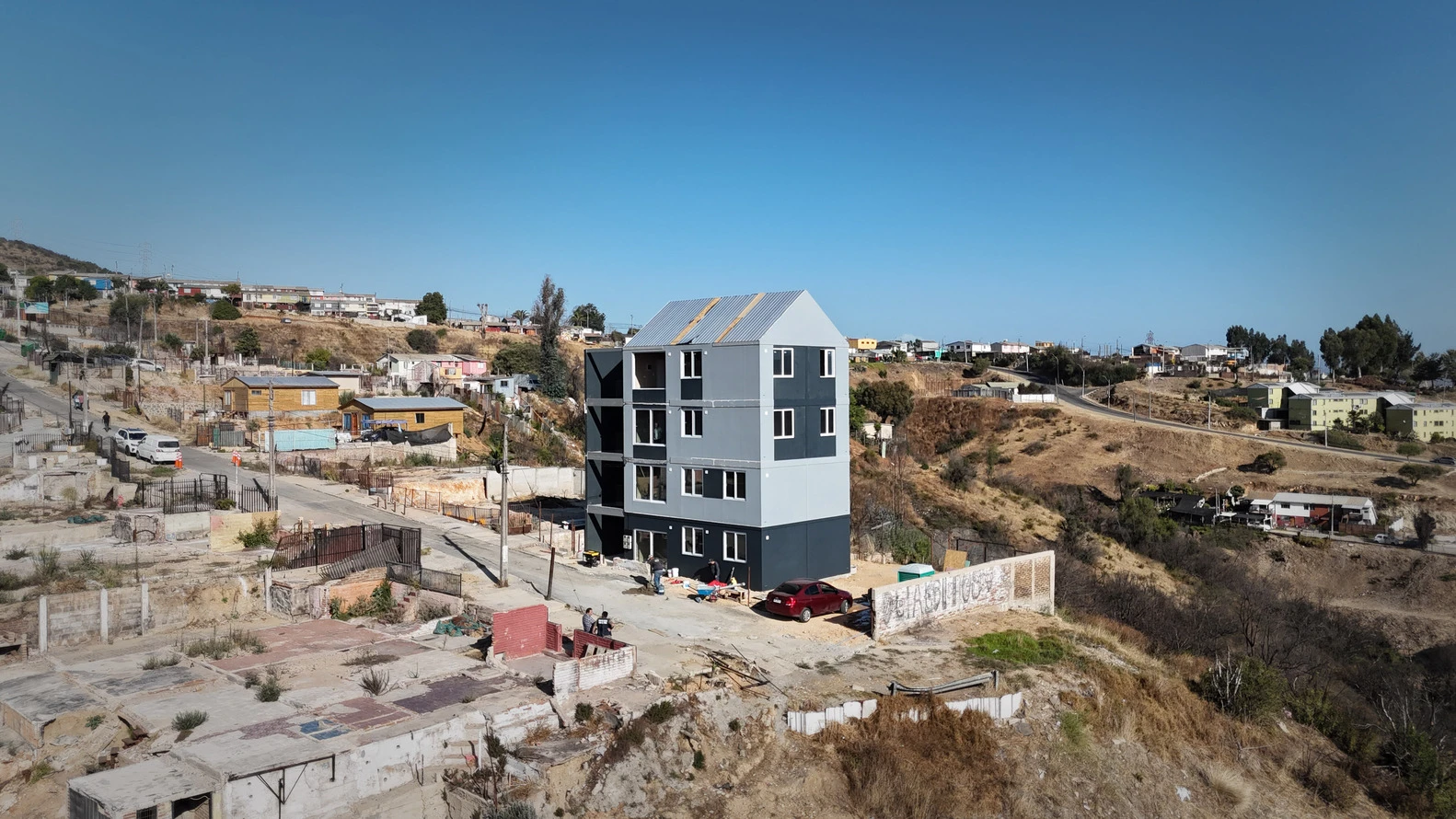
In the years that followed, Chile’s rebuilding efforts focused on repairing damaged structures in addition to improving social housing, infrastructure, and community resilience. Reconstruction projects introduced stronger confined masonry systems, safer low-rise housing, upgraded public buildings, and stricter oversight of construction quality. Architects also began exploring more socially responsive approaches to post-disaster housing. Alejandro Aravena and the firm ELEMENTAL became internationally recognized for designing incremental housing that allowed residents to expand their homes while maintaining structural safety and affordability.
2018 Sulawesi Tsunami, Indonesia
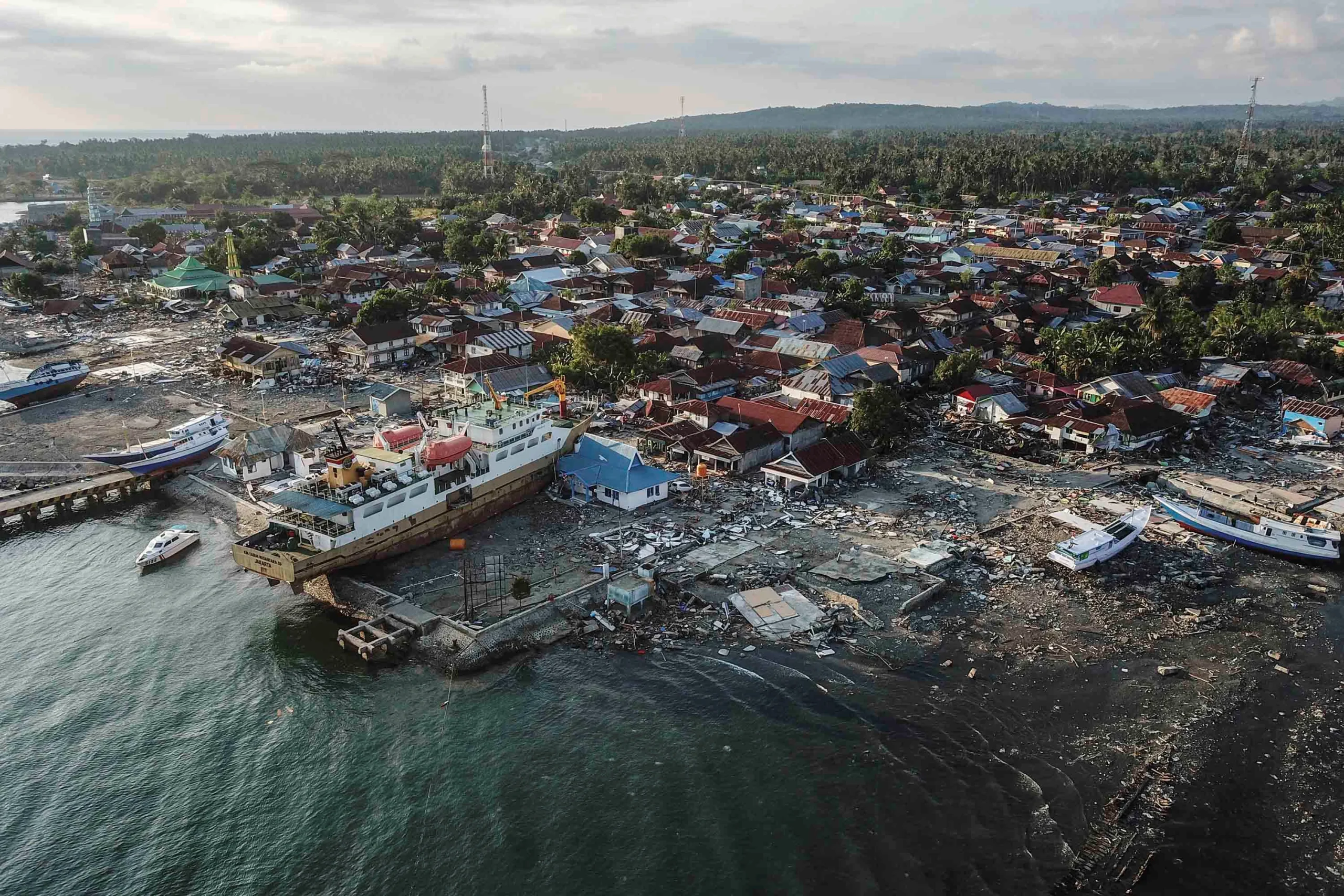
The 2018 earthquake and tsunami struck Palu in Central Sulawesi. In addition to the tsunami itself, large sections of the city experienced severe soil liquefaction, where the ground behaved almost like liquid, swallowing entire neighborhoods, roads, and buildings. The catastrophe exposed how urban development in vulnerable coastal and geological zones can increase the scale of destruction during natural disasters.
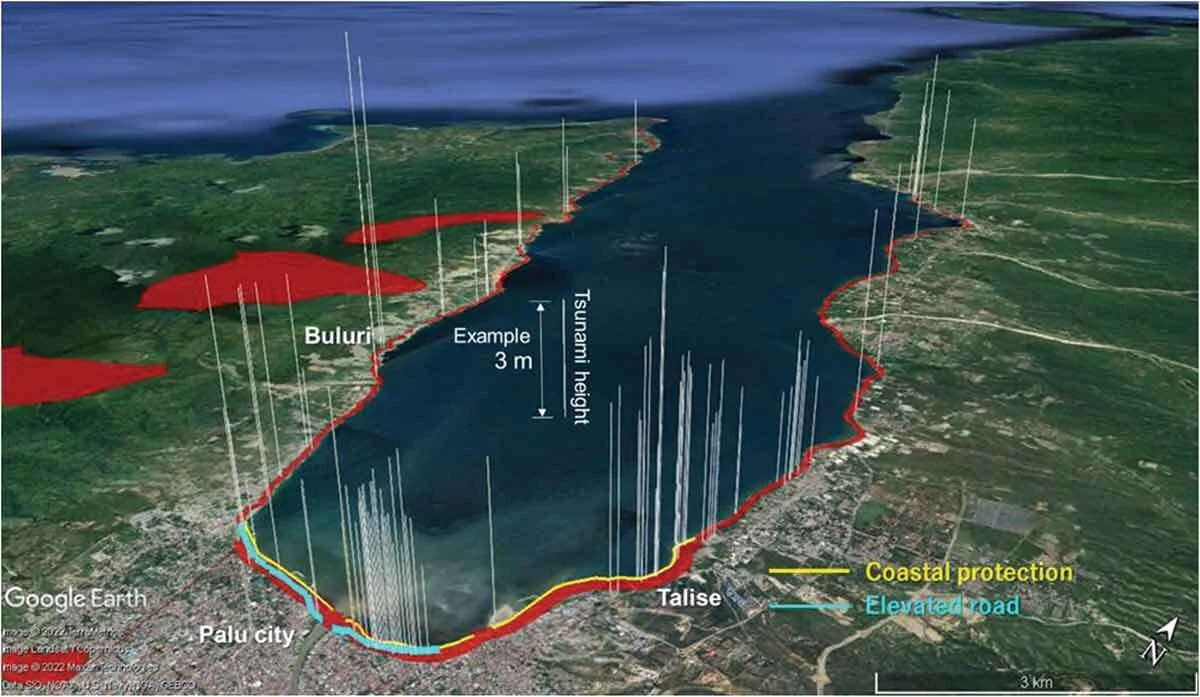
In the aftermath, Palu’s reconstruction efforts focused on fundamentally rethinking land-use planning and urban safety. Unlike many earlier disaster recoveries that prioritized rapid reconstruction alone, Palu introduced more risk-informed planning strategies based on geological and hazard mapping. Areas identified as highly vulnerable to liquefaction and tsunami exposure were restricted from future development, while several displaced communities were relocated to safer zones further inland.
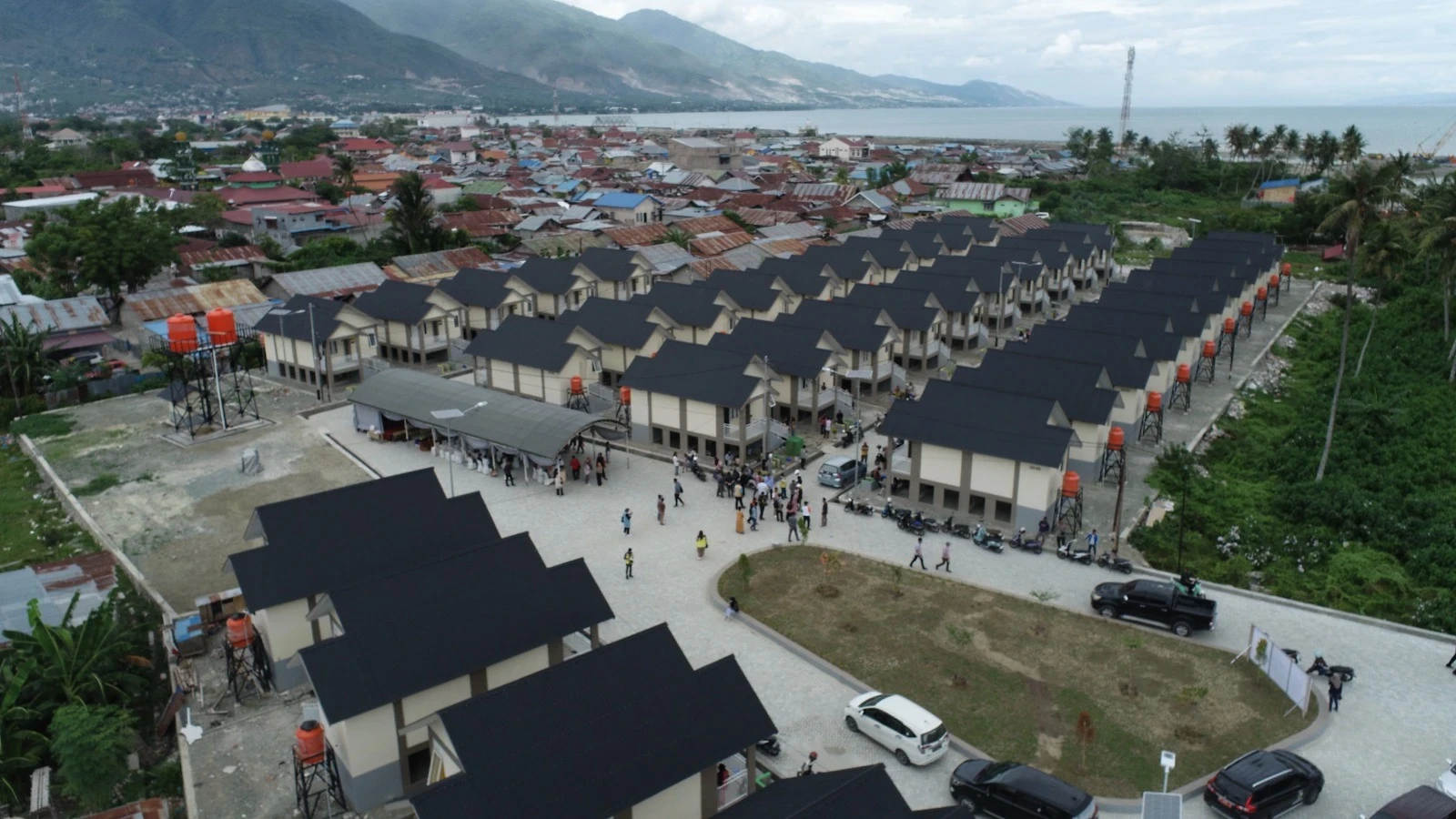
The rebuilding process also emphasized resilient housing, evacuation infrastructure, and disaster preparedness. New residential developments incorporated safer construction techniques, improved drainage systems, and more regulated planning layouts designed to reduce future risk. Emergency evacuation routes, vertical shelters, and early warning systems became increasingly important elements within the city’s reconstruction strategy.
2015 Nepal Earthquake
The 2015 earthquake in Nepal caused widespread destruction across the country, damaging thousands of homes, historic monuments, temples, and public buildings. The disaster particularly affected the Kathmandu Valley, where centuries-old heritage structures collapsed alongside densely built residential neighborhoods. Beyond the immediate physical damage, the earthquake also threatened Nepal’s cultural identity, as many of its significant architectural landmarks were deeply tied to local history and religion.
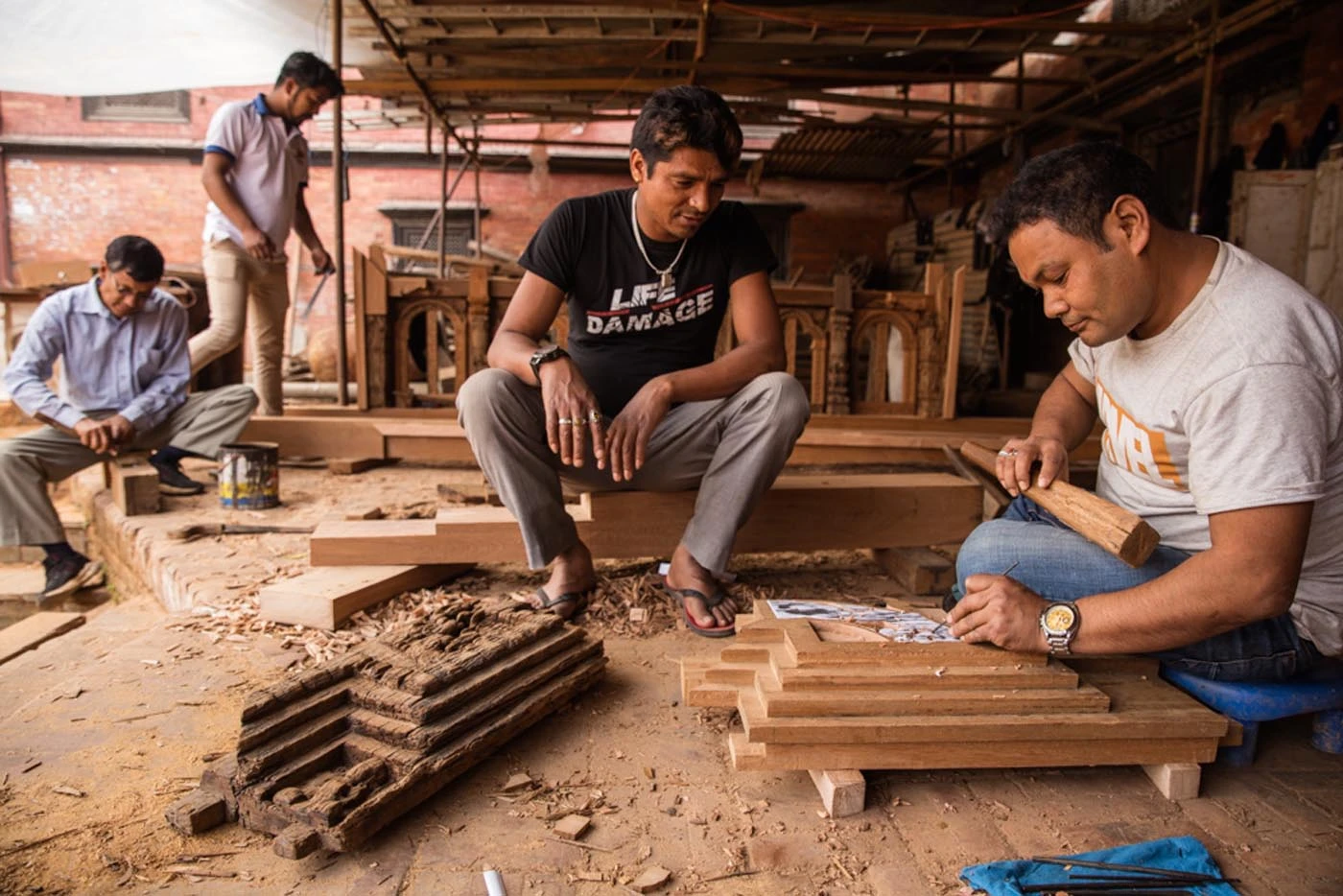
In response, Nepal launched its “Build Back Better” initiative, a national reconstruction strategy focused on creating safer, more resilient communities while preserving the country’s architectural heritage. Timber frames, brick masonry, and handcrafted detailing were preserved wherever possible, while hidden steel supports and improved structural connections were introduced to improve earthquake resistance.
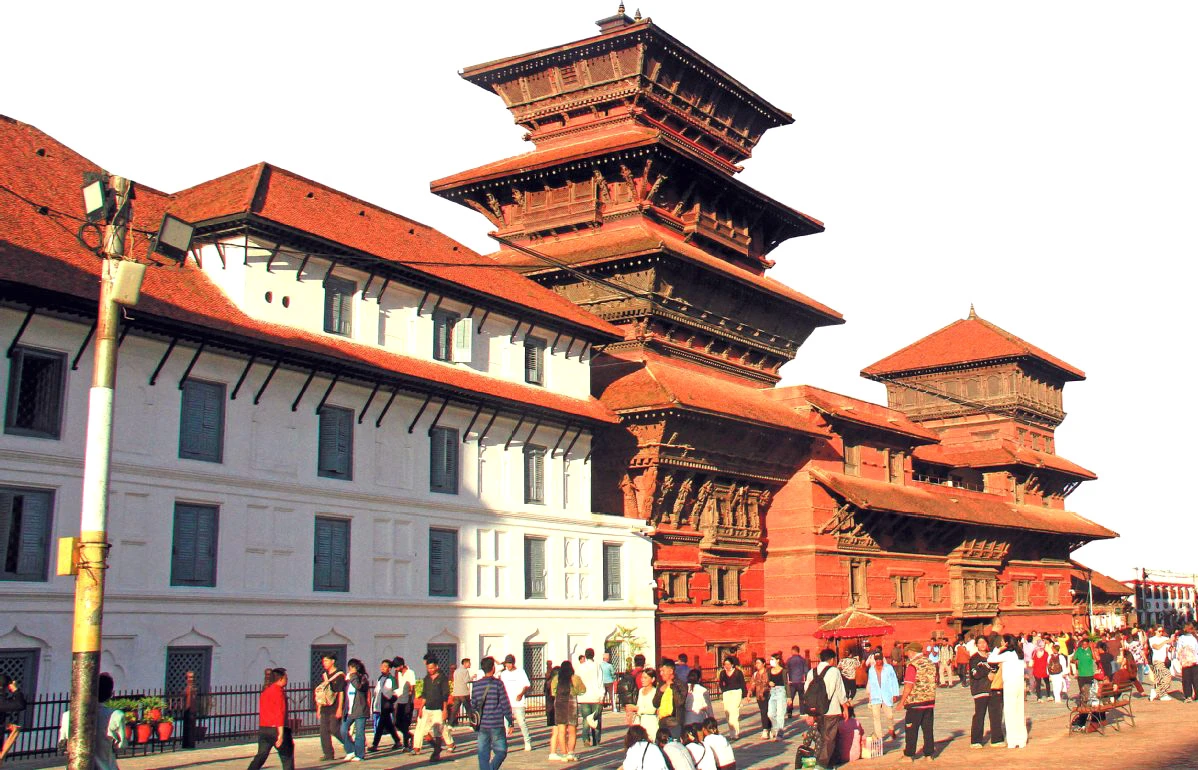
Visible rebuilding efforts took place around Kathmandu Durbar Square, where damaged temples and palaces underwent restoration. Craftsmen trained in traditional Newari construction techniques played a major role in rebuilding several heritage structures.
The rebuilding process also extended beyond heritage sites into rural villages and residential communities. Many homes in remote regions were reconstructed using safer versions of traditional materials and layouts, along with new seismic guidelines to reduce future risk. Reconstruction programs promoted earthquake-resistant masonry techniques, lighter roofing systems, and improved structural connections while still adapting to local climates, economies, and building traditions.
Post-Tsunami Housing, Sri Lanka
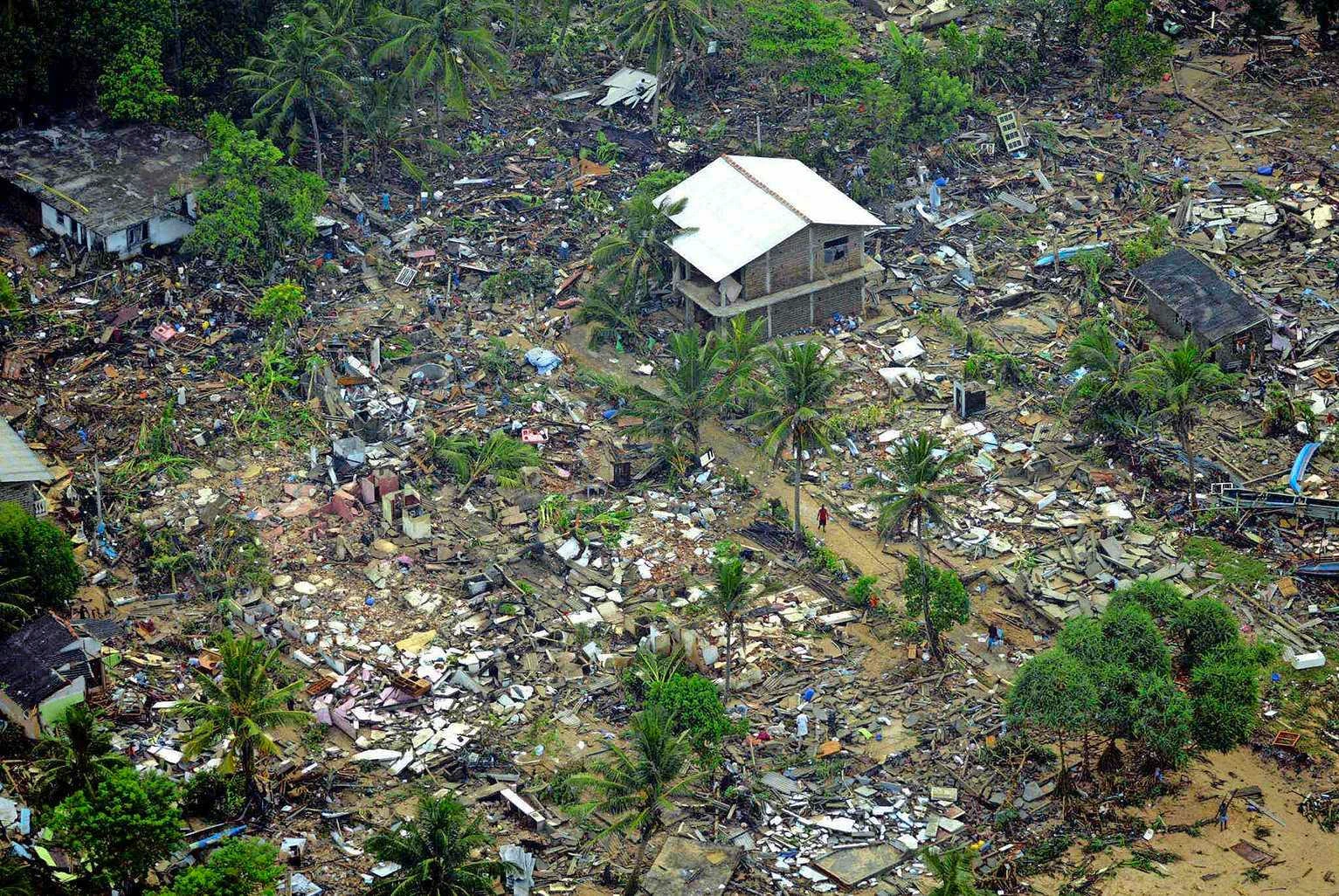
Following the devastating 2004 Indian Ocean tsunami, large parts of Sri Lanka’s coastline were left in ruins, with fishing villages and coastal communities suffering extensive damage and displacement.
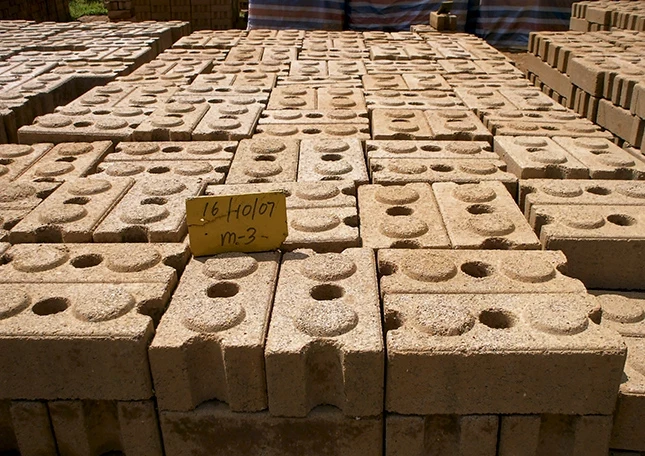
Post-Tsunami Housing, designed by Shigeru Ban, is internationally recognized for its humanitarian and disaster-relief architecture. Ban developed a reconstruction strategy that responded to the needs of the local fishing community while remaining affordable and easy to construct using low-cost, locally adaptable materials in disaster recovery projects. The homes were constructed using compressed earth blocks (which stack together like LEGO bricks) and local rubber-tree wood for partitions and fittings. Simple construction systems, lightweight structural components, and efficient layouts allowed the homes to be built quickly. The project emphasized long-term livability, community rebuilding, and human dignity.
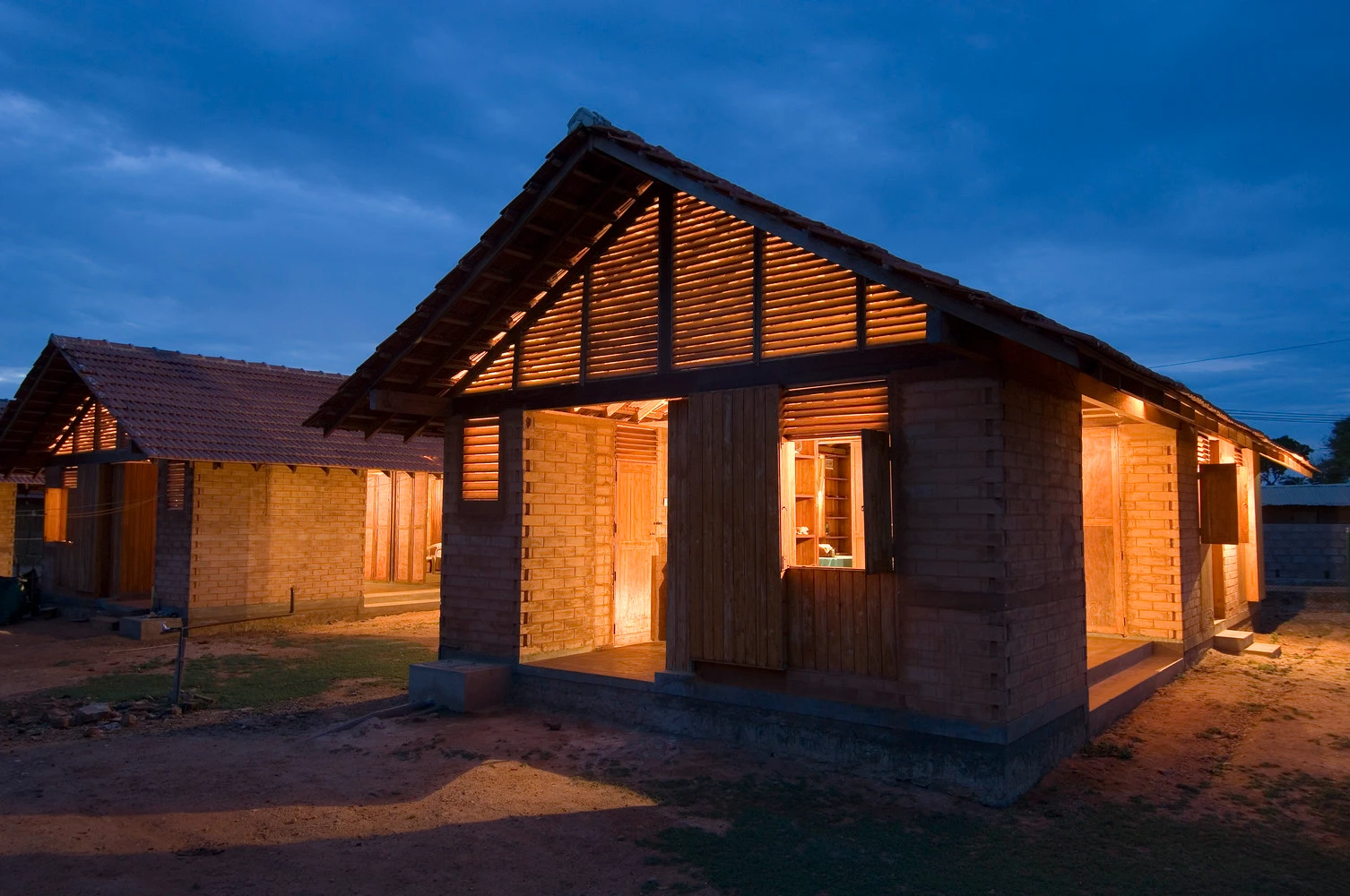
Houses were planned to allow natural ventilation and protection from Sri Lanka’s tropical heat while also respecting local customs regarding privacy, gender separation, and family life. Spatial arrangements were designed so homes could function according to traditional community patterns for the residents recovering from trauma and displacement.
2023 Earthquake, Turkey
The 2023 earthquakes that struck southern Turkey devastated entire neighborhoods across the cities of Antakya, Kahramanmaras, and Gaziantep. Tens of thousands of buildings collapsed, exposing the destructive force of the earthquake itself and long-standing issues related to urbanization, construction quality, and inconsistent enforcement of seismic regulations.
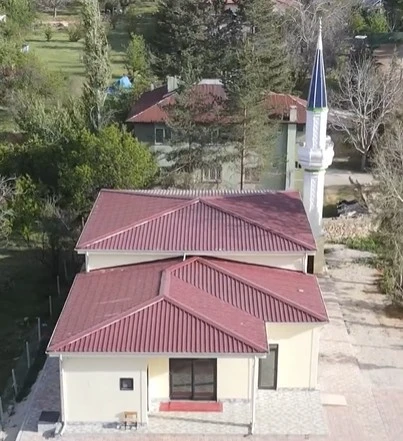
In response, Turkey launched a massive reconstruction campaign aimed at rebuilding housing, infrastructure, and public facilities at an unprecedented scale. Authorities prioritized low- to mid-rise earthquake-resistant housing blocks, stronger reinforced concrete systems, improved soil analysis before construction, and more regulated structural inspections to reduce future vulnerability. In heavily damaged historic areas such as Antakya, reconstruction efforts began with heritage-sensitive planning, particularly in areas containing historic streets, markets, and religious landmarks.

The post-2023 rebuilding efforts also highlighted the growing role of technology and urban risk assessment in disaster recovery. New reconstruction plans increasingly relied on seismic mapping, geotechnical analysis, modular construction systems, and prefabricated housing models that could be assembled quickly and safely. Public infrastructure such as hospitals, schools, transportation corridors, and emergency response facilities were redesigned with stronger disaster-preparedness measures integrated into their planning.
2004 Indian Ocean Tsunami, Indonesia
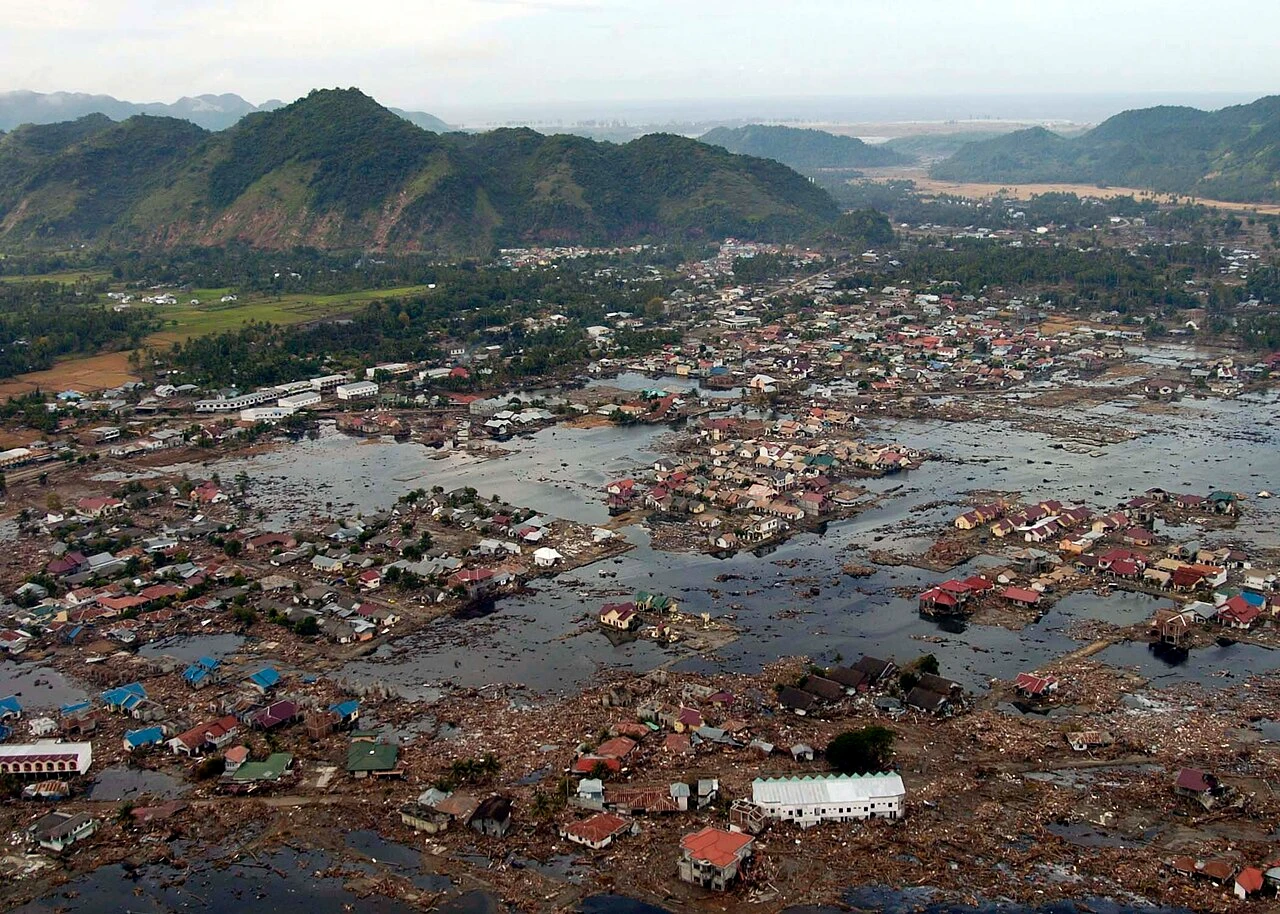
When the 2004 Indian Ocean tsunami struck Southeast Asia, Banda Aceh in Indonesia was one of the hardest-hit regions in the disaster. Entire neighborhoods were swept away within minutes as massive waves destroyed homes, roads, mosques, and coastal infrastructure.
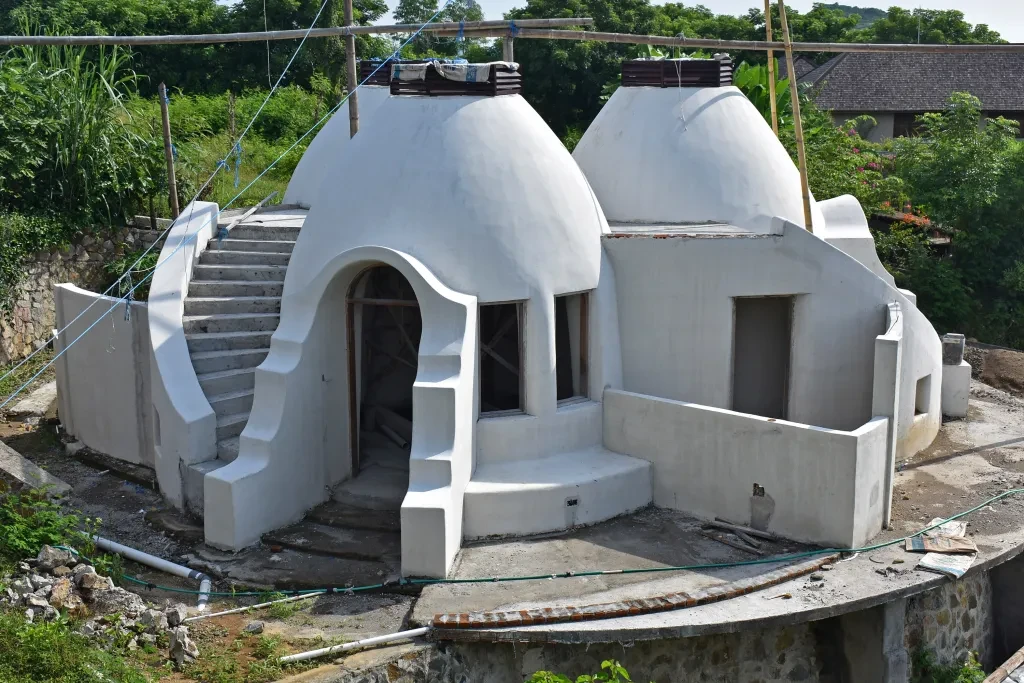
In the years that followed, reconstruction efforts focused on creating safer settlements while improving infrastructure, transportation networks, drainage systems, and public facilities across the city. Several vulnerable coastal areas were redesigned with wider buffer zones and evacuation routes to reduce future tsunami risk. A major part of the rebuilding process also involved community-led housing reconstruction. Many projects worked closely with residents to rebuild homes and neighborhoods according to social and cultural needs. This approach helped communities regain a sense of ownership and stability after large-scale displacement.
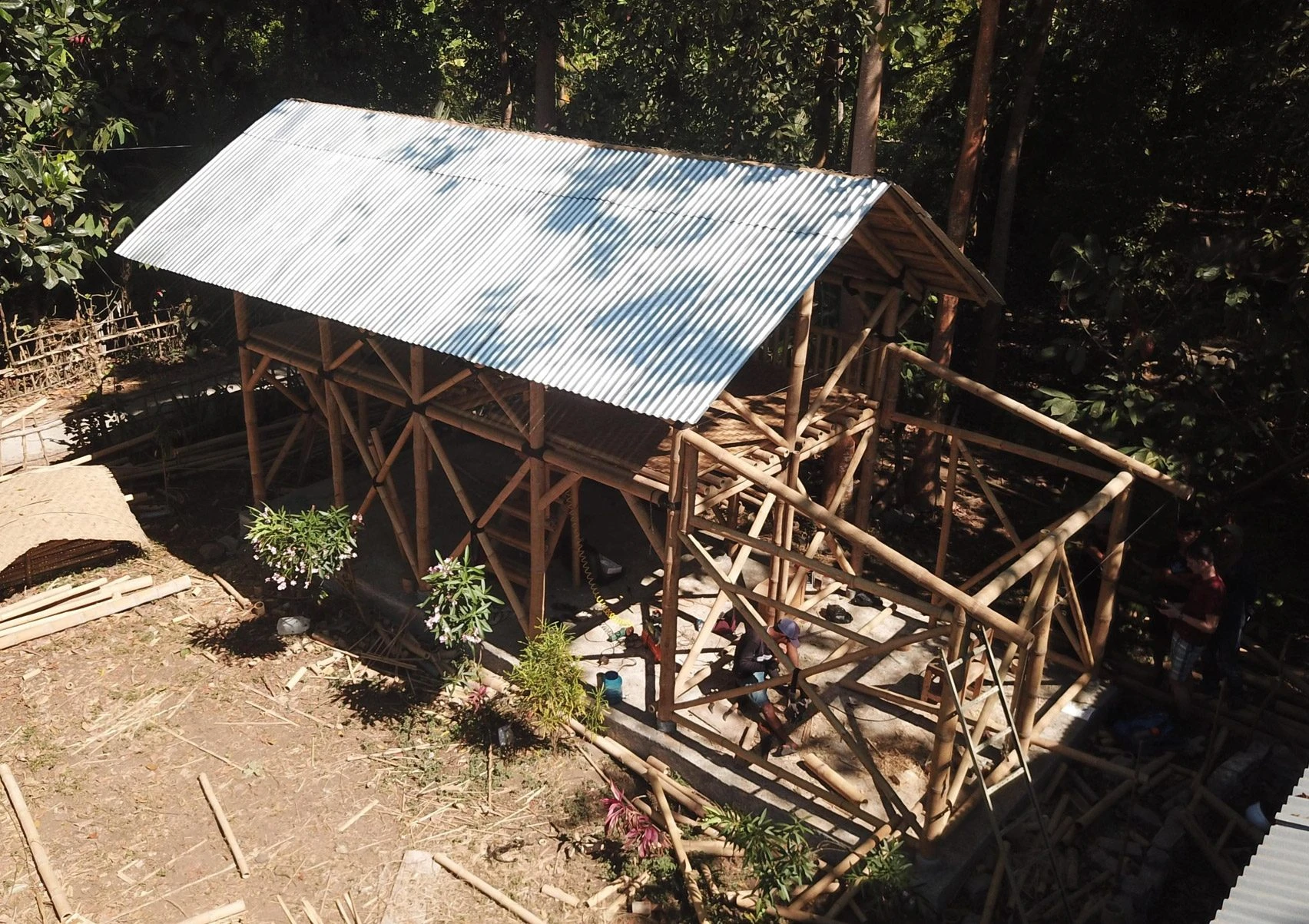
The reconstruction of Banda Aceh also highlighted the growing importance of ecological protection in tsunami-prone regions. Mangrove restoration projects and coastal landscape rehabilitation became part of the city’s long-term resilience strategy, recognizing that natural systems can play an important role in reducing the impact of future coastal disasters.
2001 Gujarat Earthquake, India
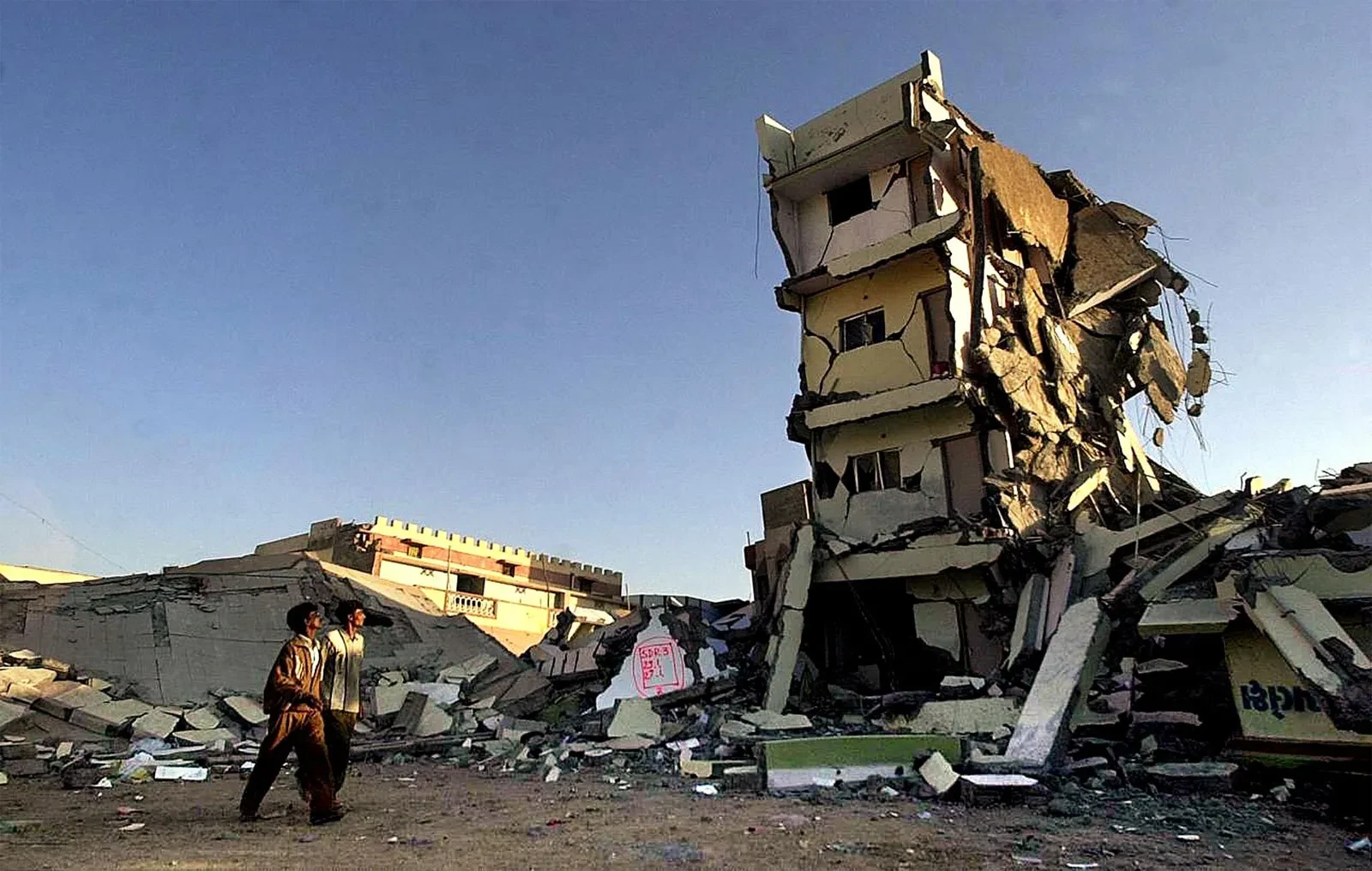
The 2001 Gujarat earthquake, centered near Bhuj in western India, was one of the country’s deadliest natural disasters in recent history. Entire towns and villages across the Kutch region were devastated as homes, public buildings, roads, and essential infrastructure collapsed within seconds. The scale of destruction exposed the vulnerability of expanding settlements, poor construction practices, and non-engineered masonry structures commonly used across earthquake-prone regions in India.
One of the most significant rebuilding strategies involved restructuring heavily damaged towns such as Bhuj. Roads were widened, open public spaces were introduced for emergency access, and infrastructure networks were redesigned to improve disaster preparedness.
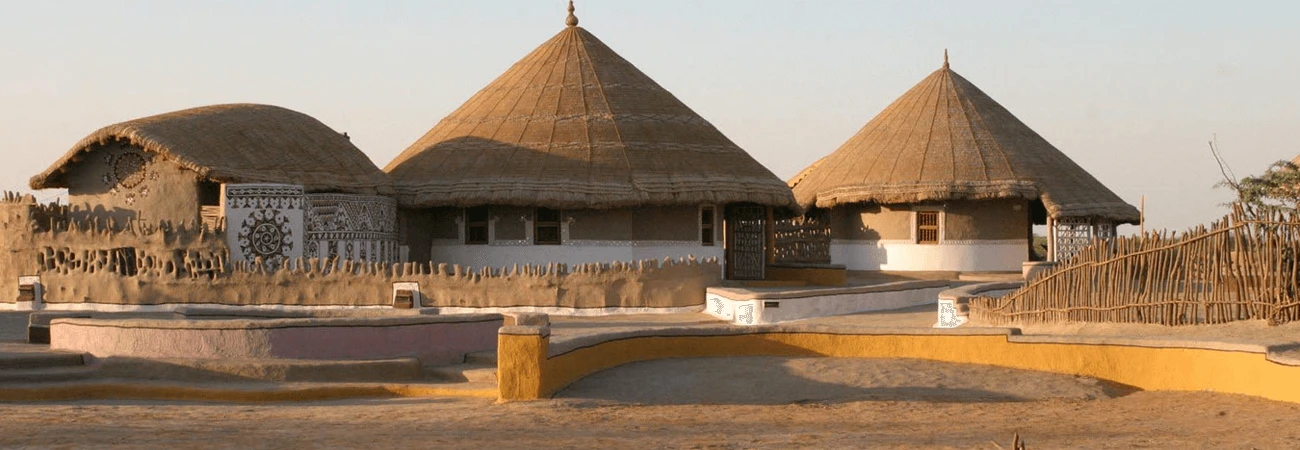
An important part of this rebuilding process was the revival and adaptation of traditional Bhunga housing, a circular mud-house typology native to the Kutch region. Known for their thick walls, lightweight conical roofs, and circular form, Bhungas have historically performed well during earthquakes because their geometry distributes seismic forces more evenly. Several reconstruction projects reintroduced Bhunga-inspired housing using modern materials and structural reinforcement.
In a matter of minutes, an earthquake can split roads apart, flatten neighborhoods, and reduce decades of urban growth into debris. Across the world, post-disaster reconstruction enables cities to coexist with nature, risk, and uncertainty. From Japan’s tsunami-resilient towns and Chile’s seismic engineering systems to Nepal’s heritage restoration projects and Indonesia’s community-led rebuilding efforts, these examples show how catastrophe can force architecture to become more adaptive, humane, and resilient than before.
