


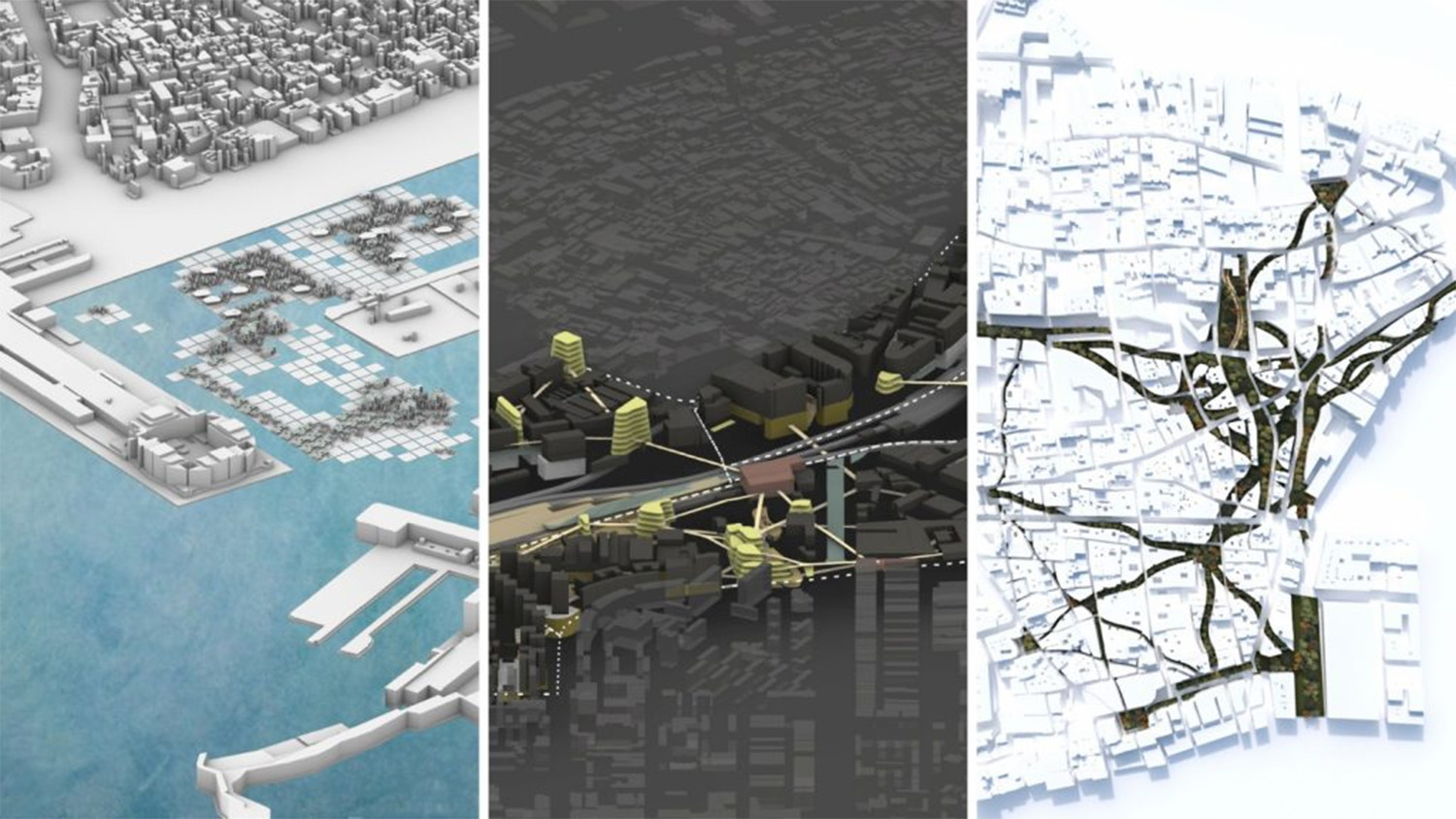
When discussing urban planning as a discipline, one must recognize the multifaceted and complex responsibilities it carries. There is no single ultimate goal within its objective but rather an array of ideas and strategies that should assist in shaping urban environments in a way that will meet the needs of the growing local populations while ensuring sustainability and resilience.
However, as cities continue to grow and evolve as organic, living entities, there is a growing need for recognition of the limitations of conventional planning methodologies in addressing the multidimensional challenges that urban areas face. And since traditional approaches to urban planning often rely on static and prescriptive design strategies, the struggle to accommodate the dynamic nature of urban development(s) and its communities continues to increase.
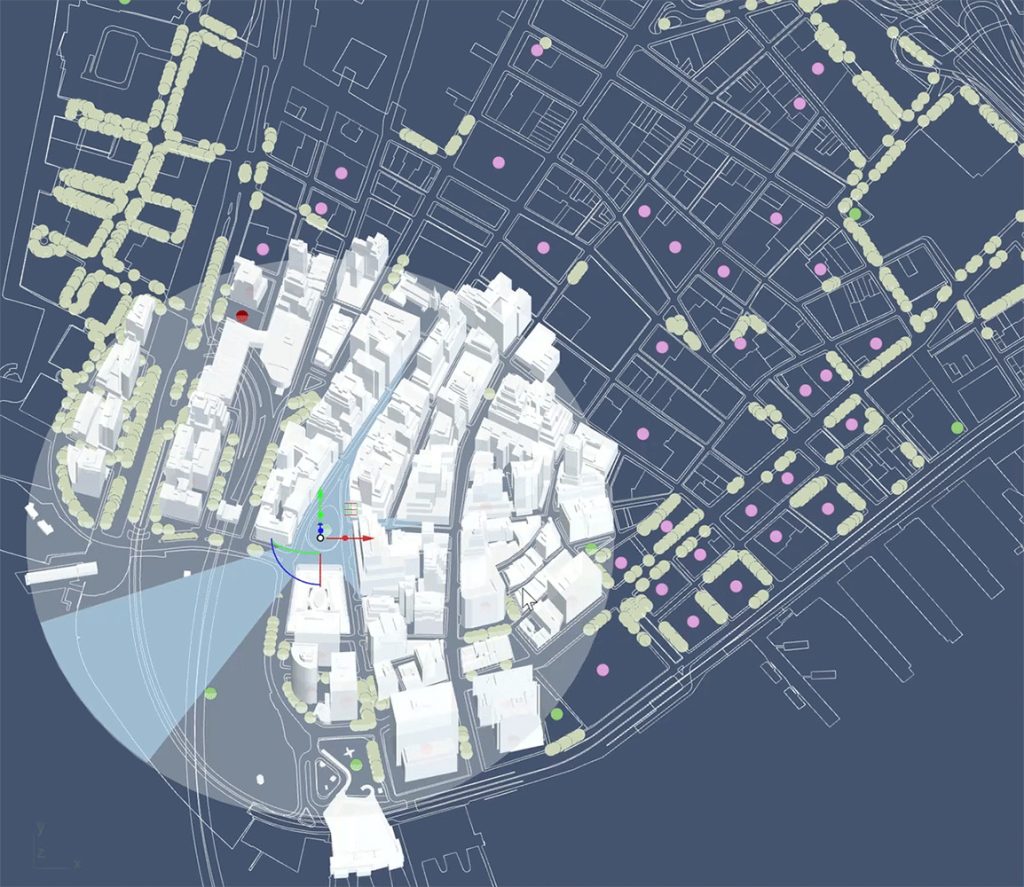
Any provided strategy, plan or design is, after all, merely a depiction of “specific spatial descriptions” translated through the thoughts of its creator(s). Thus, there is an urgency for innovative approaches that allow for simultaneous data-based integration. This is where urban planners are turning to parametric design as a potential solution that offers a flexible and iterative research-based approach, which utilizes computational algorithms and design tools for the analysis, generation, and optimization of information within any given context and conditions.
According to Çal??kan (2017), parametric design, rooted in recognizing urban complexity, offers a departure from traditional top-down planning methods in favor of bottom-up collective pattern formation and control. By linking a variety of datasets that could both directly and indirectly be related to the site- or task-specific qualities, this design typology creates a three-dimensional model instead of a two-dimensional layering, establishing various kinds of relationships and interdependencies among the entities.
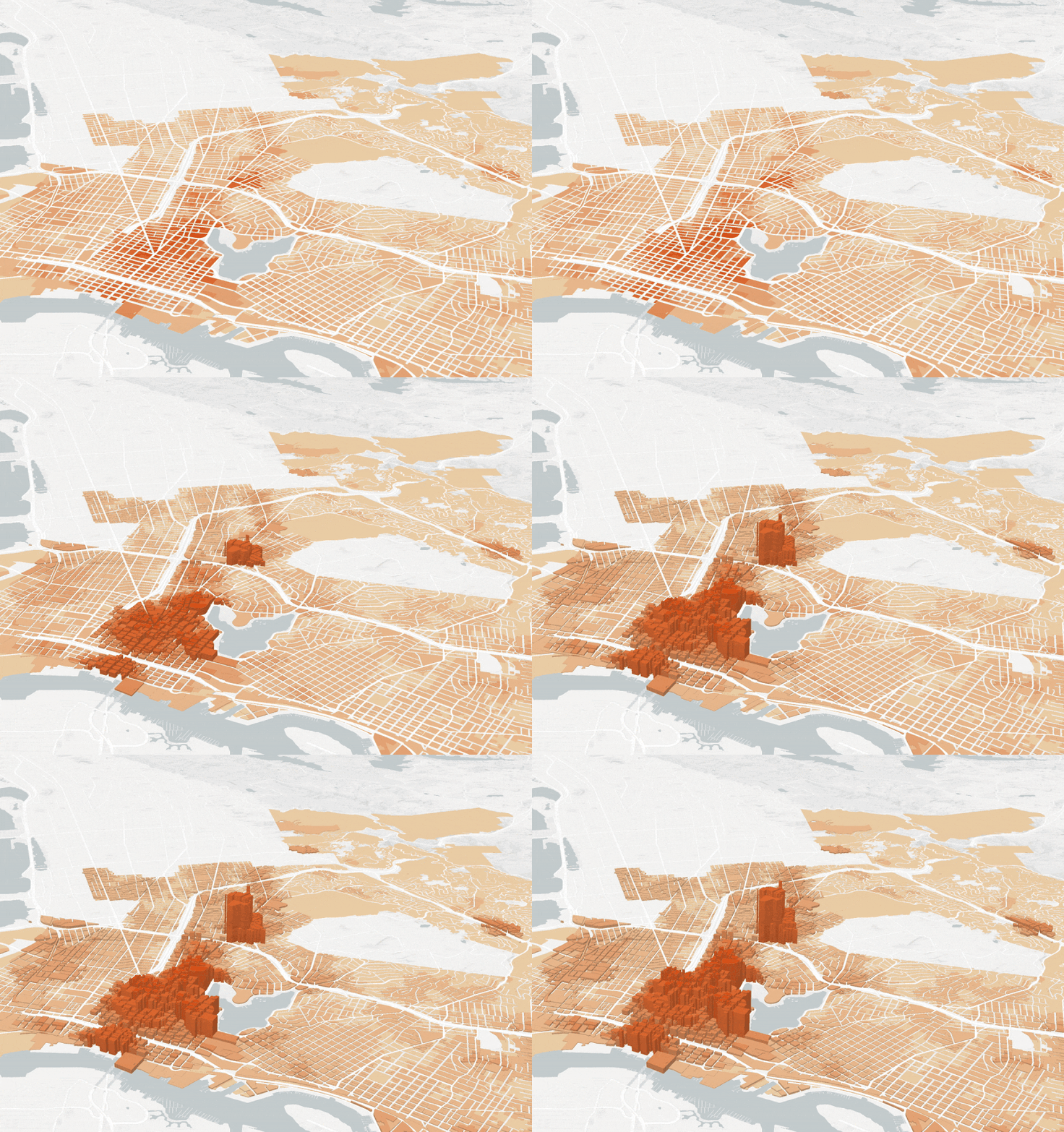
Such an approach creates a middle ground between urban design and planning, intersecting macro and micro scales and consisting of tangible (shapes, materials, spaces, landscapes) and intangible (demography, safety, policies, strategies, regulations…) elements of the environments. In fact, while doing so, it enables the possibility to monitor changes happening during the alteration of parameters and strategies within both realms, enhancing our understanding and knowledge about developed(-ing) systems.
Having more and more access to different types of data daily, parametric design multiplies its network of relations, widening the numerous possible applications within the framework of urban planning.
1. Land Use
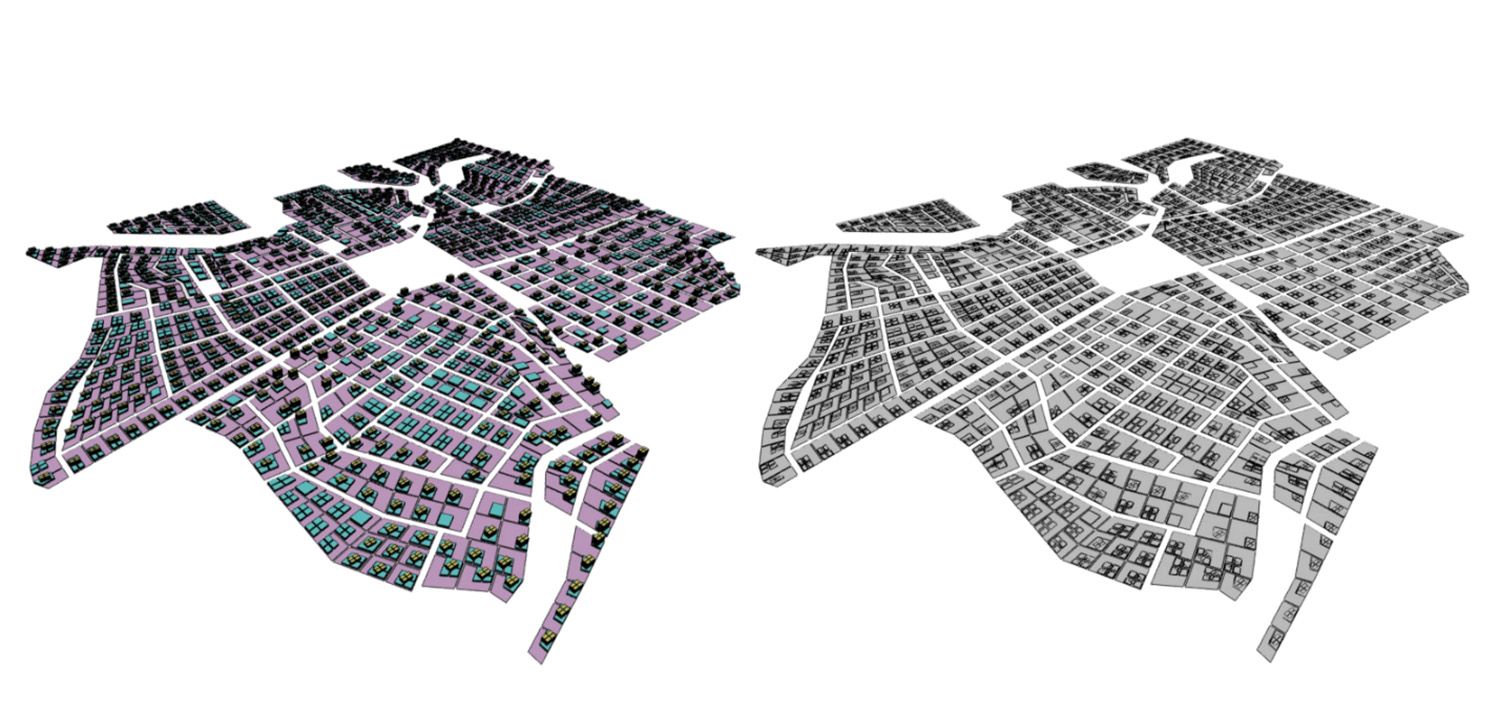
With decreasing urban land space, one of the most significant challenges continues to be the division of land, its functionality in relation to the growing density of surrounding elements, and the possible maximization of its area. By utilizing parametric design tools through iteration of various parameters like building heights, setbacks, and floor area ratios, planners can explore different configurations of buildings, landscape, infrastructure, open and semi-open spaces, and achieve a balance between density, livability, and sustainability. In addition, parametric modeling, together with the integration of GIS (geographic information systems) technology, enables construction-responsive simulations that are able to display the impacts of diverse urban shapes on a range of factors related to the environment (such as sunlight exposure, wind patterns), visual aesthetics… Such an approach enables informed decision-making that promotes user-oriented design and comfort while sustaining the efficiency level of designed spaces.
2. Accessibility and Connectivity
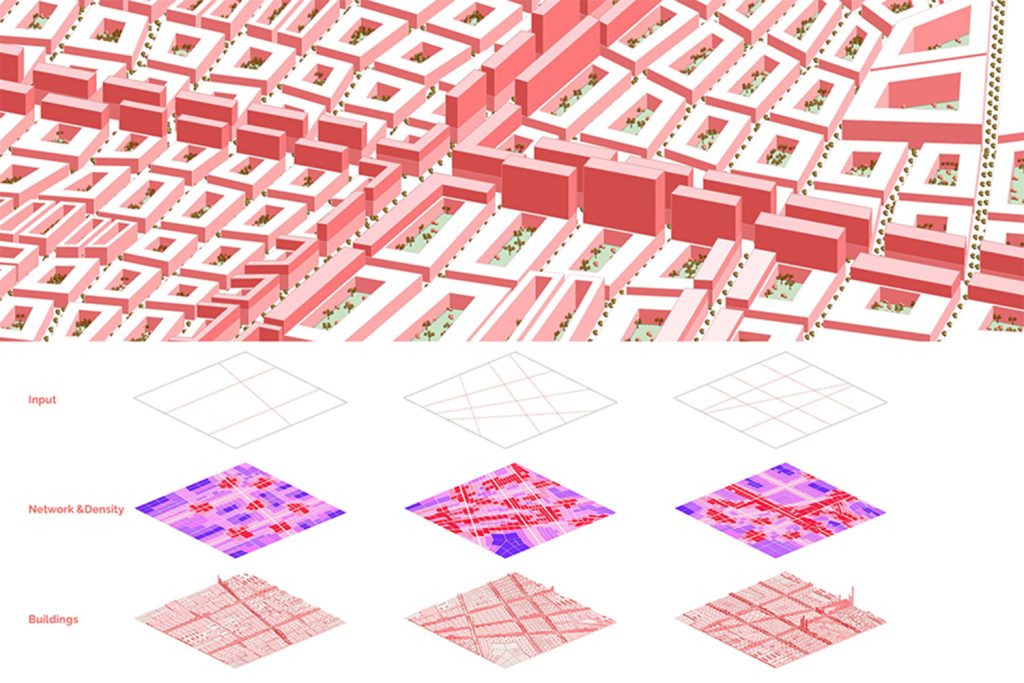
One of the most important indicators of a well-thought-out planning and design is the element of connectivity. It is essential as it showcases and is able to affect the movement flows of users and the possible trajectories predicting future paths. Nevertheless, within the scope of traditional urban planning, accessibility, connectivity and walkability are brought down to ‘suggestive concepts’. Usually, the assessment criteria for urban environments revolve around simplistic metrics such as distance to amenities, often overlooking crucial factors like comfort and human perspective.
Therefore, parametric design becomes the key instrument for pedestrian-friendly neighborhoods as it steps over the conventional constraints of the practice. It can shorten the time of consideration and simultaneous integration of more factors such as consistent and strategic placement of amenities (e.g. commercial and educational establishments), optimized and enhanced transport options, and improved urban design on a street/ground level (e.g. urban greeneries). This will, therefore, promote the creation of environments that encourage healthier and more environment-friendly transportation options, enhancing the overall experience of walking, cycling, and utilizing public transportation.
3. Participation and Community Engagement
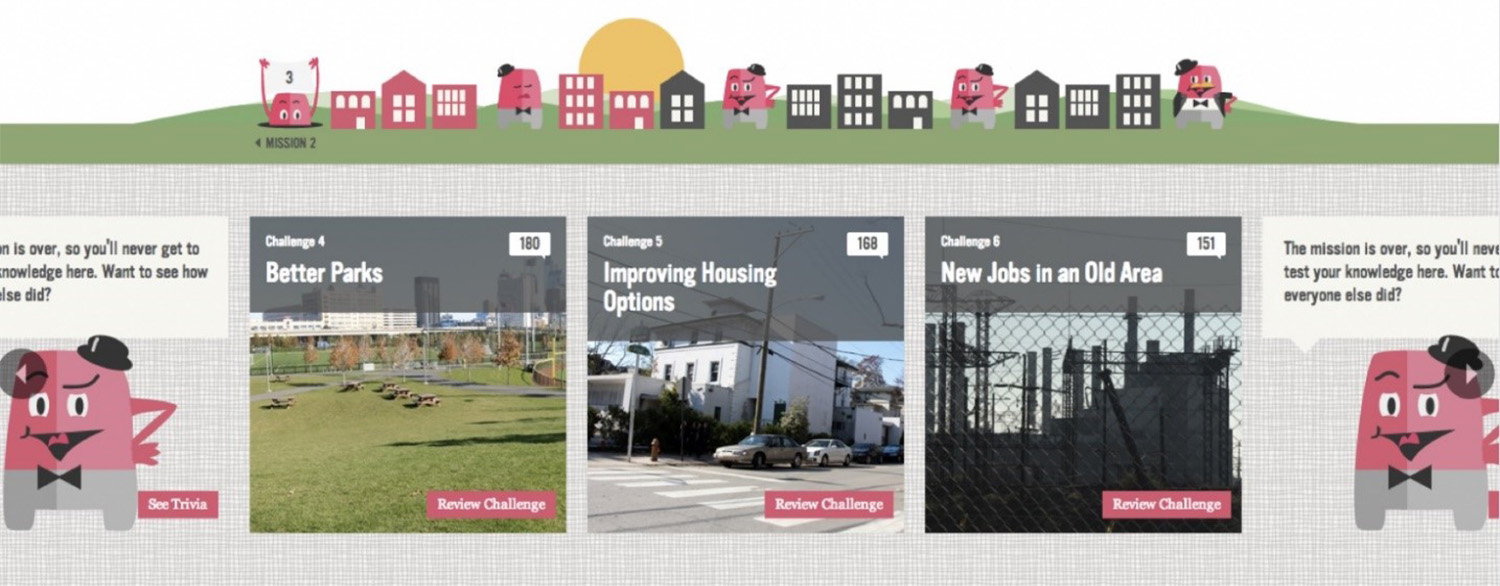
With new issues emerging in urban environments daily, urban planning strategies should construct ways to better communicate to and involve the (future) users. A fundamental step on the way to such a goal lies in the creation of more accessible and interactive tools for visualization and feedback. And integration of parametric design tools into such journey is quite beneficial as parametric modelling and simulations are able to offer the necessary visual and interactive platform(s) for communicating complex design ideas to a diverse range of people.
With their assistance, planners can generate realistic representations of proposed ideas and developments, fostering meaningful engagement and constructive feedback from stakeholders. At the heart of such ideology lies the concept of co-designing that transforms passive observers into to co-creators by allowing all stakeholders play an active role in decision-making. The ongoing researches and projects are aiming to advance in the development of digital platforms and applications to decrease the time consumption of community feedback gathering and processing and resolve the question of inclusive accessibility of the tools, unlocking further the potential of parametric design as a game-changing concept that allows for a collaborative and inclusive approach towards design of cities.
4. Environmental Impact
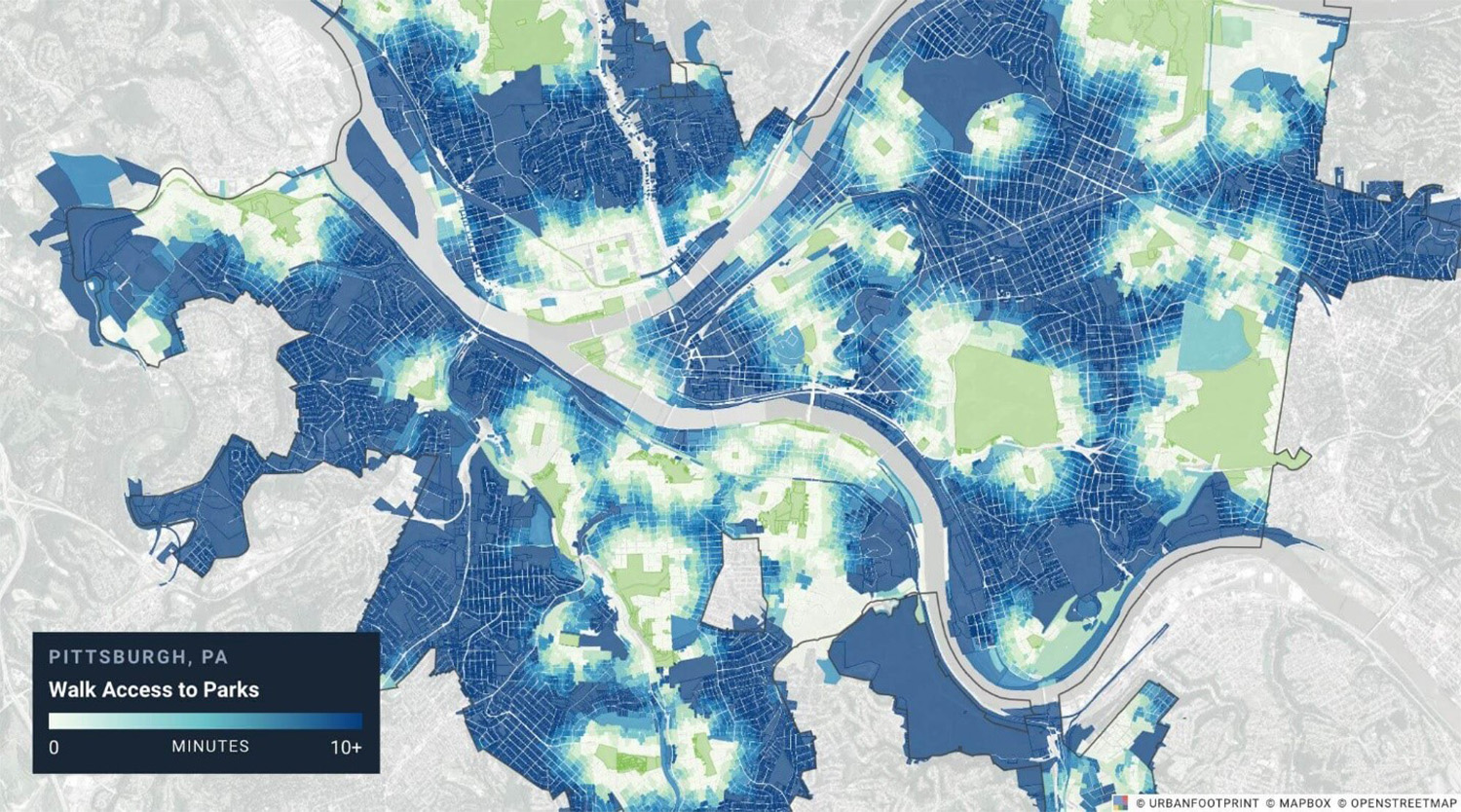
Computational models are handy when it comes to assessing environment data, the behavior caused by the changing climatic conditions, as well as the conditions of the built environment. By inserting and simulating environmental impacts such as sunlight exposure, wind patterns, and microclimate variations, urban planners can test and evaluate performance and efficiency of the developed designs/plans. These simulations provide information on the most problematic parts of the design, revealing the possible consequences and allowing to explore potential solutions to minimize the negative effects.
For example, by simulating shading and radiation amounts in a given/designed context, it is possible to check the level of thermal comfort in public spaces and improve both through optimization of road layouts, vegetation amounts, building heights, and shapes to allow for a strategic maximization of shaded area(s) and enhancement microclimate creation. Such approach pushes professionals to prioritize sustainable and resilient design thinking and minimize the ecological footprint.
5. Socio-Economic Factor
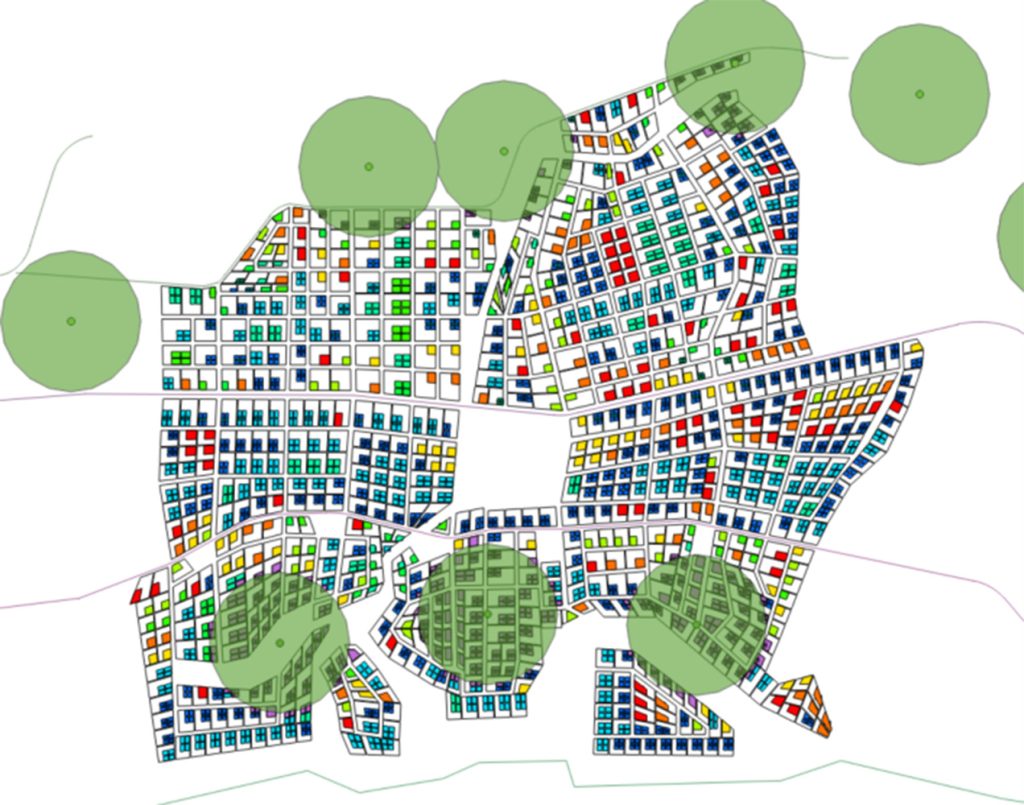
Parametric design can provide access to information associated with population, demography, income levels… By integrating these factors into constructed scripts as input data, inclusivity and diversity could be better addressed, bringing decision-makers a couple of steps closer to social and economic sustainability.
For example, analysis and visualization of spatial patterns of income distribution, employment rates, and access to essential services within urban areas can assist in identifying areas with larger disparities, suggesting priorities of change in policies, land use and projects, leading to a more holistic and informed decision-making process.
6. Green Infrastructure
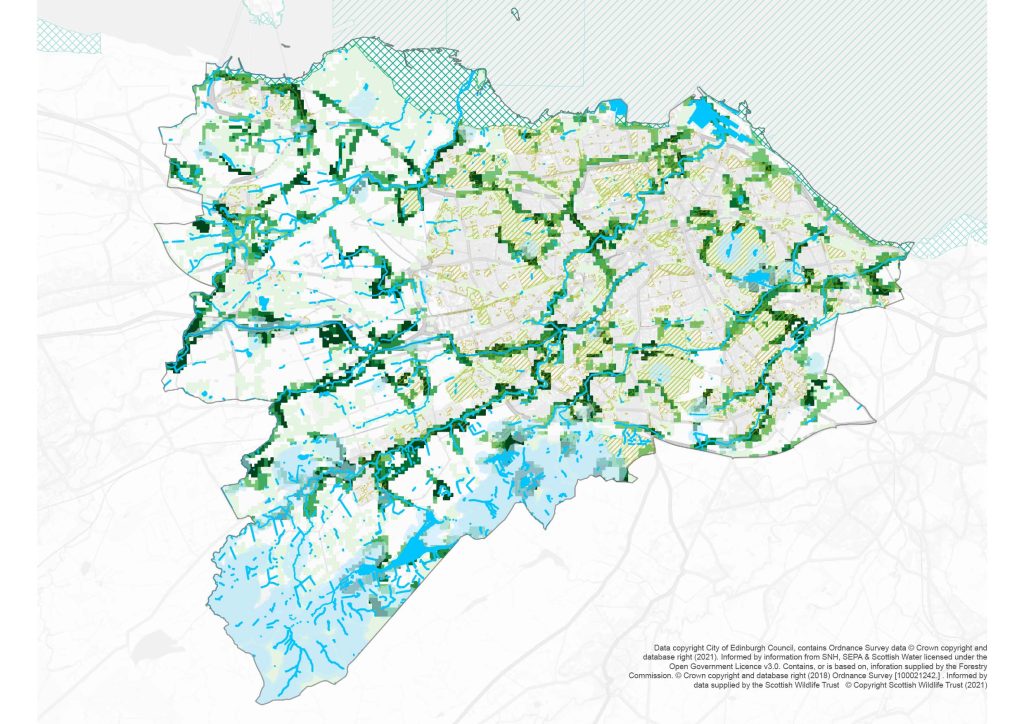
Rapidly expanding urban areas increase the demand for usable space, which often leads to decrease in vegetation. This calls for innovative and smart ways of reintegration of green areas into urban environments. Apart from bringing substantial value from environmental, aesthetic and psychological perspectives, green infrastructure contributes to urban planning through the concept of nature-based solutions (NBS).
Utilization of PD tools can, in this case, assist in analyzing and improving quality of green areas through reconsideration of mass placement in a way that balances out the distribution of permeable/non-permeable surfaces, placing amenities like parks, green patches and corridors in walkable distance within a specified radius, enhancing overall experiences of the residents. From an environmental point of view, the integration of parametric tools creates a link between the proposed/existing conditions and the principles of ecology. For instance, by examining levels of congestion on the roads, the constructed script might recommend the optimal number of trees placed (while considering the fact that a denser placement near wider roads like highways might worsen the pollution level by retaining CO2 on the canopy level). By reviewing parameters such as vegetation coverage and types and water retention capacity, the developed script can inform the selection of native plant species to incorporate into green spaces to stimulate biodiversity and support local ecosystems, enhancing the overall functionality of green infrastructure.
7. Smart Technologies
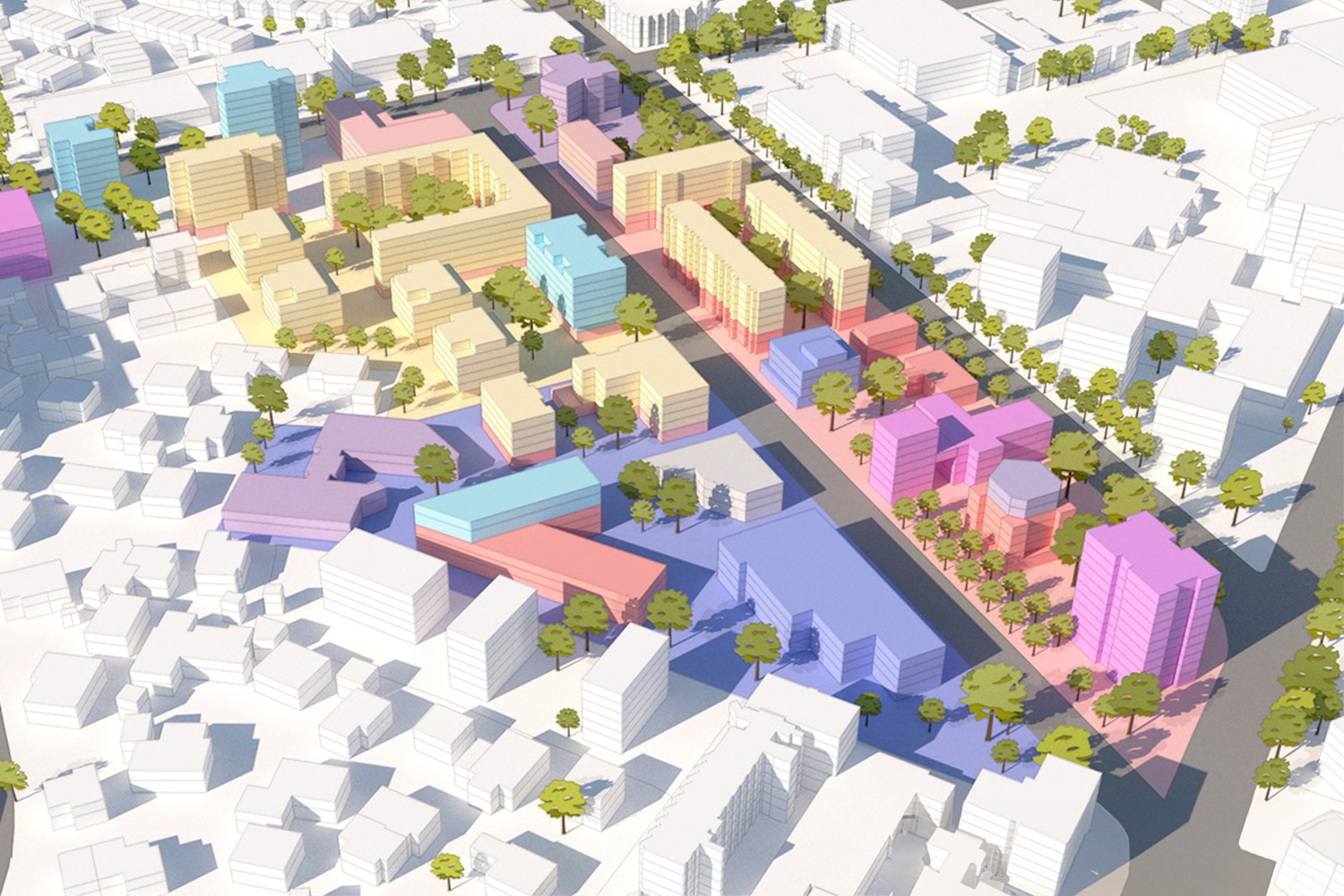
The core idea of parametric design could be stated to go ‘hand in hand’ with smart technologies as its tools allow for constructing system that can act ‘on their own’ (without external assistance) required while being able to seamlessly integrate up-to-date information. Moreover, their compatibility suggests that integration of such smart technologies as sensors, data analytics, and Internet of Things (IoT) devices in PD’s system(s) can at the same time radically ease urban planning processes and advance their efficiency.
8. Resilience
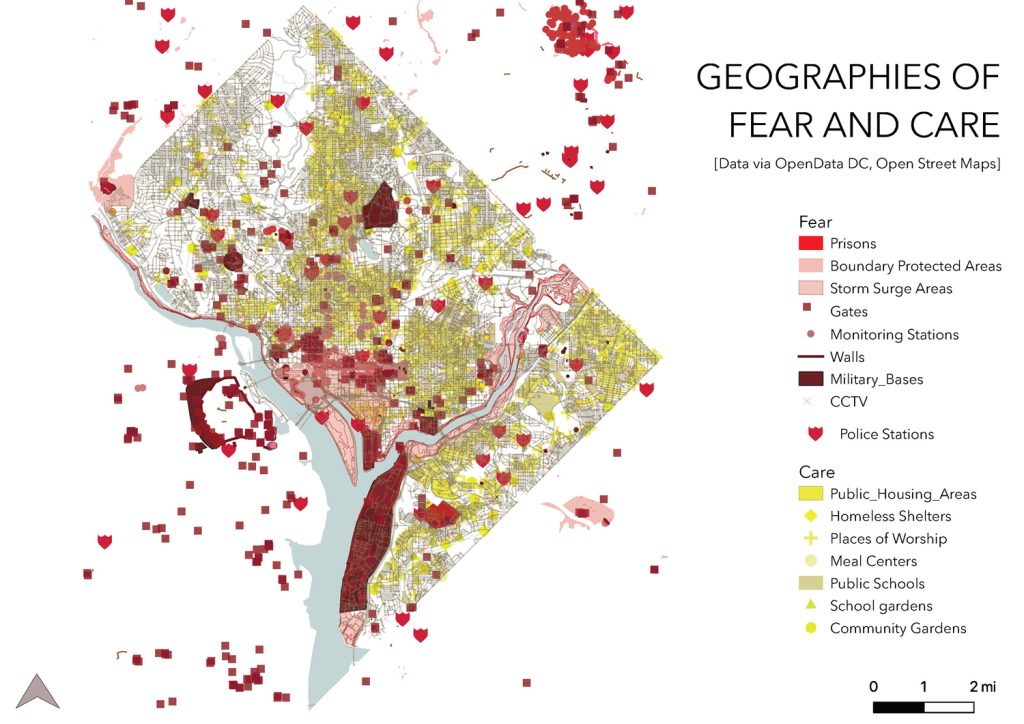
Explorations of cutting-edge technologies pushes professionals to think outside of the box by brainstorming on how to react to the various analysis results provided by the intelligent tools. Through PD, planners can assess the performance of innovative design interventions under diverse scenarios. The advantage to such an iterative approach is that these interventions address a very wide range of challenges within urban environments (they can vary from policies to façade manipulations enhancing energy efficiency (e.g., responsive solar shading devices)) and, thus, creating a complex interconnected system of solutions which help in building more resilient cities.
In conclusion, parametric design is revolutionizing urban planning by offering a powerful toolkit for generating, analyzing, and optimizing urban scenarios that can be translated through a wide range of forms and configurations. By embracing the advantages PD is able to provide, urban planning can guide cities and all its constituents to transition to not only being more functional and efficient in terms of their performance, but also more vibrant, livable and pleasing to inhabit!
