


Derived from the French word “rocaille” (shell), Rococo is a decorative technique that involves the use of seashells, pebbles, and cement. His movement, which has ornate and intricate details, was often used to decorate halls where guests were hosted. With its elegant, pastel-toned, and inviting charm, the Rococo movement decorated walls and ceilings with patterns created by intertwining curves based on the basic shapes of “C” and “S” as well as shell forms and other natural shapes.
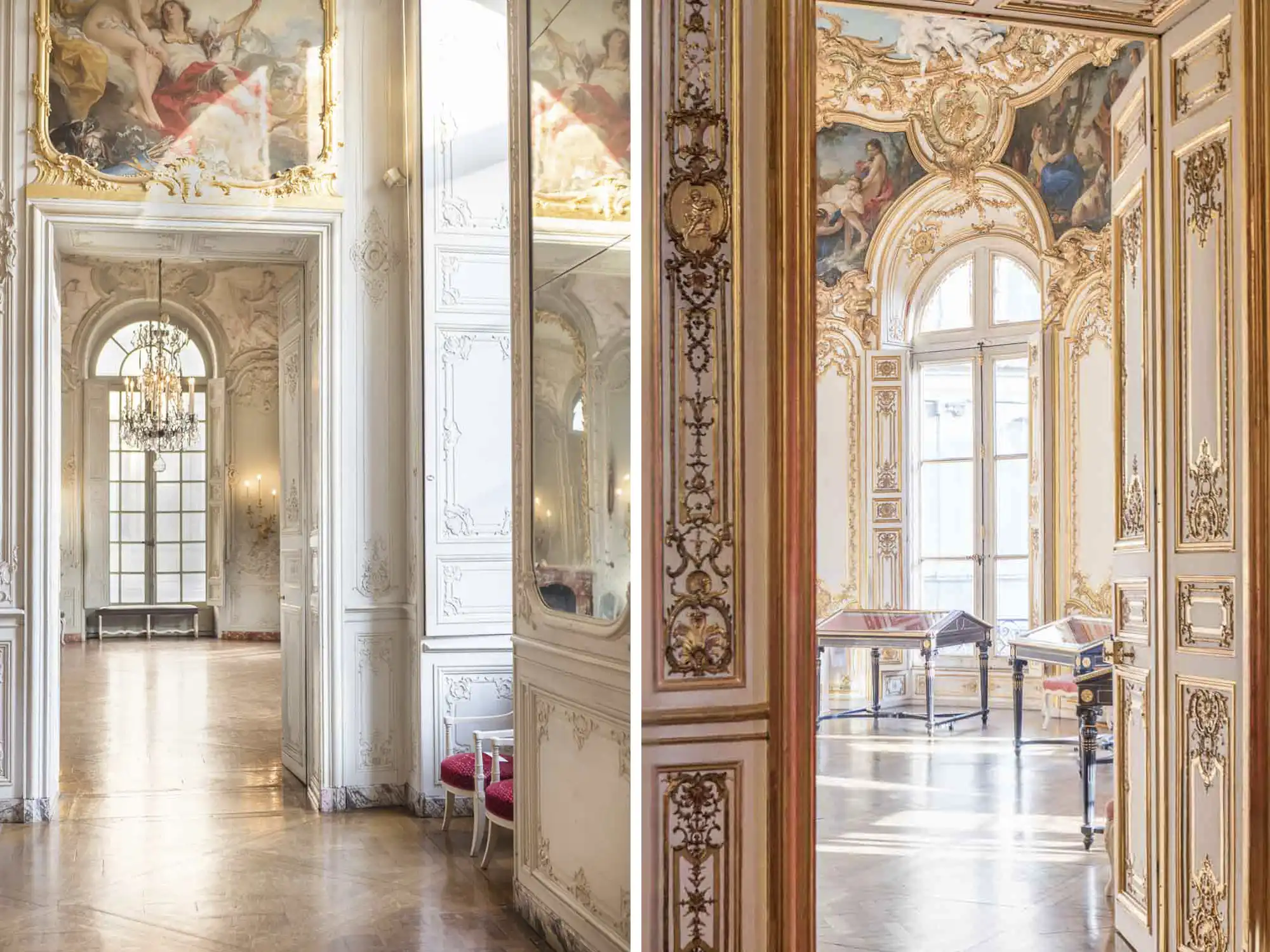
Key Features of Rococo Architecture
- The Rococo movement represents an elegant style with gentle and curvy lines, in contrast to the seriousness of the Baroque. Ornamentation often features curved embellishments in the shape of C and S, as well as motifs incorporating natural elements such as leaves, flowers, and birds, and shell-shaped decorations.
- Although the exteriors of Rococo buildings are quite plain, their interiors are extremely ornate. Rococo-style interiors reflect a luxurious and opulent atmosphere.
- Rococo architecture has an asymmetrical layout. Asymmetrical compositions are created with windows, arches and decorative elements of different sizes and shapes.
- In the Rococo style, which particularly reflected the tastes of the aristocratic class, the ceilings of the high-ceilinged halls were painted to look like the sky – trompe-l’œil-
- Interiors in the Rococo style are colored in pastel shades, light pink, lavender, blue and green shades are often used.
- Frescoes, sculpture molds, curves and plenty of gilding are remarkable in the wall decorations.
- Mirrored glass, crystal chandeliers, and boiserie (wood veneer) are used extensively on surfaces.
- Rococo style also influenced furniture models, and elegant armchairs, consoles and ornaments reflecting the rococo style were designed.
Known for its excessive ornamentation, the Rococo movement is not only a movement but also reflects the cultural structure of its period. The aesthetic understanding and lifestyle of the people living in this period are reflected in Rococo structures. This movement, which brings together elegance, entertainment and ornamentation, has given life to magnificent structures in many European countries.
Here are 8 well-known Rococo buildings in Europe:
1- Amalienburg
Location: Munich, Germany
Year: 1734-1739
Architect: François de Cuvilliés
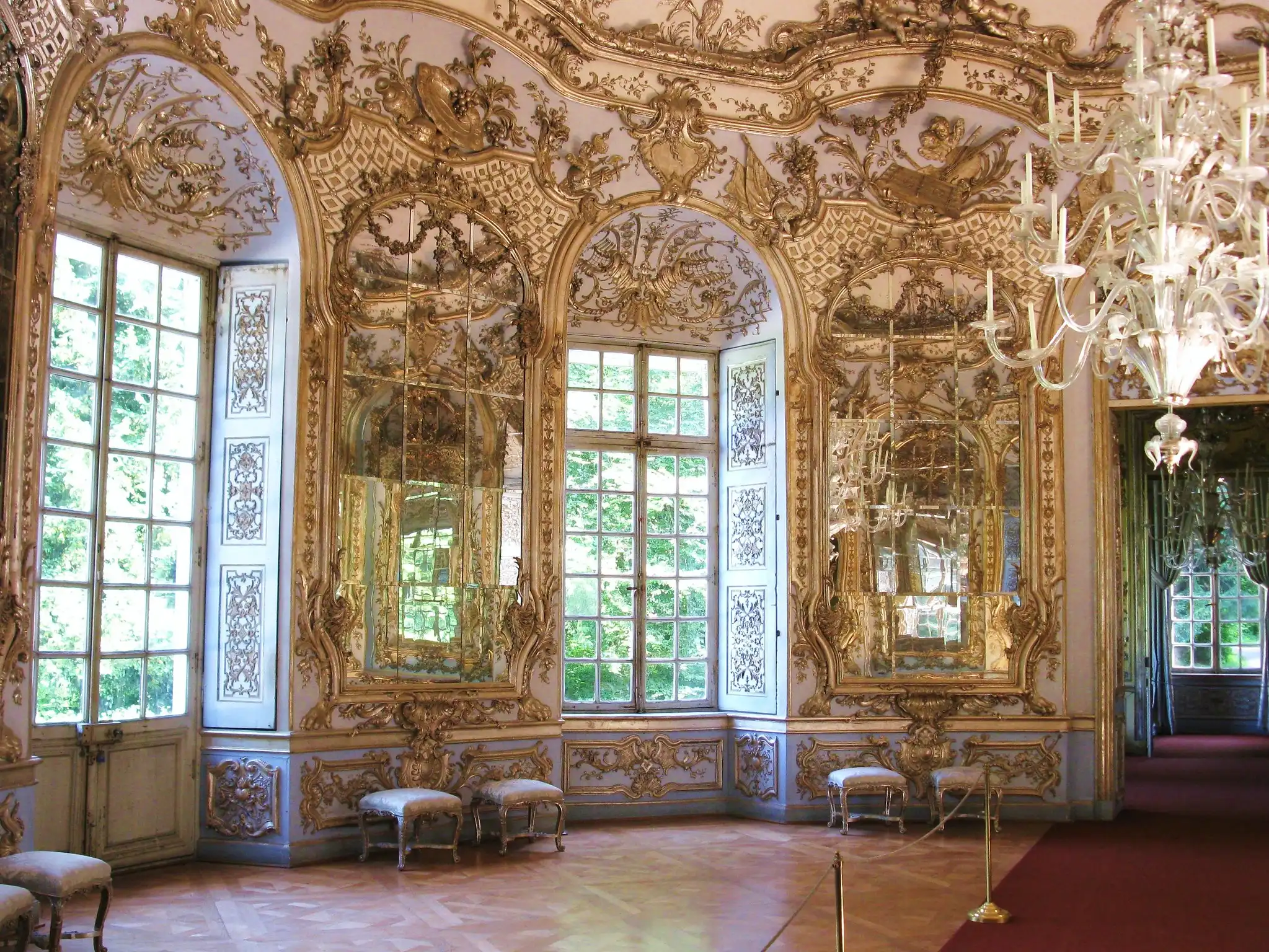
Amalienburg, located in Nymphenburg Palace Park in Munich, Germany, is a hunting lodge that enchantingly reflects Rococo architecture. Commissioned by Karl Albrecht for his wife Maria Amalia, this small palace, consisting of only six rooms, showcases all the hallmarks of Rococo architecture. As a prime example of the opulent and theatrical Rococo style in Europe, the building’s exterior is painted in a soft pink hue. Amalienburg, which dazzles with its interior decoration, is decorated with stucco work, delicate frescoes and ornate carvings. The walls of the Hall of Mirrors, one of the most famous rooms of Amalienburg, are completely covered with mirrors and decorated with delicate ceiling paintings. The spaciousness and visual grandeur of the Hall of Mirrors make it a prime example of Rococo elegance. The motifs of fruits and flowers, seashells, leaves, fish, peacocks and goddesses used in the decoration of the mansion are used in harmony with each other, and the mansion is decorated with luxurious furniture and handcrafted carpets, making it one of the purest examples of Rococo architecture in Europe.
2- Hotel Soubise
Location: Paris, France
Year: 1732-1745
Architect: Pierre-Alexis Delamair, Interiors designed by French Architect Germain Boffrand
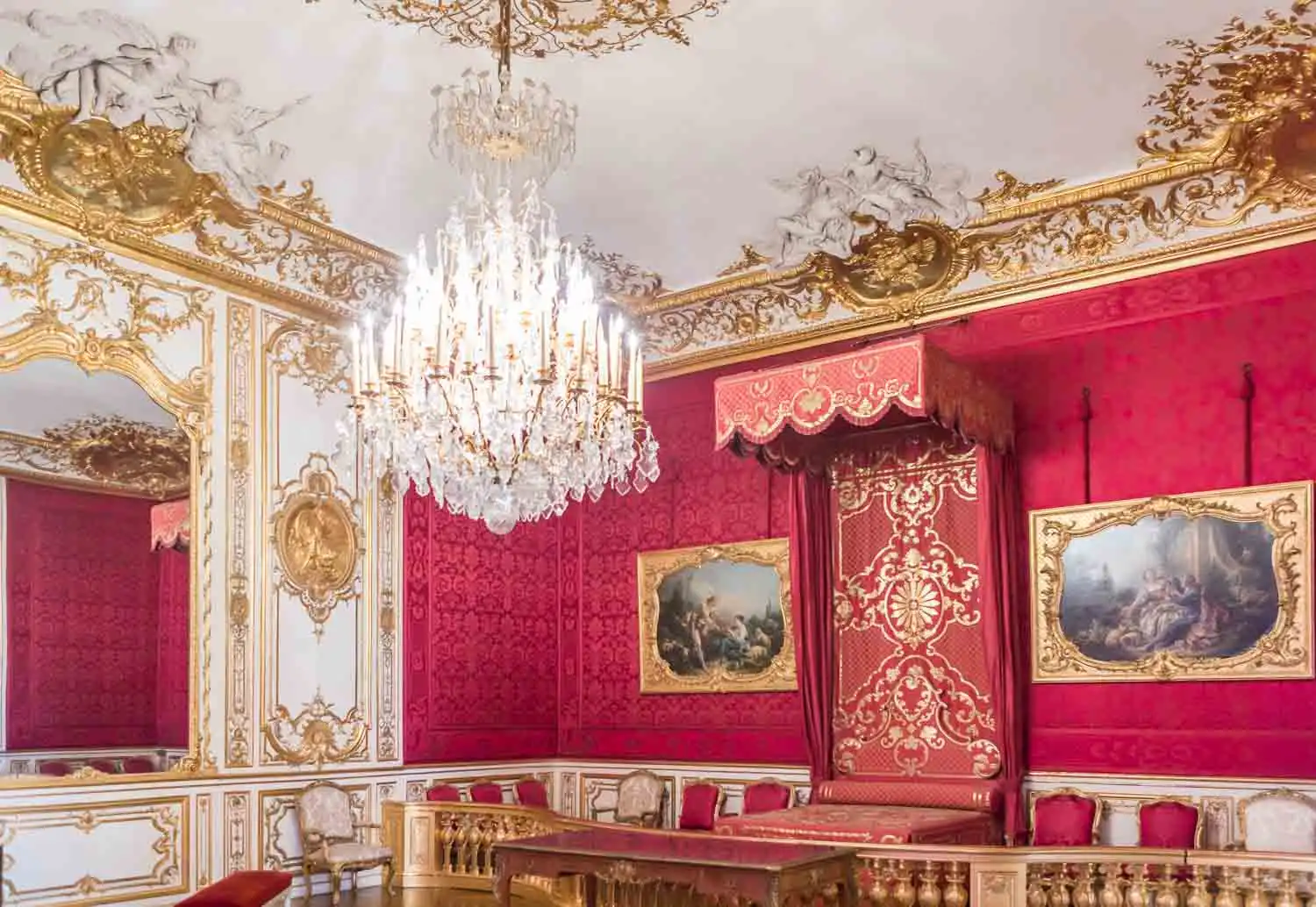
With its interior decoration, the Soubise Hotel, one of the well-known structures of Rococo architecture in France, was built for the prince and princess of Soubise in the early 18th century.This unique structure, which is currently used as the French National Archives, has a façade reflecting Baroque architecture. However, with the arrangements made, the interior of the Soubise Hotel was designed in a theatrical order in accordance with Rococo architecture.The walls of the hotel are surrounded by mirrors and gold leaf ornaments. Pastel tones, which are present in many examples of Rococo, were also used in the interior design of this hotel; the walls, ceiling and furniture are adorned with shellfish, plant motifs and mythological figures.The Salon de Princesse, one of the most lavishly decorated rooms, is an oval chamber adorned with Rococo carvings, gilded boiseries, paintings, and mirrors.The interiors of this hotel, one of the masterpieces of Rococo architecture in Europe; create a sense of wealth and complexity with delicately carved woodwork, gilded moldings and detailed plaster decorations.
3- Queluz National Palace
Location: Queluz, Portugal
Year: 1747
Architect: Mateus Vicente de Oliveira
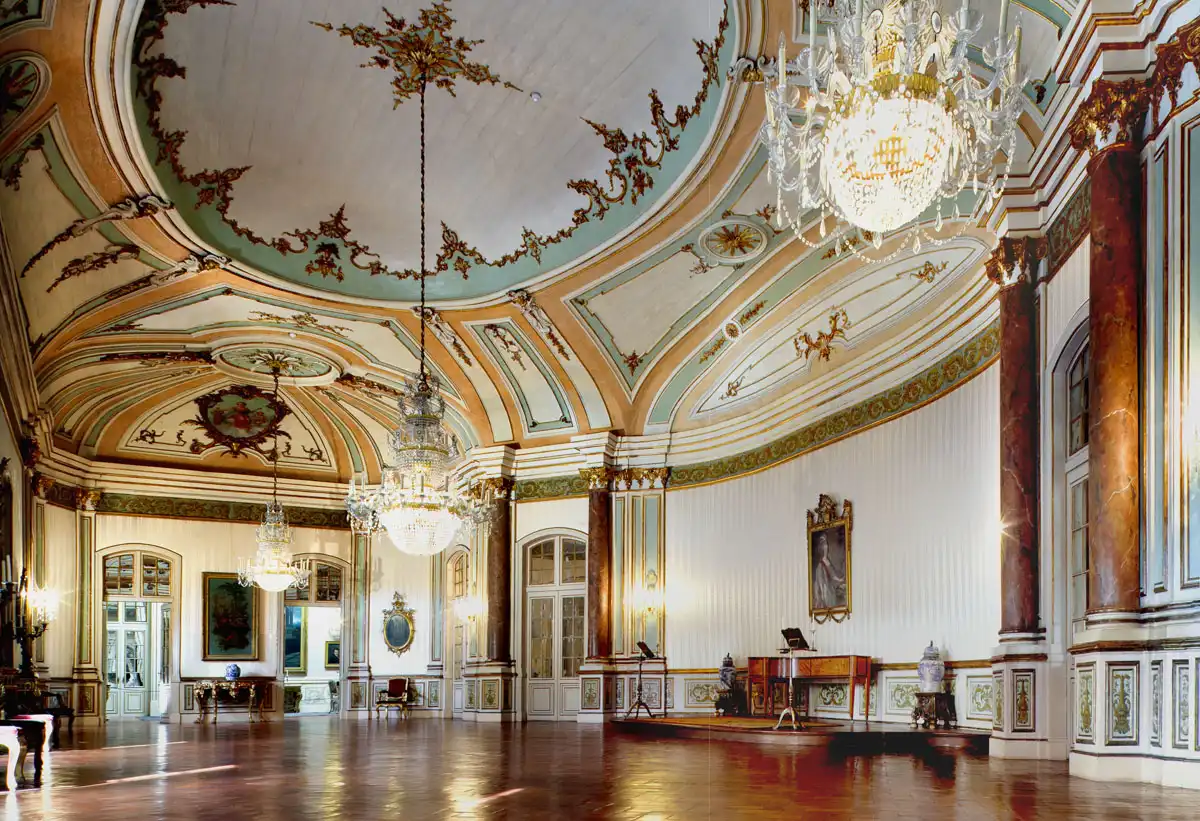
One of the well-known examples of Rococo architecture in Europe, Queluz National Palace was built in the 18th century by King Peter III of Portugal as the summer residence of the royal family. The interior is adorned with mirrors, reliefs, carvings, and gold leaf, featuring motifs characteristic of the Rococo style, which lend depth to the spaces. The walls and ceilings, painted with scenes from history, are embellished with intricate decorations, gilded woodwork, and traditional Portuguese tilework.The palace consists of a two-story main block flanked by two single-story symmetrical wings, creating a three-sided courtyard with hanging gardens. The surrounding gardens, inspired by French gardens, feature geometric shapes, pools, and statues. The fountains in the garden depict various deities from Roman and Greek mythology, reflecting the Rococo style.
4- Linderhof Palace
Location: Bavaria, Germany
Year: 1869-1885
Architect: Georg Carl Heinrich von Dollmann
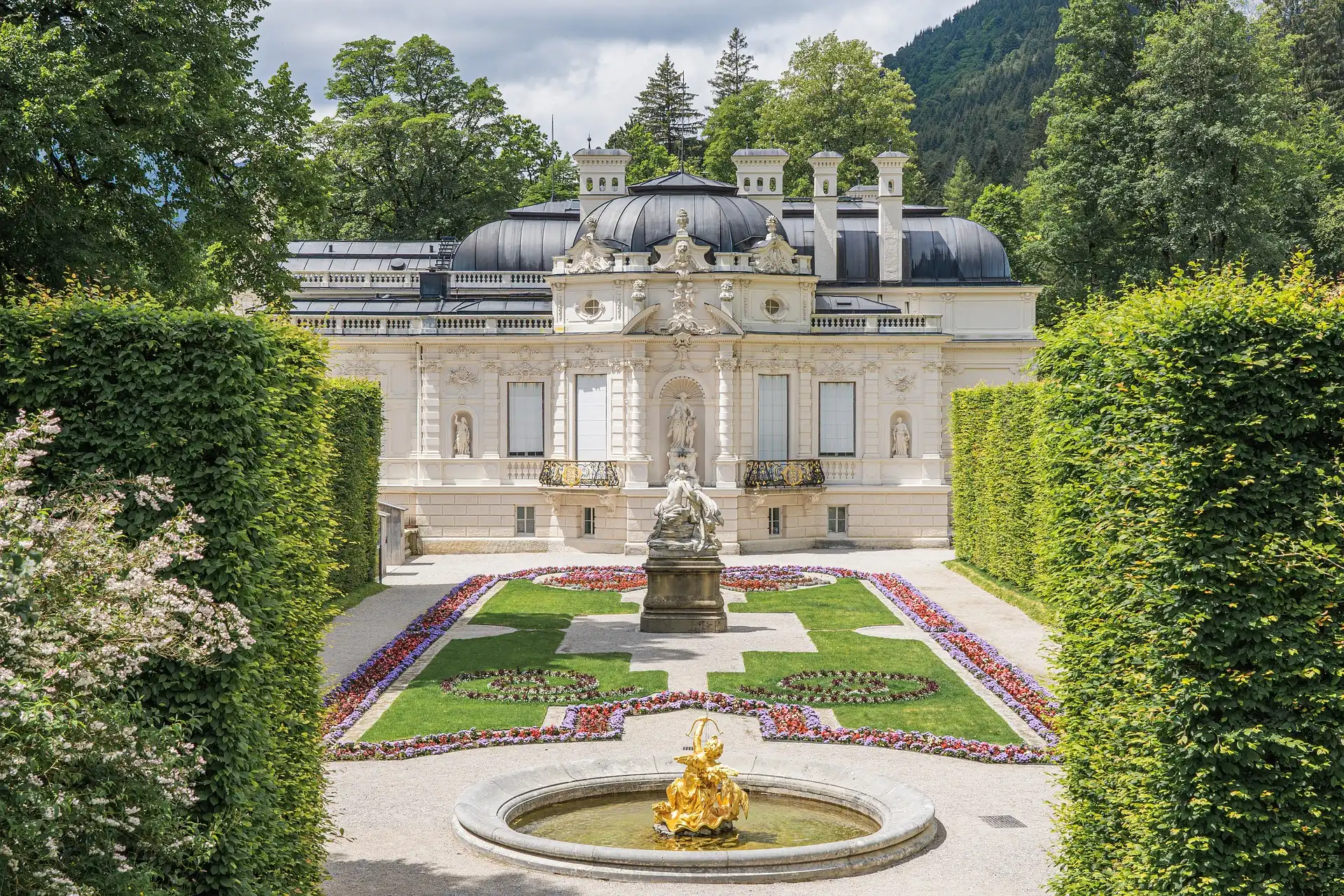
Linderhof Palace, one of the representatives of Rococo architecture in Europe, is the smallest of the three palaces built by King Ludwig II of Bavaria. Inspired by the Palace of Versailles, the palace was designed in the mid-1800s to reflect Rococo architecture, although it was built after the Rococo era. The interiors, which feature fine workmanship, asymmetrical arrangements, pastel colors and abundant ornamentation, show the elegant and ornate style of Rococo architecture.The palace’s Spiegelkabinett, or Hall of Mirrors, is entirely lined with mirrors, creating a sense of infinity. In addition to the large continuous mirrors, the room features furniture adorned with rosewood veneers and bronze figures, as well as Carrara marble sculptures. Beyond its interior, Linderhof Palace boasts extensive gardens with several fountains and reflecting pools. Inspired by French gardens, the gardens feature geometric shapes, pools, statues, and greenery. The palace’s stone facade overlooks a tranquil pond, highlighted by a pair of golden statues in the middle. With its elegance, Linderhof Palace reflects the Rococo style in both its interior and exterior design.
5- Catherine Palace
Location: St. Petersburg, Russia
Year: Mid-1700s
Architect: Bartolomeo Rastrelli
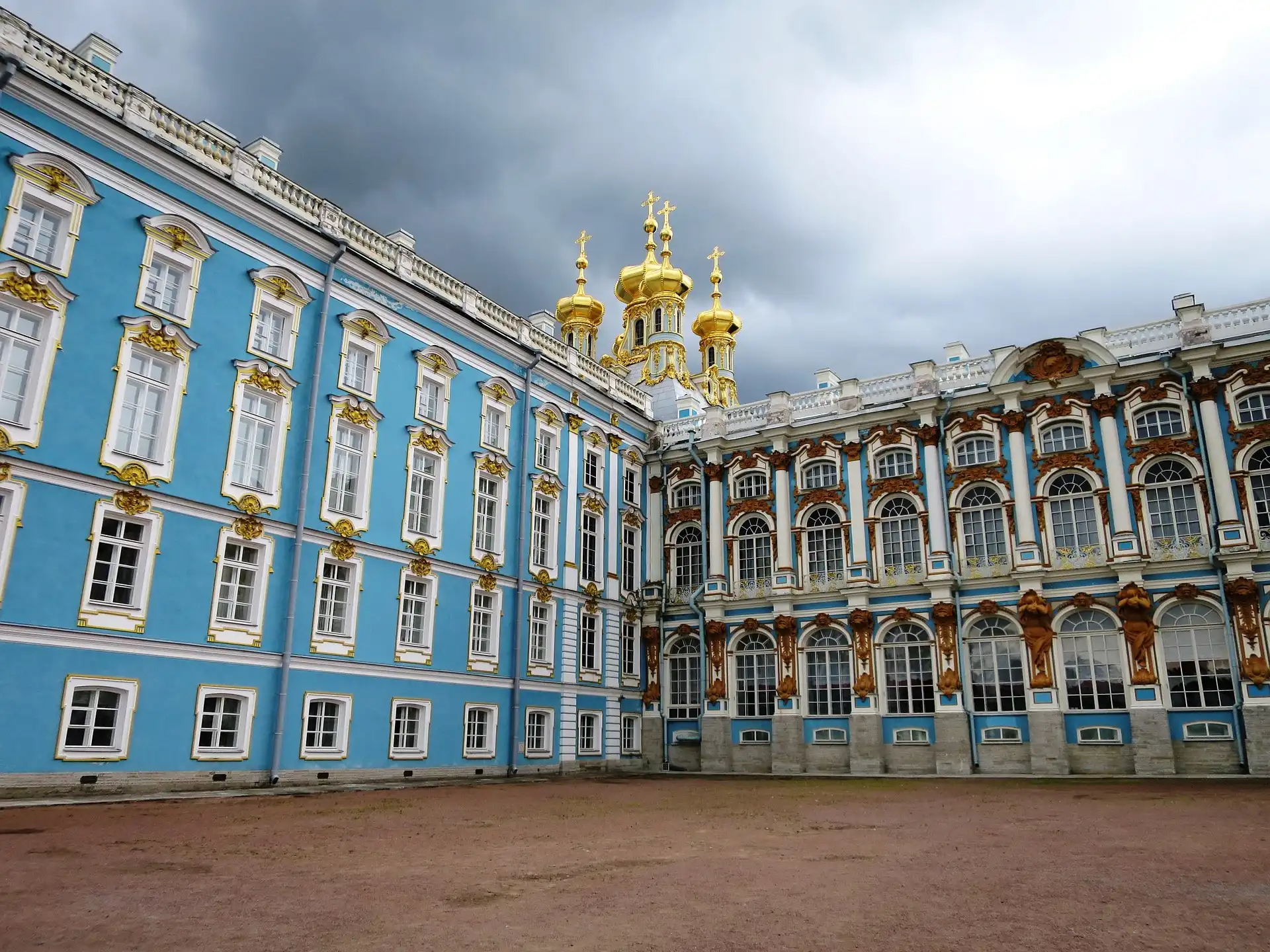
One of the most striking examples of the Rococo style in Europe, the Catherine Palace was built as a summer residence for the tsars by order of Tsarina Catherine I.The facade and interior of the Catherine Palace, which is now a museum, reflect the characteristic features of Rococo architecture. The pastel blue and white facade has abundant gold ornamentation around all the windows. The facade is adorned with numerous decorative elements such as carved reliefs, intricate moldings, and ornate carvings. The interior of the palace contains many other elements found in Rococo architecture. Gold leaf ornaments, sculptures, frescoes, and intricate patterns adorn the palace interiors. The Palace Ballroom, designed for gatherings and parties, has a floor made of a detailed variety of fine woods and walls covered with gold-plated carvings. The Amber Room, which was looted by the Germans during World War II, was the palace’s most famous room and was made of amber and gold, reflecting the Rococo style. This lost room has been reconstructed in accordance with the original today.
6- Czapski Palace
Location: Warsaw, Poland
Year: 1705
Architect: Tylman van Gameren
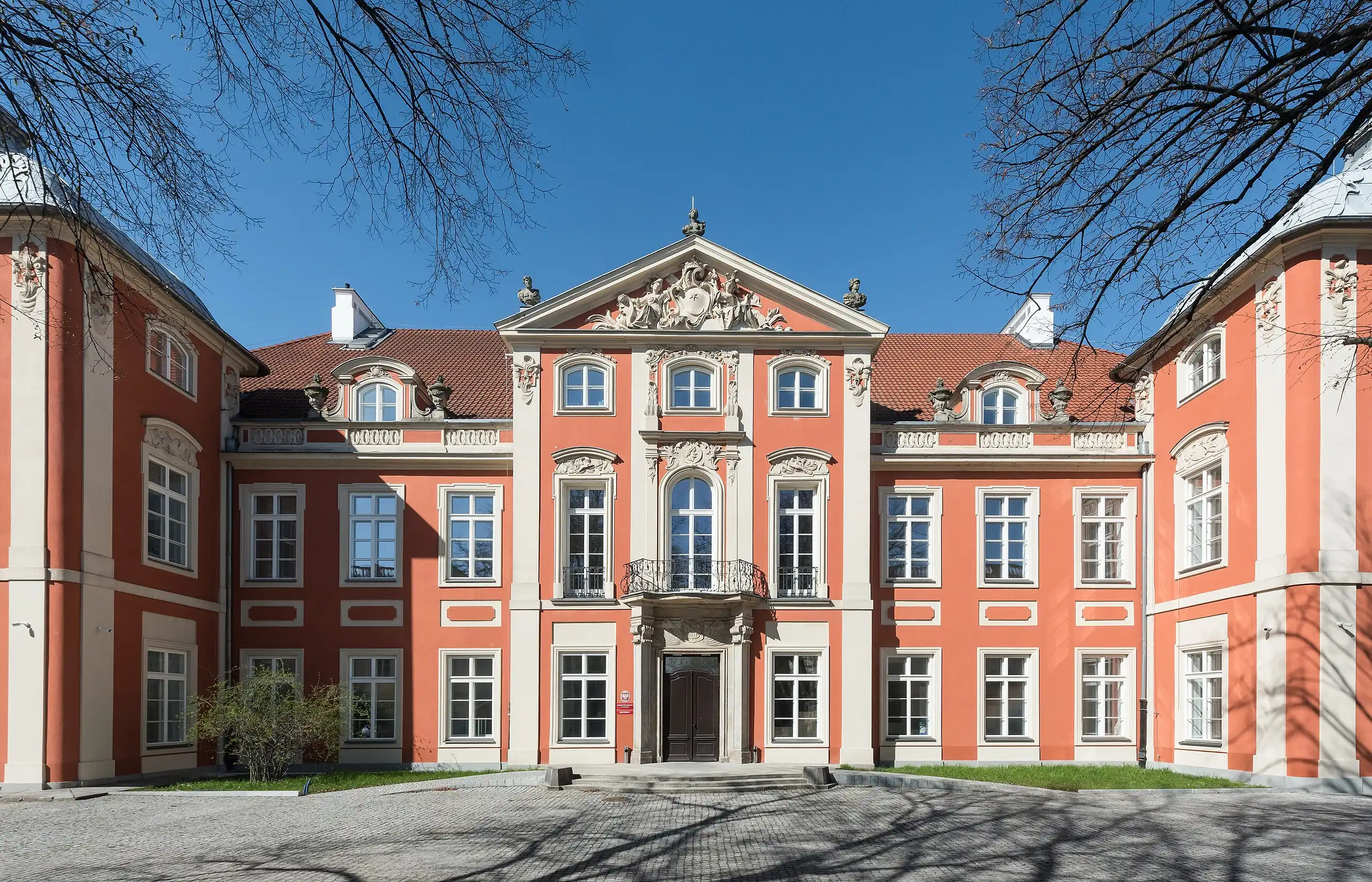
Czapski Palace, which is currently used as the Academy of Fine Arts in Warsaw, was built with Baroque architectural features, but with its interiors arranged in accordance with the Rococo style in the 18th century, it is an well-known work of Rococo architecture in Europe.Also known as the Raczy?ski, Sieniawski, and Krasi?ski Palace, the palace features asymmetrical layouts, motifs, and abundant decorations. Having hosted renowned figures such as the artist Zygmunt Vogel, the composer Frédéric Chopin, and the poets Zygmunt Krasi?ski and Cyprian Norwid, the palace is an ornate Rococo structure.
7- Helbling House
Location: Innsbruck, Austria
Year: 1732
Architect: Anton Gigl
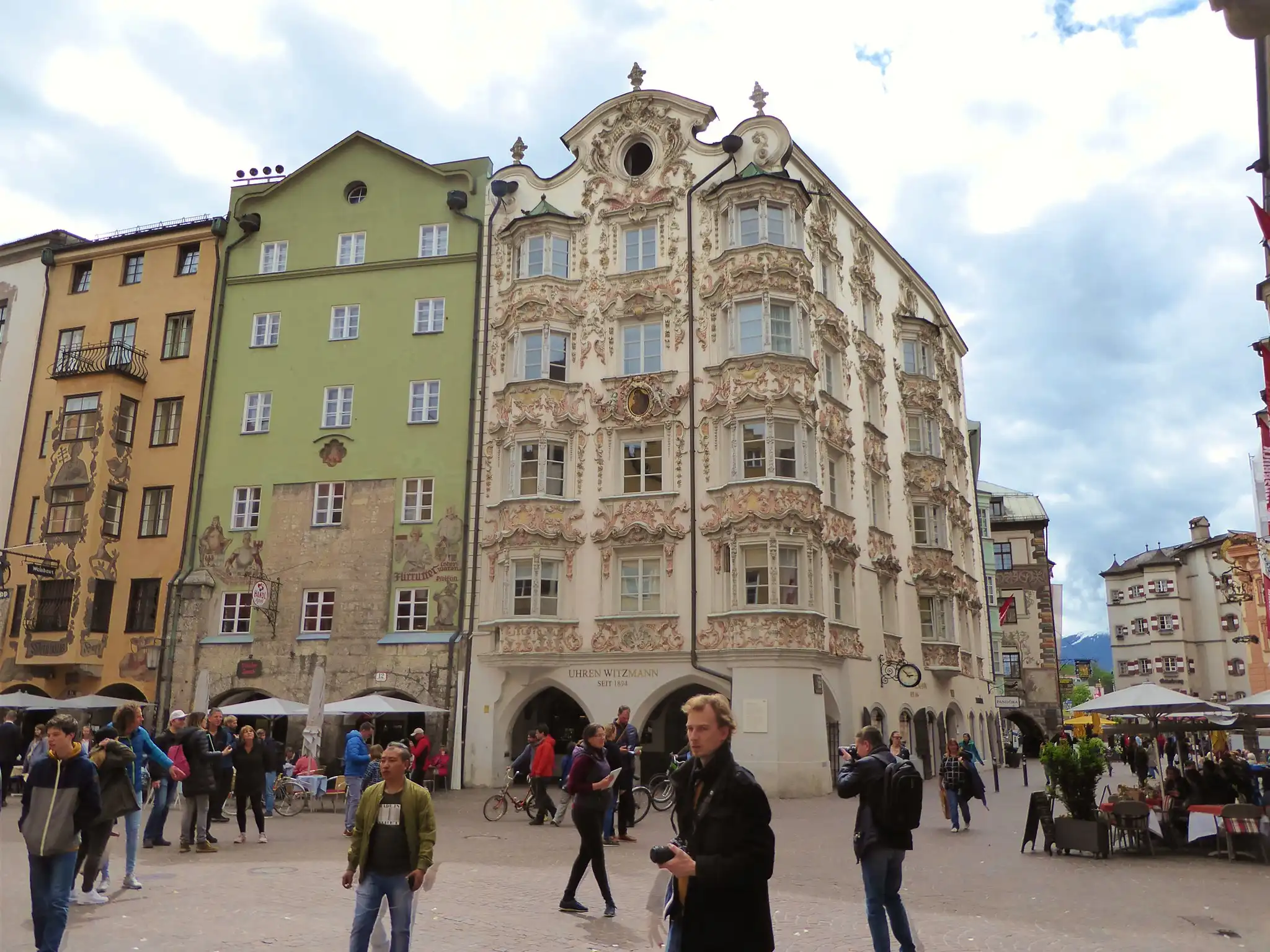
Helbling House, located in the Old Town of Innsbruck, is a building that carries the elegant traces of Rococo architecture in Europe. Built as a townhouse in the 15th century, the building was renovated many times and took its final form in 1732. While Helbling House initially reflected Gothic and Baroque architectural styles, architect Anton Gigl’s alterations transformed it into a building representative of Rococo architecture. With its carved wooden details on the facade, decorative moldings on the window frames, band ay windows adorned with ornate finials, tympanum, and sculptures, Helbling House has a lively and dynamic appearance. The Rococo style, dominant on the facade, is also evident in the interior. With pastel-colored walls, the interiors are adorned with delicate, curved decorations that are characteristic of the Rococo style. These decorations are also present on the legs of the furniture. With the use of mirrors, the interior creates a more spacious and luminous atmosphere, making Helbling House a well-known example of the Rococo style in Europe.
8- Palace Of The Marquès De Dos Aguas
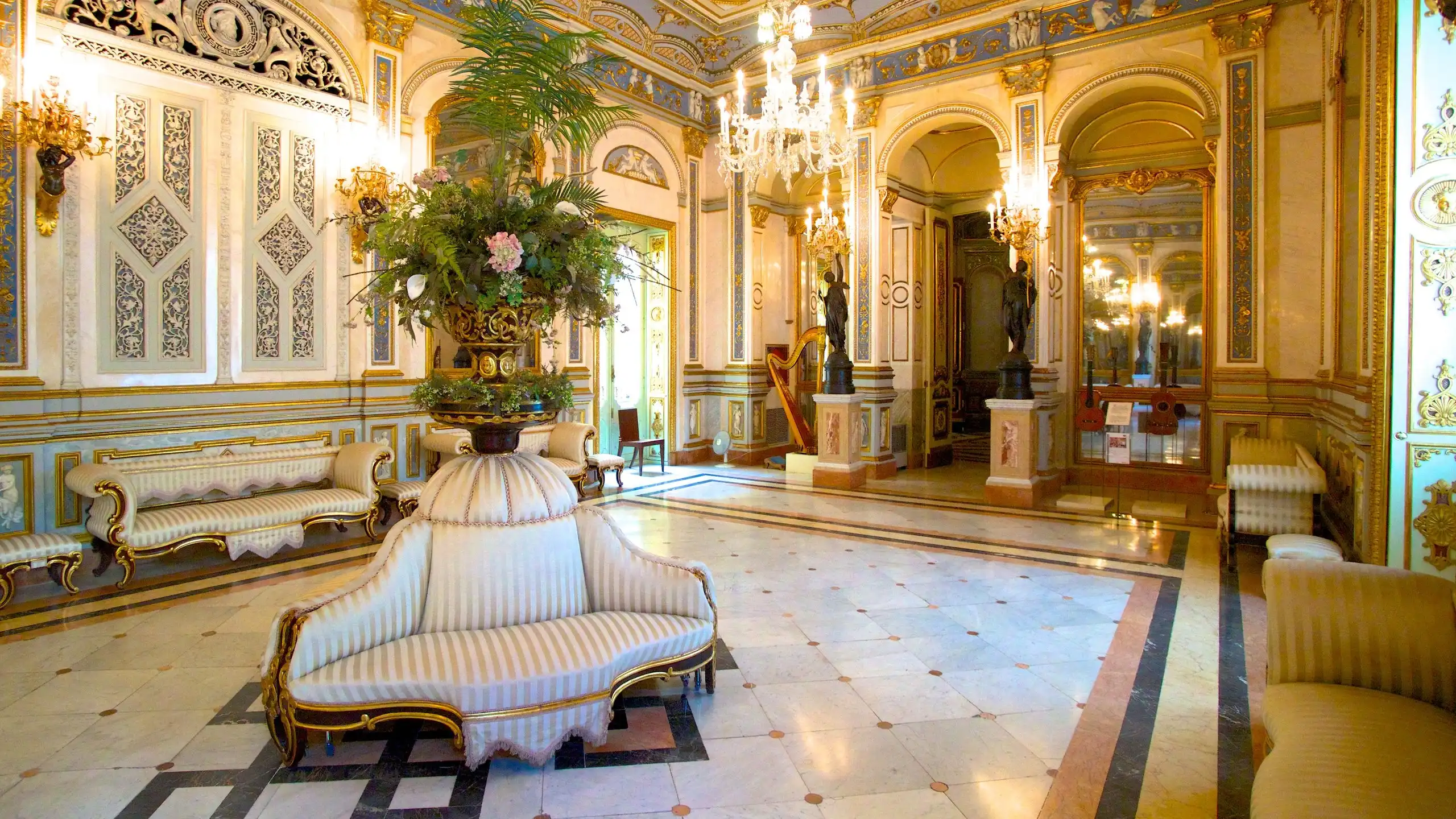
Location: Valencia, Spain
Architect: Hipólito Rovira Meri, Ignacio Vergara, Luis Domingo
The palace, which currently serves as the National Ceramics Museum, has one of the most impressive Rococo facades in Europe. Initially constructed in the 15th century in the Gothic style, the palace underwent transformations that resulted in a façade adorned with intricate carvings, reliefs, botanical motifs, and sculptures, characteristic of the Rococo style. This exterior theme continues into the interior. With its interior mirrors, magnificent chandeliers, and wall and ceiling paintings, the Palace of the Marques De Dos Aguas reflects the Rococo passion for decoration.
References:
1 Rococo Architecture
2 Rococo Architecture
3 Rococo Architecture
4 Rococo Architecture
5 Amalienburg
6 Hotel de Soubise
7 Helblinghaus
8 Rococo Architecture
Learn with PAACADEMY: Check out the workshops at PAACADEMY to learn from the industry’s best experts how to use advanced parametric design tools, AI in design workflows, and computational design in architecture!
