


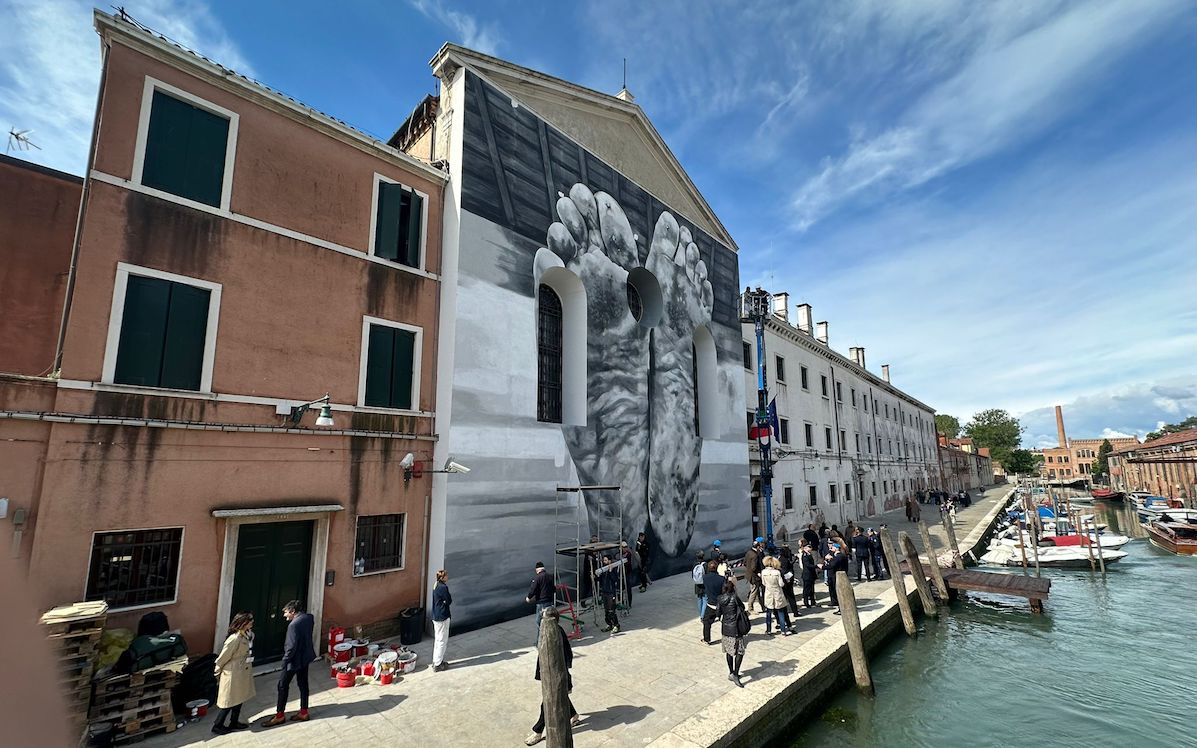
One of the world’s prestigious contemporary art events is in Venice’s floating city. Starting from April 20th and running until November 24th, 2024, the Venice Art Biennale is where artists, designers, collectors, curators, and art enthusiasts gather from all around the world in the historic Italian city of Venice.
True art is all about equity, inclusion, and diversity, which makes the 60th edition of Venice Art Biennale 2024 follow the theme, ‘Foreigners Everywhere.’ The event sheds light on artists with diverse backgrounds from all around the globe, it aims to showcase the beauty and history of different cultures and mindsets, to notice the unnoticed and voice the unvoiced. Society often has many marginalized groups of people who do not have much of a say and find their only outlet in creation and art. Such people may include immigrants, expatriates, queer people, and indigenous individuals. The Venice Biennale is a blessing to the unheard, giving them space to be who they are without fear of being judged, which is what art is all about.
“First, wherever you go and wherever you are you will always encounter foreigners — they/we are everywhere. Secondly, no matter where you find yourself, you are always truly, and deep down inside, a foreigner.”
Adriano Pedros, artistic director of the 2024 Venice Biennale
Architects find such events intriguing as all art is usually housed under art. The Venice Biennale includes cultural pavilions belonging to different countries, and this article will delve into 8 cool structures and exhibitions seen at the 2024 Venice Biennale.
Pavilion of the United States
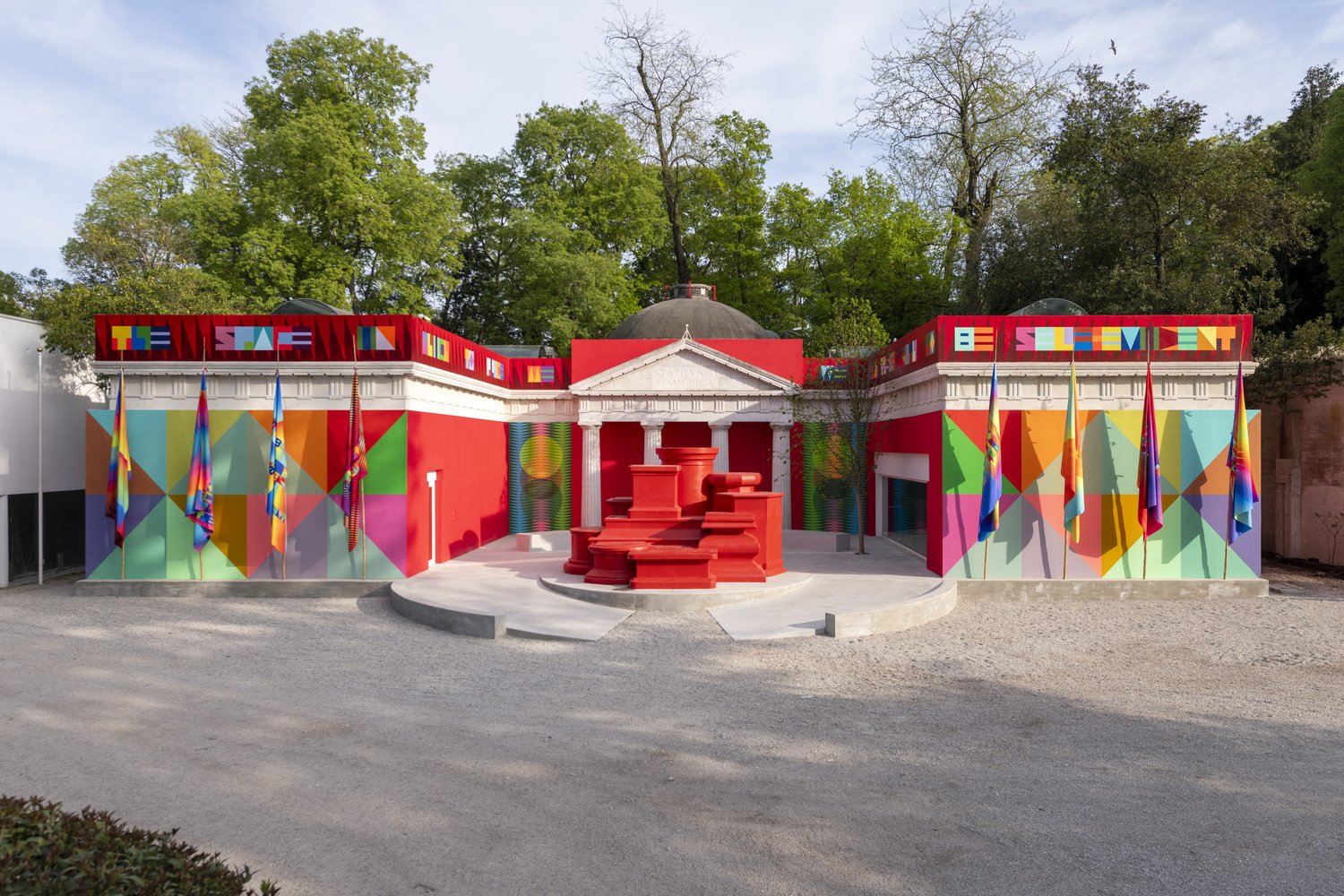
The American pavilion at the Venice Biennale represents Palladian Architecture, characterized by its classical, symmetrical, and grand appearance. Designed in the 1930s by architects William Adams Delano and Chester Holmes Aldrich, the pavilion’s vibrance reflects the diversity of American culture and indigenous histories through its vibrant colors, intricate patterns, and textual elements. It serves as a contemplation of identity, empathy, and the desire for democracy and freedom. Situated in the Castello Gardens among other pavilions, it hosts multidisciplinary exhibitions by artist Jeffrey Gibson, all themed under ‘the space in which to place me.’ Here, ‘space’ refers to the cultural context of the exhibition, ‘place’ suggests one’s societal position, and ‘me’ encompasses anyone engaging with the artwork.
Pavilion of Hungary
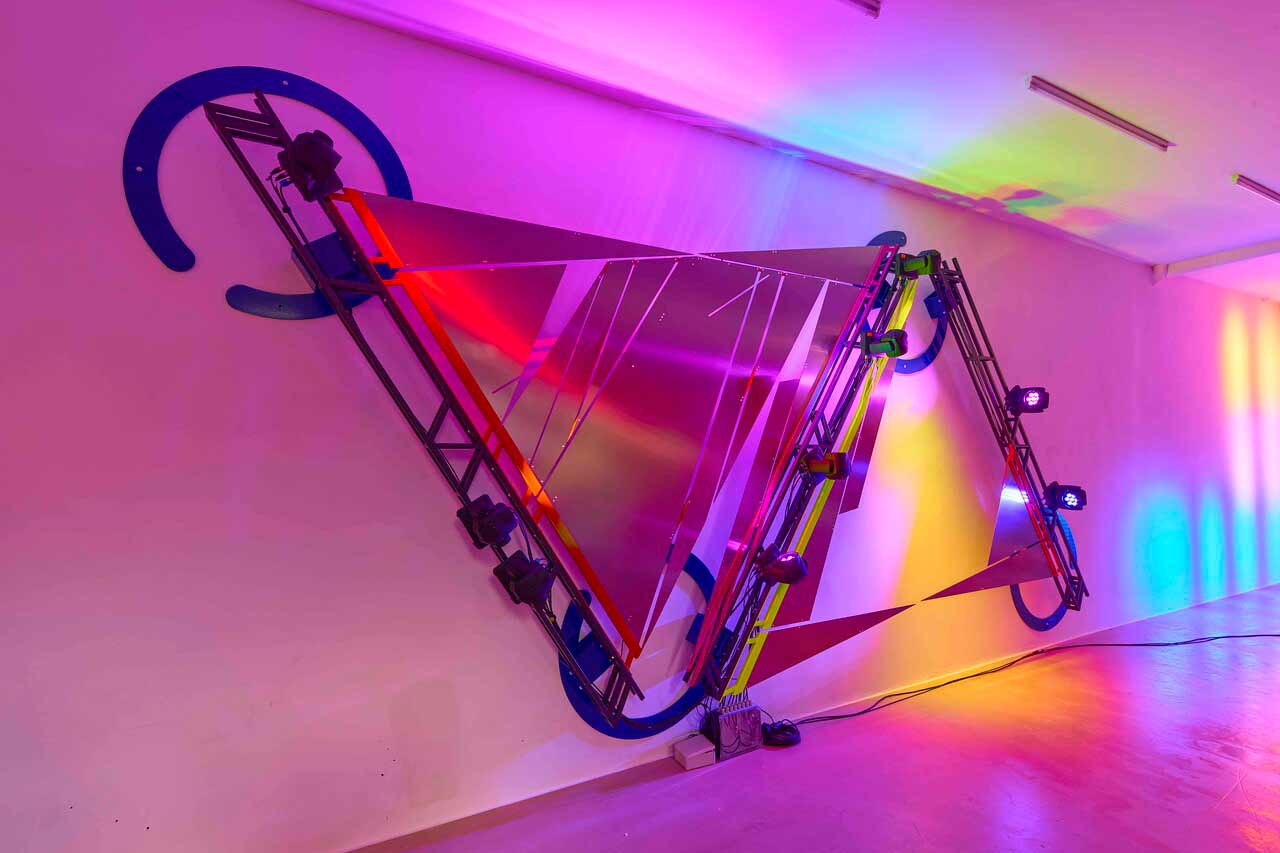
The exhibition housed in the Hungarian Pavilion is organized by artist Marton Nemes, among others. It revolves around Nemes’ abstract art in an immersive environment under the name ‘Techno Zen’, including sculptural elements, paintings, and multimedia installations to create a dynamic feel. Techno Zen explores modern abstract art housed in a classical structural building in the old city of Venice, creating a postmodern feel upon entrance to the pavilion.
The Hungarian Pavilion is a complex architectural structure that has undergone significant transformations over its history. Originally built in 1909, it occupied a central position in the Giardini but later lost some of its prominence as other pavilions were added, following a more structured layout. The pavilion’s architecture presents a fascinating blend of traditional and modern elements. Its initial design incorporated ornamental references to Hungarian history and folklore, while also adopting an international architectural language of the time. This balance between national identity and modernist aesthetics was evident in its original double-height roof structure and art-deco-like features. However, in 1958, the pavilion underwent a radical redesign by Ágost Benkhard, shifting towards a more modernist approach.
The entire roof structure was replaced with a flat roof, and the interior layout was altered to create an internal courtyard. While elements of Hungarian folklore were retained in parts of the façade, the overall appearance became more uniform with a coat of white paint, reflecting the influence of international modernism. Further changes occurred in 2000 with a new roof design by György Csete, which added another layer to the pavilion’s architectural narrative. This phase reflects a post-modern understanding of space, with references to Hungarian history and an organic, amorphous form. Overall, the Hungarian Pavilion’s architecture is a testament to the evolution of architectural styles and ideologies over time, ranging from traditional influences to modernist and post-modernist interpretations. Its complex history and multiple transformations make it a unique and intriguing structure within the context of the Venice Biennale.
Pavilion of Finland
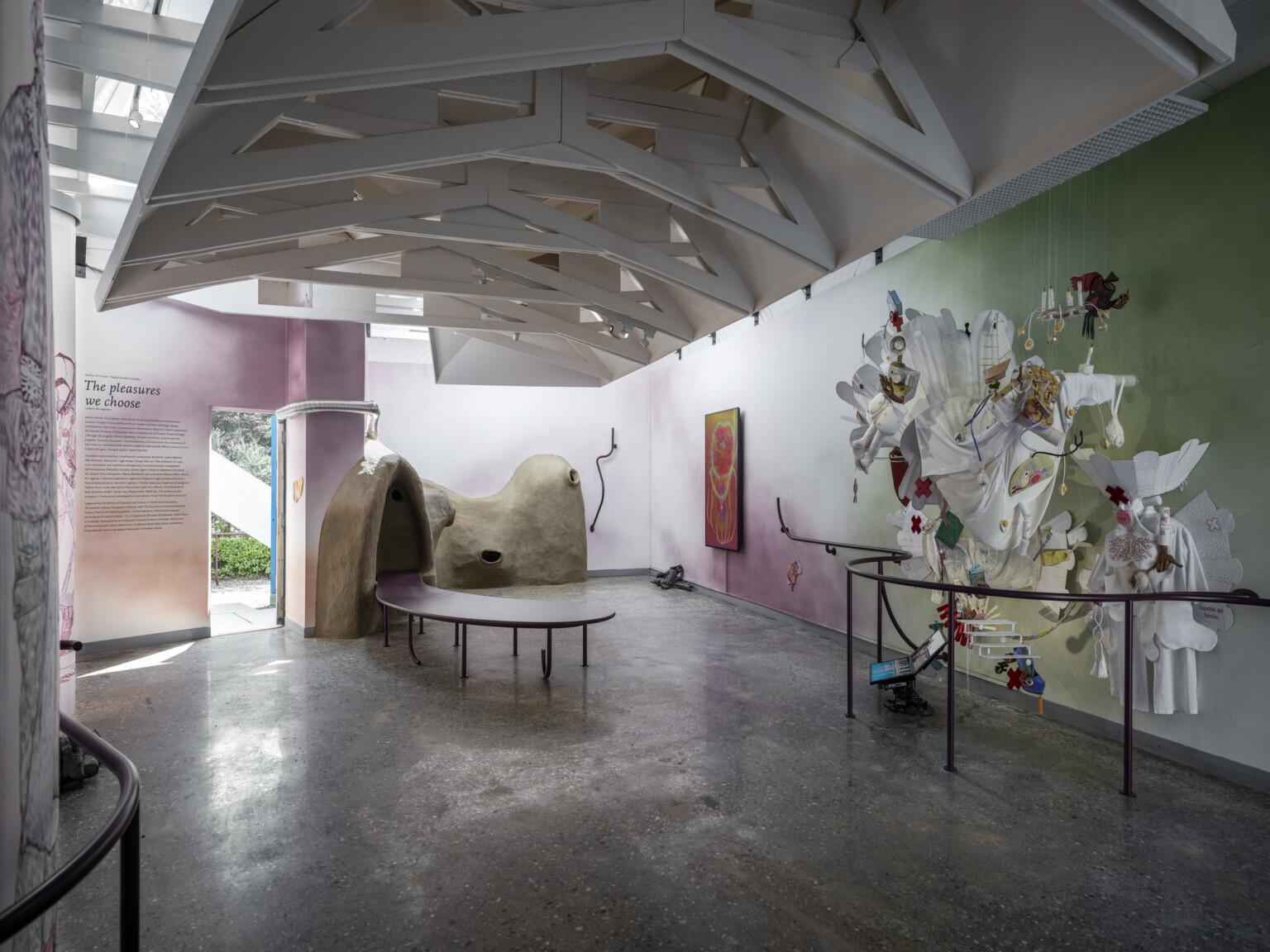
The Finnish Pavilion at the Venice Biennale combines art, architecture, and activism through exhibited art named after ‘The Pleasures We Choose’, where several artists including Pia Lindman, Vidha Saumya, and Jenni-Juulia Wallinheimo-Heimonen who came together to showcase art that speaks about the reality of environmental and social imbalances and personal experiences through drawing, needlework, sculpture, and healing.
The Pleasures We Choose is housed under architect Alvar Aalto’s structure, who designed the Finnish Pavilion in 1956, intended for the Venice Biennale. Alvar Aalto wanted the pavilion to be light structured, just like a tent, which is why it was made of wood. The structure’s flexibility also allows it to house different kinds of exhibitions throughout the years. The overall architectural concept centered on a combination of blue wall lamellas (thin strips or slats) and white triangles. This design likely created an aesthetically pleasing and dynamic visual effect. Skylights were incorporated into the design to introduce natural light into the space. This not only illuminated the interior but also kept the wall surfaces free for hanging exhibitions, maximizing the usable exhibition area. Despite the pavilion being intended for a temporary period of time, it still stands today because of Alvar Aalto’s versatile and aesthetically pleasing space that housed many kinds of art until today.
Arena for a Tree by Klaus Littmann
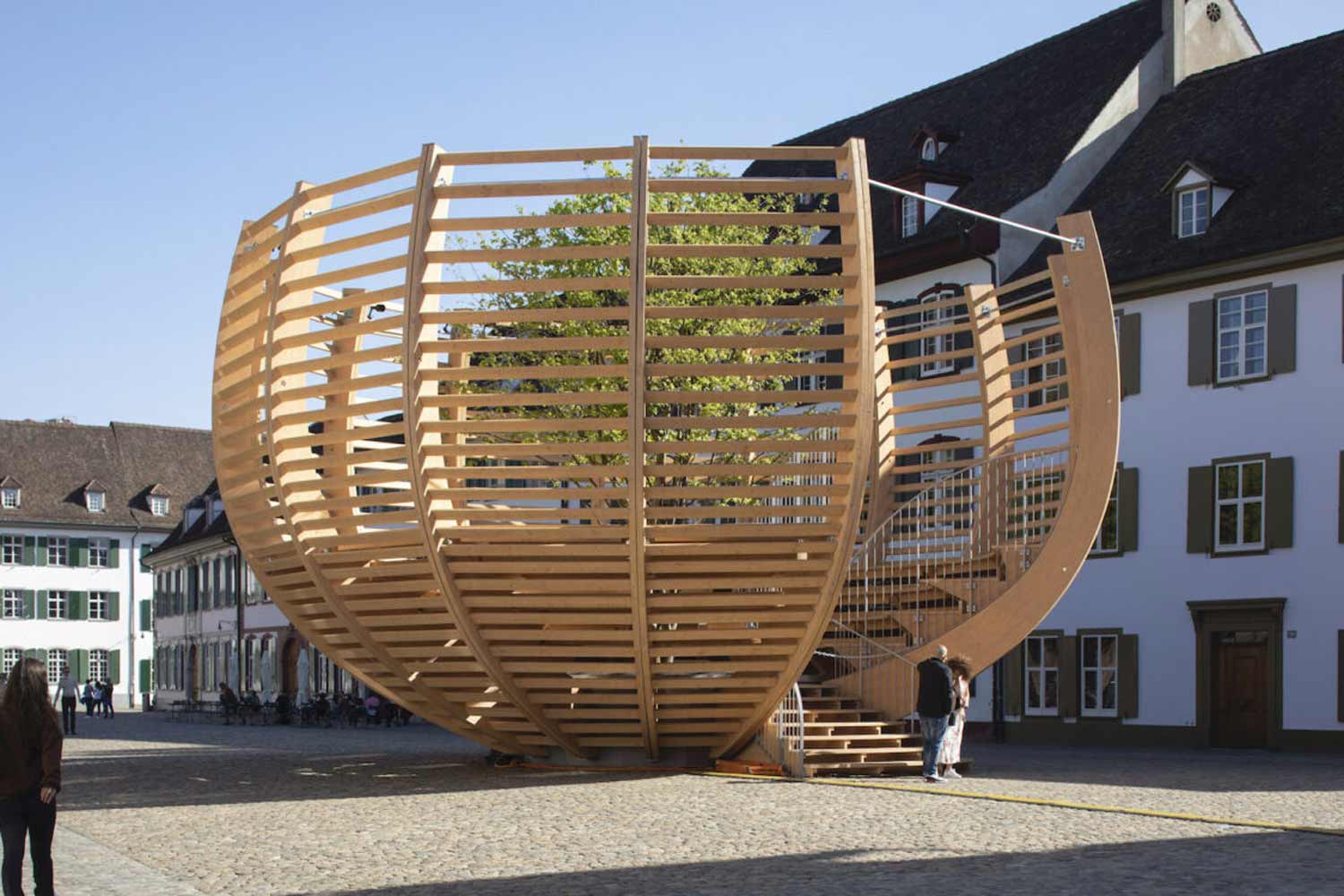
Placed as a central art piece in historic Arsenale nord, arena for a Tree is designed to deliver a wake-up call to the people about global warming and the importance of sustainability. The central element of the installation is the tree which is the protagonist and the focal point of the entire structure. The appearance from afar looks like a sprouting seed capsule, which suggests the idea of growth and renewal. In terms of functionality, the installation combines, sculptures, architecture, and a podium accommodating 50 people at a time. This temporary installation allows visitors to contemplate the beauty of the historical site as well as appreciate the connectivity between nature, water, and life.
Turkish Pavilion
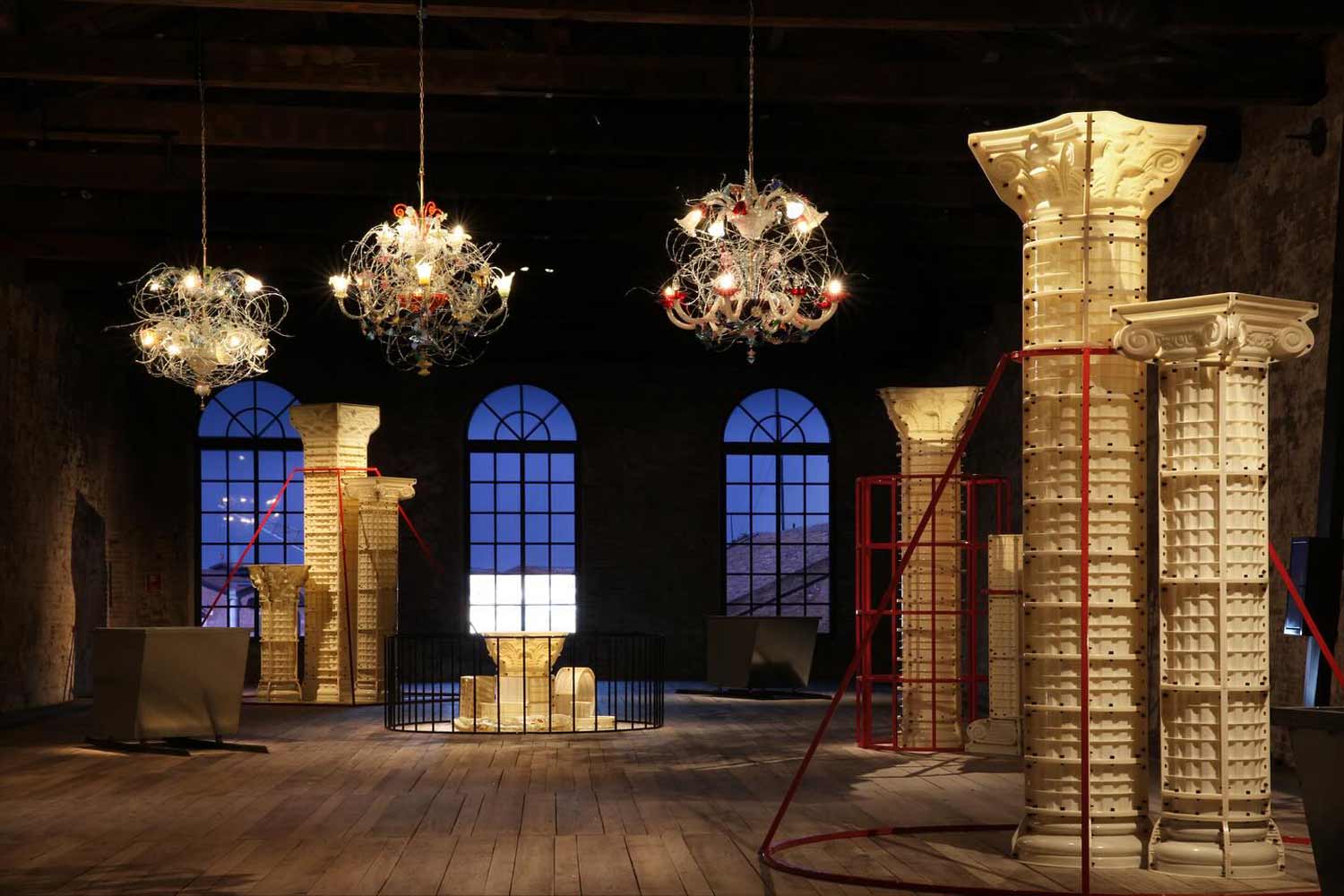
Gulsun Karamustafa, known for her outspoken art, presents an installation with context to the pavilion’s historic site of Sale d’Armi, Arsenale. The exhibition aims to reflect the current state of the world, “Hollow and Broken” which is also the name of the exhibition. The artists’ installation addresses various global issues such as wars, earthquakes, migration, and nuclear threats. These themes are portrayed through an interconnection of sculptural works, a new film premiere, and a sound installation, showcasing her use of disparate materials to convey her perception of the world as broken and empty.
The layout of the exhibition plays a crucial role, where Karamustafa drew inspiration from the pavilions site, taking its rectangular shape, while also reminiscing the historical hippodrome of Constantinople in Istanbul. This connection with the venue’s history reinforces the artist’s thematic exploration.
Pavilion of Argentina
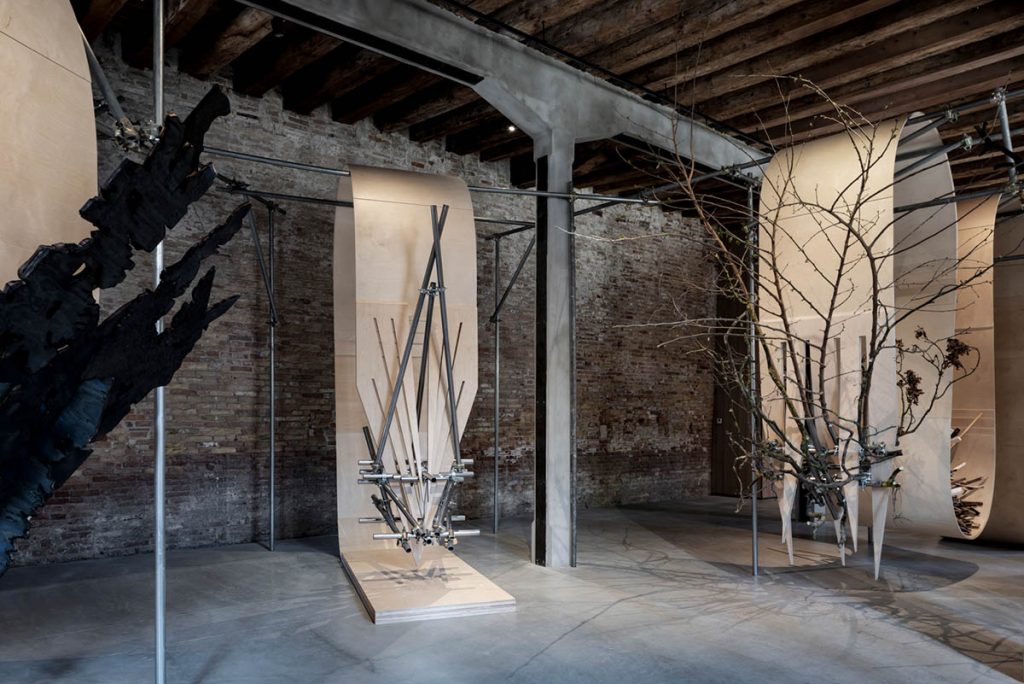
Luciana Lamothe is the artist representing the Argentine pavilion for this year’s Venice Biennale. She believes in creating something that speaks with the environment and context of the pavilion, which is why, in her work, she explores how architectural elements relate to the human body, examining concepts like rigidity and flexibility. The title of the exhibition, “Ojala se derrumben las puertas” (I hope the doors collapse), is inspired by a line from poet Elba Fábregas, who was a student of the Argentine modernist Lino Spilimbergo. This title suggests themes related to thresholds, boundaries, and their fragility.
Lamothe’s exhibition features wooden structures throughout the entire space, allowing visitors to walk on and through them. The artist aims to create a sense of “transmateriality,” blurring the distinctions between hard and soft materials. For instance, hard materials may appear soft, and vice versa, challenging the usual perceptions of material properties.
Japanese Pavilion
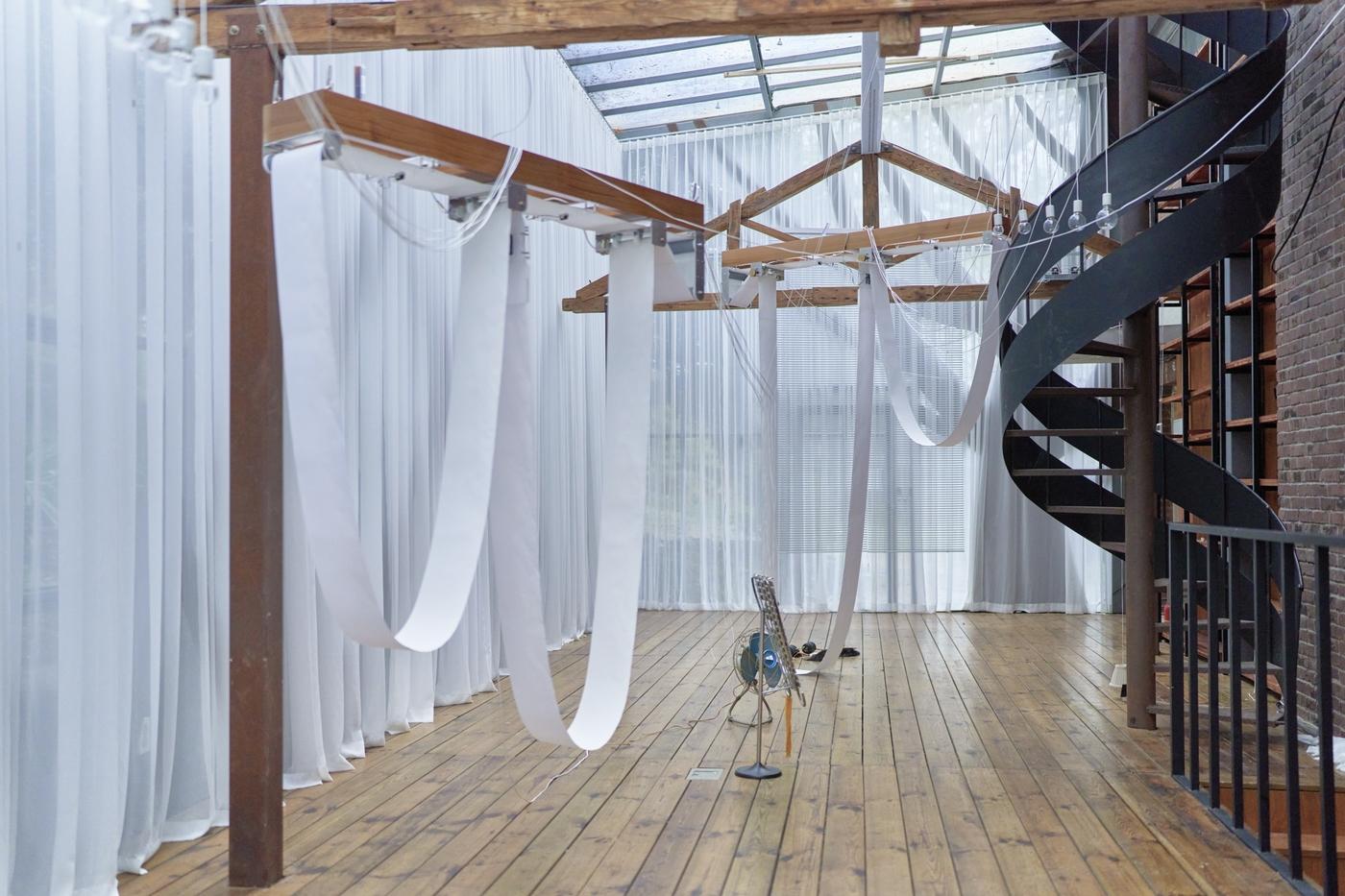
The Japanese pavilion is a significant architectural and cultural landmark completed in 1956 by architect Takamasa Yoshizaka, a student of Le Corbusier. The pavilion blends an international style with elements and features from Japanese heritage.
The design of the pavilion includes four protruding partitions that divide its walls and a central hole leading to a piloti, a column often used in modern architecture. The design offers a unique experience in a limited space that covers 256 square meters.
This year’s Japanese artist in the pavilion is Yuko Mohri, who believed in art after ruin. She emphasized the idea that human crisis is a catalyst for creativity, which is seen in many issues and wars around the world. Where people make art out of their pain.
Lebanese Pavilion
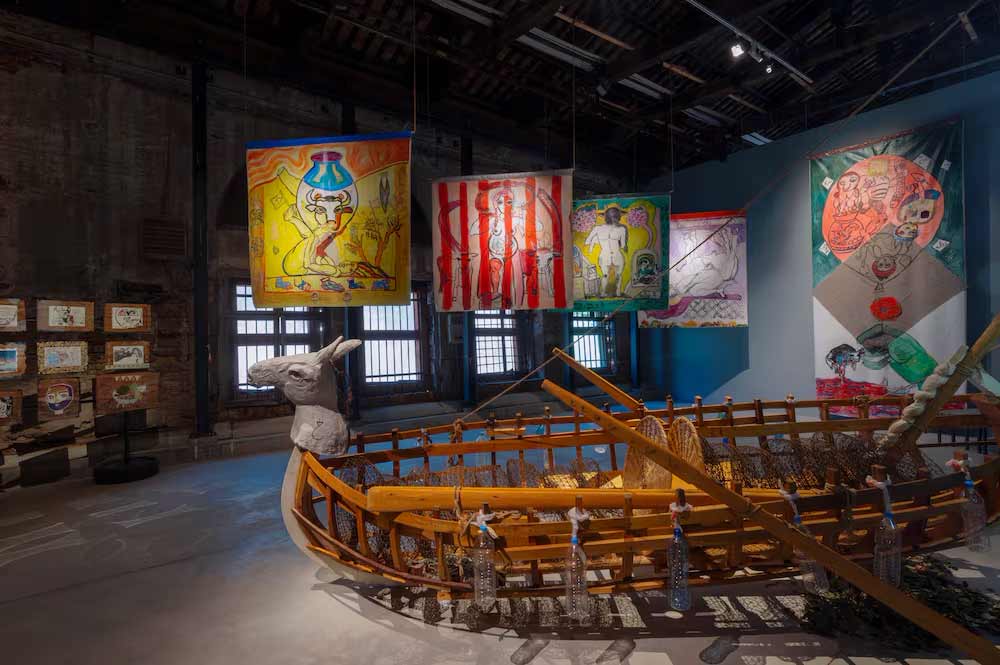
The Lebanese pavilion, curated by Nada Ghandour and Dina Bizri, features work of multimedia artist Mounira Al Solh under the title, “A Dance with her Myth”. The pavilion, within the industrial and historical Arsenale, reflected a Mediterranean coastline in a half-built Phoenician boat. It served as a central piece of the exhibition and consists of 42 artworks, including drawings, paintings, sculptures, embroideries, and videos. The theme of Mounira’s art revolves around the ancient Phoenician myth of the Abduction of Europa. The curators explain that the exhibition highlights Lebanon’s Phoenician heritage through Mounira Al Solh’s contemporary art.
The artist wanted to shed light on patriarchal societies in Lebanon and everywhere else, where women do not have a say and are used as a means of “sacrifice”.
Through her art, Al Solh emphasizes the idea of history repeating itself, showcasing that what happened to the Phoenicians happened and is still happening in Lebanon; ever since the civil war and the ongoing crisis in the country.
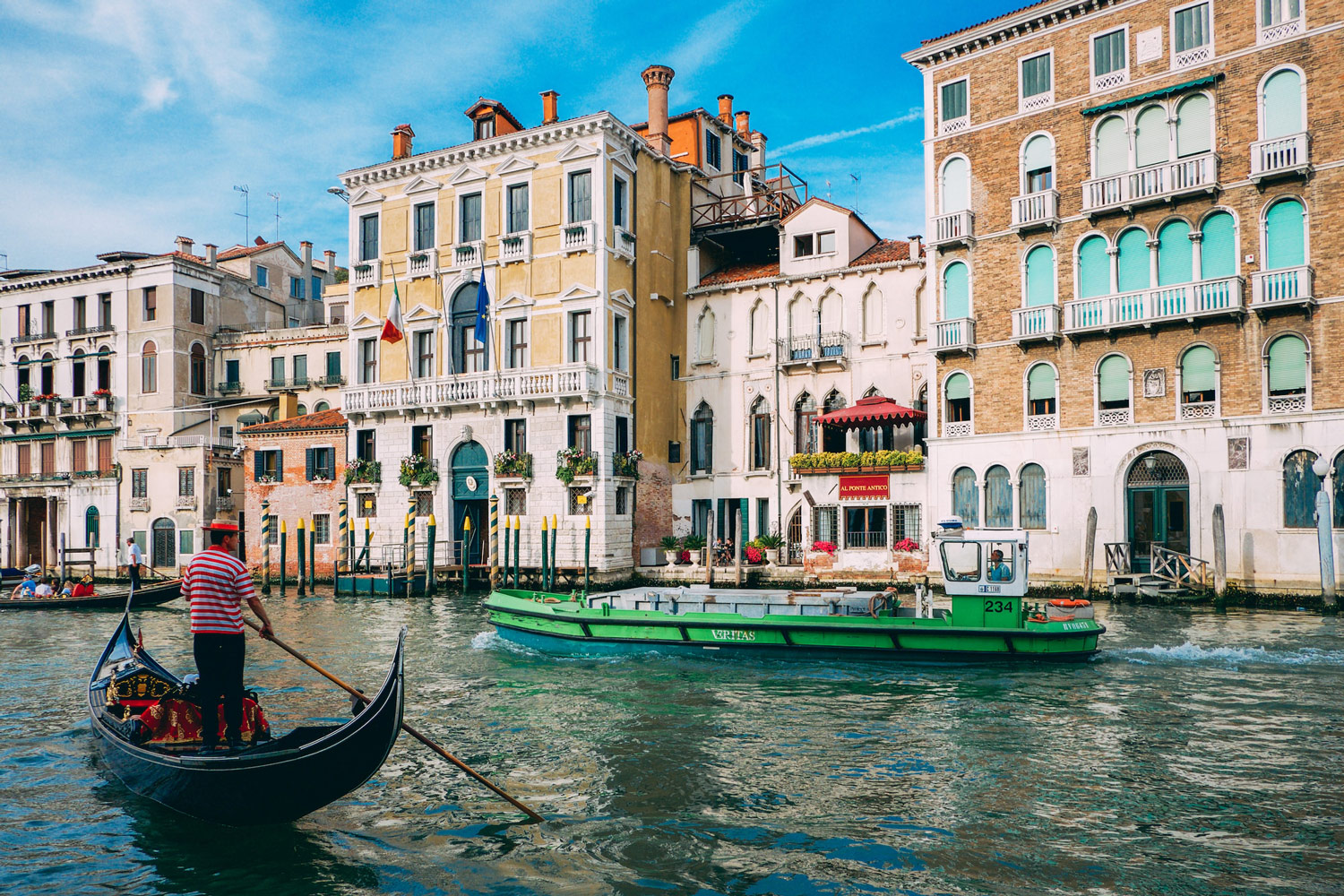
The Venice Art Biennale is intended to showcase art through history in the historical city of Venice. It is where artists from around the globe gather to express themselves through various art forms, including drawings, paintings, sculptures, videos, contemporary art, architecture, and more.
Architecture plays a vital role in elevating an art exhibition to the status of the most prestigious event in the world. Each exhibition is housed under a historical masterpiece of renowned architects; while exhibitions change each year, the buildings that house them remain, each with its extraordinary tales of pain, love, beauty, and more.
