


The FIFA World Cup 2026 was the largest tournament in football history, spanning three countries, 16 host cities, and 48 national teams. While the event showcased world-class stadiums and attracted millions of fans, it also became a real-world stress test for urban infrastructure. Extreme weather, transportation demands, cross-border logistics, and digital operations demonstrated that hosting a mega sporting event is no longer just about building iconic stadiums. It requires resilient cities capable of adapting to climate change, managing unprecedented mobility, and delivering seamless experiences for both residents and visitors.

Rather than focusing on isolated shortcomings, the tournament revealed broader infrastructure challenges that architects, engineers, and urban planners should address before the next generation of global sporting events. Here are five key lessons.
1. Climate-Resilient Stadiums Can No Longer Be Optional
One of the tournament’s defining challenges was extreme summer heat across several U.S. host cities. The Round of 16 match between France and Paraguay in Philadelphia became one of the hottest World Cup fixtures ever played, with temperatures approaching 38°C and heat index values exceeding 40°C. The conditions reignited debate about whether open-air stadiums designed decades ago remain suitable for a warming climate.
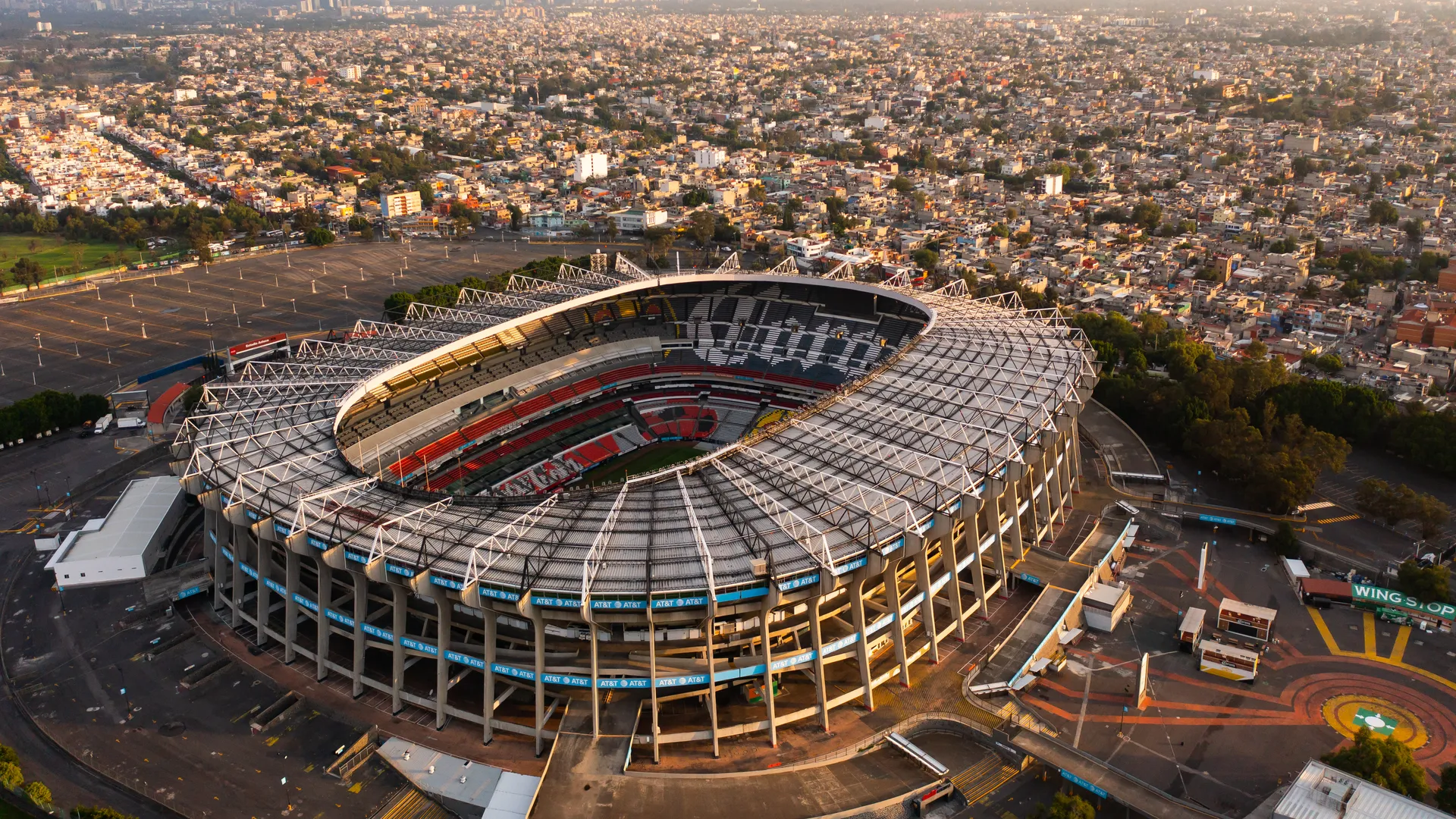
While hydration breaks and cooling stations helped mitigate immediate risks, the tournament demonstrated that operational measures alone are insufficient. Future stadiums should integrate passive cooling strategies, larger shaded spectator zones, high-performance façades, natural ventilation systems, and climate-responsive materials. Climate adaptation must become a core design principle rather than an operational contingency.
2. Transportation Networks Matter More Than Stadium Capacity
Most World Cup venues successfully accommodated spectators inside the stadium, but moving hundreds of thousands of people across metropolitan regions proved to be an equally important challenge. With matches distributed across three countries and thousands of kilometres, airports, rail services, metro systems, and last-mile transport became the backbone of the tournament.
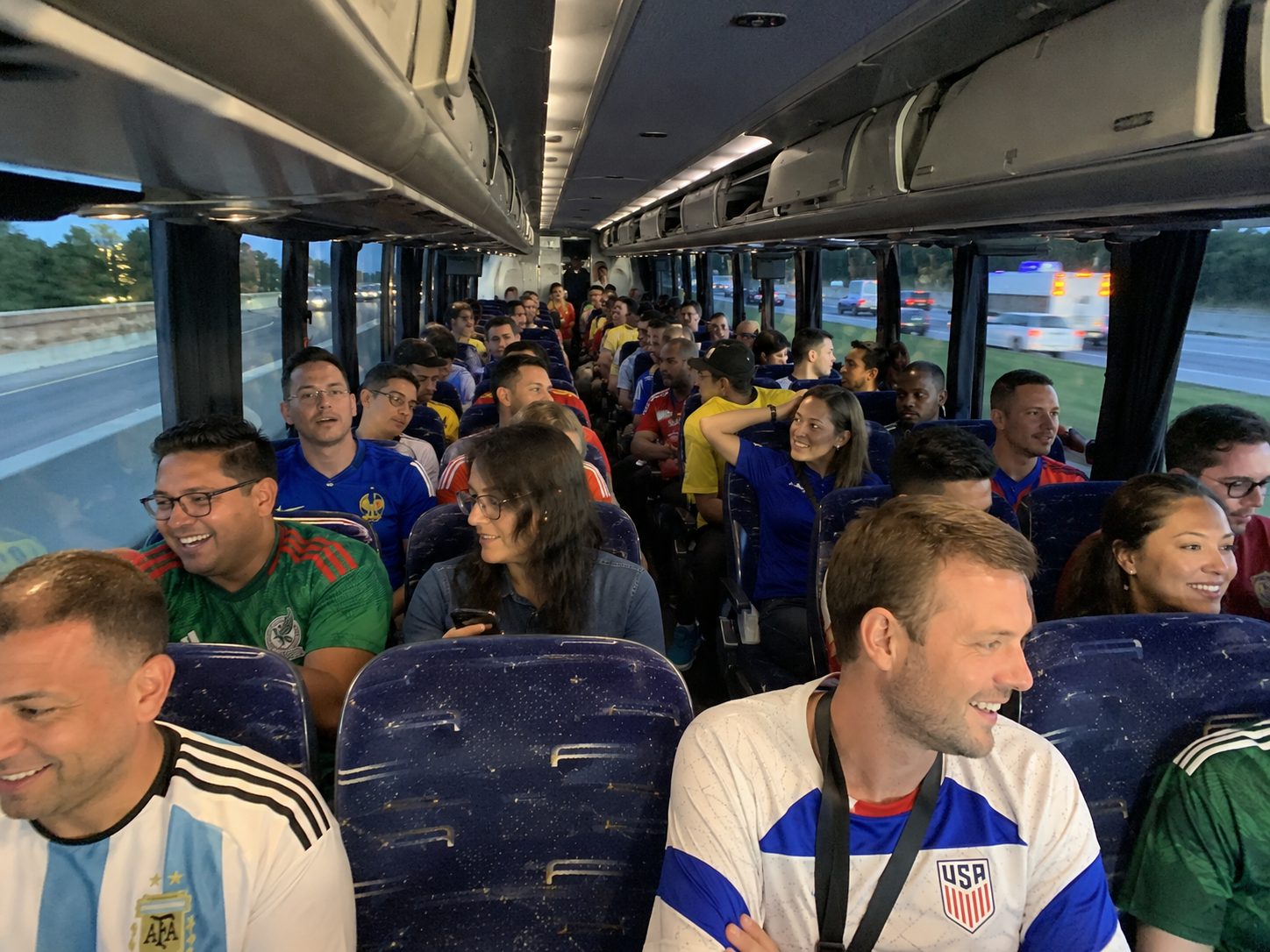
The event highlighted that transport investment often determines the overall fan experience more than the architecture of the venue itself. Future host cities should prioritize multimodal mobility, integrated ticketing, dedicated event transit corridors, and pedestrian-friendly public spaces around stadium districts. A successful tournament begins long before spectators reach their seats.
3. Existing Stadiums Need Continuous Modernization
Unlike previous tournaments that relied heavily on newly constructed venues, the 2026 FIFA World Cup largely utilized existing NFL and football stadiums. This approach reduced construction-related emissions and costs but also exposed the limitations of venues originally designed for different sports and climatic conditions.
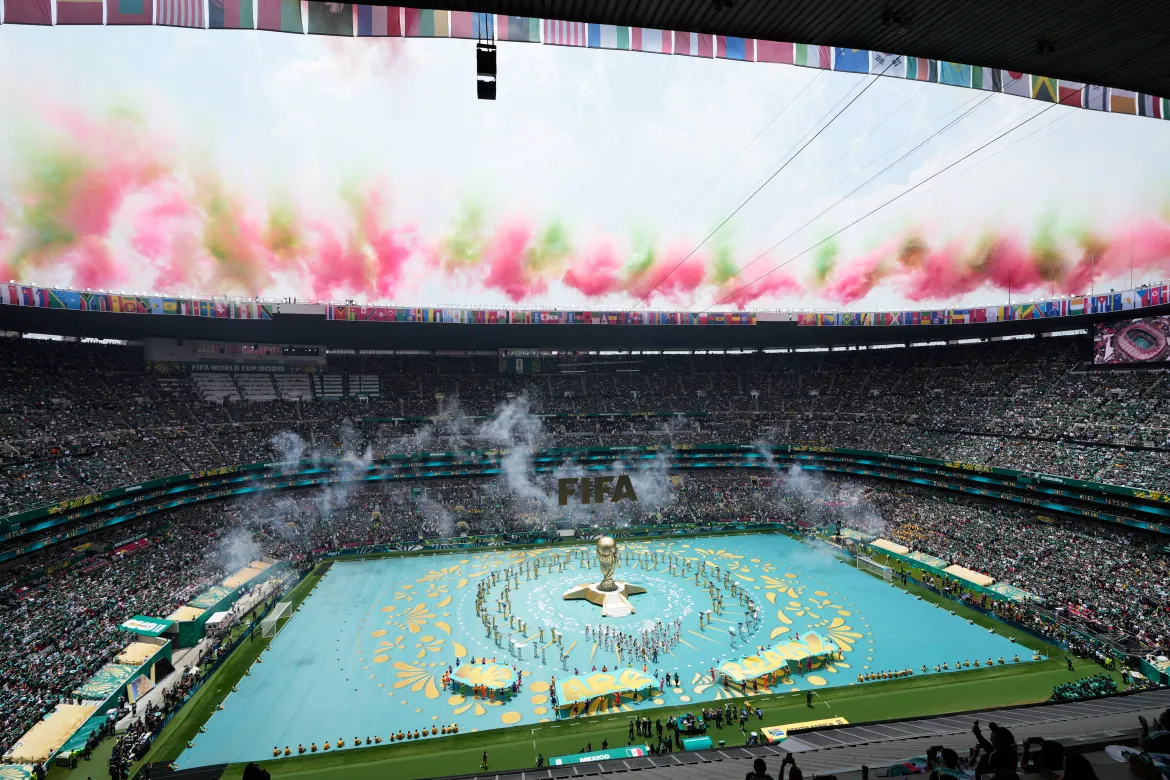
The tournament showed that legacy stadiums require continuous upgrades in accessibility, digital infrastructure, energy efficiency, crowd circulation, and environmental performance. Future investments should focus less on constructing new landmarks and more on transforming existing facilities into flexible, year-round civic assets capable of hosting multiple event types.
4. Digital Infrastructure Is Now Essential Urban Infrastructure
The success of a modern mega-event depends as much on invisible infrastructure as on physical construction. Digital ticketing, real-time crowd monitoring, mobile navigation, security screening, and communication networks became indispensable throughout the tournament.
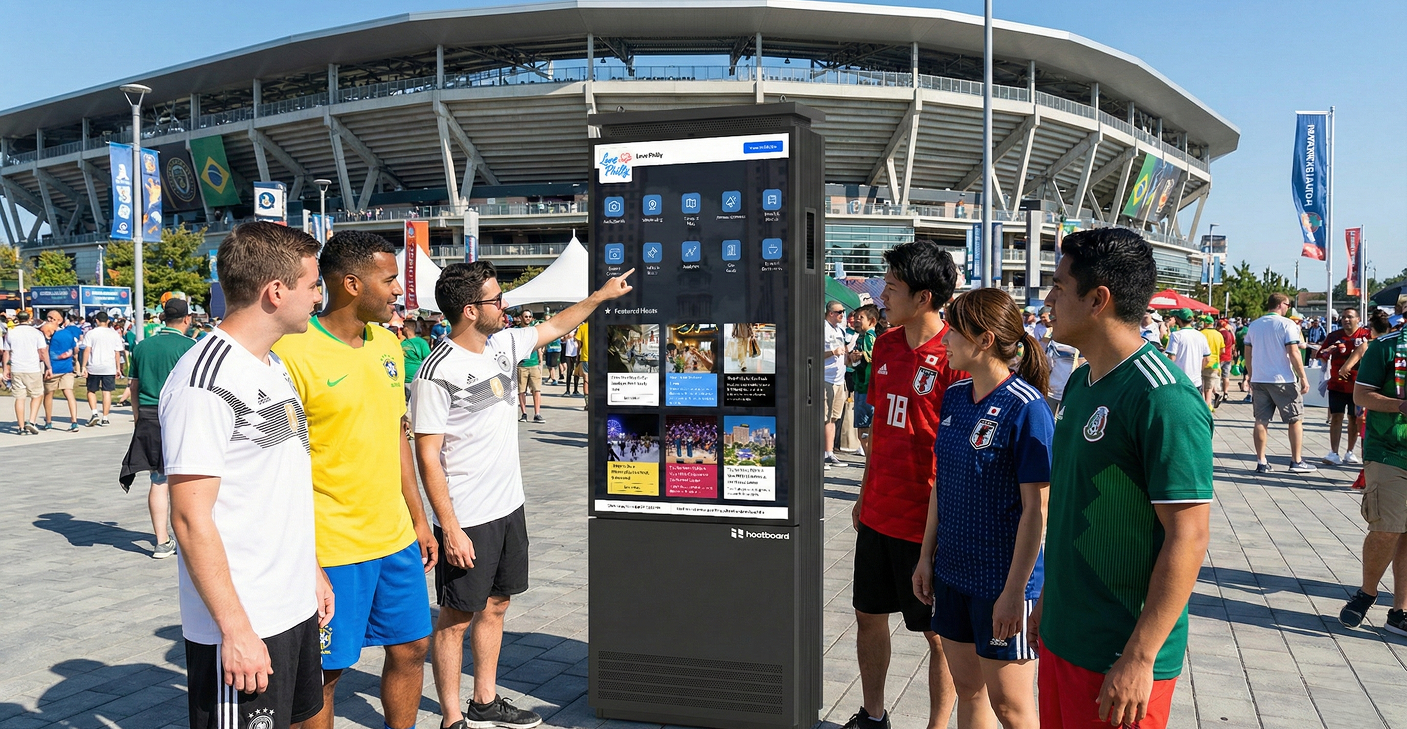
As attendance increased with the expanded 48-team format, host cities relied heavily on integrated digital systems to manage visitor flows efficiently. Future sporting infrastructure should embed smart technologies from the earliest design stages, including digital twins, AI-supported operations, IoT sensors, and resilient communication networks capable of responding dynamically to changing conditions.
5. The Legacy of a Mega Event Begins Before Construction
Perhaps the tournament’s most valuable lesson is that infrastructure should never be designed solely for a month-long sporting spectacle. Every investment in transport, public space, utilities, and stadium modernization should contribute to long-term urban development.

The multi-country hosting model encouraged cities to improve regional connectivity, modernize transport systems, and upgrade public infrastructure that will continue serving residents long after the final whistle. For architects and planners, the measure of success is not the tournament itself but whether these investments strengthen cities for decades to come. Sustainable legacy planning remains the defining benchmark for future World Cups.
The FIFA World Cup 2026 demonstrated that the future of mega sporting events lies beyond architecture alone. Climate resilience, integrated transportation, adaptable stadiums, smart digital systems, and long-term urban legacy collectively determine whether a tournament leaves behind meaningful value.
As cities prepare to host increasingly complex global events in an era of climate uncertainty and rapid urbanization, infrastructure must evolve from serving spectators for a few weeks to supporting communities for generations. The greatest legacy of the FIFA World Cup 2026 may not be remembered for the goals scored on the pitch but for the lessons it offered about designing more resilient, connected, and future-ready cities.
