

As the world progresses towards making everything green, agencies and organisations are also looking for ways to convert existing systems, products, and services into sustainable models. This is becoming urgent, especially in the architecture world, as the building industry is the highest contributor to carbon emissions, generating about 42% of global emissions according to the World Economic Forum. Converting existing structures into energy-efficient illustrations is becoming an increasingly popular trend, but care must be taken to make sure the resulting built environment is not just sustainable but also aesthetically appealing.
One emerging trend is the ‘eco-brutalism’. Brutalist structures are known for their stark, cold, imposing structures, where the architects focused on function rather than design, but today face criticism for their negative impact on the environment.
Softening the basic emotionless character of brutalist buildings with soothing landscapes seems like a paradox, but designers have found that the contrast of hard and soft works out to create an appealing atmosphere where brutalist structures are stripped down to the basics with exposed building materials and the utilitarian nature of the structure itself, adding an eco-conscious layer of natural elements that embrace the human-nature relationship has proven to enhance the health of the built, the unbuilt, and the individual, not just making it sustainable but also humanising the otherwise taciturn exterior.
What is Brutalism?
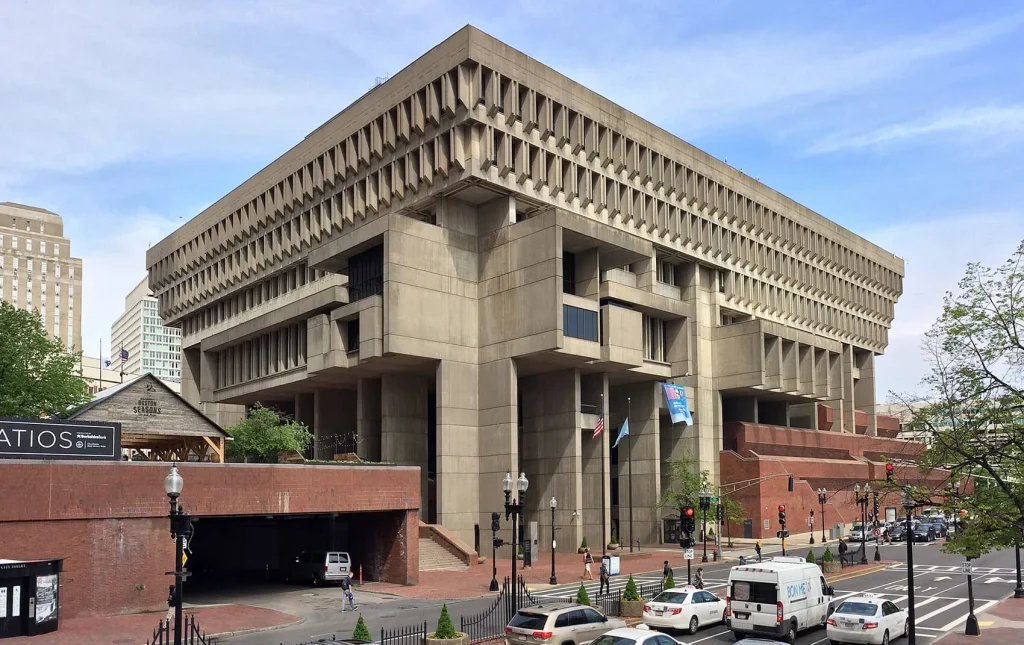
Brutalist architecture is characterised by a massive, monolithic, and blocky appearance with a rigid geometric style and large-scale use of poured concrete. The style is known for its bold forms and unapologetic use of raw materials, often appearing monumental and imposing, evoking a sense of strength and permanence.
History – Flourishing between the 1950s and the 1970s, Brutalist architecture was inspired by the modernist architectural style adopted by famous architects like Le-Corbusier, Louis Kahn, Mies van der Rohe, and Alvar Aalto. It emerged in the United Kingdom from the need for affordable housing that placed functionality above decoration after World War II and embraced making a statement through architecture. The term “Brutalism” derived from the French “béton brut,” meaning raw concrete, and was popularized by architectural critic Reyner Banham.
Characteristics – Brutalist structures focus on functionality, and they can be identified by exposed materials, especially concrete; modular and geometric shapes; monochromatic structures; utilitarian needs; and bold monumental scale. All put together, it presents a built fabric that is practical as it is massive and imposing.
Criticism – With the rise in awareness of the need for sustainability, brutalist structures came under the radar for their extensive use of concrete, which is a major contributor to carbon emissions. This includes construction, operation, and demolition. They were also criticised for being cold, monotonous, and detached from their monolithic structures that fail to align with the human scale or the surrounding environment.
Harmonising with Sustainability
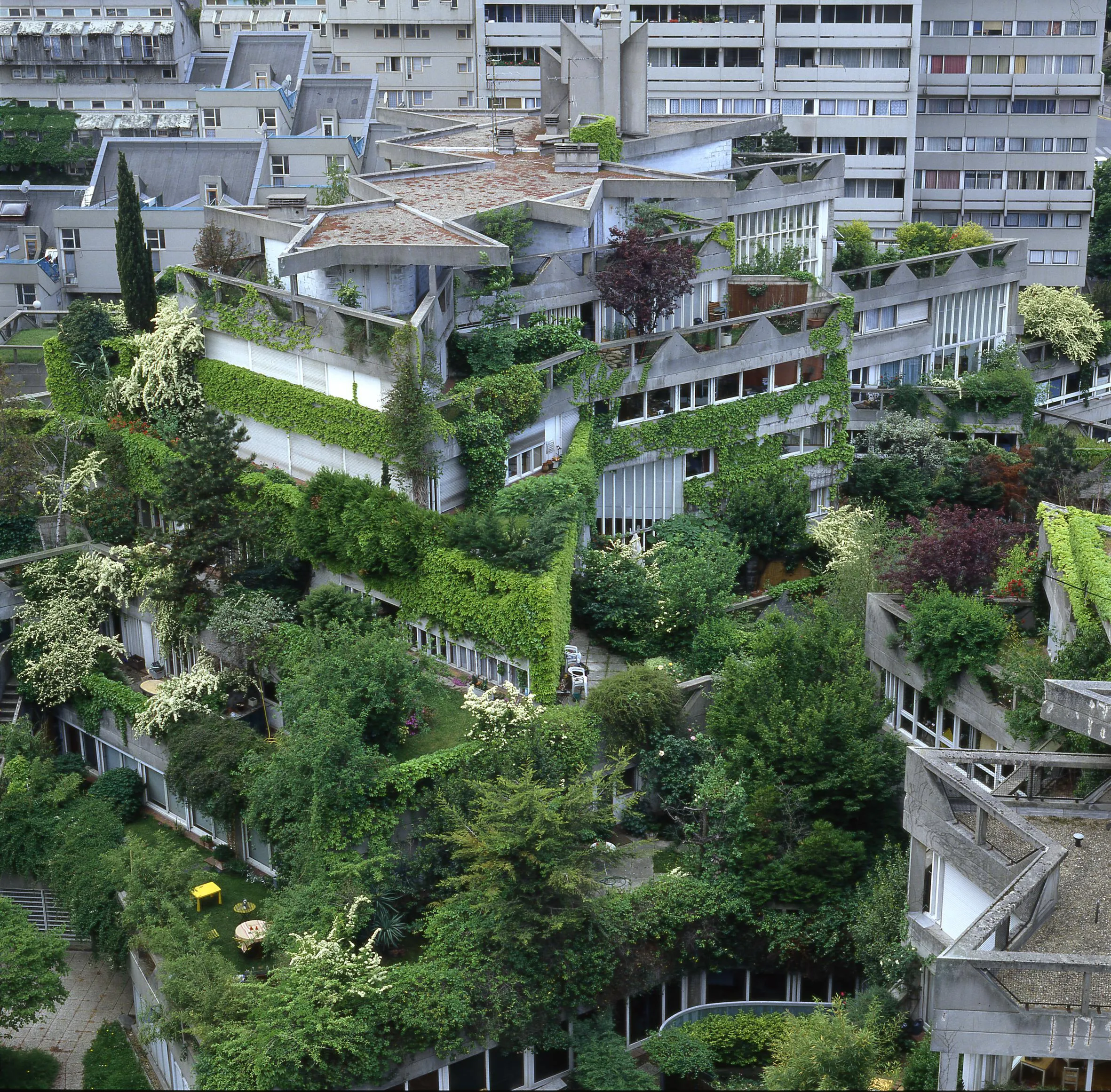
Sustainability is now becoming more than a trend; it has transcended to become a necessity in construction as much as daylighting and ventilation. Eco-brutalism is a chance to revive brutalist architecture by juxtaposing the style with eco-conscious solutions, a chance to balance the starkness with soothing natural landscapes, a chance to humanise the monoliths with biophilia, creating calming, relatable environments. The result is not just aesthetically appealing but also energy efficient as it improves air quality, reduces heat absorption, encourages biodiversity, and provides attractive views, helping to establish healthy environments to live in.
Since it is a fairly new trend, many stakeholders are still sceptical about its effectiveness in achieving sustainable architecture. Many are cynical about using concrete as the main material because of its unsustainable nature and fear that adding greenery is a superficial way to offset carbon emissions. Others are confident that the eco-brutalist style is the answer to the urgent need to reduce the negative impact of construction if the right landscaping, eco-friendly designs, and energy-efficient systems are incorporated. It is an easy option in renovation, adaptive reuse, and retrofitting projects, especially historic buildings that need to be preserved for cultural reasons. Design elements like vertical gardens, green roofs, green facades, landscaped courts, and other natural materials can effectively blur the lines between the built and the organic.
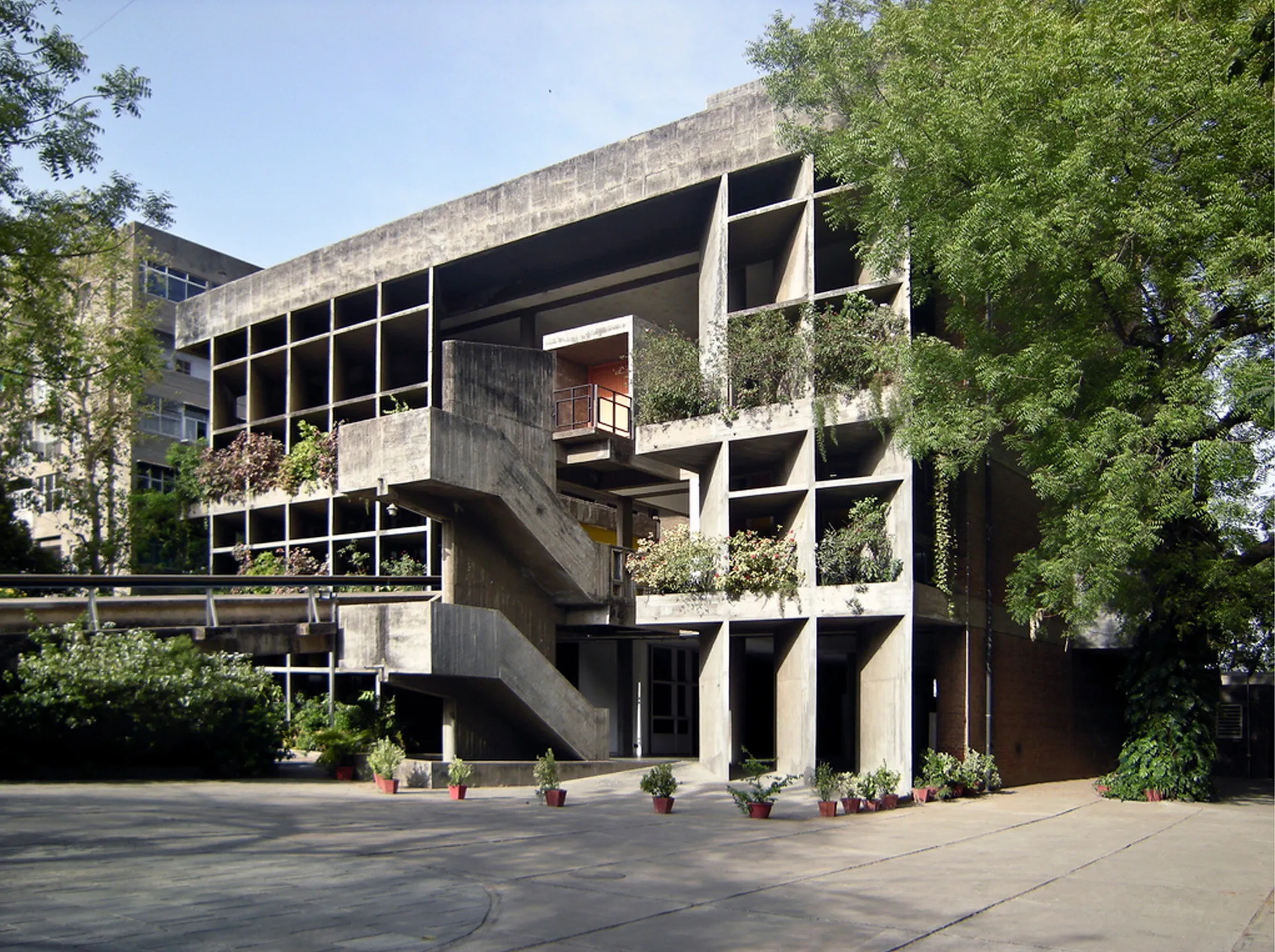
The right design solutions for producing a sustainable environment should include:
Sustainable Materials – While concrete is among the highest contributors to carbon emissions, there are ways and means to produce recycled and low-carbon concrete. Employing other sustainable building materials can create functional, utilitarian structures that form the premise for brutalist aesthetics. Designing exposed facades and modular shapes also reduces resource consumption and waste production, while keeping the structure visually striking. Utilising local varieties of plants that are drought-tolerant and easy to maintain with minimal input can support local biodiversity and enhance the sustainability of the built environment.
Efficient Strategies – Sustainable strategies like exploiting passive solar power and other renewable resources, embracing water management and rainwater harvesting systems, employing passive design approaches like facilitating natural daylight and ventilation, and optimising energy consumption using smart monitoring systems all contribute to designing self-sufficient structures. With transparency in design and construction phases using digital tools, these strategies can be easily incorporated and efficiently monitored during the performance phase, for existing and new construction projects.
Effective Innovations – Sustainable designs require constant innovations that suit the specific design, building type, and location. Be it the building materials used, carefully placed natural elements, or the design techniques employed, they need to be evaluated and analysed to be optimum in energy production and consumption. And when it comes to blending the age-old brutalist architectural style with the indispensable yet basic need of energy-efficient design, the innovations need to focus on a holistic outcome that is functional yet welcoming.
Social and cultural aspects – Brutalist architecture started with the need for quickly built, simple, functional, and practical spaces that served the masses. Eco-brutalist structures are designed with these principles while incorporating well-being and harmony, where social interactions are given significance and cultural aspects are observed. There is a vast potential for inclusivity in the urban built fabric by incorporating environment-friendly community spaces that highlight human-nature relationships. Using local materials and local varieties of plants embraces the local culture and enhances the cultural aspects of brutalist architecture.
Eco-Brutalist Illustrations
1. Hotel Terrestre, Mexico – by Alberto Kalach in 2022
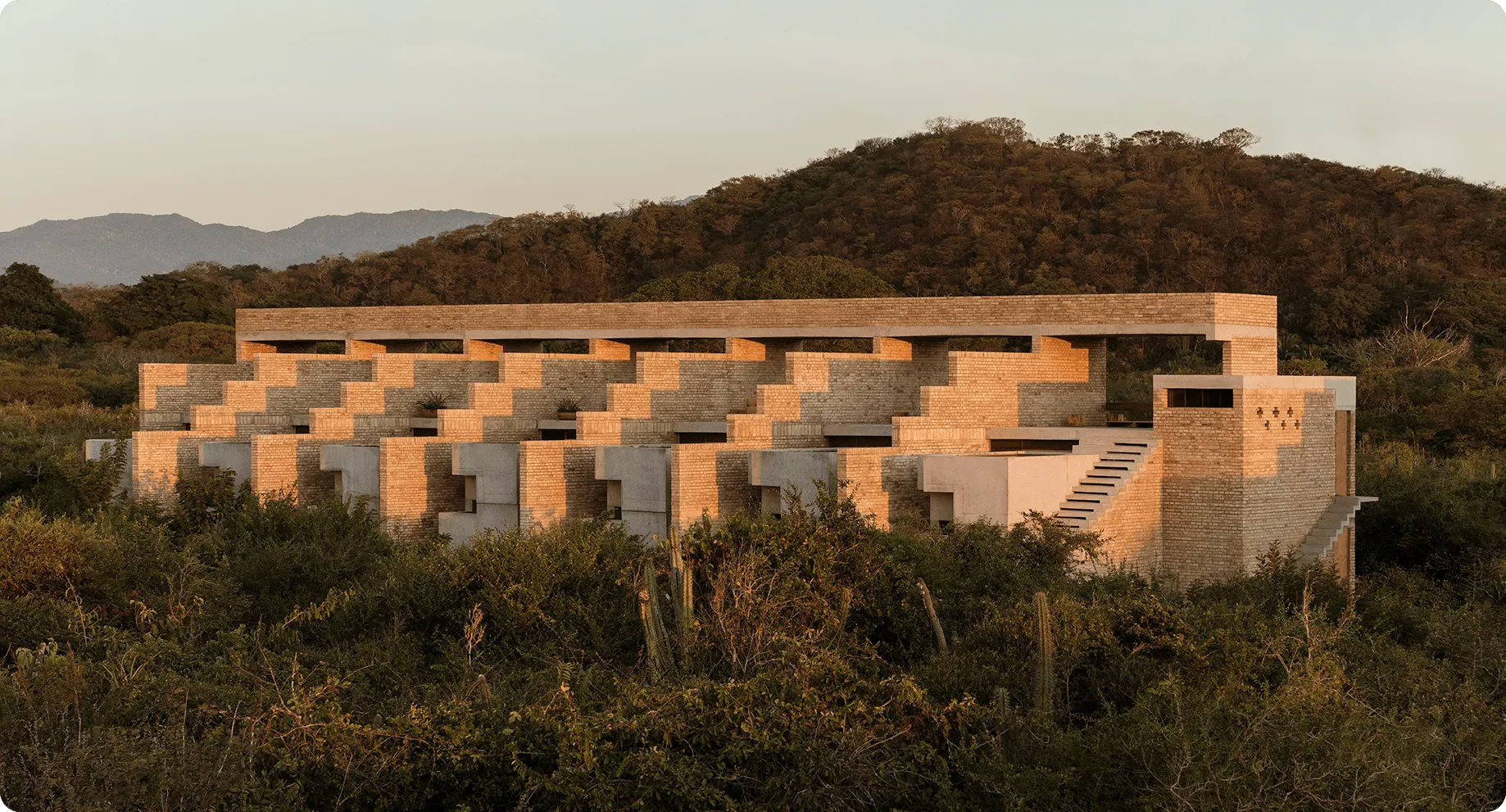
The Hotel Terrestre by Alberto Kalach is made of locally sourced clay, brick, wood, and concrete, forming geometrical modules that make up the villas of the hotel. Situated in Mexico, the design employs passive cooling and natural ventilation to maintain comfortable indoor air quality and leverages solar energy, which can completely power up the whole structure. Native vegetation surrounds the property, which champions biodiversity and aids in cooling the structure such that dependence on air conditioning is negligible if not nonexistent.
2. Art Villas, Costa Rica – Formafatal Studio and Refuel Works
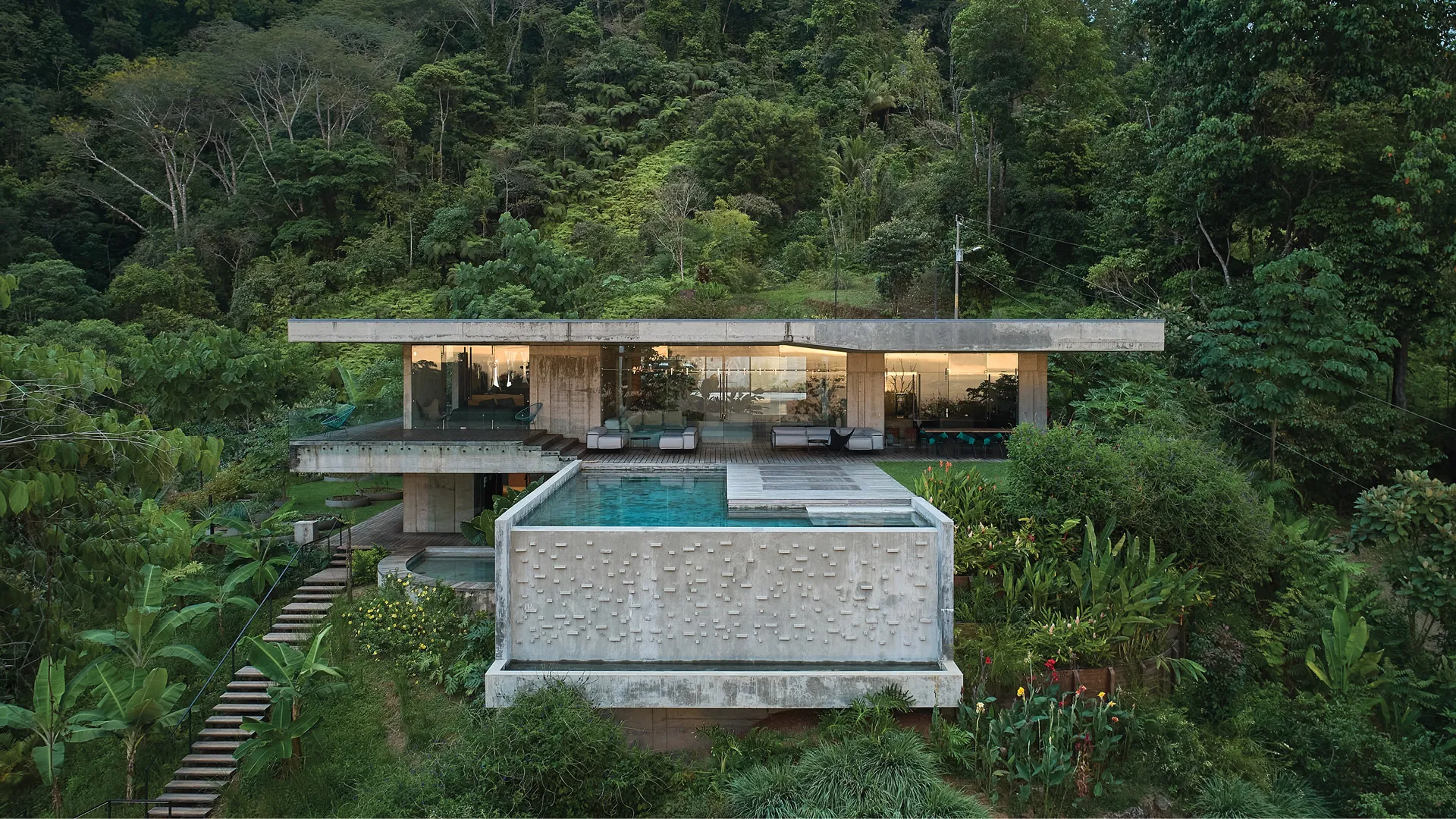
Art Villas comprises three villas and a multifunctional pavilion situated amongst the green jungle of the hills in Costa Rica. The architects, Formafatal and Refuel Works, left the whole structure exposed and customised the furniture in a minimalist style while blurring the lines between the solidly built form and the surrounding local greenery planted on the sloping environment. Built completely from sustainable concrete and locally sourced wood and stone, the structure enhances the local reforestation efforts. Solar panels, rainwater harvesting, and water conservation contribute to energy-efficient endeavours.
What does the future hold for Eco-Brutalism?
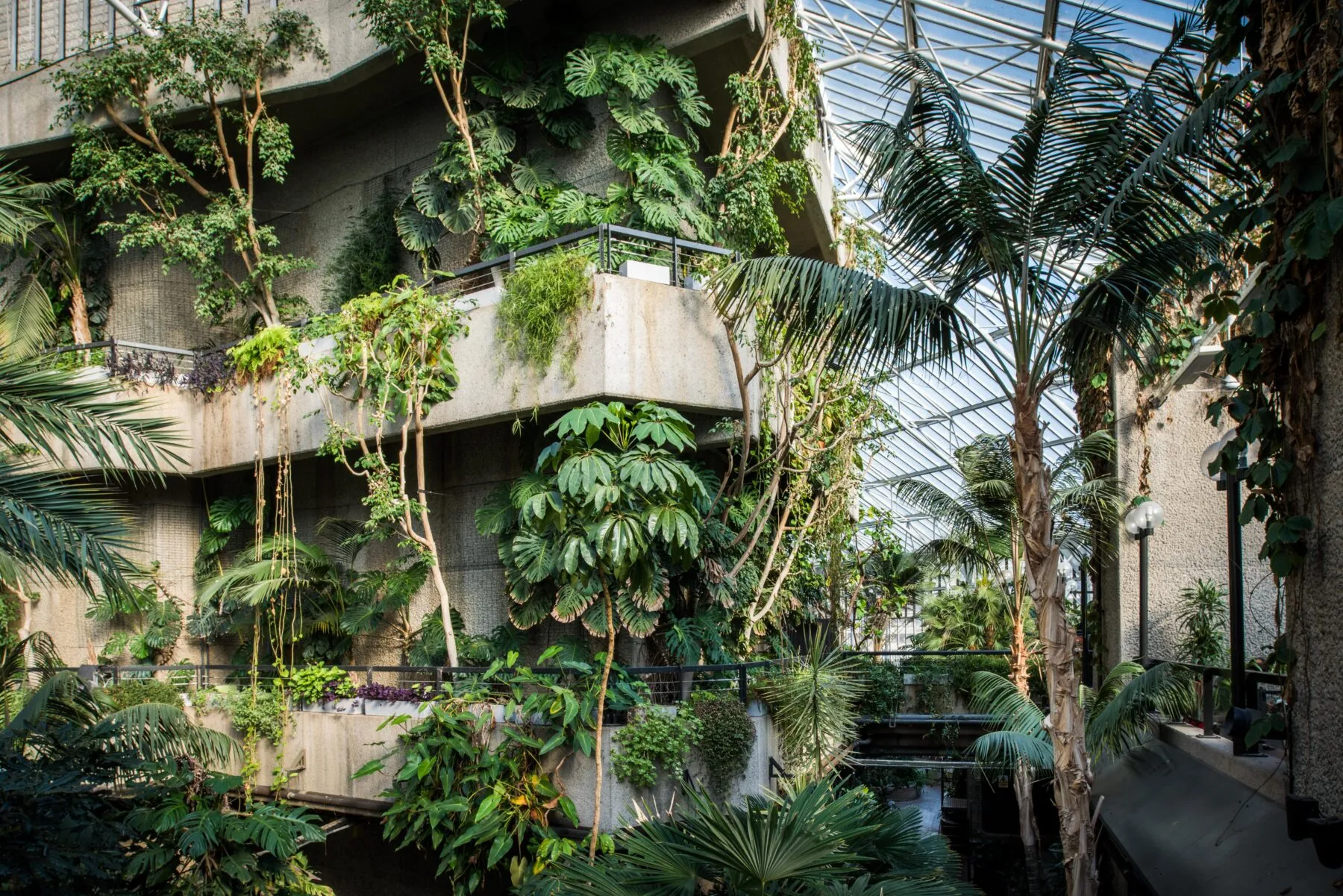
Being eco-conscious has been gaining momentum in our fast-developing world. And so is being sustainable in all our efforts. Brutalism still embodied sustainability, in the sense that buildings needed to be designed for functionality, and there should be no wastage of space or materials for decoration. This created a wave of cold and unassuming buildings. But with a touch of botany, they can be made comfortable and inviting. The greens can soften the sharp edges and add colour to the monoliths, which has contributed to its popularity.
The popularity of this new trend has been best explained by Alice Finney in her book Brutalist Plants – ‘Instagram, Reddit, and TikTok have become Petri dishes for the cultivation of nature and buildings. They serve as fertile ground for new concepts, such as the viral hashtag #ecobrutalism. This is loosely defined as a modern hybrid architectural style that combines traditional man-made reinforced concrete buildings with the natural world.’
