


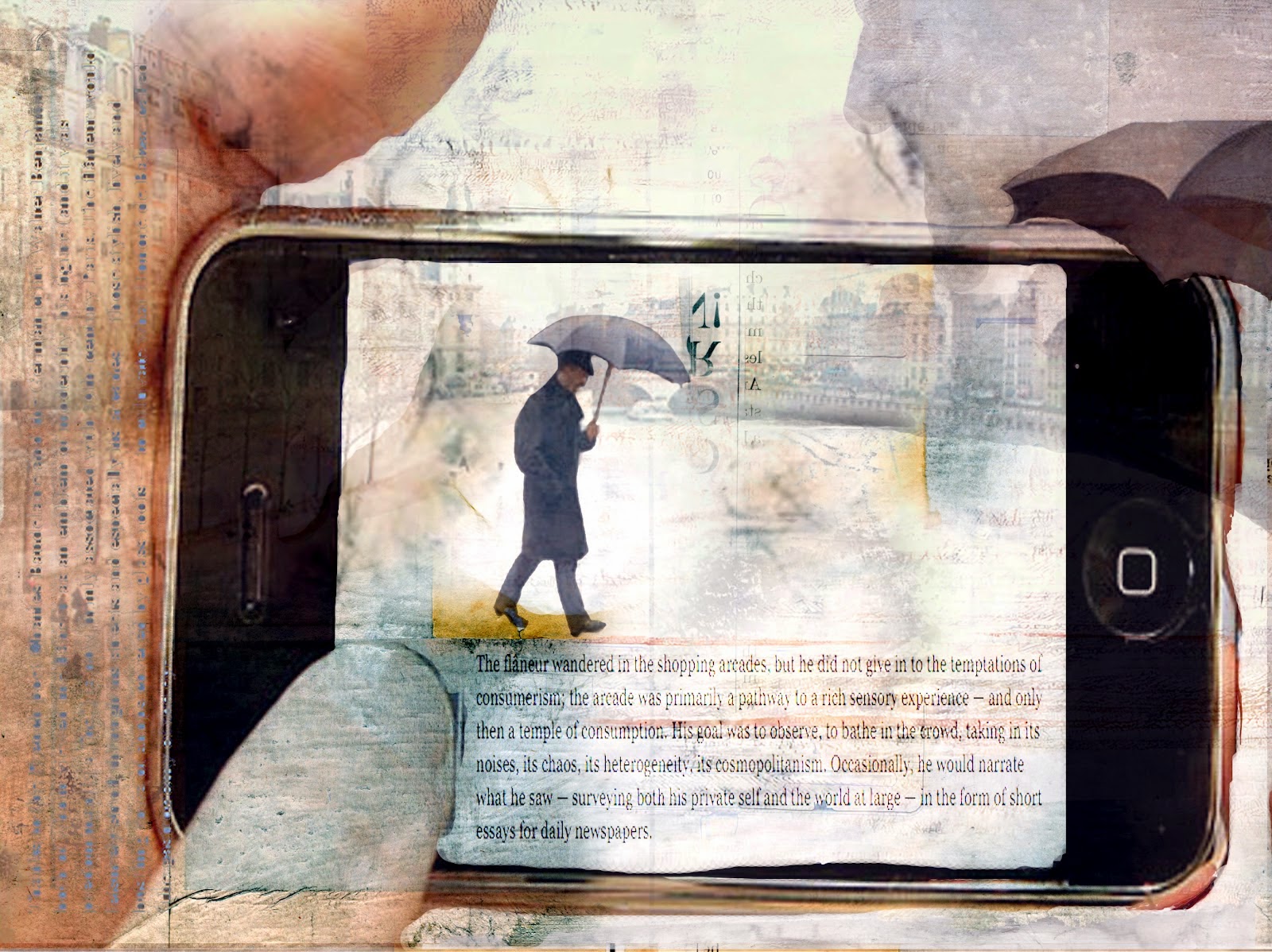
Many of our daily actions are directly related to or dominated by technology. Even in many of our activities that are based on human nature, technology plays an important role; we all use technical stuff such as phones, laptops, tablets, or even smartwatches. Technological improvements also directly affect our communication with space. When we talk about experiencing space with our daily movements, the first thing that comes to mind is “walking.” Walking, which many of us naturally perform and do not think much about, is used as a research method.
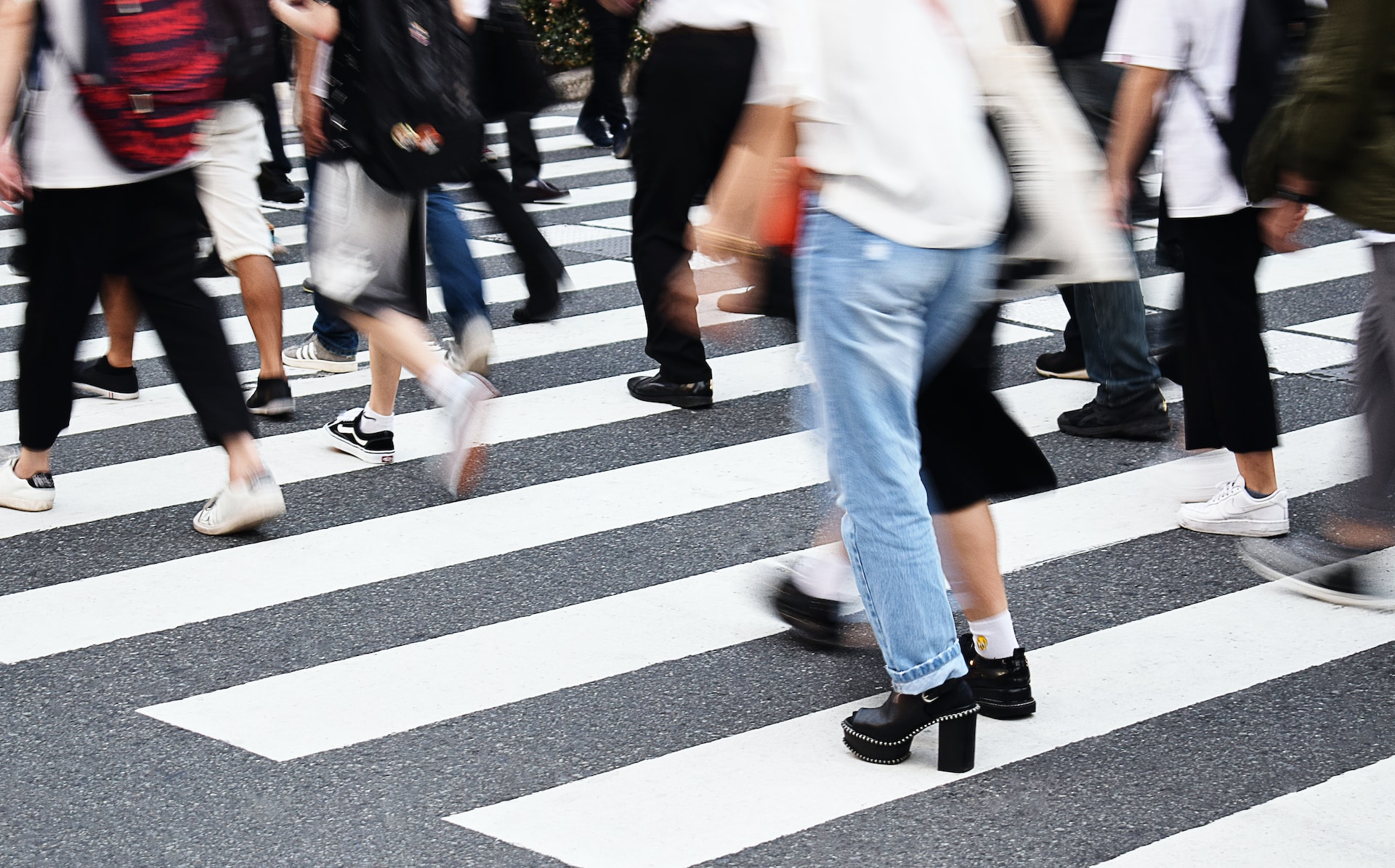
In academia, walking is more than just a daily activity, it has been theorized differently. Walking as an aesthetic and critical practice was first seen in the Dada movement in Paris in the 1920s and later in Surrealism, a new avant-garde movement. Also, Richard Sennett discussed the democratizing and civilizing possibilities of city walking in urban space. Also, in her 1972 book “The Death and Life of Great American Cities,” Jane Jacobs emphasized the importance of unplanned interactions with strangers during street and city walks. They believed that these interactions would lead to the creation of safe urban areas. Similarly, Sennett also emphasizes the importance of walking.
Sennett defines the modern individual as someone who is constantly on the move. Walking in the city often appears in literature through the concept of “flâneur.” Walter Benjamin is another scholar who discovered the city on foot. He was affected by his first visit to Paris in 1913 and wrote about his experiences. Benjamin felt it interesting that the physical layout of cities had a particular order that could only be comprehended by traveling around the metropolis. Walking around the city is crucial to Benjamin’s understanding of flâneur.
Roseanne Ganley describes in “The Cyberflâneur in the Age of Digital Technology“, the flâneur as a socio-cultural figure of modernity was first brought into being by Charles Baudelaire, and was described as “an anxious wanderer, lost and terrified, at constant risk of encountering the grotesque and Gothic dwellers at the heart of the maze (of London.)”
In a technologically controlled postmodern society, our focus has shifted to the aesthetic sensations our computer or phone can provide. For some scholars, the flâneur is already nostalgic for its role in knowing the place and reveling in its cultural and sociological past. However, with the rising availability of knowledge online, we may now ignore the outside world.
In today’s technology-based world, “flâneur” has been updated to “cyberflâneur.” Steven Johnson describes the cyberflâneur as someone who wanders through the city not by physical footsteps but through virtual spaces using technology such as clicking from link to link and experiencing the city through electronic storefronts and messages. As technology advances, our relationship with urban space and how we experience it is constantly evolving. The cyberflâneur represents a new way of experiencing the city made possible by technology.
The newly transformed cyberflâneur can engage with the masses and assumes the role of a contemporary voyeur in virtual spaces, with a keen understanding of the internet as they navigate it at lightning speed. To reimagine the flâneur for the future, we must break down conventional barriers and redefine the term in a genderless context. One way to achieve this is by viewing the flâneur as a cyborg entity, devoid of physical form and impervious to gender politics. This allows us to create alternate future narratives that celebrate hybridity and syncretism. Roseanne Ganley writes in “The Cyberflâneur in the Age of Digital Technology“, the cyberflâneur, geared towards social reality, seeks to transgress gender boundaries by “naming herself in a female category” and thereby referring to a whole array of behavioral possibilities that have arisen. As our communication with technology and the internet increases, our connection with the unfamiliar decreases.
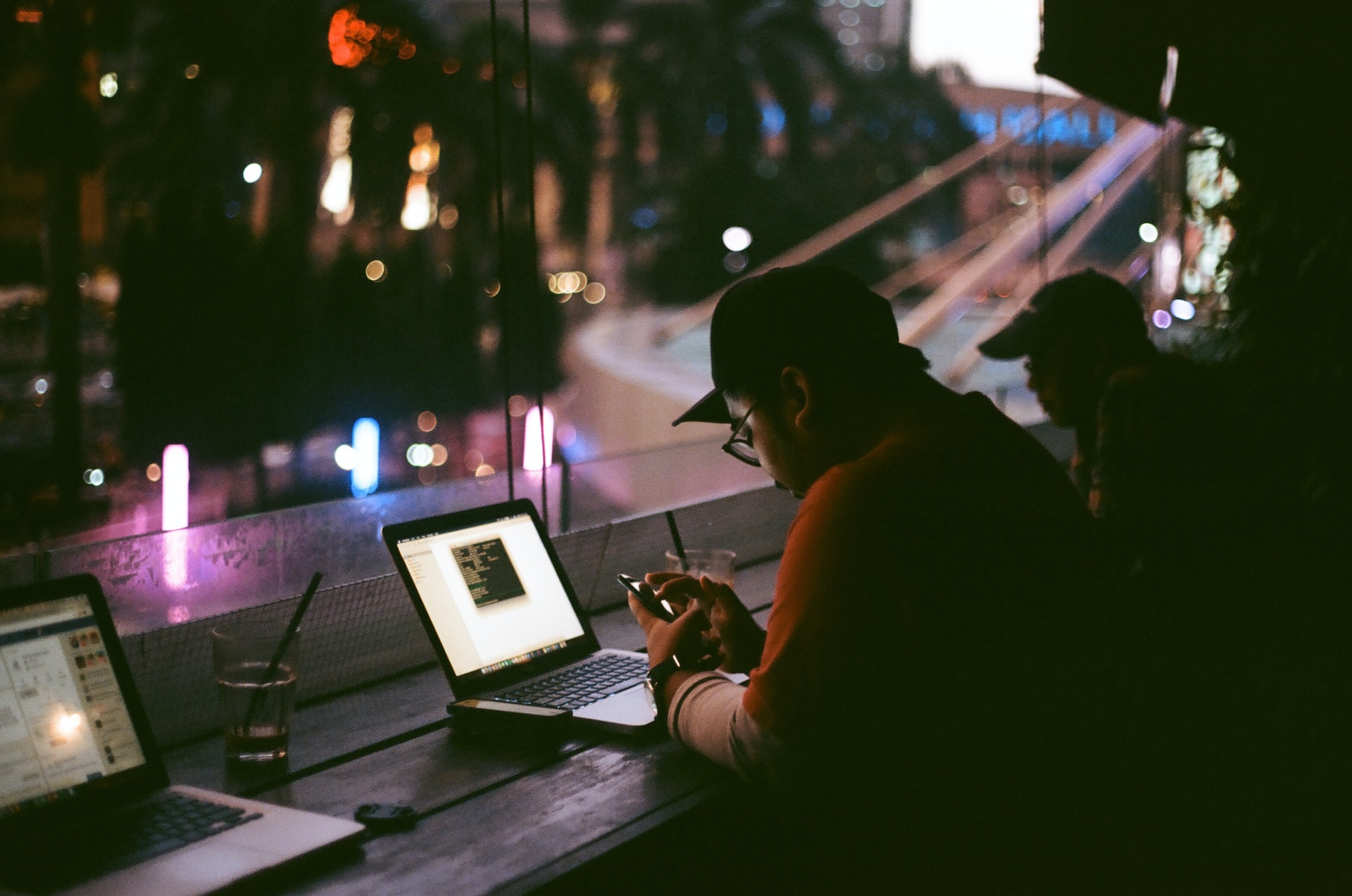
The flâneur, who used to wander the city streets and unconventionally discover new things, now has more of a virtual presence than a physical one. In an article for The New York Times, Morozov argues that popular technology like social media platforms, such as Facebook’s frictionless sharing of news, corrupts the essence of cyberflâneur, which is based on the concept of wandering without any specific goal or purpose. Our increasing dependence on social media and other external sources means that we experience reality through screens; in this way, we make it a second-hand experience. Google servers also contribute to the decline of cyberflâneur by undermining its defining features, such as solitude, individuality, anonymity, mystery, ambivalence, curiosity, and risk-taking. In this context, the (cyber)flâneur serves as a promoter of capitalist interests by sharing images of exotic destinations or parties on social media sites.
Morozov described, the idea of exploring cyberspace as a virgin territory, not yet colonized by governments and companies, as romantic; that romanticism was even reflected in the names of early browsers (Internet Explorer, Netscape Navigator, etc.).
So, technological advancement has greatly impacted how we experience and explore urban spaces. As mentioned, walking in the city has been a critical practice since the 1920s. It is associated with the “flâneur” concept, which emphasizes the importance of wandering aimlessly and discovering the city’s hidden gems. However, with the advent of technology, the cyberflâneur emerged, allowing us to explore the city virtually.
Our relationship with urban spaces will also change as technology continues to evolve. Our dependence on technology and external sources of information corrupts the essence of cyberflânerie and makes it more difficult to experience reality firsthand. But in my opinion, we still have to see unknown landscapes around us. On the other hand, all around us is an unknown landscape intertwined with the known; to see it, we only need to leave our computers and our own habits.
To reimagine the flâneur for the future, we need to break down conventional barriers, redefine the term in a genderless context, and celebrate hybridity and syncretism. Finally, the question of how we experience urban spaces in the future will depend on how we integrate technology with the traditional practices of wandering and exploring.
