


Architectural visualization has been the final stage of the design process, transforming drawings and models into renderings that communicate ideas to clients, consultants, and the public. While digital technologies have significantly accelerated this workflow within the last few decades, AI has come in to radically change things.
With the help of AI tools in 2026, architects can use visualization to develop concepts, analyze site conditions, optimize spaces, and support decision-making. Through text-to-image generation, machine learning algorithms, and real-time rendering technologies, these AI tools enable designers to rapidly explore design alternatives, generate immersive visual content, and streamline the architectural visualization process.
The Top 10 AI tools for Visualization in Architecture in 2026 include:
1. Morphic
Morphic with artificial intelligence combination allows for quick idea generation using text prompts, images, and visual iterations. It is not just a generator of images but also a conceptual design environment where architects can experiment with formal strategies, material expressions, and atmospheric qualities before a lot of modeling starts.

Architects can test many design approaches concurrently and actively involve visualization in the ideation process. It helps with the early stages of design thinking, allowing architects to experiment with design concepts without losing creative control.
2. LookX AI
LookX AI is an architecture-oriented image generation software that enables designers to quickly interpret sketches, massing studies, diagrams, and reference imagery into detailed visualizations and retain control over the architectural intent.
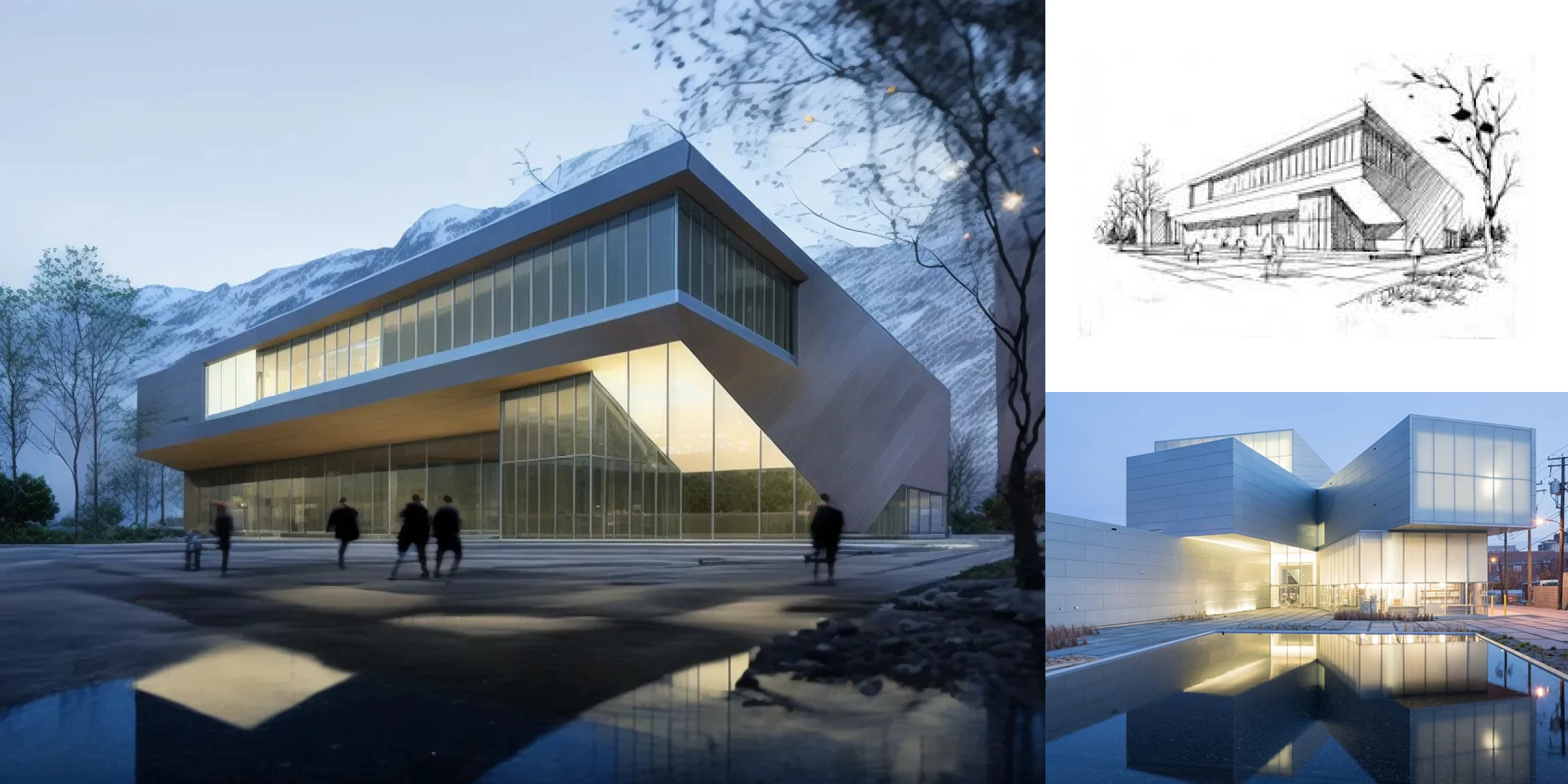
Architects can assess design alternatives, test material palettes, façade compositions, landscape treatments, and lighting conditions at the very early stage of a project before it enters the developed modeling phase. The qualities of creating multiple architectural interpretations from the same input are part of a broader change in visualization workflows.
3. Stable Diffusion XL
Stable Diffusion XL stands out as a unique and versatile option among AI image generation tools, thanks to its open-source nature and flexibility. Architects, visualization studios, and computational designers embrace the model to establish new workflows that challenge the traditional rendering pipeline.
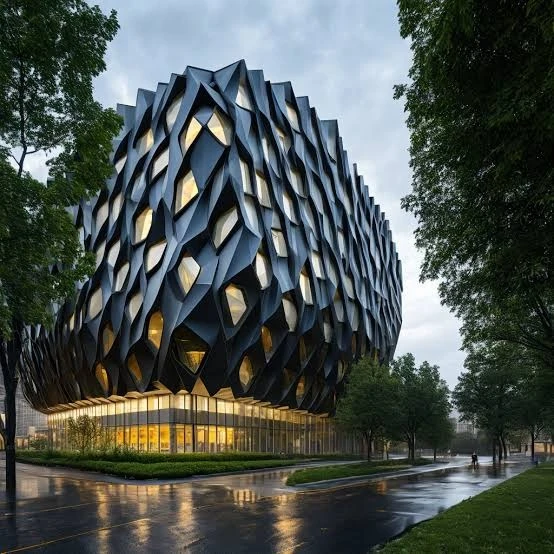
The platform produces conceptual images, speculative urban visions, material studies, and potential atmospheric visualizations at extraordinary speed. Practices can fine-tune and customize the model to train workflows to specific aesthetic languages and project typologies. Its increasing prominence represents an intriguing trend in the evolution of architectural visualization as practices move from rigid software frameworks to flexible AI systems that evolve to suit specific design approaches.
4. Spacemaker AI
Urban designers have traditionally used iterative testing to assess alternative planning strategies in urban design. Factors such as daylight access, density, wind exposure, noise levels, and view corridors often require extensive modeling and analysis before architects can comprehensively assess a proposal.
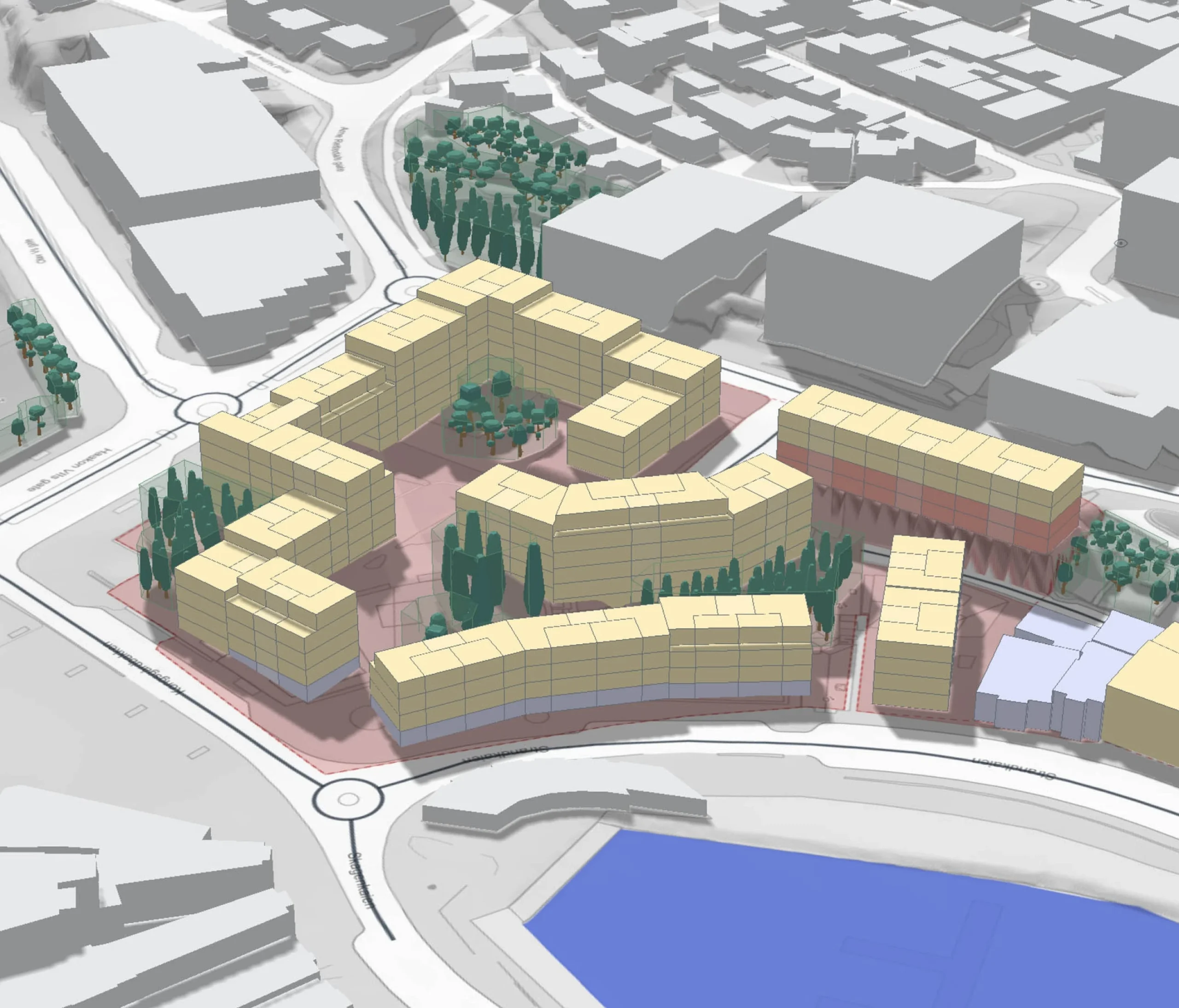
Spacemaker’s AI-driven simulation and optimization speed up this process. The platform identifies several planning scenarios at once and creates alternatives based on data that address environmental and spatial conditions. Integrating these into the initial process stages of design development makes visualization a decision-making tool. Designers can evaluate planning proposals with drawings, renderings, and measurable environmental intelligence that support the architectural results.
5. ARCHITEChTURES
ARCHITEChTURES embodies a computational planning perspective on artificial intelligence. Architects mainly use the platform for residential and housing developments and create building layouts and spatial configurations based on pre-defined requirements and performance objectives.
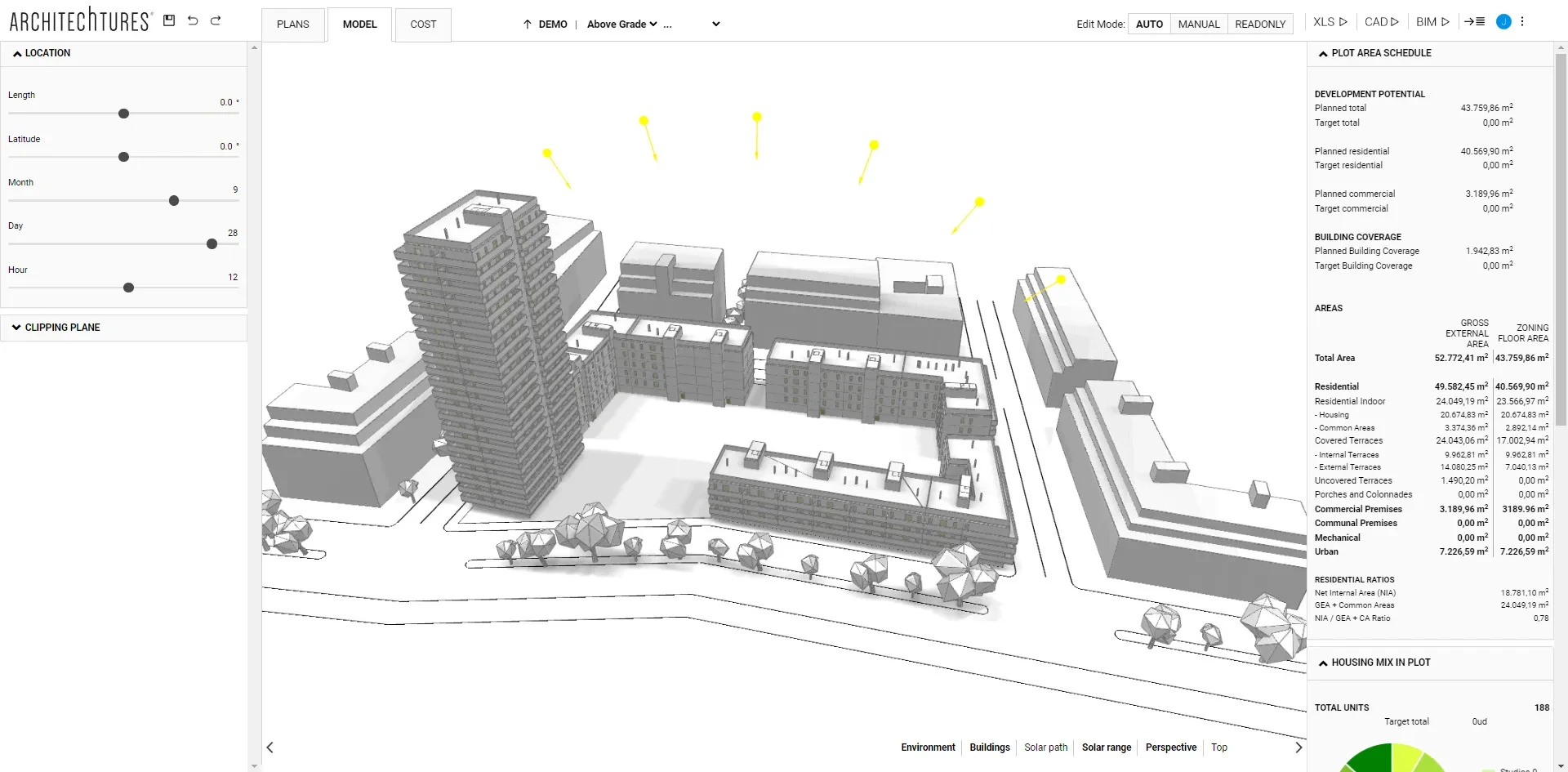
One of the challenges of the housing project is to reconcile conflicting parameters of density, circulation, daylight, constructability, and economic feasibility. The platform automates parts of this process and generates multiple design alternatives that architects can then evaluate and improve. With the use of visualization, the designer is now able to switch back and forth between spatial analysis and formal development, all in one flow of design.
6. D5 Render
Real-time rendering represents one of the most important advancements in architectural visualization, and D5 Render plays a leading role in this evolution of the field. The system integrates cutting-edge technology, such as AI-driven automation, physically accurate lighting, and high-performance rendering in a real-time environment.
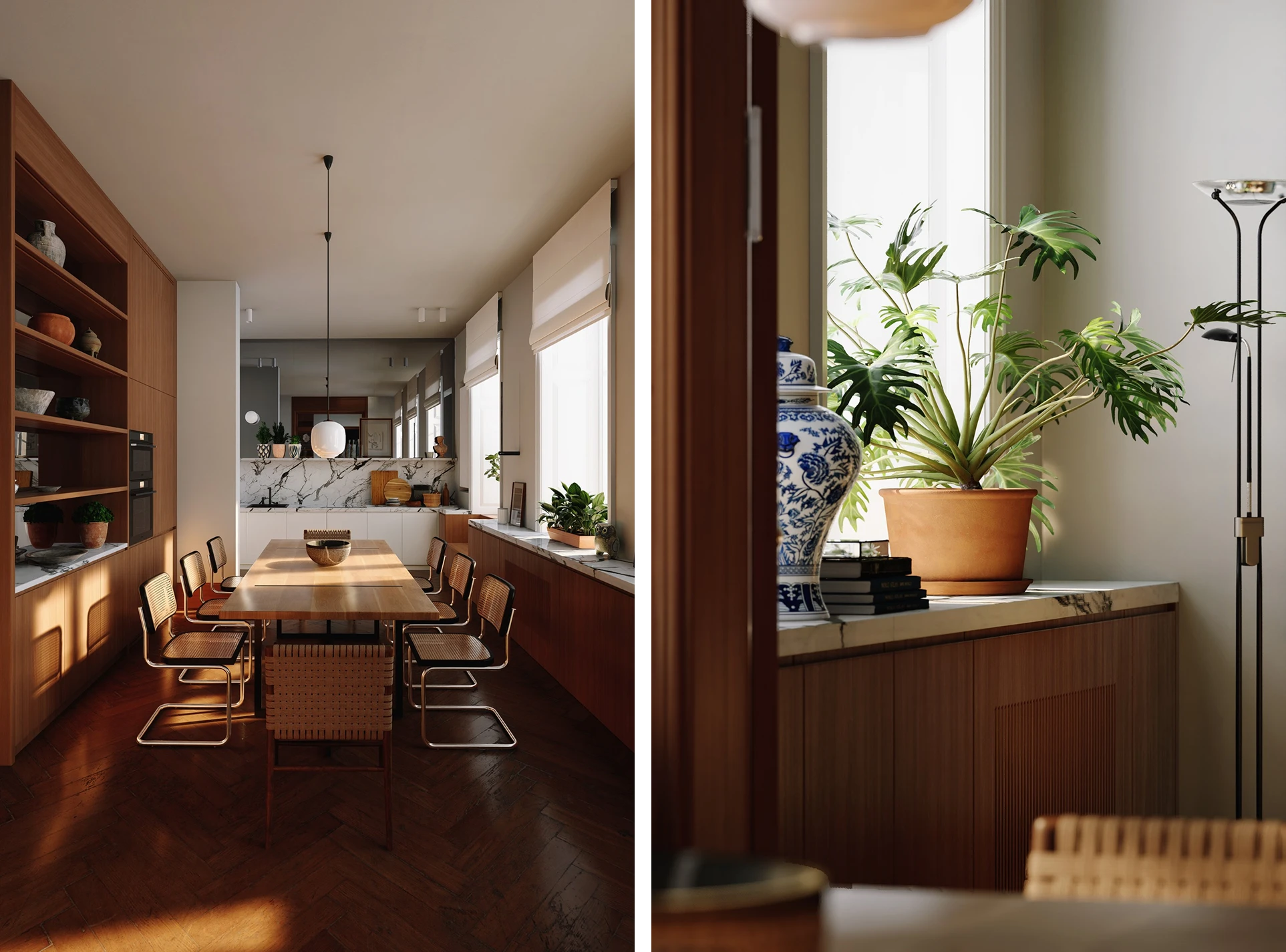
Architects can quickly transform design models into presentation visuals without sacrificing fidelity. Intelligent scene enhancements, automated environmental generation, and a wide-ranging asset library minimize repetitive production functions and ensure creative control. The platform exemplifies a trend of reducing rendering times to a few seconds in interactive visualization environments, where designers can assess design choices as they make them.
7. Enscape
The ease of integration with leading BIM software like Revit, Rhino, SketchUp, and Archicad establishes Enscape as a key player in the modern BIM workflow. This integration allows architects to seamlessly move from modelling environments to immersive visualization experiences.
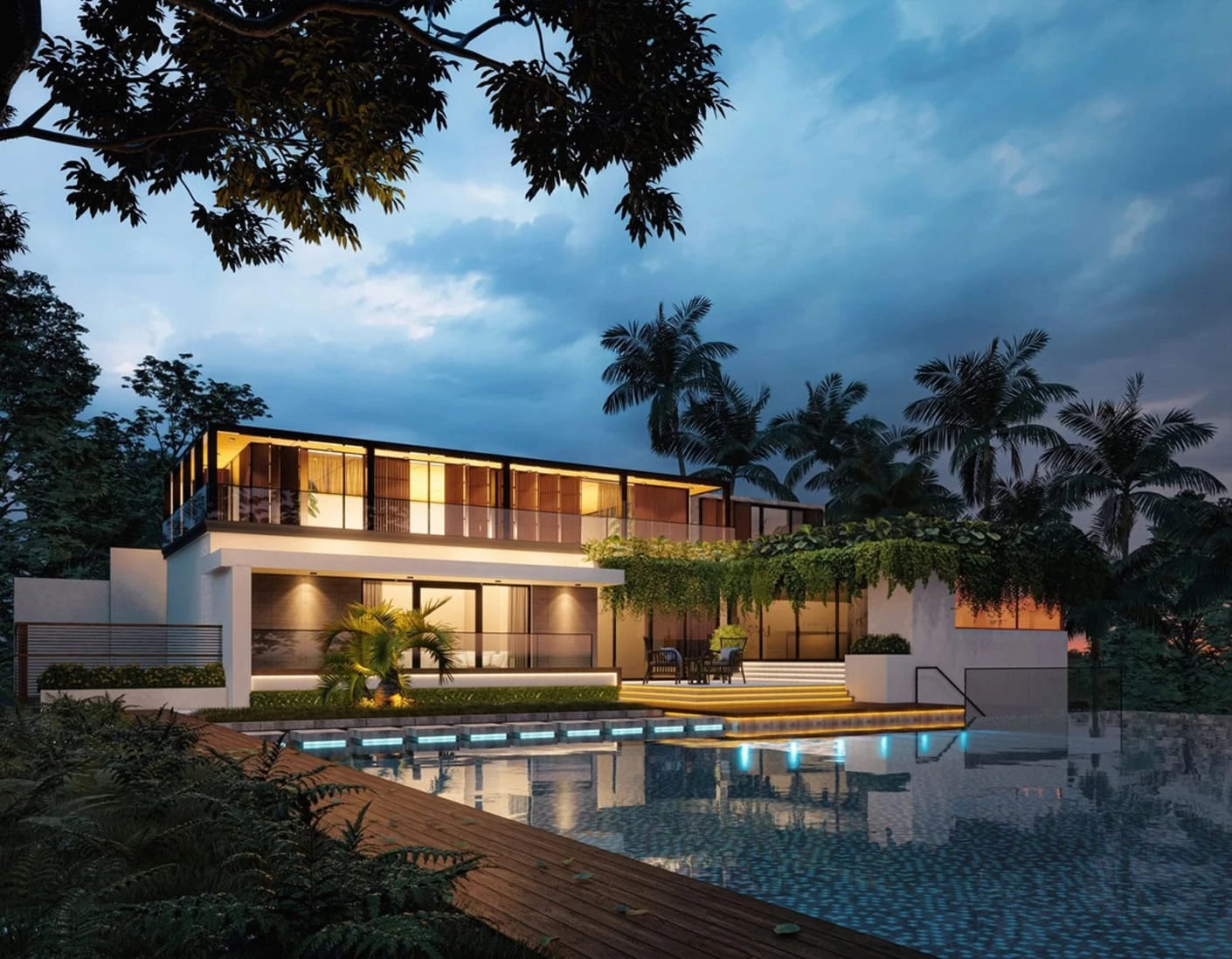
The rendered environment immediately displays the design changes that architects make inside the design model, making design and visualization a continuous process. Enscape further extends this capability through virtual reality, which breaks down the barrier between modeling and rendering, showing how architects increasingly integrate visualization into their normal workflow.
If you want to learn how architects convey their ideas by creating impressive visuals, PAACADEMY offers visualization workshops where you can learn to create high-quality architectural renderings and visual narratives.
8. Twinmotion
Epic Games developed Twinmotion, a software that uses game-engine technologies to render 3D environments that act like real architectural environments with minimal setup time. Its real-time workflow enables designers to create scenes that evoke atmosphere and convey architecture as a sensory experience, not just a picture.
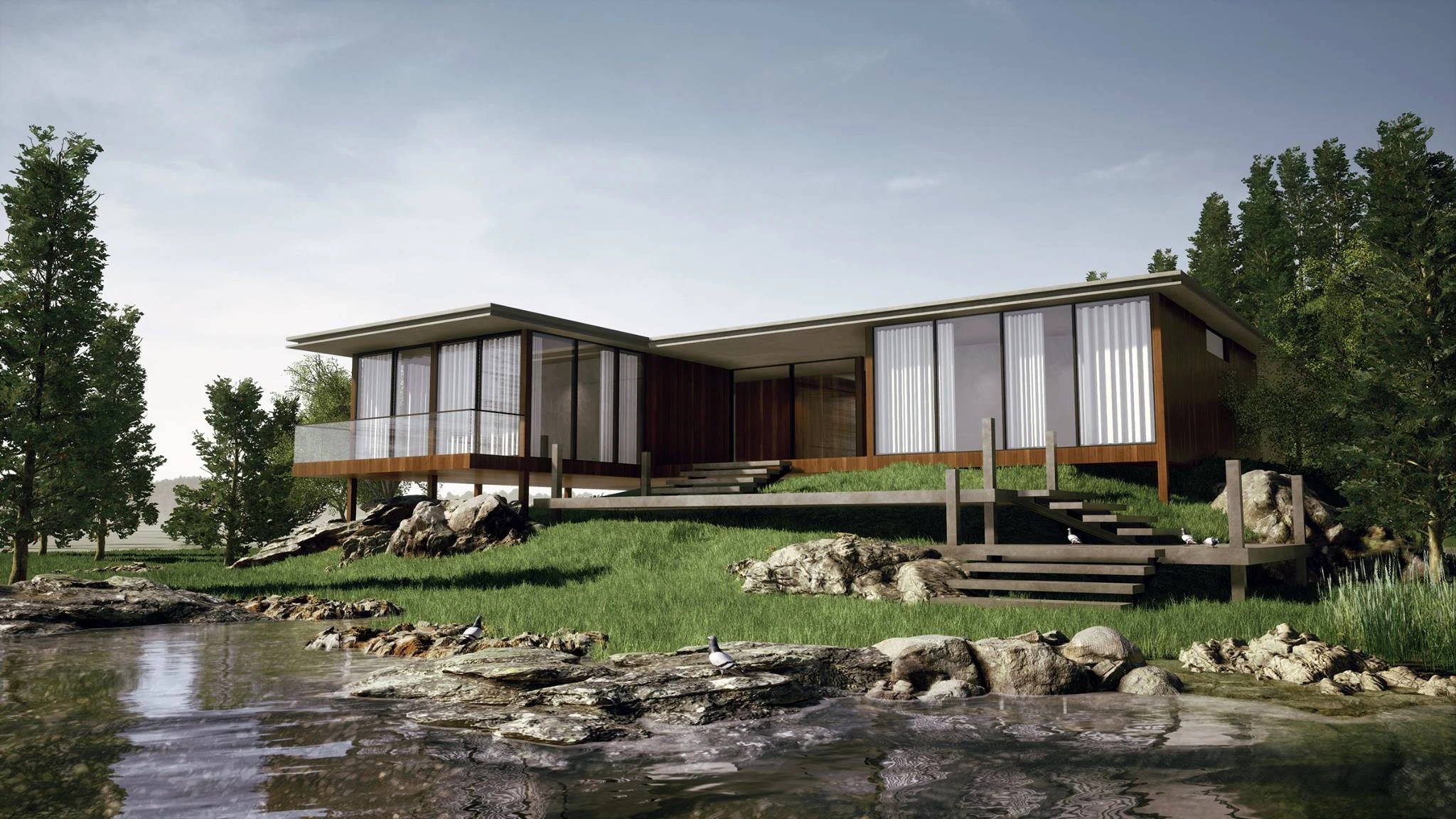
The presentations are very engaging, with a dynamic presentation based on weather systems, seasonal changes, animated contexts, and interactive navigation. These aspects help architects assess how their projects respond to changing environmental conditions and improve communication with their clients and stakeholders.
9. Lumion
Lumion continues to be one of the most popular architectural visualization programs because of its ability to quickly convert design models into detailed images, animations, and presentation materials. The landscape, environmental effects, human activities, and contextual details can be efficiently added to create realistic visual narratives around architectural proposals.
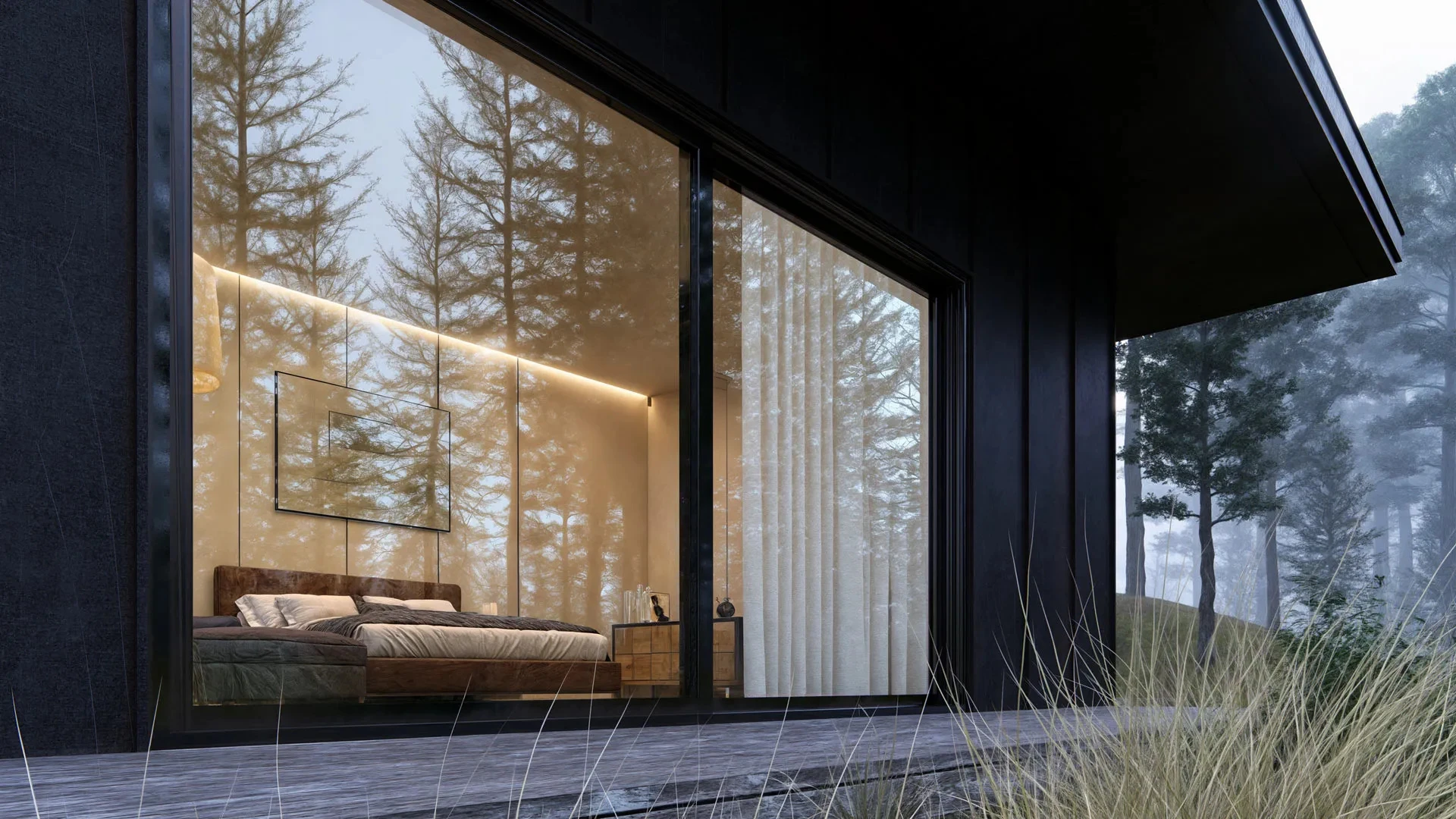
Recent improvements with AI have further optimized rendering workflows and scene generation. Even with the advent of new AI technologies, its continued relevance and importance show that speed, accessibility, and narrative communication continue to be key pillars in the field of architectural visualization.
10. Tripo
Creating 3D assets requires significant time and resources as rendering environments become more detailed and immersive. Tripo tackles this challenge with the use of AI-generated 3D models. The platform allows users to rapidly create contextual objects, furniture, landscape components, and conceptual massing studies by converting text descriptions and reference images to editable 3D geometry.
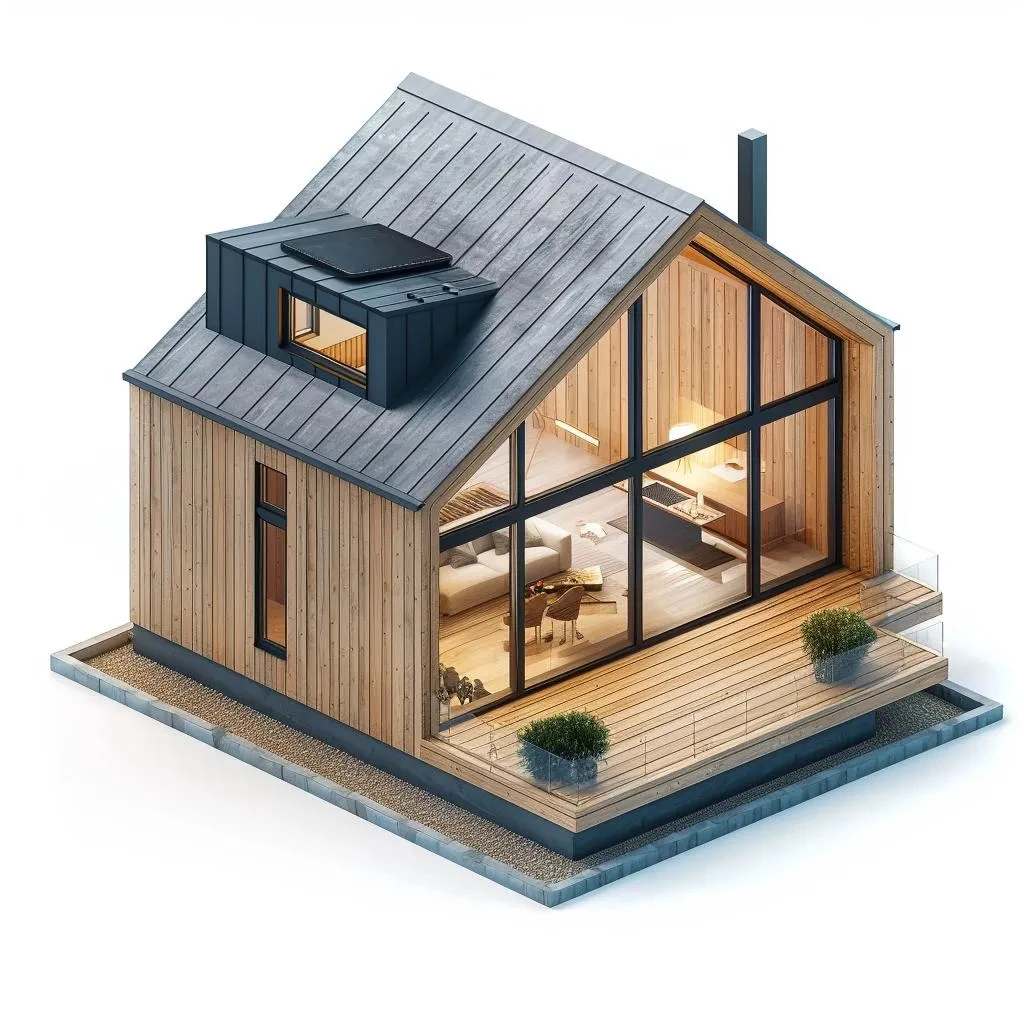
This is a new feature that goes beyond image generation to spatial content creation. Architects can rapidly populate a scene with flexibility and the ability to refine and customize the environment instead of modeling each element individually.
The Expanding Role of AI Tools in Architectural Visualization
The growing adoption of AI-powered tools signals a broader shift in architectural practice. Gone are the days when developers used visualization only for the later stages of development. Now, visualization becomes one of the key components during the whole process of planning, environmental analysis, conceptual exploration, and stakeholder engagement.
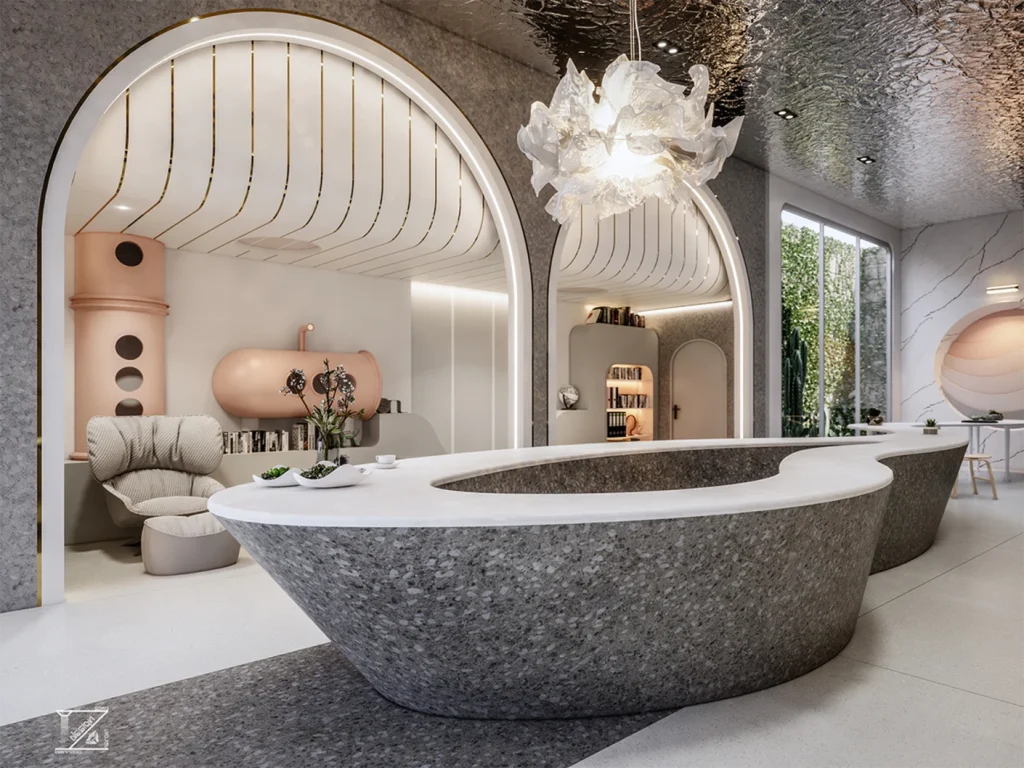
Generative planning tools, AI image generators, real-time renderers, and even automated creation of 3D models are examples of how AI is changing the work of architects. As computational intelligence becomes increasingly embedded in design workflows, visualization is evolving from a tool of representation into an active medium for testing, refining, and shaping architecture.
