


Integrating robotics into prefabricated construction represents a significant shift in the construction industry, leveraging advanced automation to optimize manufacturing, transportation, and assembly processes. Prefabrication, which involves producing building components in a controlled manufacturing environment before transporting them to the construction site for assembly, is becoming widely adopted due to its inherent productivity, accuracy, and safety while reducing costs and environmental impact.

This article examines the technical integration of robotics in prefabricated construction, highlighting specific applications, advantages, challenges, and the overall impact on construction efficiency and cost structure.
Technical Integration of Robotics in Prefabrication
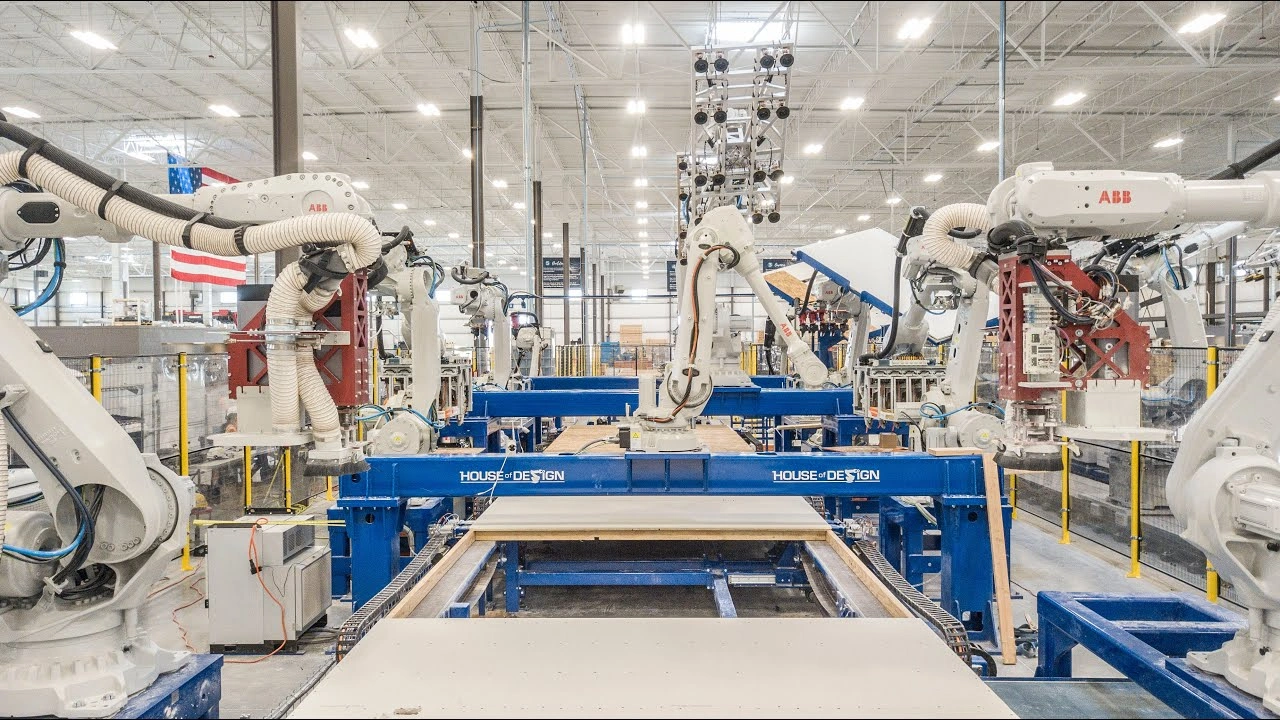
Robotics is embedded throughout the prefabrication process, automating key operations across multiple phases. The integration involves the construction of robotic systems that rely heavily on Computer-Aided Design (CAD) models and Building Information Modeling (BIM) for precise instructions. These digital models are converted into robotic programming data, allowing for automated fabrication with minimal human intervention. Robots execute tasks based on these digital blueprints, ensuring dimensional accuracy and compliance with design specifications.
Robotic Manufacturing
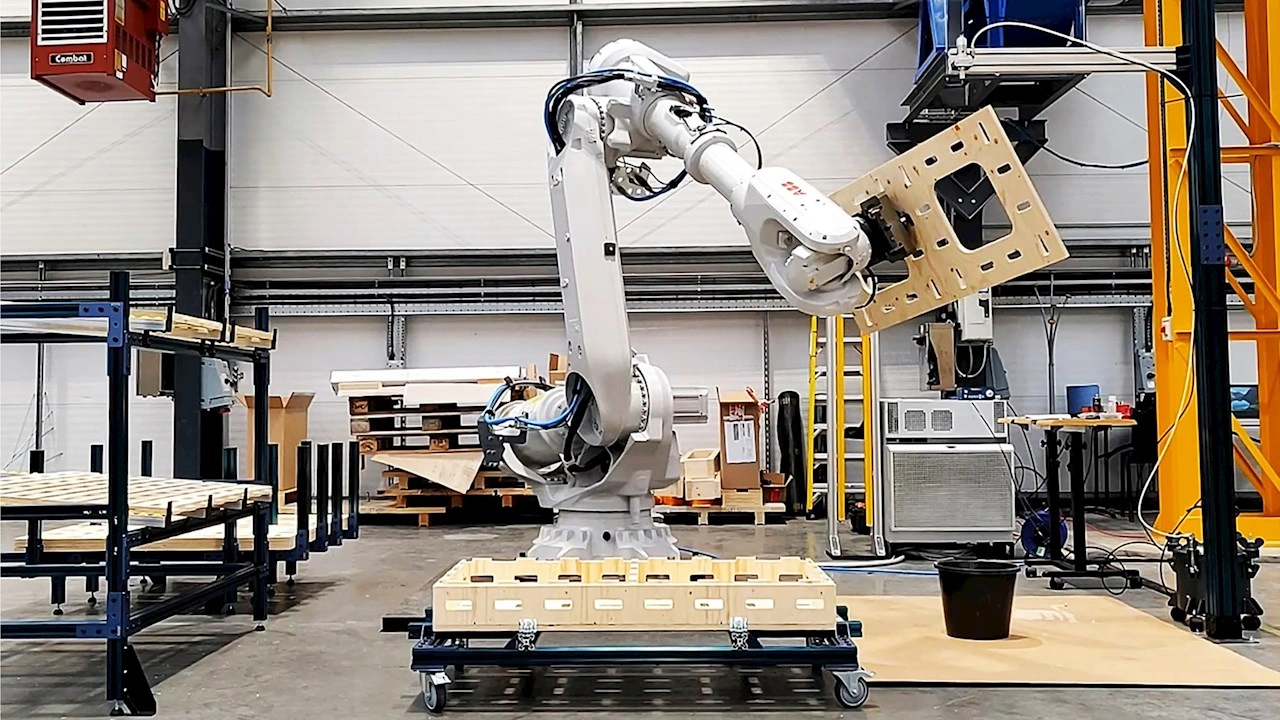
Robots are deployed to fabricate components using techniques such as:
3D Printing: Large robotic arms equipped with extrusion nozzles are used to print construction components layer by layer, often utilizing materials like concrete or polymer composites. Additive manufacturing allows for the creation of complex geometries and custom designs, offering significant flexibility in the production of prefabricated elements.
Precision Cutting and Shaping: Robotic systems such as CNC( Computer Numerical Control) machines and laser cutters provide highly accurate cutting, drilling, and shaping of materials. The precision offered by these robots ensures that components fit seamlessly during on-site assembly, reducing eros and network.
Automated Material Handling
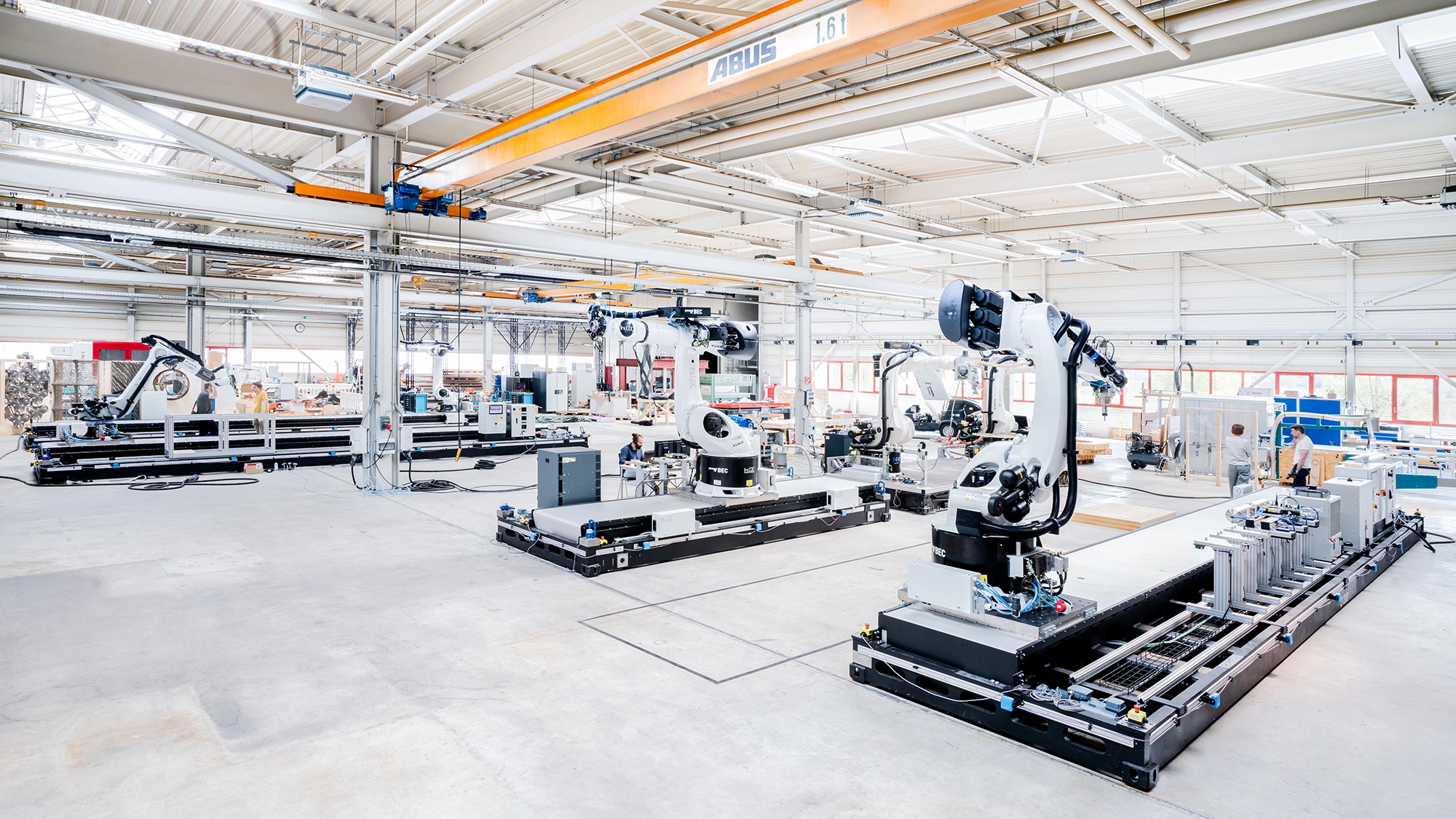
Robots are used extensively for material handling in prefabricated construction:
Gantry Robots: These systems, operating along the X, Y, and Z axes, are ideal for tasks requiring linear and repetitive motions. They can transport and position heavy construction materials with high load-bearing capacities.
Articulated Robots: These multi-axis robotic arms handle tasks such as lifting, welding, screwing, and joining prefabricated components with sub-millimeter accuracy, significantly improving the speed and safety of assembly.
Autonomous Transportation
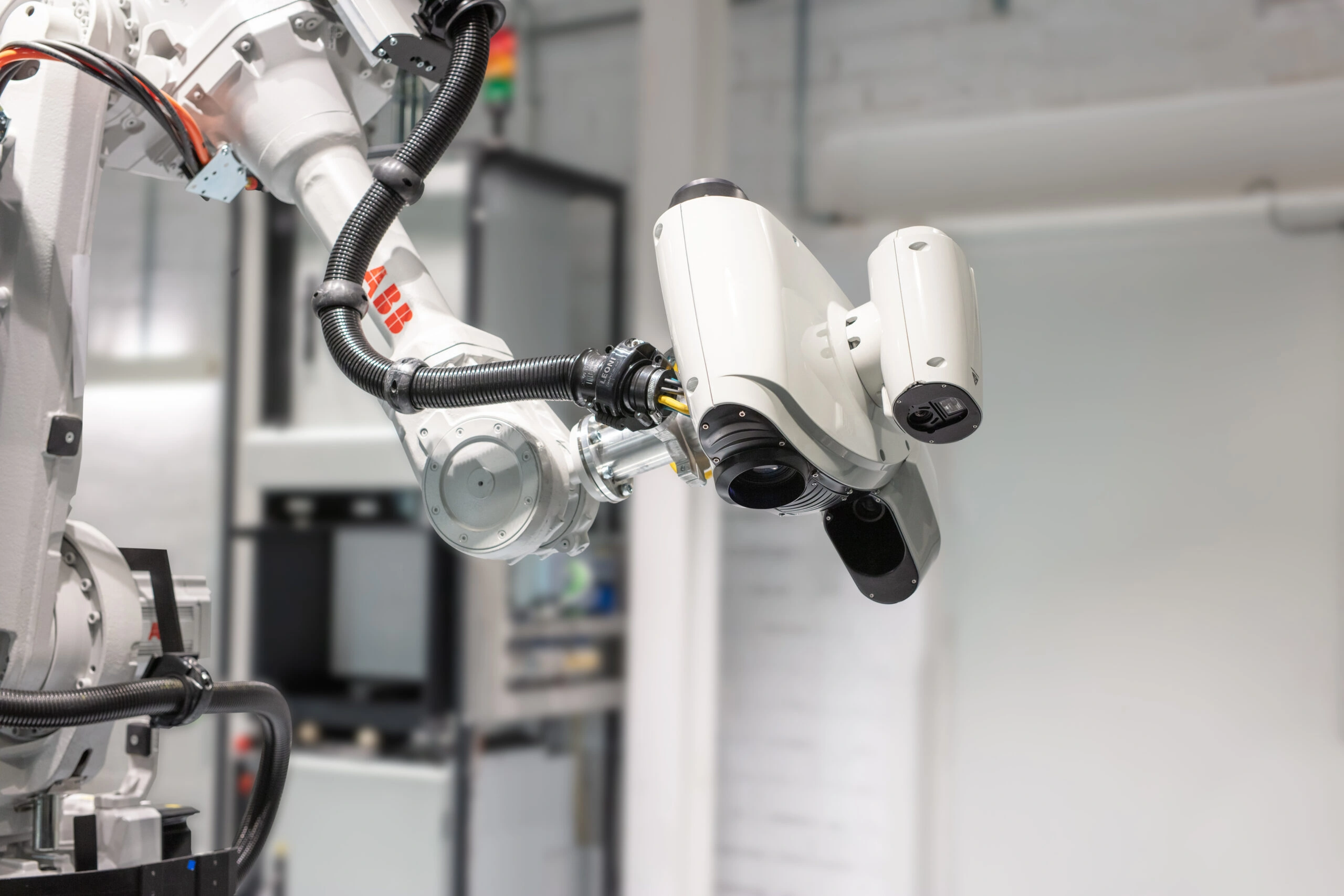
Prefabricated components are often large and heavy, necessitating the use of autonomous vehicles (such as self-driving trucks or drone systems) to transport them from the manufacturing site to the construction site. These systems use GPS and sensor-based navigation to enhance logistical efficiency and reduce transportation risks.
On-site Robotic Assembly
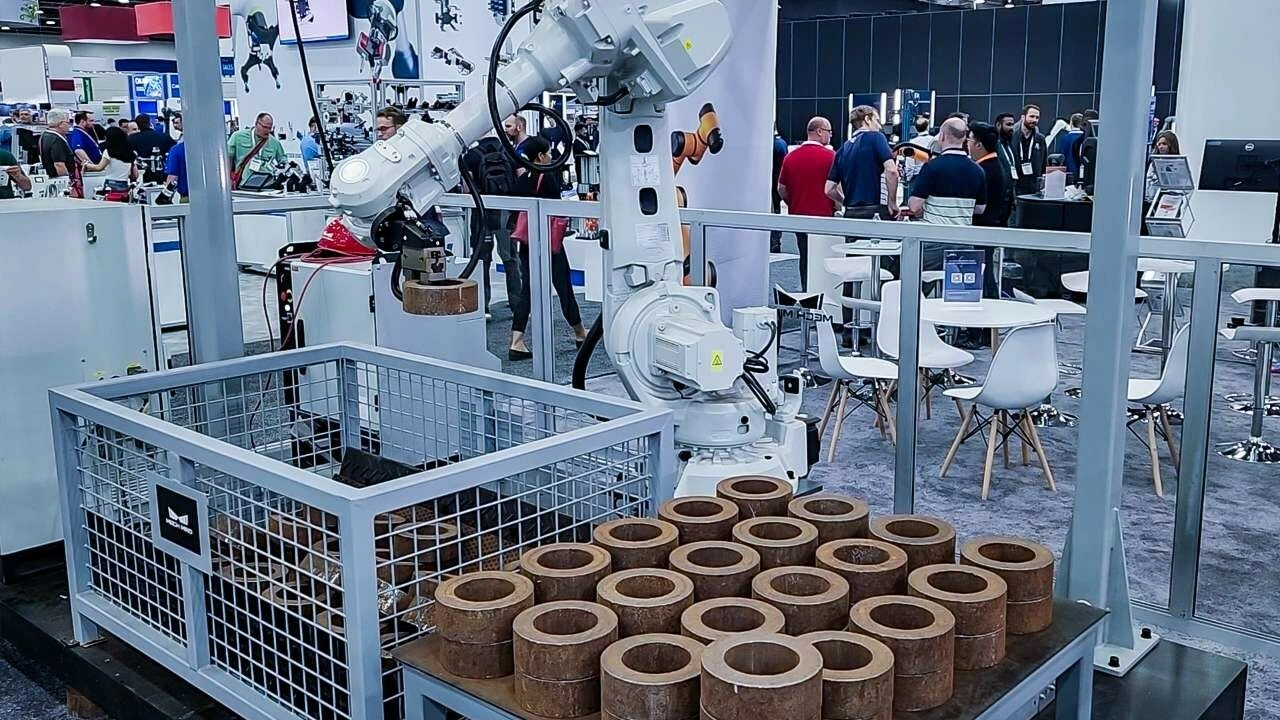
Upon arrival at the site, automated robotic arms and modules were put into place and secured with high precision. In some cases, robots are used for tasks such as welding and bolting large structural elements, ensuring a high degree of accuracy and consistency in connections.
Key Technical Advantages of Robotics in Prefabricated Construction
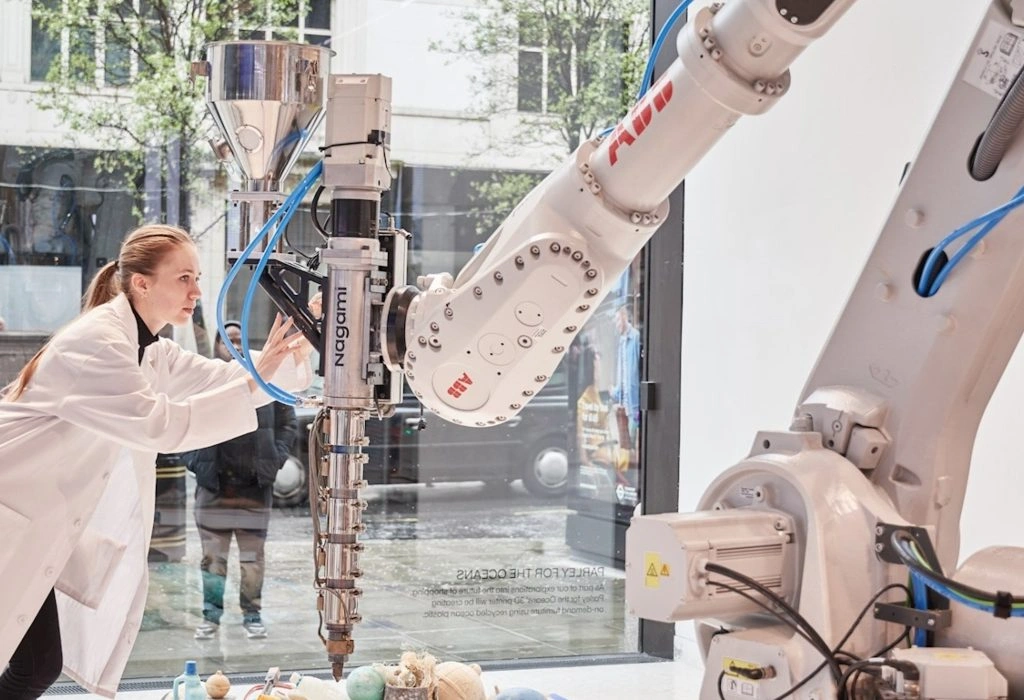
High-Throughput Production: Robotics allows for continuous, high-speed production of prefabricated components. Robots are capable of performing repetitive tasks faster than human labor, particularly in assembly-line environments. For instance, gantry systems can stack and arrange large panels in rapid succession, increasing production throughput.
Precision Engineering: Robotics provides a significant advantage in tasks that require extreme precision. Using advanced sensor arrays, robotic systems achieve tolerances in cutting, welding, and joining that are difficult to replicate manually. This results in higher-quality components with tighter dimensional accuracy, crucial for seamless on-ste assembly.
Advanced Automotion in Complex Tasks: The use of six-axis articulated robots in tasks like welding, drilling, and robots to handle intricate assembly tasks, improving the overall quality of prefabricated structures. These robots can adapt to the specific requirements of each project by adjusting their programming parameters, offering a high level of customization.
Enhanced Worker Safety and Risk Mitigation: Robotics significantly reduces human involvement in hazardous construction environments. Robots can handle dangerous materials (e.g., toxic substances) or perform tasks in injuries and accidents.
Sustainability through Waste Reduction: Due to their precision, robots minimize material waste by optimizing cutting paths and performance tasks with exacting accuracy. This leads to more efficient material usage, reduced waste, and cost savings. Additionally, robots are increasingly being designed to work with sustainable materials, further enhancing the environmental benefits of prefabrication.
Cost and Labour Optimization: Although robotic systems require substantial initial capital expenditures, the reduction in manual labor costs over time offers significant economic benefits. Automating repetitive tasks allows human workers to focus on more complex, value-added activities, improving overall workforce productivity. Robots also reduce the likelihood of errors that lead to costly rework.
Challenges in implementing Robotics in Prefabricated Construction
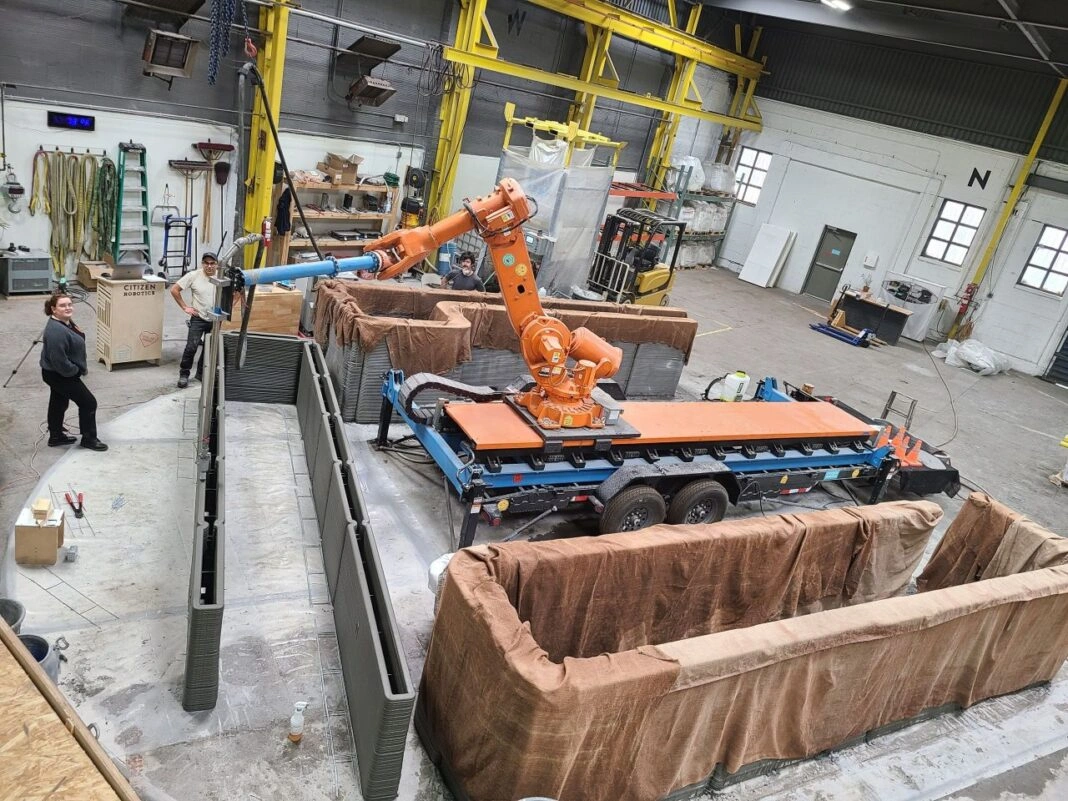
High Capital Investment and Maintenance Costs: The initial investment in robot systems, including the procurement, installation, and programming of robotic equipment, is substantial. In addition, ongoing maintenance, calibration, and potential downtime require dedicated resources. Predictive maintenance strategies, such as using Internet of Things (IoT) devices and sensors to monitor robot health, are necessary to reduce downtime and optimize system performance.
Technical Workforce Shortage: The deployment of advanced robotics requires skilled technicians and engineers capable of programming, maintaining, and troubleshooting these systems. A shortage of technically proficient workers in the construction industry creates a barrier to widespread adoption. Construction firms must invest in training and education programs to develop the necessary expertise.
Integration with Legacy Systems: Many construction companies still rely on traditional methods and technologies. Integrating robotics into these legacies advanced interoperability and data exchange standards to ensure seamless communication between digital platforms and robotic systems.
Customization and Flexibility Limitations: While robotics offers precision and efficiency, it can struggle with highly customized or non-standard construction designs. For highly unique projects, robots must be reprogrammed or adapted, which can introduce inefficiencies and delays. Modular automation systems can introduce inefficiencies and delays. Modular automation systems that can quickly adapt to different tasks are critical in addressing these issues.
Regulatory and Compliance Challenges: Construction projects must comply with a range of safety and regulatory standards. The use of robots introduces additional complexities in ensuring compliance with safety regulations and building codes. Robotic compliance systems, integrated with AI-driven safety protocols, are being developed to address these concerns, but widespread regulatory acceptance remains a challenge.
Impact on Efficiency and Cost Structure

The use of robotics in prefabricated construction profoundly impacts efficiency and cost. Automation reduces project timelines by accelerating manufacturing and assembly processes. Robots’ precision leads to higher quality control, resulting in fewer errors, less rework, and more predictable project outcomes. Consequently, the use of robotics drives down overall project costs despite the significant upfront capital expenditure.
Additionally, robotic systems can reduce material costs through optimized waste reduction techniques and lead to labor cost savings, as fewer workers are required for repetitive, manual tasks. As a result, construction companies that invest in robotics can achieve a favorable return on investment (ROI) over time, especially in large-scale, high-volume construction projects.
The future of robotics in prefabricated construction is moving toward greater integration with artificial intelligence (AI) and machine learning (ML). These technologies will allow robots to handle even more complex tasks, such as generating optimal designs, resource allocation, and predictive maintenance. AI-driven robots could further enhance the flexibility and adaptability of prefabricated construction, enabling companies to tackle a broader range of projects with even greater efficiency.
In conclusion, implementing robotics in prefabricated construction offers transformative advantages ranging from increased precision and efficiency to safety and sustainability. However, companies must navigate technical, financial, and workforce challenges to fully realize these benefits. With advancements in AI and automation, robotics is set to play an increasingly critical role in the future of construction.
Learn with PAACADEMY: Check out the workshops at PAACADEMY to learn from the industry’s best experts how to use advanced parametric design tools, AI in design workflows, and computational design in architecture!
