

Close Menu
ParametricParametric

    Subscribe to Updates

    Get the latest creative news from FooBar about art, design and business.

    What's Hot

    tetsstststtt

    July 23, 2026

    Soundscape in Architecture: Designing Through Sound

    July 23, 2026

    MVRDV Wins Shift Embassy Competition with Rotterdam ROCKS!

    July 23, 2026
    Facebook X (Twitter) Instagram
    Facebook X (Twitter) Instagram Pinterest YouTube LinkedIn TikTok
    ParametricParametric
    Courses
    • Home
    • Features
      • Typography
      • Contact
      • View All On Demos
    • Typography
    • Buy Now
    ParametricParametric
    Home»Articles»The Future of Biophilic Design Is Already Taking Shape
    Articles

    The Future of Biophilic Design Is Already Taking Shape

    adminparametBy adminparametJuly 23, 202604 Mins Read0 Views
    Facebook Twitter Pinterest LinkedIn Tumblr WhatsApp Reddit Email
    Share
    Facebook Twitter LinkedIn Pinterest Email

    Biophilic design is no longer just about adding greenery to soften buildings. In contemporary architecture, it is evolving into a far more advanced and intentional system, one that shapes form, guides spatial experience, and integrates environmental intelligence. Instead of viewing nature as a mere afterthought, architects are now harnessing it as a generative force that informs the design, construction, and experience of buildings. This shift is what makes biophilic design increasingly futuristic, as it is not simply about reconnecting with nature but about rethinking architecture as something that behaves more like a living system, which is adaptive, responsive, and deeply integrated with its environment.

    Biophilic Design Is Shaping Architectural Form
    The Future of Biophilic Design Is Already Taking Shape
    © Aldar Properties

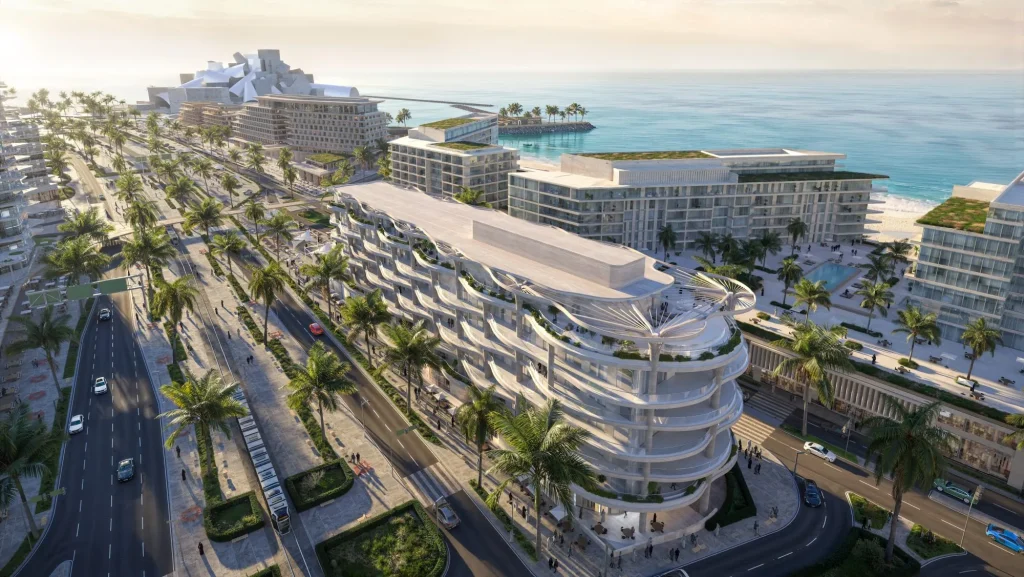
    One of the most significant shifts in biophilic design is its role in shaping architectural form as buildings are beginning to move away from rigid geometries toward softer, more organic expressions that reflect natural systems such as canopies, terrains, and flowing landscapes. This creates spaces that feel more immersive and intuitive, where transitions between indoor and outdoor environments are fluid and continuous. The result is architecture that does not just contain nature but is spatially and visually informed by it.
    The Future of Biophilic Design Is Already Taking Shape
    © Aldar Properties

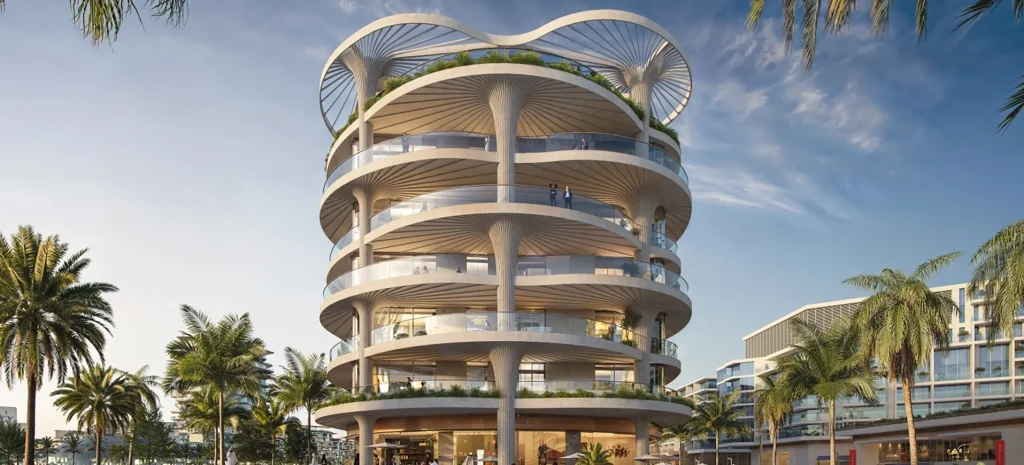
    A strong example is Mamsha Palm in Abu Dhabi. The project draws inspiration from the protective canopy of palm trees, translating that idea into flowing architectural forms and shaded spatial layers. The design integrates natural materials, greenery, and open-air transitions to create a calm, sensory living environment. What makes it particularly relevant is that the biophilic approach is not applied superficially, but it defines the project’s identity, shaping its form and the experience of space. This reflects a more evolved understanding of biophilia, where nature becomes a core design driver and not an added feature.

    Biophilic Design Is Expanding into Urban and Landscape Systems
    The Future of Biophilic Design Is Already Taking Shape
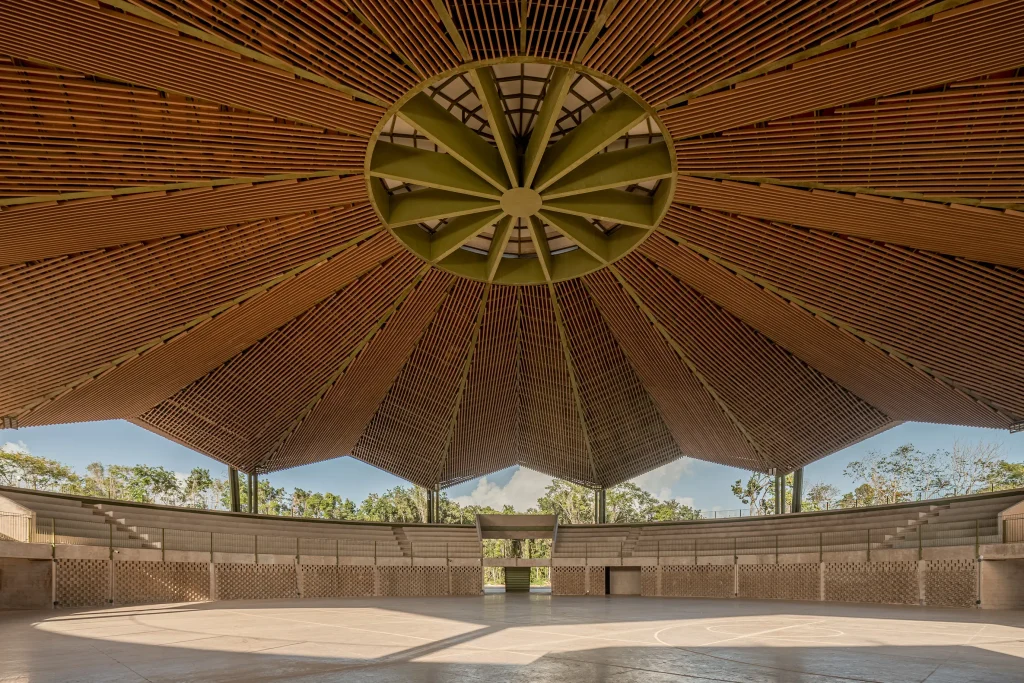
    Quintana Roo Park © Andrés Cedillo, AIDIA Studio

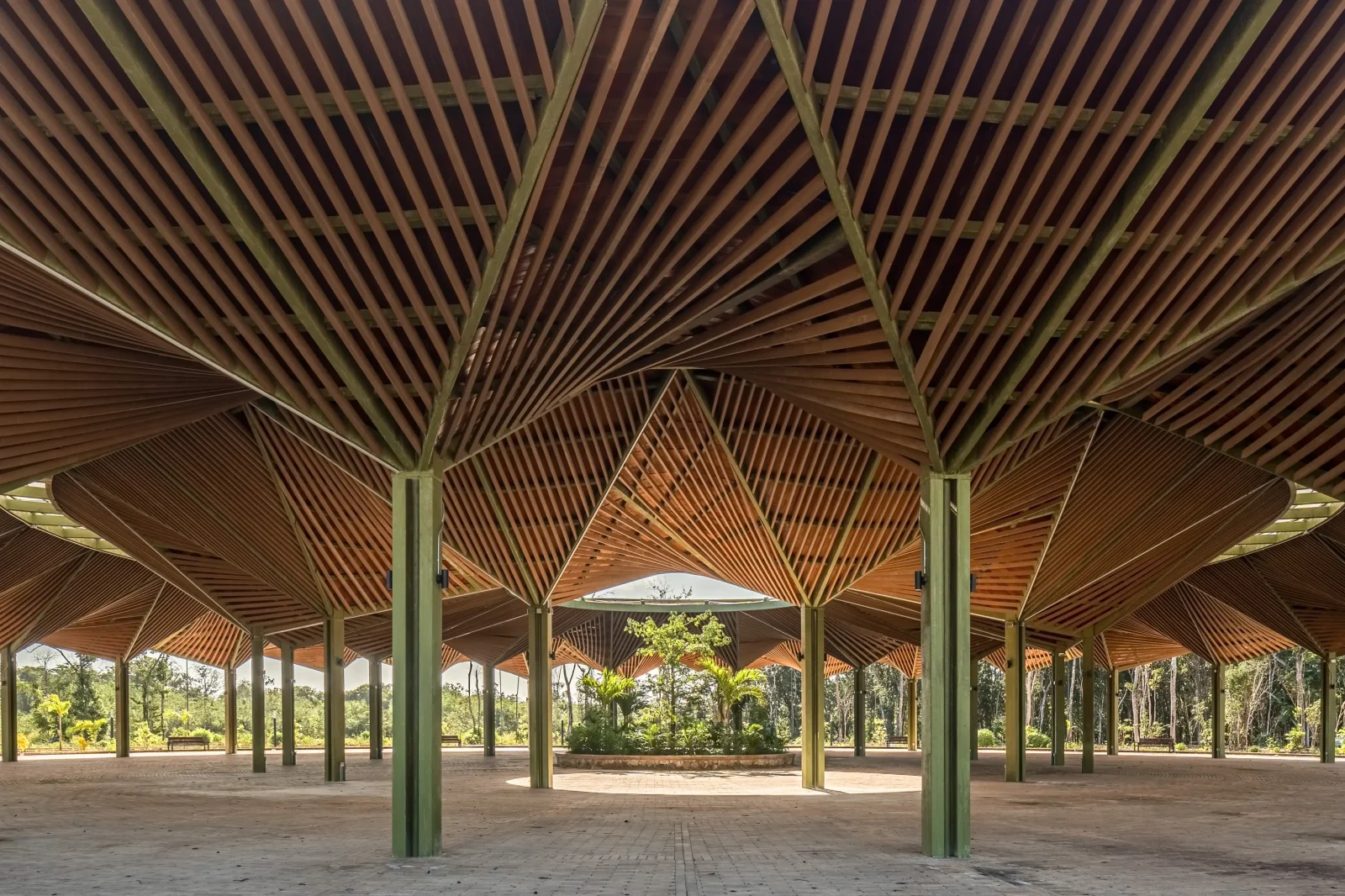
    Biophilic design is also moving beyond individual buildings and into the scale of urban and civic environments. This is where it becomes more ambitious and future-facing, as it begins to influence how cities are planned and experienced. Instead of isolating architecture from its surroundings, this approach prioritizes ecological continuity, walkability, and the integration of built and natural systems. It redefines public space as something that is not only functional but also restorative and environmentally responsive.
    The Future of Biophilic Design Is Already Taking Shape
    © Andrés Cedillo, AIDIA Studio
    The Future of Biophilic Design Is Already Taking Shape
    © Andrés Cedillo, AIDIA Studio

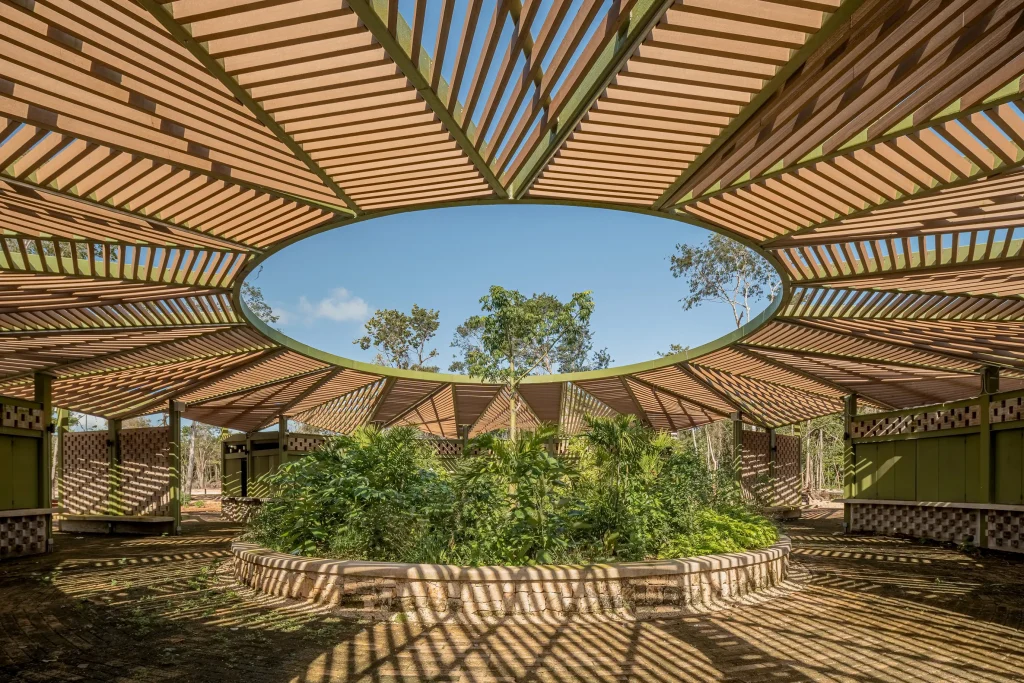
    This shift is clearly visible in the Quintana Roo Park, where architecture and terrain are closely intertwined. Organic pathways, lightweight structures, and parametric forms are used to preserve and enhance the existing subtropical ecosystem rather than replace it. The design avoids rigid planning in favor of fluid, adaptive layouts that respond to the site’s natural conditions. This makes the project feel less like a constructed park and more like an extension of the landscape itself, as biophilic design operates at an urban scale.

    Biophilic Design Is Merging with Advanced Technologies
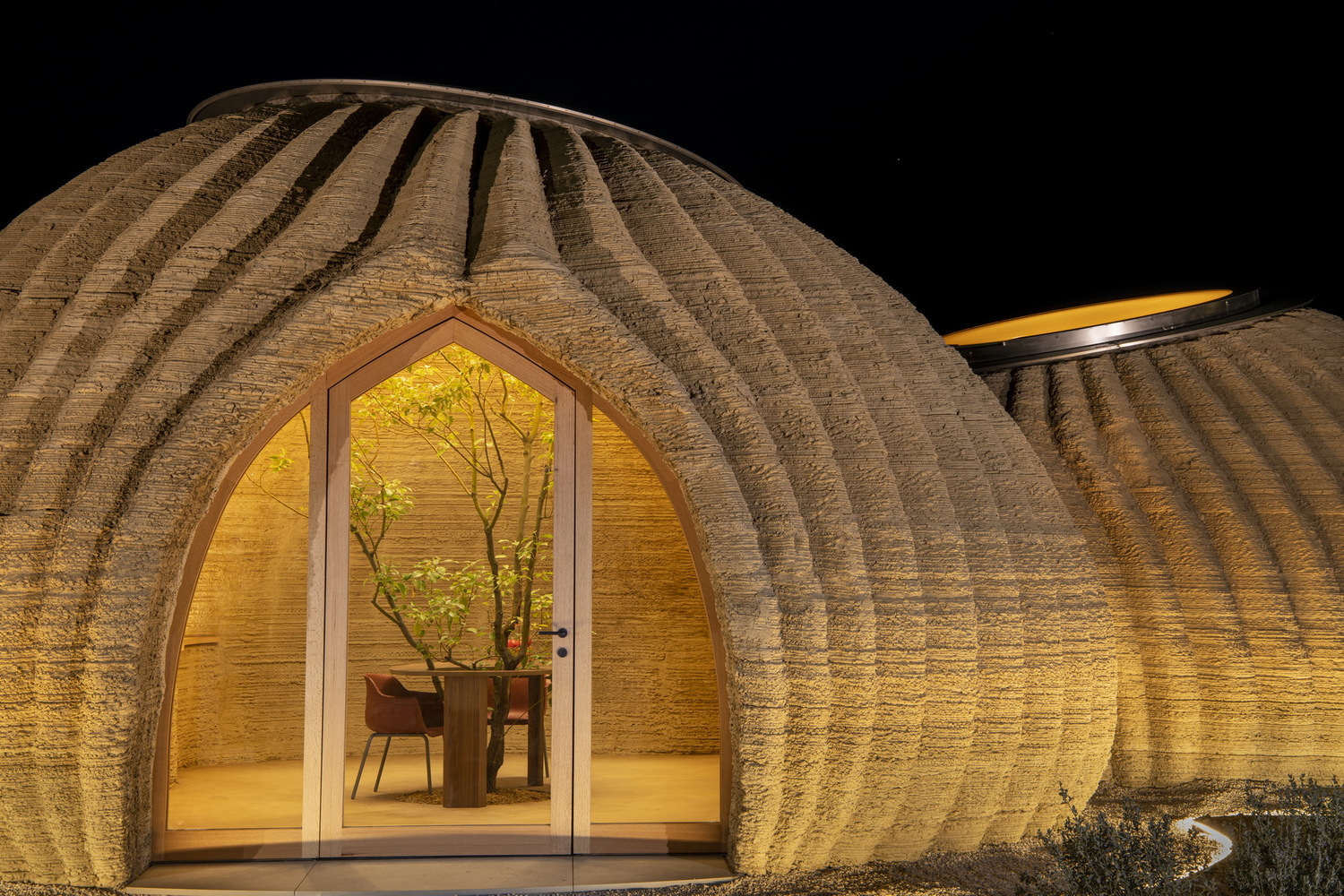
    TECLA © Iago Corazza

    Perhaps the most forward-looking aspect of biophilic design is its growing relationship with technology. Instead of being positioned in contrast to innovation, nature-inspired design is increasingly working alongside advanced fabrication methods such as 3D printing and computational modeling. This allows architects to create complex, organic forms with greater precision while also improving efficiency, reducing waste, and enhancing environmental performance.
    The Future of Biophilic Design Is Already Taking Shape
    © Iago Corazza

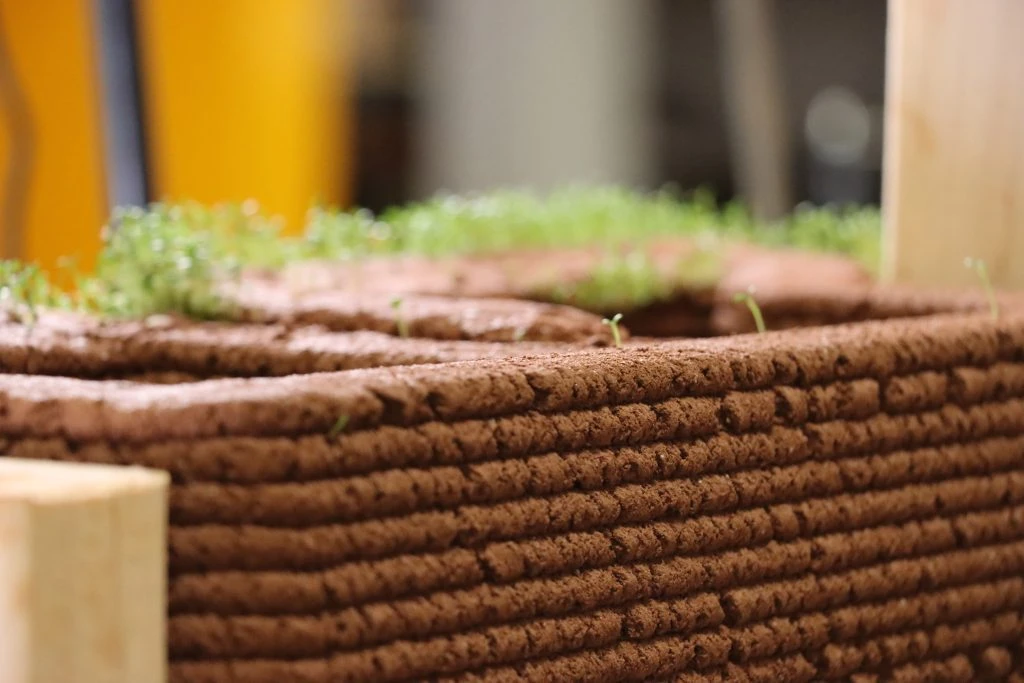
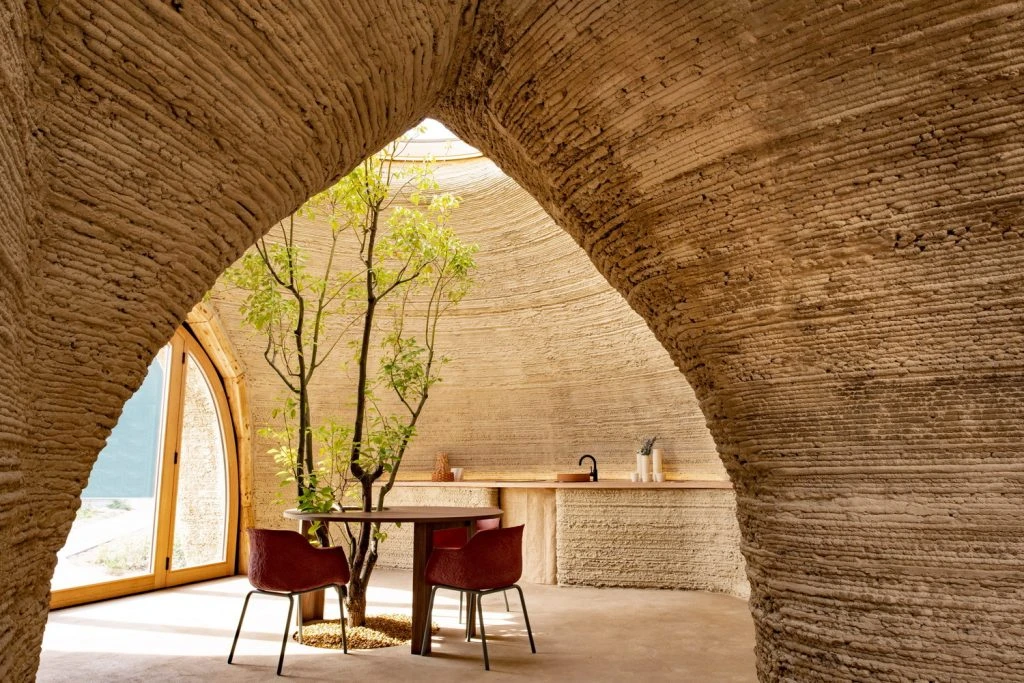
    TECLA by Mario Cucinella Architects presents a more advanced vision of biophilic design, where nature informs not only the appearance of architecture but also its method of construction. 3D-printed using locally sourced clay, the project responds directly to climate, material efficiency, and environmental impact. Its significance lies in showing how emerging technologies can support buildings that are more adaptive, low-impact, and ecologically grounded. In this context, biophilic design moves beyond greenery and atmosphere to become part of the building’s structural and performance-based intelligence.
    The Future of Biophilic Design Is Already Taking Shape
    © Iago Corazza

    Biophilic design is no longer just about greenery, warmth, or creating visually calming spaces. It is becoming a more thoughtful architectural approach that shapes form, informs urban environments, and even influences how buildings are made. More than ever, biophilia is being integrated in ways that feel intentional, intelligent, and future-focused. This approach is helping architecture move toward a future where buildings are not only sustainable but also more deeply connected to the natural systems that support life.

    Advanced Technologies Biophilia Biophilic Design environmental intelligence
    Share. Facebook Twitter Pinterest LinkedIn Tumblr Email
    adminparamet
    • Website

    Related Posts

    15 Picturesque Neighborhoods Around the World Every Design Lover Should Visit

    July 23, 2026

    This Robotic Clothing Wraps Around You in Just 10 Seconds

    July 23, 2026

    Where Did the Women Go? The Hidden Disappearance of Female Architects After Graduation

    July 23, 2026
    Add A Comment
    Leave A Reply Cancel Reply

    Demo
    Top Posts

    Design Reviews Are Moving Beyond Still Images and Animations. D5 3.1 Shows What’s Next.

    July 23, 20268 Views

    15 Picturesque Neighborhoods Around the World Every Design Lover Should Visit

    July 23, 20262 Views

    tetsstststtt

    July 23, 20261 Views

    MVRDV Designs Urban Revivo’s Beijing Flagship Store in Sanlitun

    July 23, 20261 Views
    Don't Miss

    tetsstststtt

    By adminparametJuly 23, 2026

    Soundscape in Architecture: Designing Through Sound

    July 23, 2026

    MVRDV Wins Shift Embassy Competition with Rotterdam ROCKS!

    July 23, 2026

    Shanghai’s Pollinator Machine Installation Brings Ancient Evolution to Life

    July 23, 2026
    Stay In Touch
    • Facebook
    • Twitter
    • Pinterest
    • Instagram
    • YouTube
    • Vimeo

    Subscribe to Updates

    Get the latest creative news from SmartMag about art & design.

    Demo
    About Us
    About Us

    Your source for the lifestyle news. This demo is crafted specifically to exhibit the use of the theme as a lifestyle site. Visit our main page for more demos.

    We're accepting new partnerships right now.

    Email Us: [email protected]
    Contact: +1-320-0123-451

    Our Picks

    tetsstststtt

    July 23, 2026

    Soundscape in Architecture: Designing Through Sound

    July 23, 2026

    MVRDV Wins Shift Embassy Competition with Rotterdam ROCKS!

    July 23, 2026
    Most Popular

    Design Reviews Are Moving Beyond Still Images and Animations. D5 3.1 Shows What’s Next.

    July 23, 20268 Views

    15 Picturesque Neighborhoods Around the World Every Design Lover Should Visit

    July 23, 20262 Views

    tetsstststtt

    July 23, 20261 Views
    Facebook X (Twitter) Instagram Pinterest YouTube LinkedIn TikTok
    • Home
    • Buy Now
    © 2026 ParametricArchitecture. All Rights Reserved. By utilizing this website, you are consenting to our User Agreement, Privacy Policy, and Cookie Statement. In compliance with the privacy laws of Turkey and the United States, we recognize and respect your rights. Please be aware that we may receive commissions for products bought through our affiliate links. Unauthorized reproduction, distribution, or transmission of any material from this site is strictly forbidden without prior written permission from ParametricArchitecture.

    Type above and press Enter to search. Press Esc to cancel.

    Sign In or Register

    Welcome Back!

    Login to your account below.

    Lost password?