

When we look at iconic structures built throughout history, we see that most of them use arches as a key structural element. The inclusion of arches in these structures is not only an aesthetic choice but also an engineering solution that increases structural stability, especially in large-scale structures; arches increase durability by distributing weight evenly.
An arch is a curved structural element used in architecture and civil engineering to span an opening and support loads from above. Arches have played a fundamental role in the development of the vault system and have been adopted by many ancient civilizations. The construction of arches is based on the wedge principle. Blocks of stone or brick with the upper edge wider than the lower edge are placed side by side to form an arch. The keystone is located in the center of the arch and provides stability to the structure by holding all the elements tightly together.
The curve of the arches can have different forms: Semicircular arch (common in Romanesque and Classical architecture), Segmental arch (forms an arc smaller than half of a circle), Pointed arch (prominent in Gothic architecture), Non-circular special forms have also been successfully applied. Arches have been used as a powerful engineering solution in Roman, Gothic, Islamic, Renaissance, and Baroque architecture throughout history and continue to maintain their importance in terms of aesthetics and functionality in modern structures.
Ancient Civilizations
Throughout history, the Egyptians, Babylonians, Assyrians, and especially the Romans discovered the structural advantages of the arch and used them in various structures. True arches were known in the Ancient Near East, but their use was generally limited to engineering solutions such as underground drainage systems. Although the use of arches in Egypt dates back to the 4th millennium BC, few examples have survived to the present day. The Egyptians saw the arch not only as a structural but also as a spiritual form and used it in tombs and mausoleums.
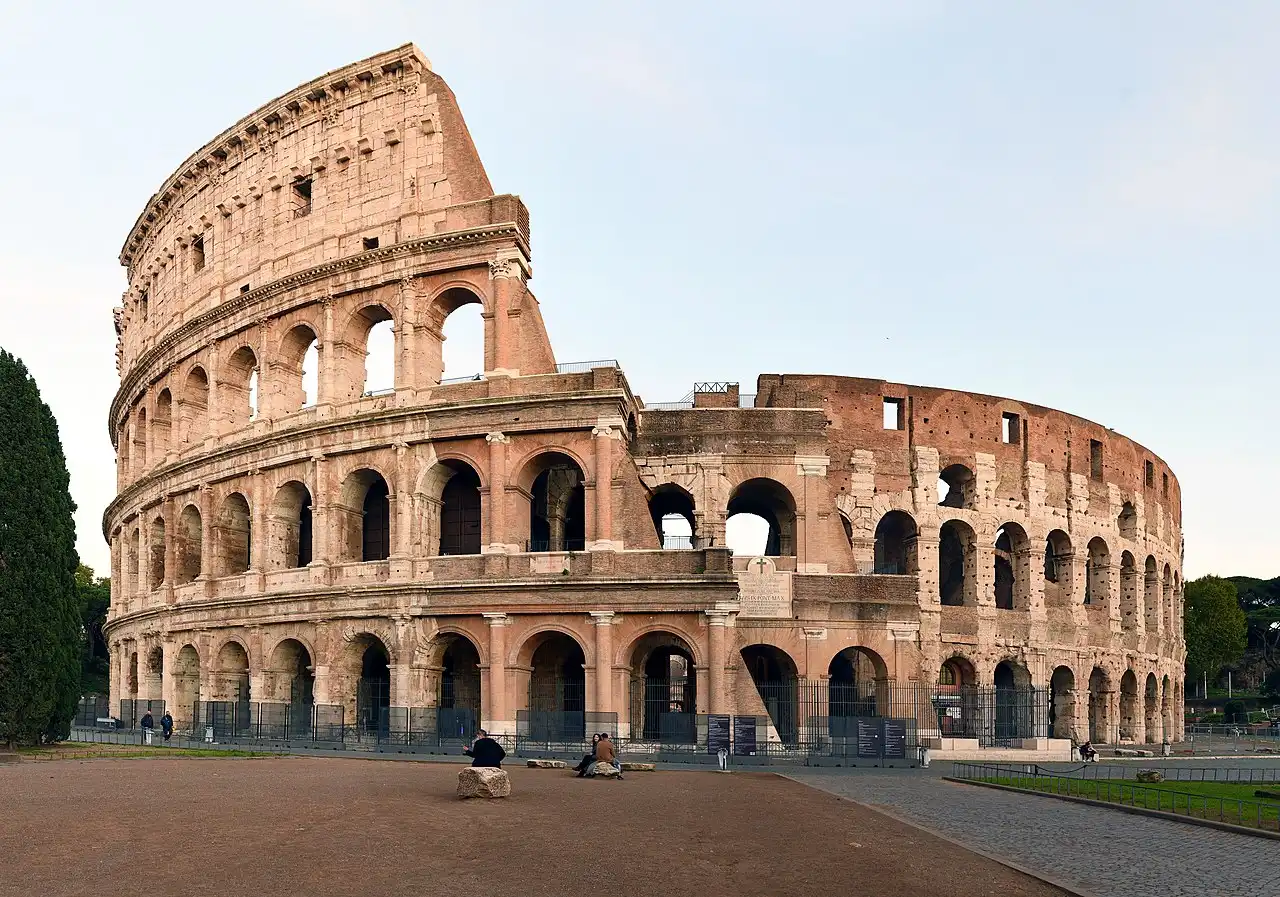
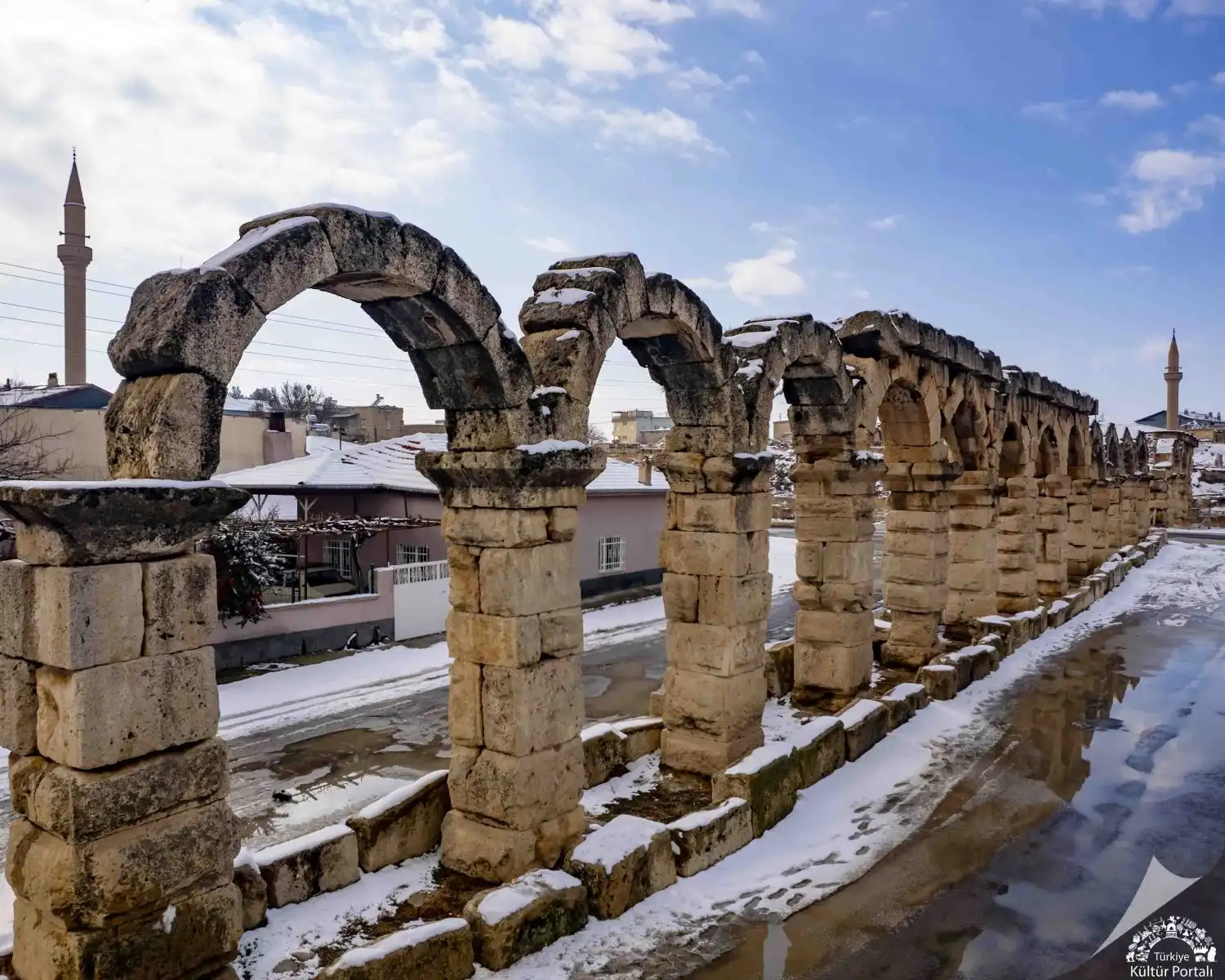
The Roman, on the other hand, revolutionized architecture by maximizing the potential of the arch. They widely used arches, which they developed in terms of both aesthetics and structural durability, in large-scale structures. One of the most striking examples is the aqueduct systems built in 312 BC and spread to different regions over time. Large public structures such as the Colosseum were also built thanks to the load-bearing advantages offered by the arch.
Romanesk and Gothic Period
Romanesque Architecture developed by combining the features of ancient Roman and Byzantine structures with local traditions, and is known for its unique massive structures, thick walls, rounded arches, solid columns and barrel vaults. During this period, arches were widely used for door and window openings, vaults and architectural ornamentation. Semicircular arches predominate in Romanesque structures. Large doors were usually crowned with an arch, while in some cases, lintel doors were placed in an arched recess and completed with an ornamental “lunette.” Small openings were supported by stone lintels, while larger ones were always arched. Double-arched windows, ocular windows, and “blind arches” for ornamental purposes were also widely used in Romanesque architecture.
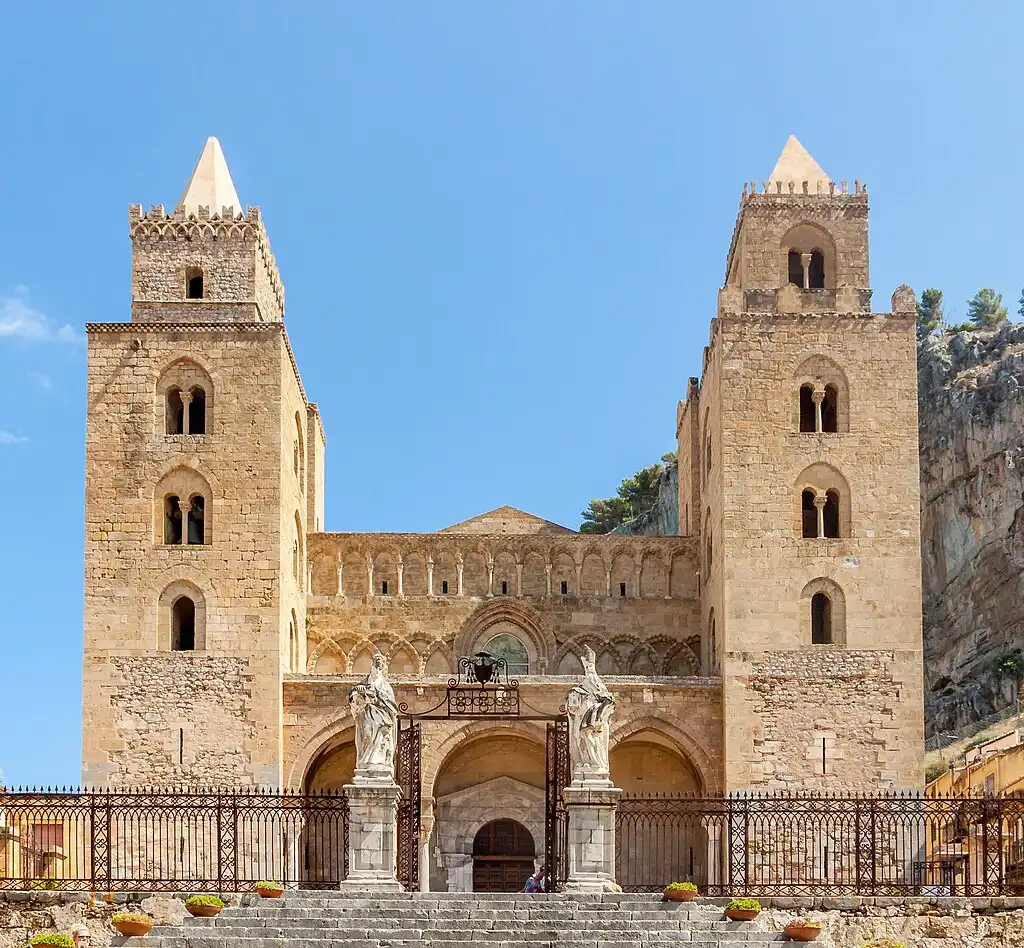
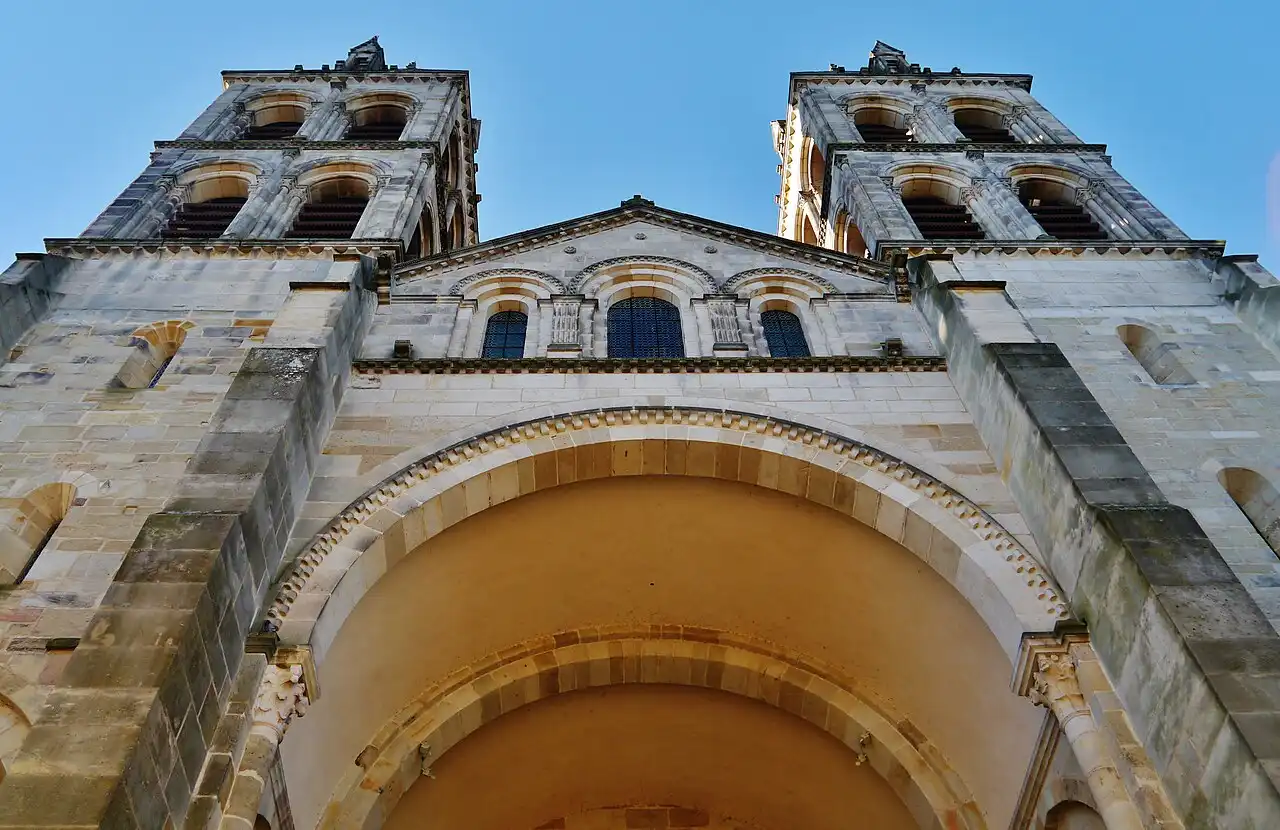
Some Romanesque structures, such as Autun Cathedral in France and Monreale Cathedral in Sicily, feature pointed arches due to the influence of Islamic architecture. In the late Romanesque period, structures such as Durham Cathedral and Cefalù Cathedral began to use the pointed arch as a structural element with ribbed vaults, which paved the way for the development of Gothic Architecture.
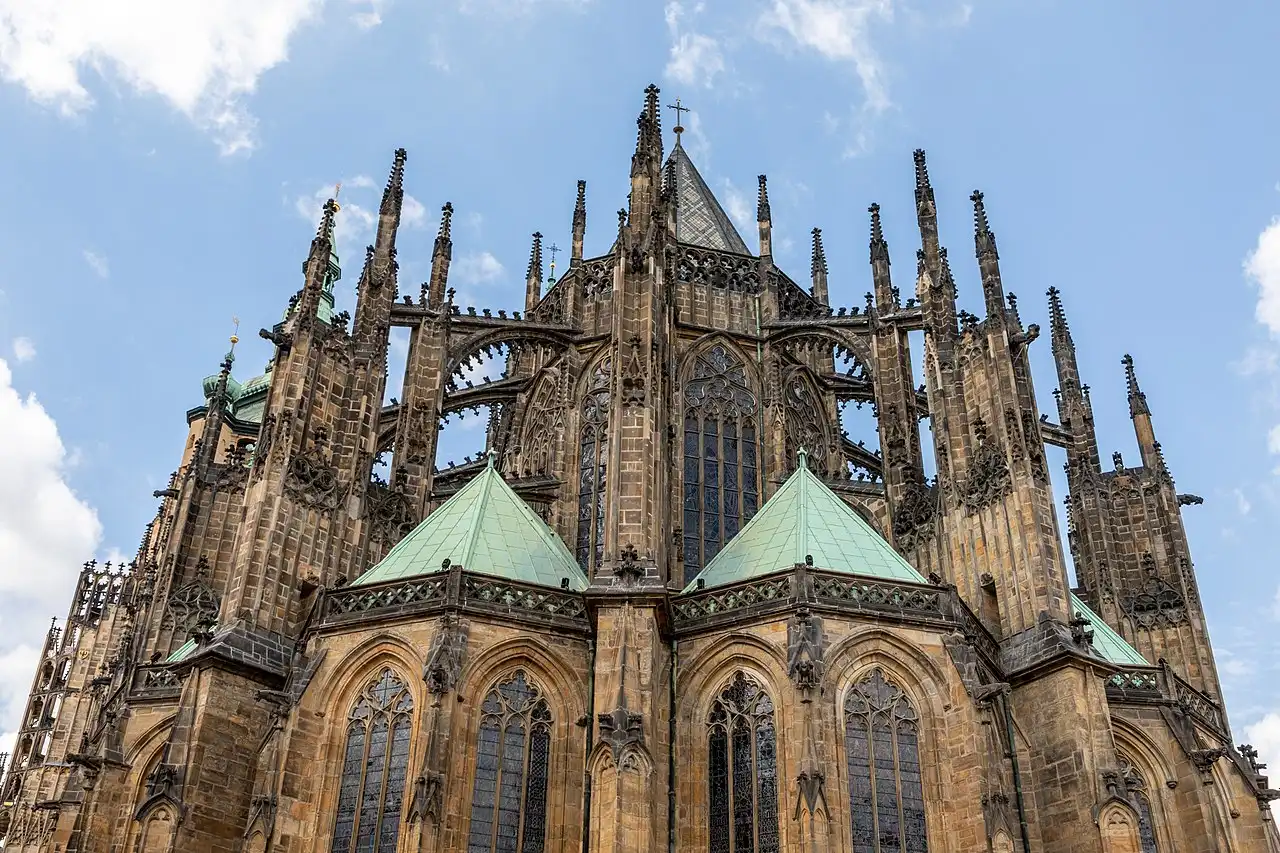
With Gothic architecture, pointed arches became dominant both structurally and aesthetically. Pointed arches were already used in pre-Islamic and Islamic architecture, especially in the Near East; however, they became a distinct architectural element in the Gothic period. Gothic pointed arches created a form that rose upwards, giving buildings a sense of verticality. Narrow and pointed windows were common in the early period of Gothic Architecture. In the 12th century, in the phase known as the “First Pointed” or “Lancet” style, pointed arches dominated the windows. In later periods, with the addition of ornamental lattices, Gothic arches became one of the most characteristic elements of buildings.
Renaissance, Baroque, and the Industrial Revolution
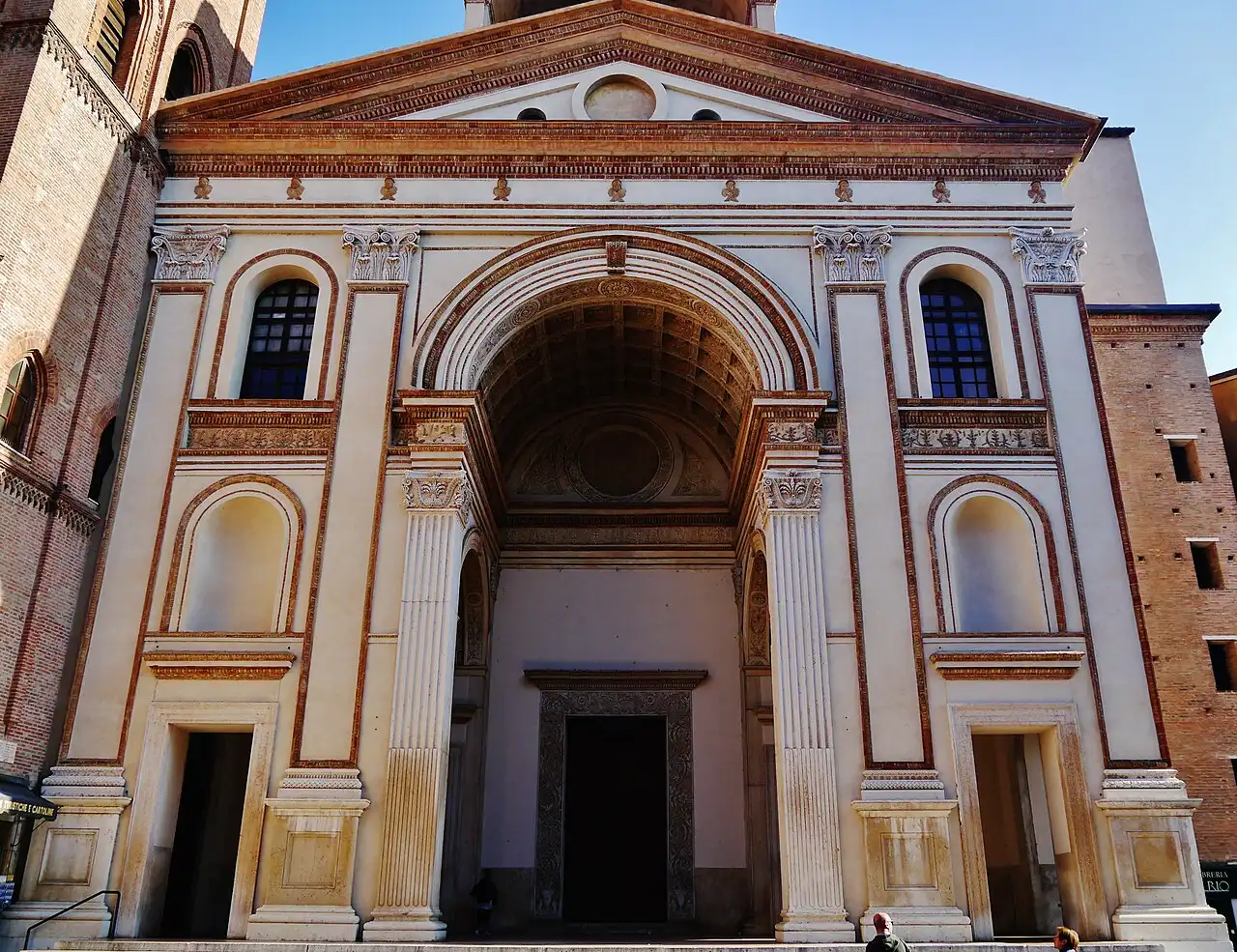
Renaissance Architecture started in Italy and developed between 1400-1600 and replaced the Gothic style. During this period, classical architectural elements such as domes, columns, pilasters, lintels, arches, and pediments were used in a regular and repetitive manner. The arch was an important structural and aesthetic element in the Renaissance, as in other periods. In Renaissance architecture, arches are generally semicircular, but segmental arches are also seen in the Mannerist style. Arches are placed on column capitals or piers, and in some cases, there is an entablature section between the arch and the capital. The use of arches continued in urban structures and public spaces, but a new form emerged in this period, which Palladio added to the architecture.
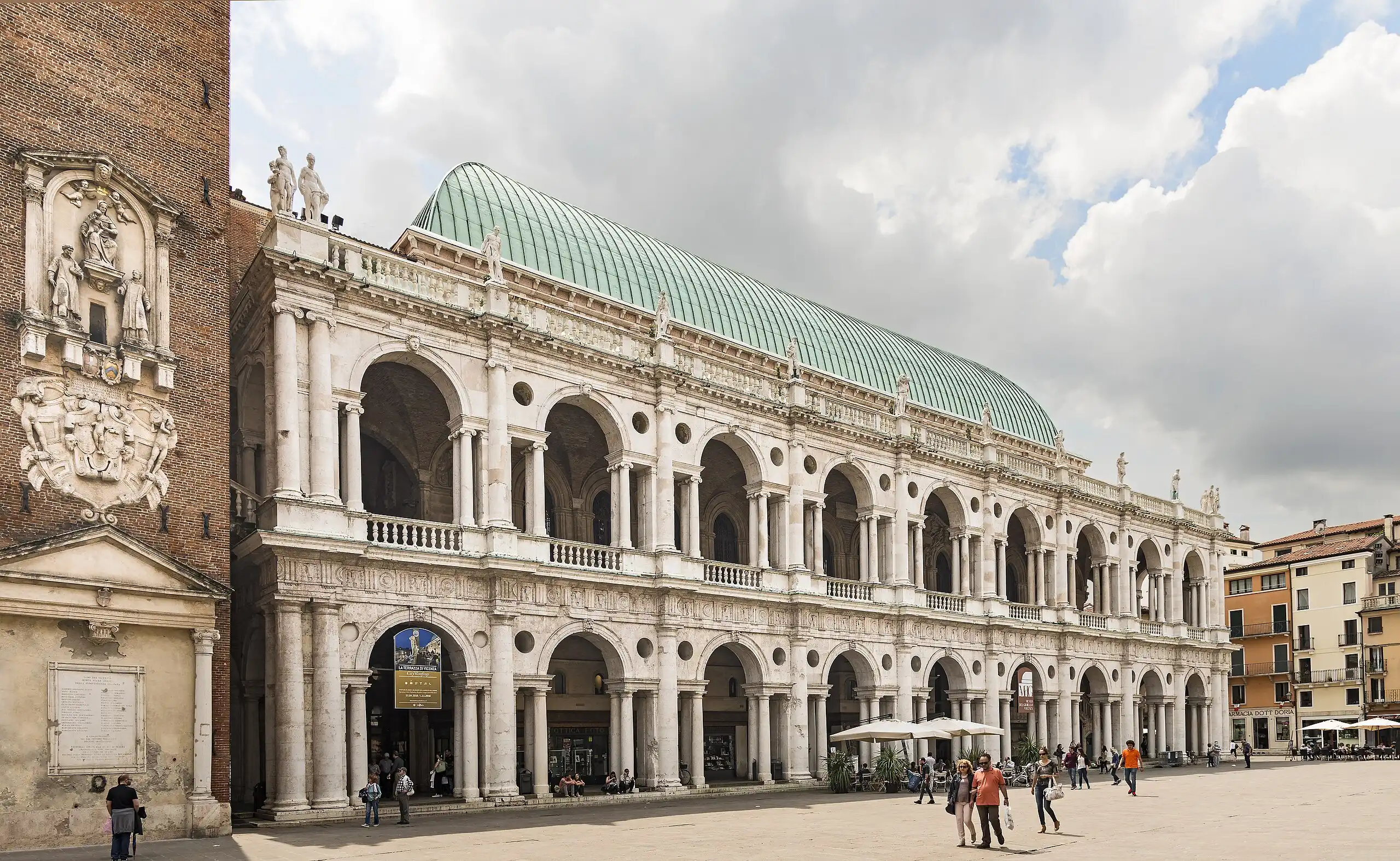
In 1546, Palladio designed a new facade for the Vicenza City Hall, and in this structure, later known as the Basilica Palladiana, arches were used with a different arrangement. In this system, known as the ‘Palladian Window’, a series of short double columns supported the arch, while a longer single column was placed around each arch. This approach contributed to the development of the architectural movement later known as Palladianism.
During the Renaissance, arches were used as both a supporting and decorative element on facades. In these designs, where great importance was given to symmetry, arches were frequently preferred for windows, openings, and ornaments. Although this arrangement of Palladio did not directly assume a supporting function while referencing the aesthetics of the ancient period, it continued the architectural heritage of the arch by modernizing it.
Arches in other architectural periods
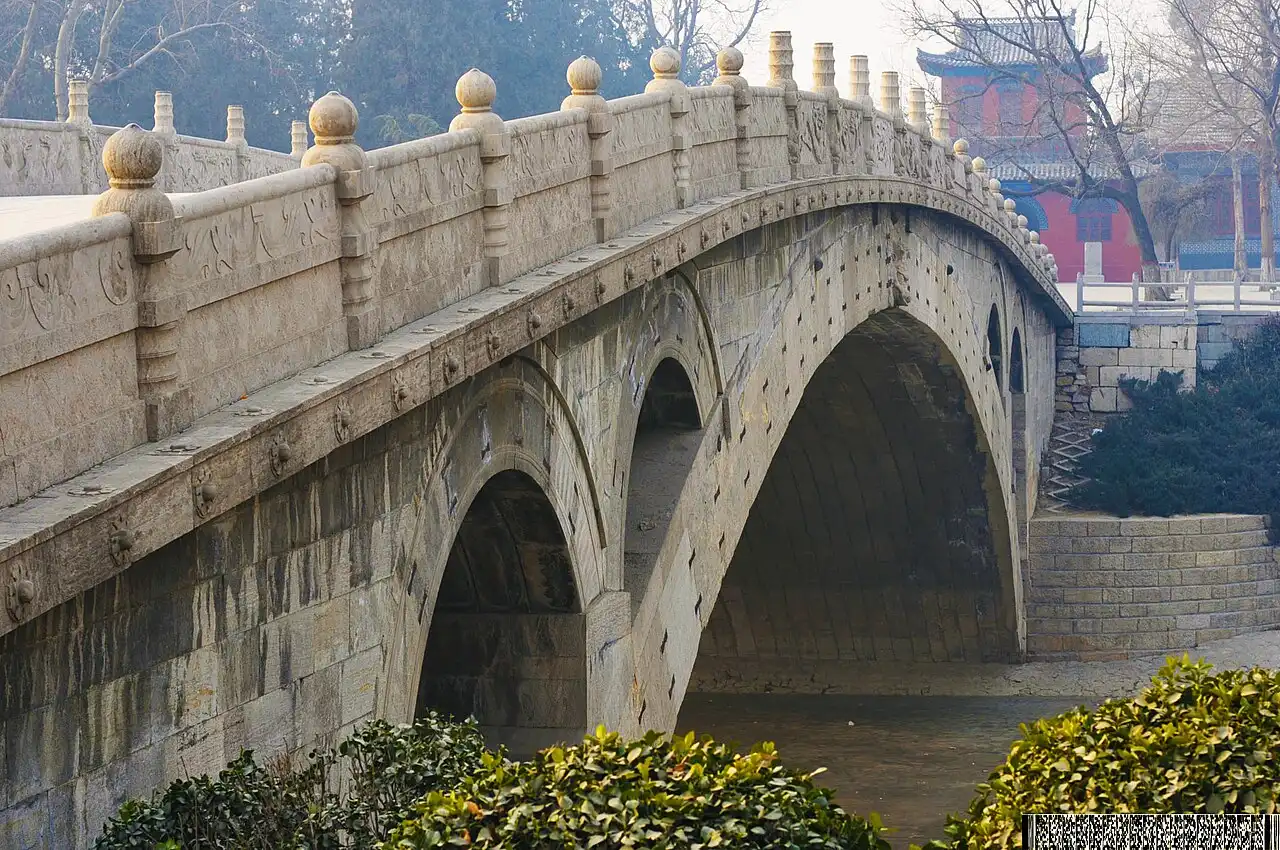
In East Asian architecture, the arch was not as widely used as in other regions. In China and Japan, the arch is often seen as an artistic motif in carved stone reliefs. Although there are a few examples such as arch bridges, free-standing arches are not common in East Asian architecture. Vaults, domes, and arches were generally built on the support of the earth and did not develop as independent structures.
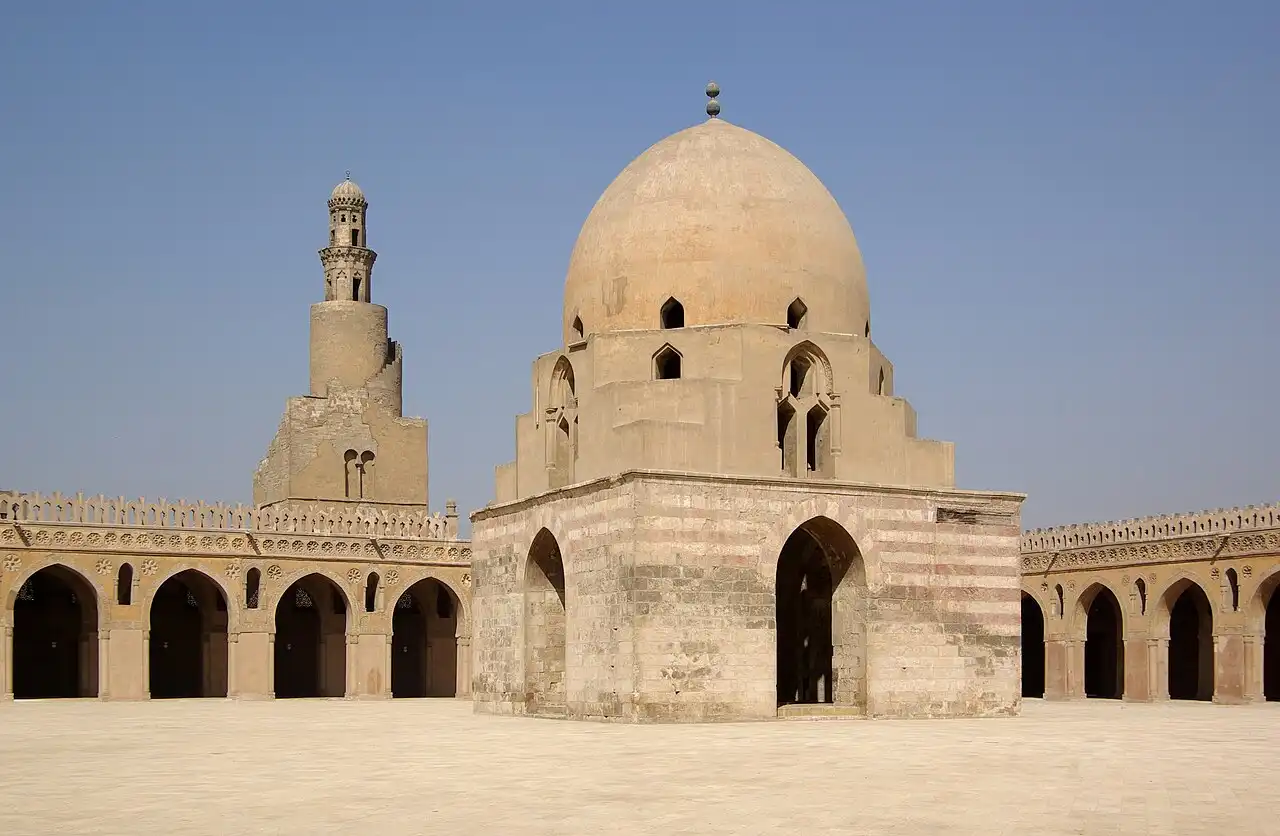
Islamic architecture adopted Roman arches but evolved their ancient knowledge into more ornate and varied forms over time. In the Islamic world, round horseshoe arches, keel arches, pointed arches and mixed-line arches became common and became an important element of architectural identity. The pointed arch becoming one of the basic elements of the Gothic style is considered to be a result of the spread of Islamic influence to Europe.
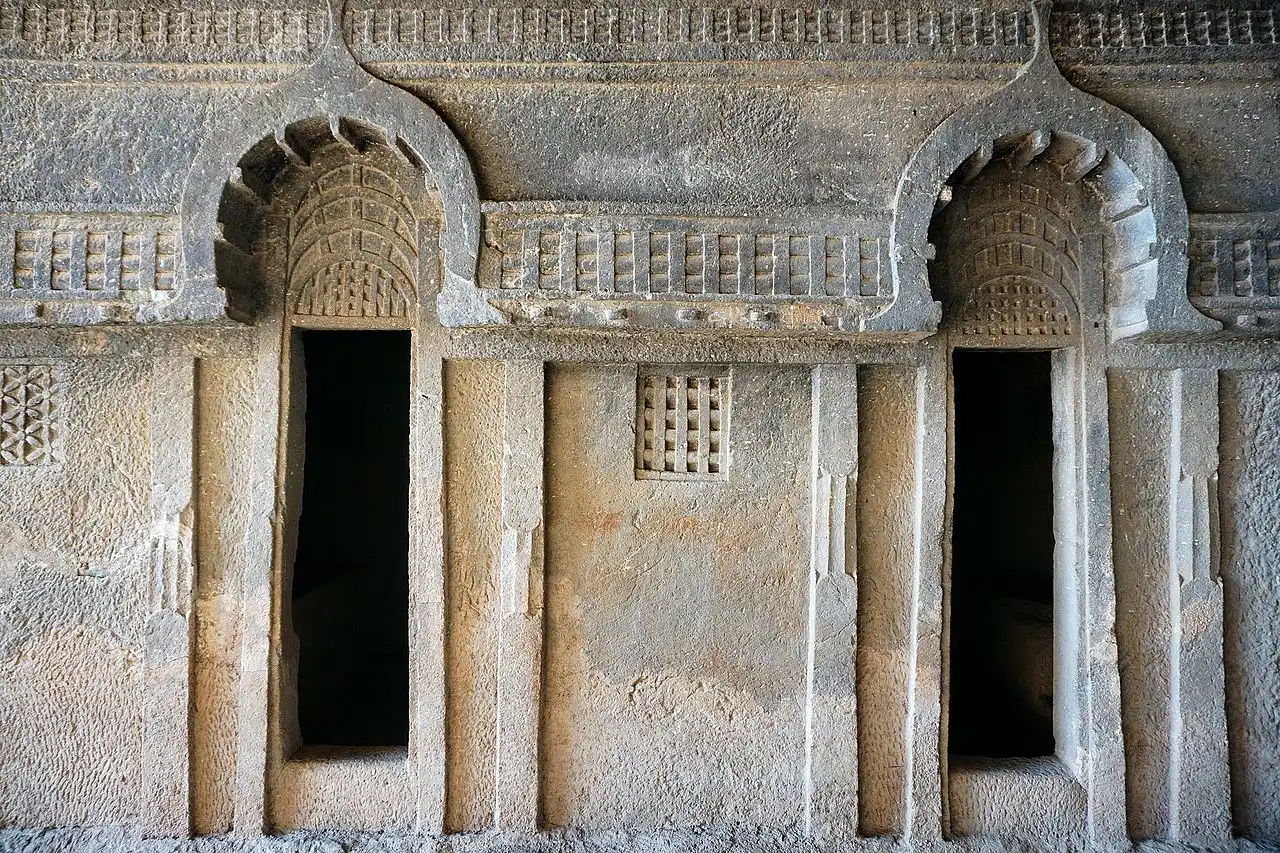
The history of the arch in India is quite old, but it was used sporadically until the arrival of Islam in India in the 12th century AD. Ogee arches, barrel vaults, and decorative pointed gavaksha arches are found in rock temples. The structural use of vaults from the 5th century AD onwards allowed arches to become more visible in architecture. Although arches became more prominent in Indian architecture with Islamic and West Asian influences, the post and lintel system was preferred for a long time.
Arches in the present time
The arch, one of the most basic features of architecture, has been in our lives for many periods, but after the industrial era, the carrier arch was replaced by other elements due to materials. The introduction of wrought iron in construction in the 19th century changed the role of the arch.
Due to the high tensile strength of the new materials, relatively long lintels became possible. The use of arches continued in bridge construction, their use in residential buildings almost ended, and steel frames and reinforced concrete frames mostly replaced arches as load-bearing elements in buildings.
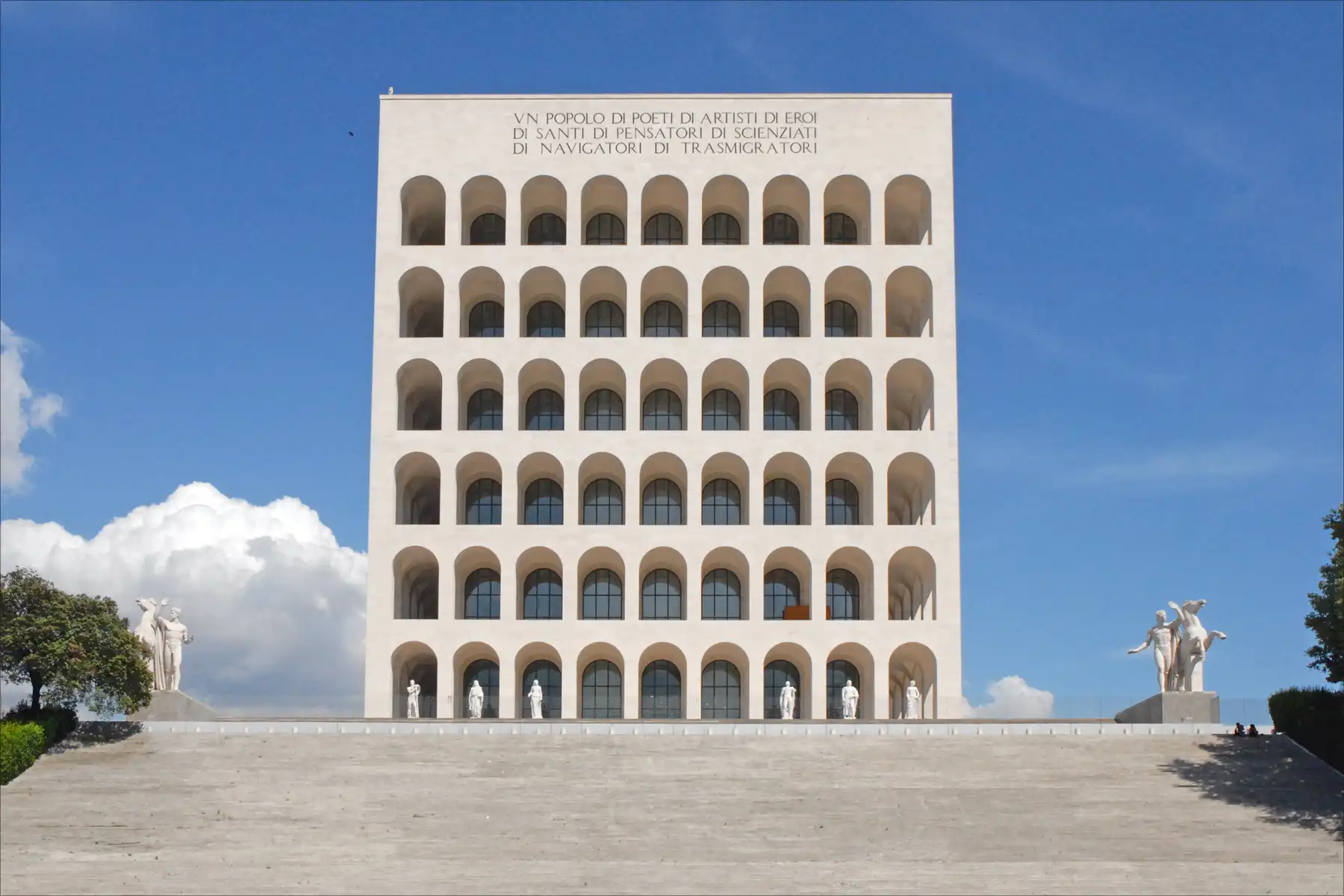
With this situation, the transformation of arches, which were no longer needed as carriers, into a decorative element began; they were used when a certain aesthetic was desired, traditionally or historically. However, arches continued to live with social relations, and thus, arches continued to be seen in modernist and Art Deco aesthetic suburban homes until the 1980s. After the 90s, with people arranging their homes according to their own wishes, arches almost disappeared from our lives until the last few years.
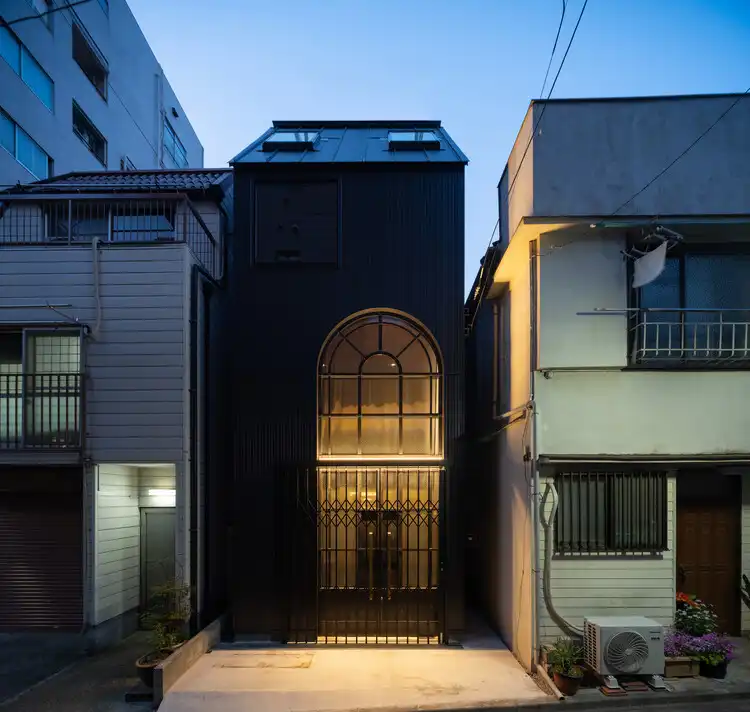
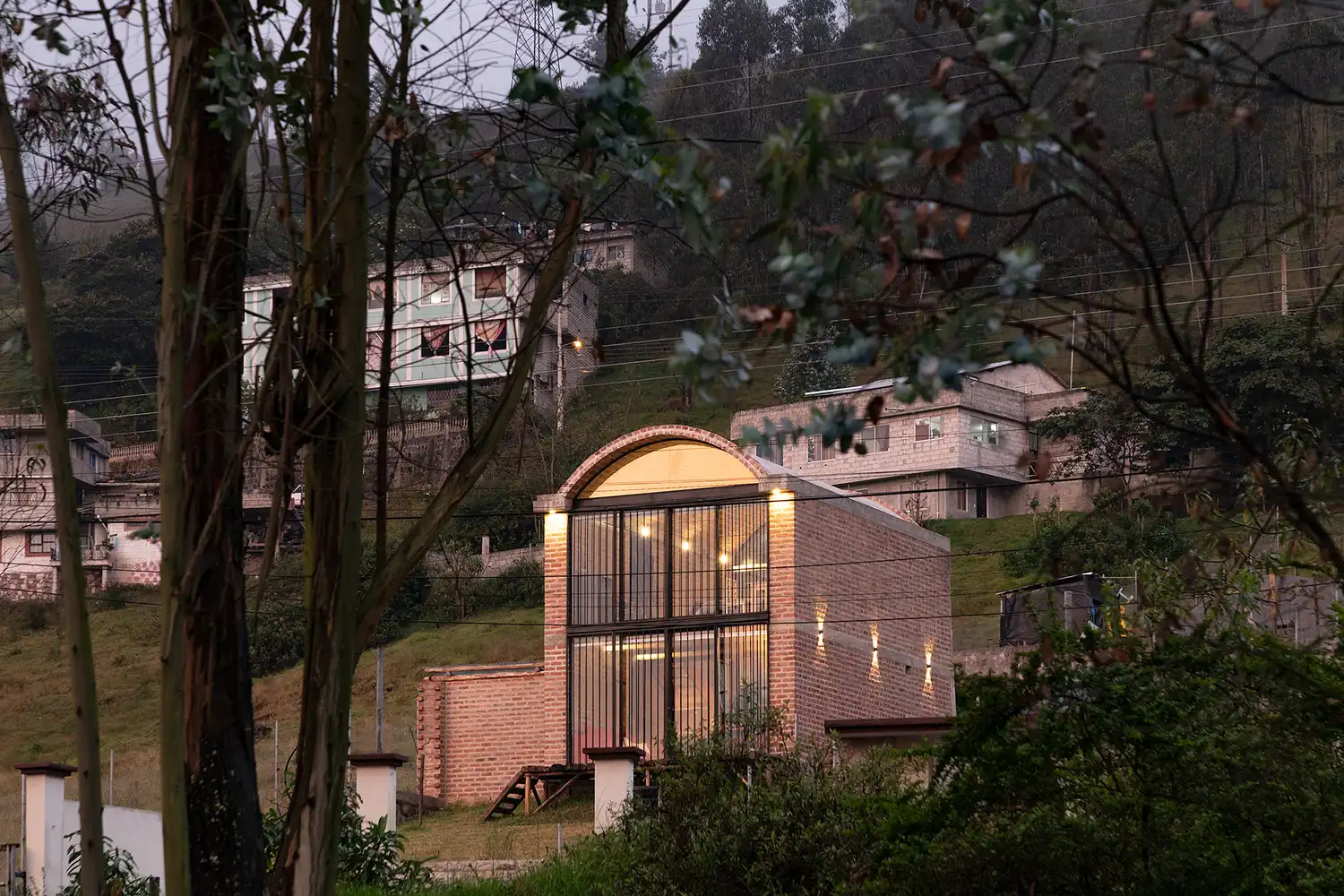
Arches are currently making a comeback in many areas, not only in typical European historical buildings but also in modern architecture, such as hotels and retail spaces, and in many designs and forms, such as ceilings, entrances, fireplaces, mirrors, and even bedrooms. They are also seen in many well-known architectural designs. In the designs they are currently in, we can see arches together with the materials that replace them, and they can often be found in a structure that refers to the past.
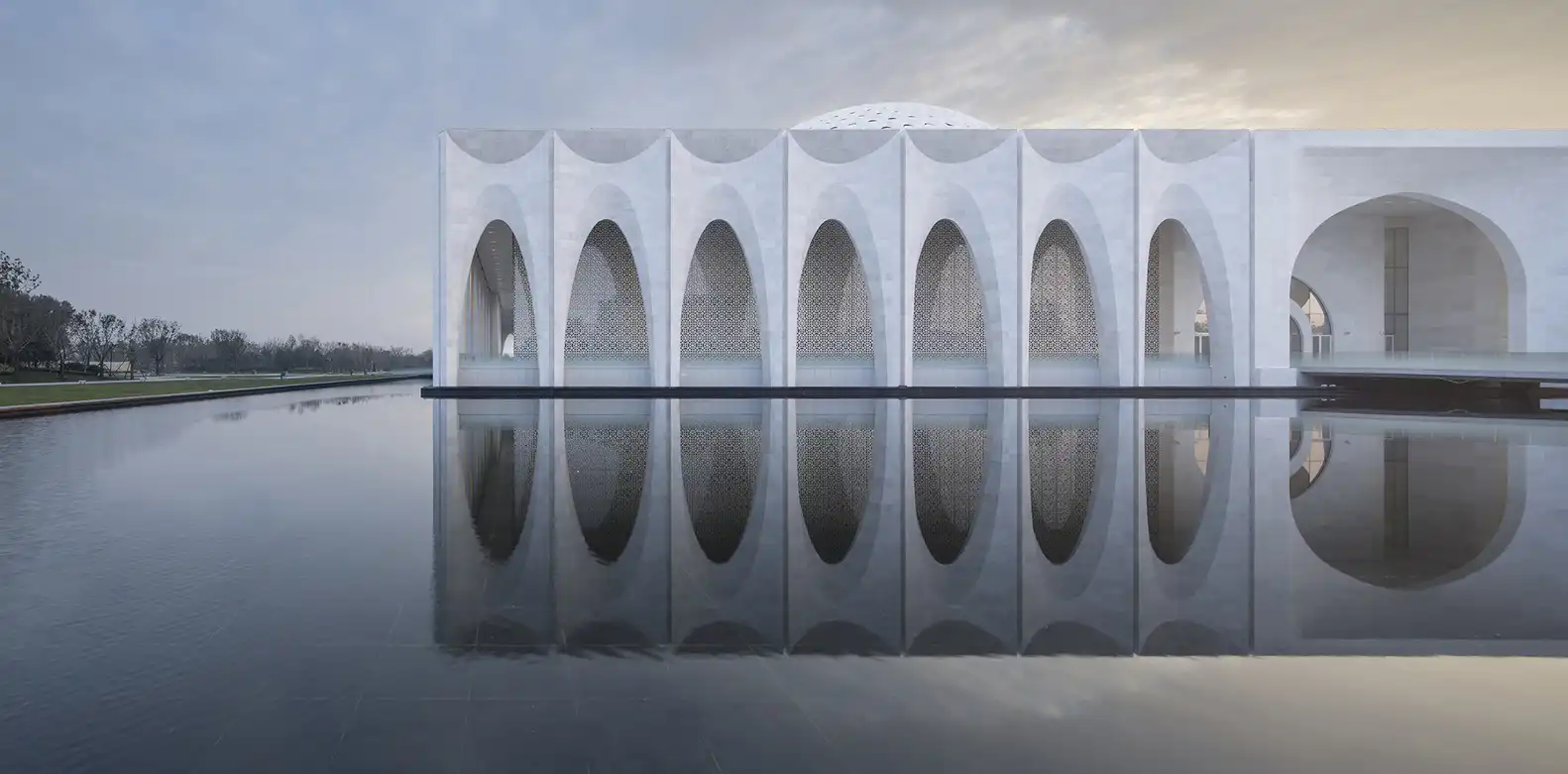
We can give this example for the Muslim Cultural Center designed by Da Chang, which refers to the time when arches were used in religious structures and presents them in a much more modernized way but still as the leading role. Built-in China in 2015, this structure bases the project on traditional mosques and interprets them in a modern way; with this elegant but also gigantic stance, it tries to create that divine and peaceful appearance that was desired in ancient times and supports this appearance with its burning on the water around it.
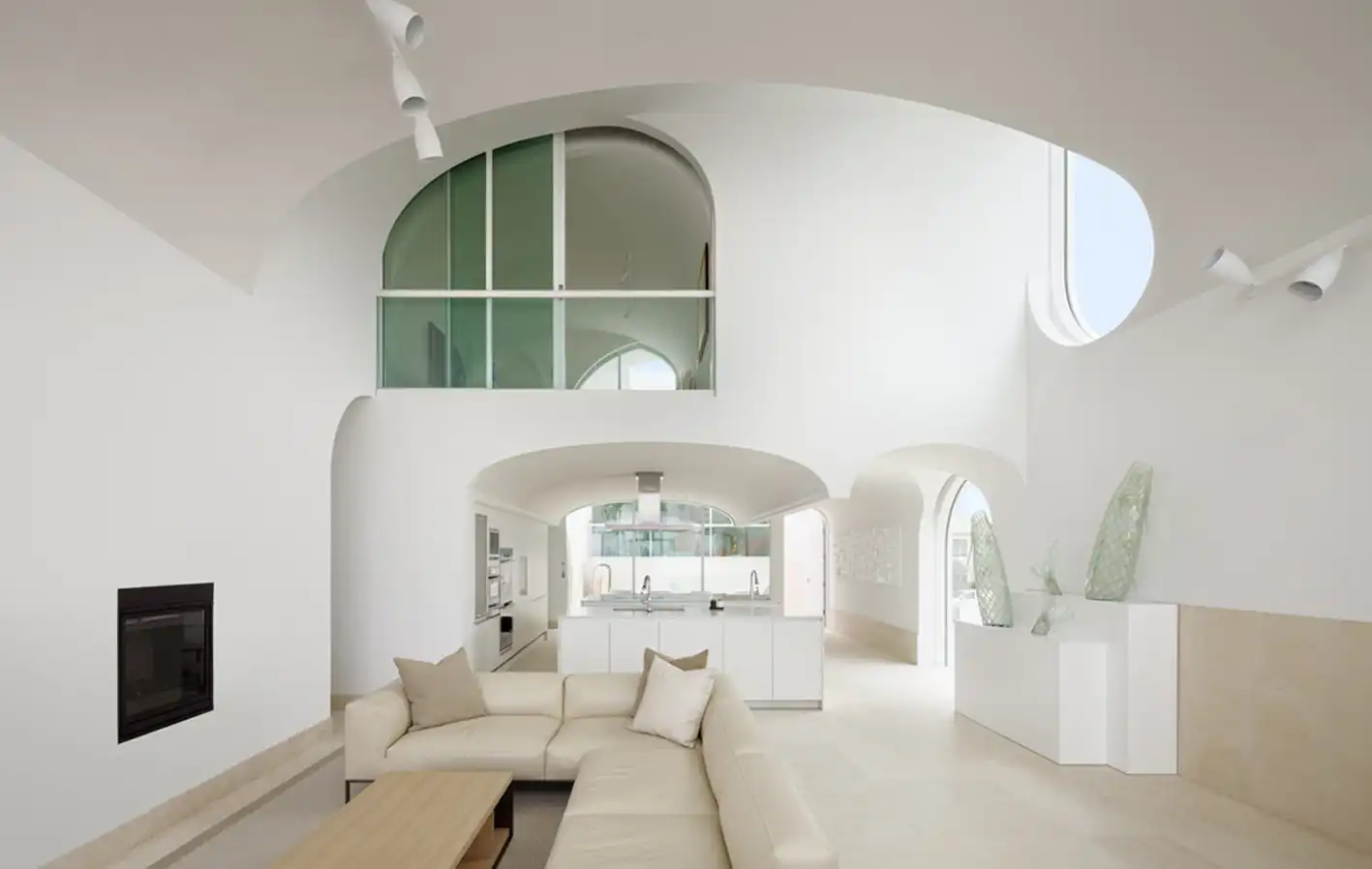
Another example that we can consider from a different and experimental perspective is the vault house, a residence built in California in 2013. It was designed by architect Johnston Marklee and went through a design based on the permeability of the arches.
The arches surrounding the windows, which have directed light since ancient times, direct the light and view from a more individual and small-scale place in this residence. This residence actually presents a difference, as arches do in every period. It challenges the typology located on the California ocean side, and instead of showing it directly, it shows it in a more thoughtful layered way and achieves this by placing and sizing the arches at different heights, and on the facade, it greets us with a round permeable arch covering the residence.
What does Arc vs. Arch mean?
As described by Grammarist, an arc is a curved shape or path, vital in architectural design and in math, a segment of a circle’s circumference used for drafting curves or load calculations. It also refers to an electrical discharge between electrodes, common in construction tech. As a verb, it’s arcs, arced, or arcing—rarely arcked or arcking—mimicking a crane’s sweep or a vault’s contour. From the Old French arc (bowed), it shapes built spaces.
An arch is a curved structure supporting bridges or roofs, often a decorative highlight in construction. It also describes bodily curves, like the foot’s arch, inspiring design. As a verb—arches, arched, arching—it reflects crafting a span or framework. From the Old French arche (bow), it blends strength and style in architecture.
