

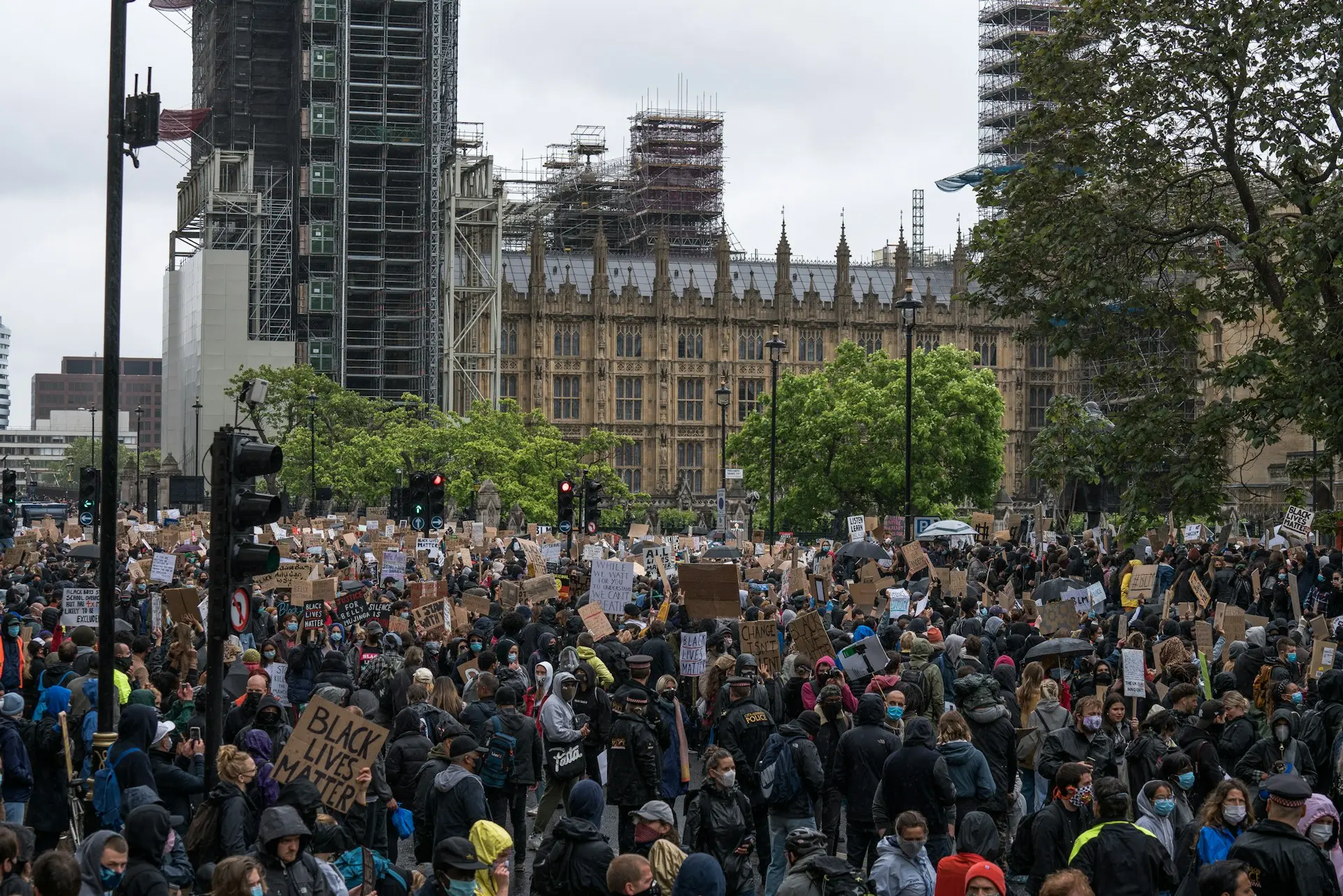
Architecture is usually seen as a neutral, artistic, and functional profession, just an effort to construct residence, work, and leisure areas. But, without our noticing, the political power of cities directly controls the texture of human life, how we navigate everyday life, and how we mobilize during periods of political protest.
Patrik Schumacher highlights the political implications of architecture in “The Politics of Parametricism” by stating: “Architecture always carries a societal agenda. It sets the stage for the reproduction of social life and channels communication and interaction in subtle but powerful ways.”
The question then becomes, can architecture protect human rights or, at other times, be used as an instrument of control?
The Political Nature of Space
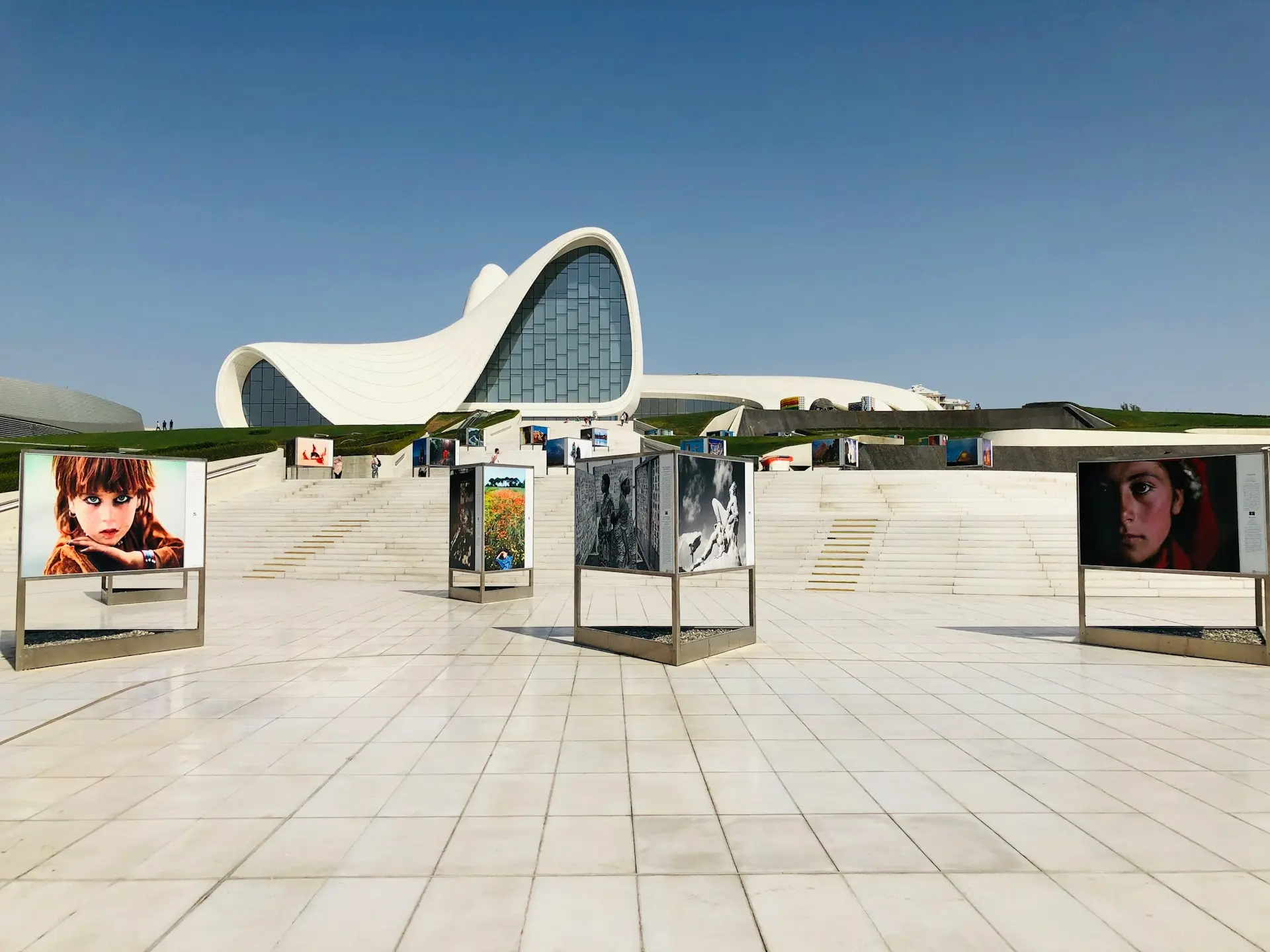
Architecture is political. The intrinsic power relation in society is reflected in the design of cities, buildings, and public spaces that purport to reinforce or challenge these very relations. It runs from the design of the streets and the placing of civic buildings to enable freedom or constrain it.
The political power of cities shapes how these designs influence our daily lives and interactions. The work of Michel Foucault mentioned how “disciplinary space” employs architecture in ways that discipline and control people toward specific norms and practices. Human rights to the freedom of assembly, right of movement, and right to privacy, among others, are directly attached to the spaces we occupy.
“Throughout life, a person is bound to get into this or that disciplinary space as one is born in the hospital (a maternity home is a kind of hospital and, with swaddling, the infant encounters non-freedom for the first time), and, in many cases, one also dies in the hospital as well as gets to the hospital in the course of one’s life.” mentioned as Erarta Museum.
All cities throughout the world have been built to be politically functional. For example, in Paris, Haussmann’s renovation in the 19th century, wide, grand boulevards and open squares were a conscious attempt to thwart the revolution. The larger streets make for easier access by the military in case of unrest and make it hard for the residents to raise barricades. As clearly spelled out in so many various examples, this is how architecture shapes people’s behavior and exudes the political power of cities.
Architecture, in any form, can become a medium of either control or liberation. The political dimension of urban design should never be underestimated.
Patrik Schumacher
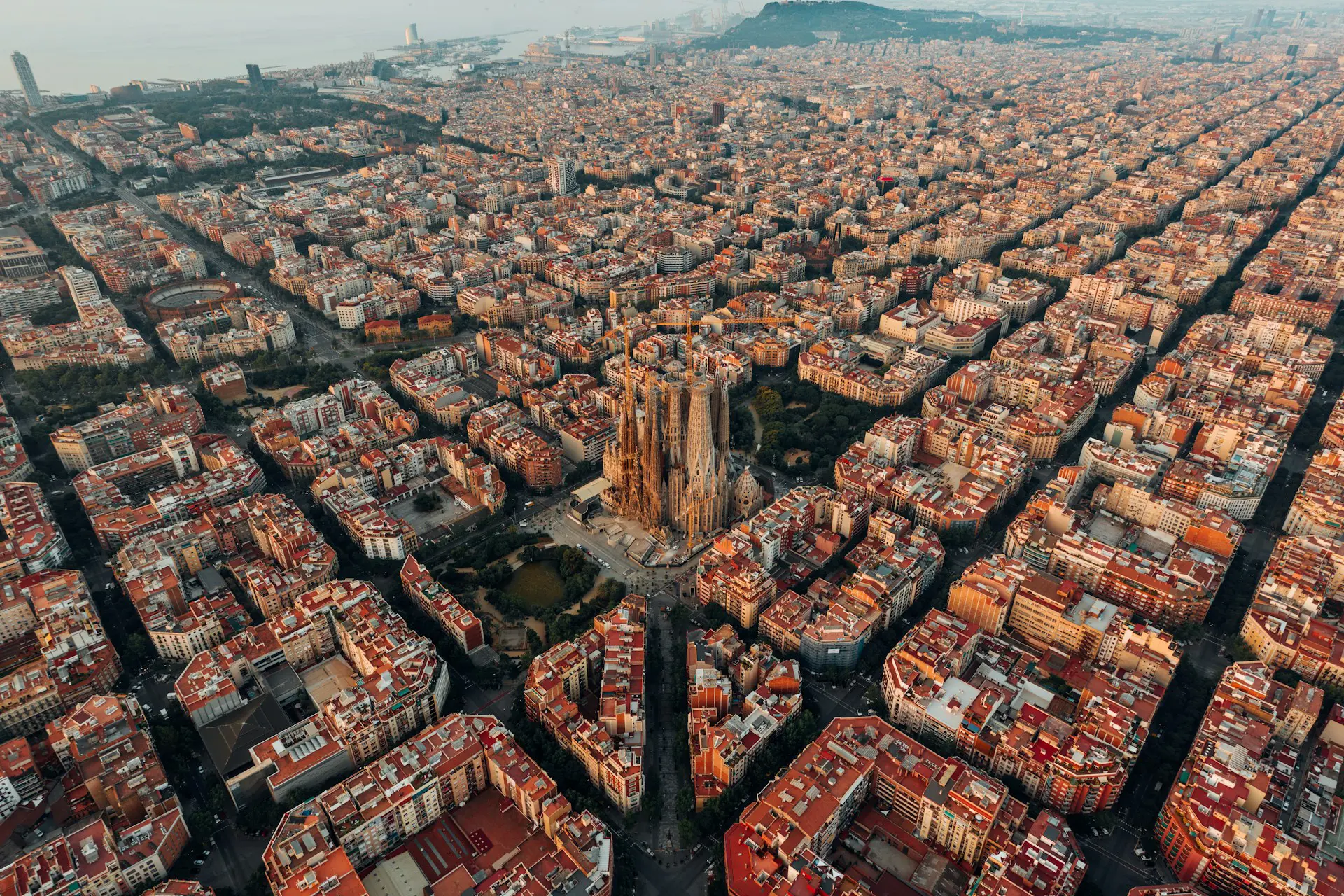
Consider that in cities such as Barcelona, open public space designs like La Rambla have become symbolic of free movement and civic engagement. Protests, festivals, and gatherings happen in these places; certain types of architectural design have the potential to facilitate human rights, like freedom of assembly, and, by doing so, create democratic possibilities.
How Cities Shape Protests and Movements
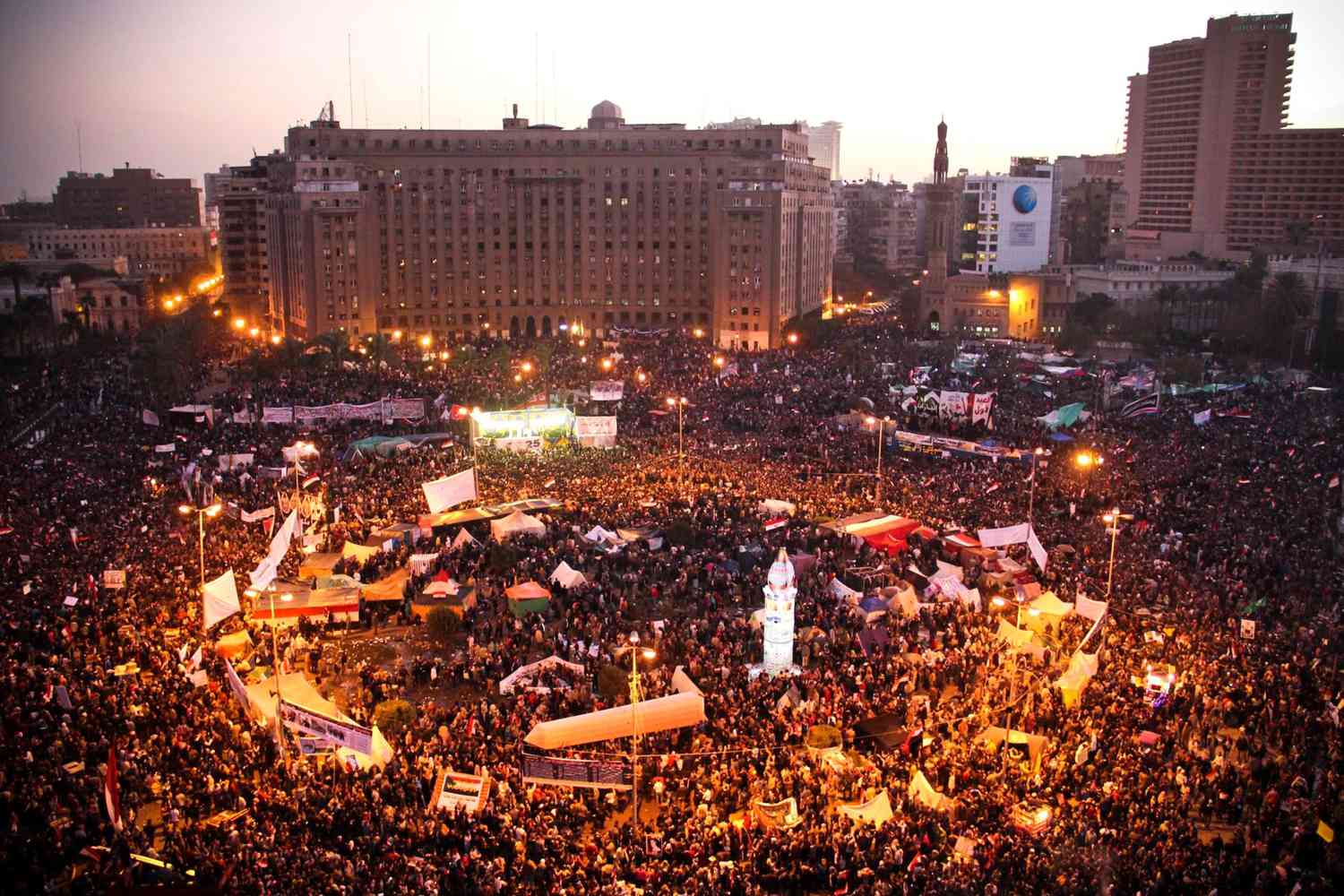
A city’s configuration, in effect, speaks to the ability to protest, to exercise political rights. Think of protests during the Arab Spring and, more precisely, Tahrir Square in Cairo. That square became an international symbol of resistance and revolution in 2011. Its openness and centrality facilitated large gatherings, but its urban structure also brought out the inability of authorities to control crowds.
This shows that architecture allows activism and collective action to take place and permits the expression of citizenship in a visible and meaningful manner.
For example, cities such as Moscow are carefully planned and designed with large open spaces that make protests highly visible yet equally conveniently contained by the police. Commonly, some building-panorama architecture, such as extreme use of CCTV and large open plazas free from refuge or concealment, discourages protests and promotes dissension oversight and thus violates some human rights. Also, according to online data, China has over 700 million surveillance cameras with one lens for every two citizens.
The Role of Public Space in Everyday Life
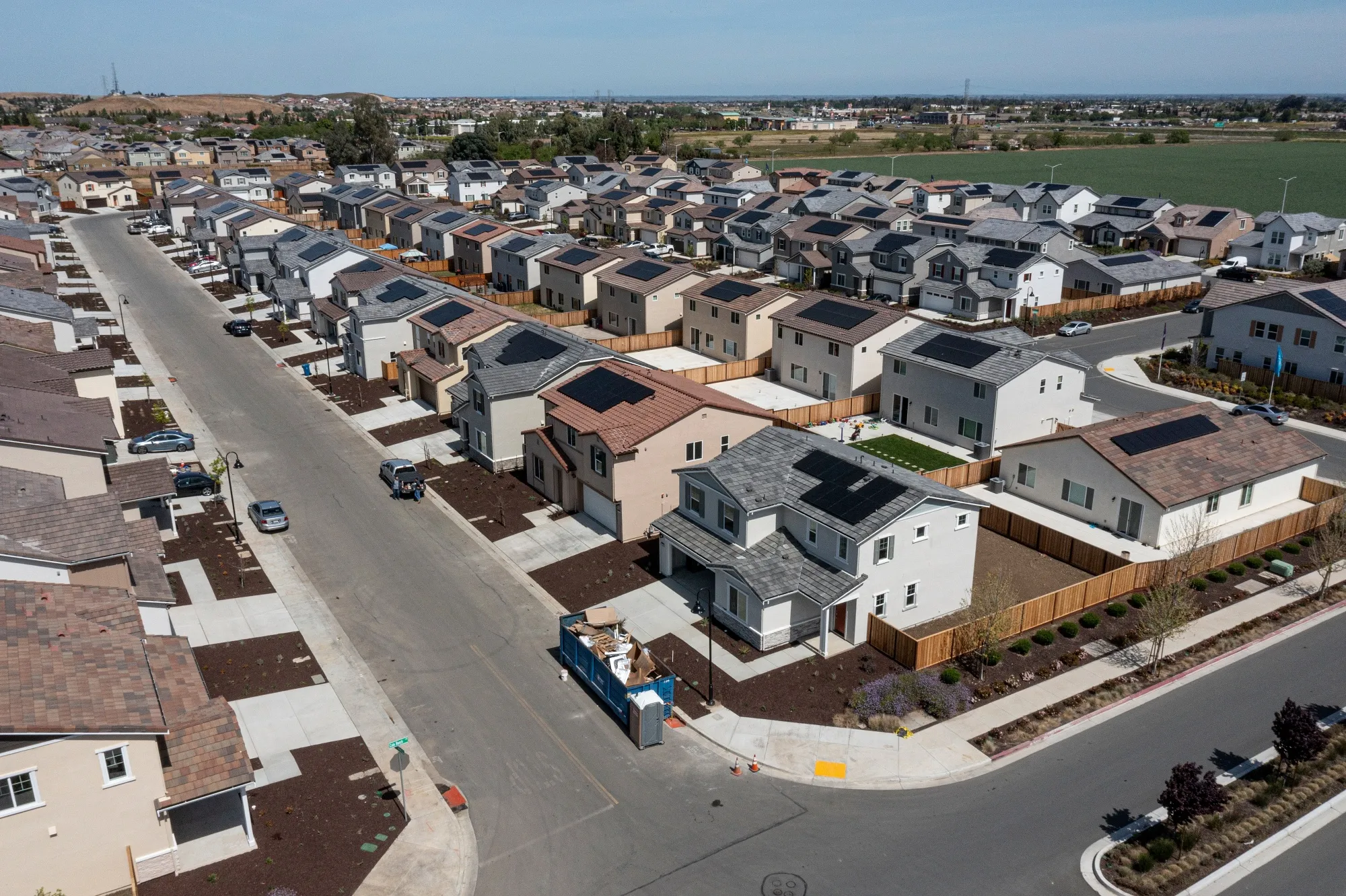
But beyond moments of protest, city planning shapes quotidian choreographies of daily life in ways that impact the quality of life and fundamental human rights. Jane Jacobs advocated for “eyes on the street”: the idea that densely populated, mixed-use neighborhoods nurture safety, community, and vitality. Jacobs supported walkable cities that allow spontaneity, mobility, and funding equity; in doing so, she disclosed means by which architecture can ensure or deny the acting out of daily rights.
Meanwhile, sprawling suburbs, typical of large parts of the United States, among other places, have been blamed for alienating its residents, making them car-dependent, and generally weakening public life. In creating a structuring element in cities with zoning laws, these areas restrict mobility and access to a common space, furthering the economic and social divides.
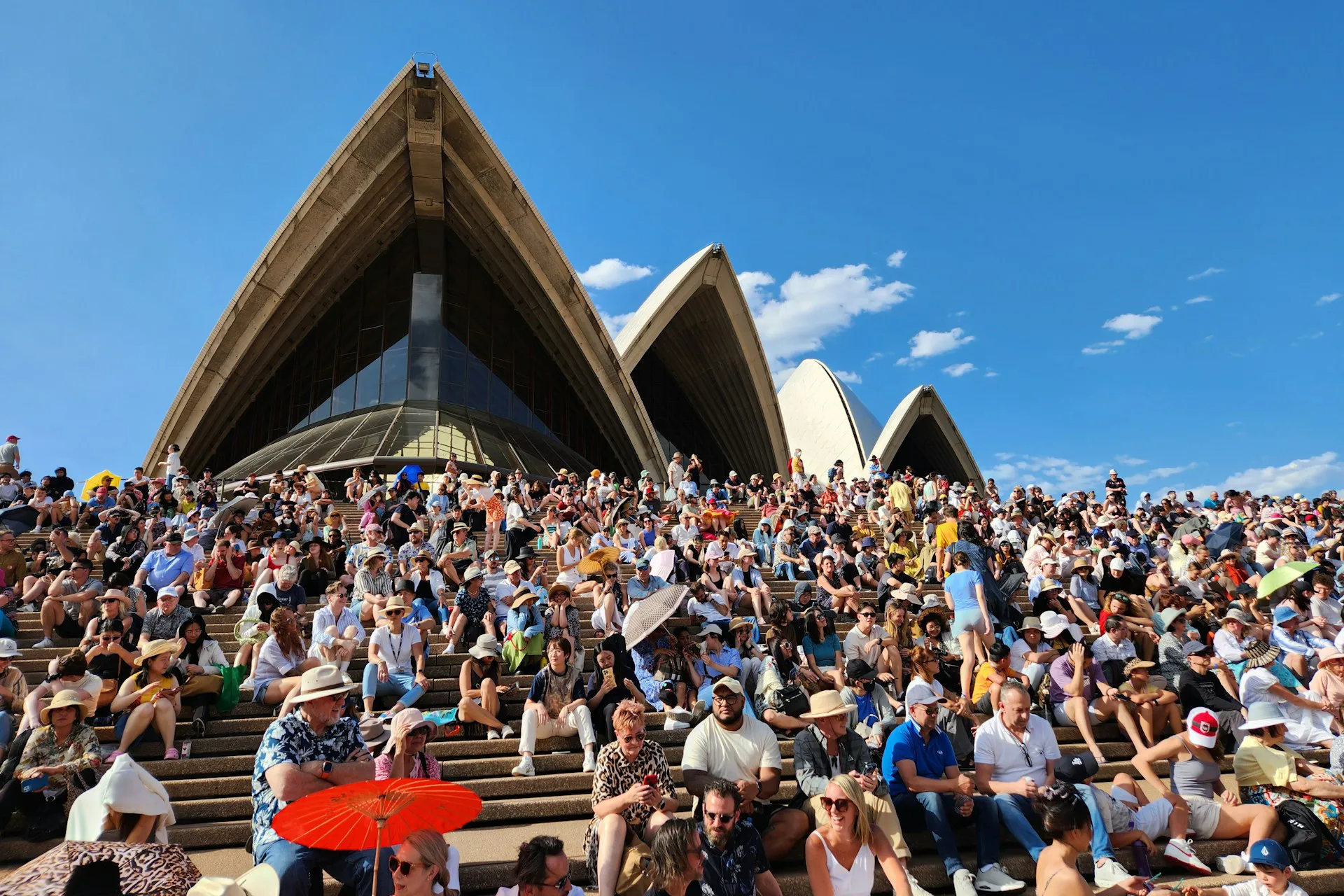
Architecture can either solidify inequality or actively promote the realization of human rights. A well-designed city pursues inclusion and access, favoring citizens in free mobility who can fully engage in public life. Where urban planning explicitly gives priority to special groups, it marginalizes others through the constriction of their basic liberties to easily house themselves in safety, free from persecution within public spaces and building infrastructure.
The flagrant contrast in Brazil, for example, between upper-class neighborhoods and favelas-or, in other words, informal settlements-indicates how architecture could be used as an instrument of exclusion, while the rich areas enjoy truly sophisticated urban planning, poor communities suffer from insufficient housing and scarce opportunities. This is evidence of how urban design could further social and economic disparities, thus denying rights to underprivileged citizens.
Public Spaces, Borders & Political Power of Cities
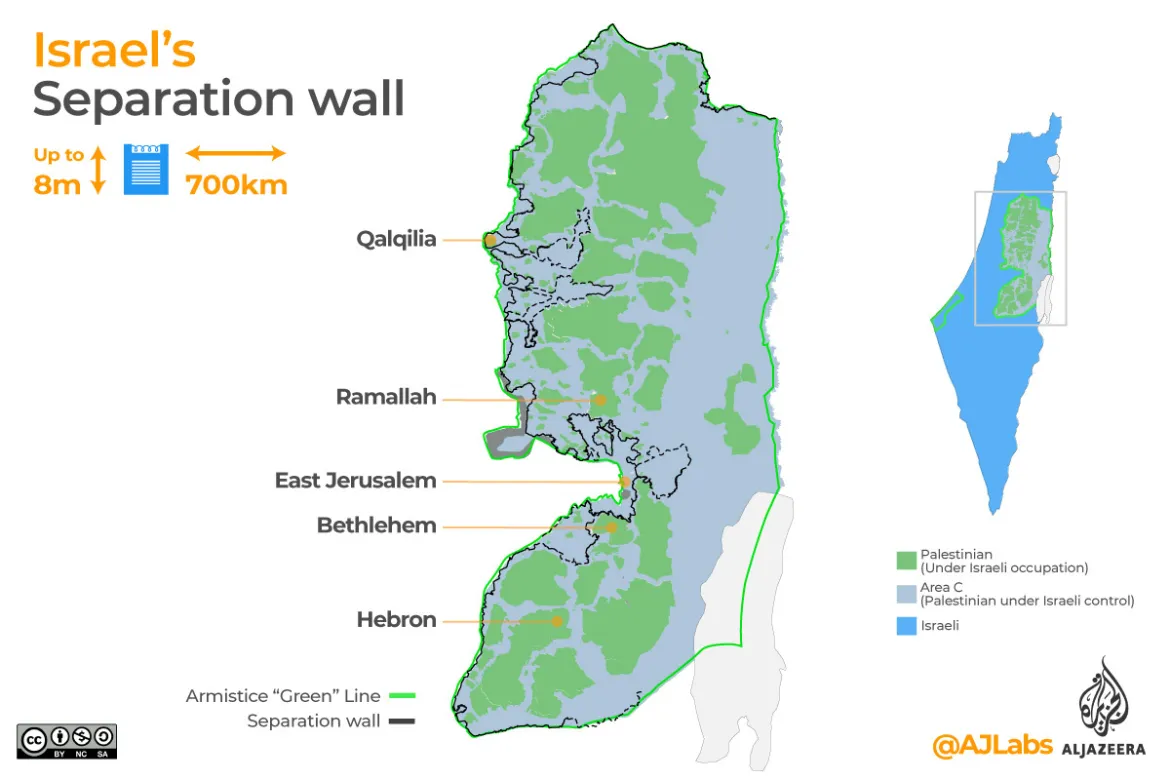
Architecture can even be a political act in the form of physical barriers, continuously used as an instrument of exclusion or control. Visible is the case of the Israeli West Bank barrier that heavily changed the ordinary life of Palestinians by limiting free movement, access to resources, and economic opportunities.
This is not just a neutrally standing wall; it heavily interacts in shaping political and social realities of those living around it. It segregates the population, builds tension, and violates basic human rights to free travel.
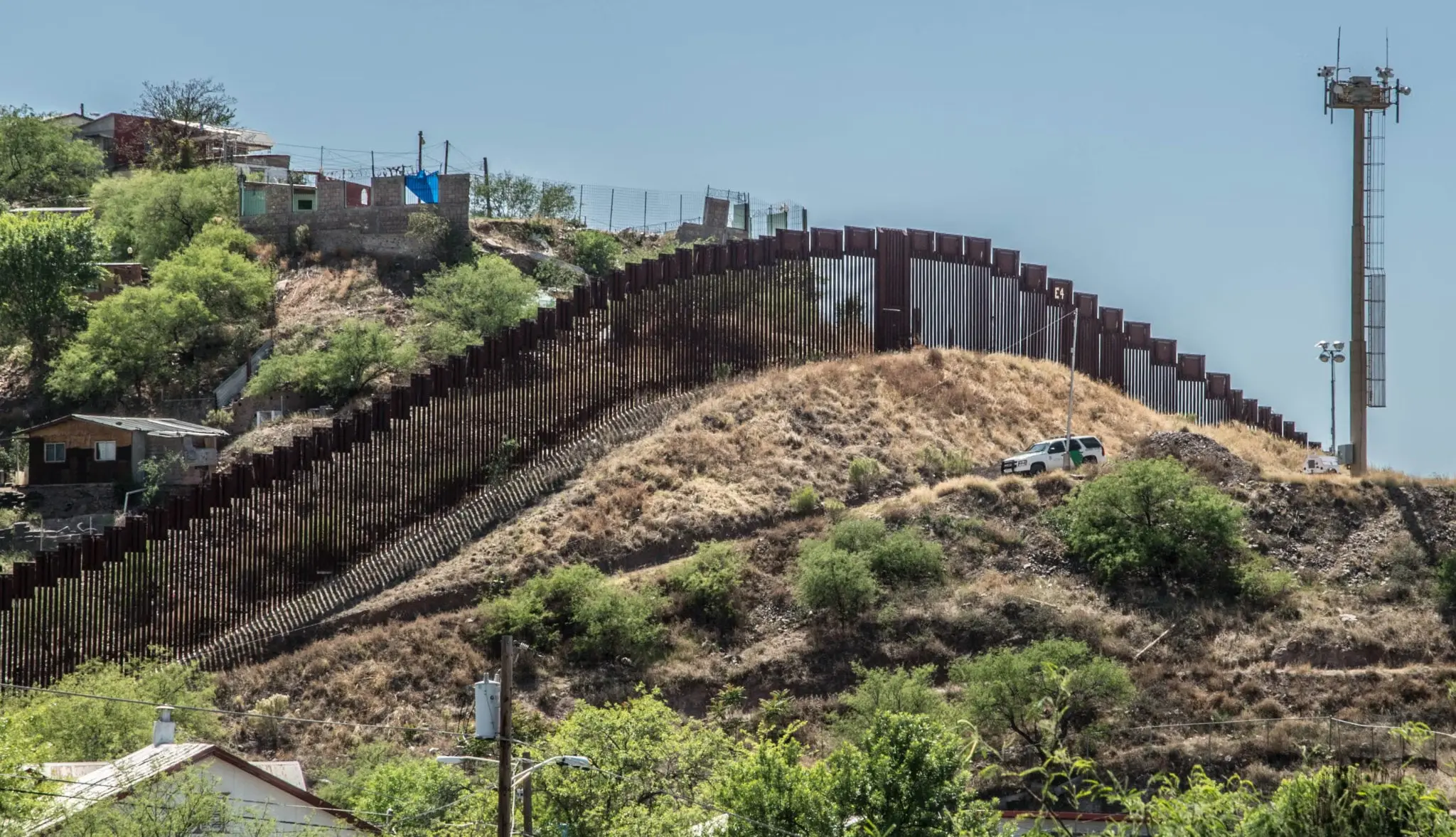
Notably, one can refer to the U.S.-Mexico border wall in the United States, which is representative of such architectures that, by becoming devices for immigration policy implementation, serve to heighten political tensions and entrench deeper socio-economic divides. These are not just structures of separation from place to place but division agents, enacting in themselves the very notion of “us” versus “them,” showing how built and constructed environments may nurture inequality and oppression.
According to BBC, “Since January 2021, when Joe Biden came to office, there have been more than 10 million encounters – about 8 million came over the southwest land border with Mexico.”
While barriers isolate the marginalized, on the other hand, gated communities are quite a contrastive architecture of privilege. Intended for building security and exclusiveness, this space serves rich inhabitants and shields them from the perceived dangers outside the gates.
The segregation of the rich from the rest of the world results in physical and psychological divisions that extend to foster social hierarchies. In countries like South Africa, where the disparities in wealth are more extreme, many gated communities are located next to informal settlements so that the rich/poor contrast is highly visible. It is a division through walls, gates, and security serving to reinforce the ways in which architecture perpetuates inequality in affecting a low-income group’s equal ability to enjoy the same public amenity.
It can also, however, be a site of resistance, offering the possibility of a place for communities to resist authority and claim their rights. Examples include the Gezi Park protests in Istanbul, which started in 2013 in response to plans to destroy the park and build commercial development in its place. Gezi Park was a small green space located in a highly urbanized area and thus became the symbol to match the government’s overreach with mass protests across Turkiye.

Also, another example I came across in Venezuela’s capital, Caracas, lies the “Torre David”, which is an iconic example of how architecture can be reclaimed by the marginally disenfranchised. It was an original skyscraper meant for finances, but the building remained unfinished after the 1990s banking crisis. Finally, it houses thousands of settlers living in this vertical slum. Torre David’s residents exercised a fundamental right to housing by repurposing this abandoned structure into an autonomous community that sharply challenged traditional notions of ownership and use of urban space.
We can add many more examples; looking ahead, the role of architecture in promoting or violating human rights will only grow more critical as cities face increasing pressure from climate change, migration, and economic inequality. Architects and urban planners must recognize their responsibility in shaping environments that promote social justice, inclusivity, and the protection of fundamental rights. In this sense, the design of cities should aim to dismantle physical and socio-economic barriers and create spaces where all citizens can thrive.
