


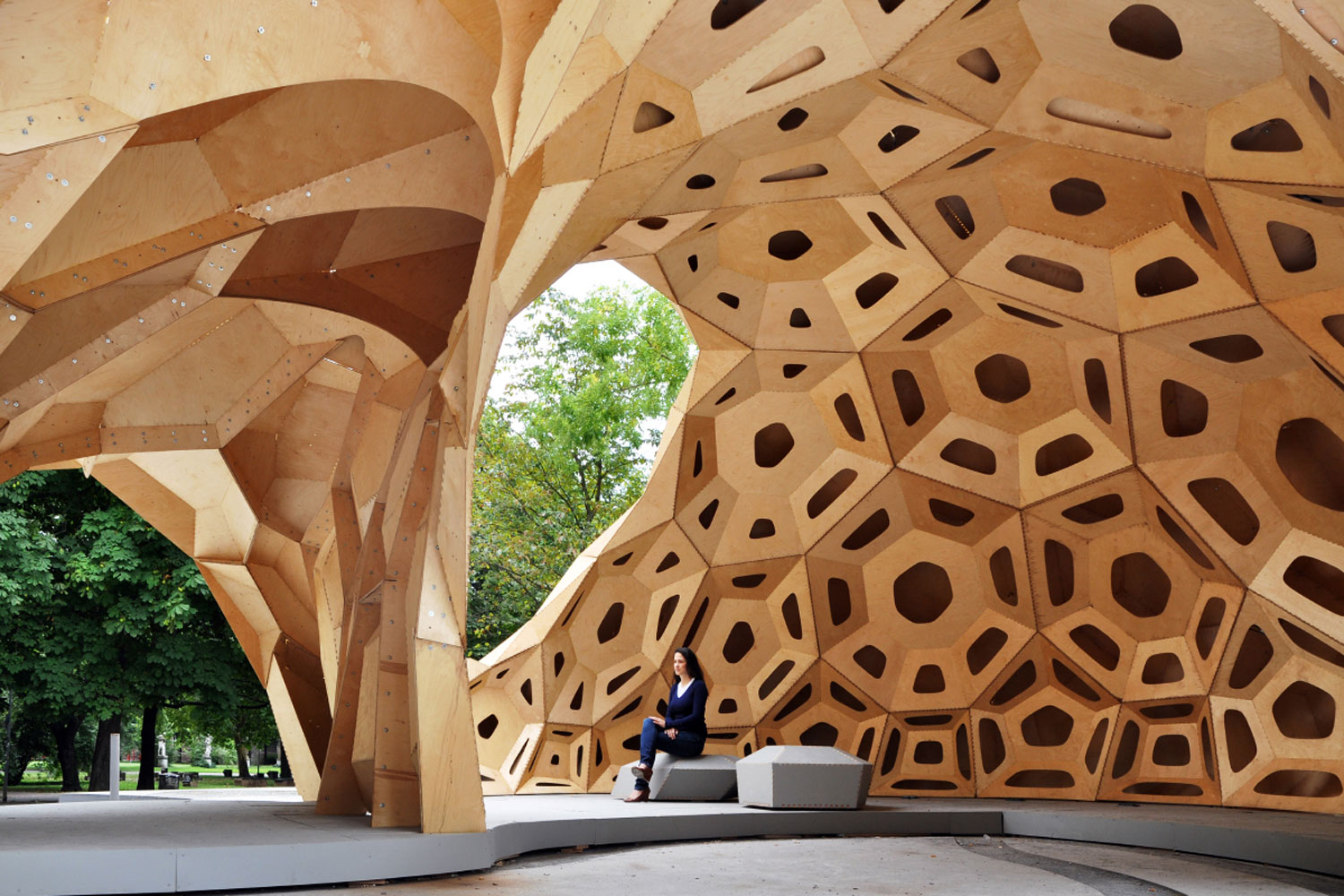
Architects are like drivers who sometimes let Google Maps or Waze lead the way so they can focus on driving. They work with computer-generative design tools to navigate and perfect the details of any project by allowing themselves, along with contractors and engineers, to center their attention on the bigger picture and the overall success of buildings. When people hear the word “script,” the first thing that comes to mind is scripts for movies, videos, and plays. However, in the computer science language, scripting is a way of providing instructions to a computer to achieve a task. Ever since the 1960s, architects have been exploring the concept of scripting to create timeless designs, using methods such as parametric design, evolutionary algorithms, cellular automata, fractals, and L-systems. These methods made architects realize that smart technology liberated them from the constraints of the “right angle” and allowed them to explore new shapes and curves and actually have them built. Generative architecture became sought-after in recent years after advancements in technology and artificial intelligence.
What is Generative Architecture?
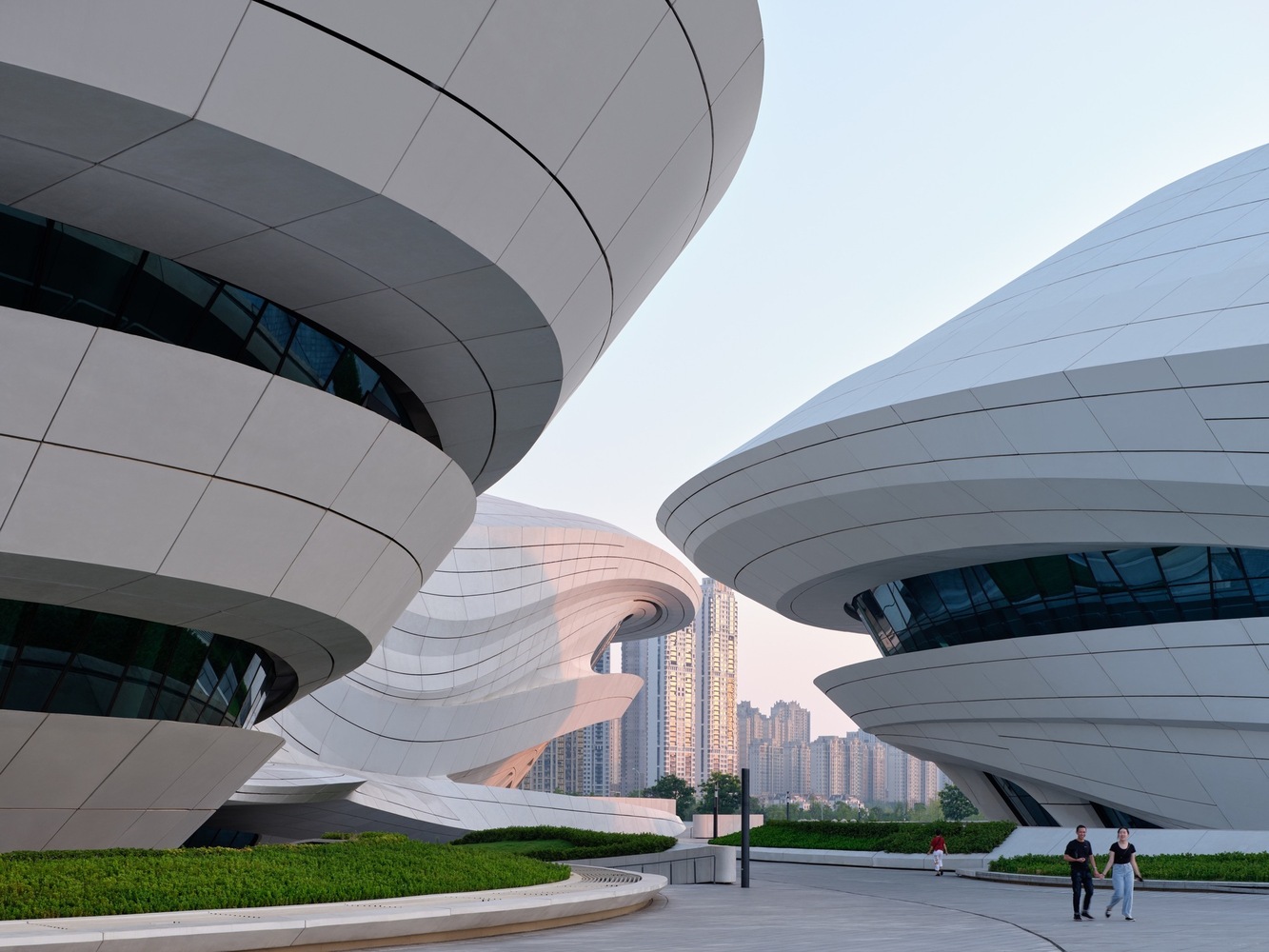
Mathematician-Architect Christopher Alexander explains that all architectural forms are “interacting patterns” formed by “generative rules,” creating a “pattern language” that can generate forms for a specific building and its context. In simple terms, generative architecture is the use of artificial intelligence to make the process of designing buildings easy and convenient by achieving multiple design options from the same given input.
As simple as it sounds, the process requires one to be intricate and well aware-of the requirements needed for any project. It is not just about inputting data and achieving great results. Higher-level parameters, such as metaheuristic algorithms, are used to achieve optimality in any architectural design. Such algorithms are advanced procedures used to find, generate, and select a heuristic solution to a design in perfect line with the environmental context and client needs of the selected project. In all professional generative designs, the results must be of great quality and high performance. To achieve such results, a certain framework is used that contains three core components: a generative geometry model, a number of metrics, and advanced search algorithms.

The two main steps of generative architecture are the pre- and post-generative designs. The pre-generative design phase is the first step when attempting to start any project, involving collecting important data such as the area code, lighting, plot size, corridor size, cost constraints, materials, and any extra information that can be gathered from a client along with the laws of the area in that specific region. This phase allows architects and construction engineers to evaluate the best possible option for the design using real-world data. What makes projects succeed is always the harmonious balance between creating something unique yet matching the needed requirements.
The second phase of generative design is the post-generative phase, where collaborative human efforts play a pivotal role. It is composed of two key steps: selection and refinement. The selection process is when the architectural designer chooses from the options achieved from the artificial intelligence design tool, based on how much the result matches the design needs. After selecting an option, one must adjust and fine-tune any mistakes found. For instance, specific dimensions might not match the requirements, prompting the designer to change the parameters in the input to achieve accurate outputs.
Purpose of Generative Architecture
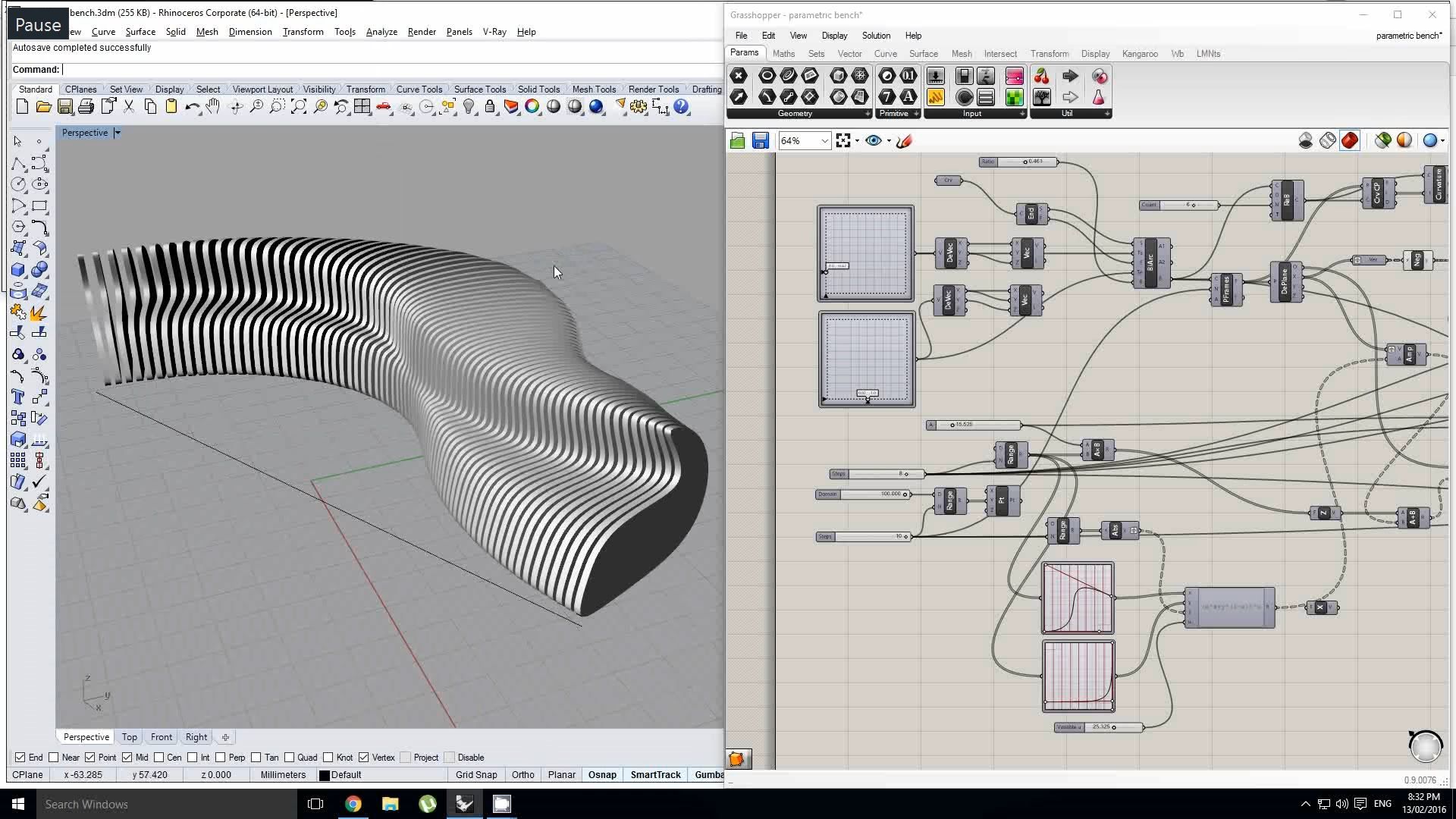
Architect and former dean of Princeton University School of Architecture, Stan Allen, contrasted the difference between the digital and computational by stating that, “The digital is a state of being. It’s a condition. When you talk about computation, you’re talking about active processes.” The digital refers to architects achieving their designs using traditional tools such as AutoCAD and Rhino, whereas computational is when architects use the concept of scripting and generating algorithms that fit their needs to achieve what they want and beyond. It is a way of using data instead of simply making it; use computers to improve and manipulate outcomes.
Generative architecture allows architects to think outside the box and come up with many solutions to obstacles that occur during the design process. Architects can also input a script with exact measurements into the generative design tool, easing the construction process and lowering the possibility of mistakes during construction. Such benefits allow both the architect and engineer to think clearly and take their time in perfecting each project without worrying about meeting deadlines as they are assured that deadlines will be met and projects will be complete. It is a directly proportionate process where architects work with no rush, and clients are extremely satisfied, and no building laws are violated. Not only do generative design tools help in creating unique designs that are impossible to build traditionally, but they also help achieve a perfect structure suitable for the specific design requirements using computer-controlled accuracy.
Examples of Generative Designs in Architecture
Heydar Aliyev Center
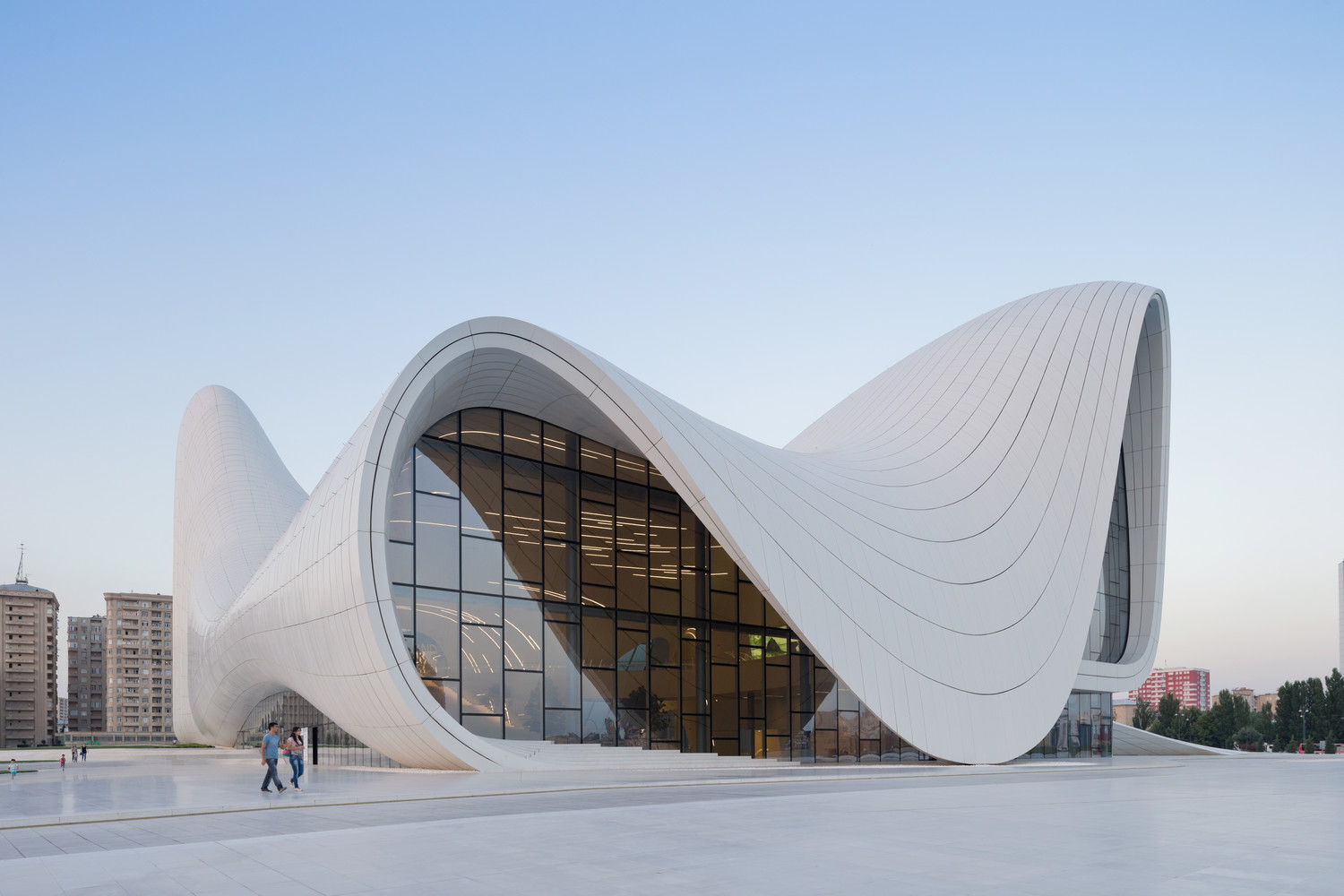
Location: Baku, Azerbaijan
Architects: Zaha Hadid Architects
The complex structure of Zaha Hadid’s Heydar Aliyev Center was achieved using early scripting and generative design. The space frame structure and the fluidity of the building, which was very unusual yet eye-catching at the time, were able to be achieved using contemporary methods. The late Zaha Hadid was and still is known for her fluid structures and bizarre yet beautiful way of making the impossible possible. She managed to create algorithms following specific parameters and achieve great results, such as the structure of the Baku landmark, Heydar Aliyev Center.
Voxman Music Building
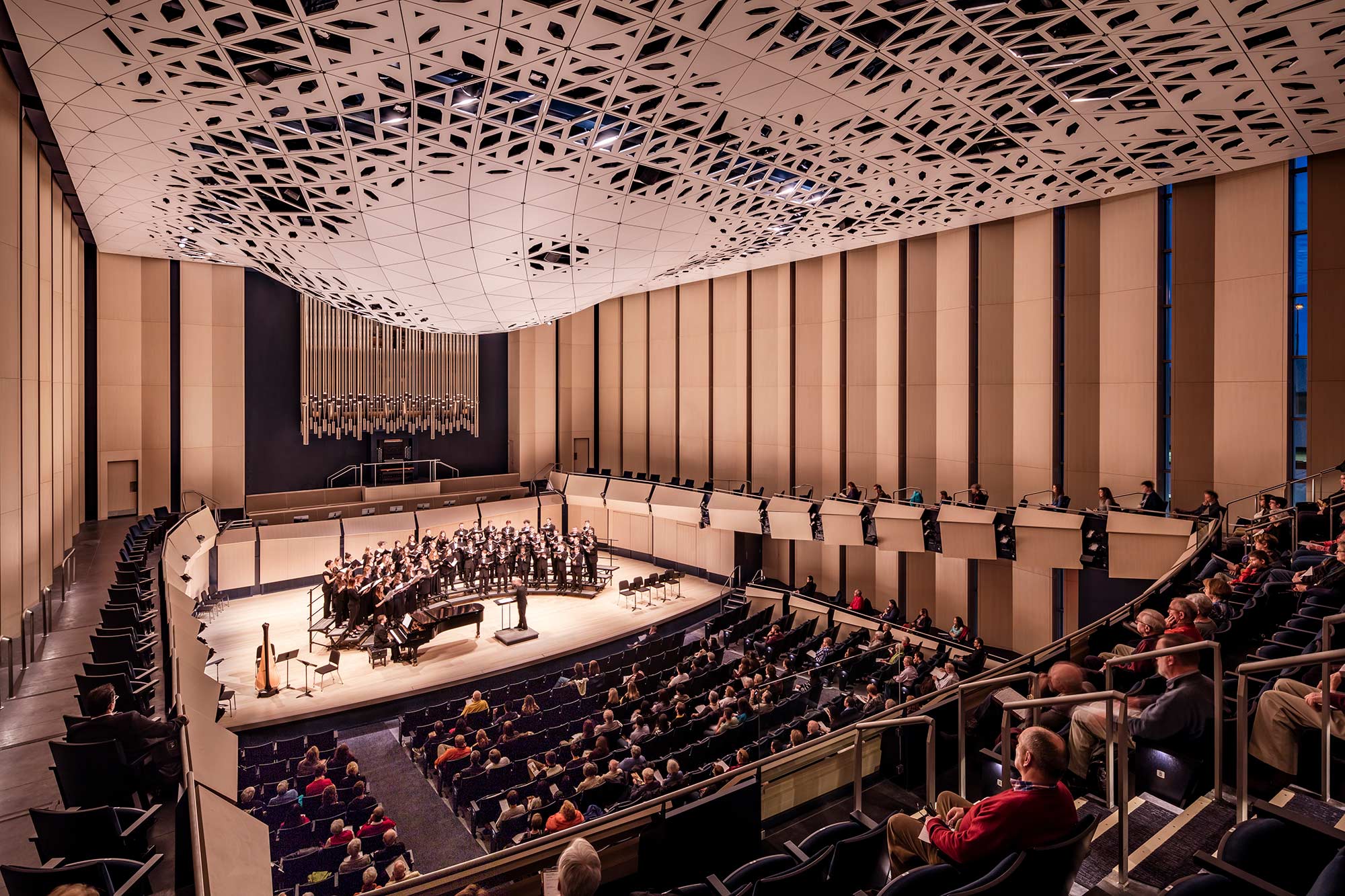
Location: University of Iowa, Iowa, United States
Architects: LMN Architects
After experiencing damage due to a natural disaster that took place in Iowa in 2008, the University of Iowa needed to rebuild the music building. LMN Architects took the lead and created a unique architectural element in the building’s concert hall using scripting; they generated prototypes and created an algorithm to form a geometrical sequence that matches the needs of the ceiling design. The concert hall functions as a “theatroacoustic” system resulting in a multi-functional expression in design. The construction process was seamless due to the accuracy of the computer-generated design, and studies explained that the ceiling could have never been possible using traditional methods.
Museum of the Future
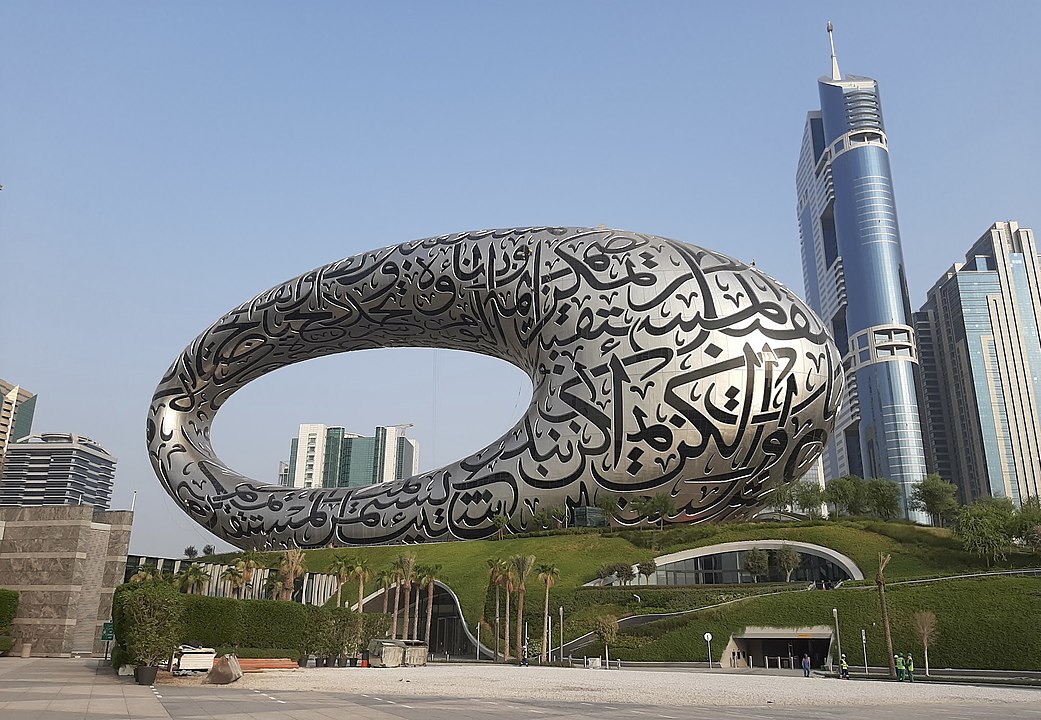
Location: Dubai, United Arab Emirates
Architects: Killa Architects
The complexity of the Museum of the Future was brought to life using intelligent 3D modeling software, BIM (Building Information Modeling). BIM allows architects, engineers, and construction teams to easily collaborate with each other across a shared cloud where they all access and track the process of planning, designing, building, and operating. This program reduces errors and rework, improves timelines and cost savings, and betters the outcome of the project. BIM is a huge part of the Museum’s success and one of the reasons for winning the Autodesk AEC Excellence Award in 2017.
In conclusion, the concept of generative architecture is not new; it is an ongoing study that architects started exploring decades ago, but thanks to the continuous advancement in technology during recent years, generative designs have become a huge part of the success of complex structures seen today all around the world. Architects now have a myriad of possibilities to design with no roadblocks and restrictions from right angles and traditional methods.
