


Scientists at Nanyang Technological University, Singapore (NTU Singapore) have developed a 3D concrete printing method that captures carbon, demonstrating a new pathway to reduce the environmental impact of the construction industry.
The innovative method, detailed in the scientific journal Carbon Capture Science & Technology, aims to significantly reduce the carbon footprint of cement – a material responsible for 1.6 billion metric tonnes of carbon dioxide (CO2) or about eight percent of global CO2 emissions1 – through lower material usage, reduced construction time, and labor requirements.
The newly developed 3D concrete printing process involves injecting steam and CO2, captured as the by-products of industrial processes, into the mixing concrete, which then directly incorporates and stores the CO2 in the concrete structure. Results have shown that the CO2 and steam injection method improved the
mechanical properties of the concrete, offering increased strength compared to conventional 3D-printed concrete.
Principal investigator of the study, Professor Tan Ming Jen from NTU School of Mechanical and Aerospace Engineering (MAE), and NTU’s Singapore Centre for 3D Printing (SC3DP), said, “The building and construction sector causes a significant portion of global greenhouse gas emissions. Our newly developed 3D concrete printing system offers a carbon-reducing alternative by not only improving the mechanical properties of concrete but also contributing to reducing the sector’s environmental impact. It demonstrates the possibility of using CO2 produced by power plants or other industries for 3D concrete printing. Since traditional cement emits a lot of carbon, our method offers a way to plough back CO2 through 3D concrete printing.”
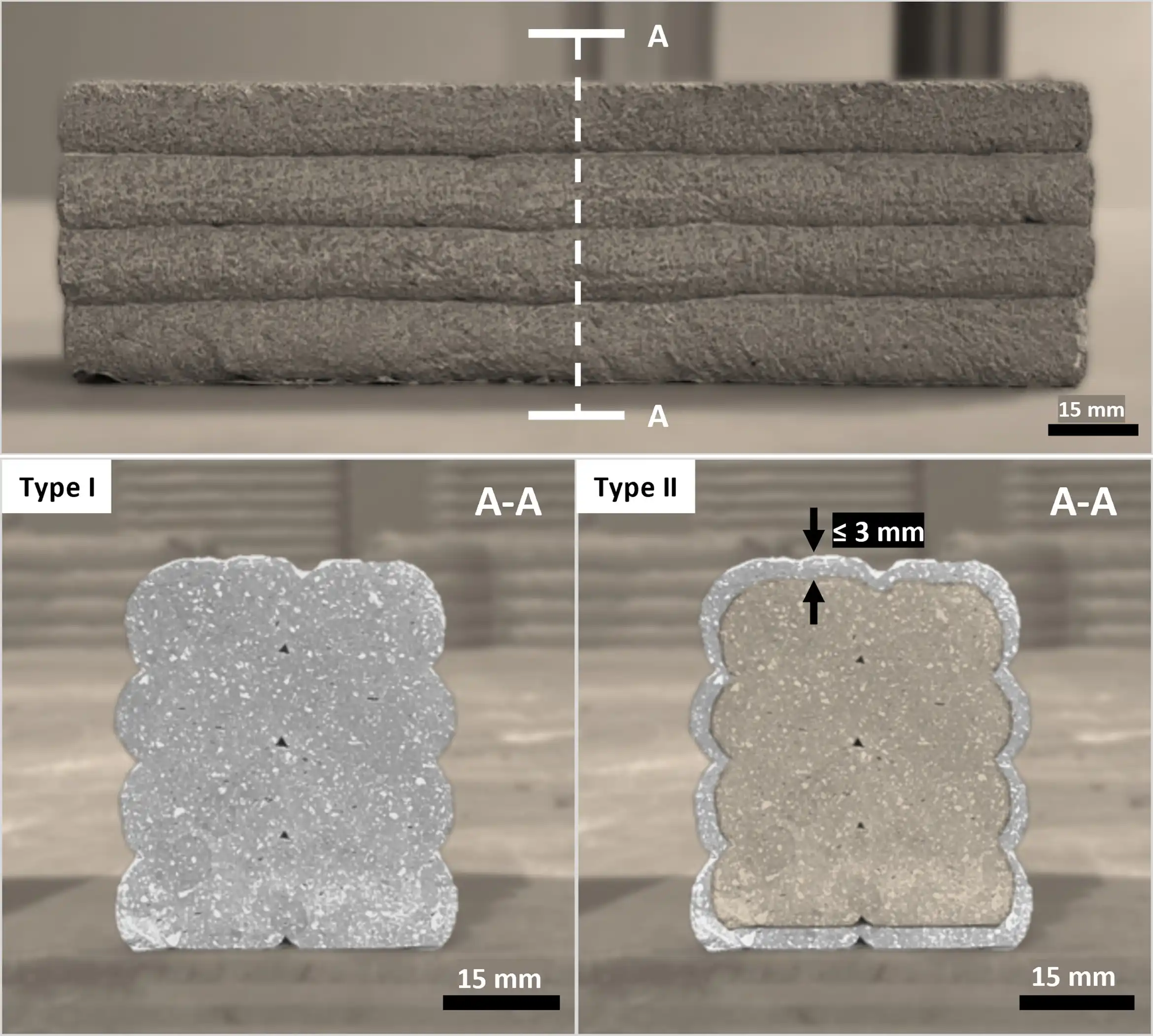
The research team believes their innovation represents a promising contribution towards achieving global sustainable development goals and reducing the industry’s reliance on conventional energy-intensive processes like reinforced concrete construction.
The new development builds on previous 3D printing for construction research by Prof Tan and his team at NTU’s SC3DP, as well as international collaborators.
If you’re curious about 3D-printing concrete, our workshops at PAACADEMY might be perfect for you! Advanced 3D Printing Bundle provides a deep dive into advanced 3D printing techniques. With five immersive workshops, you’ll explore everything from 3D-printed construction to innovative ceramic designs, unlocking new possibilities using methods like FDM (Fused Deposition Modeling) and coded clay patterns.
Improved printability, increased strength, and more carbon captured in 3D concrete printing
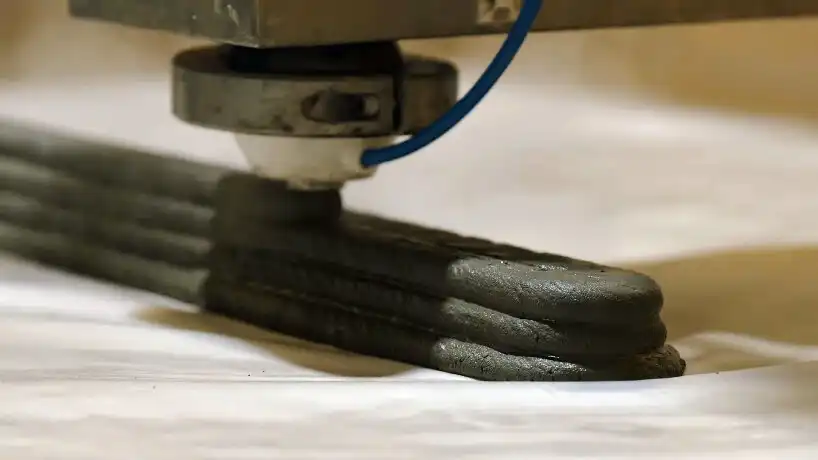
To develop their 3D concrete printing system, the research team connected the 3D printer to CO2 pumps and a jet that sprays steam. When activated, the system pumps CO2 and steam into the concrete mix as the structure is printed.
CO2 reacts with the components in the concrete, turning into a solid form that stays locked inside the material (sequestered and stored). At the same time, steam improves the absorption of CO2 into the 3D-printed structure, enhancing its properties. In lab tests, researchers found the printed concrete structure showed a 50% improvement in printability – meaning it can be shaped and printed more efficiently.
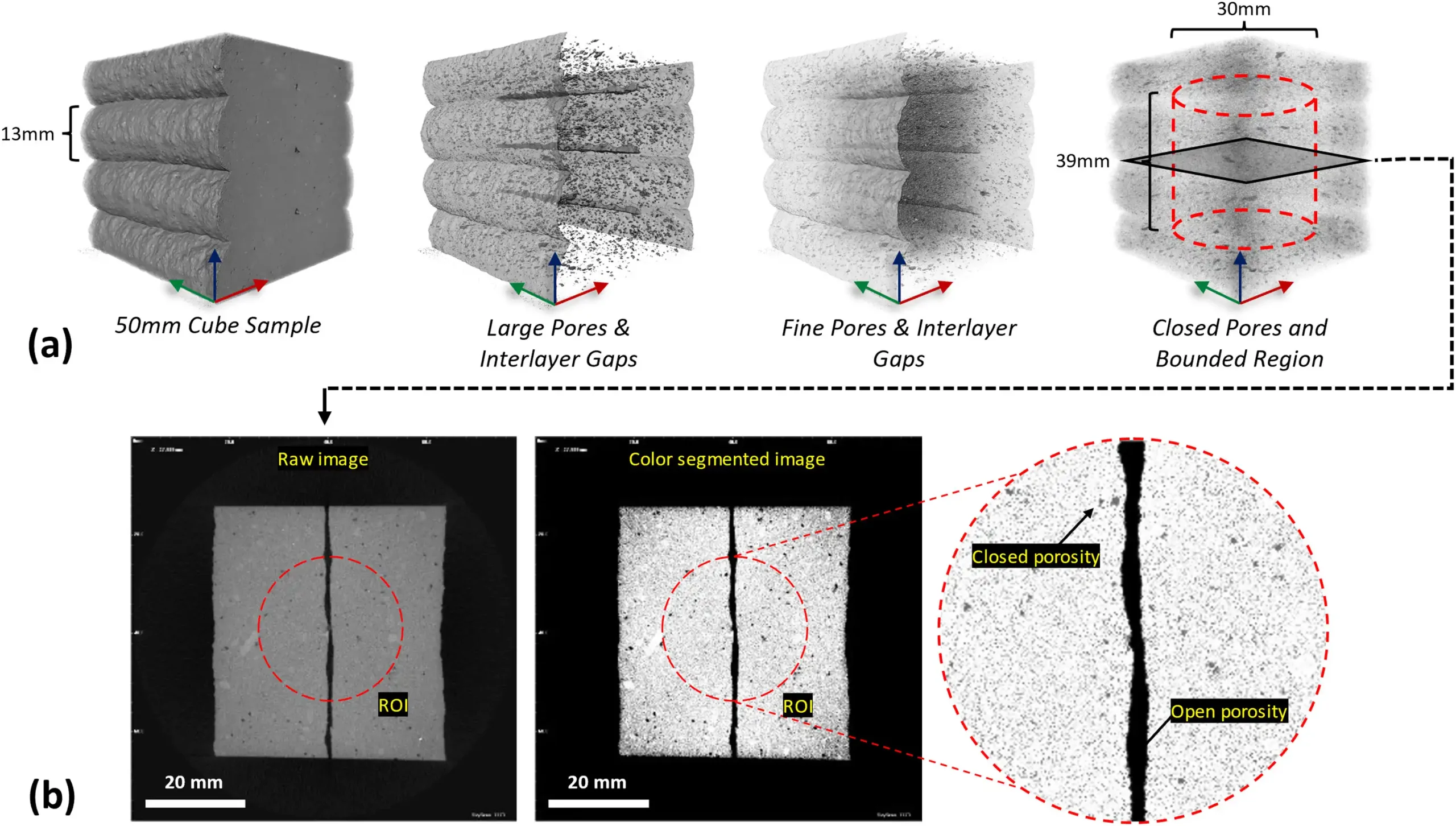
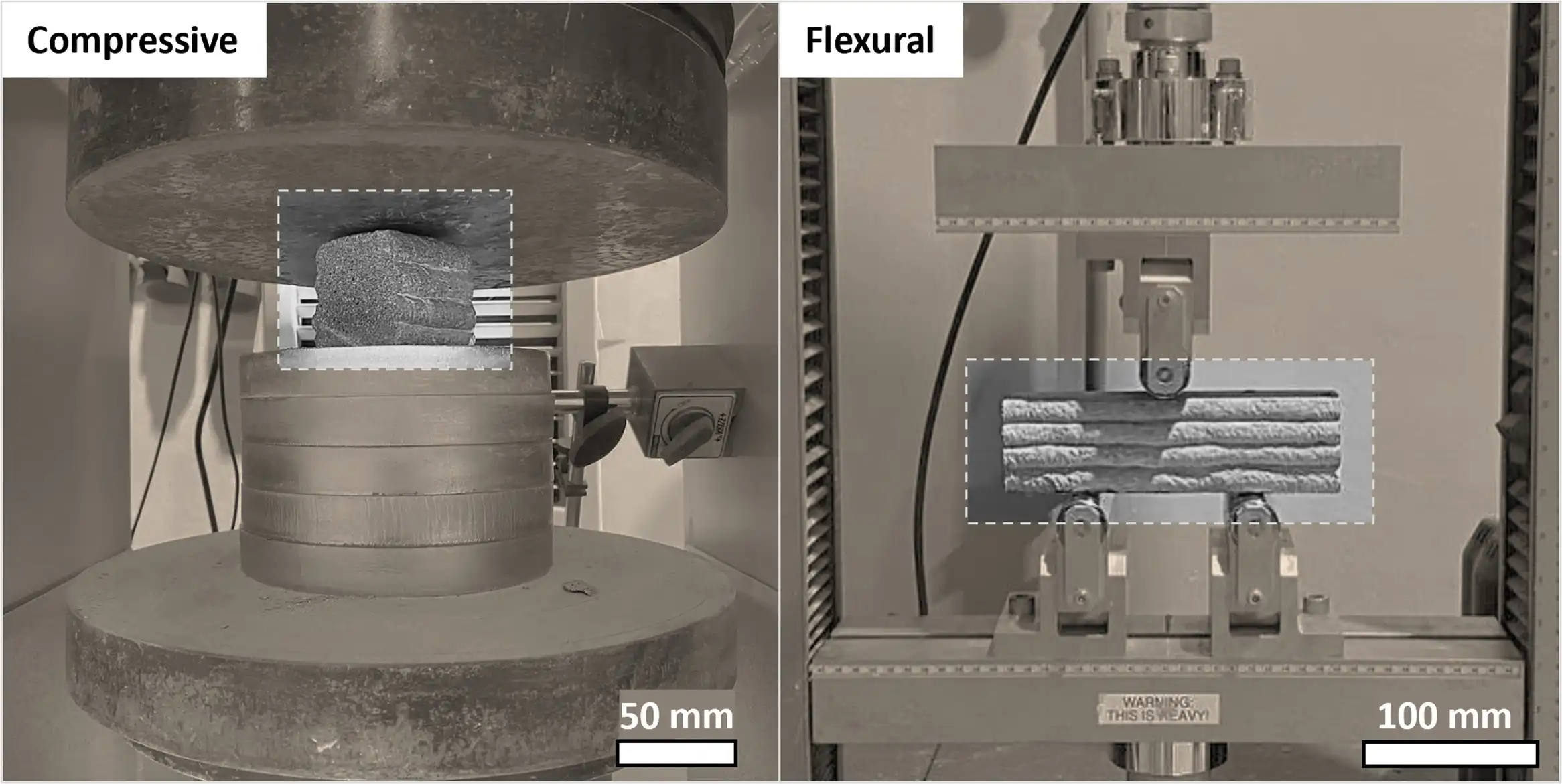
The structure also displayed better strength and durability. The printed concrete was up to 36.8% stronger in compression (how much weight it can bear) and up to 45.3% stronger in bending (how much it can flex before breaking) compared to regular 3D-printed concrete. Notably, the method is also greener, absorbing and trapping 38% more carbon dioxide compared to traditional 3D printing methods.
First author Lim Sean Gip, PhD candidate from NTU School of MAE, said, “We are at a critical time where the world is accelerating efforts to meet climate change targets. We believe our technology could contribute to making the construction industry more sustainable.”
Co-author Dr Daniel Tay, Research Fellow from NTU School of MAE, said, “Our proposed system shows how capturing carbon dioxide and using it in 3D concrete printing could lead to stronger, more eco-friendly buildings, advancing construction technology.”
A US patent application for the innovation has been filed jointly by NTU and collaborators. In future research, the researchers plan to optimize the 3D printing process to make it even more efficient and potentially use waste gases instead of pure carbon dioxide.
Paper titled “Carbon capture and sequestration with in-situ CO2 and steam integrated 3D concrete printing” published online in Carbon Capture Science & Technology, 26 September 2024
