


London’s long-awaited new museum has officially been given an opening date. The London Museum, formerly known as the Museum of London, will open its permanent galleries on 28 November 2026 inside the restored Victorian General Market at Smithfield, marking the culmination of one of Europe’s largest cultural regeneration projects. The announcement comes after years of planning, restoration work, and public anticipation surrounding the museum’s move from its former London Wall home, which closed in 2022.
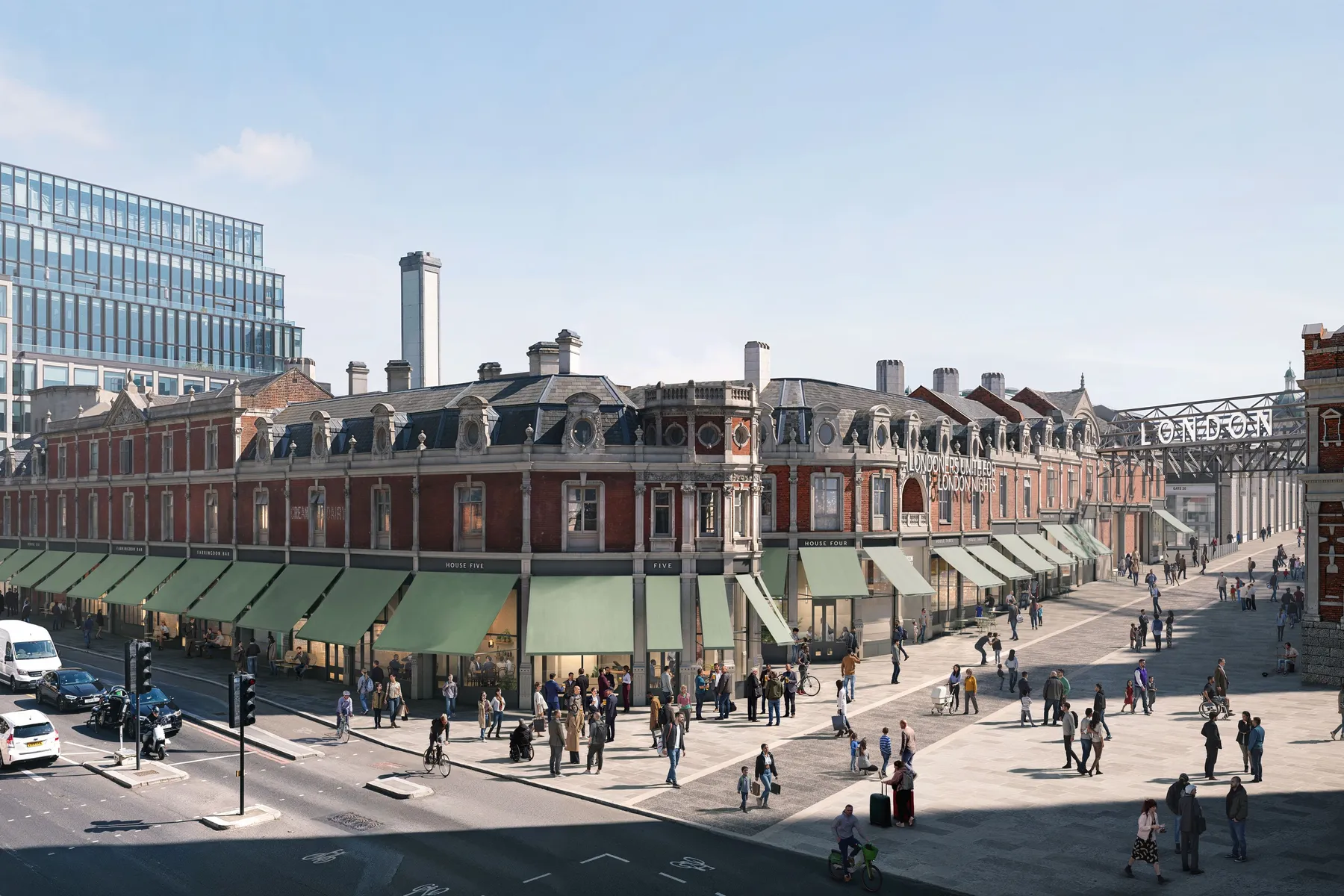
The project represents a significant rethinking of what a city museum can be. Occupying historic market buildings that once formed the heart of London’s wholesale trading district, the new institution has been conceived as an active public destination where exhibitions, events, food, learning, and everyday urban life intersect. The museum aims to become a cultural meeting ground embedded within the rhythms of the city.
The transformation has brought new life to the Victorian General Market, a landmark structure that had remained largely unused for decades. Designed by architects Stanton Williams in collaboration with Asif Khan and conservation architect Julian Harrap, the project carefully preserves the character of the historic market while introducing contemporary museum infrastructure. Extensive restoration work included cleaning thousands of square metres of brickwork, reinforcing roofs, uncovering historic vaults, and adapting vast trading halls into exhibition and public spaces.
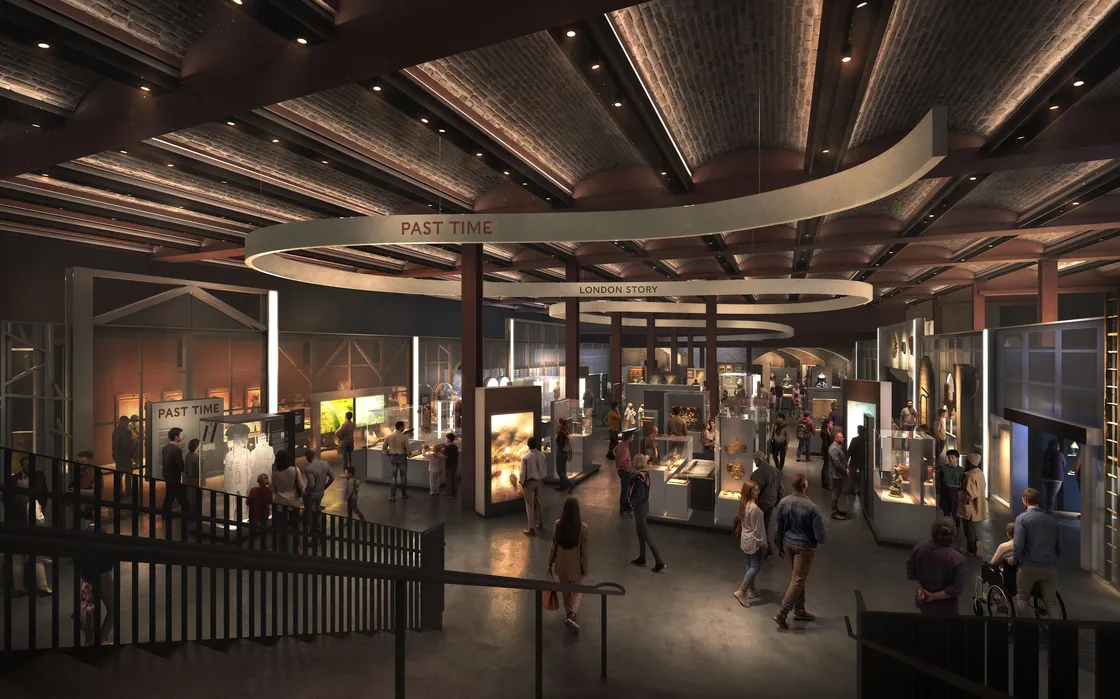
One of the most distinctive architectural moves is the conversion of the former market halls into a civic interior that functions almost like an extension of the city itself. The large-scale spaces are linked by a glazed former street, creating visual and physical connections through the building. Architects have described the museum as an arena for public life, where visitors are encouraged to gather, participate, and engage beyond conventional gallery experiences.
The museum’s setting at Smithfield adds another layer of significance. Few sites in London carry such a dense concentration of history. Over centuries, the area has served as a livestock market, a place of public gatherings, a railway goods hub, and one of the city’s most enduring commercial districts. By adapting these market buildings instead of replacing them, the project retains a tangible connection to the evolving story of London itself.
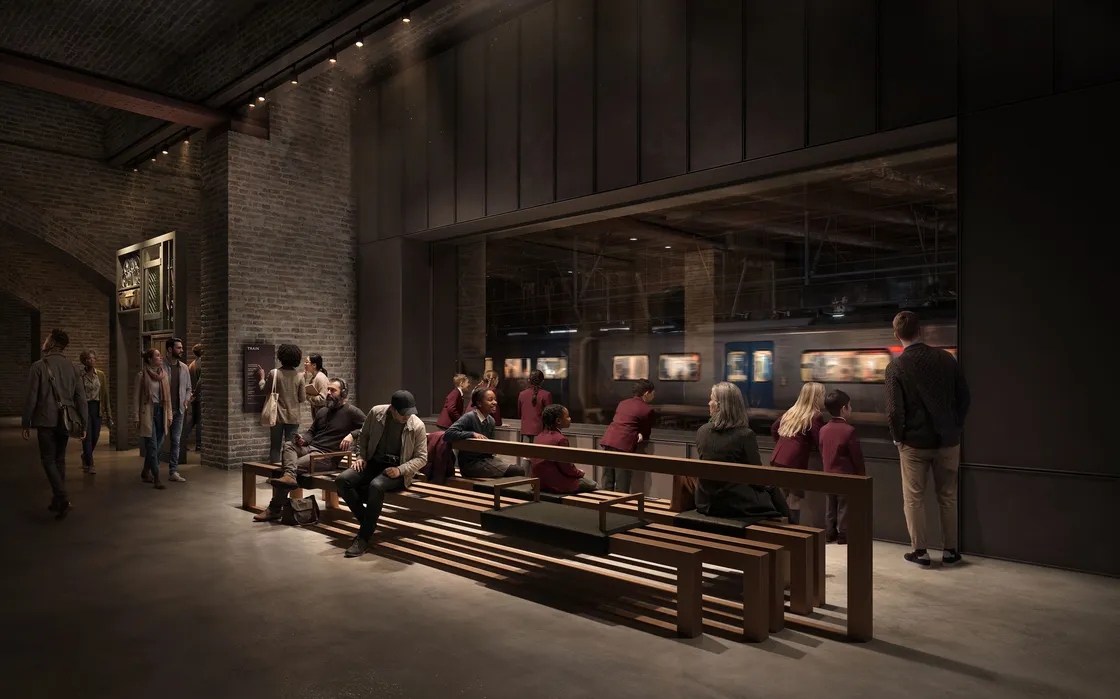
When the museum opens, visitors will encounter highlights drawn from a collection of more than seven million objects. Among them are the celebrated Cheapside Hoard, the vest worn by Charles I at his execution, contemporary cultural artefacts, and newly acquired collections that expand the narrative of the capital. Yet the institution’s ambition extends beyond displaying historic objects. A programme of events, performances, food-focused gatherings, and community activities is expected to activate the former market halls throughout the day and evening, reflecting London’s identity as a twenty-four-hour city.
The £437 million project has been delivered through a partnership between the City of London Corporation, the Mayor of London, and a network of philanthropic supporters. It is also expected to play a key role in the wider regeneration of the Smithfield area, where public realm improvements, enhanced pedestrian routes, and new cultural infrastructure are already reshaping the neighborhood.
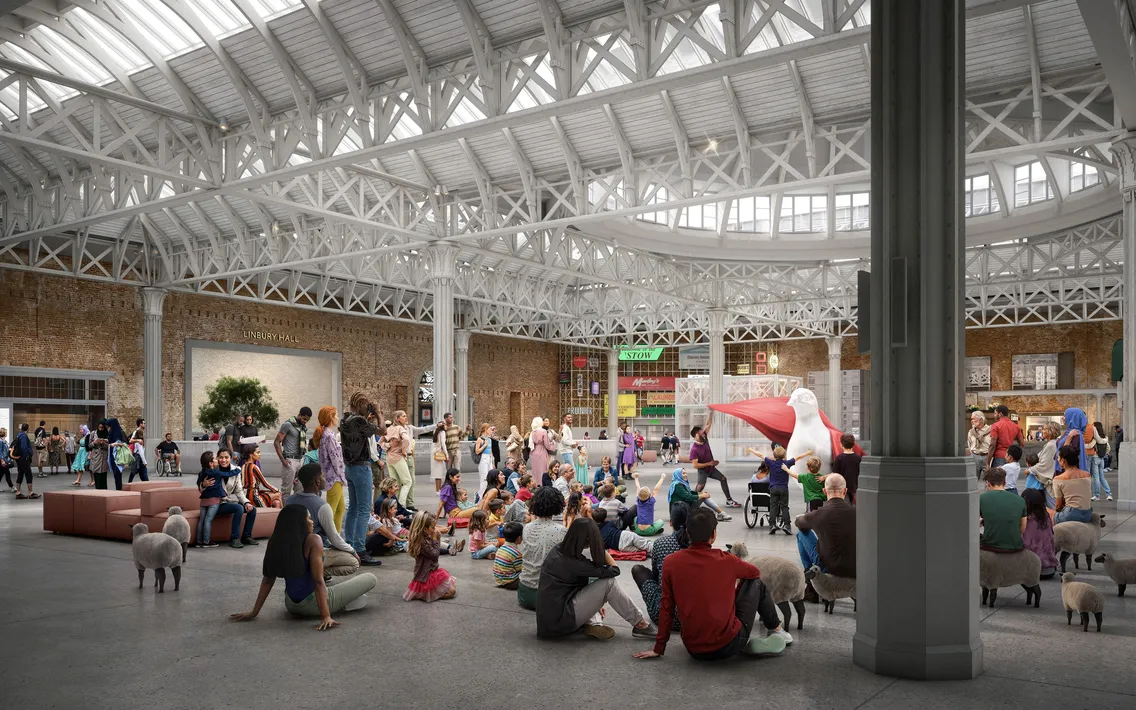
By transforming a former market into a contemporary cultural destination, the project bridges the city’s commercial past with its cultural future. As the opening date approaches, the London Museum stands poised to become one of the capital’s most significant new public spaces, one where architecture, history, and everyday urban life meet under the restored iron and brick vaults of Smithfield.
Image credit: Secchi Smith
