

October 31 marks the birthday of Zaha Hadid, the visionary architect who redefined what architecture could be. From her early rejections to becoming a global icon, Zaha Hadid’s journey is one of belief, invention, and fearless form. Her paper architectures were once deemed “impossible,” yet they became blueprints for the future.
Today, we celebrate the legacy of Dame Zaha Hadid (1950–2016), the first woman to receive the Pritzker Architecture Prize and a pioneer whose radical vision continues to shape contemporary architecture.
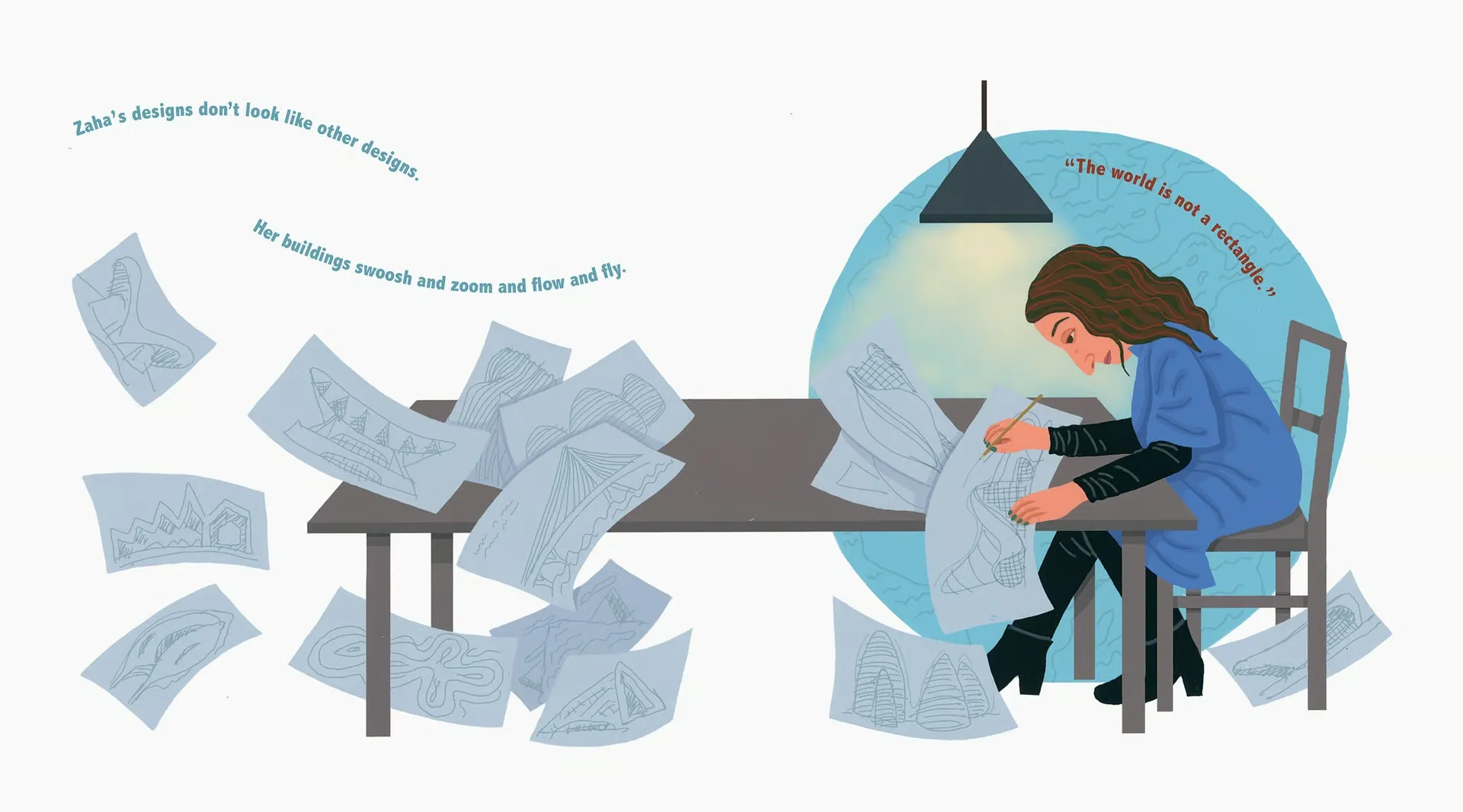
She merged art, mathematics, and motion, turning architecture into a fluid interplay of ideas and imagination. Her design philosophy supported fluidity, dynamism, and continuity. Each of her built works challenged gravity, material, and definition, earning her the distinction of being the first woman to receive the Pritzker Architecture Prize in 2004.
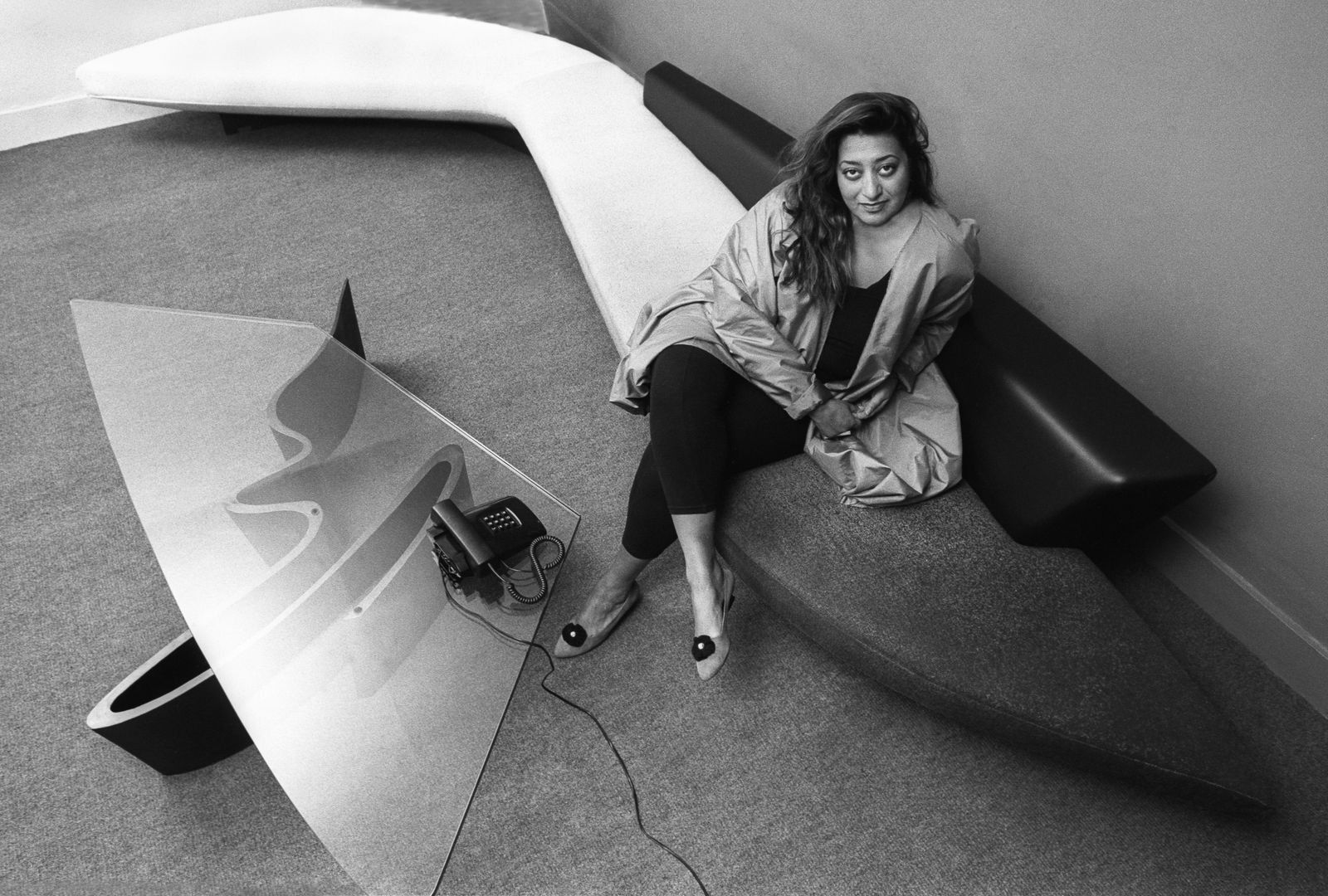
Today, her practice, Zaha Hadid Architects (ZHA), continues her spirit through parametric design, computational innovation, and sustainability.
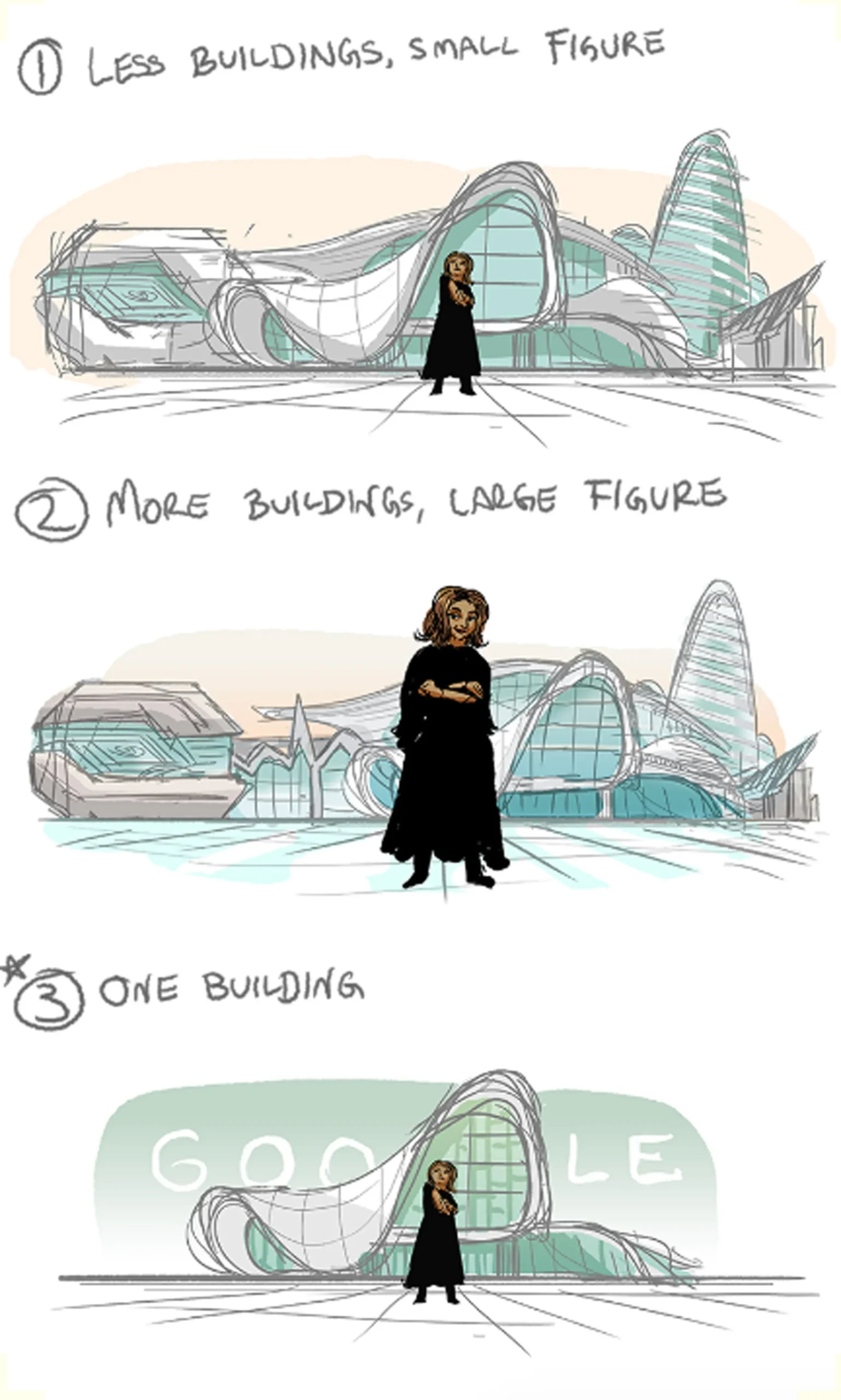
In exploring Lessons from Zaha Hadid’s Design Mind, we step beyond the curve of form to uncover the principles that defined her architectural ideas that transformed imagination into structure and continue to shape how we envision the future of design.
1. The Architecture of Imagination
Zaha treated architecture as a field of possibility, a place where form follows thought, not the other way around. She believed that design should begin in imagination, unbound by existing norms.
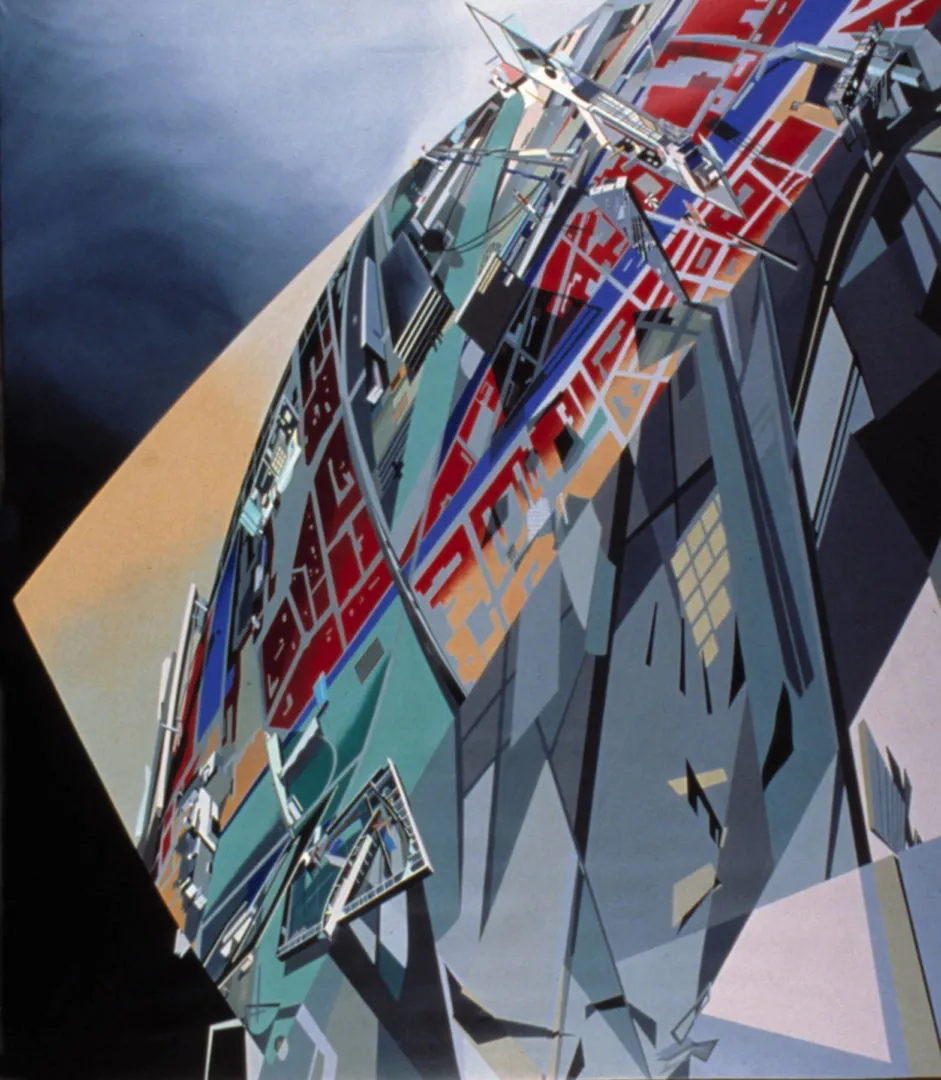
From her earliest student years, Zaha had a conviction that architecture was not just about solving immediate needs but about envisioning what could be. For example, her 1983 acrylic painting The World (89 Degrees) compresses and expands her seven-year exploration into uncharted spatial territory, demonstrating her ambition to extend architecture into new realms.
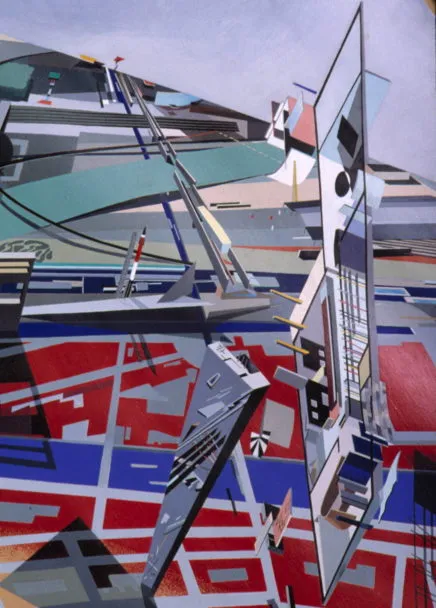
In this painting, she abandoned the right angle completely, rejecting the 90° in favor of a world that is composed of fractures, overlaps, and floating planes. The statement she made, “There are 360 degrees, so why stick to one?” speaks to this mindset.
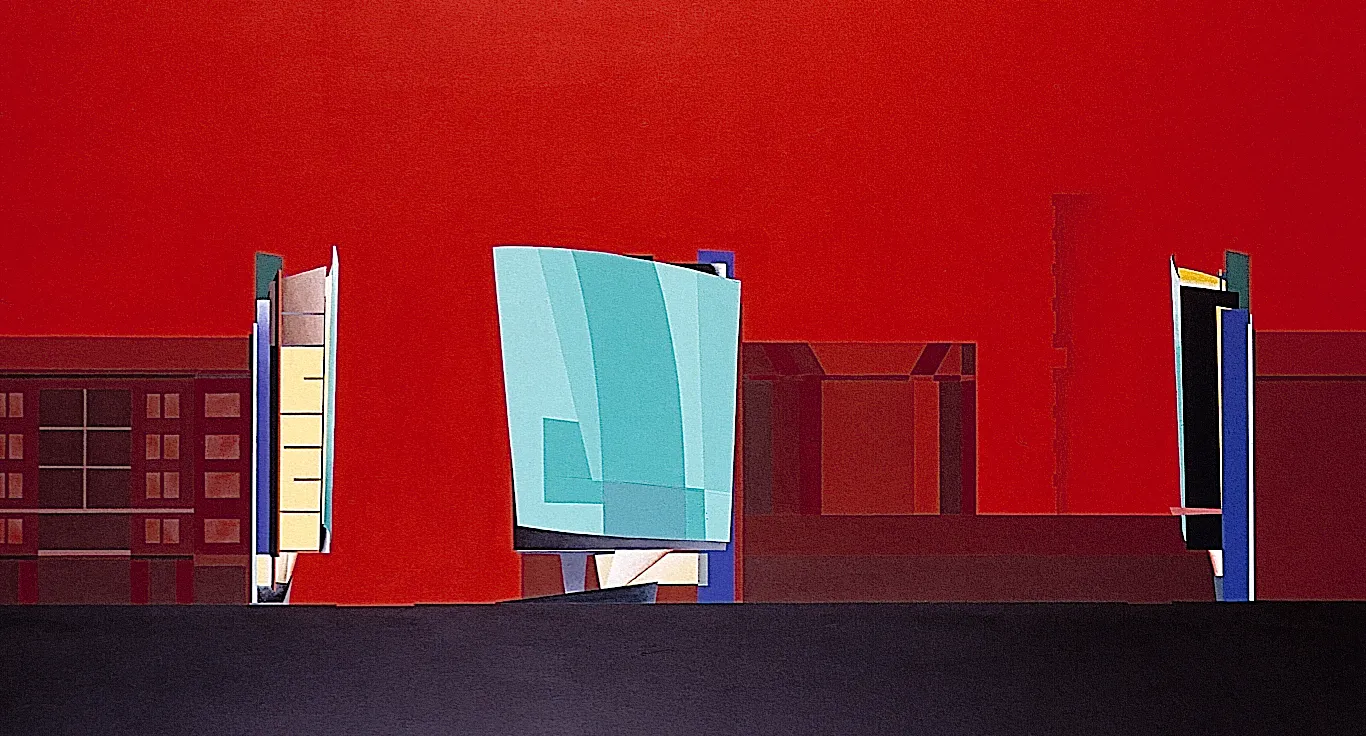
By approaching architecture first as a conceptual act of imagination, Zaha allowed her work to leap beyond immediate constraints and conventional typologies. Instead of asking, “How do I build this?” she asked, “What if this could exist?”
Begin every design with a question of what could be rather than what always is. Let imagination set the boundary, not known precedent.
2. Sketch as Discovery
Before computers, Zaha sketched paintings of building abstractions that later became built realities. Her early works illustrate that the hand-drawing stage is not mere documentation; it is exploration.
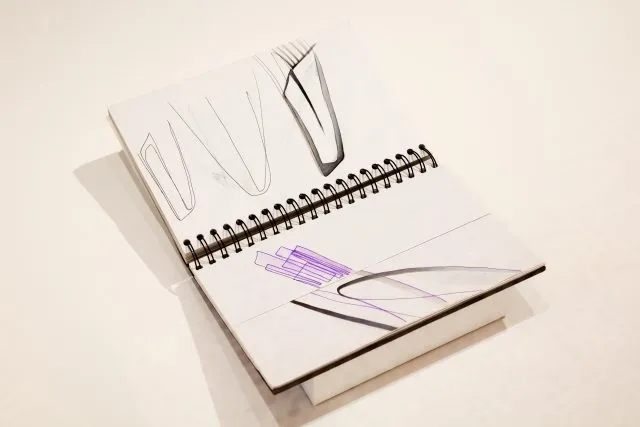
Long before parametric software and digital modeling dominated architecture, Zaha worked in the medium of paint, canvas, and charcoal. Her early artworks, like those shown in the “Early Paintings and Drawings” exhibition at the Serpentine Galleries, reveal how drawing and painting formed the backbone of her spatial thinking.
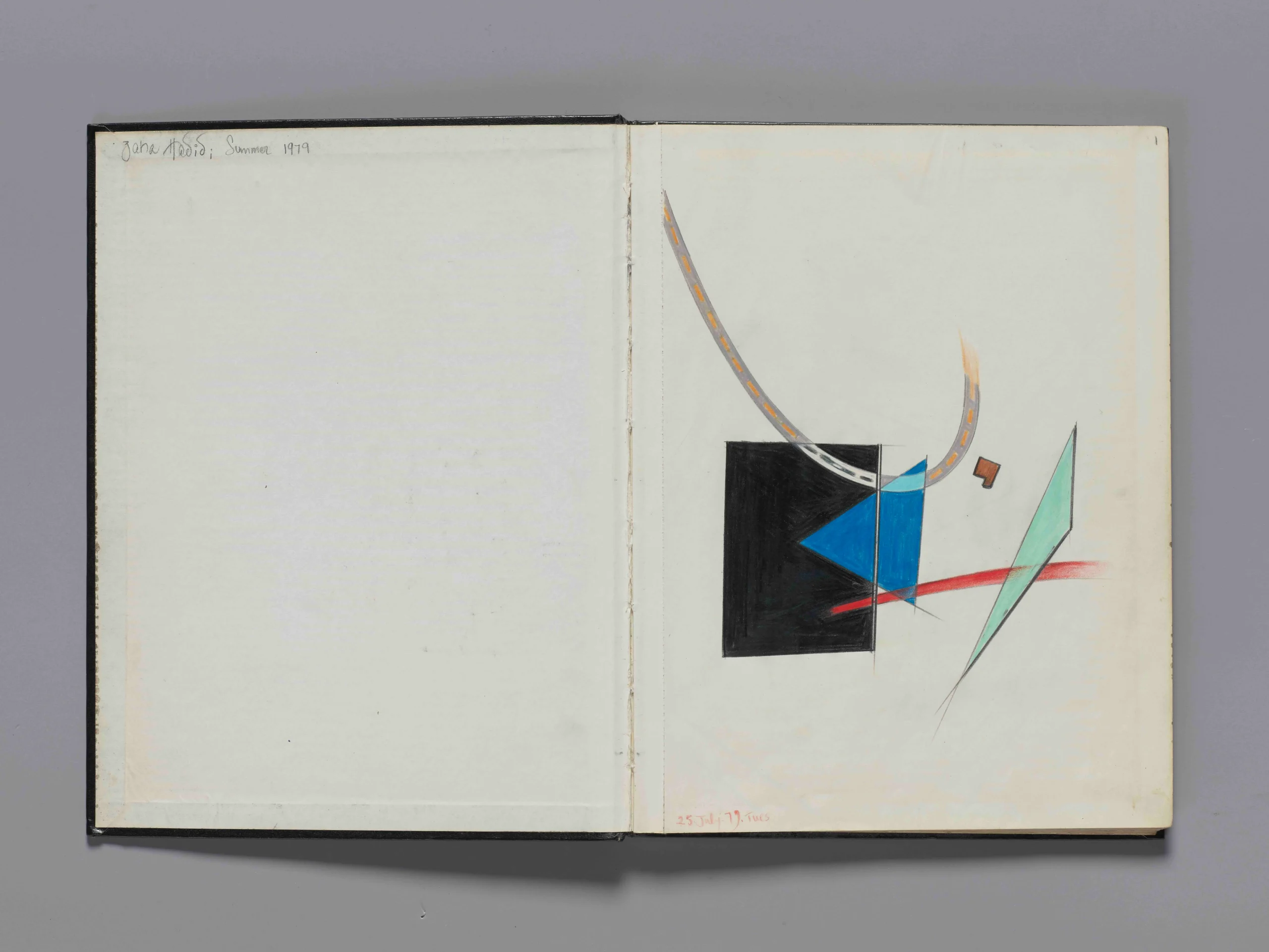
In these sketches, the forms are fragmented, overlapping, and calligraphic. They are attempts to illustrate a final building and also how space moves, how volume flows, and how geometry can shift. From the artist’s canvas, they traveled into architecture. In her own words, she made the painting “to have a record of what I was thinking at the time.”
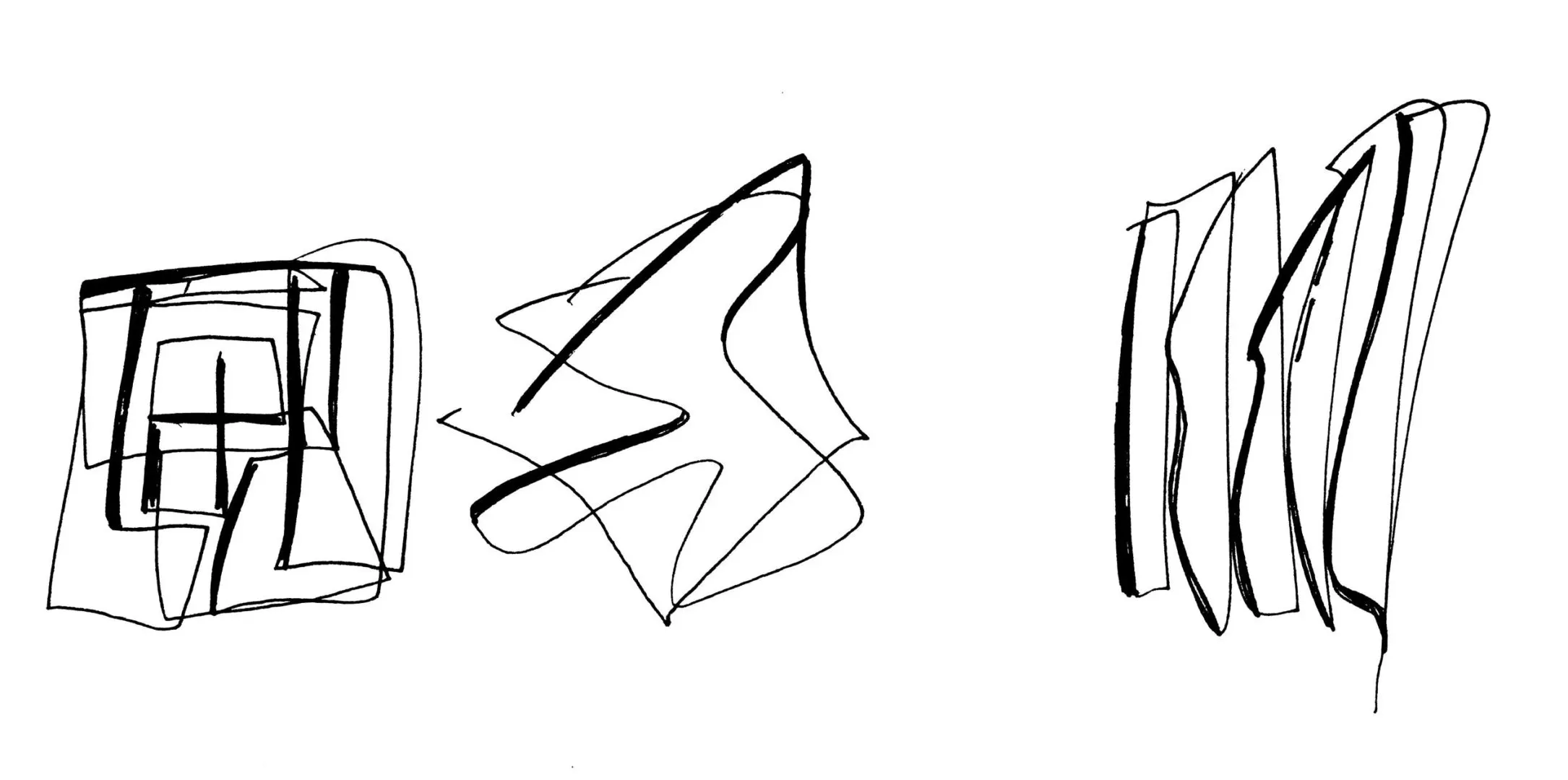
This process of sketching helped Zaha test ideas visually and intuitively, also allowing her to uncover new spatial logics that wouldn’t have surfaced in a standard architectural drawing convention. The sketch is therefore not second-order; it is first-order, the place where discovery happens.
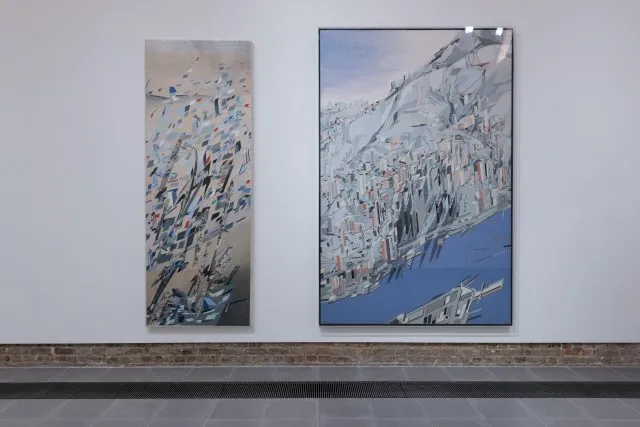
Use sketching not just to show ideas, but to find ideas. Let your hand wander, your lines overlap, and your page carry experiments. In that exploration lies the new.
3. Geometry as Emotion
Zaha Hadid consistently elevated geometry from cold structural logic into a language of emotion and experience. Instead of viewing curves, folds, and fragmented planes as mere aesthetic flourishes, she treated them as expressive tools in architecture that don’t just contain space but feel space. For instance, the sweeping wave-like form of the Heydar Aliyev Center in Baku exemplifies how fluid geometry is used to generate an emotional response in the visitor.
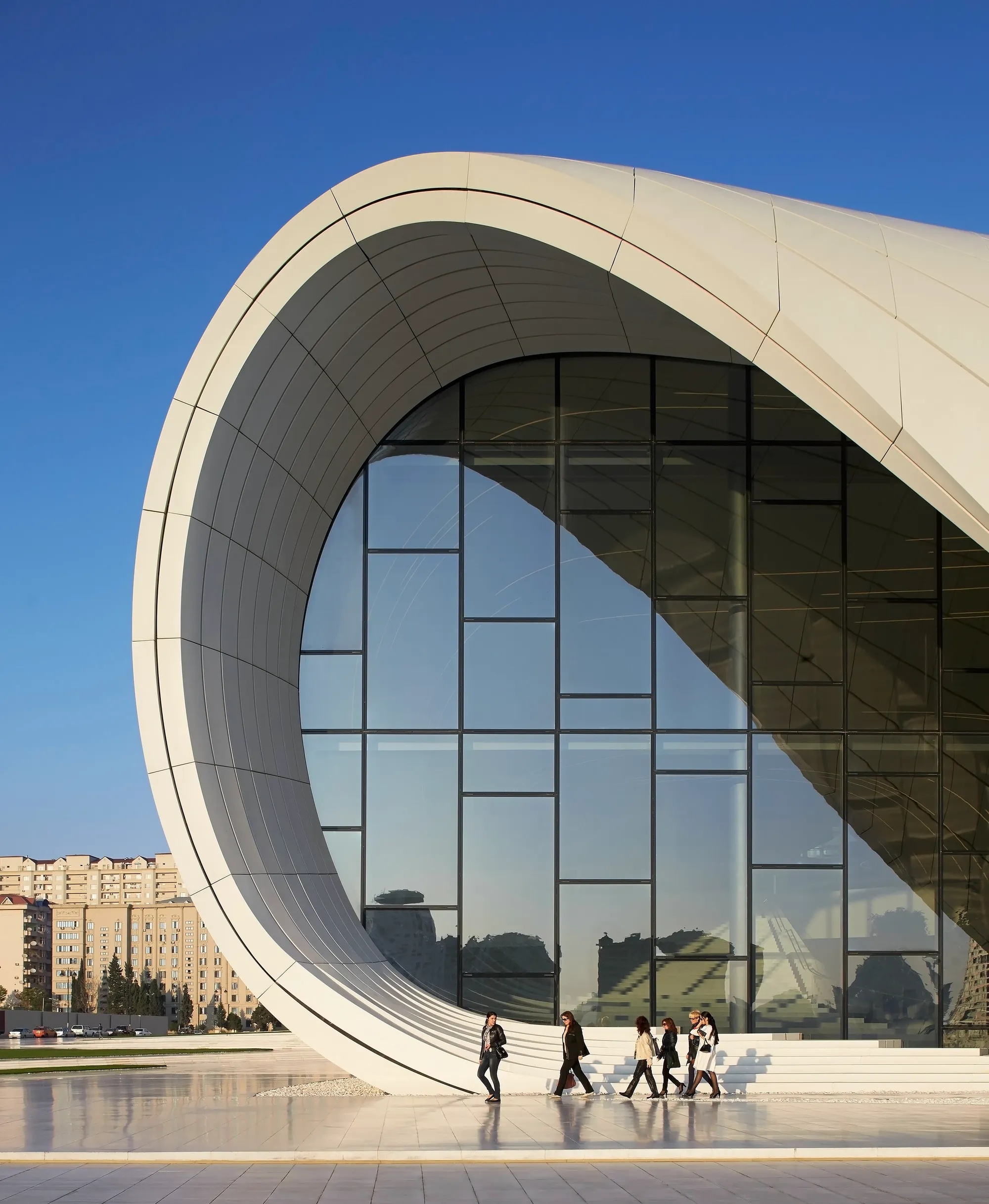
She was aware of how architecture influences mood. Rounded, flowing shapes evoke movement and openness, whereas rigid grids feel static and constrained. By converting geometry into emotion, she challenged us to feel architecture, not just use it.
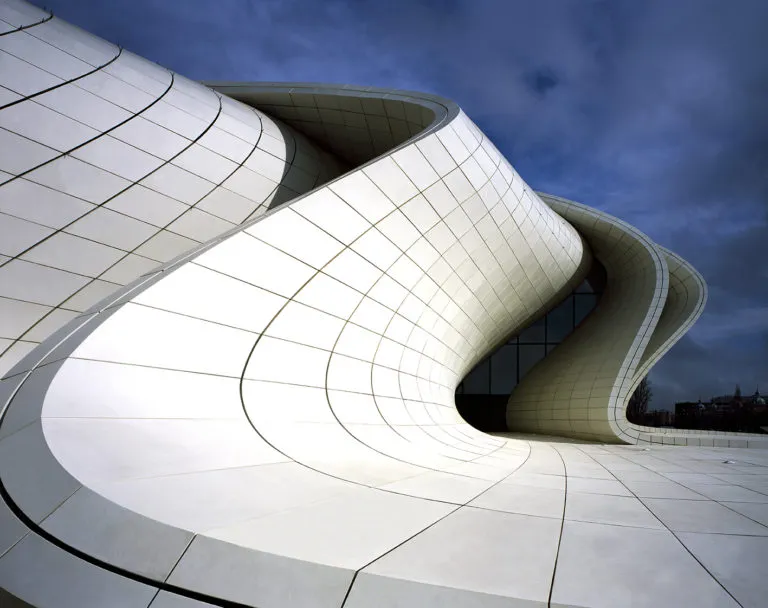
Think of geometry not only as structure but also as expression. Let every line, fold, and curve contribute to how someone feels in that space.
4. Art + Math
Zaha’s design foundation lies at the rare intersection of mathematics and art. Her academic background in mathematics (at the American University of Beirut) provided her with analytical precision; her artistic instinct gave her vision.
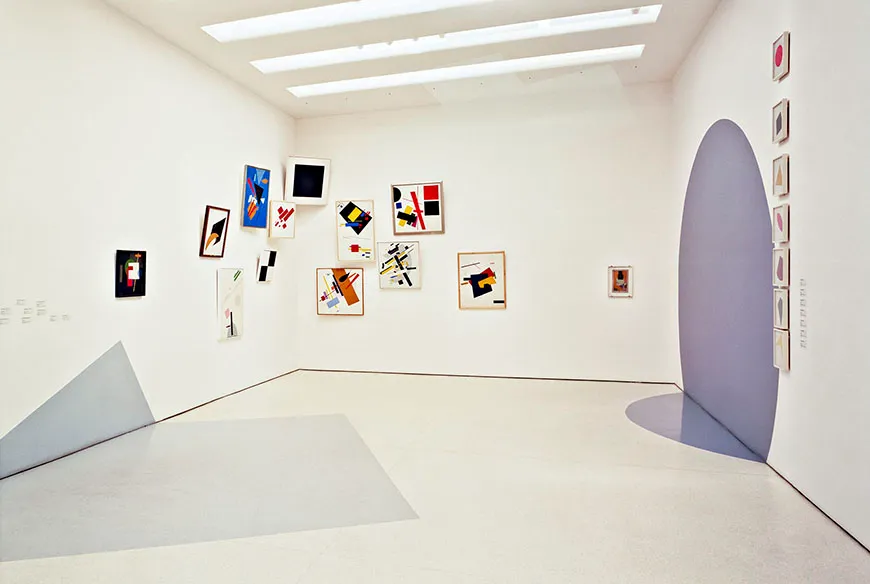
Rather than seeing art and math as opposites, she fused them, measuring and mapping space, then letting it loosen into sculptural flow. Her early abstract paintings and architectural proposals (for example, influenced by the Russian avant-garde) reveal this duality.
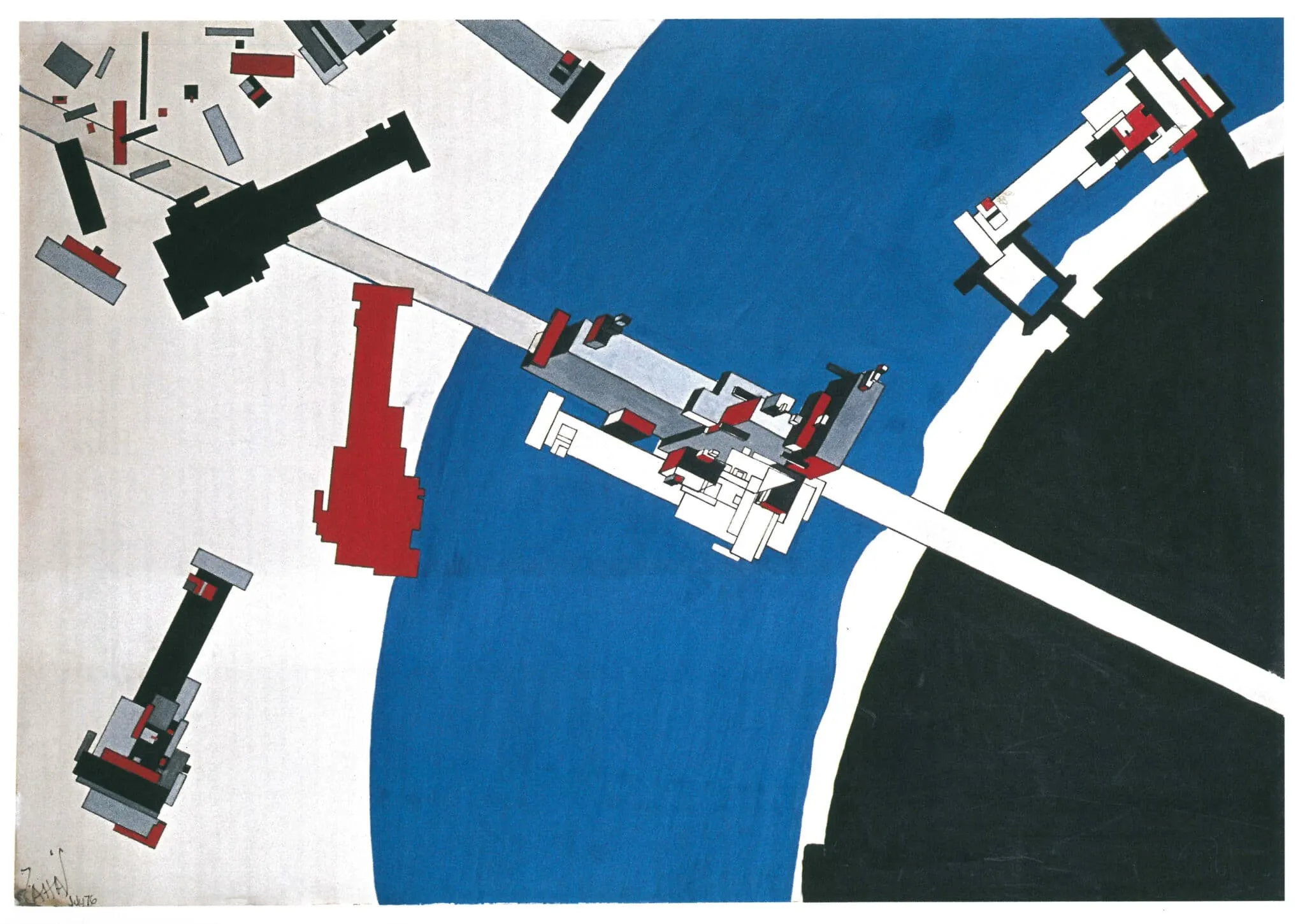
In practice, this means the “equation” of structure and function is the platform; the “brushstroke” of form and experience gives architecture its soul.
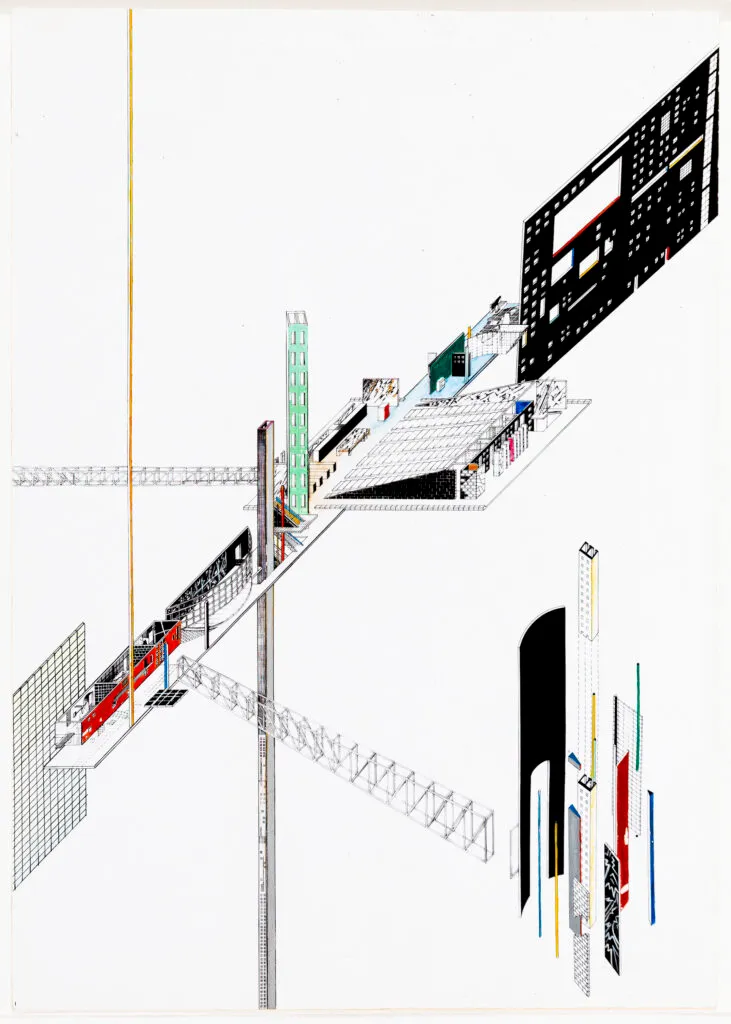
Combine precision with passion. Don’t just solve for structure; let every calculation carry a vision. Let every artistic impulse work with mathematical logic.
5. Software as a Continuation of the Hand
As digital tools emerged, Zaha Hadid embraced them as extensions of her creative process. Her studio was among the first to explore computational design, parametrics, and virtual modeling as viable architecture tools.
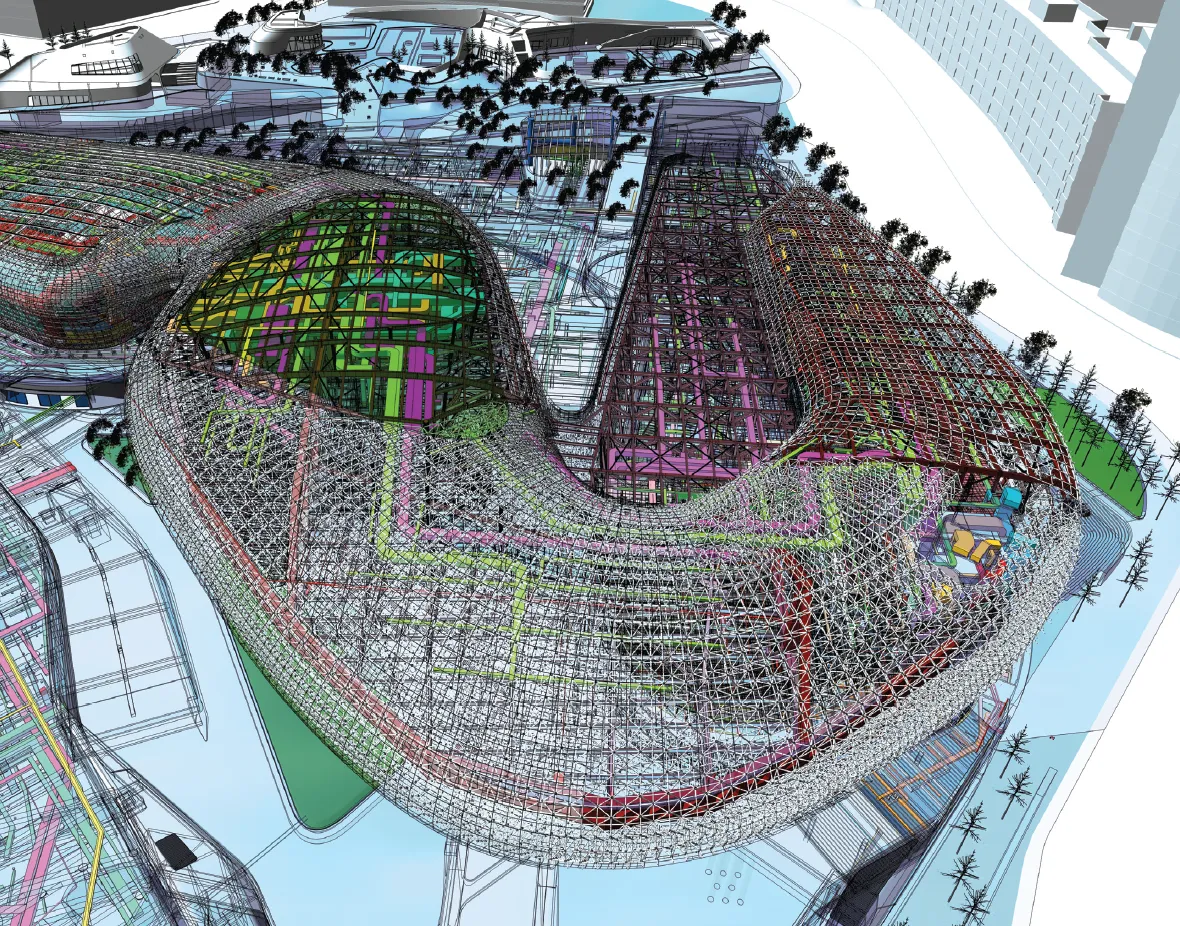
For Zaha Hadid Architects, digital tools are the evolution of the sketch itself, carrying the same freedom, gesture, and intuition into a new dimension. The office uses programs like Rhino, Grasshopper, and now AI/Omniverse workflows to explore complex forms. Yet the origins remain the same: intuition, gesture, and freedom. The tools simply expand what the hand can imagine.

Let technology amplify intuition, not replace it. Use digital tools as the next phase in the creative chain from hand to screen to space.
6. Movement as Meaning
Her forms look as if they are in motion. It reflects human behavior, circulation, and the flow of life. Her buildings tell stories of motion.
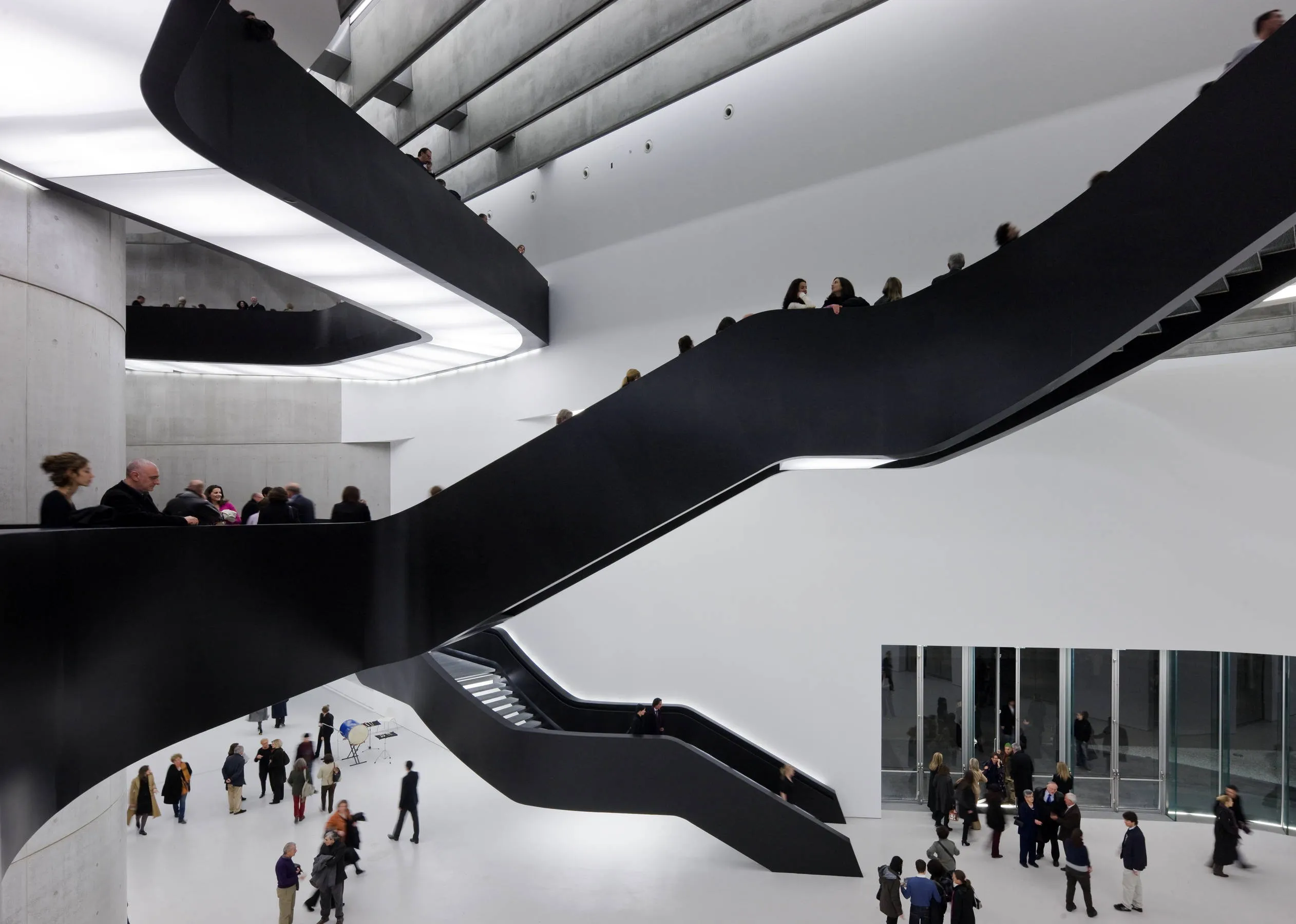
Zaha Hadid never saw movement as a visual trick; it was the very pulse of her design philosophy. Her buildings breathe, twist, and flow like cities caught mid-gesture. Take the MAXXI Museum in Rome, where staircases coil and walls drift apart like fluid streams, guiding visitors through a continuous experience rather than a fixed space. The building feels alive because it mirrors the choreography of human movement, the subtle rhythm of walking, pausing, and turning.
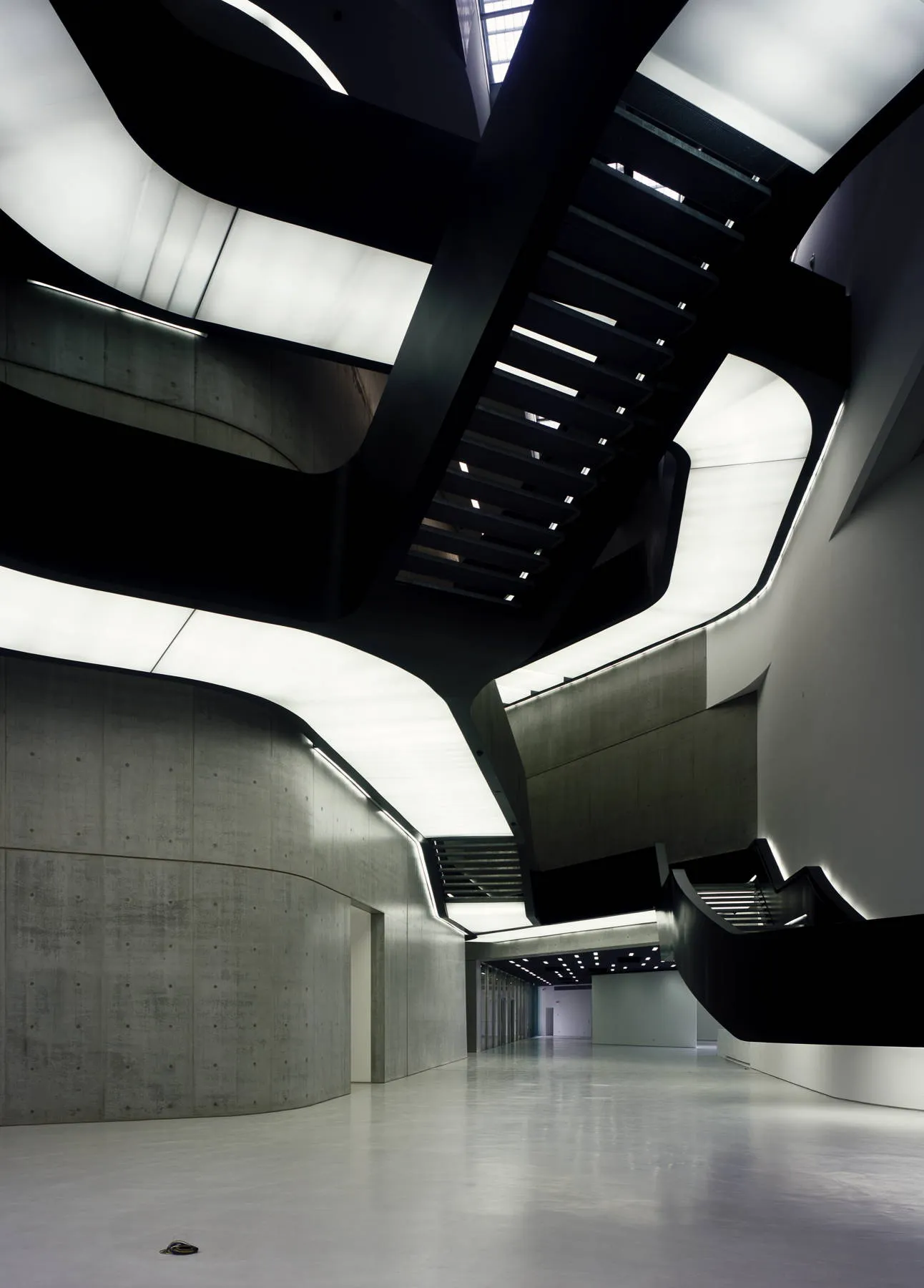
Hadid’s spaces invite circulation; they tell stories through motion. Each curve is intentional, mapping how people will interact rather than where they will merely stand still. In her vision, architecture becomes a living system of pathways and intersections, a reflection of life itself.
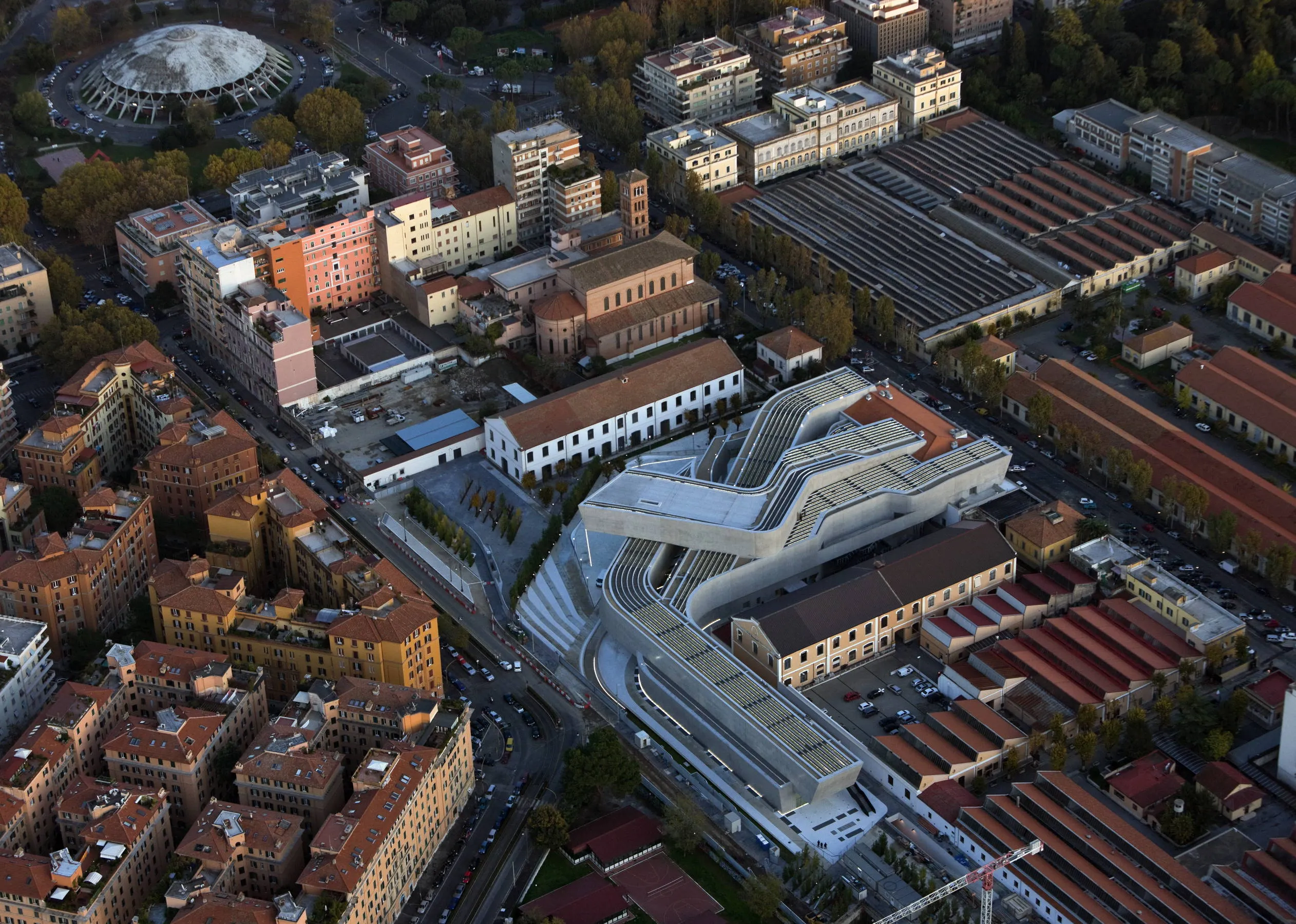
By designing for movement as meaning, Zaha encouraged architects to think of buildings as dynamic systems, not static buildings.
Design for how people move. Let circulation dictate form so the space feels lived rather than observed.
7. Fluidity of Form
Hadid rejected rigid orthogonals. She favored sweeping roofs, folding surfaces, and continuous form.
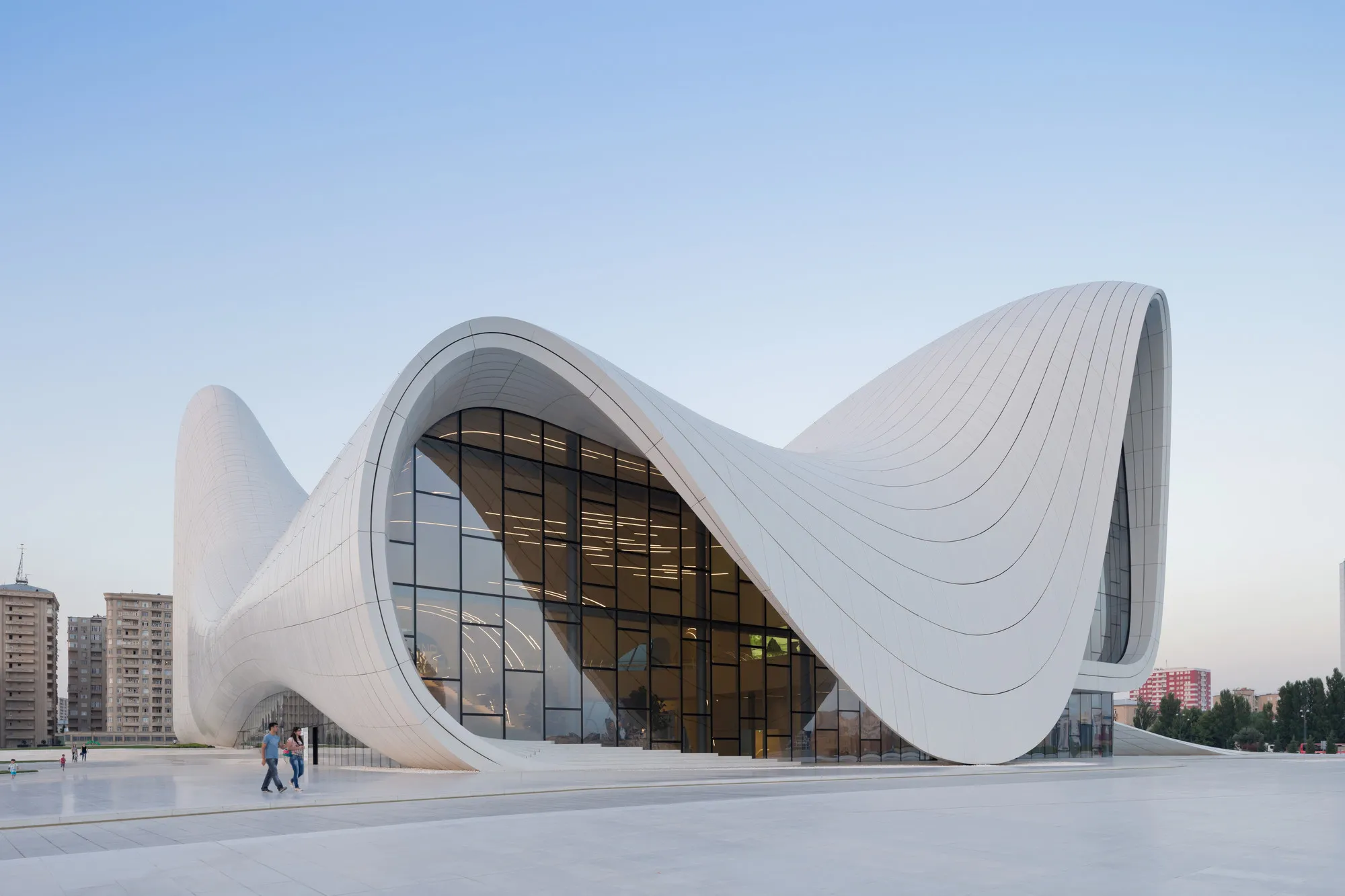
Zaha Hadid’s work rejected the tyranny of straight lines. She sculpted with continuity smooth planes, sweeping shells, and endless folds that erased the divide between ceiling, wall, and floor. A striking example is the Guangzhou Opera House in China, a design inspired by river pebbles shaped over centuries by water. The structure’s fluid geometry dissolves the notion of architecture as static mass, allowing it instead to flow with its landscape.
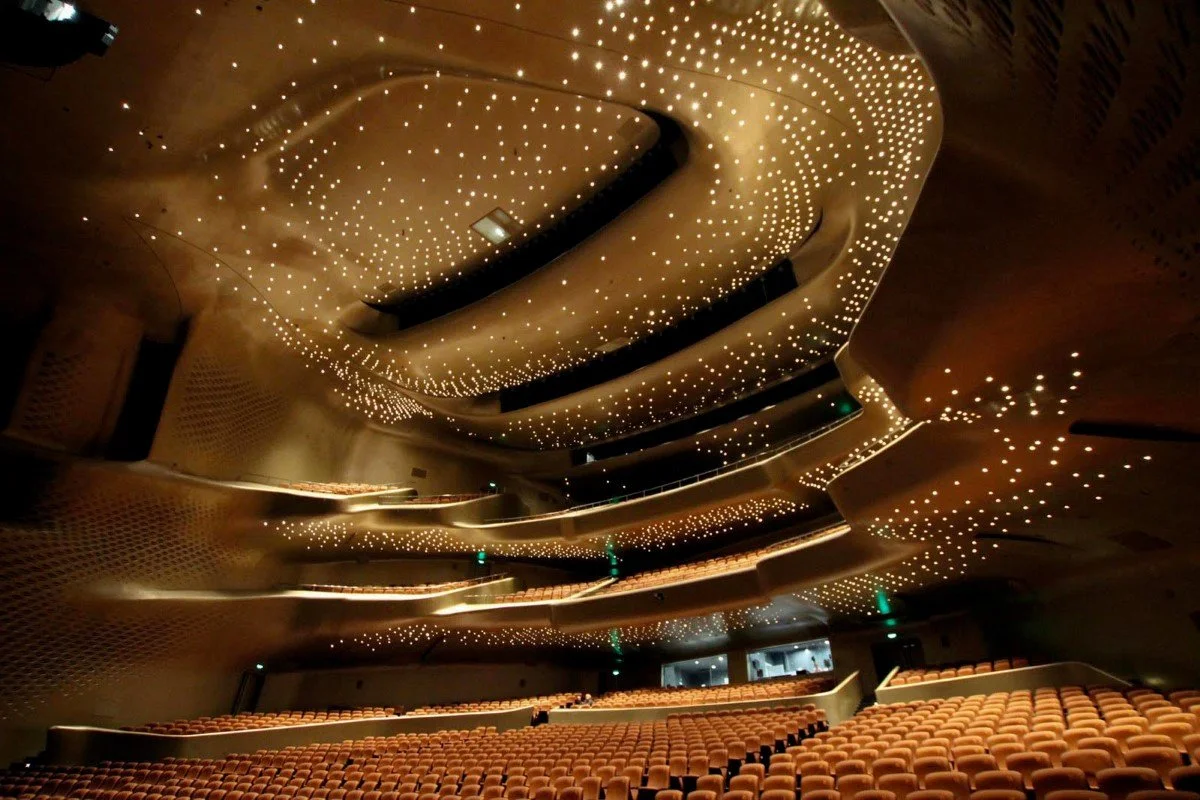
Fluidity reflected her belief that form should evolve like nature does, responding to forces rather than resisting them. This fluidity is a structural and spatial strategy. By avoiding right angles and discrete boxes, Zig-Zag planes or floating volumes, she opened up new experience zones. Light dances over smooth curves, shadows sweep along folds, and space unfolds like a ribbon. The architecture literally flows.
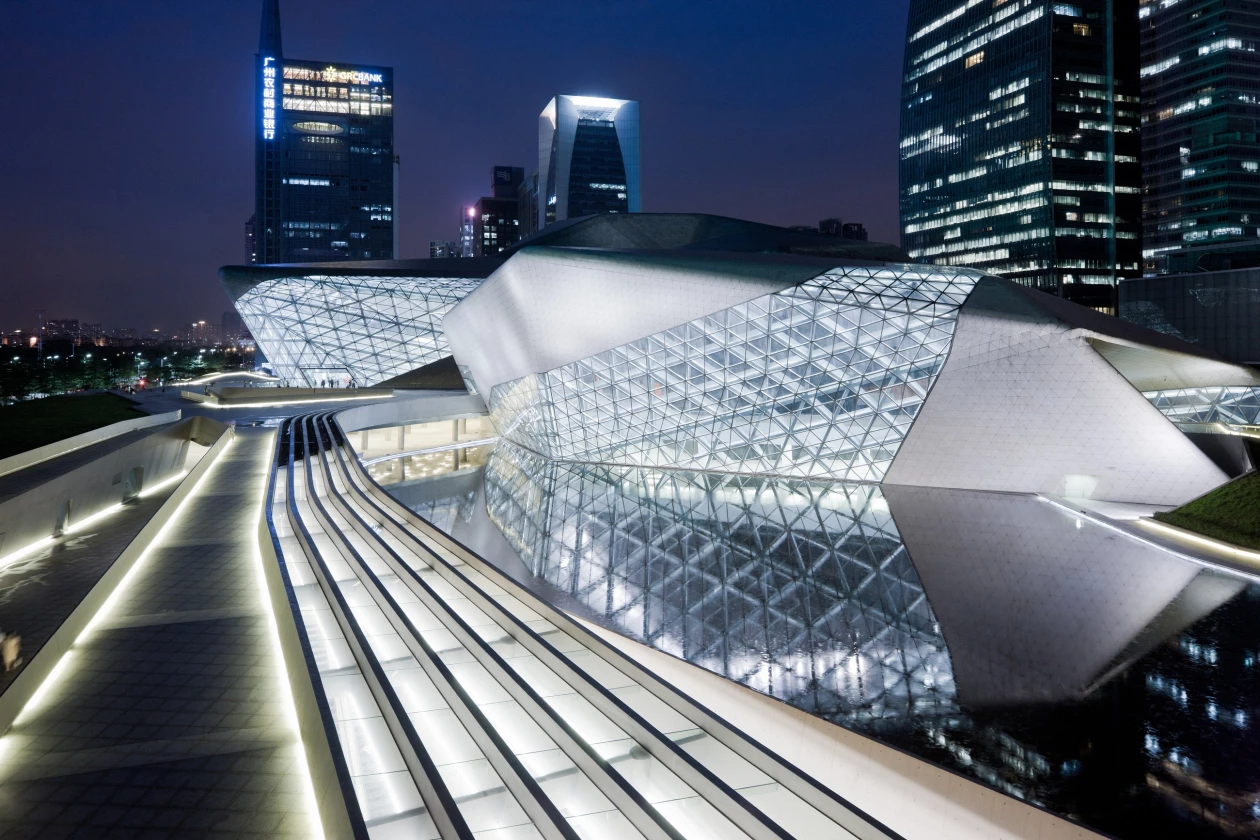
In doing so, she challenged the notion that structure must follow orthogonal logic, insisting instead that form can follow fluid logic. Contemporary architecture often cites this approach when considering landscapes, topography, and parametric surfaces.
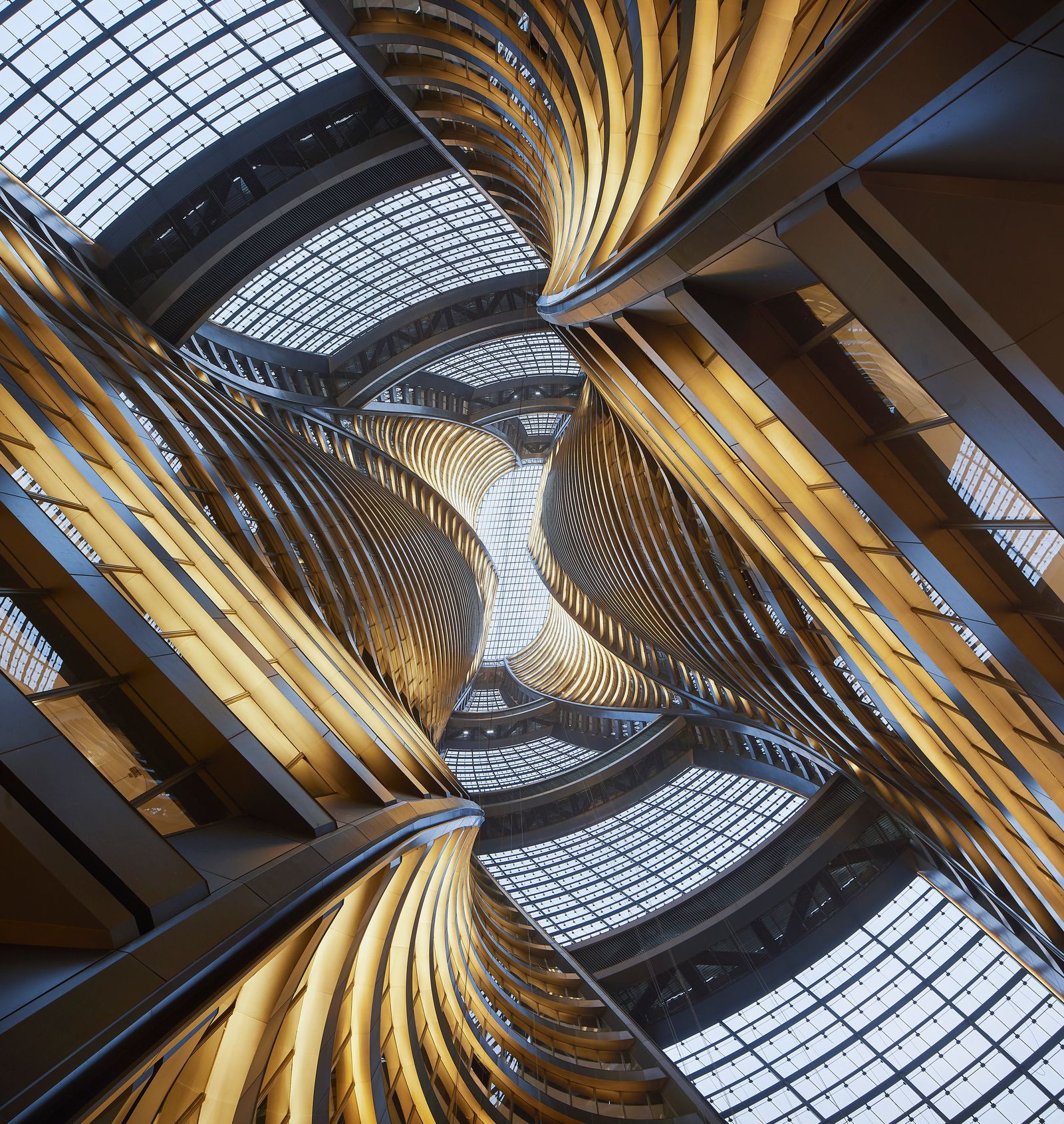
Let form flow. Break away from rigid boundaries and allow structure to express the fluidity of experience.
8. Disruption of the Orthogonal: Twisting the Grid
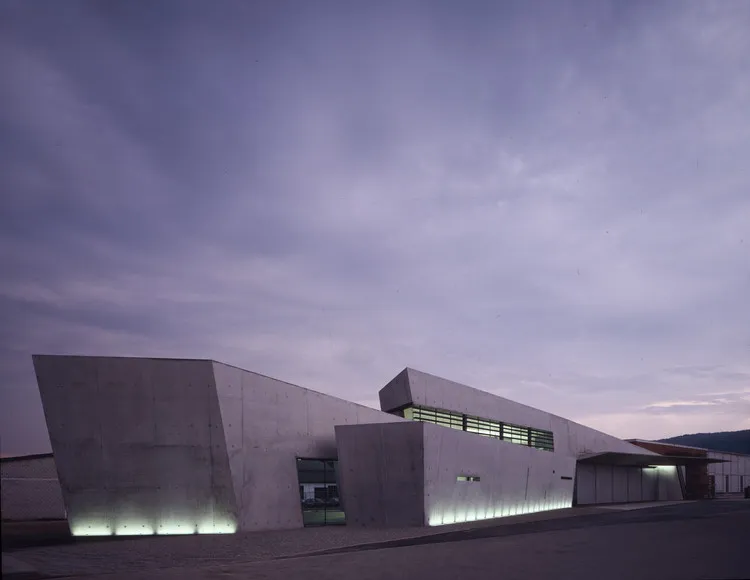
Zaha once said, “I don’t make nice little buildings,” and she meant it. Her defiance of the right angle reshaped modern architecture’s entire vocabulary. The Vitra Fire Station in Germany her first built project. It stood as a manifesto of rebellion, planes collide at unexpected angles, and walls seem to propel the viewer forward rather than contain them.
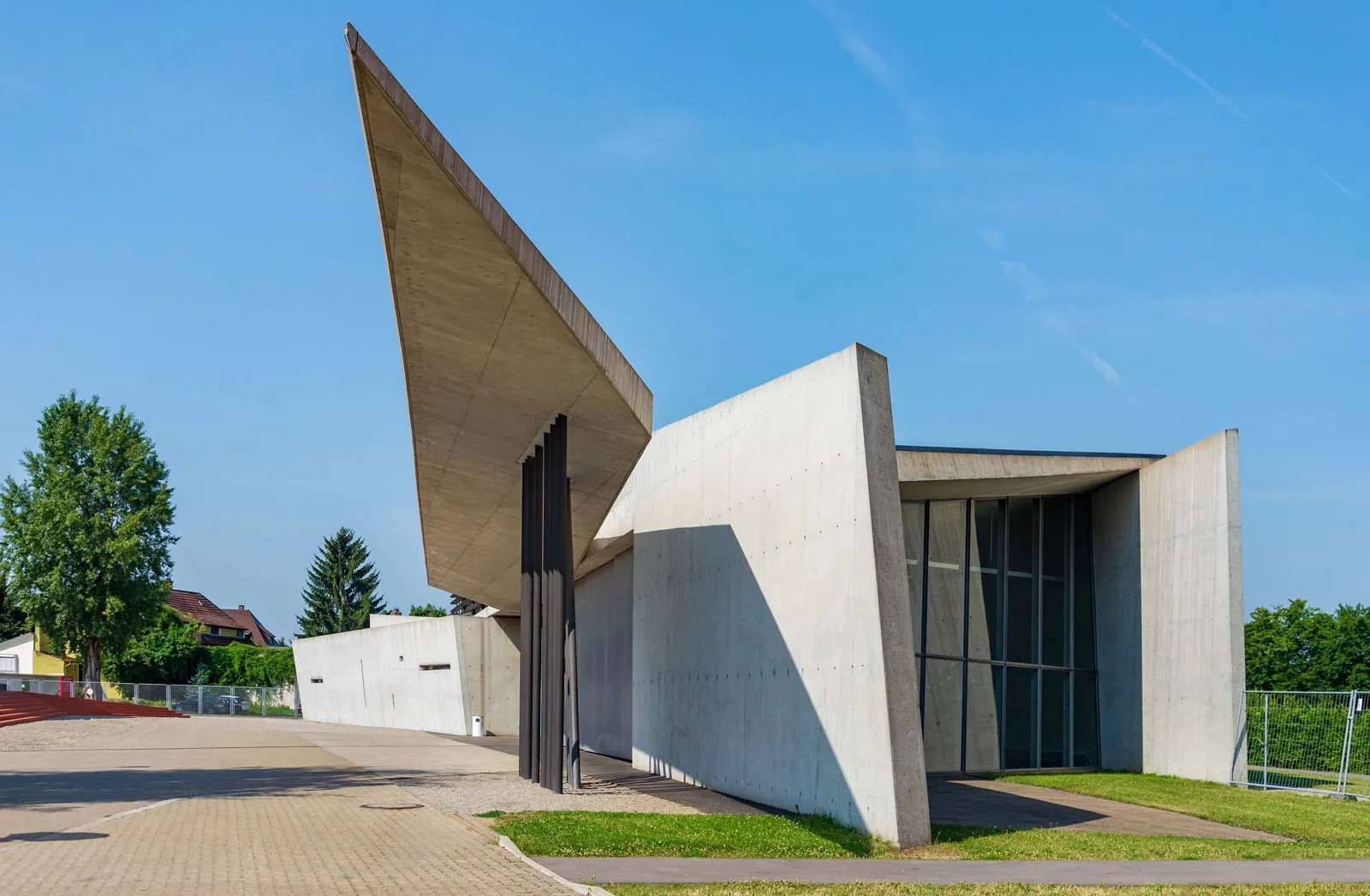
This deliberate disruption was a challenge to conventional order. The orthogonal grid, once the sacred geometry of modernism, became for Hadid a constraint to be questioned. In twisting the grid, she liberated space to tell new spatial narratives, dynamic, unpredictable, and deeply human.
Don’t settle for the grid. Question it, distort it, and let new geometries reveal new ways of inhabiting space.
9. Complexity Is Clarity
At first glance, Zaha Hadid’s architecture might seem overwhelmingly complex fragmented forms, intersecting volumes, and surfaces that ripple like fabric caught in the wind. Yet within this complexity lies a precise logic. The Phaeno Science Center in Wolfsburg, for instance, may look chaotic, but every angle directs flow and sightlines; every intersection has purpose.
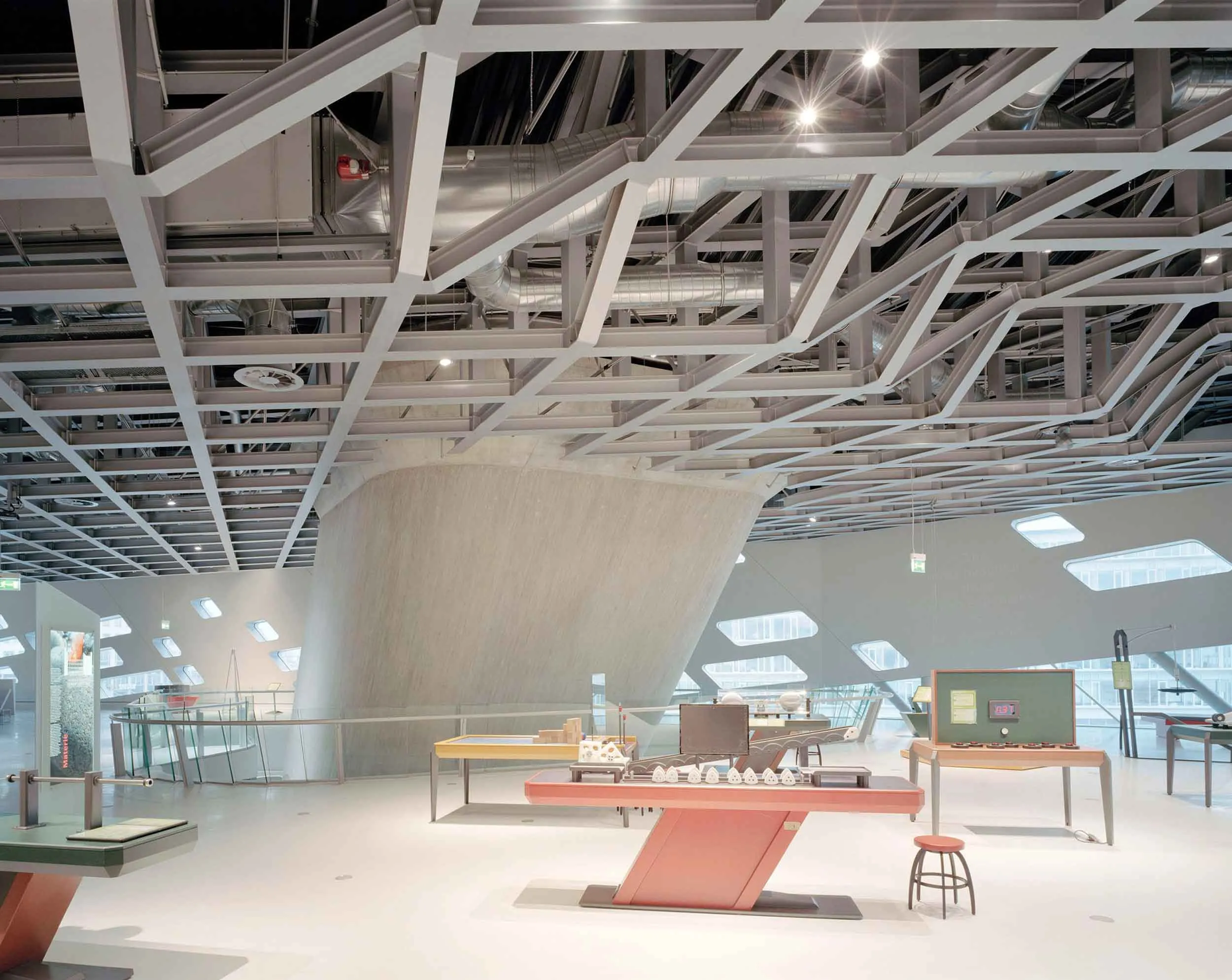
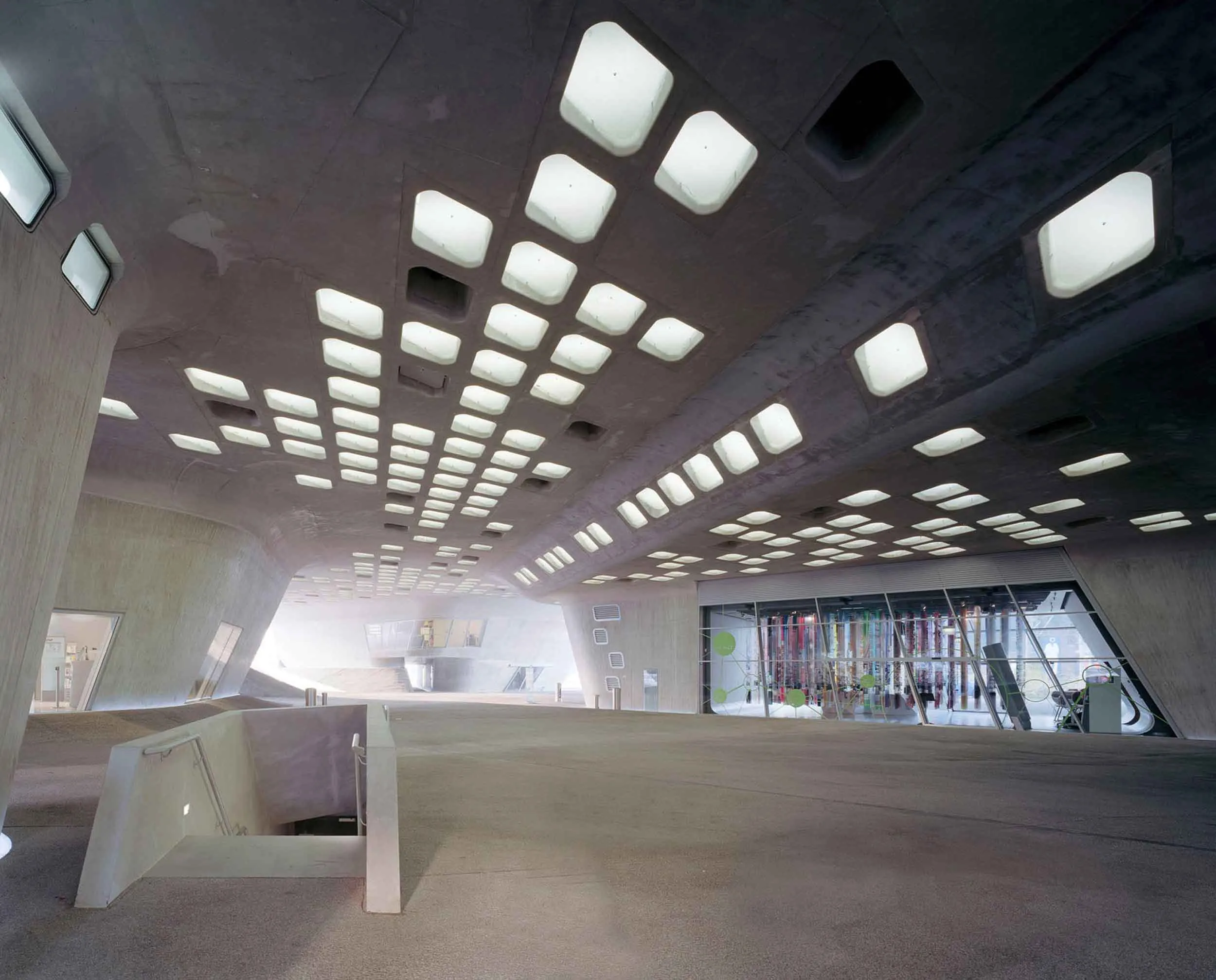
Hadid understood that complexity and layered designs reflect how modern life operates: interconnected, fast-paced, and multifaceted. She transformed architectural complexity into a new form of clarity—one that mirrors the intricate systems of cities and cultures.
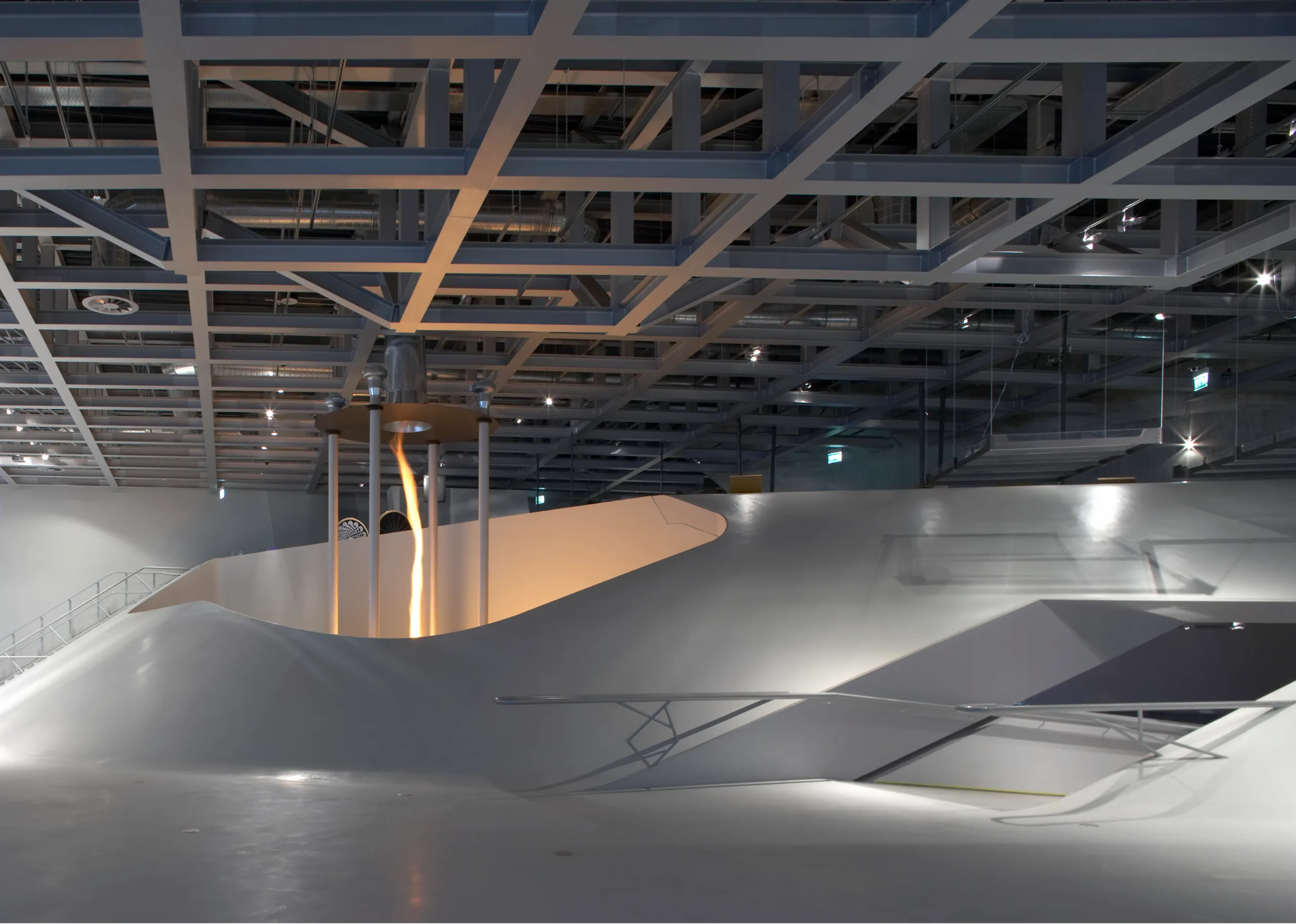
Complexity isn’t confusion. When every layer has intention, the outcome is not chaos but conceptual precision.
10. Design Forever Forward: The Future Is the Present
Zaha Hadid was never nostalgic. Her work looked unapologetically ahead to new technologies, materials, and digital possibilities. The Dongdaemun Design Plaza in Seoul embodies this forward gaze, its fluid aluminum skin fabricated through advanced parametric modeling. It feels futuristic, not because it chases novelty, but because it anticipates human needs before they fully emerge.
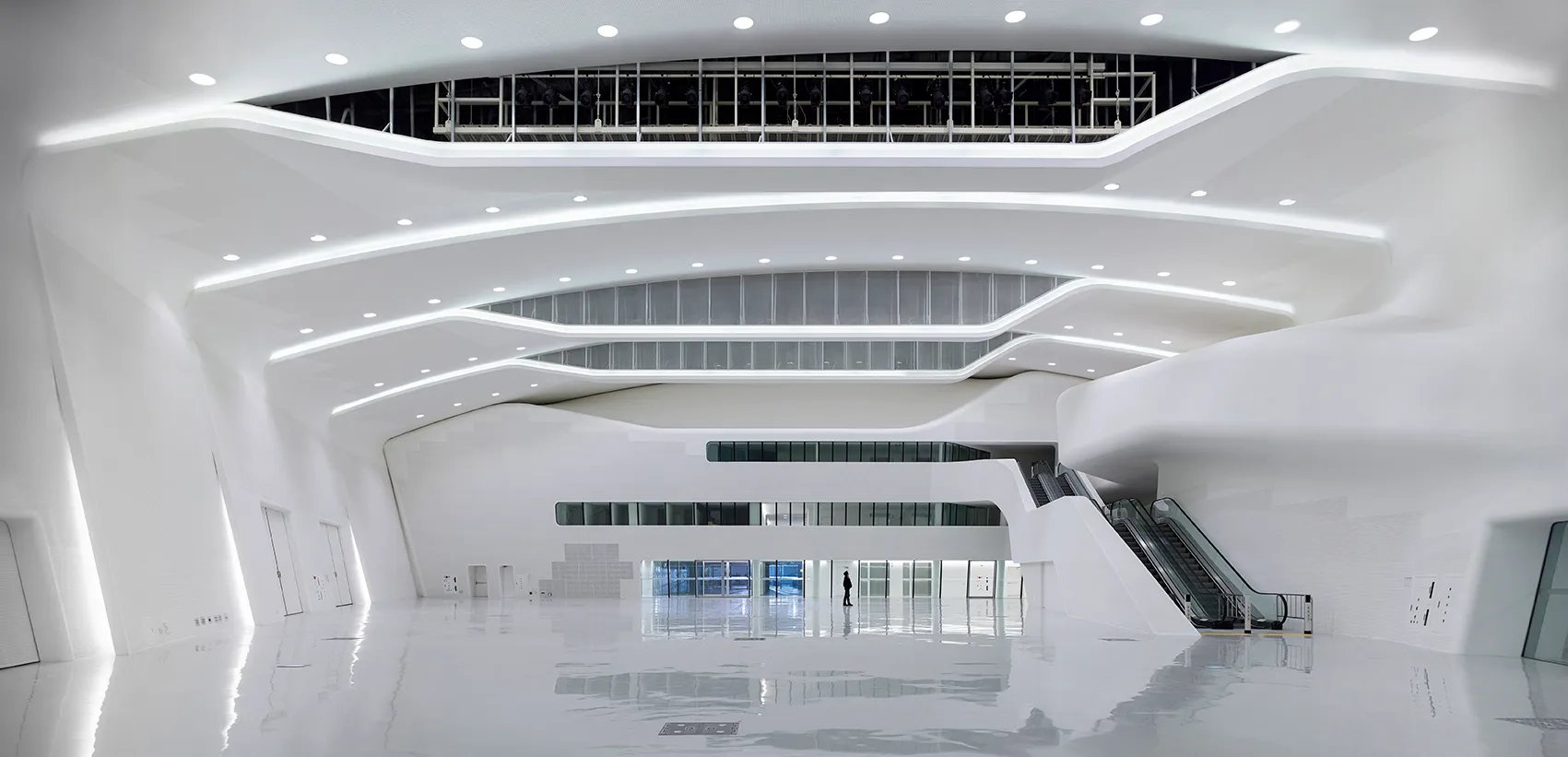
For Hadid, progress and creativity were inseparable twins. Architecture, she believed, must continuously evolve not to outpace time but to meet it with curiosity. Her vision urged designers to imagine what’s possible.
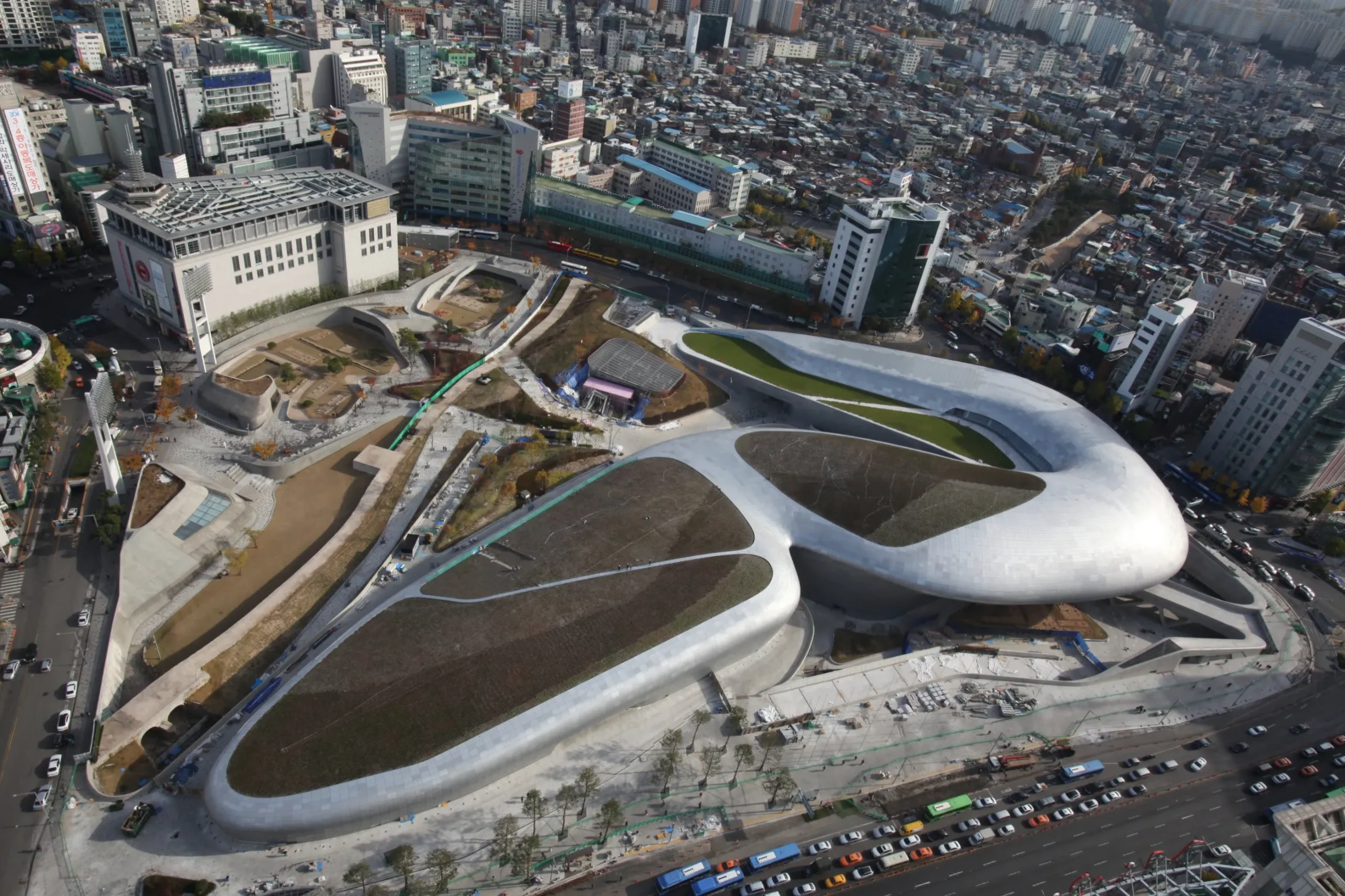
Design with tomorrow in mind. Ask not what architecture is, but what it could become.
11. Continuity Beyond the Architect: The Legacy That Builds Itself
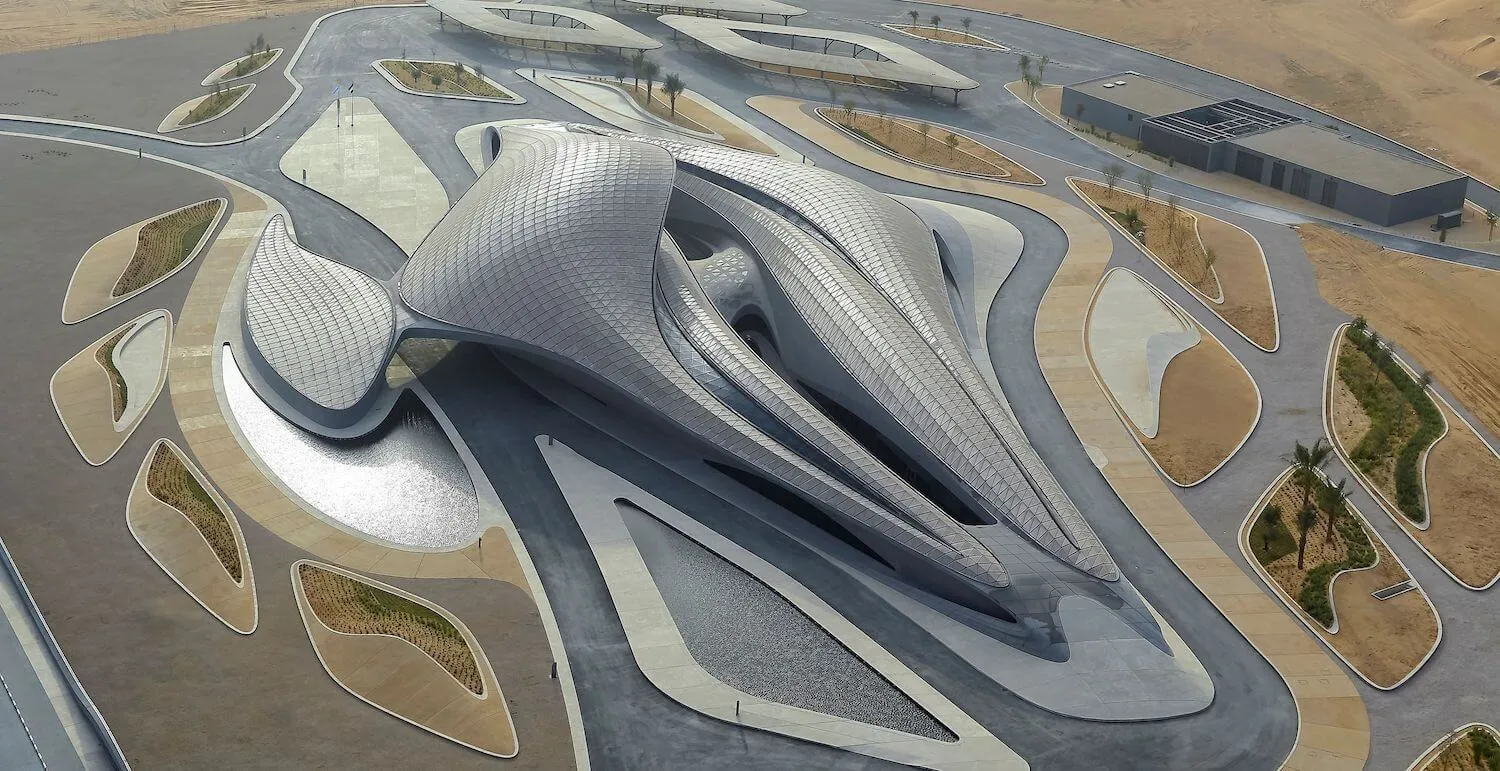
When Zaha Hadid passed away in 2016, many wondered if her singular vision would fade. Yet her firm, Zaha Hadid Architects (ZHA), continues to expand her legacy through projects like One Thousand Museum in Miami and BEEAH Headquarters in Sharjah, each pushing digital fabrication and sustainability to new extremes.
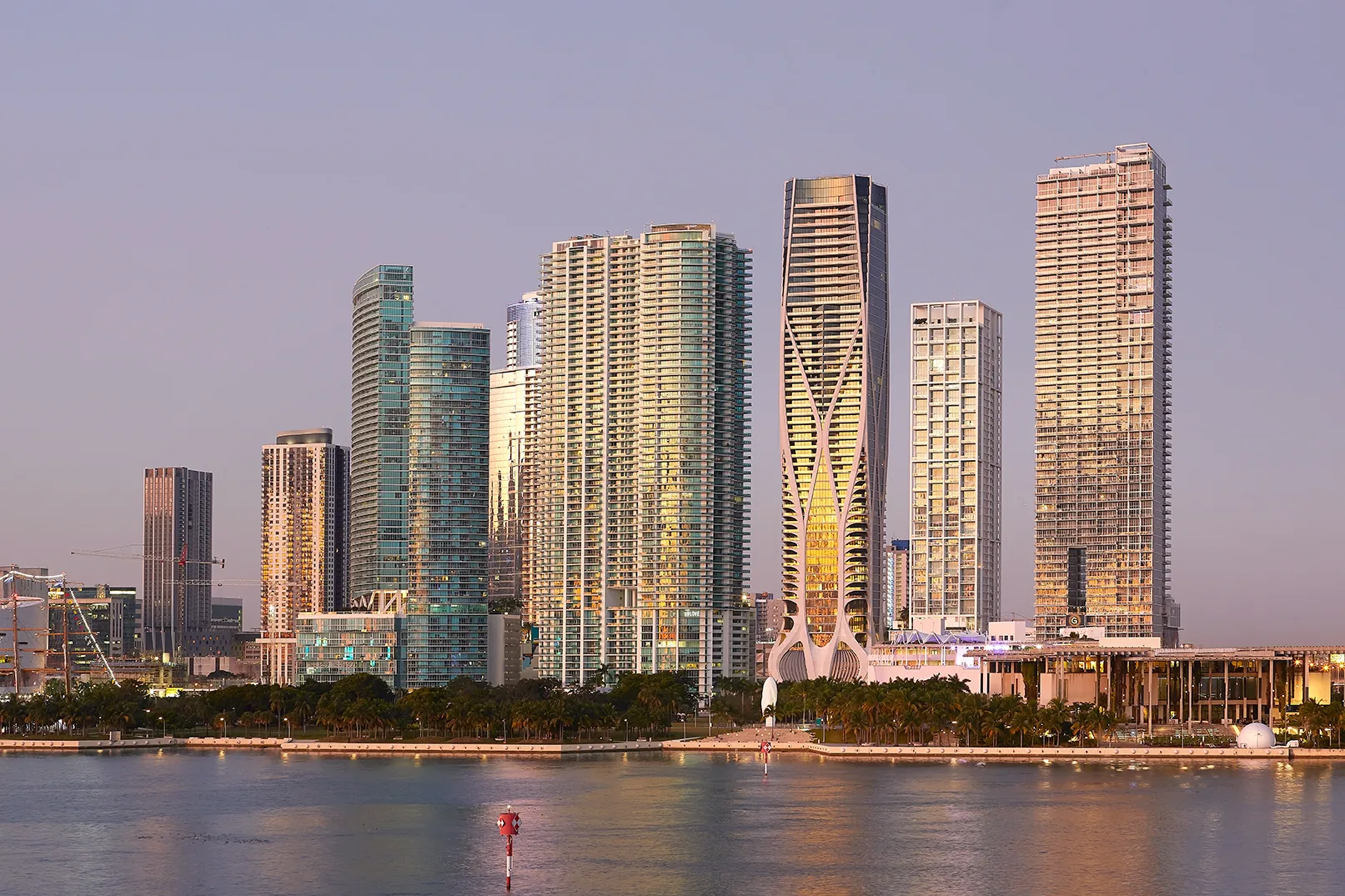
Hadid designed systems of thinking. Her influence continues because her methods, parametric design, computational logic, and spatial experimentation, were meant to outlast her.
Build ideas, not monuments. Create design frameworks that inspire evolution long after your name is gone.
Learning from Zaha Hadid’s Design Mind
Looking through Zaha Hadid’s work and philosophy, what stands out is the mindset that shaped them. Each lesson, from imagination and geometry to movement and digital evolution, shows how she constantly questioned limits. Her approach reminds us that design is never finished; it keeps changing as our tools, materials, and ideas evolve.
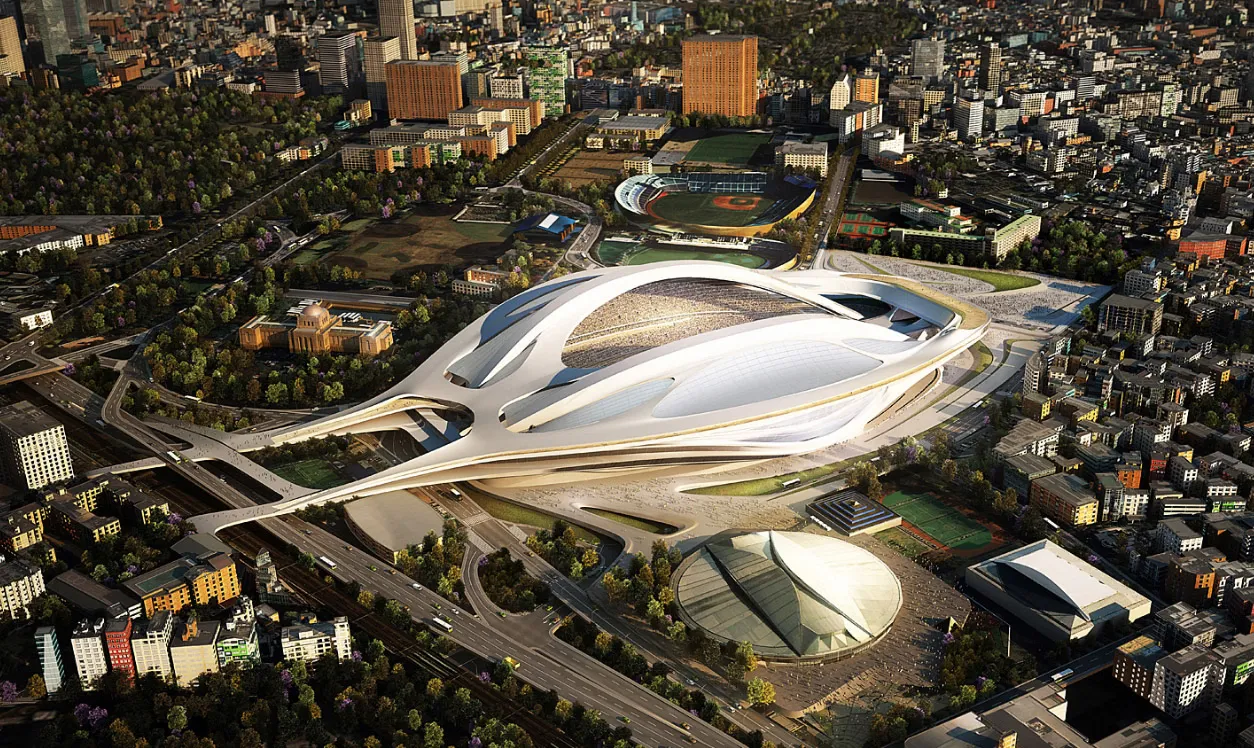
Zaha believed that architecture should start with curiosity and end with experience. She treated every project as a way to explore how people move, feel, and connect within space. Whether drawing by hand or building with advanced software, she held onto the same principle that design should express.

Her legacy continues because they carry forward her way of thinking, open, experimental, and forward-looking. The real lesson from Zaha Hadid is simple: stay curious, stay bold, and never accept that something is “impossible” until you’ve tried to reimagine it.
