


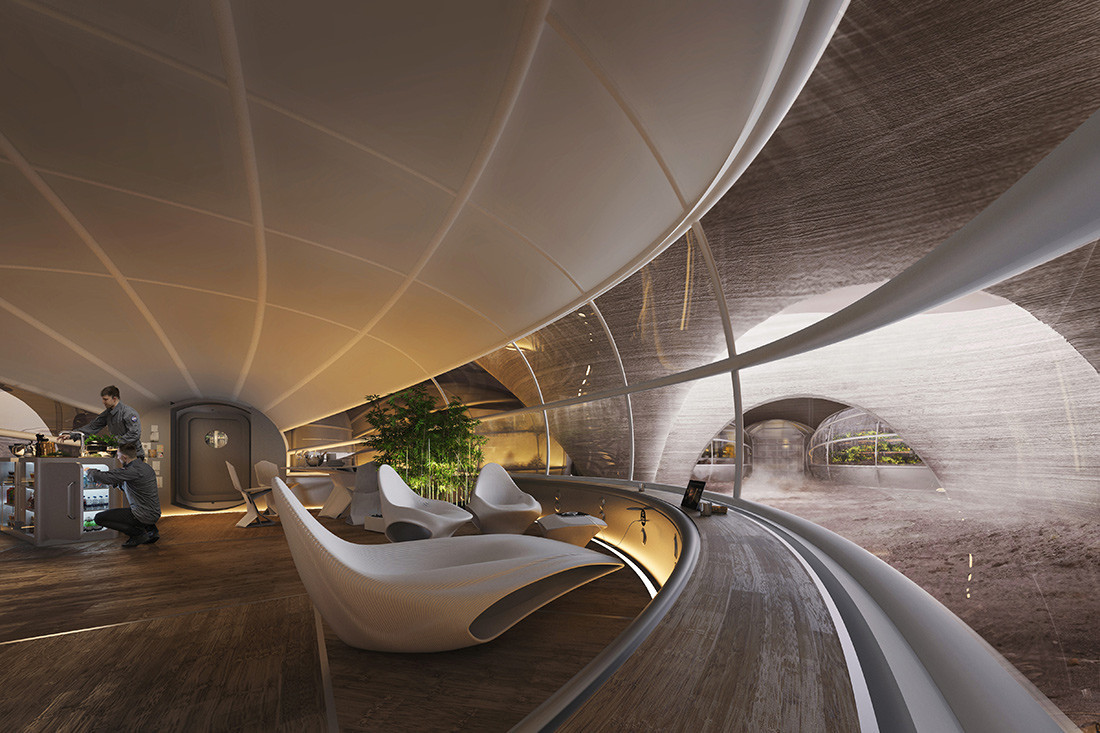
Exploring life beyond the earth has been humankind’s most fancied indulgence for centuries now. From making the first spaceship to building moonbases, and now landing on our neighboring red planet- Mars, we have come a long way in discovering the universe. Additionally, leading space organizations such as NASA, ESA, and ISRO regularly affirm new findings, thereby helping us unveil the mysteries of the cosmos, layer by layer.
While sci-fi movies and books have tremendously helped us visualize that outworld, the excitement of witnessing it, in reality, is immeasurable. Further, the degradation of the earth’s environment due to climate change and the overwhelming population has created an urgency to look for other tenantable heavenly spheres. For this purpose, scientists, architects, geologists, and sociologists across the globe are working together for testing habitability beyond earth.
What is extraterrestrial architecture?
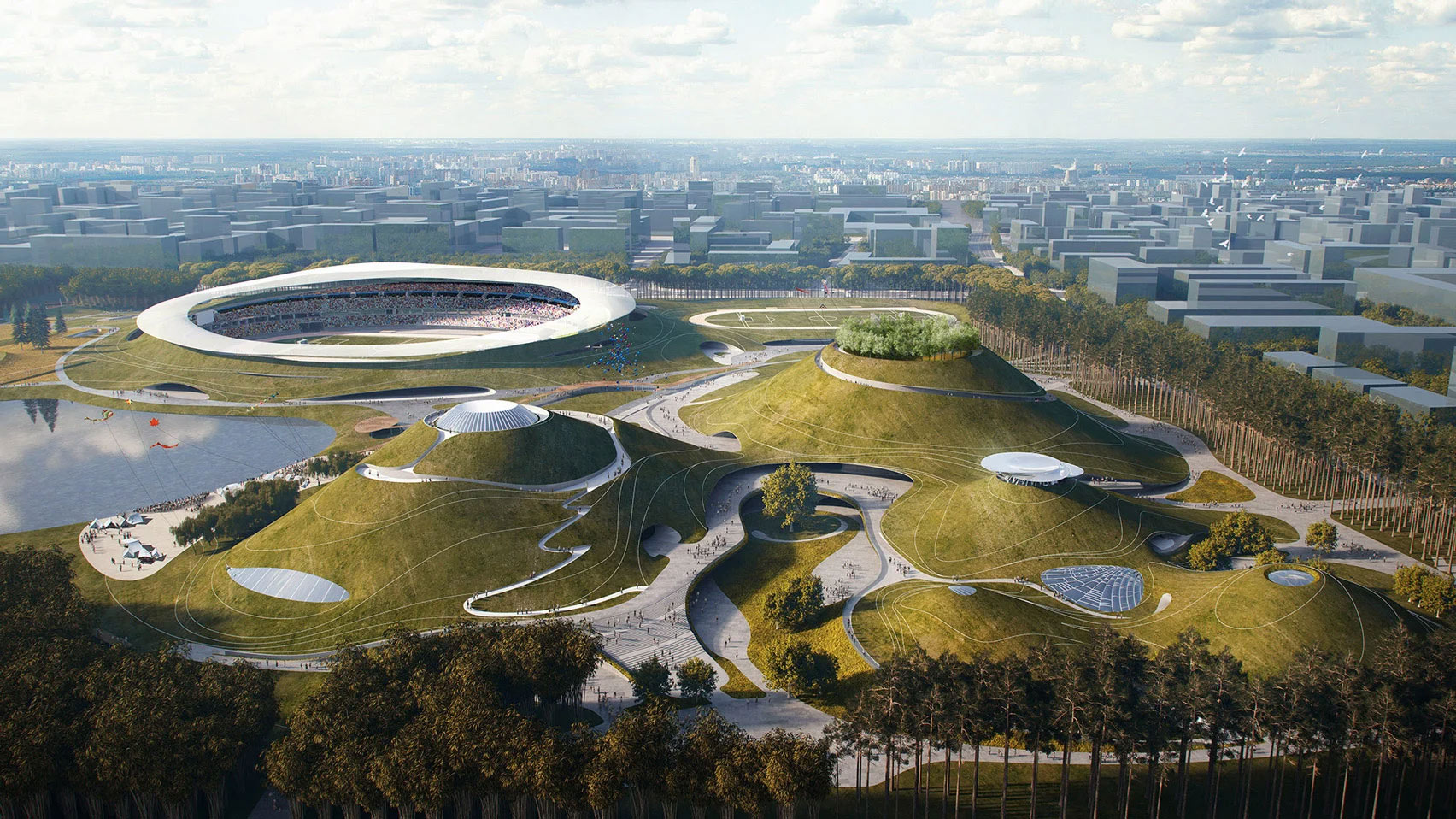
The design and construction of built environments in the outworld are termed extraterrestrial architecture. While starting new civilizations in outer space is a huge opportunity for technological innovations, it is also a challenge for developers to create healthy ecosystems.
Challenges faced with extraterrestrial architecture
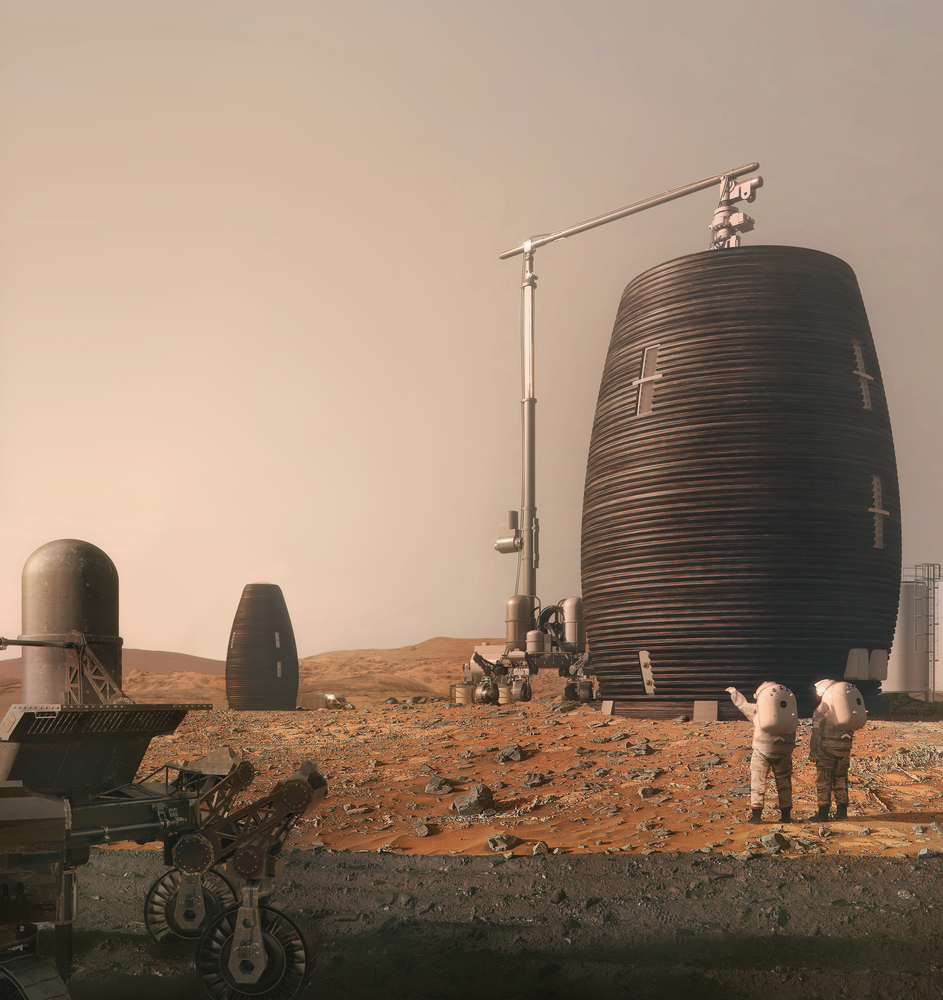
Designing and building habitable spaces beyond the earth’s surface and atmosphere requires an innate understanding of the climate, topography, and availability of materials in outer space. Making the most of the resources at hand and using scarcity as a means to innovate will be crucial in determining the future of extraterrestrial architecture.
Shortage of water
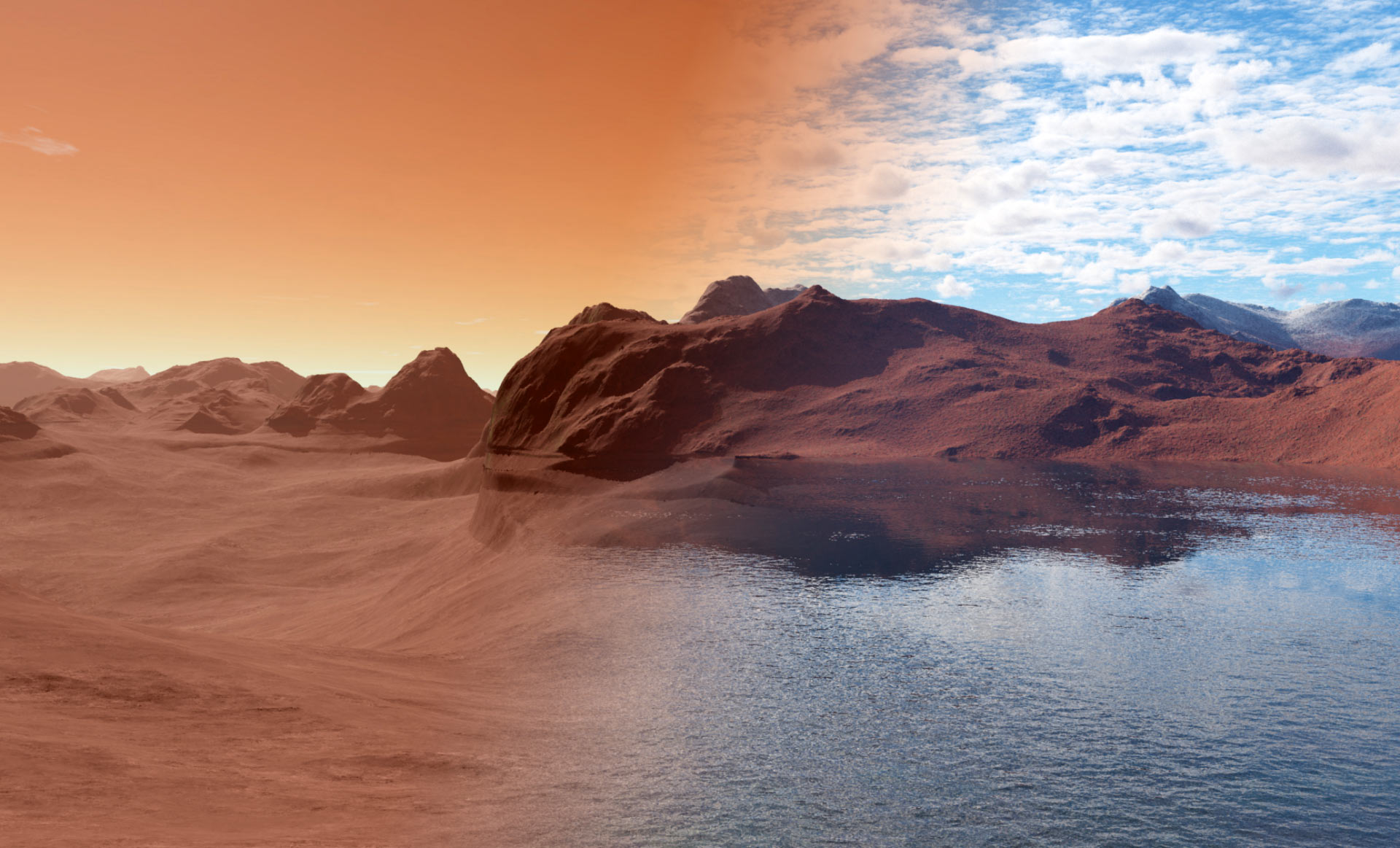
As a significant element in construction activities, the availability of ready-to-use water in outer space is questionable. Speaking of Mars, the planet has only 5 million cubic meters of water, for direct consumption much less than the 1.5 billion cubic meters available on earth. The low pressure and temperature of the planet do not allow water to be in its liquid state for long.
The other water reserves on Mars are available in the form of ice that needs to be heated for conversion into water. This statistic urges us to rethink our present water usage on earth and how we have been exploiting the resource. Hence, architects will have to discover alternatives to water that can provide similar binding quality and are available in plenty.
Environmental extremities
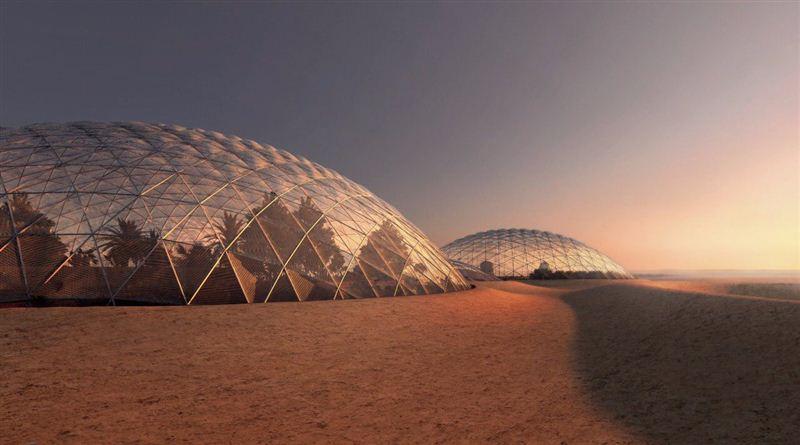
The climate is another important factor in designing and constructing the built environment. For instance, the temperature on the moon is as high as 260 degrees during the day and as low as 280 degrees during the night. While recent research by scientists at the University of California, Los Angeles predicts that the moon has pits and caves with moderate temperatures to make human habitation possible, the chances of survival are still pretty slim. Further, the soil on the moon, also known as the moondust when inhaled can irritate the throat, lungs, and eyes.
On another note, Mars too has extreme environmental conditions. It has no breathable air and a very thin atmosphere making its surface prone to high levels of radiation. Hence, architects must explore design solutions that are underground and rigid to protect humans from the extreme climate.
Renewable energy
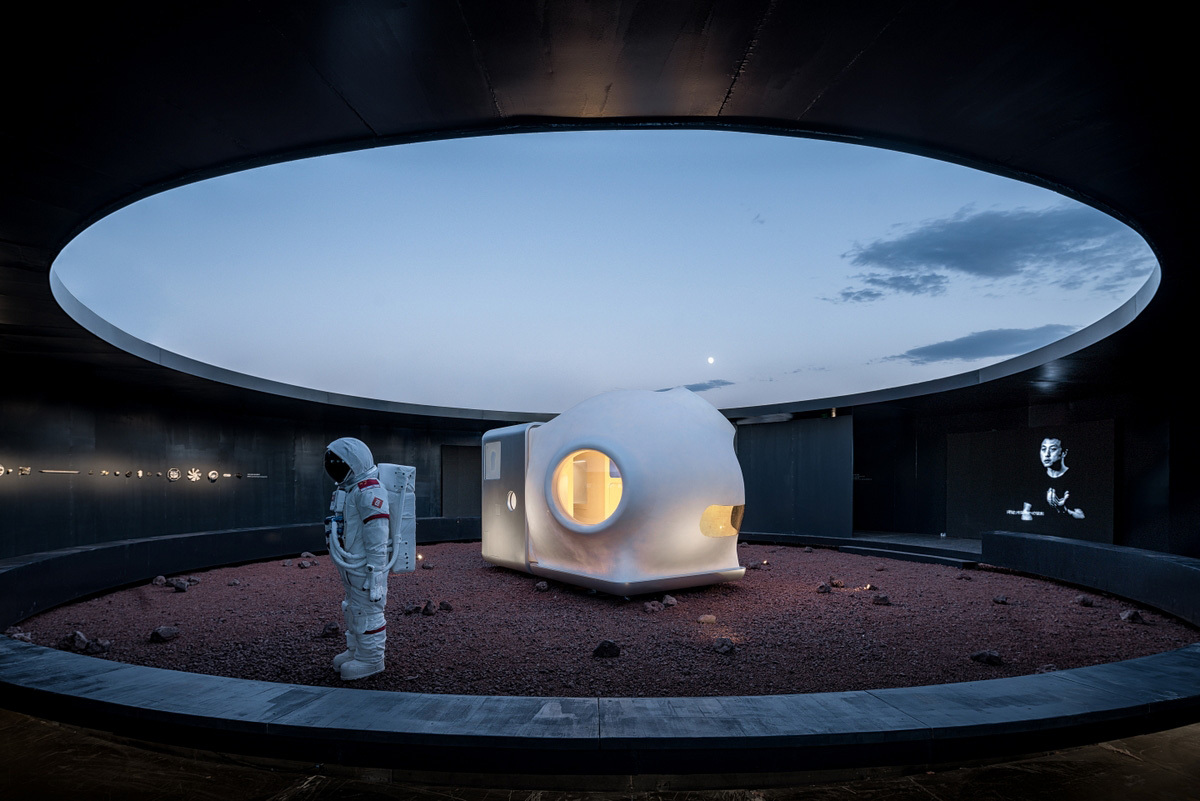
Based on the prevailing research, not many celestial bodies have shown the possibility of hosting life in the past, either due to lack of water or atmosphere. So, most of them have no fossil fuels because there aren’t any fossils. Hence, the only source of energy that one can rely in outer space is renewable energy. Architects will have to completely harbor the power of solar, wind, tidal, and nuclear energy to make built spaces functional. Local martian materials would also be a promising resource for architects to construct from.
A classic example of this can be seen in the material innovation of IDEA Architecture Office’s proposed building design for Mars. The Spanish architect Albero Villanueva has proposed a design that combines martian materials with fungus and mycelium to create a structural capacity that can sustain the extreme weather conditions on the red planet. This design is expected to provide a protective atmosphere for humans and make the interiors more hospitable.
Difference of gravity

The laws of gravitational pull are different for every celestial body based on its location in the solar system and surrounding atmosphere. Essentially, this force of gravity is an integral factor of design and construction because it defines the movement pattern and style of people inhabiting a space. Considering the example of Mars, its gravity is measured at 3.7 m/s2, much less than the 9.807 m/s2 available on Earth.
So, walking on Mars will be much more bouncy as compared to Earth. Hence, aspects such as the height of the ceiling and the design of building services would be significantly impacted to support the gravitational pull of the red planet. Alternatively, recent research by Kyoto University and Kajima Corporation in Japan has proposed the construction of artificial gravity buildings to enable life to thrive on Mars and the Moon.
Lack of resources

A significant drawback of construction in space is the availability of resources for construction. Architects need to be smart about the use of resources because only a limited amount of them can be transported from the earth. Hence, all structures have to be efficiently designed by applying the principles of reducing, recycling, and reusing. Making designs that promote sustainability and a circular economy will ensure that the design and construction process is 100% waste free.
The proposed design of Mars Habitat by LavaHive is an excellent example of recycling and reusing resources at bay. They created a modular 3D-printed dwelling through an innovative building technique called “lava casting.” The materials used in the construction of this dwelling were recycled and reused by using discarded materials from construction sites.
Vulnerability of the human psyche
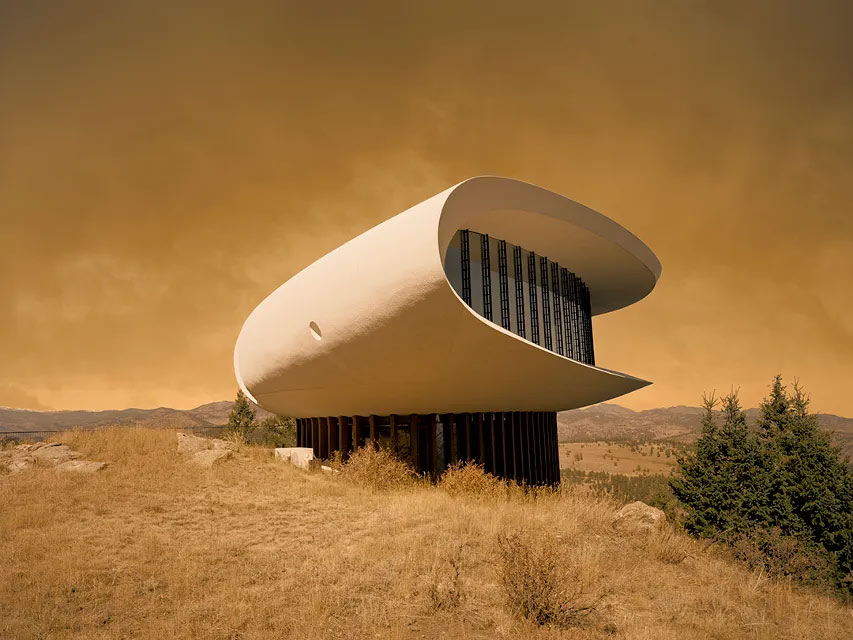
Mankind is accustomed to the environment on earth and relies on nature to relax and feel comforted. Moving to a new planet or satellite will make people feel isolated and alienated. Lack of familiarity with the environment and being confined indoors can elevate physiological and psychological disorders. From having a range of headaches to sleeping disorders, and emotional breakdowns; people’s well-being will be a grave issue that architecture can help deal with. Architects need to think of creating built spaces that allow sunlight to moderately enter the building. Incorporating and sustaining plants in controlled environments will also be required to make people feel comforted.
In conclusion
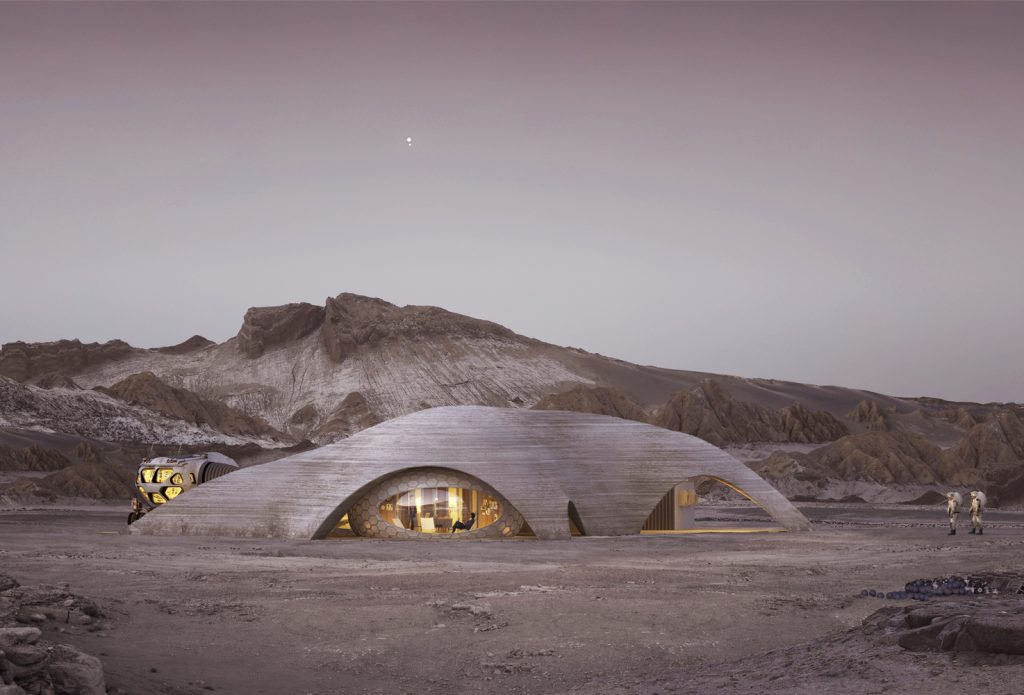
Although the explorations around extraterrestrial architecture began with the need to rehabilitate humanity, it is now transitioning into being a rat race with every agency wanting to outdo the other. Talks about mining and colonization of the moon, potential harm from space debris, and contamination of the space ecosystem are some of the key concerns surrounding extraterrestrial architecture.
It is important to realize that having the ability to explore the outworld is a privileged power that needs to be rightly exercised. Following a scientific and strategic code of conduct in space will not only help in creating a thriving built environment but also benefit the human race at large.
