


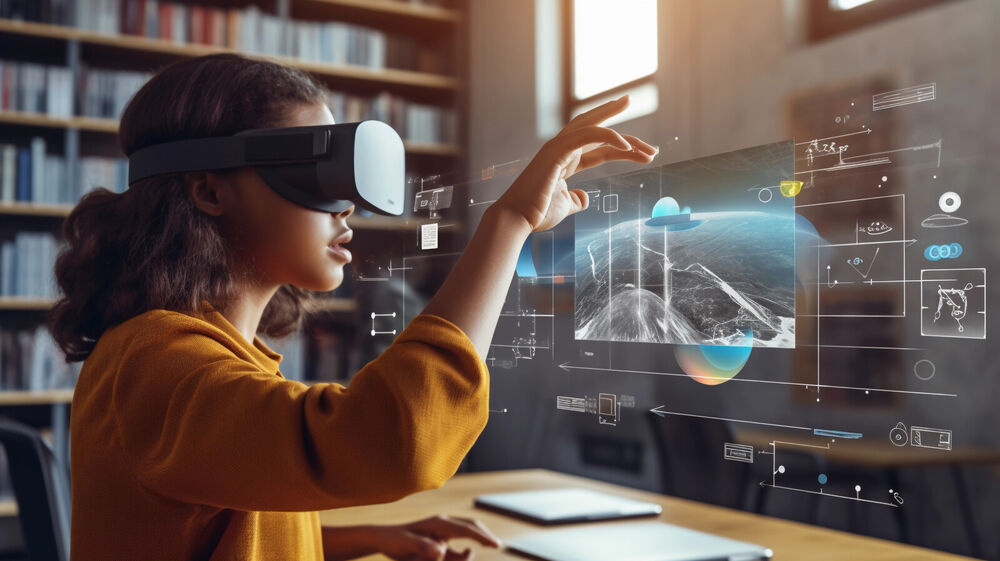
Education plays a key role in shaping the future of various fields and the adoption of Virtual Reality (VR) in architecture education. By integrating VR into the curriculum, academic institutions aim to improve understanding, enhance creativity, and ultimately boost academic results in the field of architecture.
The 21st century embraces technological progression and its myriad applications in each decade. The most recent advancement that draws attention is Virtual Reality (VR), which is known to have influenced nearly every discipline that can be thought about. Redefining the traditional approach even in the field of architecture and construction, VR is a visionary leap driving considerable changes to expand possibilities. Bearing reference to AIA’s firm survey ‘The Business of Architecture’ in 2018, around 67% of the big firms adopted VR technology into their practice. Even so, this is now not just limited to real-world practice but also permeates architectural education.
What is Virtual Reality (VR)?
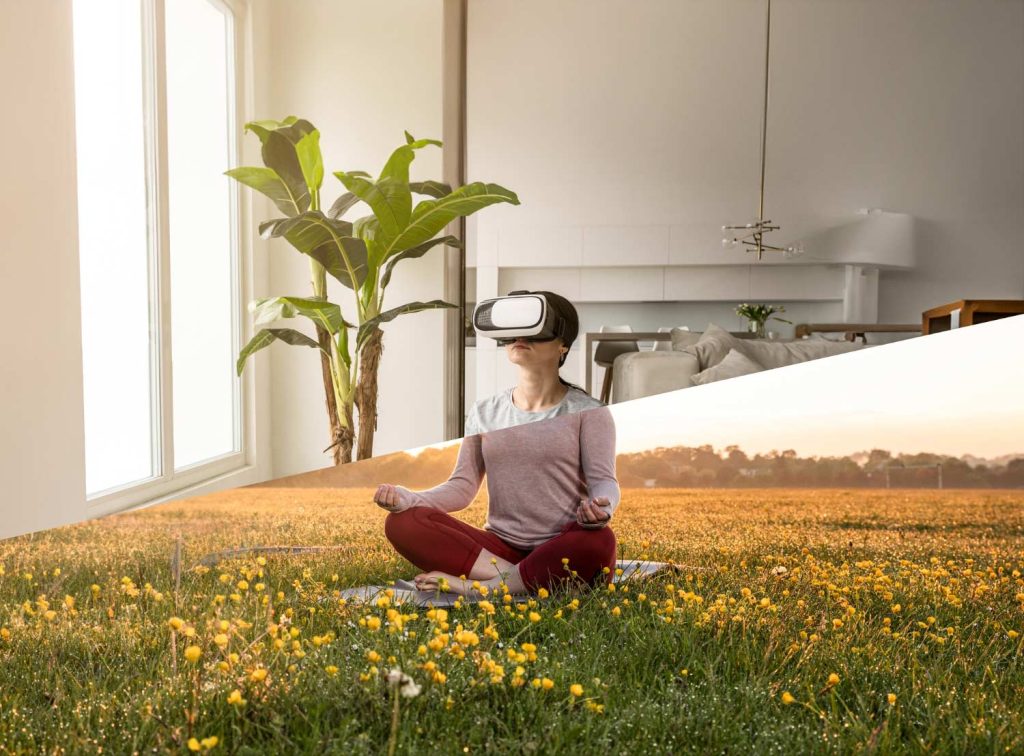
Virtual environment with the use of computer modeling. Often acronym as VR, its applications use advanced technology to emulate real-life experiences in non-real conditions through interactive devices such as headsets, goggles, bodysuits, gloves and others. When worn, these devices detect human movements and transmit signals in real time to adjust on-going scenarios and fabricate an illusion of presence (telepresence) in the superficial 3D environment.
Depending on the purpose, technology, extent of engagement, and immersive experience it promotes, VR systems are broadly classified into three categories, namely- non-immersive, semi-immersive and fully immersive. These differentials are typically established by what senses of an individual are stimulated when experiencing a virtual interaction that feels close to reality.
The fully- immersive category of VR incorporates sight, sound and even touch in a few cases. Experiments with the inclusion of smell in this technology are still in its infancy. Thus, the application of such different VR systems for various educational and training purposes has many benefits. Offering greater safety at a reduced cost, VR simulations can provide scope for learning and training that is equal to or nearly on par with real-world systems. In the context of the architectural industry, precision and detail in designs, and an understanding of building intricacies can be better achieved by utilizing progressive techniques and resources presented by VR.
Integrating VR in Architectural Education
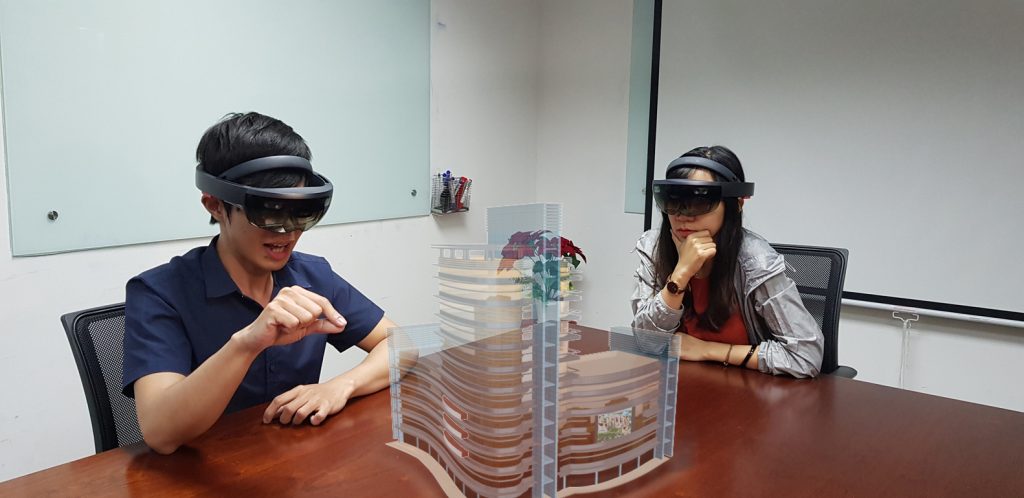
The old school taught fundamentals that propelled imagination by observing 2D drawings often made it challenging to correlate 3D spatial relationships and proportions. Since the traditional tools in classrooms are entrenched in theory, they provide a limited understanding of spaces and the construction process. Reforming both conventional and modern teaching tools, the advent of VR is the most contemporary technological advancement in the architecture and construction industry. Coming into emergence in professional practice in the recent times, VR is now extending to gain popularity even in the realm of architectural education. Its usage in architecture aids in transcending visualization beyond the capacities of 2D drawings and 3D renderings and equips one to experience actual immersion into a project.
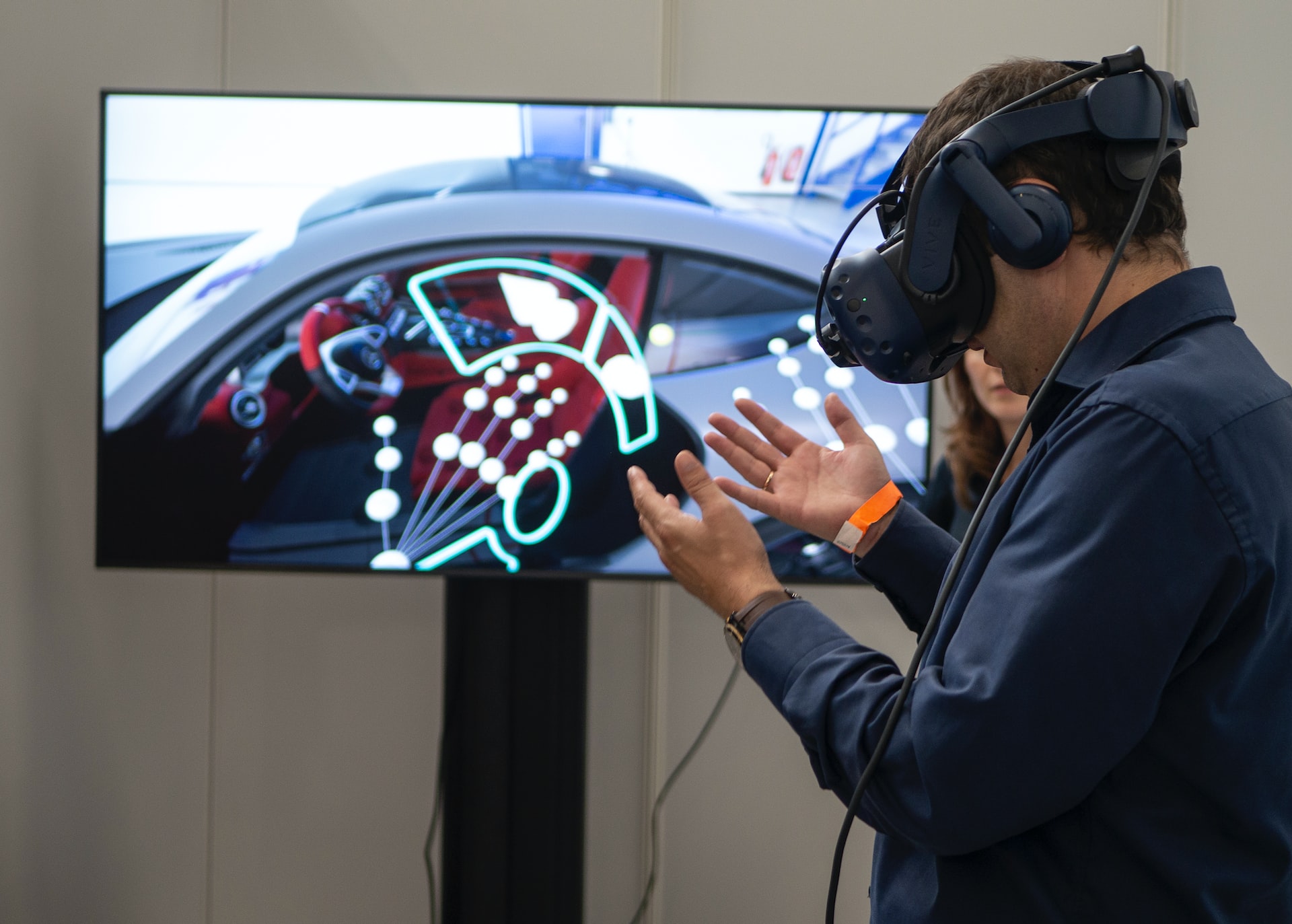
With futuristic gadgets such as VR headsets, bodysuits and others, an interactive digital environment of a yet-to-be-built design can be created. Using controllers, this digital environment facilitates interaction with many elements of design such as exploring different surface and material finishings, experimenting with lighting and ventilation, moving objects and so on. Such life-like simulation when introduced in design learning studios helps promote a better understanding of ergonomics and spatial relationships. Prototyping models for future reference and use are also supported. Thus, virtual reality architectural education encourages the assimilation of design aptitude with a consideration of the real environment data by reinforcing tangibility and allowing effortless redressal of errors in the design process itself.
4 Key Benefits of VR-Driven Architecture Design Education
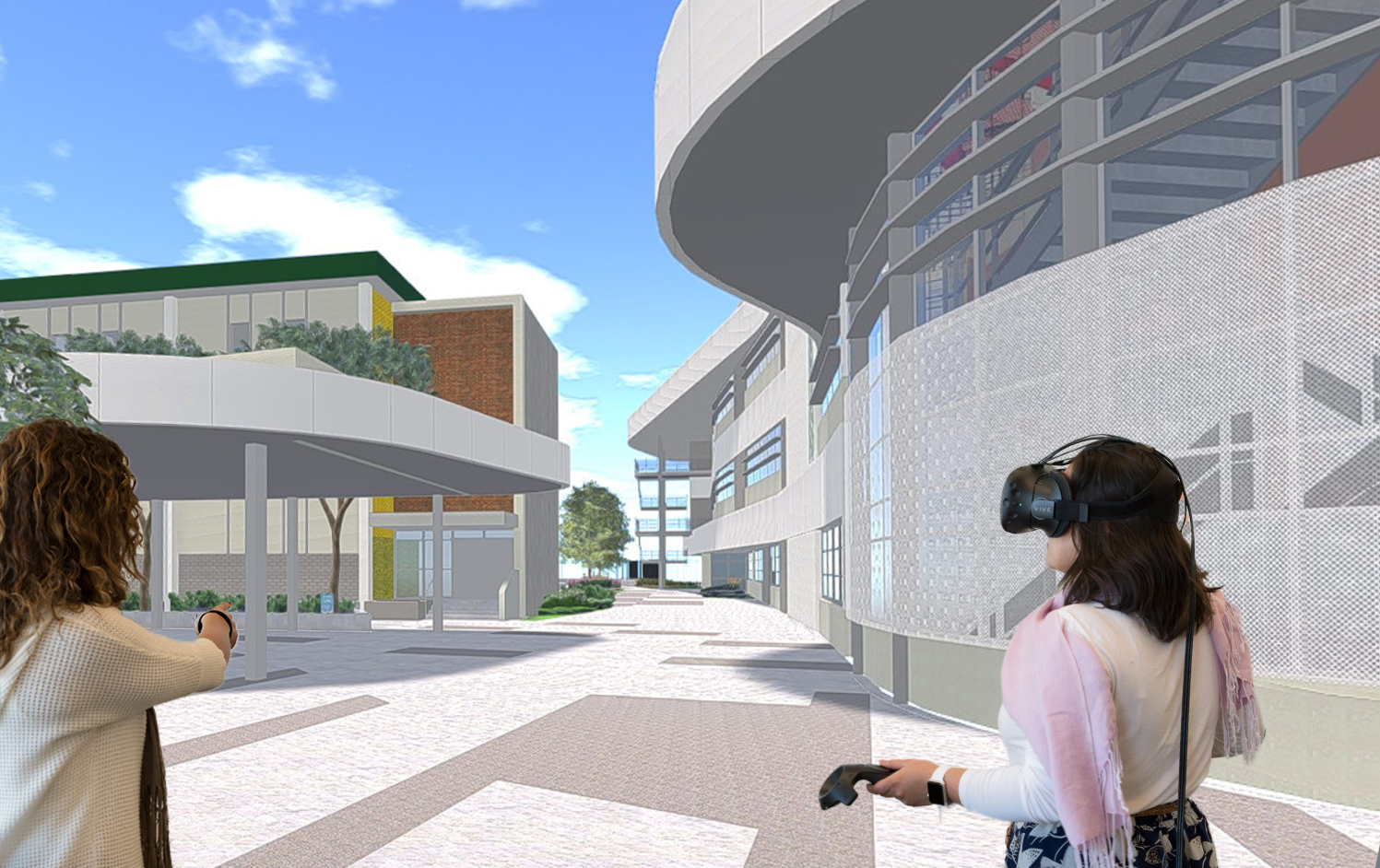
VR is reinventing the way spatial designing is being perceived by both students and faculty alike. So, let’s explore the fundamental benefits of VR for academic purposes in architecture.
1. Better Understanding through Engagement
A longstanding challenge in imparting architectural education is comprehending space, proportions and forms through drawings. VR serves to address this shortcoming and be an engaging method of visualization that brings forth a realistic experience of designing a space. By allowing students to familiarize themselves with unusual perspectives such as the bird’s eye view and others, VR showcases results in an immersive virtual format that endeavours to bridge the gap between the physical and virtual worlds.
2. Inexpensive Virtual Tours
An outright advantage of VR is the flexibility it provides to explore the world from the comfort of one’s personal space and time. In an experience-driven world, the integration of virtual tours into the curriculum enables students to access renowned architectural creations and landmarks by making geographical and financial constraints obsolete. Further, it empowers both students and teachers to delve deeper into understanding the details of the construction process at different micro and macro scales by observing crucial architectural elements. This can be repeated as many times as needed, wherein teachers can also modify the tools and elements to derive different learning outcomes.
3. Collaboration and Alternative Representation
Technological advancements like VR also favor remote participation and cooperation for design students from anywhere across the globe. It also furnishes a platform for different fraternity experts such as designers, teachers, contractors, investors and others to collaborate and communicate their strategies. Furthermore, it supports representing design and data via diverse mediums using Building Information Modelling (BIM) and Augmented Reality (AR) technologies that can be combined to deliver the best results. This encourages students to think of design in a hybrid realm and seek alternative ways of representation to showcase their designs.
4. Futuristic Approach
The knowledge and use of VR elevate one’s competency to design and showcase results before the actual realization of a project. The digital tools of VR help in translating a 2D imagination to a 3D reality to hypothetically materialize and engage with otherwise difficult perspectives. It thus enables exploration and active participation in the design process through self-learning and informed insights. This helps students explore various design ideas and structural systems that strengthen the fundamental concepts of theory. It eventually contributes to society having an innovative and ambitious generation of architects who are well-learned, confident, and imaginative enough to build the cities of tomorrow.
VR-Based Education in Action
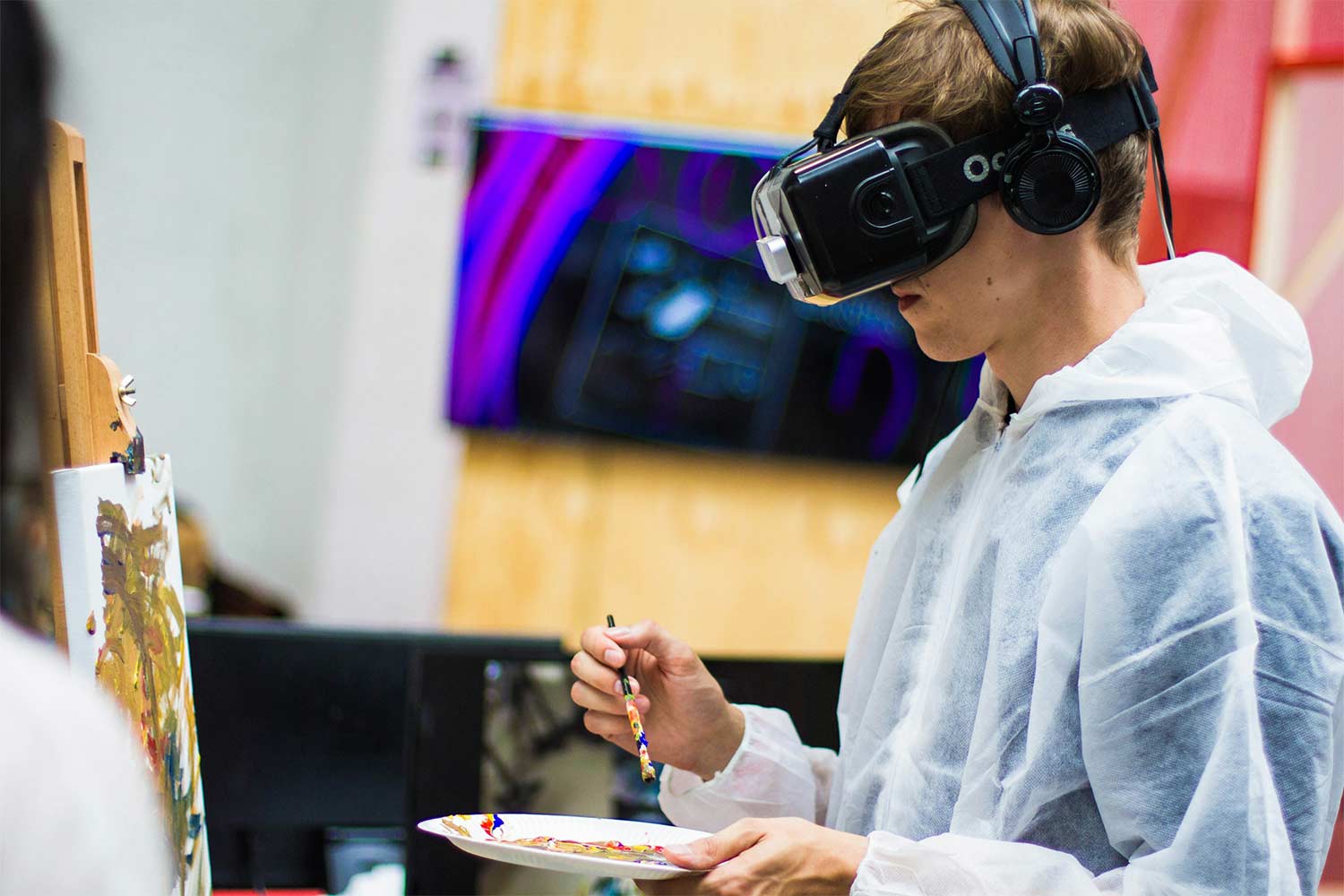
The integration of VR in architecture education is gaining prominence in leading universities across the globe. Many classroom courses are now getting a technological upgrade with new-age tools for better delivery of lectures. Mentioned below are some key examples of universities that are actively leveraging VR to enhance the quality of education at their institution.
- Georgia State University is using the VR methodology in their course related to art history to showcase inaccessible architectural historical places with Google Cardboard.
- The University of South California is applying alternative methodologies for real-time computational representation of architectural design. VR, and gaming engines.
- The Florida State University is using Google Cardboard VR glasses to explore a virtual learning environment for teaching history.
- The Chinese History of Hong Kong is exploiting VR technology to improve learner’s understanding of Hong Kong’s colonial architecture.
In conclusion, architecture is an ever-evolving, futuristic pursuit that strives to anticipate and meet the shifting needs of a society. To pragmatically achieve this, its foundational curriculum of design must be inevitably reorganized to be more technologically driven to foster enhanced visualization and necessarily better outcomes. Affiliating virtual reality to education shall aid spatial understanding and active interaction with design to better grasp the crucial human-environment relationship. It shall also help to avoid unnecessary errors to save on time, finances and human efforts involved, thereby satisfying all stakeholders.
