


Today, health is associated with various fields, such as mental, social, political, economic, and urban health. These days, a wide range of academic fields are included when discussing urban population health, including the social sciences, law, public health, urban planning, associated health, and medical sciences.
According to the WHO, planning for people is at the heart of healthy urban planning. It entails centering community and human needs within the urban planning process and considering the effects of decisions on people’s health and well-being. It also entails striking the correct balance between the social, environmental, and economic demands; as such, it shares many similarities with sustainable development planning. The idea is founded on the fundamental Healthy Cities principles of sustainability, community involvement, intersectoral cooperation, and equity.
The idea of a healthy city is both a strategy and an end in itself. It offers jobs, preserves the historical and natural environments, has a distinct identity that is safeguarded, is safe from natural disasters and other calamities, is reasonably priced and has high-quality residential areas, is home to robust public services like health and education, has enough open space, and is populated by people from the surrounding area. A successful city fosters social cohesion and grows according to a planned blueprint.
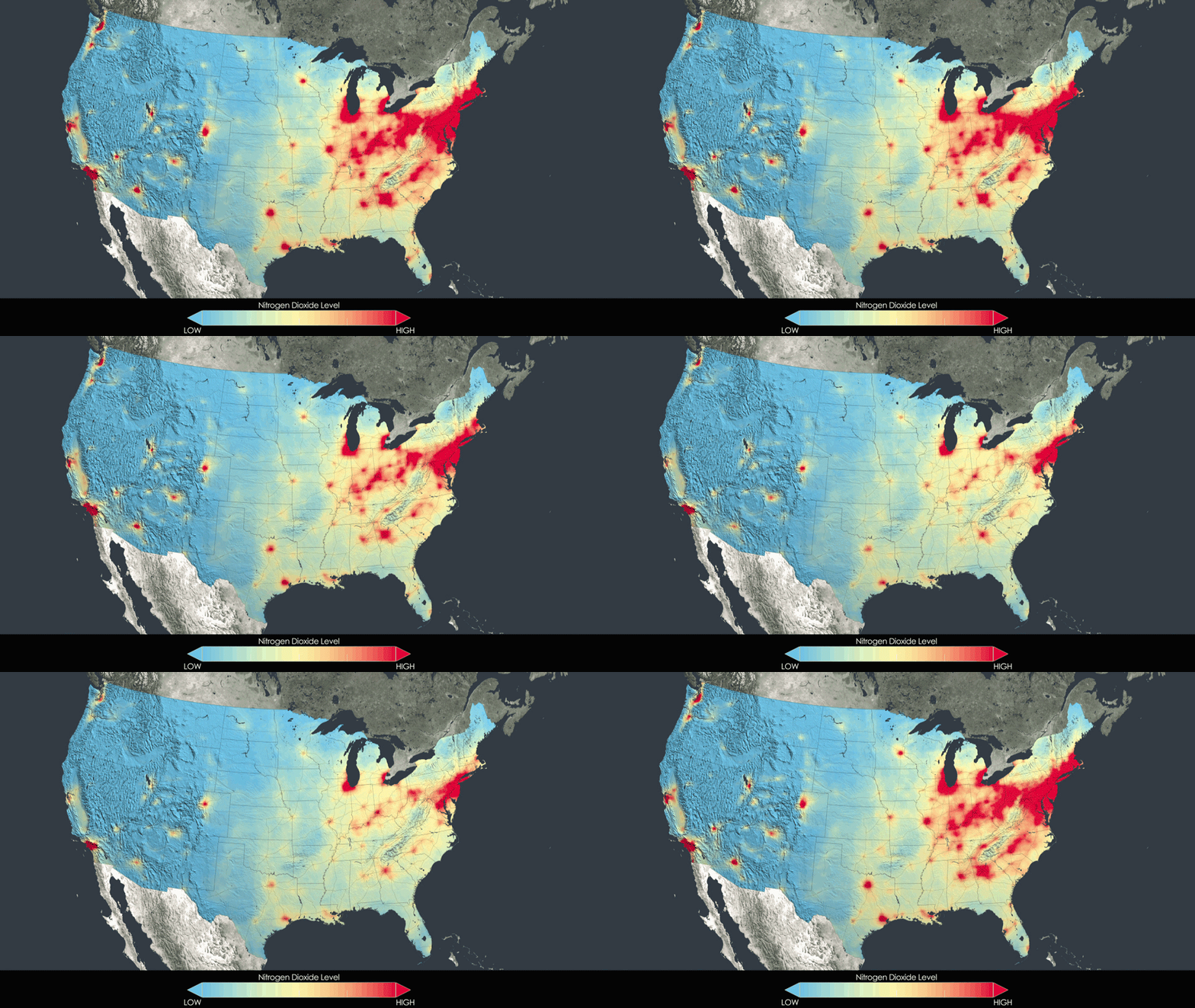
In Europe, two-thirds of the people live in towns and cities. Because of the excessive traffic, pollution, noise, violence, and social isolation that young families and the elderly experience in urban regions, these areas are frequently unhealthy places to live.
According to the WHO, healthy cities prioritize investing in people, encouraging inclusion, integration, and non-discrimination, and including the entire community. They set the standard to bring about positive change, address inequality, and advocate for sound governance and leadership for health and wellbeing. Healthy cities prioritize health diplomacy, innovation, and information exchange while keeping the planet’s and people’s health at the center of all policy decisions. Through all of their acts, policies, and procedures, they foster peace and support the pursuit of health and well-being by creating an accessible social, physical, and cultural environment.
It is estimated that chronic illnesses claim the lives of about 41 million people worldwide each year, according to Imperial College London. Designing healthy settings has become more crucial as chronic diseases become the leading cause of death and disability among urban populations.
For instance, the WHO reports that air pollution causes over 500,000 premature deaths yearly in the European Region. Also, at least 20% of people live where noise pollution from cars is considered unhealthy.

In recent years, researchers have been utilizing new technology and performing interdisciplinary studies to improve urban health.
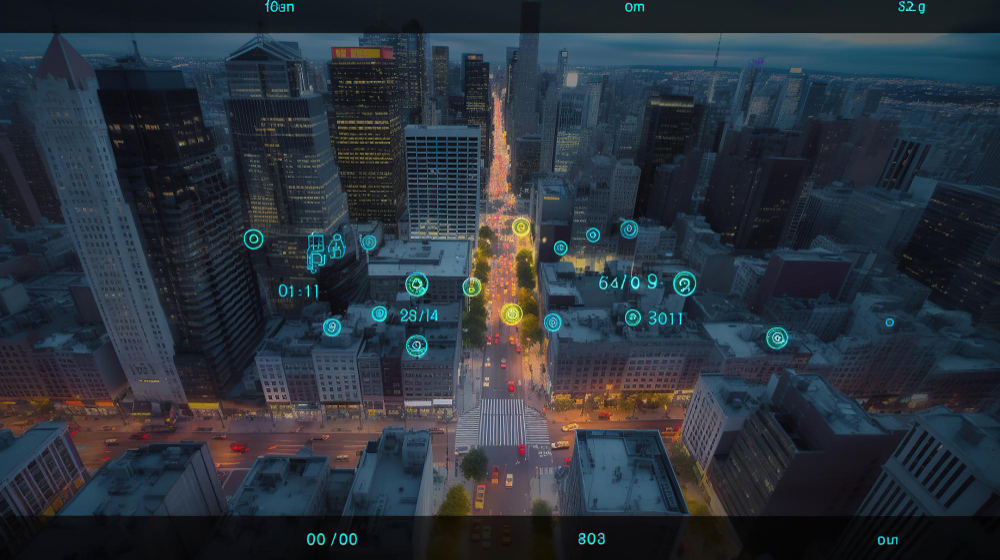
An interdisciplinary, integrated approach to investigating the intersection of the digital and physical worlds is provided by artificial intelligence (AI) and smart cities. Algorithms driven by artificial intelligence surpass the delivery of urban services and penetrate the domains of planning, health, safety, and urban governance. AI applications in urban health could help preventive, monitoring, and decision-making activities in public health.
AI, for example, can help healthcare professionals by increasing their capacity in areas without enough staff to satisfy demand. Care can be accessed remotely, thanks to virtual health services.
As Delloite states, “A data-enabled, digitally connected ‘smart city’ can make health care smarter when systems and data are integrated and interoperable across core health and other services, including public safety, the quality of housing, environmental health, social services, emergency services, and transportation. This can help to enable a real-time response to health crises, address inequities, and support the interconnected health and well-being goals of communities across the globe.”

Cities’ reaction to the epidemic has been greatly aided by digitization, with systems that monitor the risk of contagion and ensure citizens abide by social separation and confinement regulations.
The COVID-19 pandemic turned out to be a phenomenon that showed the relationship between cities and health. For example, 83% of cities have made significant technological investments to enhance telehealth services and enable remote diagnosis and treatment.
Building accessible and smart cities is crucial to establishing healthier cities and enhancing the healthcare system. Globally, cities realize that adopting a green approach to urban development can reduce urban heat island effects, reduce air pollution, and enhance natural environmental resilience.
For example, Buenos Aires created an AI Strategic Plan shortly before the COVID-19 epidemic, outlining the three primary obstacles the city would need to overcome to integrate AI: developing, deploying, and enabling technology.
To keep city people healthy, artificial intelligence (AI) is changing the urban health landscape and opening up new possibilities for governments and health systems to go from reactive to proactive, predictive, and even preventative.
