


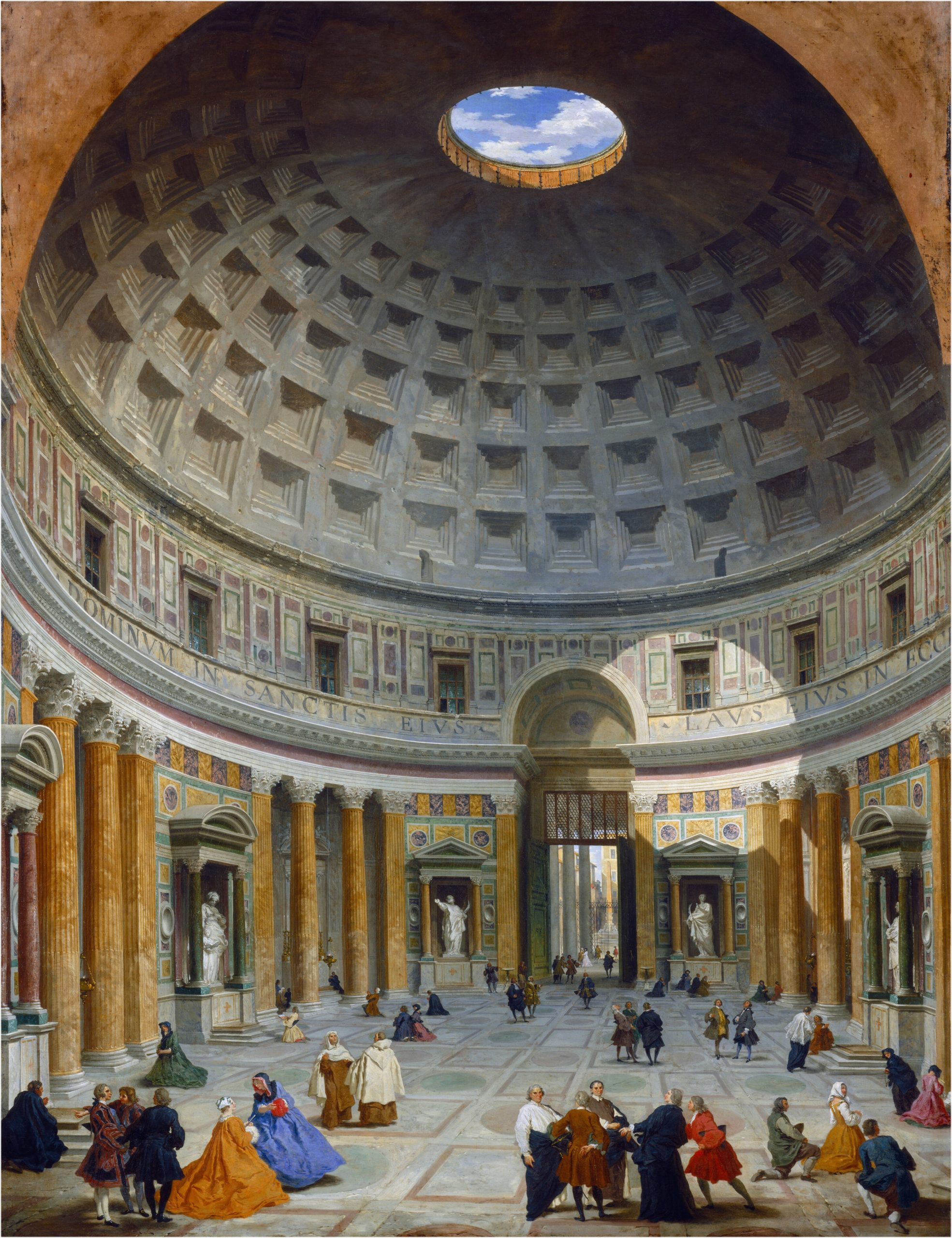
Ancient Roman Architecture was a bold style statement that originated with the Roman’s during their power from the early Republic (509 BC) to the fall of the Western Roman Empire (476 AD). Picture the coffered dome of the Pantheon, walking through the arched corridors or witnessing the aqueduct beneath your feet, these are the elements that illustrate the narrative of grandeur design. Ancient Roman Architecture brought revolution in crafting striking structures that integrated innovative techniques, powerful vision, and strategic planning that shaped our world today.
The Genesis of Ancient Roman Architecture
Emerging from the blend of cultural influences, Etruscan and Greek styles inspired Romans to develop a distinctive architectural identity. With a pragmatic approach, they focused on durability, functionality, and proportions, reinforcing the impact of the monumental creations. Their engineering methods, precision of intricate details, and mastery of materials unlocked unique possibilities in scale and proportions, deeply influencing the way we build and live today.
Foundation of Roman Architectural Innovation
The Roman builders didn’t just construct structures but encouraged the ingenuity, visual consonance and functionality in their groundbreaking methods that transformed the modern design style.
1. Engineering Marvel: The Roman Arch
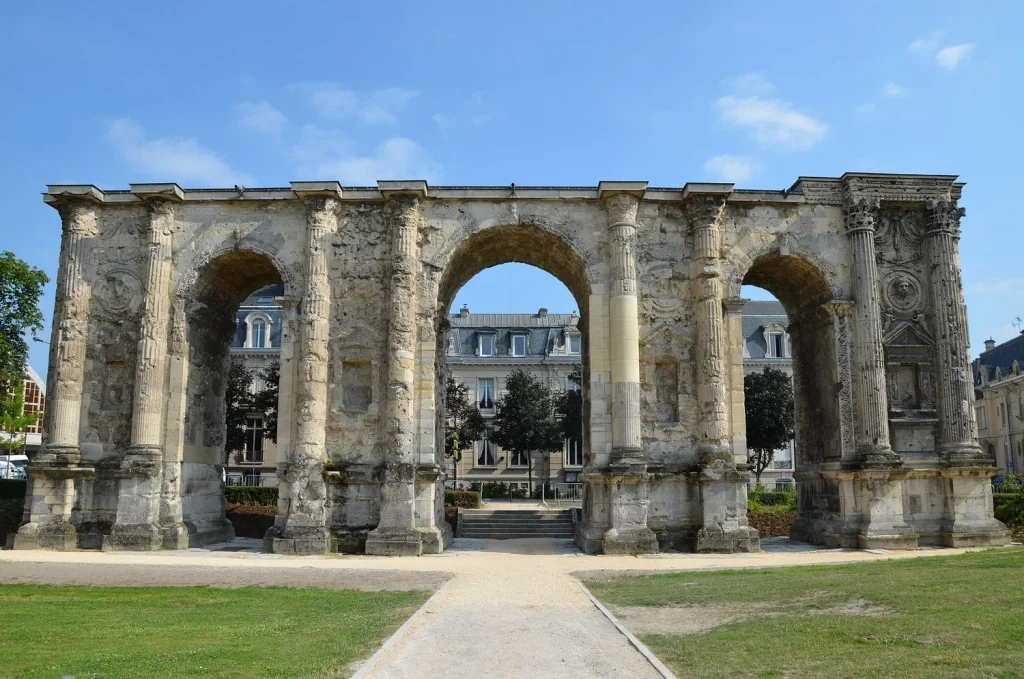
The Roman arch was the symbol of power and precision, not just used as a structural element. Roman builders, with their exceptional engineering capabilities, designed arches that evenly distribute the load and make the structure span larger and stable, unlike Greek techniques, which used a post-lintel system. This design technique became the foundation stone for Gothic cathedrals and modern bridges.
2 . Concrete Revolution: Opus Caementicium
The adoption of opus caementicium transformed the innovative construction techniques. It was not just about aesthetics, they built durable structures, aesthetically grand and curving forms illustrated by the vaults and magnificent domes that represent ancient Roman architecture. Opus caementicium mixed with volcanic ash (pozzolana), lime, and aggregate created a self-healing material.
3. Roman Columns
Building on the principles of Greek architectural style, the Romans quickly transcended them and created their orders of columns. Greeks developed the classical orders – Doric, Ionic and Corinthian, while Romans introduced the Tuscan and Composite orders. It allowed flexibility and durability in shaping architectural articulation in design.
4. Roads, Bridges, and Domes
The Roman Empire was widely spread, and its cross-axis street grid, stretching over 250,000 miles at its peak, was constructed with multiple layers and efficient drainage systems. The aesthetically pleasing bridges, ranging in two or three tiers, showcase the Romans’ ability to blend functionality and innovation.
Key Points of Roman Architecture
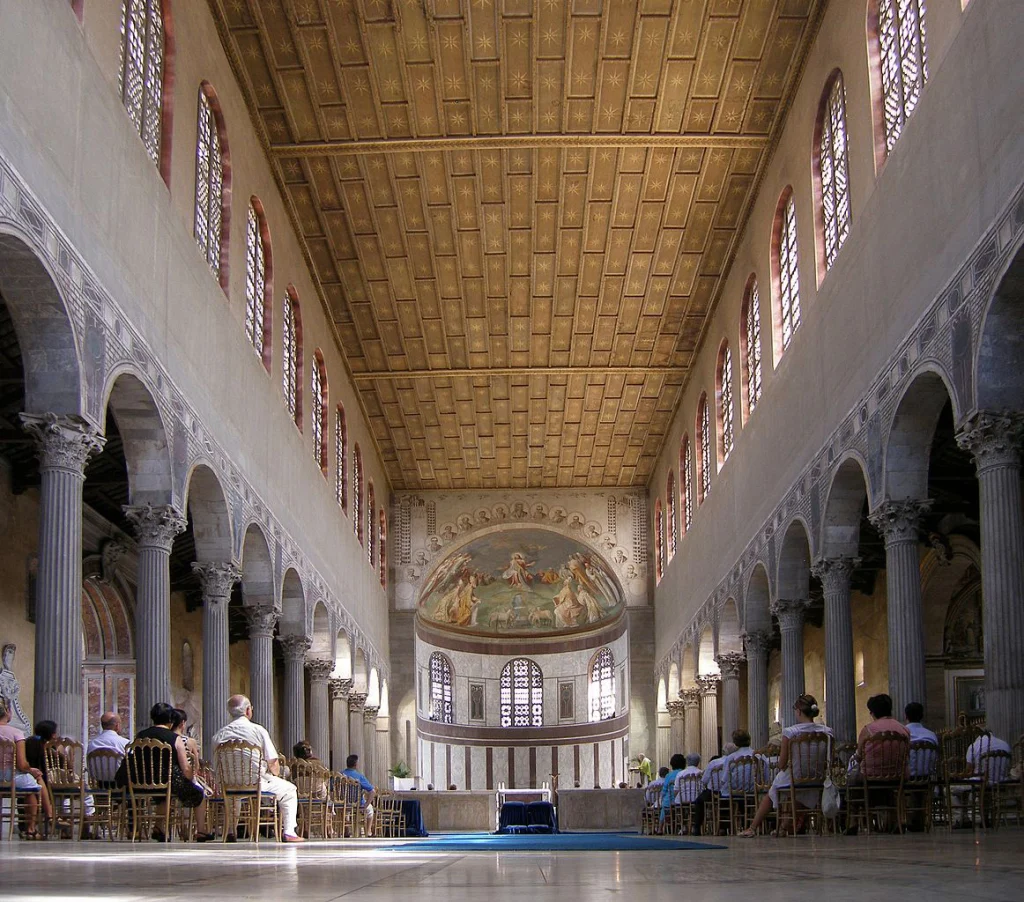
Innovation: The Roman innovative techniques created more stable structures that revolutionized architectural design style. With exceptional skills, they used a combination of materials such as travertine, bricks, and marble that showcase craftsmanship, intricate details and remarkable structural integrity.
Widespread showcase: They built exquisite gateways as a symbol of victory, honouring the emperors, Triumphal arches, aqueducts, and expansive bridges.
Structural engineering: Used key stone at the arch’s center, locking all stones in place and diverting vertical load into compression, providing strength and stability.
The Social Impact of Roman Architecture
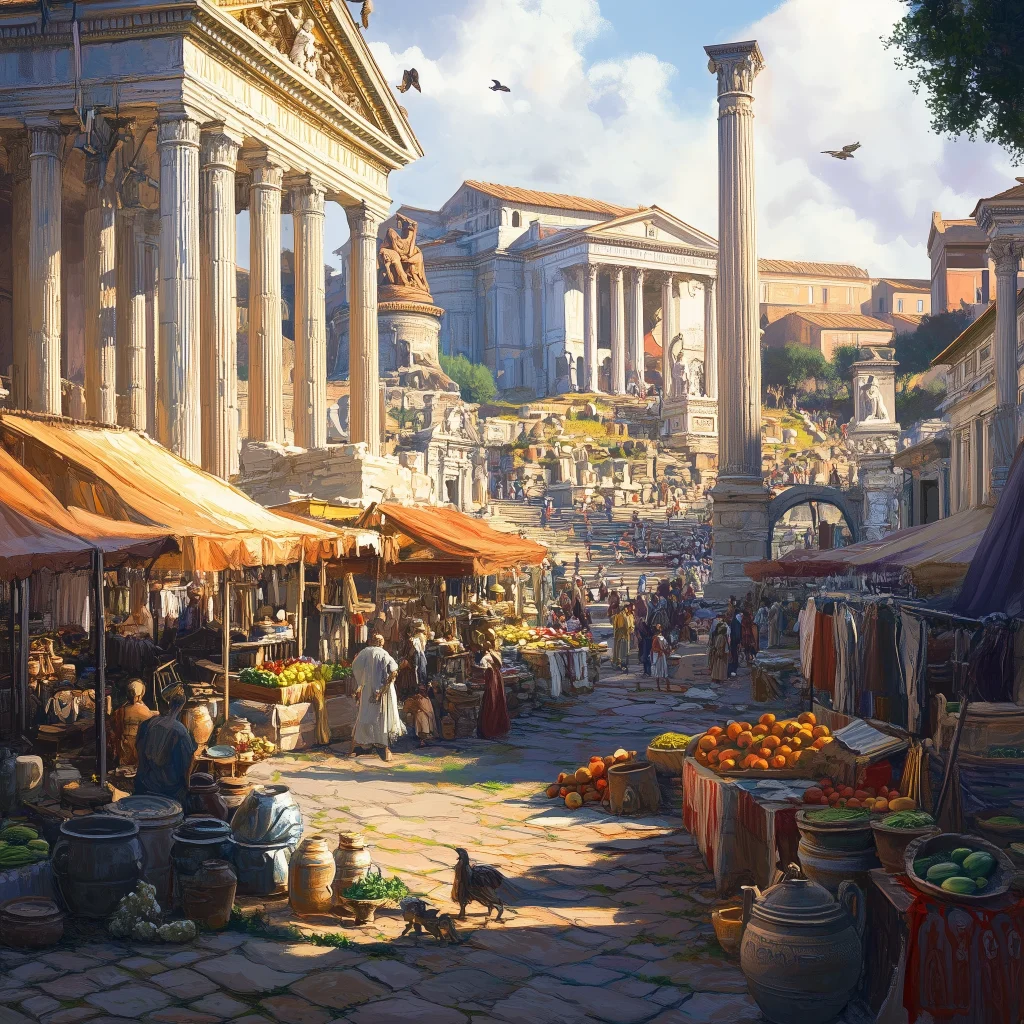
Ancient Roman architecture was crafted with vibrant spaces that foster community engagement and social interactions. Building on the notion of the integrating body, mind, and spirit, public buildings were consciously designed. Water was supplied by aqueducts to the fountains, and massive complexes with public baths, plazas, incorporated libraries, gardens, and halls that enhance the city’s beauty and cultural significance. Gathering spaces were decorated with statues and descriptions of victories. Thus, public spaces became the center for social exchange, political discourse, and relaxation.
Masterpieces of Ancient Roman Architecture
1. The Colosseum (80 AD)
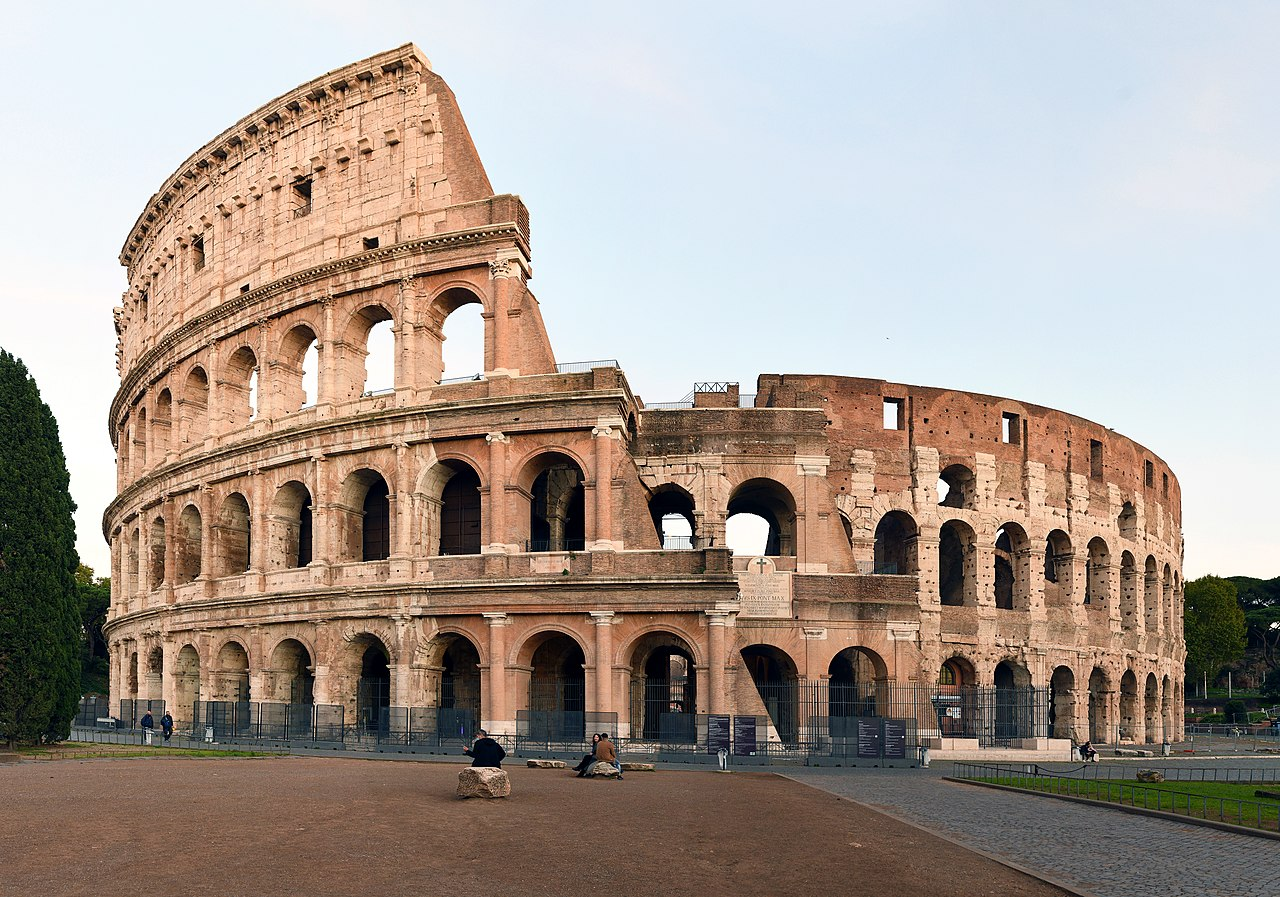
Built on the philosophy to showcase power through entertainment, the colosseum was an arena of innovation that served as a theatre to gain public attention and distract from social issues. Aimed at Rome’s diverse population, the elliptical shape spans 189m in length and 156m in width, constructed primarily with travertine limestone, Roman concrete and tuff. The design was exceptionally composed of various levels – Hypogeum, an underground tunnel, cages operated by pulleys allowed a dramatic appearance for the show.
Velarium, a canvas shading two-thirds of the arena to protect 50,000 spectators from the harsh sun. A smart strategic placement of 80 entrances/exits, Vomitoria, and tiered seating based on hierarchy. The Colosseum was a technological masterpiece that represented social life, cultural values, and wealth. It organised gladiator contests, public games and races, a thrilling experience for spectators.
2. Roman Aqueducts
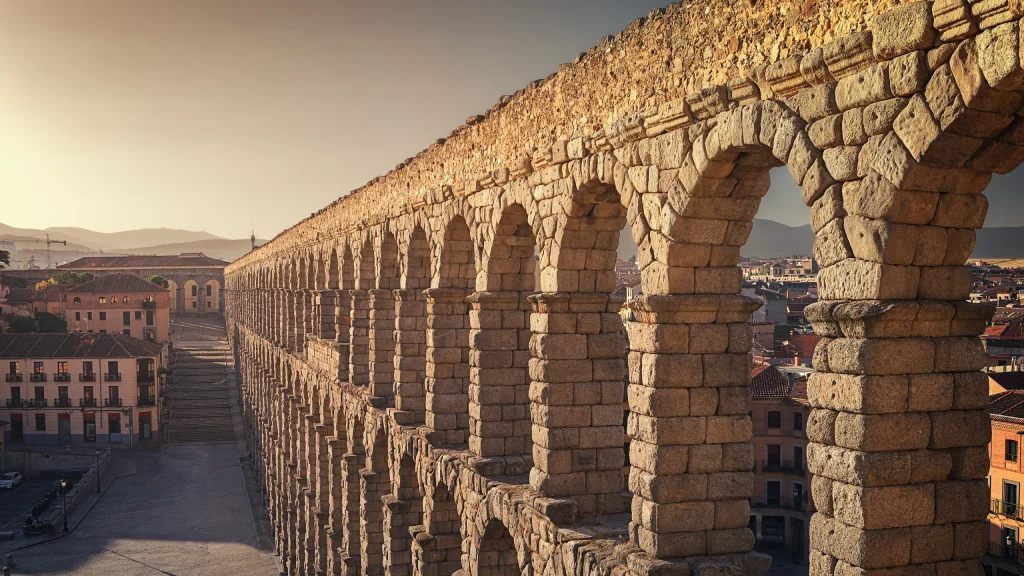
Roman Aqueduct, Segovia, Spain Getty
It is said that wherever Romans enter, they build aqueducts. Aqueducts were the symbol of Roman order, values and goodwill for the public, reinforcing the relationship between people and the emperor. Clean water improved public hygiene and health. Aqua Claudia, combined with Anio Novus, was designed with precision, and engineers maintained a steady slope for water to flow easily. They used sedimentation tanks to remove debris and sand, and inverted siphons, mainly in valley regions. Roman Concrete and stone were used to build the proportioned and symmetrical Aqua Claudia, which supported graceful arches and columns as an architectural expression of Roman power.
The Pantheon (126 AD)
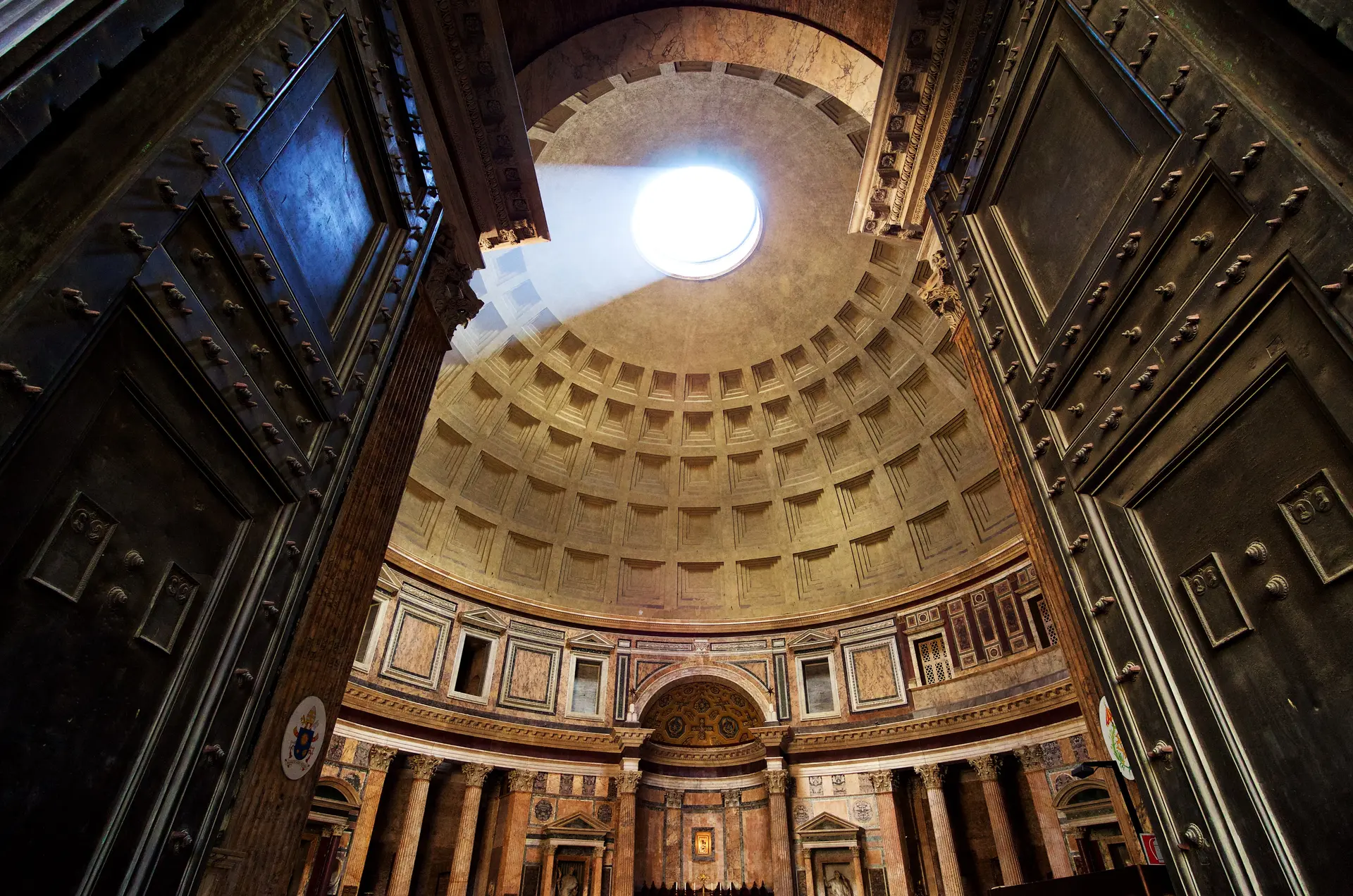
The original temple was built by Marcus Agrippa in 24 BCE, and was later redesigned under the rule of Emperor Hadrian. Planned on the philosophy of proportion, balance, and grandeur, the Pantheon resembles the Roman vision of cosmic and celestial harmony. It’s not just a temple but a symbol of connection with the universe. The largest unreinforced concrete dome of 43.3 m in diameter was constructed using Roman concrete that distributes the load evenly and lightens towards the top of the dome.
To reduce the dome weight, the square recessed coffers create aesthetic rhythm, and the circular opening at the dome’s apex-oculus acts as the only sunlight source. The symmetry symbolises perfection, and the Pantheon dome fits perfectly into an imaginary sphere uniting the functionality, aesthetic, balance, and engineering as a spatial experience.
Roman Architecture in the Modern World
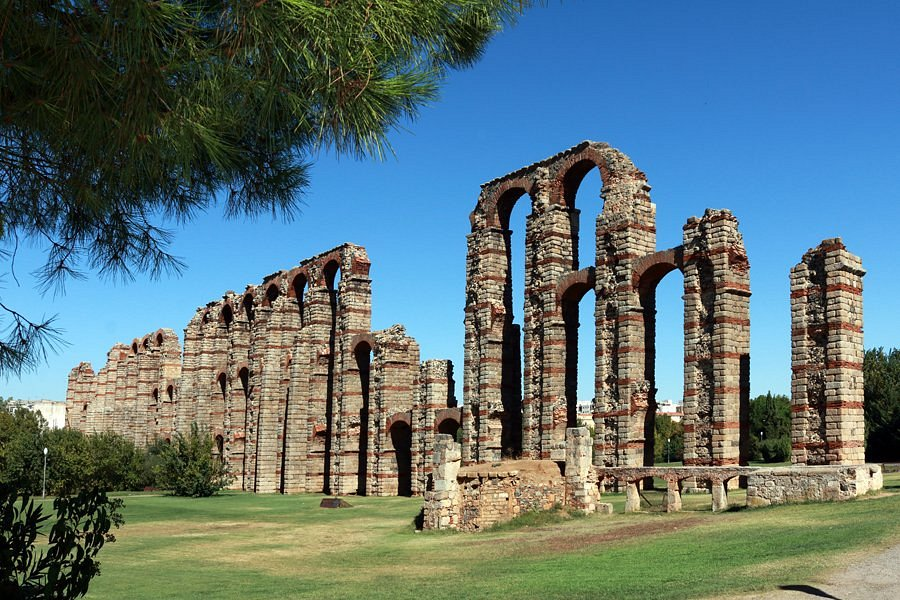
Drawing inspiration from Roman architecture, contemporary buildings are designed with classical elements such as arches, domes, vaults, and columns to evoke a sense of grandeur and a balanced look of the structure. The enduring legacy shaped the modern design principles that echo the stories of the past. They taught us about durability and innovation embedded in structures that survived thousands of years. By analysing and experimenting with their techniques, we can unravel new secrets for human-centric sustainable design.
Ancient Roman architecture reminds us of the mastery of human innovation, imagination, and dedication. From practical and structural functionality to awe-inspiring buildings inspires today’s generations. Ancient Roman architecture was not just a style but a profound reflection of cultural values, creativity, and innovative techniques. Innovation and design were two cornerstones of Roman architecture that continue to illuminate. Even Today, while walking through an arched walkway or admiring a monumental dome, we are engaging with ancient Roman architecture that refuses to fade. Roman buildings are not merely ruins, but a living reminder of the legacy that shaped our civilization.
