


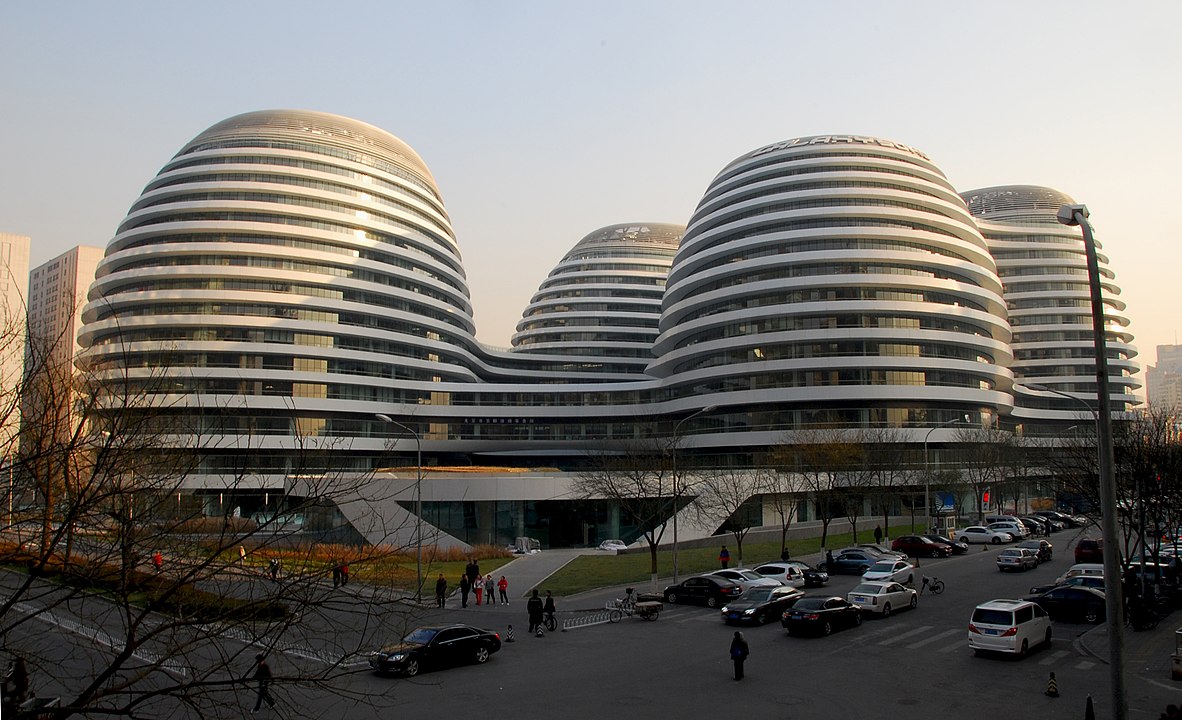
The concept of futurism in architecture stands apart from traditional designs and reflects the ideology of innovation, speed, technology, and dynamic movement. The architectural style originated at the beginning of the 20th century as part of the greater futurist art movement, characterized by complex forms, advanced technology, and a departure from historical styles. Futuristic architecture expresses ideas about society and its future rather than just about buildings, space, and forms.
Architects and designers embellished their designs with notions of movement, trying to express the spirit of a developed, mechanized, and technological age. This idealistic and forward-thinking movement even now has its effect on architecture and urbanism. Today, this optimistic trend is a motivating factor for some architects, changing the face of cities and predicting what the future of architecture will look like.
This article will explore the futuristic architectural style, giving an overview of its history, evolution, and impact. A key aspect of the article will also focus on identifying futurist architecture by exploring its distinguishing features and characteristics. The exploration is meant to offer a comprehensive understanding of the present-day relevance of futurism in architecture and the practice of its application in shaping future cities.
Origin of Futurism in Architecture

Futurism arose in Italy during the early 20th century, with the poet Filippo Tommaso Marinetti publishing the first Futurist Manifesto in 1909. It was, first of all, a social and artistic trend that adored technology, and machines, speeding up the industrial revolution’s pace. In architecture, concentrating on breaking classical styles, it incorporated technology and innovation in line with the rapid changes that society was experiencing as a result of industrialization.
Antonio Sant’Elia, an Italian architect, emerged as one of the most prominent figures of the movement as he created visionary designs using modern materials such as steel, glass, and reinforced concrete. His work includes the renowned series of sketches he produced for ‘Città Nuova’ (New City), which embraced the fundamental point of the futurism artistic movement, which called for vertical cities with curves and shapes that defied gravity. However, even though most of his works were never constructed, they began to justify the progressive development of futurist architecture.
Evolution of Futurism in Architecture
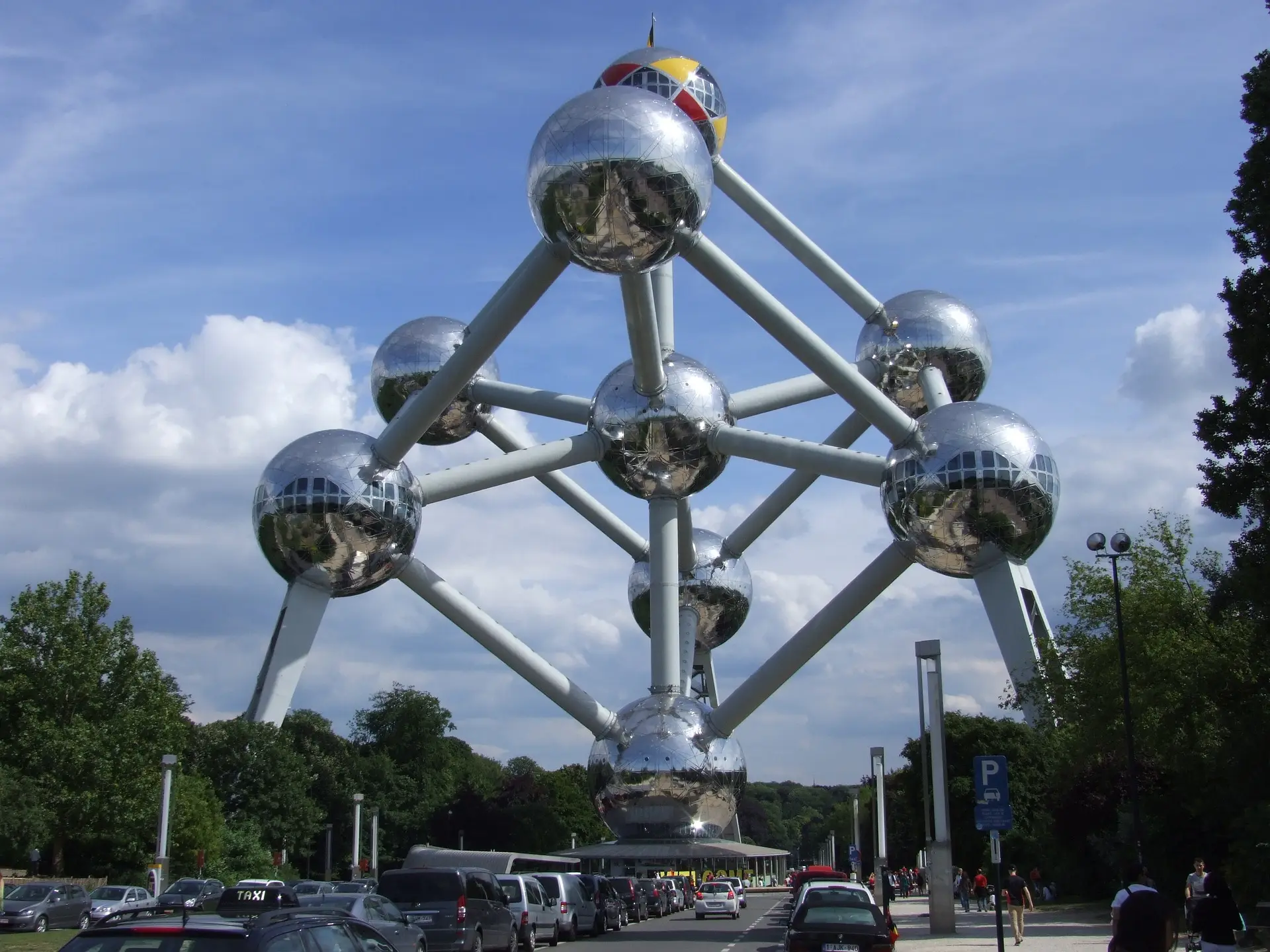
Futurist architecture was first imagined as an ecstatic movement; however, as time progressed, this style adapted to new technology and the changing needs of society. The first stage of futurism was marked by bold theoretic drafts that advanced architectural calculations to the extremes. But, by the turn of the 21st century, such concepts started to actively shape the realities of the built environment.
After the Second World War, the majority of architectural designs began to embrace elements of futurism. This was more so in cities, which were at the forefront of modernization and urbanization. The birth of the space age in the late 1950s and 1960s further heightened the embrace of futuristic architecture, where its bold and aerodynamic shapes epitomized the desire of humans to conquer outer space. The inventions of new construction methods and materials revolutionized architect’s ability to design complex and flowing forms, which became the characteristic feature of futuristic design.
Futurism’s impact could still be felt through the subcultures of the late 20th and early 21st centuries. It also assimilated with other architectural styles, such as modernist and deconstructivist architecture, which later transformed into the current concept of New Futurism or Neo-Futurism. This advanced version of futurism is based on principles of sustainable design, technology incorporation, and the seamless blending of nature into architecture, which are indispensable aspects of the most avant-garde architectural practices today.
How to Identify Futurism Architectural Style?
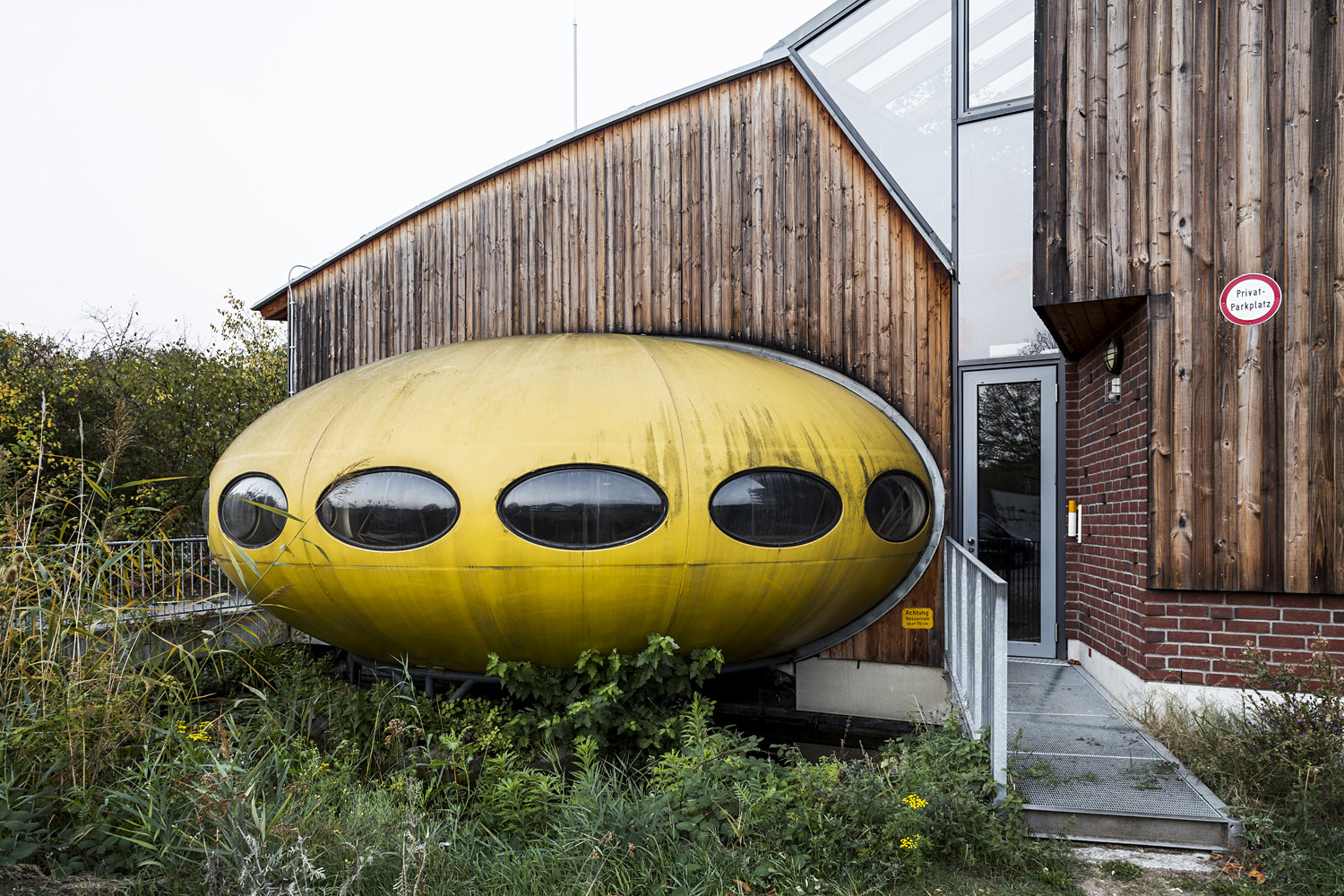
Futurist architecture is celebrated for its radical break from historical forms and its aspiration toward a new horizon. This particular style focuses on movement, energy, and modern materials, which help to create architectural shapes that express swiftness, strength, and development. Among the many features of futurist architecture is its appearance, primarily characterized by twisted, curved, undulating structures that suggest motion in compliance in depth with the approaches of speed and modernity. Steel, glass, and concrete are the materials that are central to futurism, giving architects the freedom to design bold, extensive, and large constructions that were unimaginable in the past with the traditional techniques of construction.
Futurist architecture is distinguished by distinctive shapes and forms that are often asymmetric, non-linear, and defy the classical containment of shapes, and thus, these geometries are regarded as expressive of movement and advancement. Furthermore, futurism was the earliest stylistic movement, which recognized the importance of machines, industry, and their place in mankind’s future. This style of architecture has many buildings that have incorporated advanced structural systems. In addition, futurist architects were pragmatists, and they propounded the ideas of contemporary architectural practices—they built everything for a fast-changing society focused on city design, transportation, and efficient use of space.
Key Points to Identify Futurism
- Dynamic and fluid forms
- Use of modern, industrial materials (glass, steel, concrete)
- Asymmetrical designs with sharp lines and angles
- Focus on technology and mechanization
- Integration with urban environments and transportation systems
- Symbolism of speed, power, and the future
- Innovative use of space, light, and structure to reflect progress
Positive and Negative Impacts of Futurism Architectural Style

Futurism has adopted a daring strategy towards architecture for its global effects, which can be seen in several architectural styles and movements. This has resulted in huge changes, which were not only positive but also negative. On the positive side, this expanded the horizons of urban planning and introduced architecture as a creative and innovative force rather than merely preserving the extant orthodoxies of culture. Therefore, this dynamism has generated an explosion of architectural designs; hence, modern cities are characterized by remarkable and breathtaking structures that enhance the limits of what can be constructed.
Moreover, the motivation of futurist architecture has also tremendously affected sustainability. With the growing deterioration of the world’s environment, global futurist architects have taken green technologies into account in their work and have designed structures that use or produce renewable energy, efficient materials, and environmentally responsible construction techniques to lessen the carbon footprint.
On the other hand, there has been criticism directed towards the departure from traditional practices. Some critics contend that the movement is overly focused on technology and modernism, which sometimes can compromise culture and history. For example, in many instances, the futurist structures have been reprimanded for overshadowing and even erasing the traditional styles of architecture, which are of great cultural value to the place. In addition, the expensive nature of such architectural designs tends to create a gap in the economic disparities between areas that can afford such developments and those that cannot.
Notable Architectural Projects
This ideology emphasizes four prominent projects of futurist architecture that exhibit advances in architecture and creativity. These structures are paradigms of future constructions. The projects that are in consideration include:q
Theme Building, Los Angeles International Airport
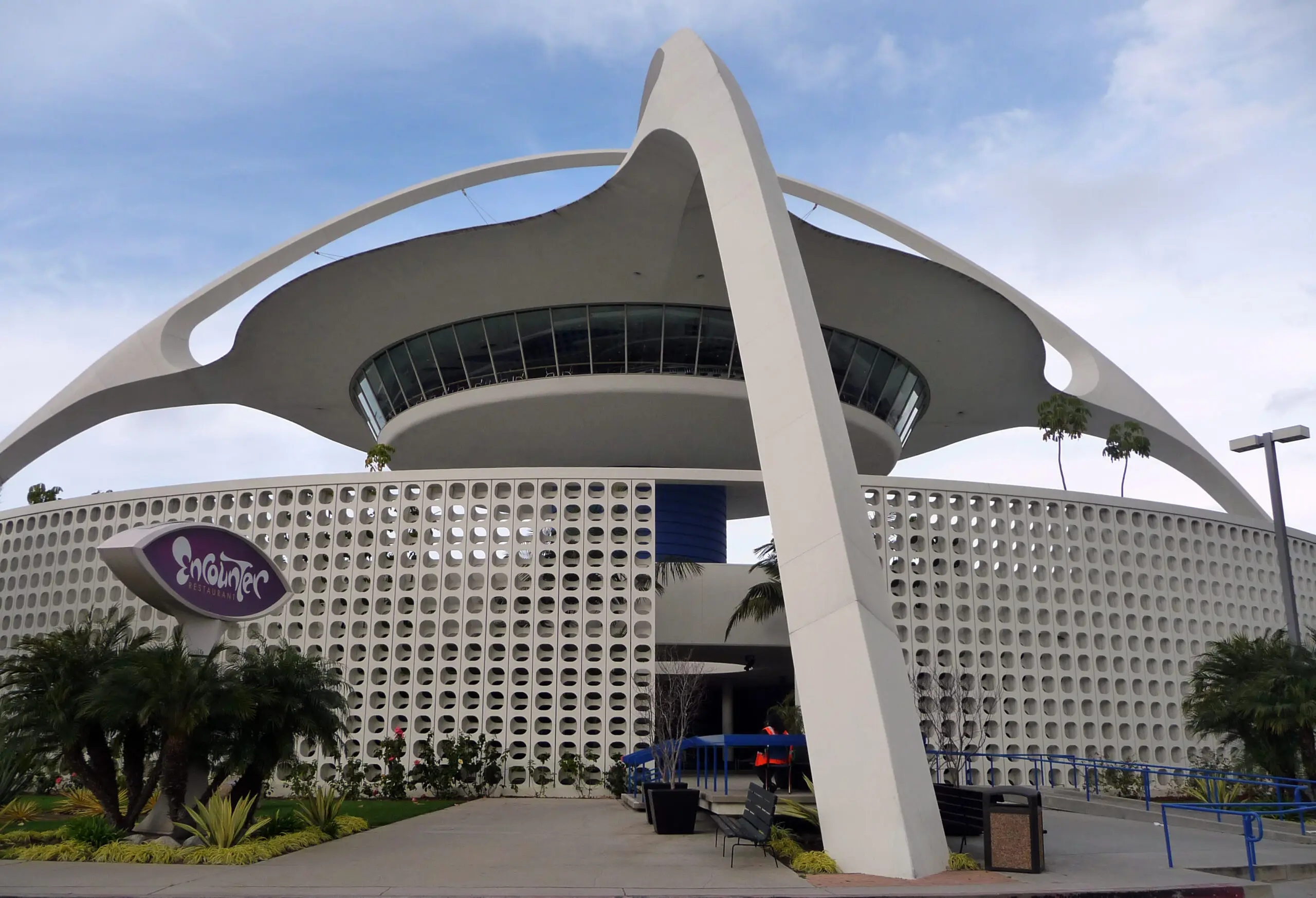
Architect/Designer: Pereira & Luckman Architects, Paul Williams, and Welton Becket
Location: Los Angeles, United States
Year: 1961
Theme Building is one of the best examples of futurist architecture. Its geometric shape resembles a UFO structure supported by two overlapping arches, reflecting the space-age optimism of the 1960s. Its mix of concrete and steel is inspirational, as the designer dares make flying illusions.
he use of circular shapes and large overhangs of the building has taken into consideration the concepts of futurism that stress the aspects of motion and rapid technological progress. The radical architecture and utopian vision make it an astonishing landmark of mid-20th-century architecture that integrated the ideas of realism and the hopes for what the future will look like.
The TWA Flight Center

Architect/Designer: Eero Saarinen
Location: New York City, United States
Year: 1962
The TWA Flight Center serves as a great example of futurist architecture. Its elongated, bird-like shape with flowing curvilinear lines and curved edges exudes motion. The terminal vault, like a concrete shell, exaggerates a sense of movement and fluidity, which is an embodiment of futurism, speed, and advancement.
The architect’s vision of open spaces and modern materials such as glass and steel positioned the building as a symbol of the technological future. The aggressive design of the terminal combines both the interior and functional aspects in a manner that has established the building as a classic example of aviation architecture and a futurist-style building.
Cathedral of Brasília
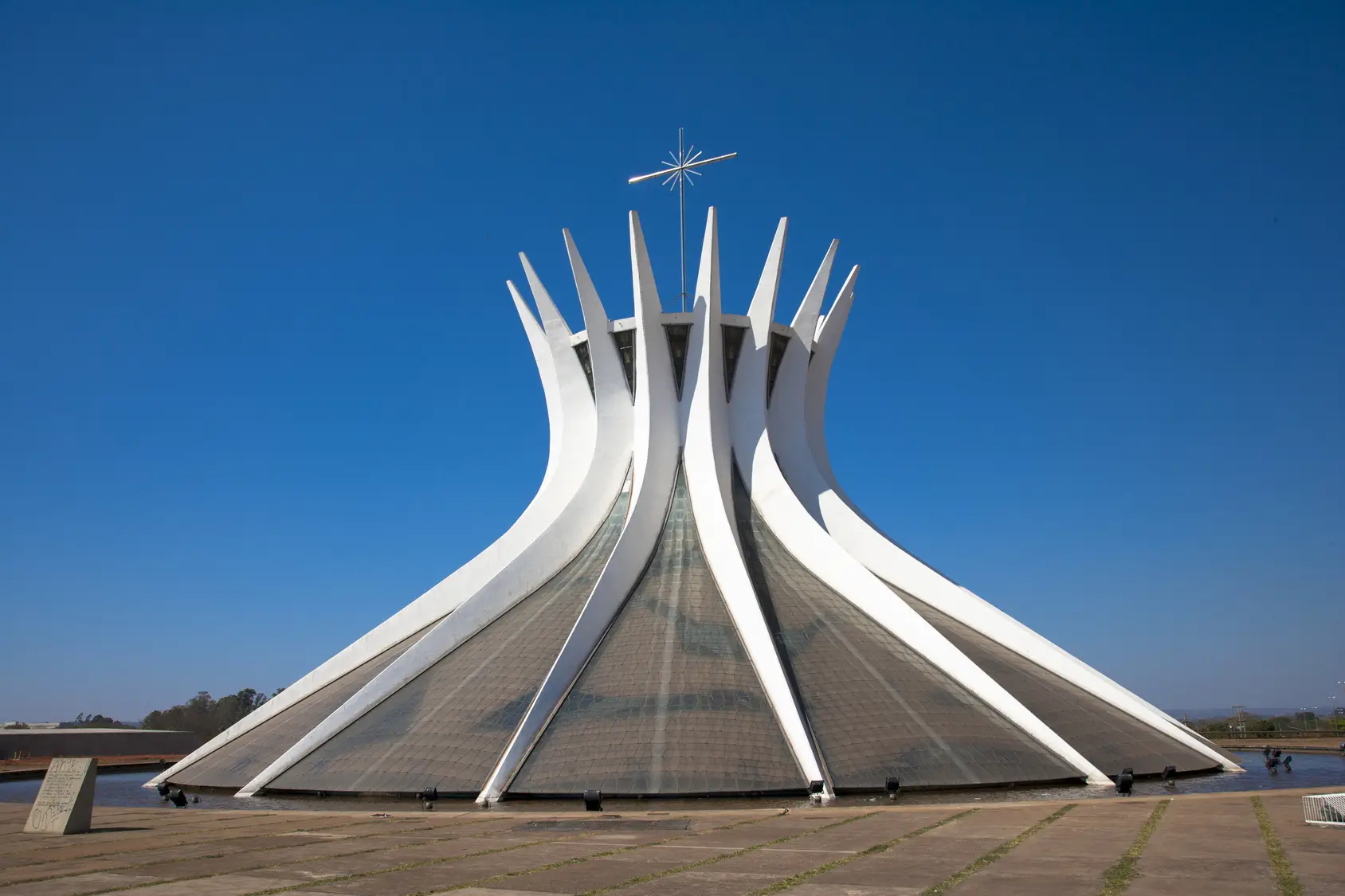
Architect/Designer: Oscar Niemeyer
Location: Brasília, Brazil
Year: 1970
The Cathedral of Brasília is a famous monument of futuristic-style architecture. The hyperboloid structure is composed of 16 curved concrete columns, which puts across a mesmerizing picture of fluidity and height, meant to depict hands trying to rise above the clouds.
Moreover, the building demonstrates the fundamental principles of futurism through the bold geometric form of the building and the material usage, especially glass and reinforced concrete. Also, the seamless use of skylight through the stained glass of the dome adds to the futurism of the cathedral, making it an archetype of great futurist architecture that incorporates elements of spirituality and peacefulness devoid of congestion.
McGaugh Hall, University of California
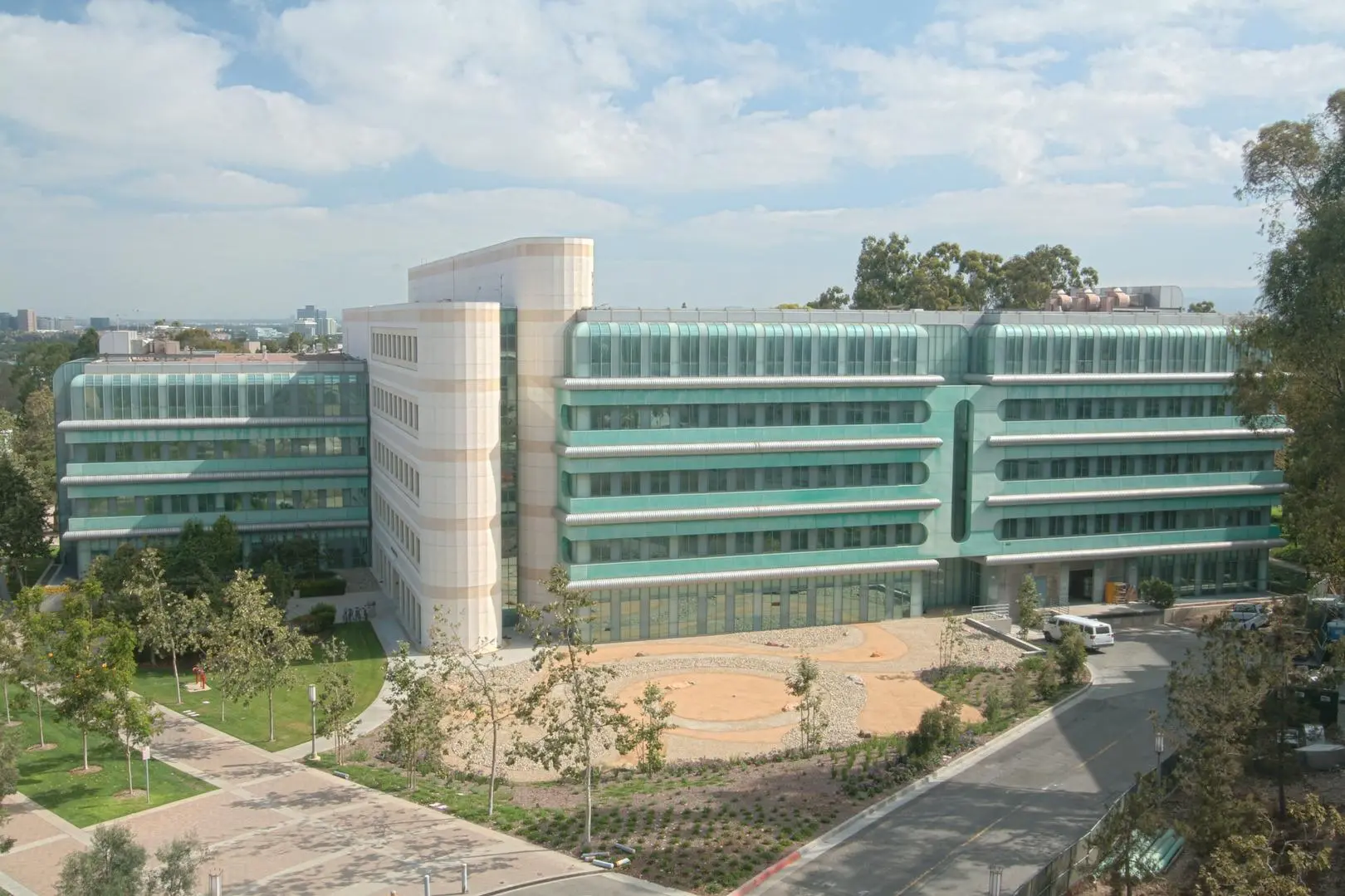
Architect/Designer: Arthur Erickson
Location: Irvine, United States
Year: 1991
Located at the University of California, Irvine, McGaugh Hall is the perfect example of the futuristic style of architecture. The contemporary design is remarkable for its blend of geometric form and the modern notion of transparency with concrete and glass enclosing ideas of creativity, innovation, and progression.
The cantilevered projections of the building shell epitomize the kinetic effect and the advanced technology, which is the hallmark of futurist architecture. Additionally, the design of the building incorporates large glass windows and an extensive open space, creating a juxtaposition of exterior and interior. Designed in the futurist style, it depicts the future-oriented vision that intends to promote knowledge in a modern and flexible setting.
Futurism’s Influence on Future Designs
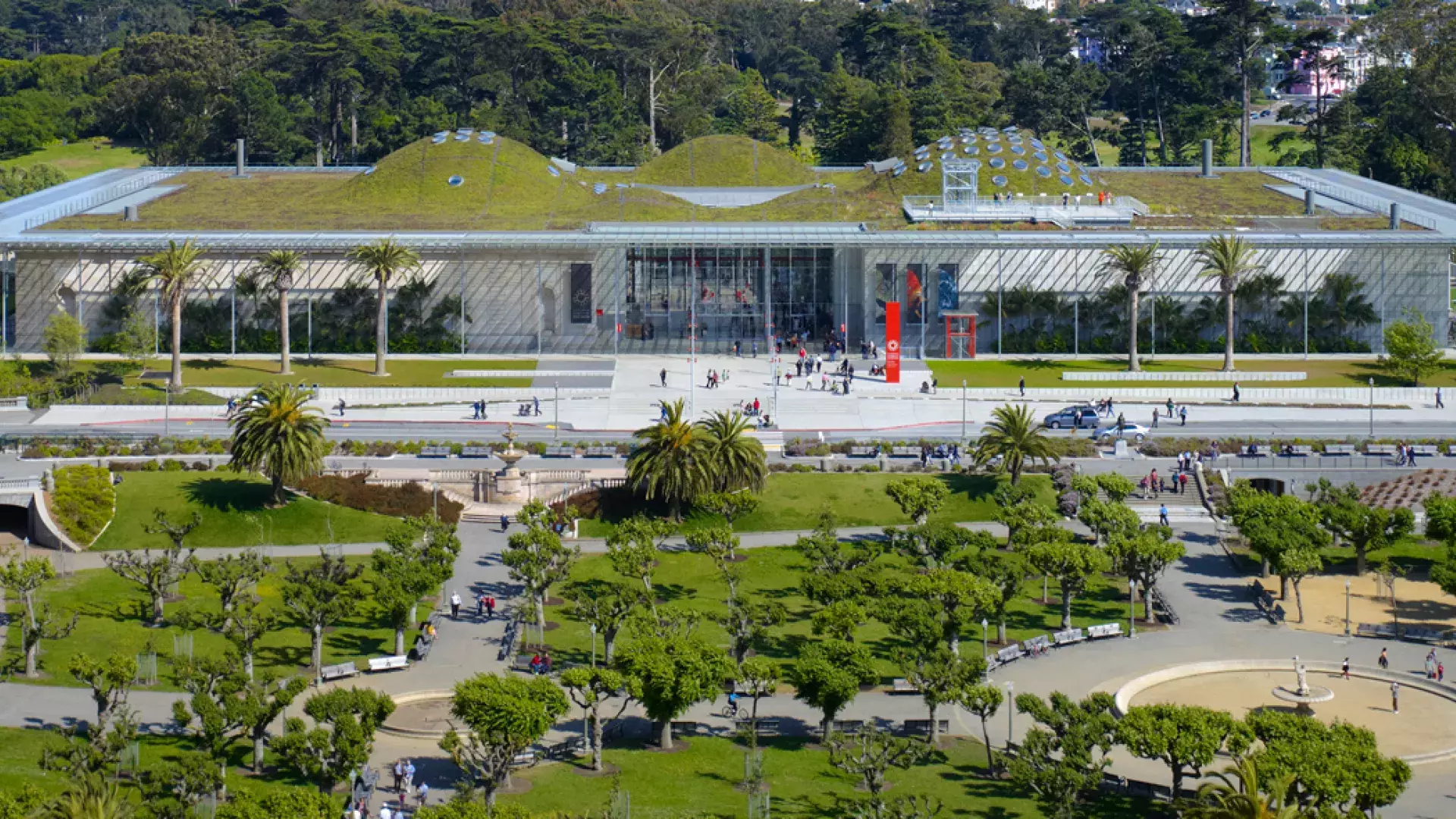
Futurism continues to inspire architects and urban planners who want to create structures for the future. The ideas of innovation, the use of technology, and dynamic shapes have inspired everything from space-age designs to green architecture. As urbanization increases and the demand for sustainable living rises, futurist architecture falls into paradox to provide solutions to these issues. Modern developments have already embraced smart cities, where the buildings are designed to make the best use of energy, weather, and interaction with human beings effortlessly.
As we look ahead, futurist architecture will endure within the design domain by provoking creative ideas among architects beyond the ordinary, designing masterpieces that will be aesthetically appealing and practical green buildings fitted to the dynamic world. The tenets of architecture of futurism will be important in urbanism as a guide on how to bring together advancement, nature, and humanity.
