


As climate pressures reshape the future of the built environment, architecture is being asked to do more than provide shelter or visual impact. It must also respond intelligently to the conditions of place. Climate-responsive architecture highlights how sustainability becomes more impactful when it is woven into the design process itself.
Instead of relying solely on technology to solve environmental problems, this approach begins with climate, context, and human comfort. It studies how buildings can work with sunlight, wind, temperature, and local materials to reduce energy use while creating better spaces.
These five lessons reveal why climate-responsive architecture remains one of the most important design strategies today.
1. Climate Should Guide Design from the Beginning
One of the clearest lessons is that climate should shape a project from the earliest design stages, not be addressed later through technical adjustments. Orientation, massing, openings, and layout all perform better when they respond directly to sun, wind, rainfall, and seasonal change.
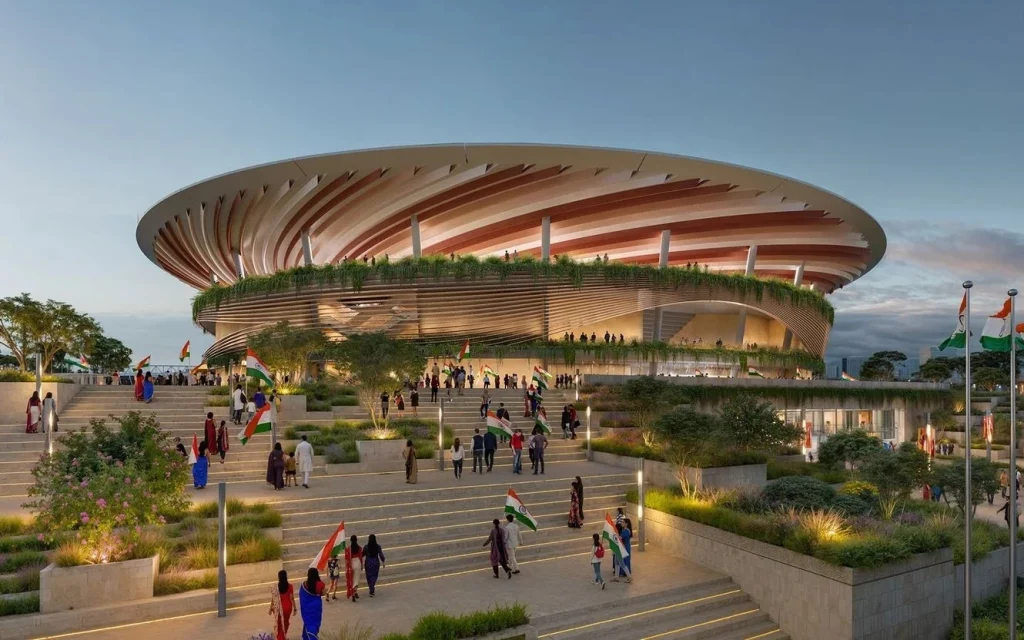
This early awareness leads to buildings that feel more natural, efficient, and connected to place. It also helps architects move away from generic design solutions and toward architecture that is specific, thoughtful, and environmentally grounded.
The master plan for the Sardar Vallabhbhai Patel Sports Enclave in Ahmedabad is a fine example of how climate-responsive thinking can define architecture from the very start instead of being introduced as a secondary layer. Spanning nearly 350 acres along the Sabarmati River, the project by BDP, Cox Architecture, Populous, and Collage Design is shaped around passive comfort, walkability, shaded public space, and environmental performance. Its planning shows that large civic developments must begin by responding to local heat, landscape, and movement patterns.
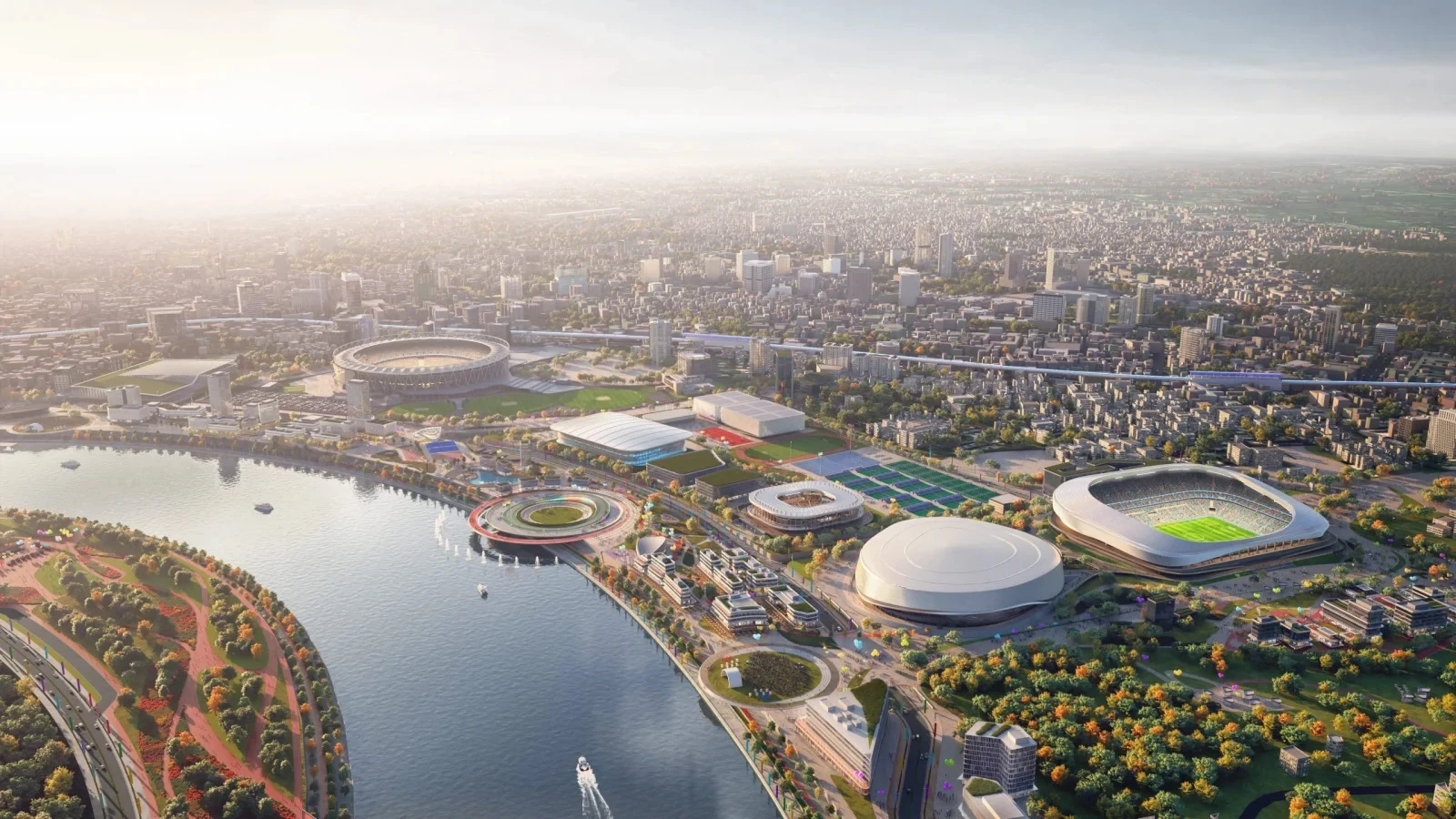
This approach is visible in the enclave’s green boulevard, shaded plazas, ventilated venues, and landscape-led circulation. The project reinforces an important lesson about sustainable architecture, working best when environmental responsiveness is embedded into the design vision from day one.
2. Passive Design Still Does the Heavy Lifting
Climate-responsive architecture shows that passive design remains one of the most powerful tools in sustainable building. Strategies such as shading, thermal mass, insulation, natural ventilation, and daylight optimization can significantly reduce energy demand before any advanced systems are introduced.
What makes this especially valuable is that many of these ideas are rooted in vernacular architecture. Environmental intelligence does not come from complexity but from designing with restraint, logic, and a deeper understanding of how buildings naturally perform.
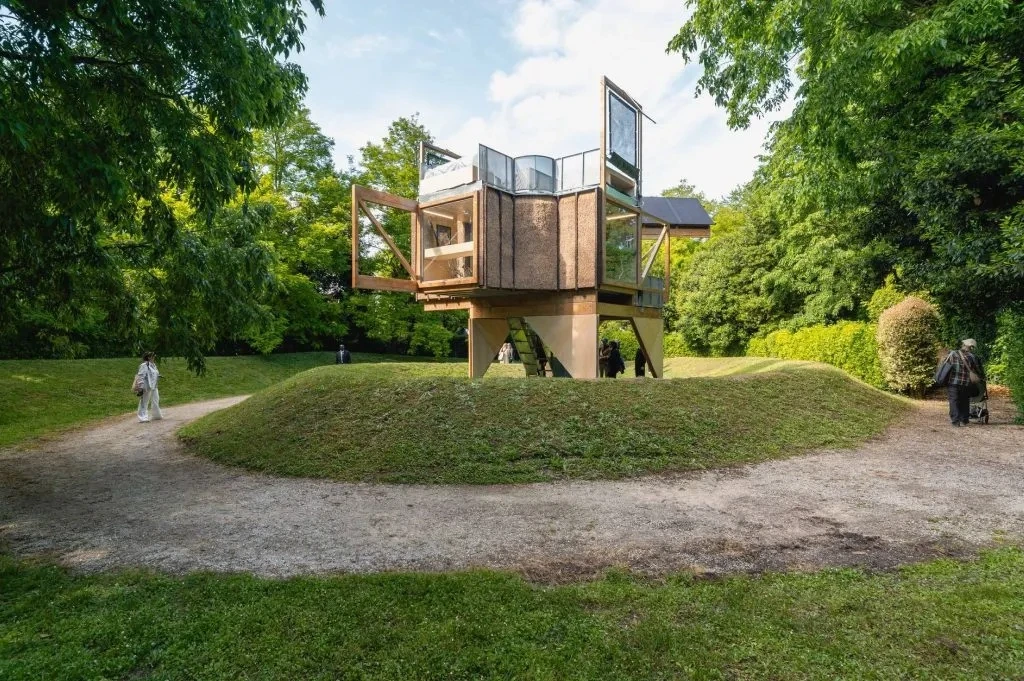
Presented at the Venice Architecture Biennale 2025, Deserta Ecofolie: A Prototype for Minimum Dwelling explores how passive design can shape architecture for extreme climates. Developed for Chile’s Atacama Desert by Pedro Ignacio Alonso, Pamela Prado, the Atacama Desert Centre, and CINARK, the 16 m² prototype uses a lightweight prefabricated system wrapped in a biogenic facade of reed, eelgrass, and cork. Its compact form shows how architecture can reduce environmental impact through material intelligence and climatic adaptation.
Passive strategies define the dwelling from its core. The dense thatched envelope provides insulation and thermal protection, while the elevated structure creates shaded space beneath to reduce heat gain. A central void supports airflow, and the roof integrates off-grid systems such as solar modules and fog-catching technology.
3. Local Materials and Context Matter
Another important lesson is that architecture performs best when it responds to local conditions and not global trends. Materials and construction methods should reflect climate, geography, and cultural context instead of following a one-size-fits-all design language.
Using regionally appropriate materials can improve durability, thermal performance, and environmental efficiency while giving architecture a stronger sense of identity. In this way, climate-responsive design creates buildings that feel more sustainable and more rooted in their surroundings.
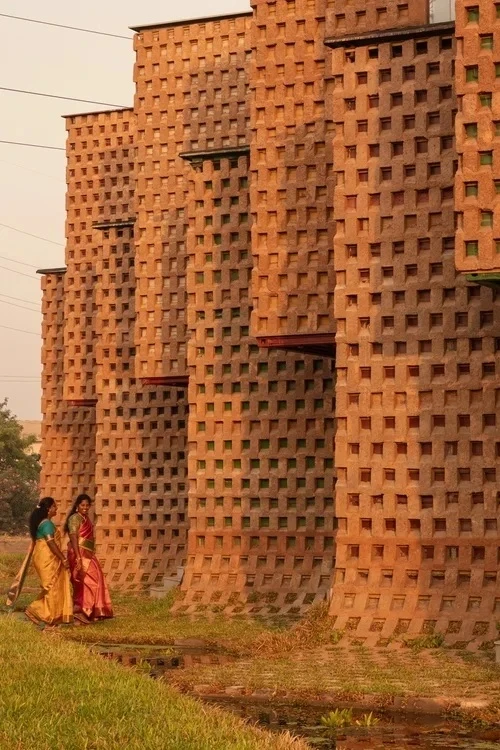
In Tuticorin, where maritime trade defines the local landscape, PETTI Restaurant by Vinu Daniel/ Wallmakers turns discarded shipping containers into a climate-responsive building rooted in material intelligence. The project begins with what the site already offers, and that is abundant industrial waste, and transforms it through a locally grounded design approach. By reusing 12 containers and combining them with earth-based construction, the restaurant becomes contextually relevant.
Its strongest architectural move lies in pairing steel with poured earth, a vernacular material that improves thermal performance in the tropical climate. Reclaimed deck wood, oxide flooring, and reused interior elements further reinforce this low-impact palette.
4. Comfort Is More Than Temperature
Modern buildings often define comfort through mechanical control alone, but climate-responsive architecture offers a more complete understanding. Human comfort is shaped by airflow, daylight, humidity, acoustics, texture, and the relationship between indoor and outdoor space.
This broader perspective creates spaces that feel more alive and more attuned to daily experience. Instead of sealing people away from the environment, climate-responsive design helps architecture mediate nature in a way that is balanced, pleasant, and deeply human.
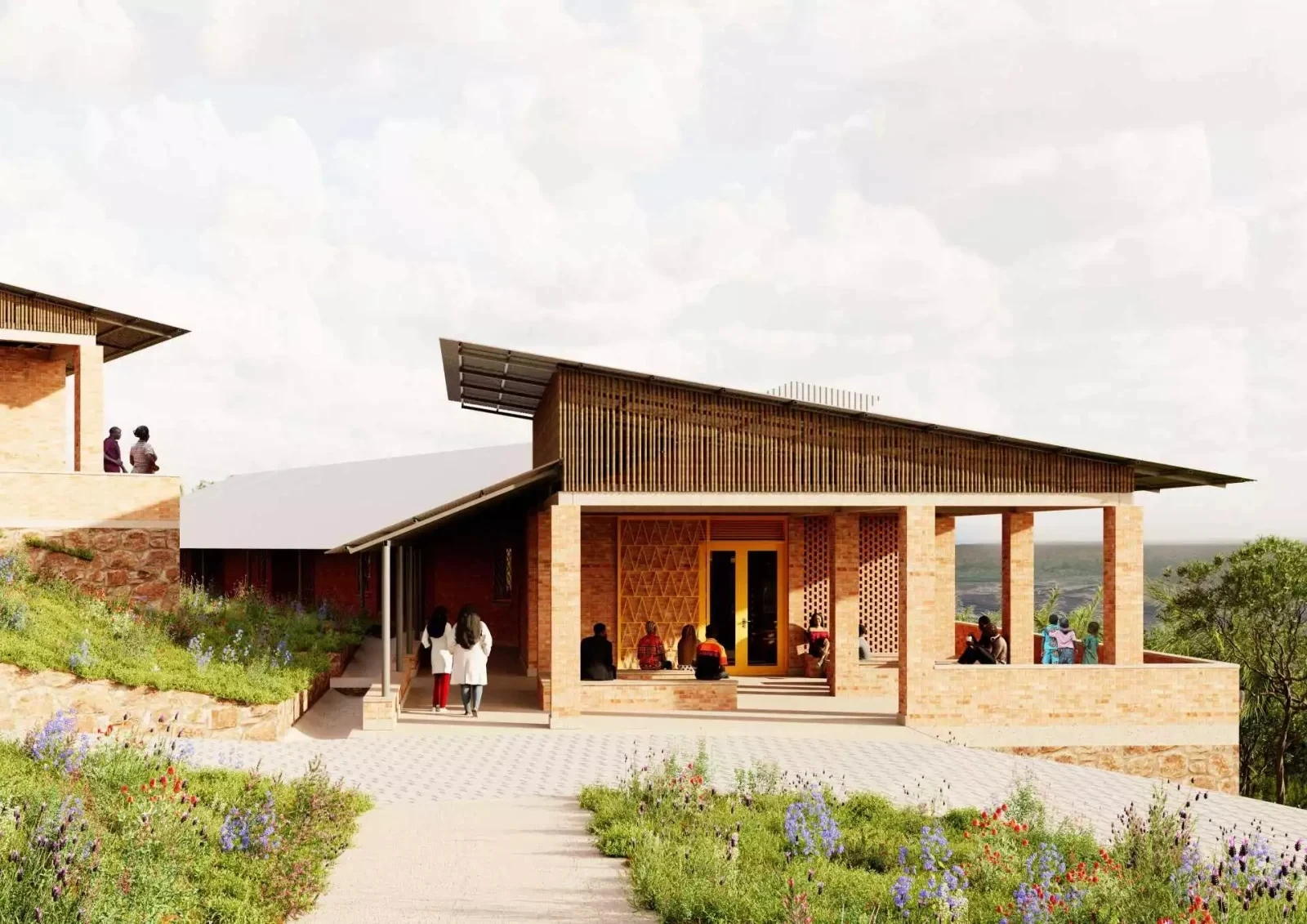
The Ineza Healthcare Center by Kéré Architecture in Burundi prioritizes indoor comfort through climate-sensitive design and spatial care. Set across rolling hills, the clinic is arranged as stepped pavilions that follow the land, creating a more humane and less institutional healthcare environment. Its layout, courtyards, and shaded circulation spaces help reduce stress while supporting a calm, familiar experience for patients, families, and staff.
Indoor comfort is strengthened through passive strategies such as deep overhanging roofs, ventilated roof gaps, earth-based walls, and carefully placed openings that promote natural airflow. Clay and compressed earth blocks provide thermal mass, helping regulate interior temperatures throughout the day. Together, these elements create cooler, healthier, and more comfortable spaces.
5. Sustainability Works Best When It Is Embedded
Perhaps the most important lesson is that sustainability should not appear as an added layer of technology or branding. It is most effective when it is integrated into the architecture itself, shaping how a building is formed, oriented, built, and experienced.
When environmental thinking is embedded from the beginning, sustainability becomes inseparable from design quality. The result is architecture that is not only efficient and resilient but also elegant, meaningful, and better prepared for the future.
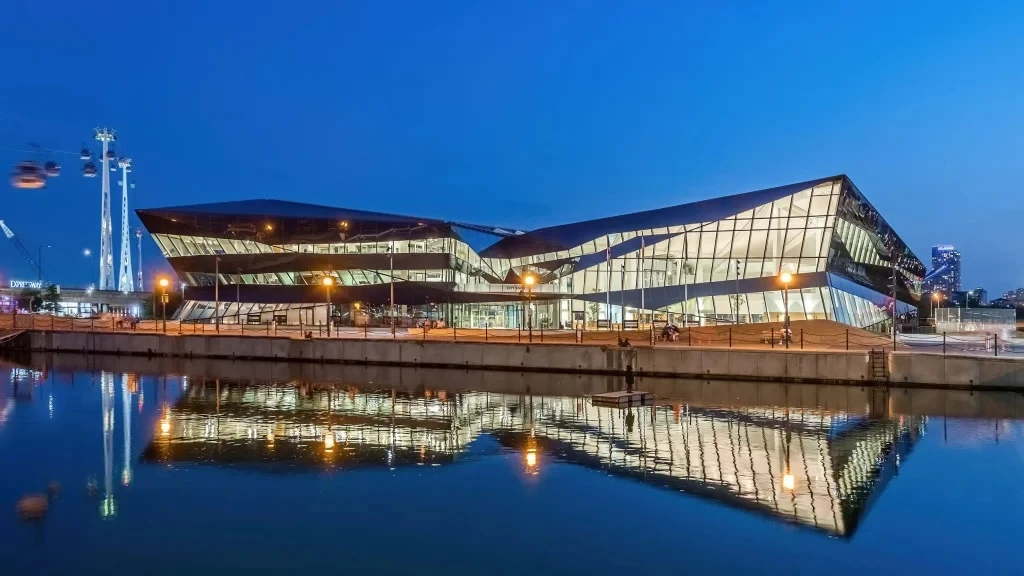
Conceived as part of Siemens’ Sustainable Cities Initiative, The Crystal in London was designed as more than a showcase of green technology. Completed in 2012 by Wilkinson Eyre Architects with Arup and Perkins + Will, sustainability is embedded into the building’s form, systems, and long-term adaptability from the outset. Its interlocking crystalline geometry, high-performance glazing, and flexible planning all reflect a design strategy where environmental performance is inseparable from architecture.
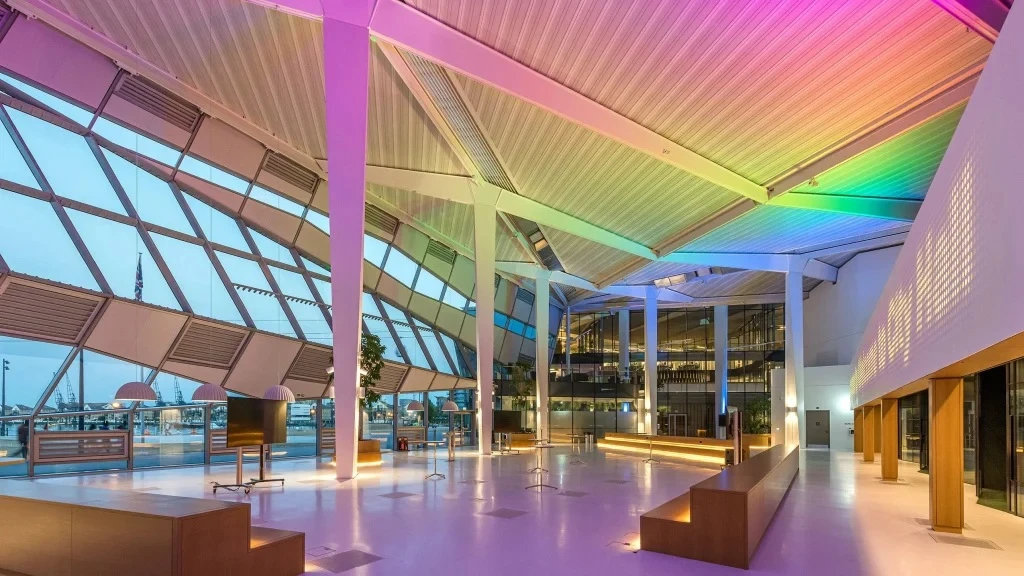
This approach extends across energy, water, ventilation, and future reuse. The building integrates solar panels, ground-source heat pumps, rainwater harvesting, blackwater recycling, intelligent management systems, and carefully calibrated glazing to reduce energy demand and operational impact.
Climate-responsive architecture reminds us that good design begins with attention. It asks architects to listen closely to climate, place, and people before shaping space. In doing so, it produces buildings that are more efficient, more comfortable, and more connected to the world around them.
