

Cologne, Germany’s fourth-largest city, was founded by the Romans in 38 BC. With its cosmopolitan character, the city is a leading center for technology, media, and culture. It’s also home to the world-famous Cologne Cathedral, one of Europe’s most impressive Gothic landmarks and a must-see for architecture lovers.
In recent years, numerous urban redevelopment projects have been completed in the city. One of the most significant is Rheinauhafen, which began in 2002 and was largely completed by 2011. This project accelerated Cologne’s modernization while carefully preserving its architectural heritage. As part of this renewal, major brands such as Microsoft, Electronic Arts (EA), and KAP am Südkai established their presence in the area. Today, the city thrives as a dynamic blend of contemporary design and historical landmarks.
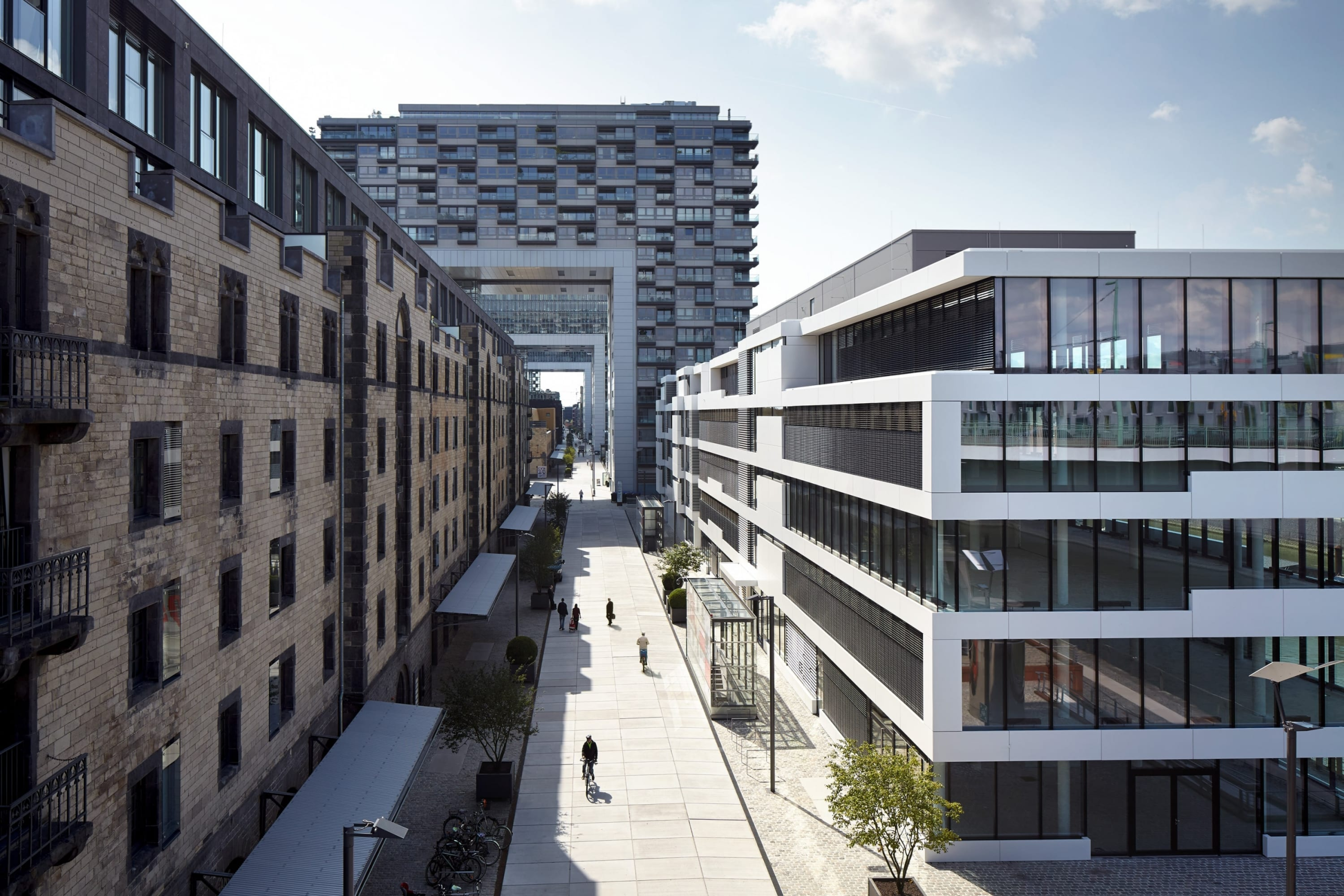
In this Cologne Travel Guide, we explore the city’s most iconic buildings, from its historic masterpieces like Cologne Cathedral to modern architectural marvels such as the Kranhäuser. It highlights both the origins of the city’s namesake Eau de Cologne and the lesser-known architectural gems. Whether you’re an architect seeking inspiration or a traveler simply looking to experience the city’s unique charm, Cologne offers something for everyone.
1. Cologne Cathedral & Cathedral Square
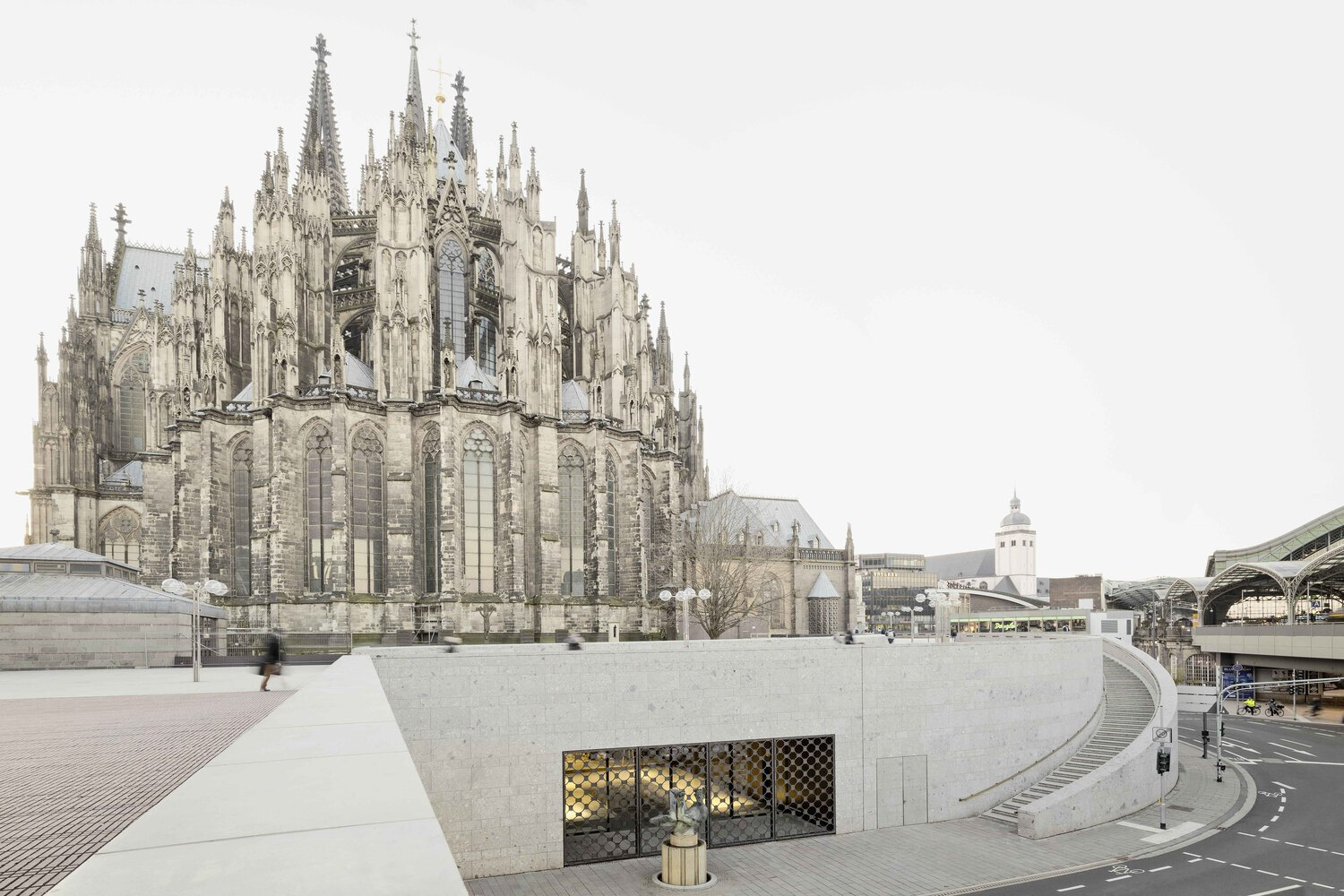
Cologne Cathedral is a Catholic place of worship whose construction began in 1248 and took 632 years to complete. In other words, it is a medieval skyscraper approximately 160 meters tall.
Throughout its construction and restoration, numerous architects contributed to its evolution, most notably Master Gerhard and Ernst Friedrich Zwirner. A visit to the cathedral offers a close-up look at the defining features of Gothic architecture, including pointed ribbed vaults, flying buttresses, and vibrant stained glass windows.
Covering an area of around 8000 m2, the cathedral continues to be a subject of architectural research. Questions remain about how such a vast structure was constructed, illuminated, and fitted with monumental stained glass during the medieval period. Today, Cologne Cathedral is proudly listed as a UNESCO World Heritage Site.
2. Kranhäuser & Rheinauhafen District
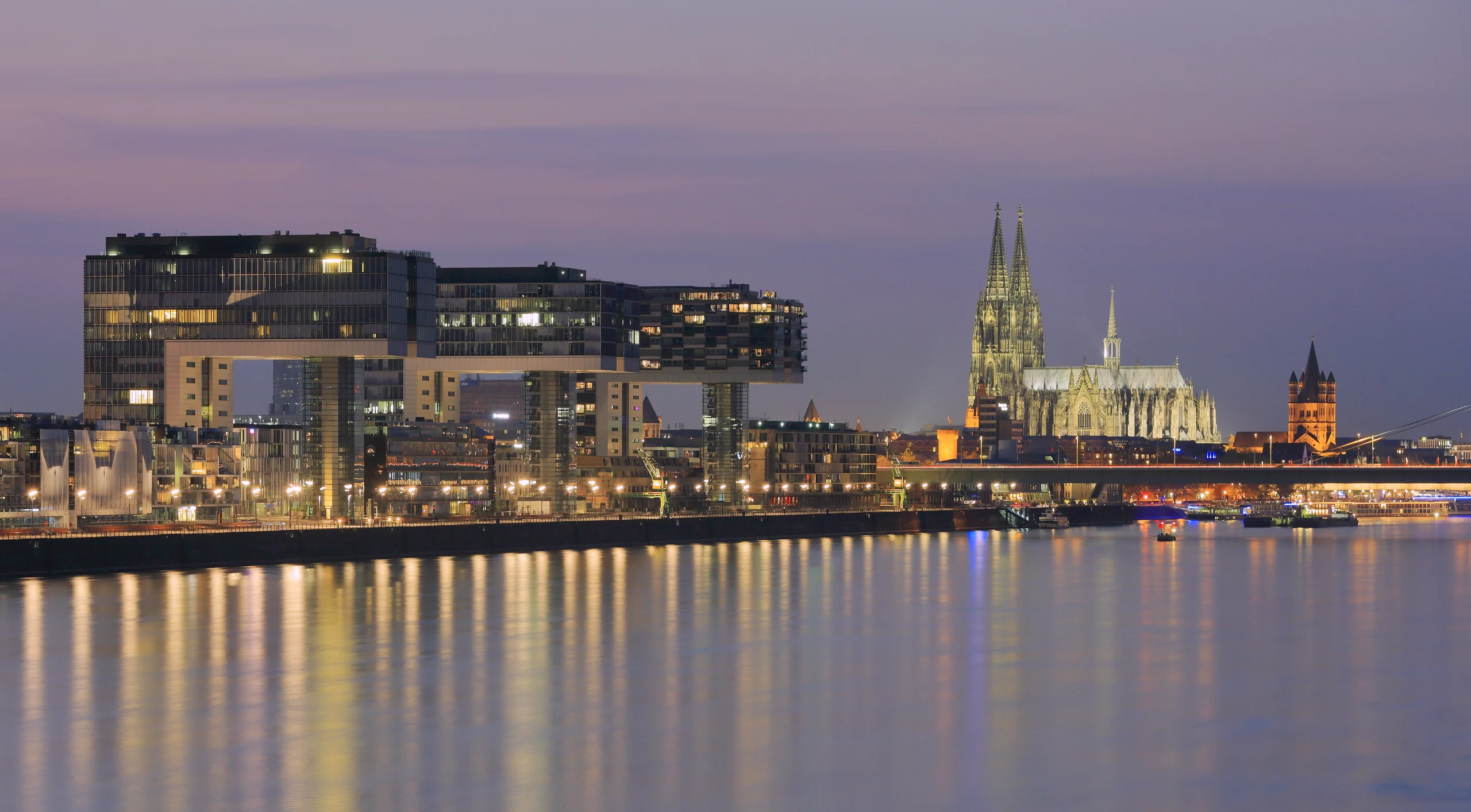
Architect: Hadi Teherani ve Alfons Linster
The Kranhäuser were built between 2006 and 2010 as part of the redevelopment of Cologne’s former harbor area. These three crane-shaped towers are designed in an inverted “L” form, echoing the silhouette of historical harbor cranes once used to load cargo onto ships. By referencing the port’s industrial past, the project creates a striking dialogue between history and modernity.
Designed by Hadi Teherani and Alfons Linster, the Kranhäuser introduced a new typology of skyscraper, combining commercial, residential, and office spaces within a sculptural form. Today, they stand as one of Cologne’s most iconic examples of contemporary architecture.
Visitors with extra time can take a walk through the Rheinauhafen District, an exemplary urban regeneration project where old warehouses meet bold new design, all along the scenic banks of the Rhine River.
3. Kolumba Museum
Architect: Peter Zumthor
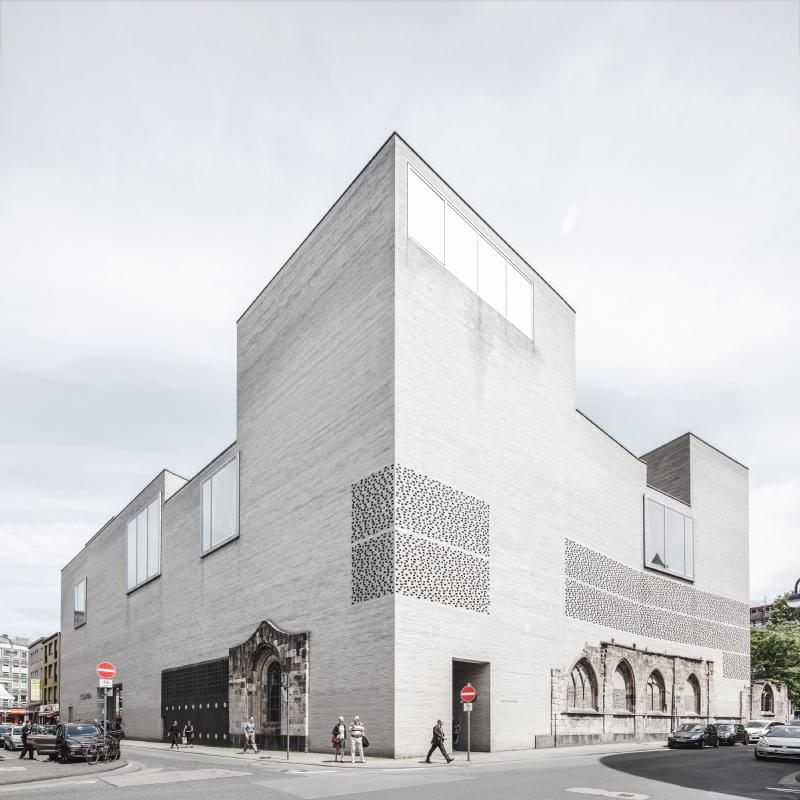
Kolumba Museum is a powerful example of architectural continuity and cultural memory. Built on the ruins of a church destroyed during World War II, the project transforms the remains into a contemporary museum space.
With Zumthor’s respectful interpretation of history and the subtle use of gray brickwork, the old church structure is not only preserved but thoughtfully integrated into a new spatial experience, ensuring it remains a living part of Cologne’s urban memory.
The perforated brick facade allows light to filter into the interior in a uniquely poetic way, adding a sense of serenity that aligns with the contemplative nature of the space. The museum houses over a thousand years of religious art from the Archdiocese of Cologne, making it both an architectural and cultural landmark.
4. Museum Ludwig
Architects: Peter Busmann und Godfrid Haberer
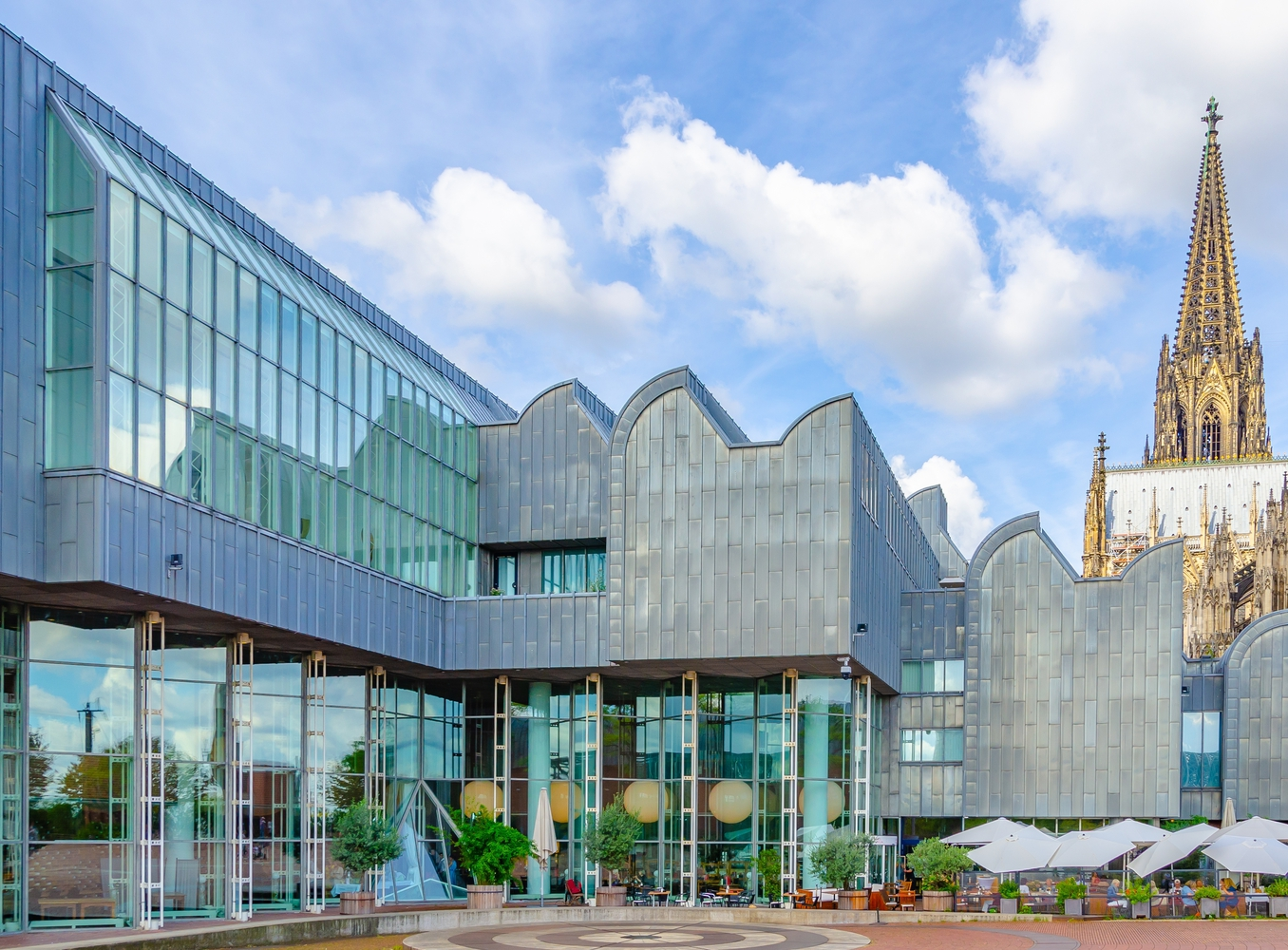
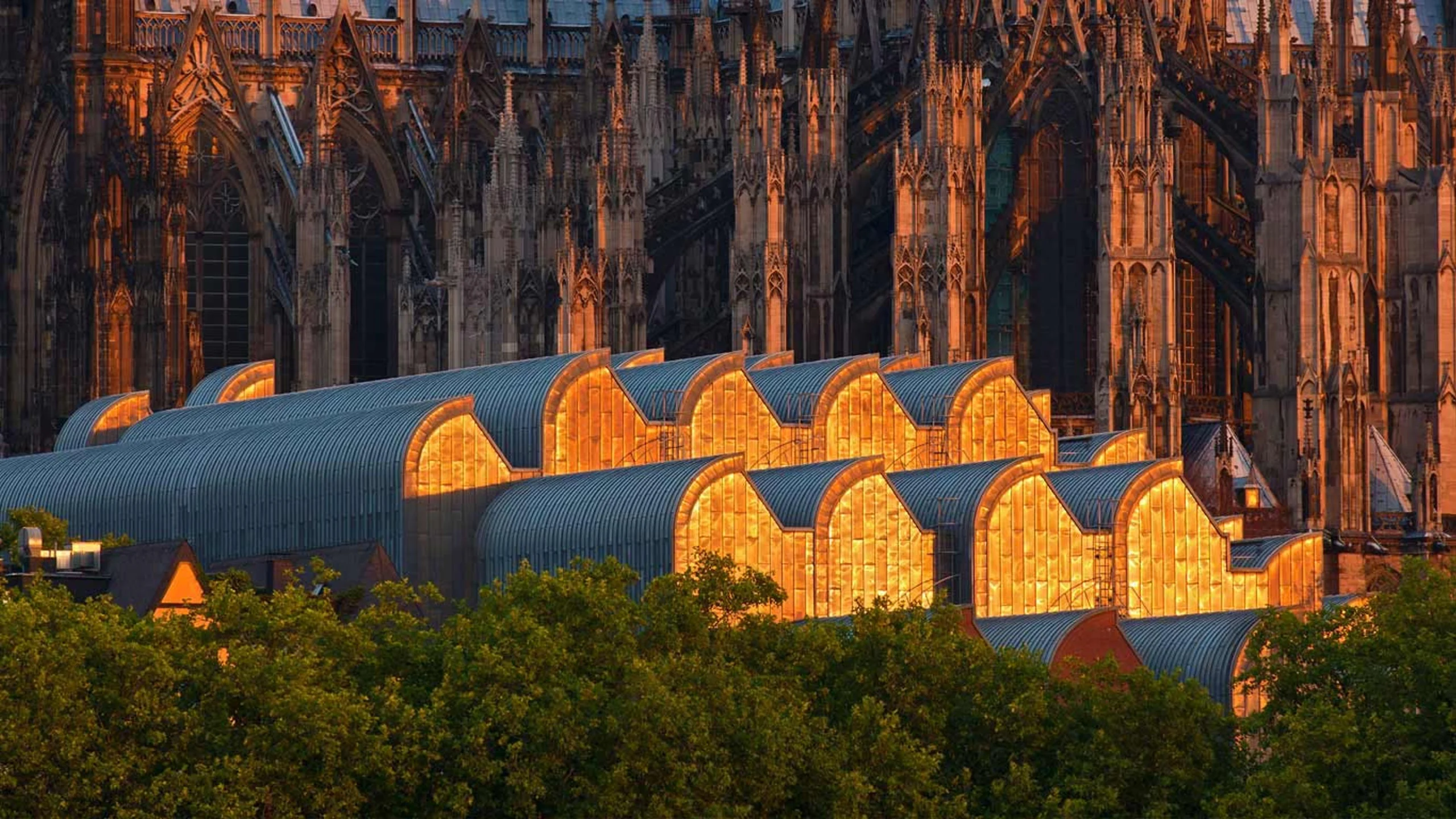
Located right next to the Cologne Cathedral, Museum Ludwig is one of the most important museums of modern and contemporary art in Europe. Opened in 1986 and designed by the architectural firm Busmann + Haberer, the museum stands out with its industrial-inspired roofline that mimics the shape of train carriages, a subtle nod to its proximity to Cologne Central Station.
If visitors want to enjoy some art, they should be sure to visit Museum Ludwig. With its playful architecture, this museum has been home to contemporary artworks since its opening, and its collection continues to grow. After Barcelona and Paris, it holds the third-largest Picasso collection in the world, along with works by Andy Warhol, Henri Matisse, Oskar Kokoschka, Paul Klee, and many other renowned artists.
5. Neue Direktion Köln
Architect: kadawittfeldarchitektur
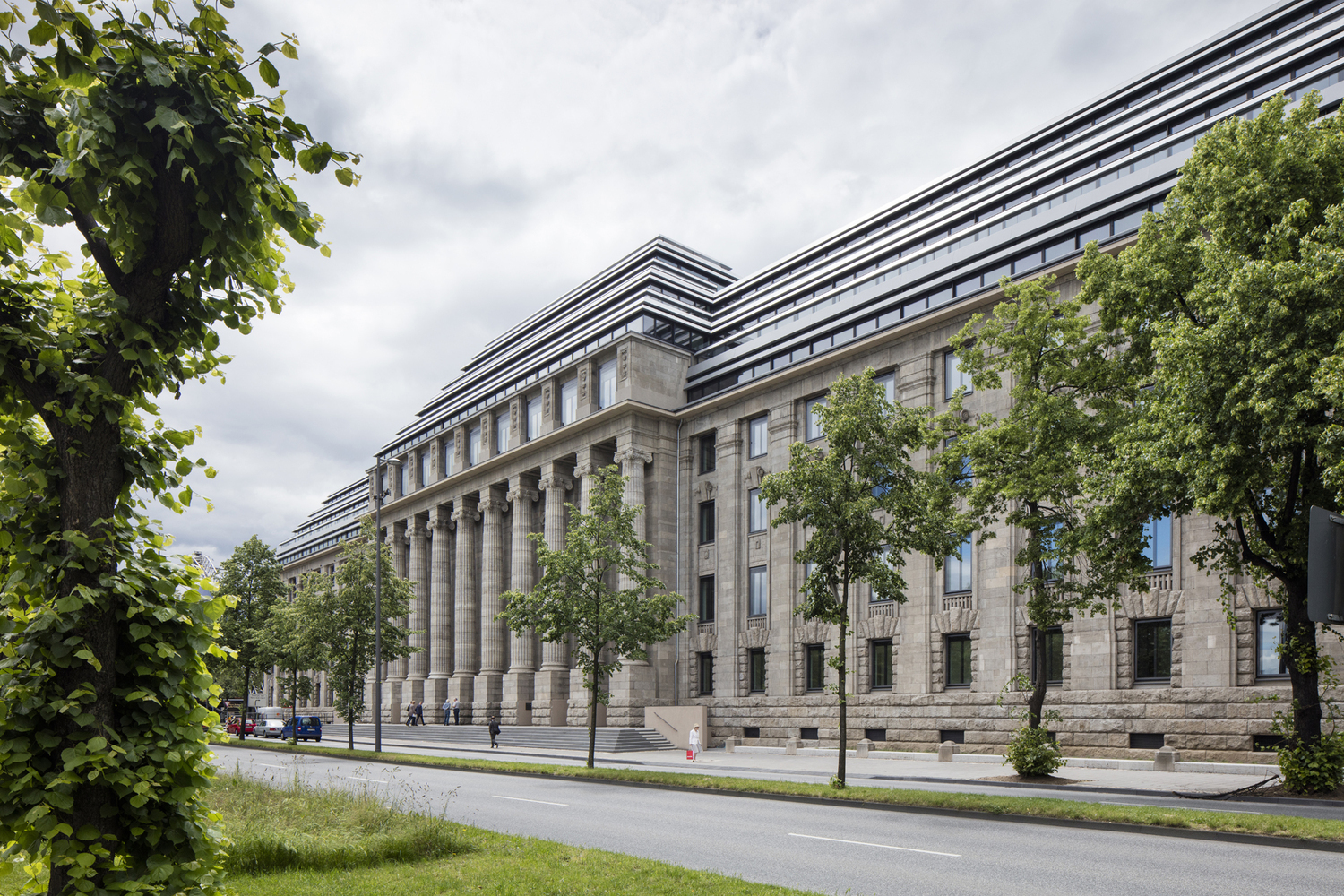
The Neue Direktion building was used as the “Königliche Eisenbahndirektion zu Cöln” (Royal Railway Directorate) between 1906 and 1913. However, it suffered significant damage during World War II. Between 2013 and 2016, a comprehensive restoration process led by Kadawittfeldarchitektur revitalized the building, giving it a modern interpretation. The mansard roof, designed in harmony with the historic fabric of the building, has provided it with a new identity. Today, Neue Direktion hosts important institutions such as the European Union Aviation Safety Agency (EASA).
6. Cologne Oval Offices
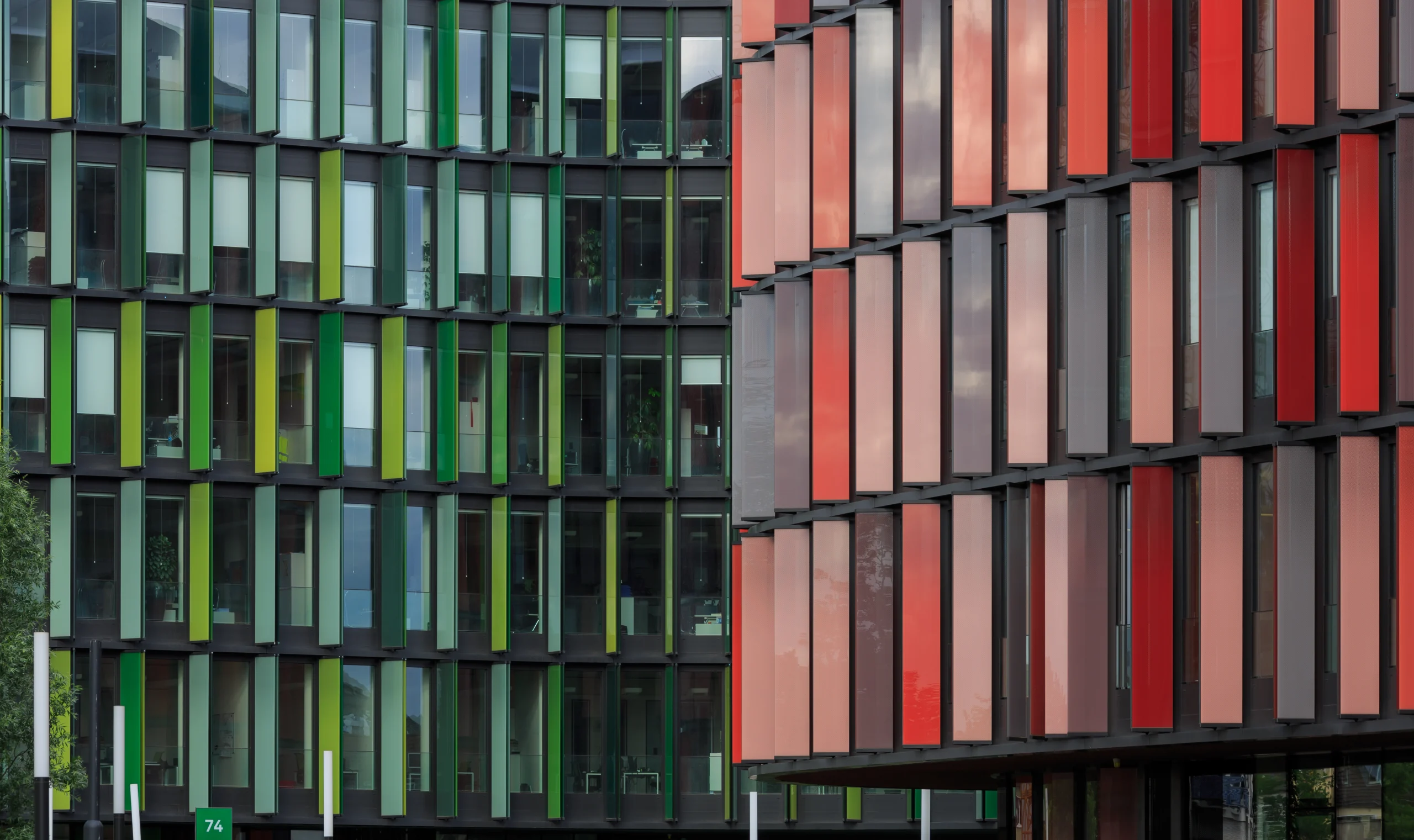
Architect: Sauerbruch Hutton
Designed by Sauerbruch Hutton, the Cologne Oval Offices consist of two striking oval-shaped office blocks, three open courtyards and landscaping built on the banks of the Rhine River. Considered one of the boldest architectural works of its time, the Oval Offices draw attention with its fluid form and vibrant colors.
In addition, the building’s innovative design incorporates energy-efficient features such as solar panels and natural ventilation, blending sustainability with cutting-edge aesthetics. By breaking away from the conventional image of traditional office buildings, these offices offer users more flexible and engaging spaces.
7. Weltstadthaus
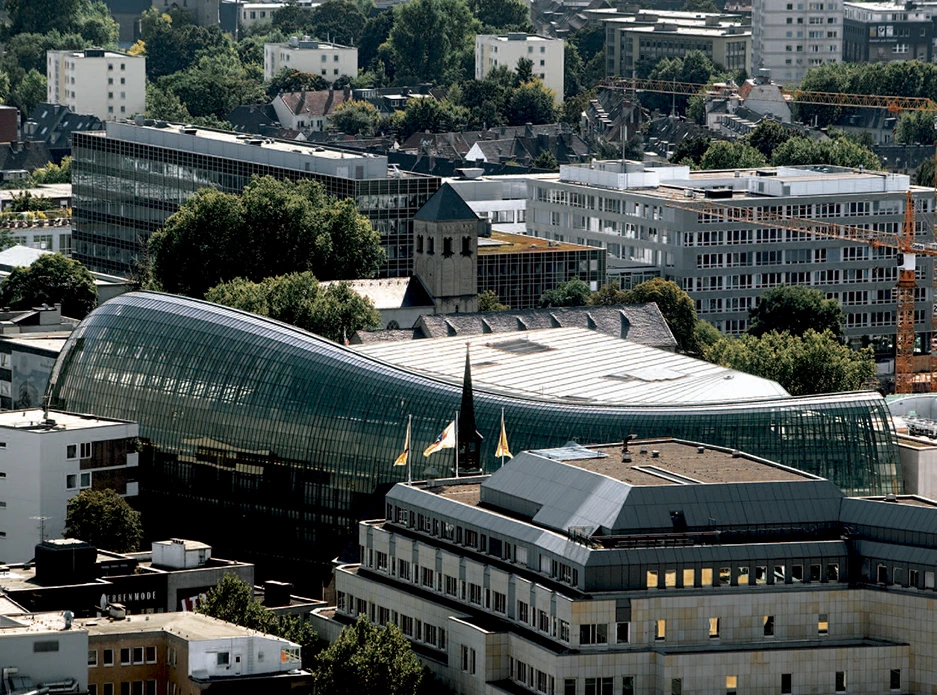
Architect: Renzo Piano
The Weltstadthaus is located at the busy intersection of Schildergasse, one of Germany’s most visited shopping streets. Designed by Renzo Piano in 2005, the building serves as the Peek & Cloppenburg flagship store.
Its elongated, horizontally stretched form features soft organic curves, while the fully glazed façade allows natural light to fill the interior, offering visitors the chance to shop while enjoying sweeping views of the city.
8. Triangle
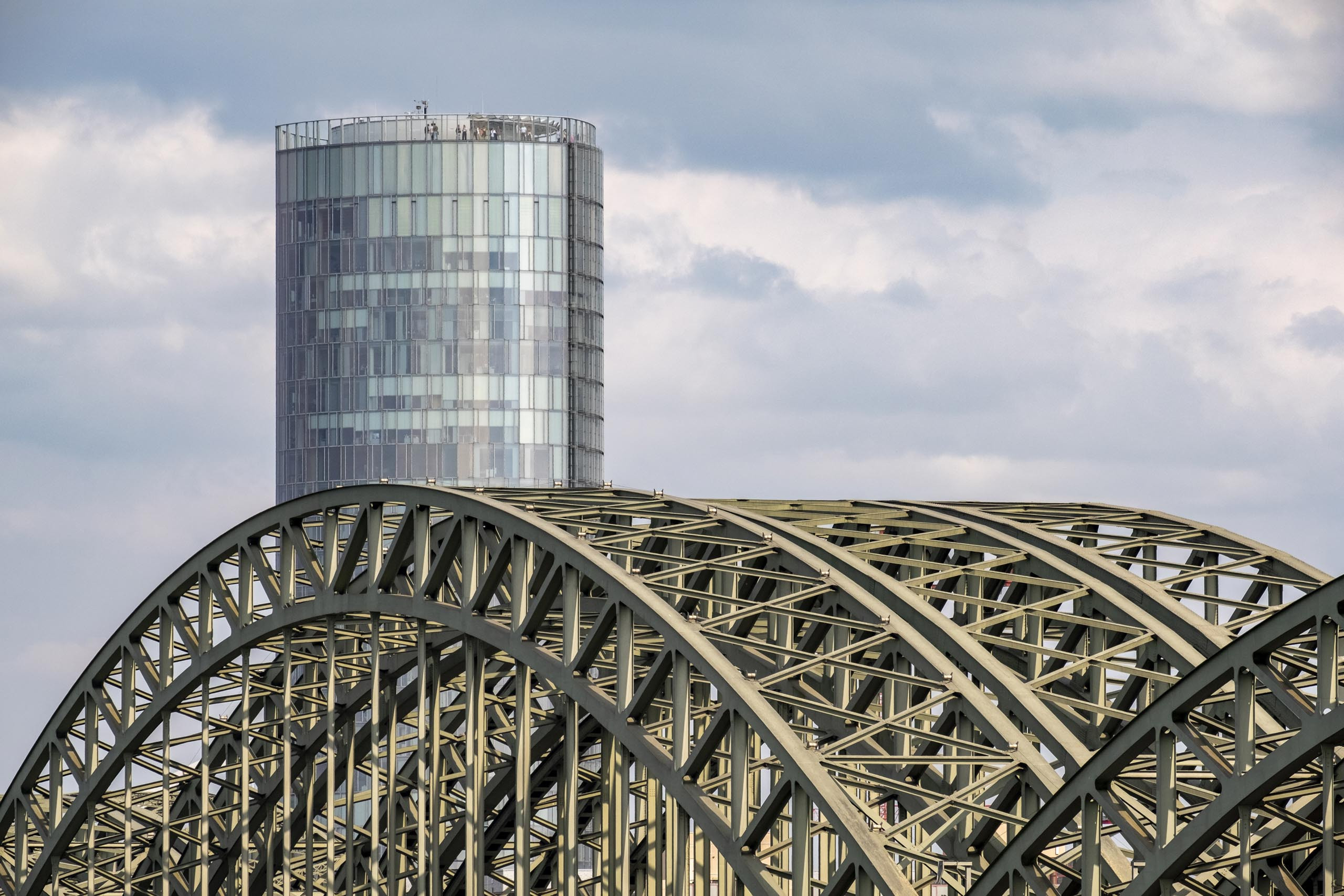
Architect: Gatermann + Schossig
Triangle is a 29-story office building and the perfect destination for those who want to view the city from above and understand its urban fabric. Roughly triangular in shape, it offers a modern interpretation of the city’s historic architecture. Although it was completed in 2006, it has already become one of Cologne’s landmarks. The 103-meter-tall structure provides a panoramic view, and visitors can access the public terrace to enjoy the cityscape with a ticketed entry.
9. Cologne Bonn Airport
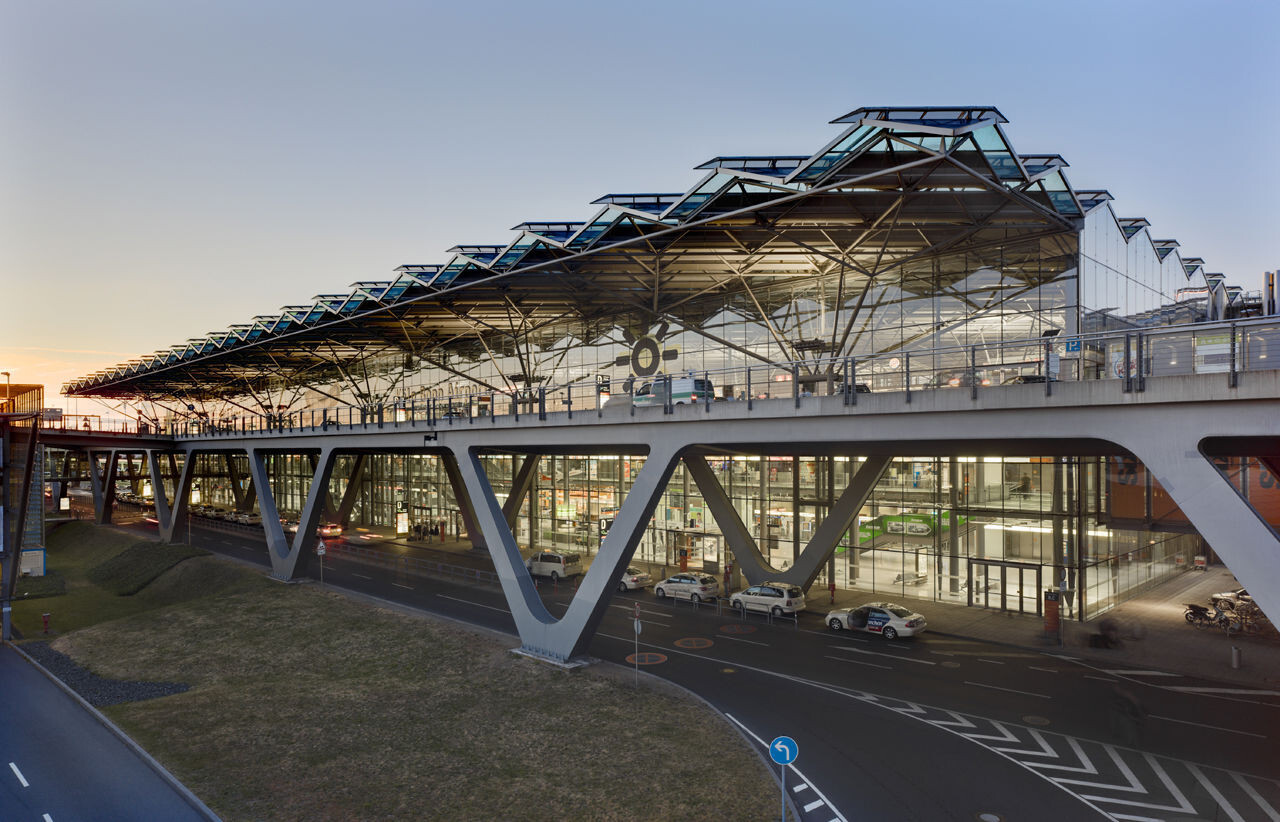
Architect: Murphy / Jahn
Airports are the first meeting point between a city and its visitors, making them crucial in shaping the initial impression of the city. Cologne Bonn Airport is part of a renovation and expansion project for Cologne’s main airport. Within the scope of this project, Terminal 2, designed by Murphy/Jahn Architects, stands as a contemporary example of high-tech architecture with its emphasis on steel and glass. Thanks to the materials used and its distinctive design, visitors are greeted by a bright, transparent, and modern terminal the moment they arrive. This striking design should not be missed when entering or leaving the city.
10. Hohenzollern Bridge
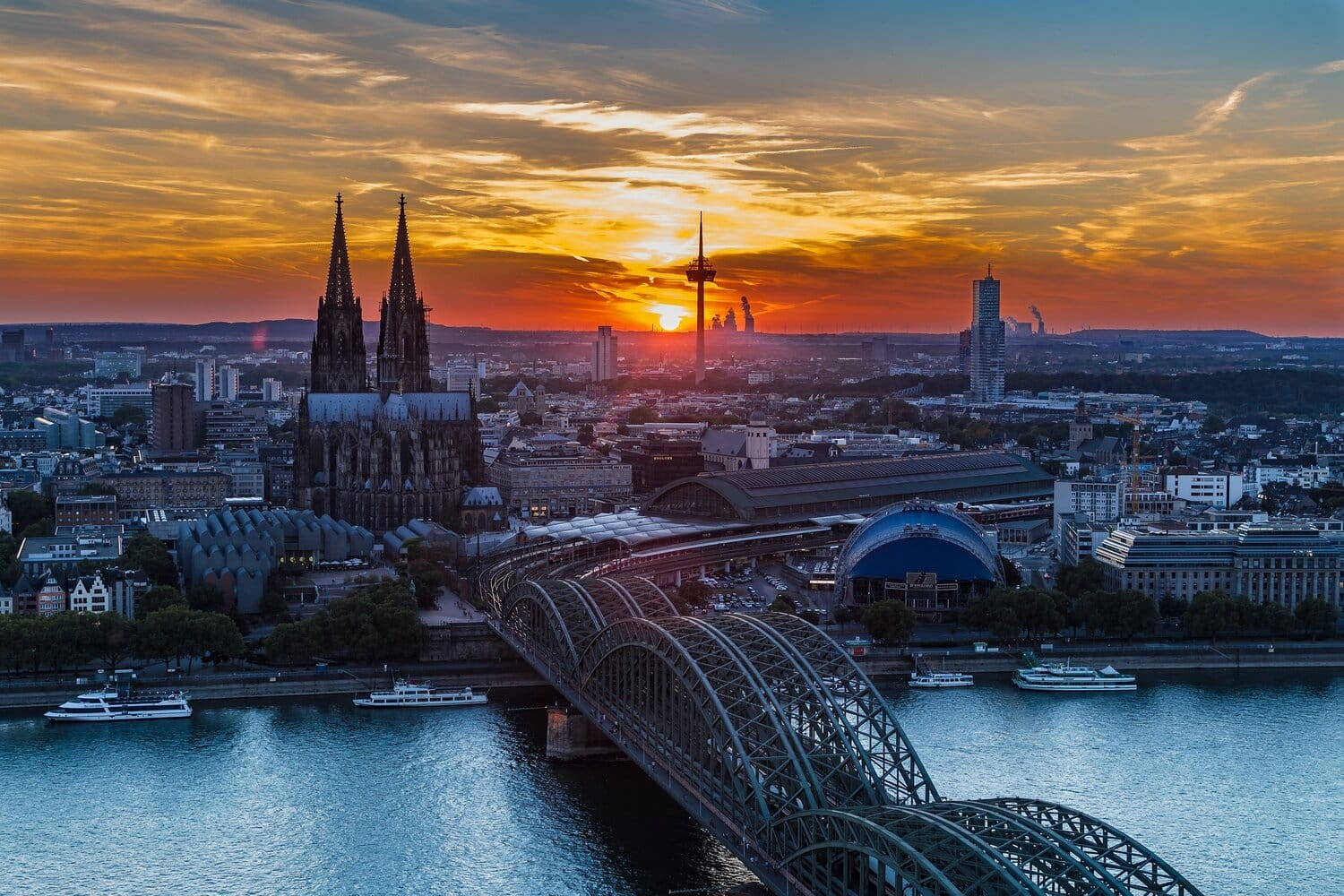
Architect: Franz Heinrich Schwechten
The construction of the Hohenzollern Bridge began in 1907, and it is a stunning bridge located in the heart of the city, offering a magnificent view. The entire bridge is made of steel and iron and features both railway and pedestrian pathways. Situated over the Rhine River, the bridge has become famous for the tradition of couples attaching locks to its iron railings and throwing the keys into the river.
11. Parking Garage Facade P22a
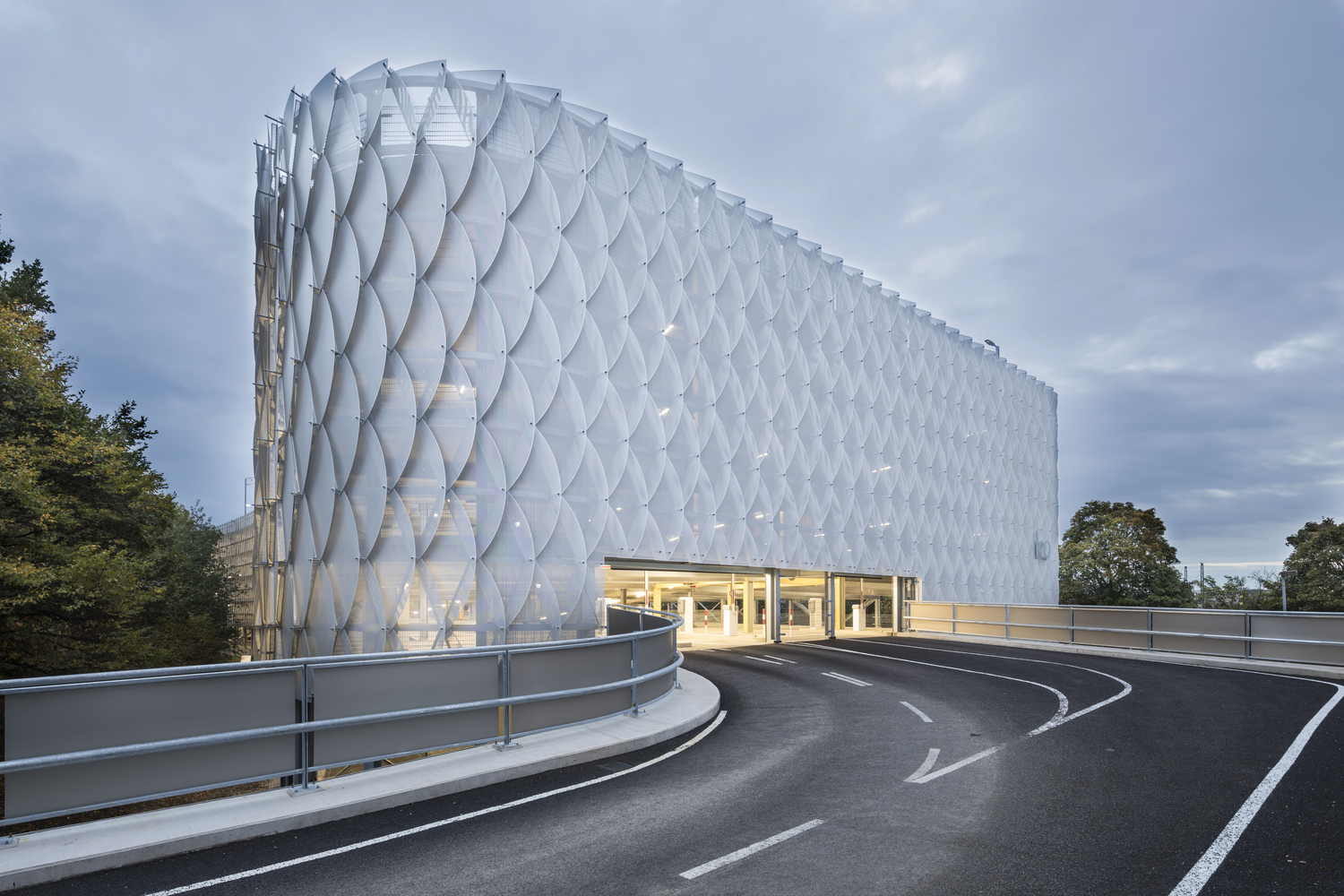
Architect: wulf architekten
This parking garage, located within the city, is an architectural work worth seeing in Cologne, unlike typical parking structures. Instead of leaving the building as a massive block, an organic texture has been created on the façade using lightweight and transparent materials, allowing the structure to “breathe.” Designed by Wulf Architekten in 2017, this façade design elevates the building beyond its simple parking function, transforming it into a striking architectural element that harmonizes with its surroundings.
12. Commercial Building Hohe Strasse 52
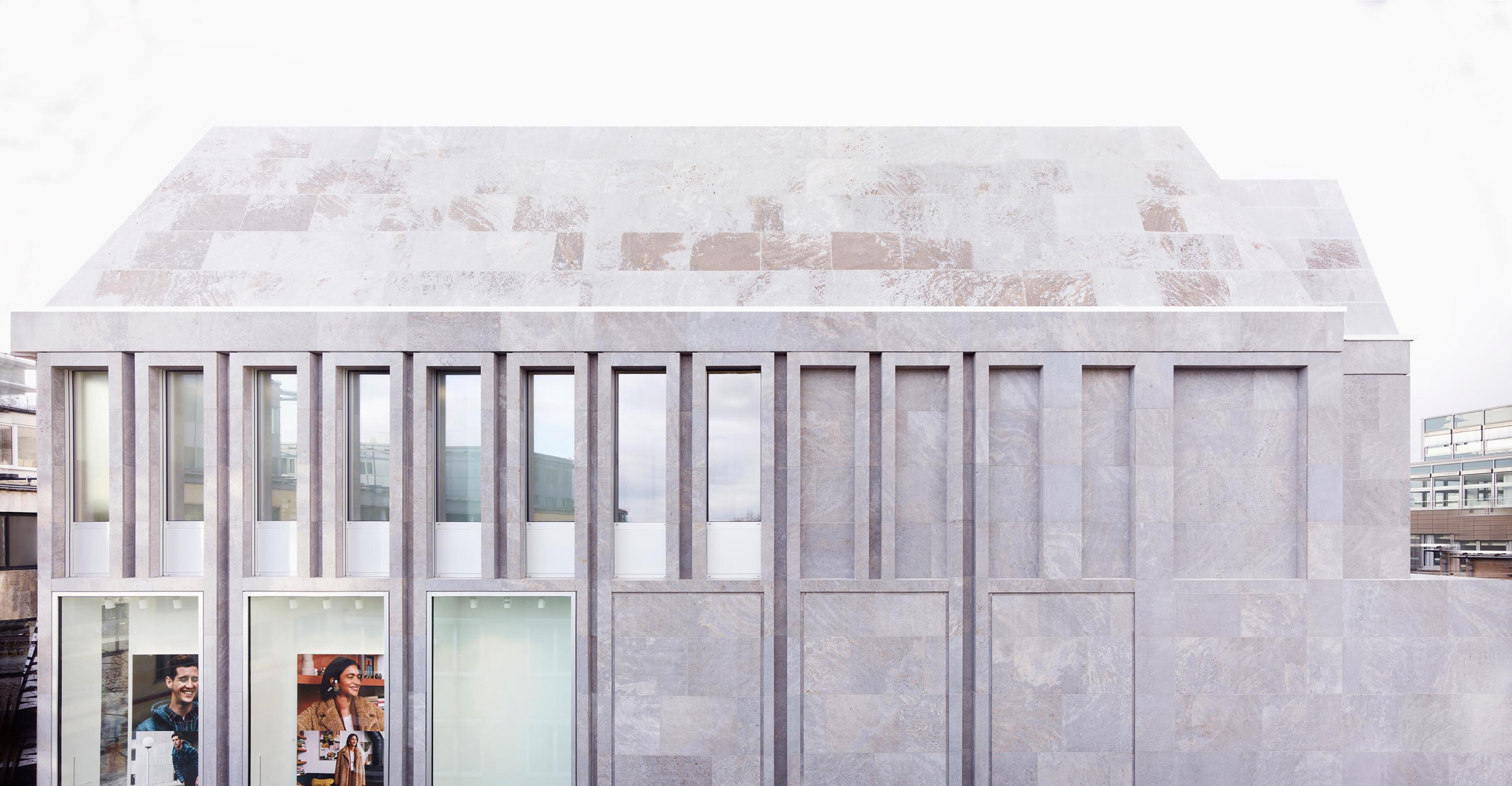
Architect: Kuehn Malvezzi
The 52HI commercial building is located in the historic center of Cologne, on one of the city’s busiest shopping streets. Completed in 2018, this four-story structure is a contemporary architectural example where natural stone and glass are harmoniously combined. With its simple yet systematically designed geometry, as well as its choice of materials and colors, it attracts the attention of visitors interested in minimalist design.
13. Central Mosque Cologne
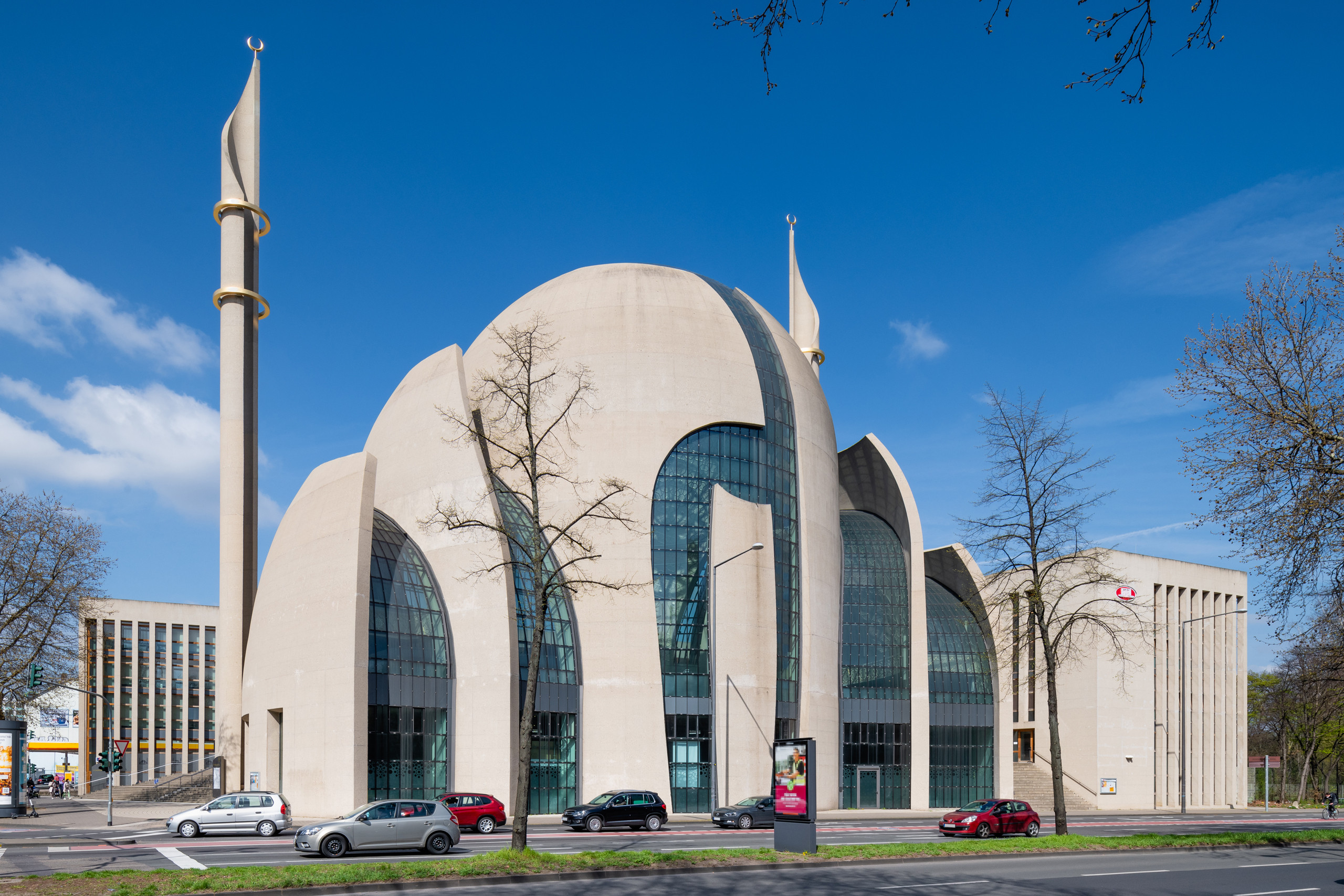
Architect: Paul Böhm
The Central Mosque Cologne is one of the largest mosques in Germany, and a striking structure that combines modern Islamic architecture with contemporary design. The mosque is built on the idea of transparency and openness. Large glass facades allow natural light to enter, while its concrete shell-like dome and two slender minarets bring a fresh interpretation to traditional mosque architecture. Construction of the mosque began in 2009, and it was opened to visitors in 2017.
14. St. Gertrud Church
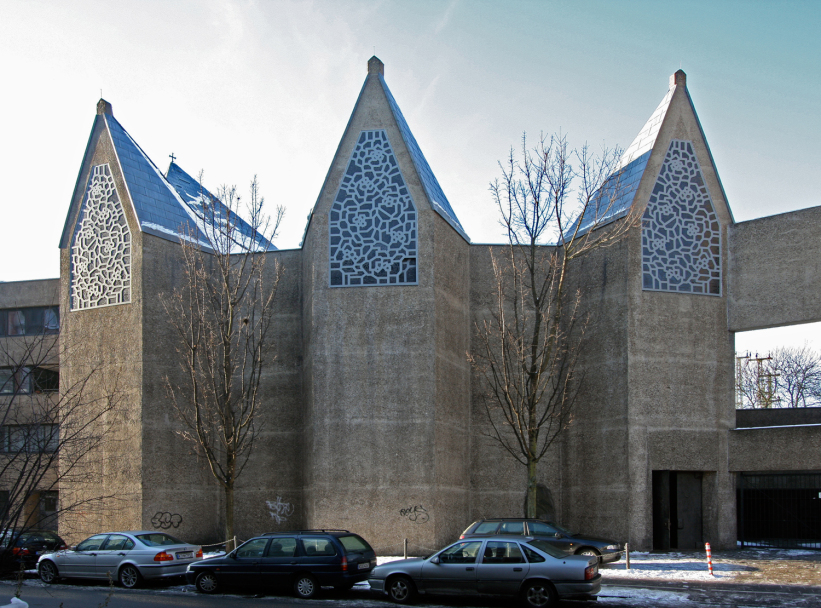
Architect: Gottfried Böhm
St. Gertrud Church’s origins date back to the 13th century, and it has undergone several restorations over time. Between 1962 and 1965, the famous architect Gottfried Böhm added a new interpretation to the structure with his approach to the first large concrete church with a tent roof. Originally designed in the Gothic style, the church now features minimalist and contemporary design elements. Rising on an empty plot between residential buildings, this brutalist structure serves as a remarkable example for architecture enthusiasts.
15. St. Maria im Kapitol
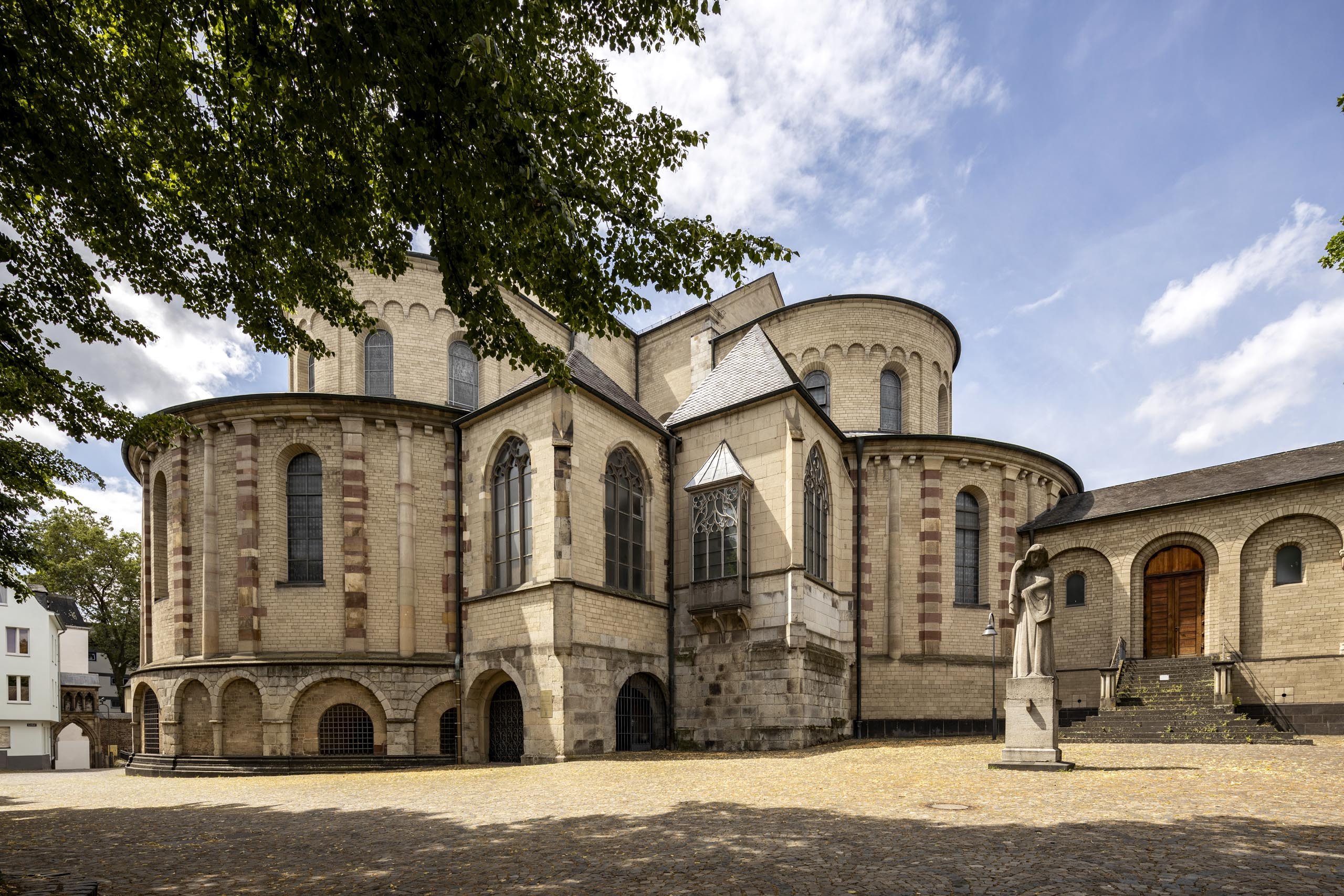
St. Maria im Kapitol was built between 1040 and 1065 on the site of Cologne’s former Roman settlement. Named after Rome’s Capitoline Hill (Mons Capitolinus), it is considered one of the most significant Romanesque churches in the city. With its thick stone walls, rounded arches, cylindrical columns, and vaulted ceilings, the church presents a simple yet monumental exterior. Inside, mosaics and frescoes create an inspiring atmosphere, blending artistic richness with a profound sense of spirituality
16. Farina Fragrance Museum
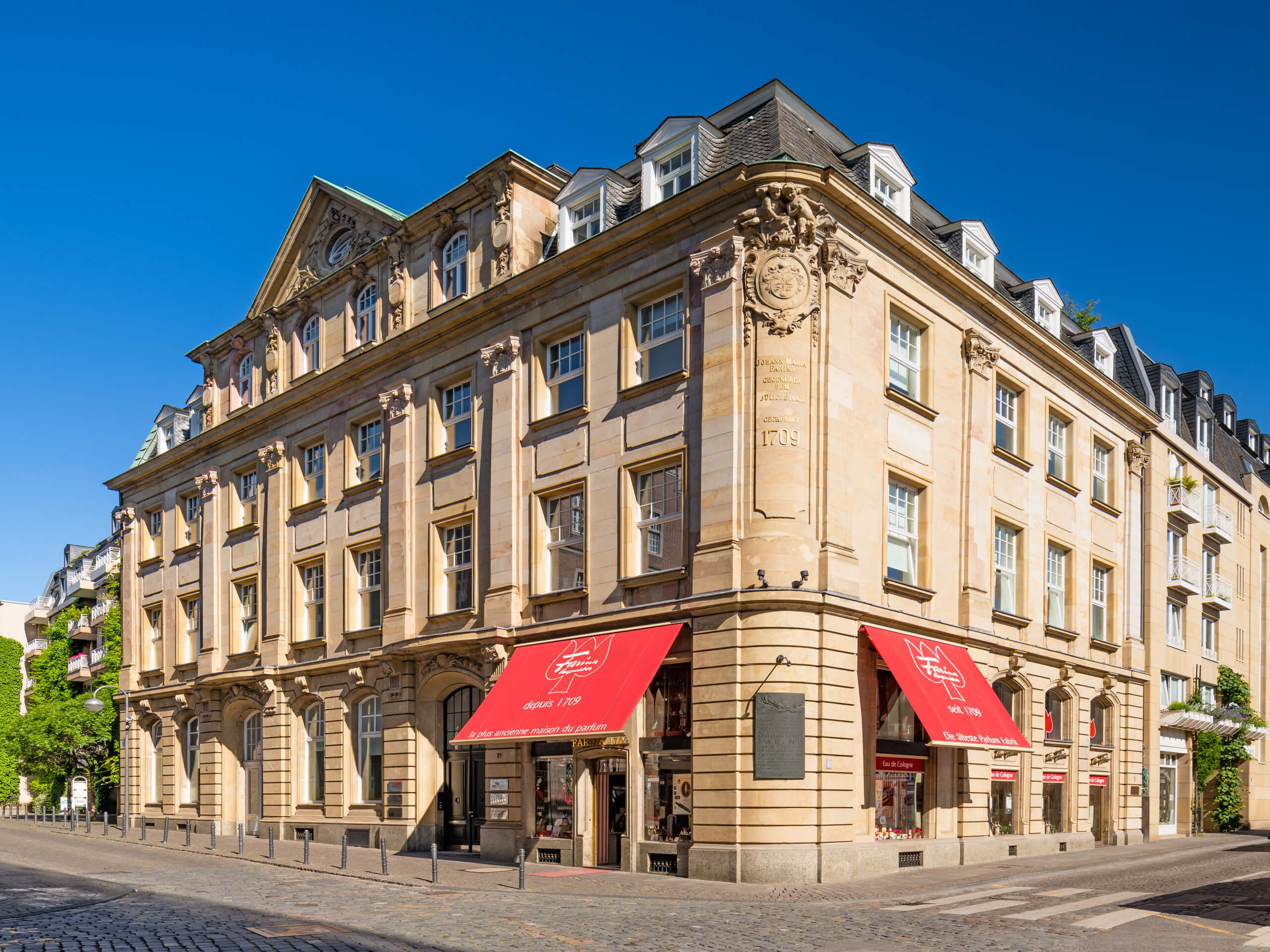
It may not be widely known, but the origins of Eau de Cologne date back to 1709 when Italian perfumer Giovanni Maria Farina created it in Cologne. Today, the building that serves as the Farina Fragrance Museum is Farina’s home and the first perfume production site. The museum offers guided tours and interactive experiences for those wishing to explore the history of Cologne, its production process, and a variety of fragrances.
Although Johann Maria Farina was the one who started the concept of Eau de Cologne, the 4711 brand is the most famous producer to follow. Though the two brands are different, both have left a significant mark on Cologne’s fragrant history. Those interested can also visit the 4711 Haus, where they can experience a different fragrance from Farina’s Eau de Cologne and enjoy the magnificent architecture of the building.
17. Chocolate Museum
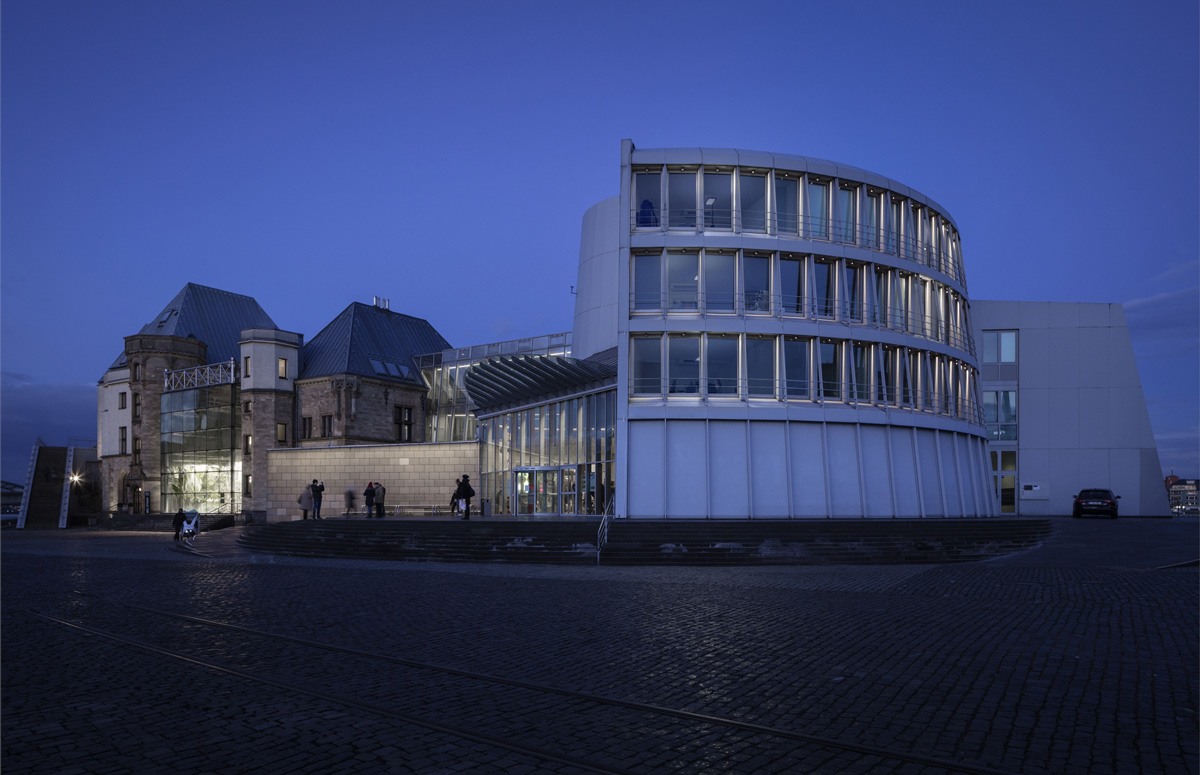
Architect: Eller + Eller Architekten
The Chocolate Museum, a riverside adaptive reuse project, is an interactive museum offering a comprehensive perspective on chocolate from its history to its production and packaging processes. Located on a former port site, the building references the area’s industrial past and, in its overall form, even resembles the bow of a ship.
Visitors to Cologne who are looking to enjoy both an impressive example of modern architecture and something delicious can visit the Chocolate Museum before leaving the city and taste fresh chocolate from the museum’s iconic chocolate fountain.
Cologne is one of the cities most affected by World War II. During the war, approximately 90% of the city was either heavily damaged or completely destroyed. The few historic buildings that survived were restored and have stood the test of time. Cologne’s rebirth from the ashes after the war is considered a significant turning point in the history of urban development in Germany.
Cologne stands out not only for its rich history but also for its forward-looking architectural vision. The city offers a striking blend of traditional forms and modern interpretations at every turn. Historic churches and iconic bridges in the city center are complemented by contemporary museums and sleek office buildings along the Rhine River, making Cologne a truly inspiring destination for architecture enthusiasts, both from a historical and a modern perspective.
If you’re interested in discovering new cities and diving deeper into their architectural fabric, you can take a look at our Parametric Architecture City Guide series. For those interested in the latest architectural techniques, online courses taught by selected instructors at PAACADEMY are also available. Additionally, you can visit the Parametric Architecture Instagram page and YouTube channel for more content and inspiration.
