


As cities become crowded and energy demands rise, buildings are transitioning from static shelters to active power-generating systems. Today, footsteps across public plazas can illuminate streets, commuter body heat can warm neighboring buildings, and algae-filled facades can shade interiors while providing biomass and thermal energy.
This shift has inspired architects and engineers to incorporate renewable technologies into facades, circulation spaces, structural systems, and public infrastructure. As a result, sustainability becomes a visible component of architectural design rather than a hidden engineering layer.
Algae Facades
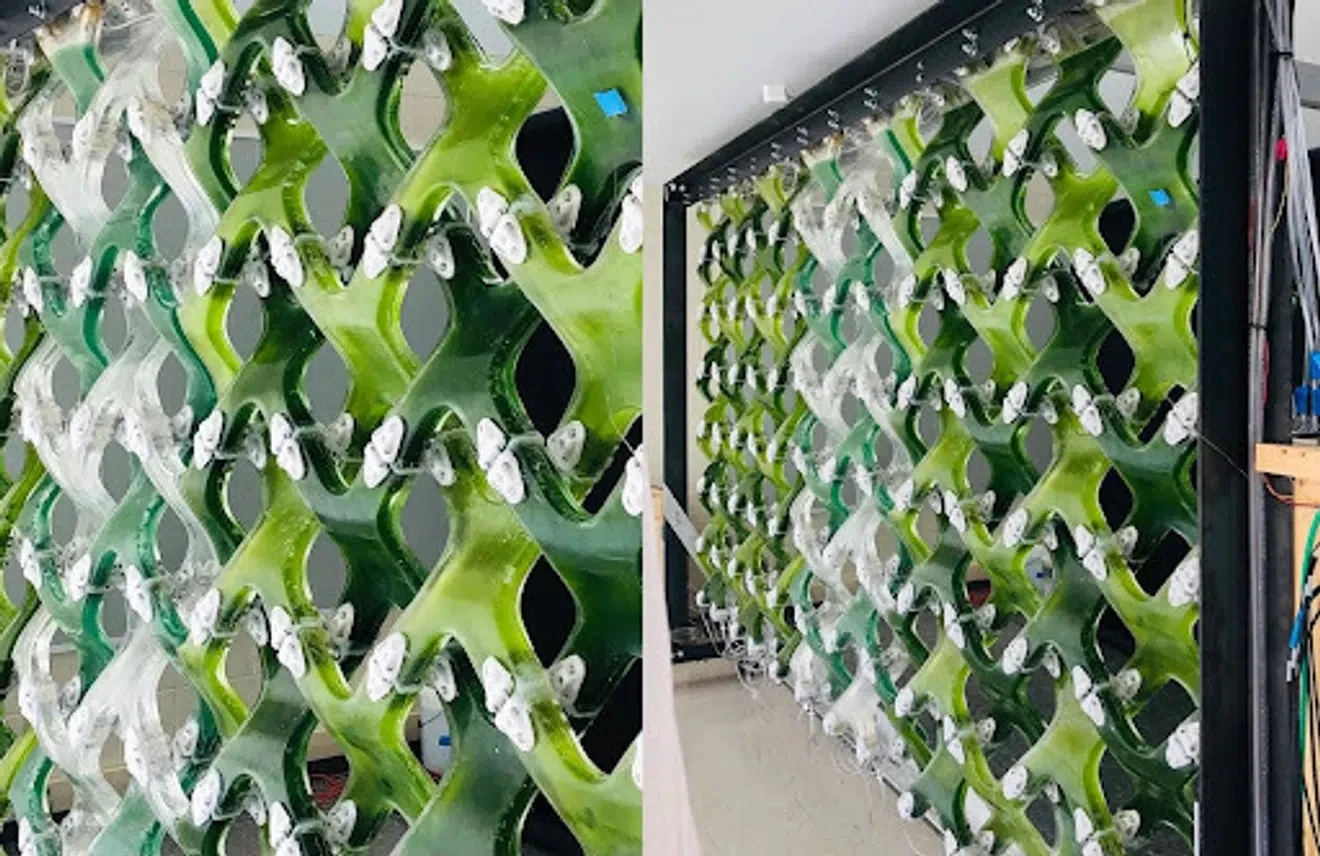
Algae panels are a bio-reactive façade technology that cultivates microalgae in flat photobioreactors to generate heat and biomass. A glass four-layer reactor forms a 24-liter chamber through which the growth medium continuously circulates. As compressed air enters at the base, it creates bubbles that circulate the liquid and help the algae absorb sunlight and CO₂ more efficiently. The photobioreactors also capture thermal energy used for hot water, space heating, and storage.
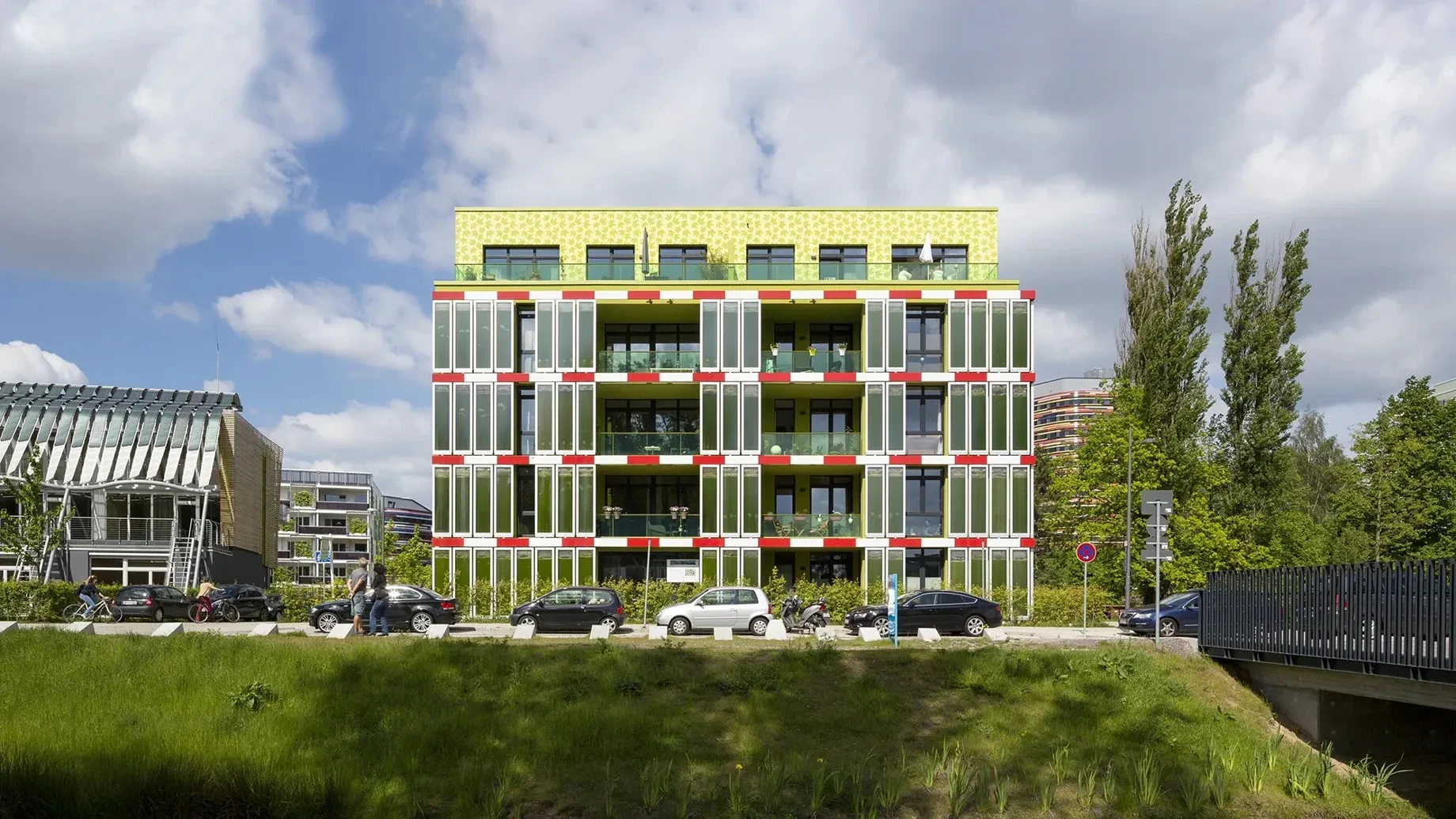
The SolarLeaf system created by Arup, SSC, and Colt International is the world’s first bio-reactive façade where 129 bioreactors serve one-third of thermal demand across 15 residential units. As light intensity increases, algae density also increases, allowing the facade to act as a dynamic shading system that limits solar gain.
Solar Glass or Photovoltaic Glass
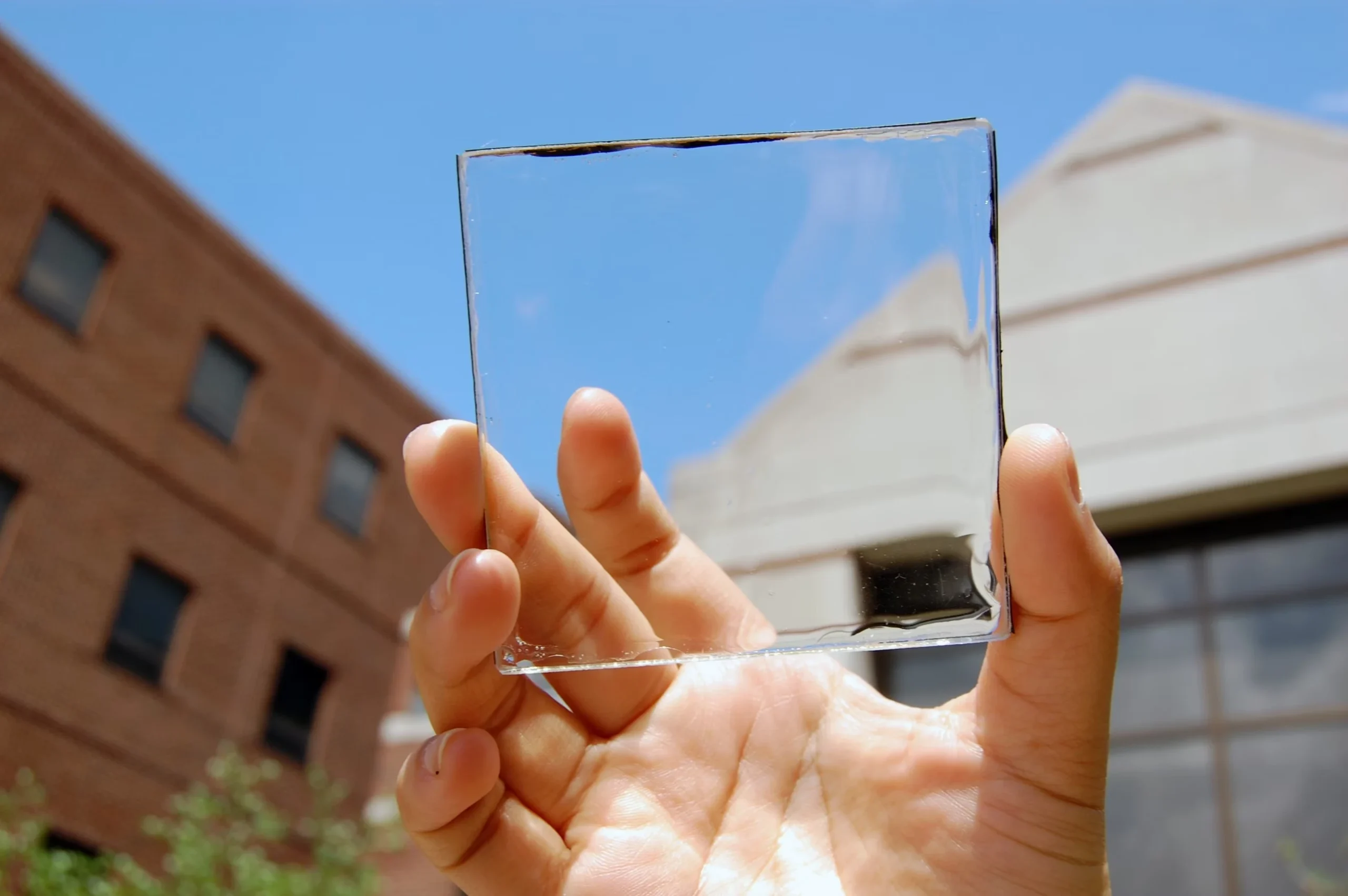
Photovoltaic glass is a type of building-integrated photovoltaic (BIPV) technology that embeds solar cells within glass panes using specialized encapsulation resin. The photovoltaic cells selectively absorb portions of the solar spectrum while allowing visible light to pass through. This enables facades to generate electricity while remaining transparent. However, this transparency comes at a trade-off, as ordinary PV glass achieves only 7-10% efficiency compared to 15-20% for traditional solar modules.
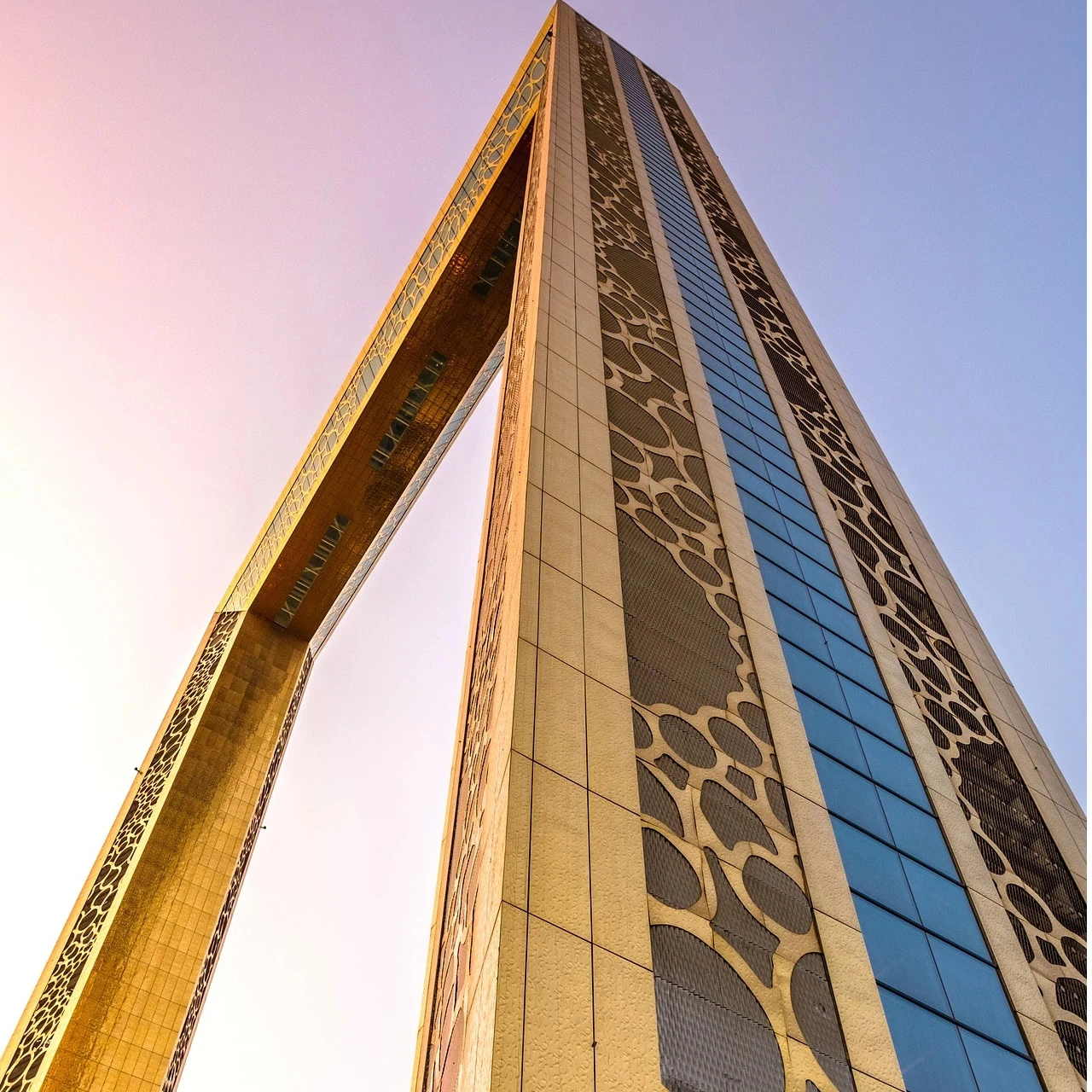
Extensive glazed surfaces increase the total energy-generating area, making it relevant in land-constrained cities such as Japan, Taiwan, and Singapore. The Dubai Frame exemplifies this approach with 1,200 square metres of amorphous silicon glass distributed across 2,500 panels forming a 38 kWp energy-generating system. Beyond performance, glass filters UV and infrared radiation while maintaining panoramic city views, and its gold finish complements the building’s iconic visual character.
Spherical Wind Turbines
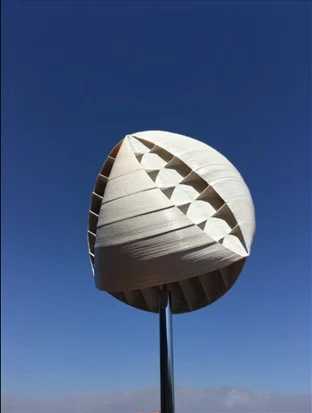
Spherical wind turbines generate energy from multidirectional airflow, including side winds, updrafts, and downdrafts between buildings. Nicolas Orellana and Yaseen Noorani created the O-Wind Turbine, a 25 cm plastic sphere designed for facades, balconies, and rooftops. Inspired by NASA’s Mars Tumbleweed Rover, it uses the Venturi Effect, where pressure differences within internal channels drive constant rotation regardless of wind direction. An internal generator converts this movement into electricity. Its enclosed design eliminates exposed blades, reduces noise, and lowers the risk of bird collisions, making it suitable for dense urban areas.
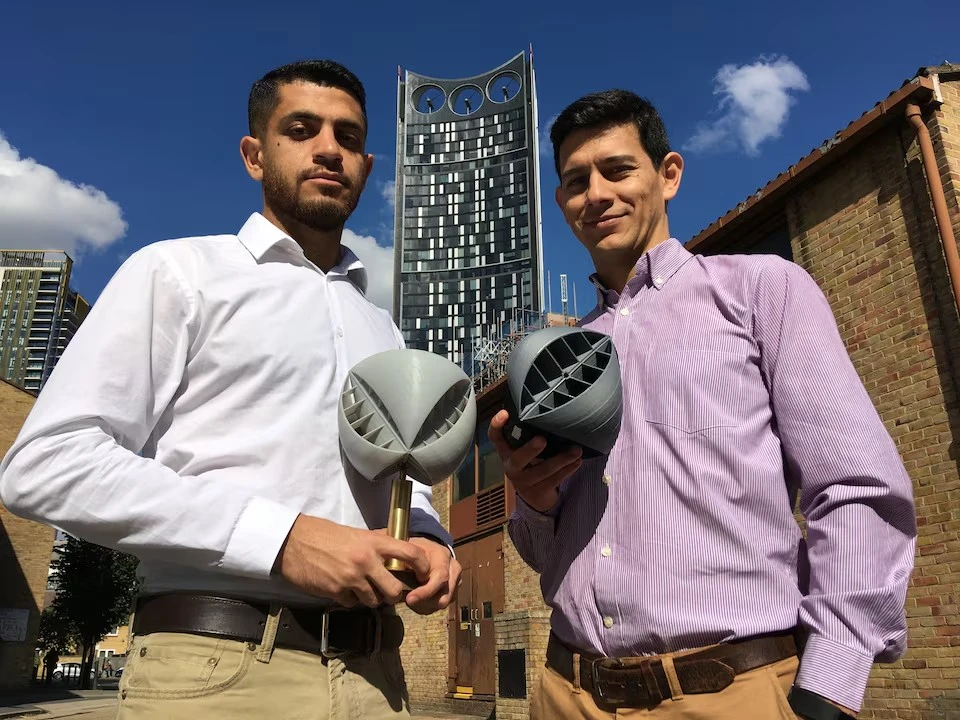
London’s Strata SE1 residential tower integrates three nine-meter wind turbines within its crown, each rated at 19 kW. Together, the turbines generate at least 50 MWh annually, supply 8% of the building’s total energy consumption, and demonstrate how architects can integrate wind energy into architectural form.
Micro-Hydropower Systems

Microhydropower systems use flowing water to create energy, producing up to 100 kilowatts, enough to power a large home, farm, or small facility. The system works by using flowing water to rotate a turbine. The turbine converts kinetic energy into rotational energy that powers a generator producing electricity for on-site use or export to the grid.

Tipton Roller Mill in Devon demonstrates this approach through a 28-kW Archimedes screw turbine installed beside the River Otter to power the historic mill. Since the turbine could not sit directly on the weir, engineers constructed an inclined concrete channel to link the river to the existing leat.
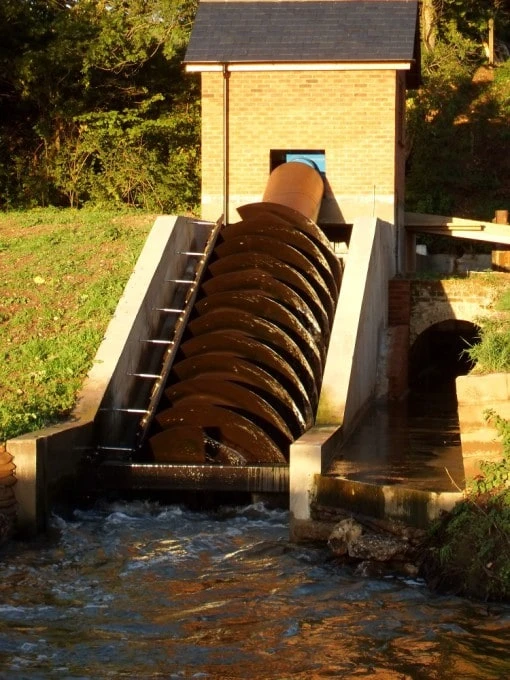
The flowing water drives the screw turbine by using the 2.6-meter height difference between the two water levels. The turbine generates electricity, transfers it to the mill through underground cables, and exports surplus power to the national grid.
Kinetic Floors
Kinetic energy floors transform the mechanical pressure of footsteps into useful electrical energy via an electromechanical mechanism integrated in each tile. As the tile compresses slightly underfoot, it turns the vertical movement into spin, which drives a small internal generator that produces 25 to 35 watts per module. That output is either stored or used right away to power lighting, screens, or other nearby linked systems.
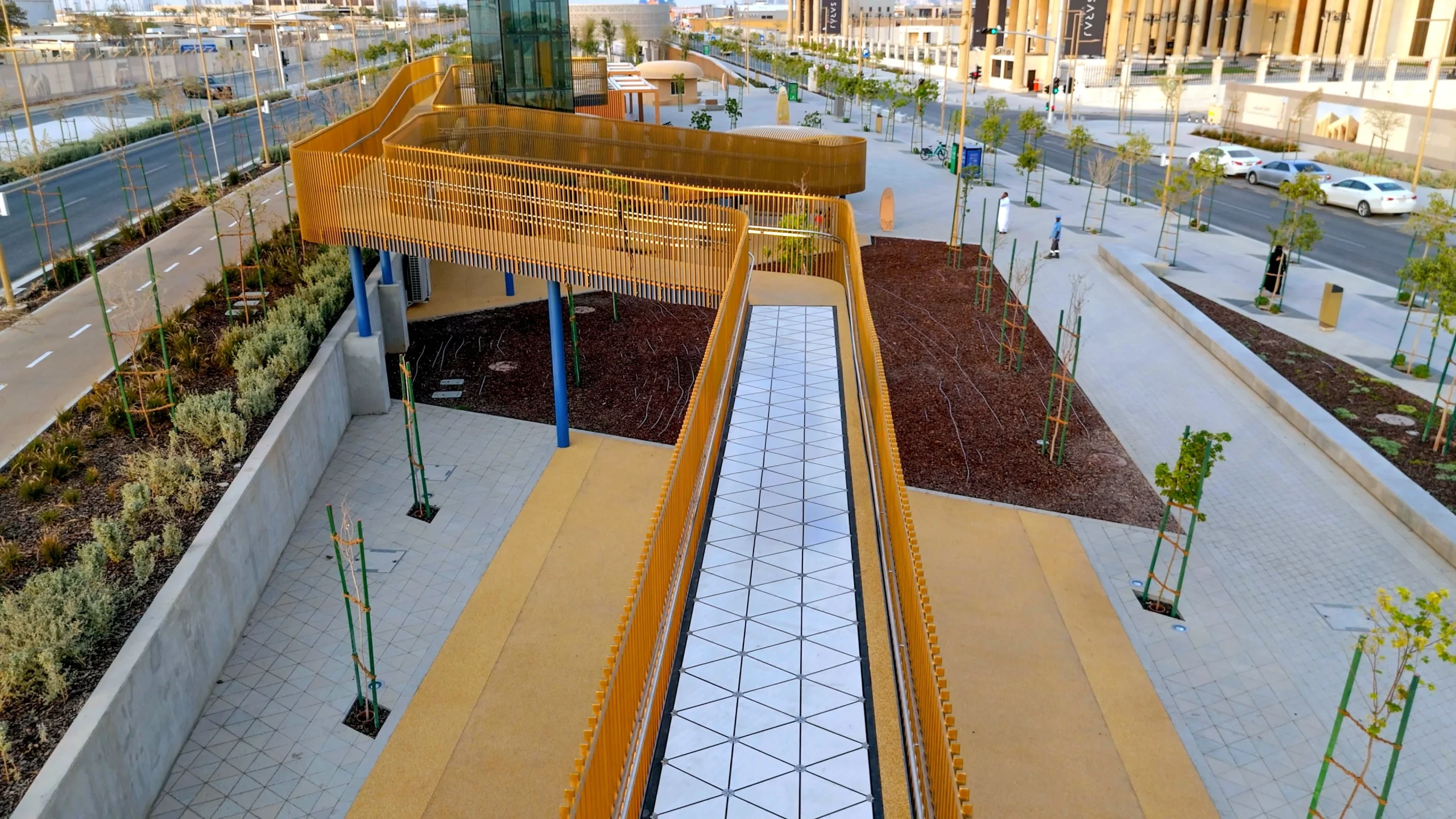
Pavegen’s project at Riyadh’s Sports Boulevard incorporates kinetic tiles across five elevated pedestrian pathways. Here, each footstep instantly powers LED illumination within the surrounding railings, transforming daily circulation into an active public energy system.
Piezoelectric Pavement
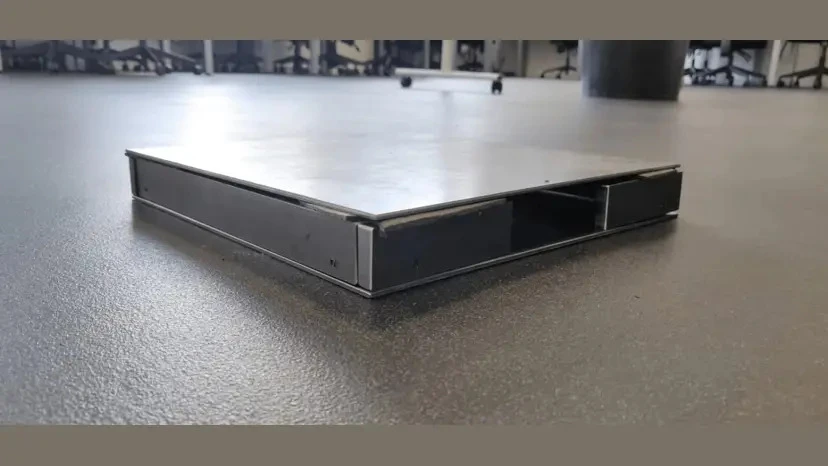
Unlike kinetic floors that rely on electromechanical tiles, piezoelectric pavements generate electricity through pressure-sensitive materials embedded beneath roads and public surfaces. As these materials compress under footsteps or vehicle loads, they produce an electrical charge. Connected circuits either store this energy in batteries or use it immediately to power streetlights, signs, and sensors.
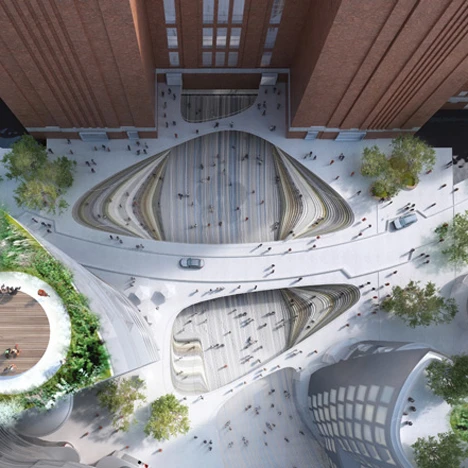
This is best illustrated by Bjarke Ingels’ proposal for Battersea Power Station, where piezoelectric paving across Malaysia Square would capture energy from nearly 50,000 daily visitors. The stored energy would power Tesla coil light displays between the station’s four 100-meter-high Art Deco chimneys, turning the movement into a visible source of energy.
Human Heat Recovery
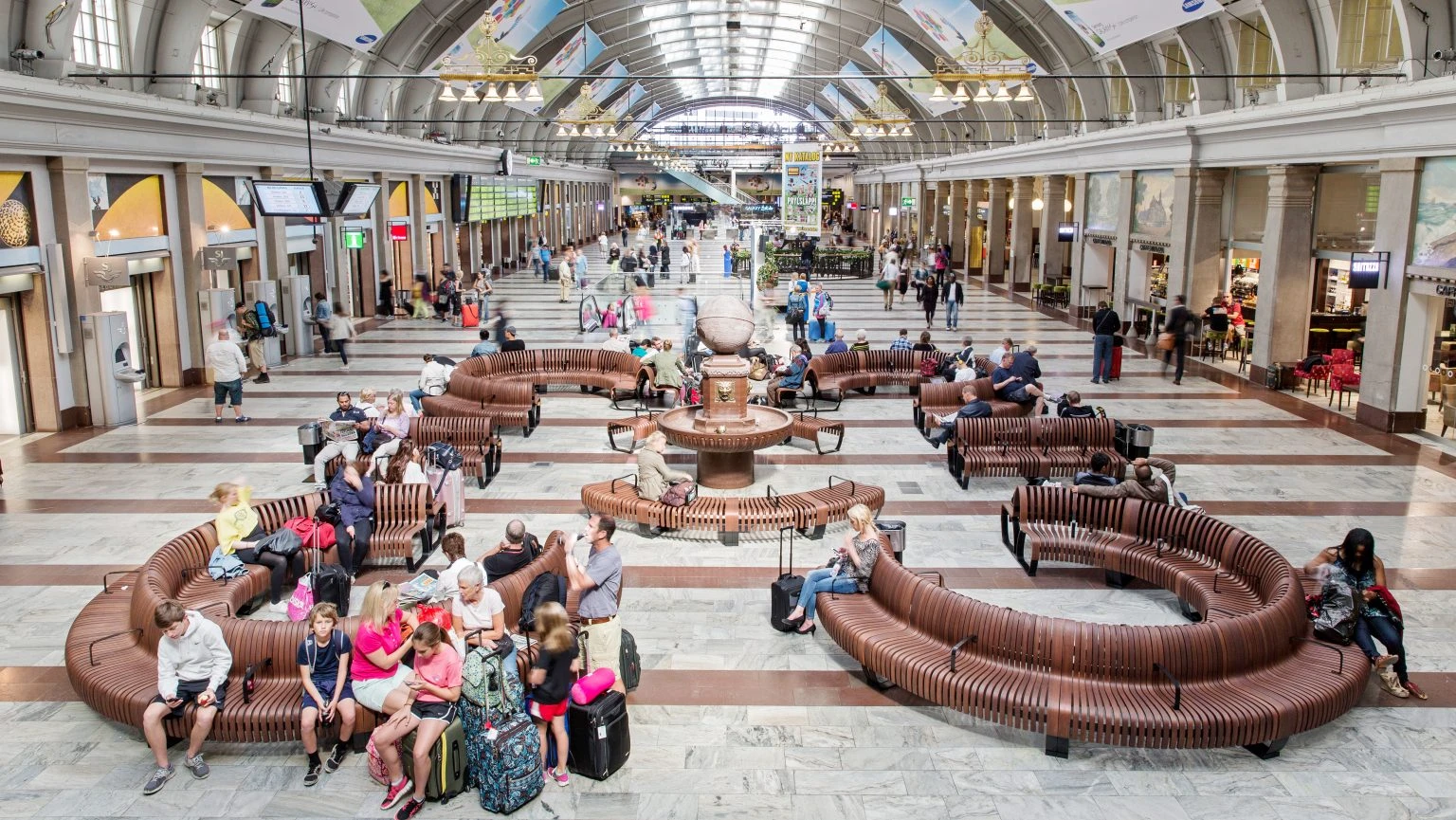
Human heat recovery systems absorb body heat from crowded public locations and use it to generate energy for neighboring buildings. Heat exchangers within the ventilation system capture excess heat and transfer it to water stored in underground tanks. The heated water is then pumped to adjacent buildings and integrated into their heating systems. Because heat dissipates over distance, the system works best in places with high crowd density and close building proximity, making transit hubs, airports, and nightclubs ideal locations.
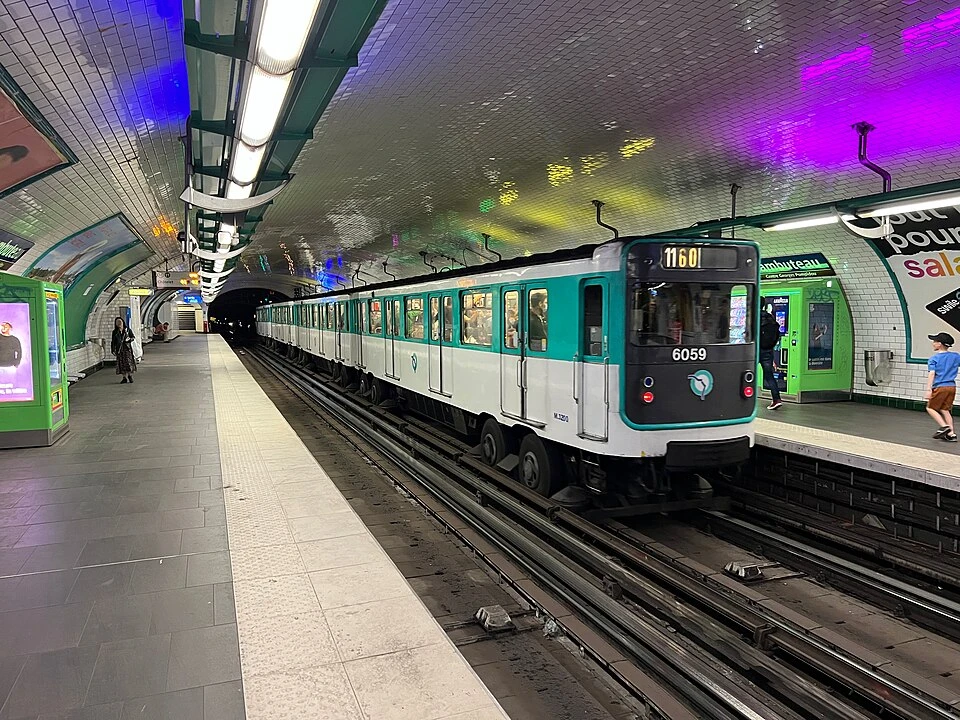
Stockholm Central Station is the most prominent example, with 250,000 daily commuters; it creates enough excess heat to reduce energy usage in the neighboring 13-story Kungsbrohuset business building by 25%. Similarly, Paris’s Rambuteau Metro station provides 25% of the heating for a seven-story residential building on Rue de Beaubourg, where the air inside the station is 10°C warmer than the outdoor temperature.
Osmotic Power Plant
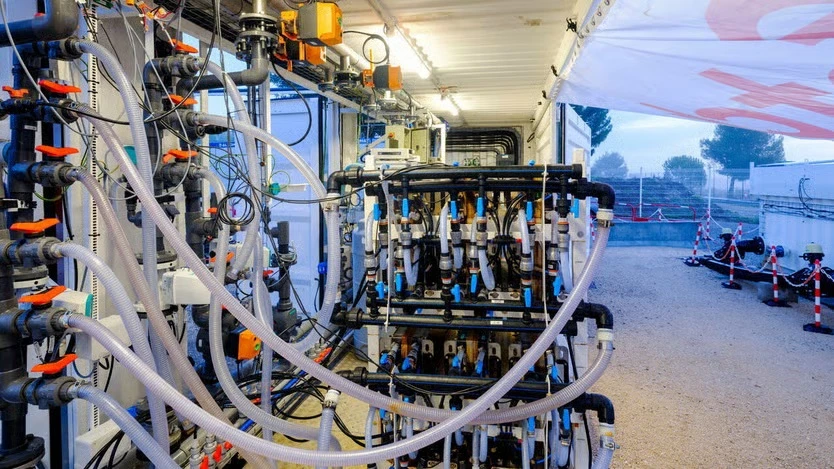
Osmotic power plants generate electricity by mixing fresh water and salt water. They operate continuously regardless of weather conditions, making them a stable renewable energy source. The system works by separating freshwater and seawater with a semipermeable membrane on opposite sides. Water naturally moves toward the saltier side to balance concentrations, creating pressure that drives a turbine connected to a generator.
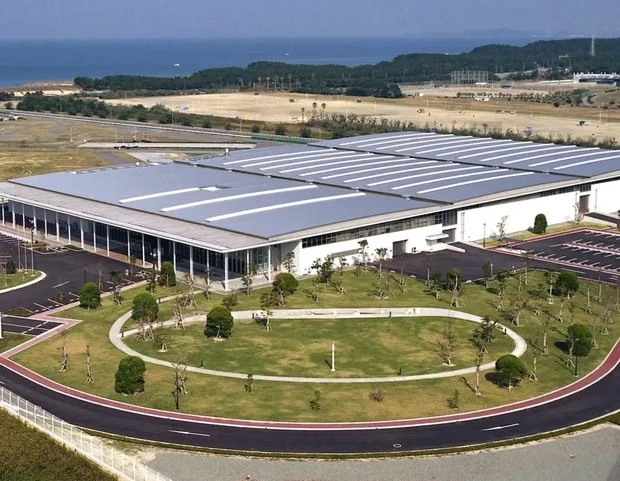
To increase energy output, many systems use concentrated brine left over from desalination plants because the larger salinity difference produces greater pressure. While the concept is fascinating, scaling remains difficult due to membrane friction and pumping losses, but ongoing advances in membrane technology are improving efficiency. One prominent example of this technology is in Fukuoka, Japan, which generates around 880,000 kWh annually, enough to power approximately 220 families while supporting a nearby desalination facility that supplies fresh water to surrounding areas.
These emerging clean energy technologies are transforming buildings into active power generators. By integrating innovation with sustainable design, the built environment can reduce emissions, enhance resilience, and contribute to a cleaner energy future.
