


The architectural heritage of Ecuador showcases cultural syncretism in the Western Hemisphere. Situated between the Andean highlands and the Pacific coast, the nation’s built environment functions as a physical archive of layered histories, from pre-Columbian Incan foundations and the ornate Escuela Quiteña to Republican neoclassicism, modernist experimentation, and contemporary sustainable verticality.
This architectural landscape is defined not only by stylistic diversity but by its constant negotiation with volcanic terrain, seismic instability, and indigenous memory. Across Quito, Cuenca, and Guayaquil, Ecuador reveals an ability to reconcile monumentality with geography, history with innovation, and vernacular intelligence with global architectural discourse.
Quito: The Zenith of Andean Baroque
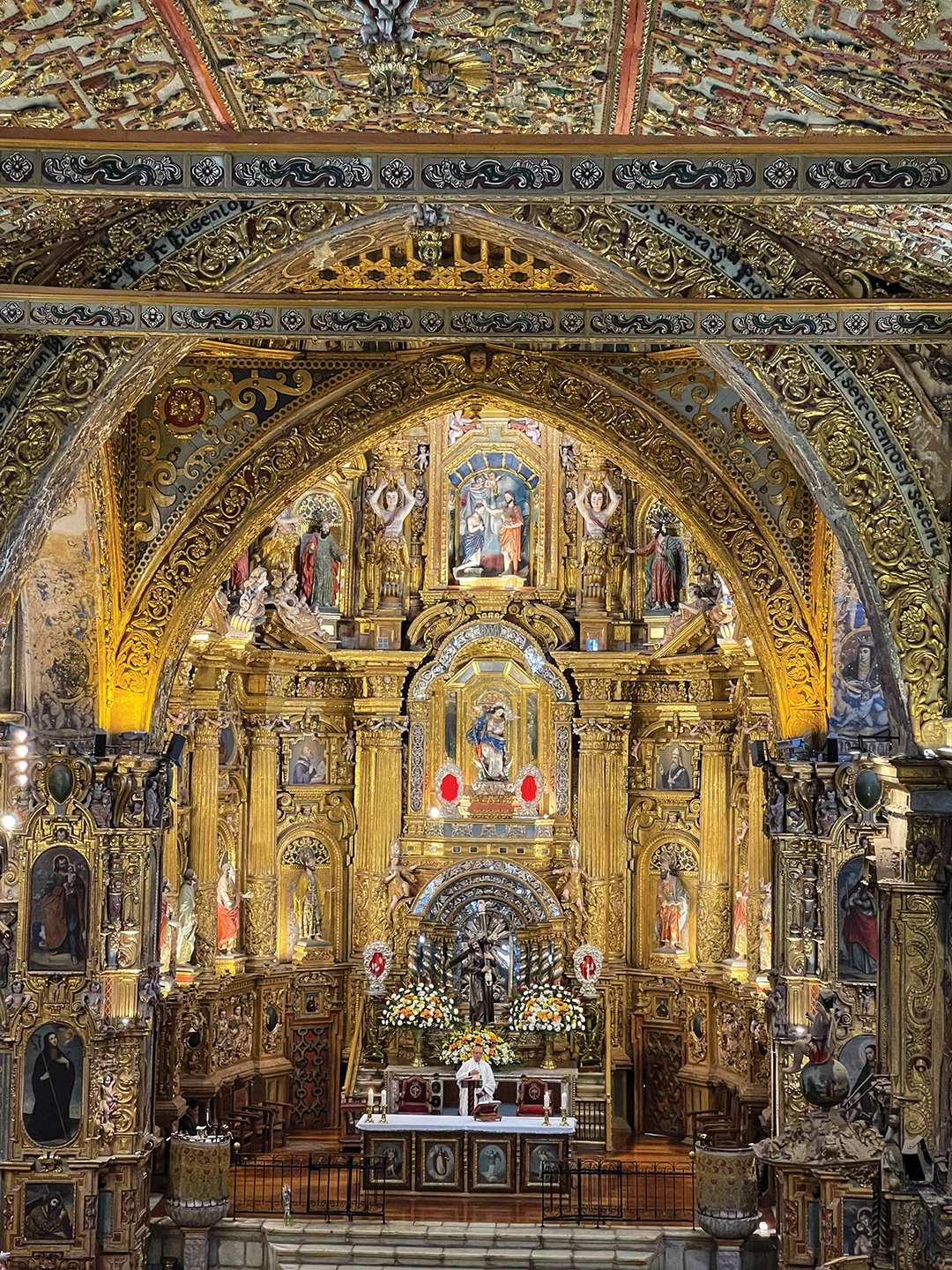
Quito, the first city designated a UNESCO World Heritage Site in 1978, possesses the largest and best-preserved historic center in Latin America. Founded in 1534 atop an Incan settlement at 2,850 meters above sea level, the city developed a distinct architectural language through the Escuela Quiteña, a synthesis of Spanish, Italian, Moorish, Flemish, and indigenous traditions.
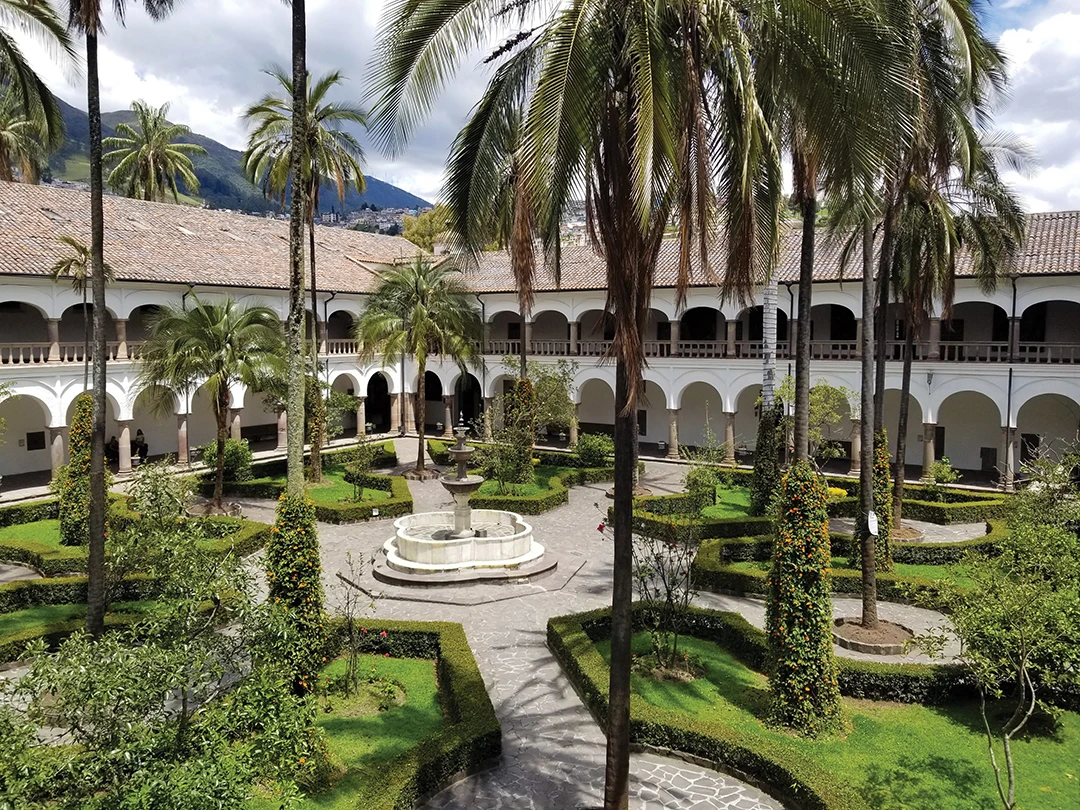
The city’s rigid colonial grid, aligned with the cardinal directions, was adapted to the steep slopes of the Pichincha volcano through careful spatial and structural modulation. This response to difficult topography and seismic conditions produced an urban fabric where architecture appears embedded into the mountain itself.
La Compañía de Jesús: The Theatre of Baroque Density
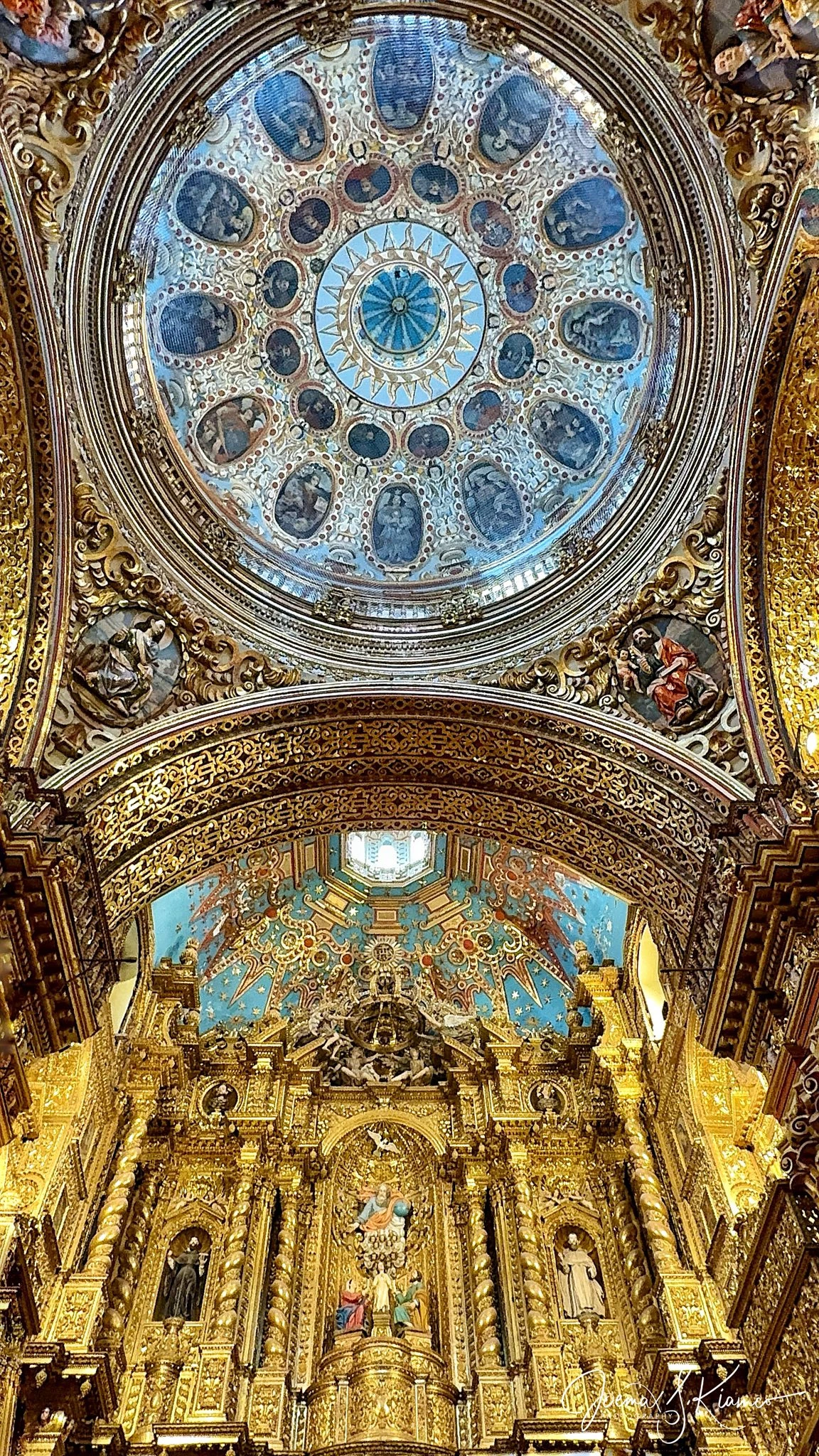
The Church and Jesuit College of La Compañía de Jesús remain the defining masterpieces of the Quito School. Constructed between 1605 and 1765, the church represents an extraordinary exercise in Baroque immersion, where every surface dissolves into gold leaf, carved wood, paintings, and sculptural ornamentation.
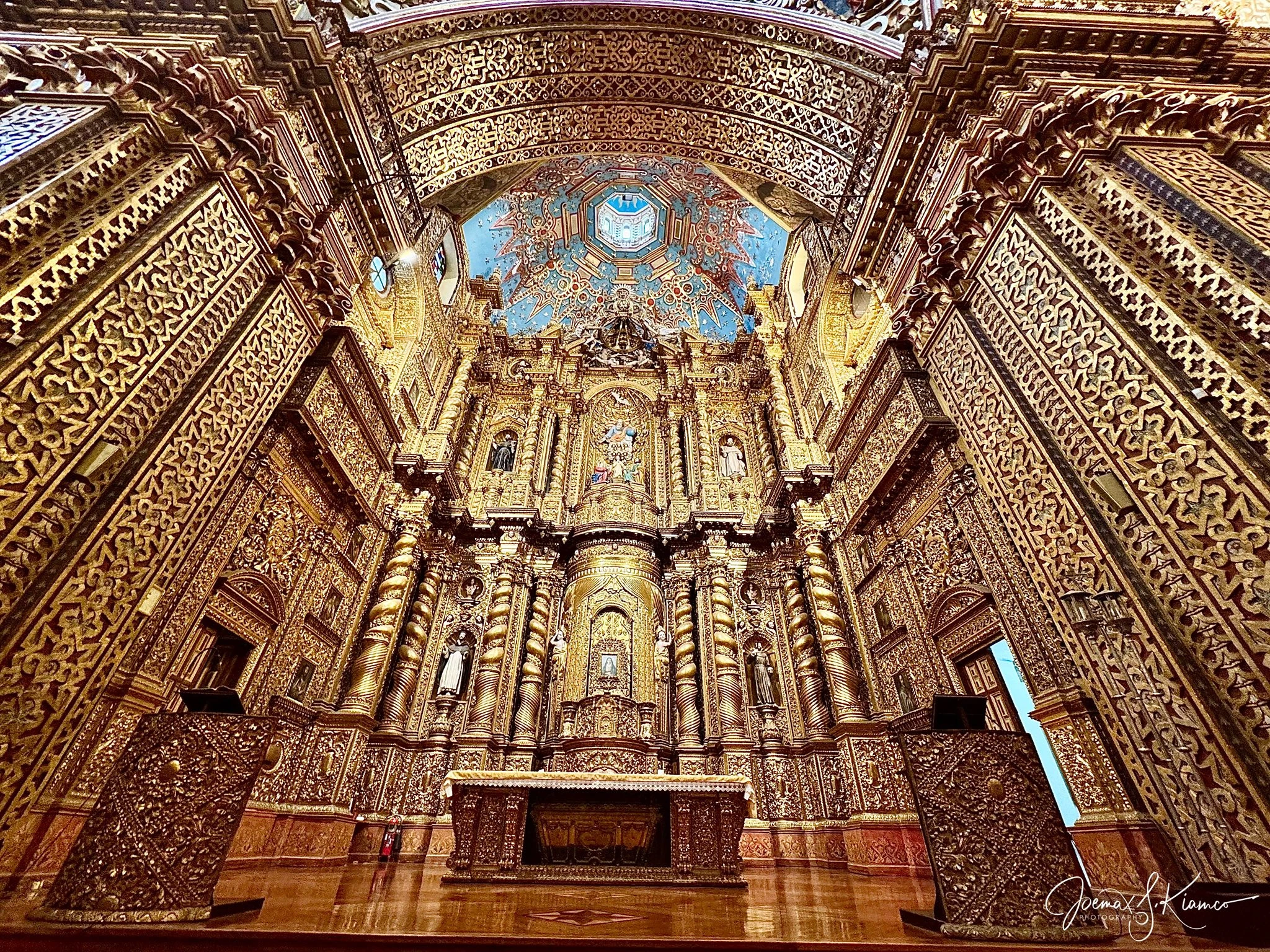
The interior embodies the horror vacui aesthetic, using visual density as a spiritual instrument. Yet beneath its European iconography lies a subtle indigenous narrative. Native craftsmen incorporated local flora, solar motifs, and Andean symbolism into Catholic imagery, creating a uniquely Ecuadorian interpretation of Baroque architecture.
San Francisco: Monumentality Over Empire
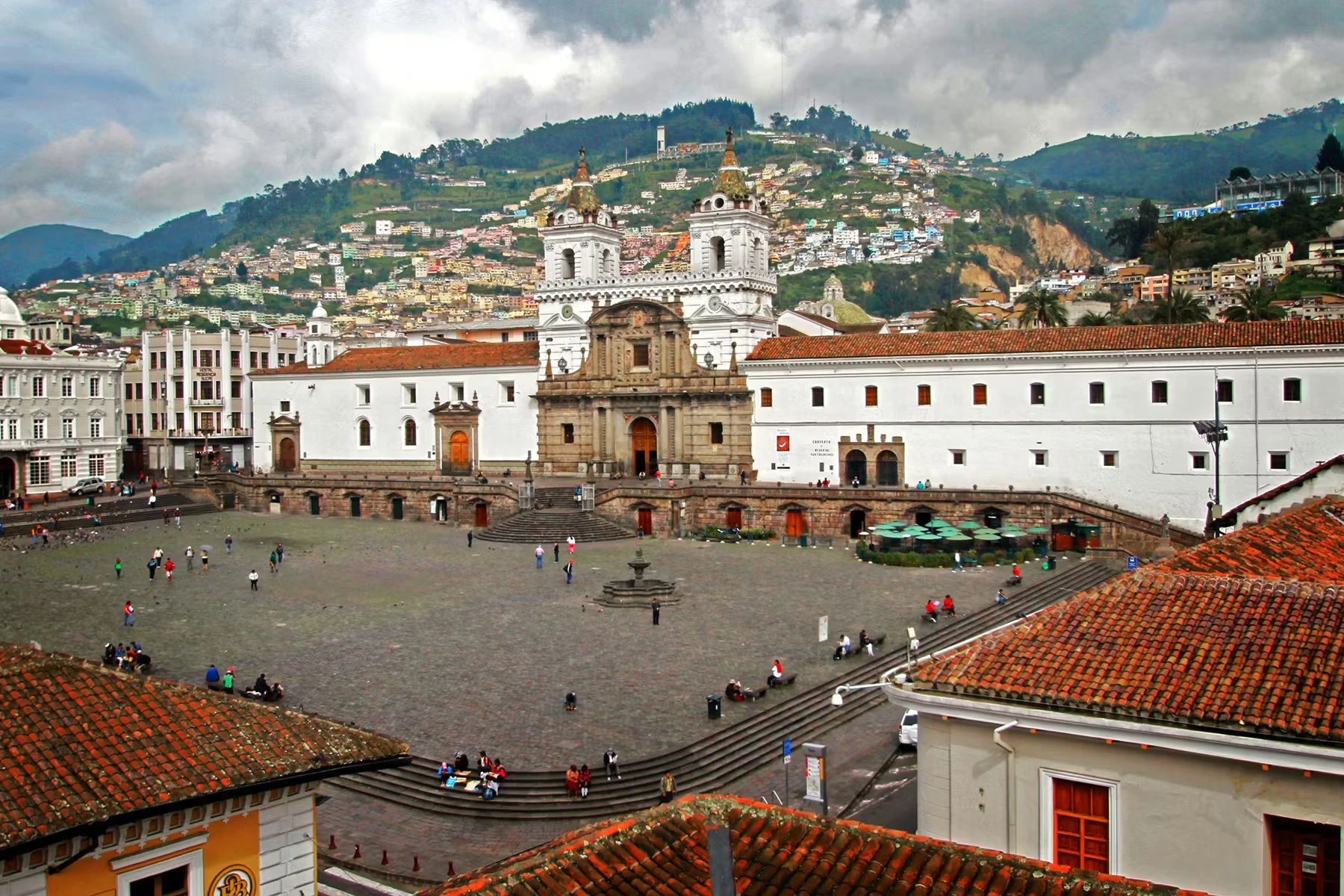
The Convent and Church of San Francisco, begun in 1535 atop the palace of Emperor Atahualpa, reflects the physical and symbolic replacement of pre-Columbian power with colonial authority. Spanning nearly two city blocks, the complex is the largest religious structure in colonial Latin America. Architecturally, it captures the transition from Renaissance restraint to emerging Baroque dynamism.
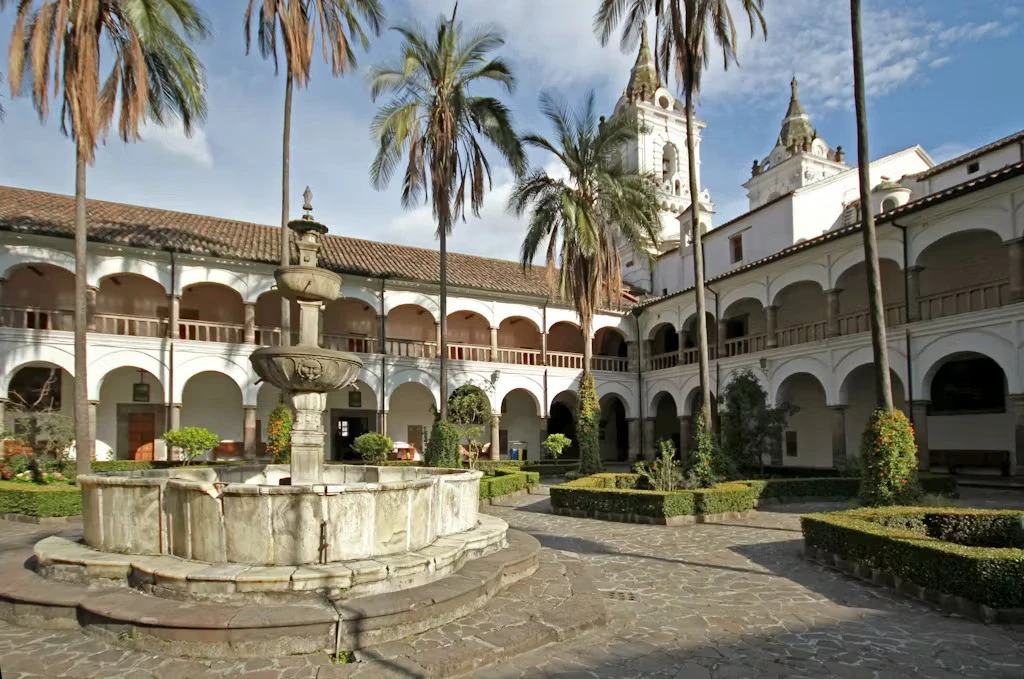
Its Mannerist facade, Mudéjar coffered ceilings, and gilded interiors establish a spatial language rooted in both European influence and local craftsmanship. The complex also houses the celebrated Winged Virgin of Quito by Bernardo de Legarda, a sculpture that transformed Marian iconography through an Andean interpretation of movement and divinity.
Republican Transitions and Neo-Gothic Identity
During the nineteenth century, Ecuador’s Republican era introduced new architectural ambitions shaped by French neoclassicism, Belgian Gothic revivalism, and imported construction technologies. Architecture became a tool for projecting modernity and national identity.
Basilica del Voto Nacional: Gothic Through Biodiversity
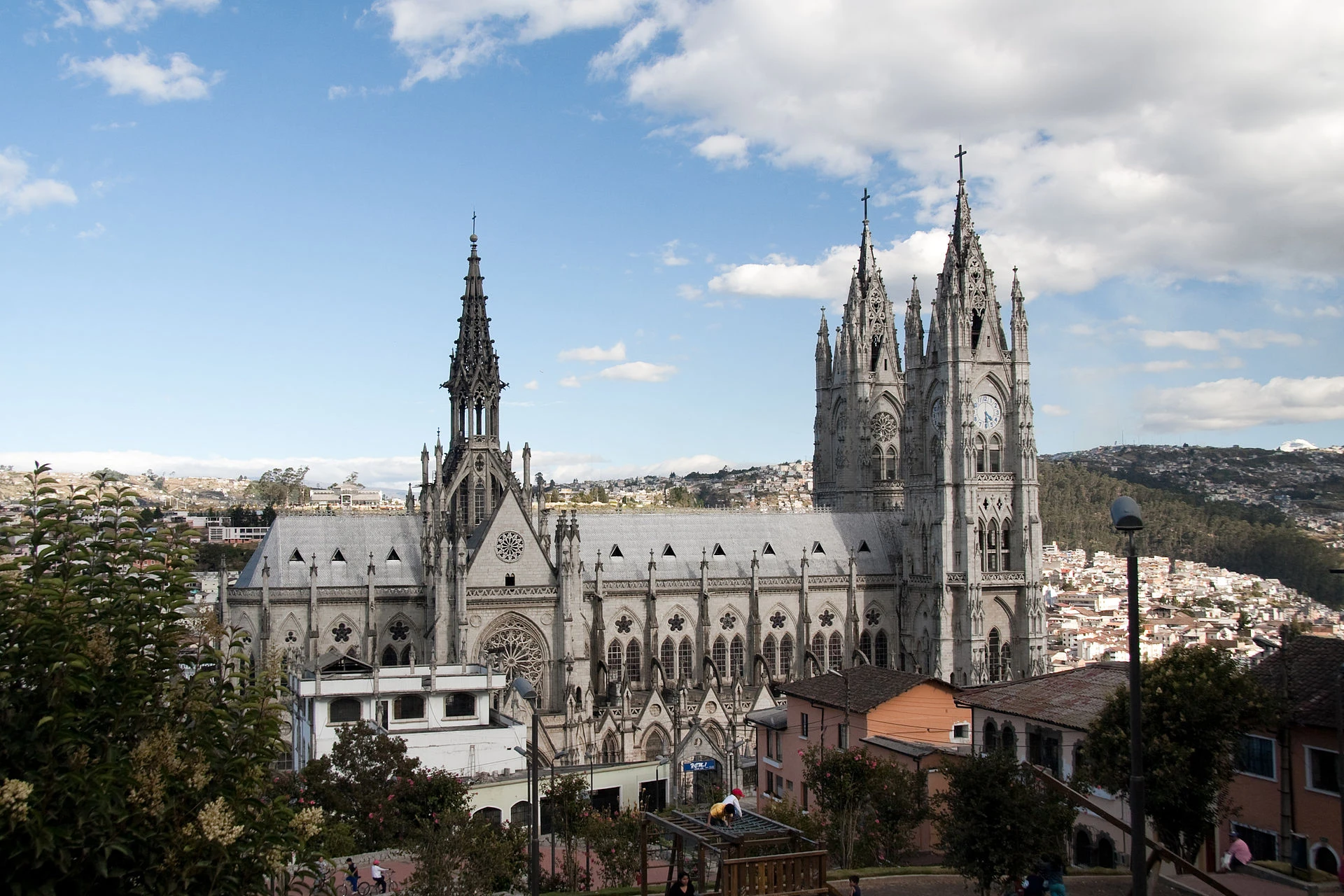
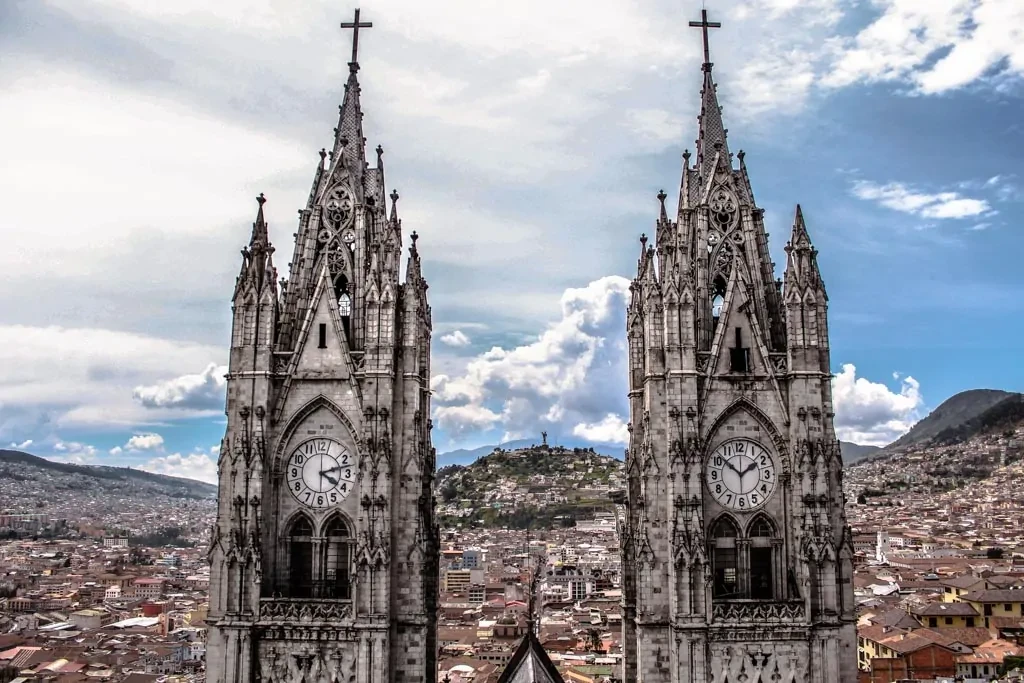
Basilica del Voto Nacional, the largest neo-Gothic basilica in the Americas, reinterprets European Gothic architecture through local ecology. Conceived in 1883, the basilica replaces traditional gargoyles with carvings of endemic Ecuadorian fauna, including condors, iguanas, Galápagos tortoises, armadillos, and pumas. This localization of Gothic ornament transforms the building into both a religious and national monument. Its unfinished condition, maintained through legend and structural delay, has become central to its identity, reinforcing the idea of architecture as an ongoing narrative rather than a completed object.
The Modernist Awakening: 1940–1980
The mid-twentieth century marked a period of intense architectural experimentation in Quito. Urban expansion, foreign-trained architects, and European émigrés introduced modernist principles adapted to the Andean context. Uruguayan planners Gilberto Gatto Sobral and Guillermo Jones Odriozola shaped Quito’s modern growth through institutional master plans and the campus of the Universidad Central del Ecuador, where functional zoning, reinforced concrete, and open landscapes defined a new urban order.
CIESPAL: Concrete as Urban Sculpture
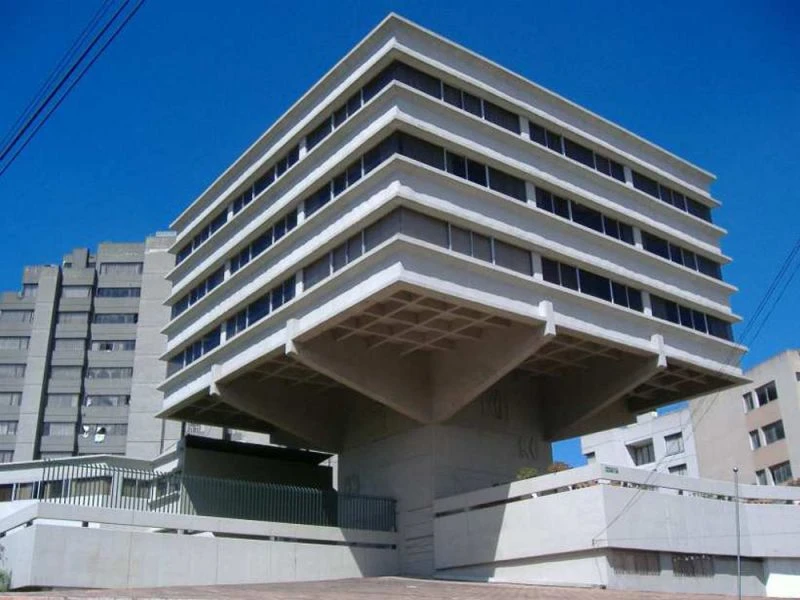
The CIESPAL Building, designed between 1972 and 1979 with Ovidio Wappenstein, responds to unstable ground conditions through a rigid horizontal structural system. Its sculptural massing resembles a geological formation emerging from the earth, demonstrating Barragán’s ability to convert engineering constraints into architectural expression.
Templo de la Patria: Monument Against the Mountain
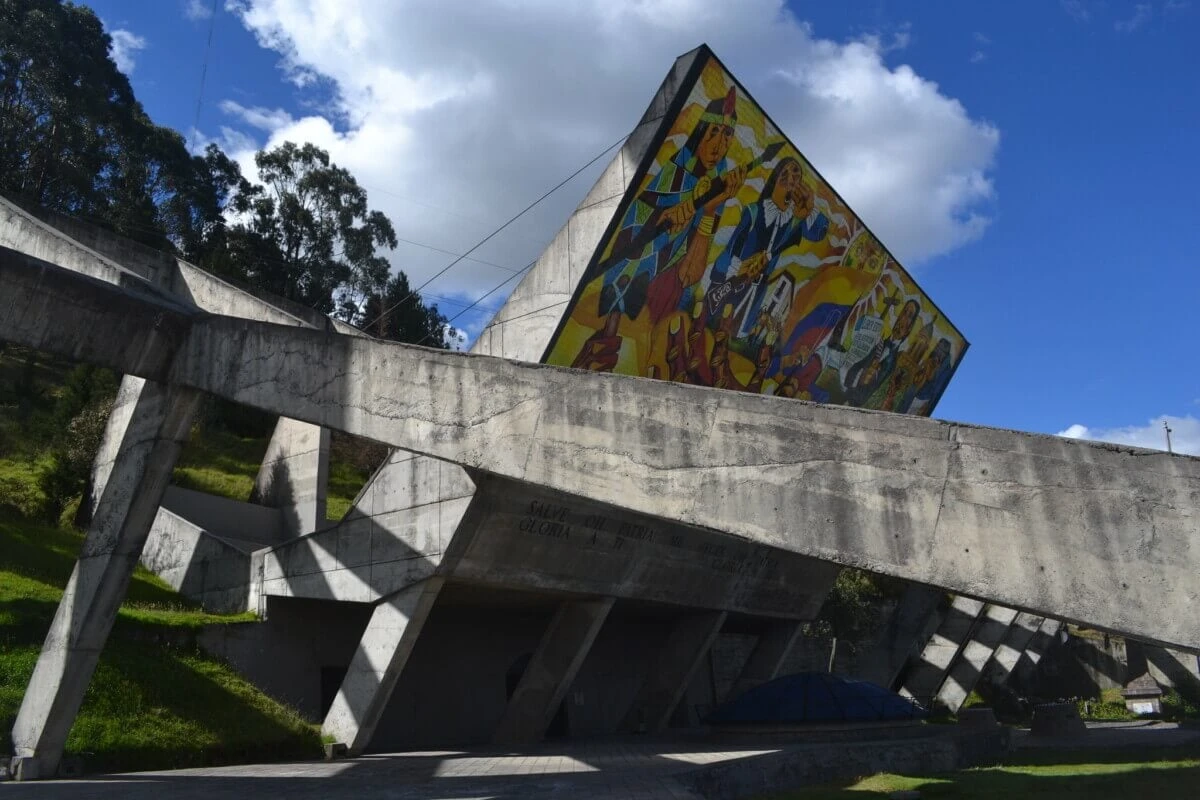
Located at the base of the Pichincha volcano, Templo de la Patria uses monumental concrete ribs to echo the surrounding topography. Compressed corridors and wide-span halls create a contemplative spatial sequence, while murals by Oswaldo Guayasamín integrate art directly into the architectural narrative.
Contemporary Verticality: Quito’s New Urban Density
Contemporary Quito has shifted toward high-density vertical development, particularly after the relocation of the city-center airport. Yet these projects attempt to maintain a relationship with the landscape, climate, and public space.
IQON: The Vertical Extension of the Park
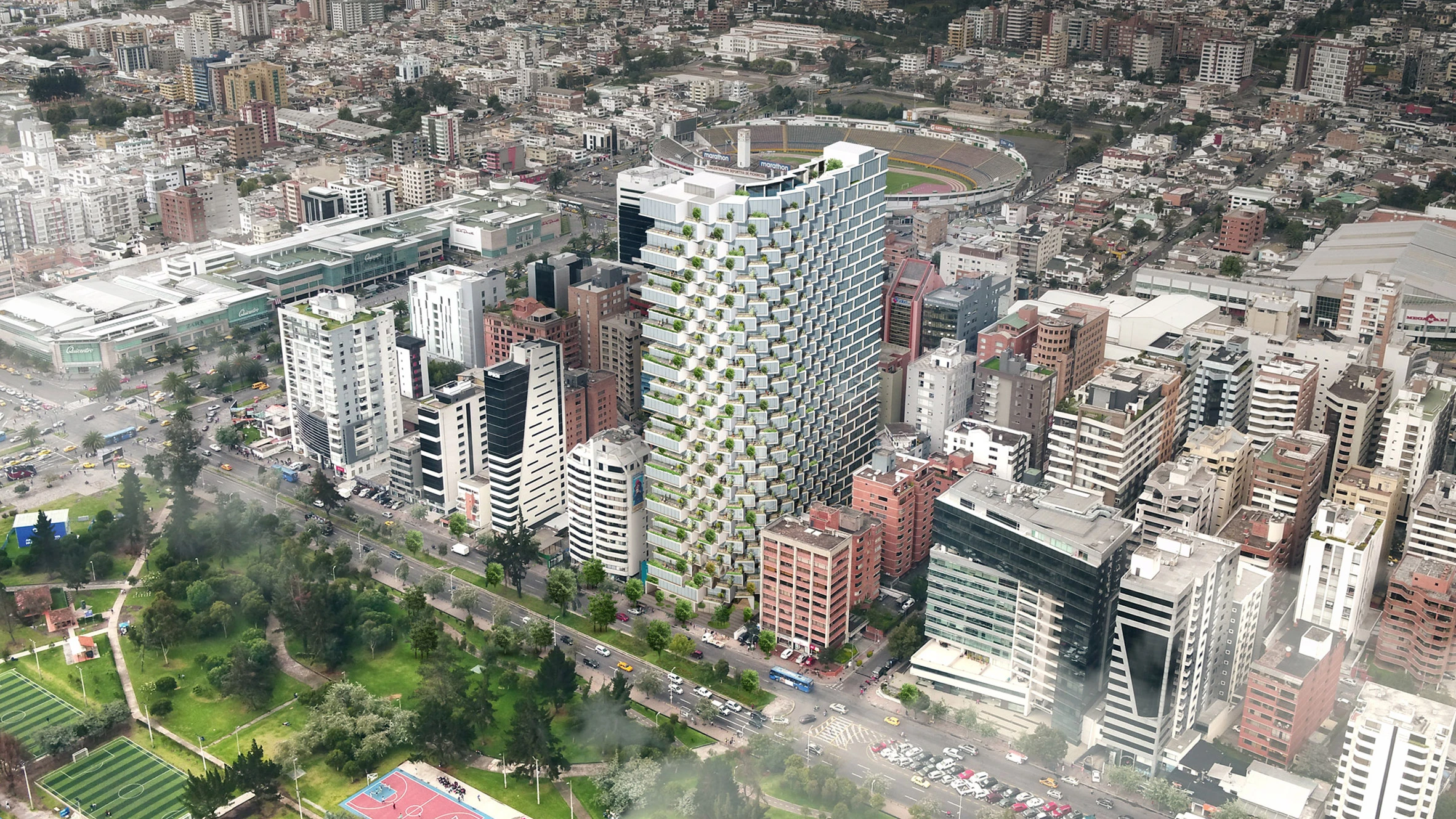
IQON, designed by Bjarke Ingels Group (BIG) in collaboration with Uribe Schwarzkopf, rises as Quito’s tallest residential tower. Instead of functioning as an isolated skyscraper, the building extends the landscape of La Carolina Park vertically through terraces, vegetation, and open communal spaces.
EPIQ: Reinterpreting the Historic City
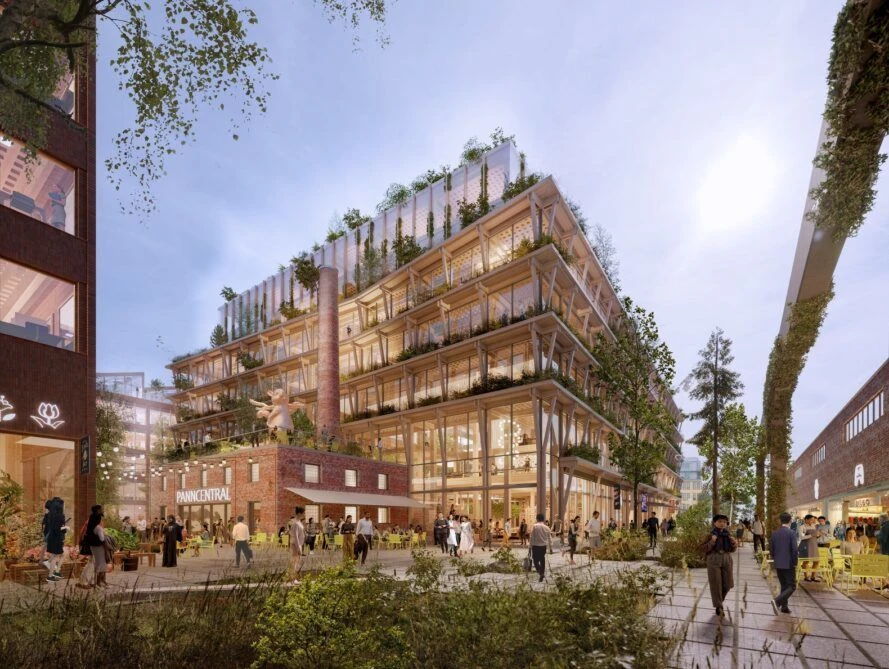
EPIQ references Quito’s UNESCO-listed historic center through materiality and texture rather than imitation. Rose-colored ceramic tiles arranged in herringbone patterns echo colonial rooftops and traditional paving systems, while fragmented volumes create light-filled communal voids.
The New Cathedral: Monumentality and Structural Limitation
Las Peñas preserves the colonial character of old Guayaquil through brightly colored timber houses, carved balconies, and narrow streets climbing Santa Ana Hill. Restoration efforts transformed the district into a cultural and public corridor while retaining its intimate urban grain.
Las Peñas: The Surviving Wooden City
Las Peñas preserves the colonial character of old Guayaquil through brightly colored timber houses, carved balconies, and narrow streets climbing Santa Ana Hill. Restoration efforts transformed the district into a cultural and public corridor while retaining its intimate urban grain.
The Point: Rotational Modernity
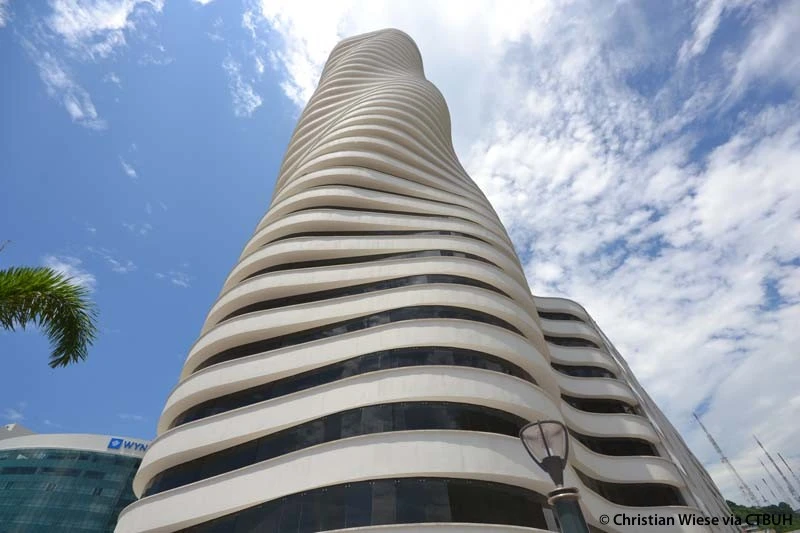
The Point, designed by Christian Wiese, achieves its swirling form through a six-degree rotation of each floor plate. The tower’s dynamic geometry references maritime movement and the convergence of the Babahoyo and Daule rivers, demonstrating how minimal structural manipulation can generate a powerful urban identity.
Vernacular Intelligence and Contemporary Engineering
A defining movement in contemporary Ecuadorian architecture is the re-engineering of vernacular materials such as caña guadua bamboo and rammed earth to meet modern seismic and thermal standards.
Guadua Bamboo: Vegetable Steel
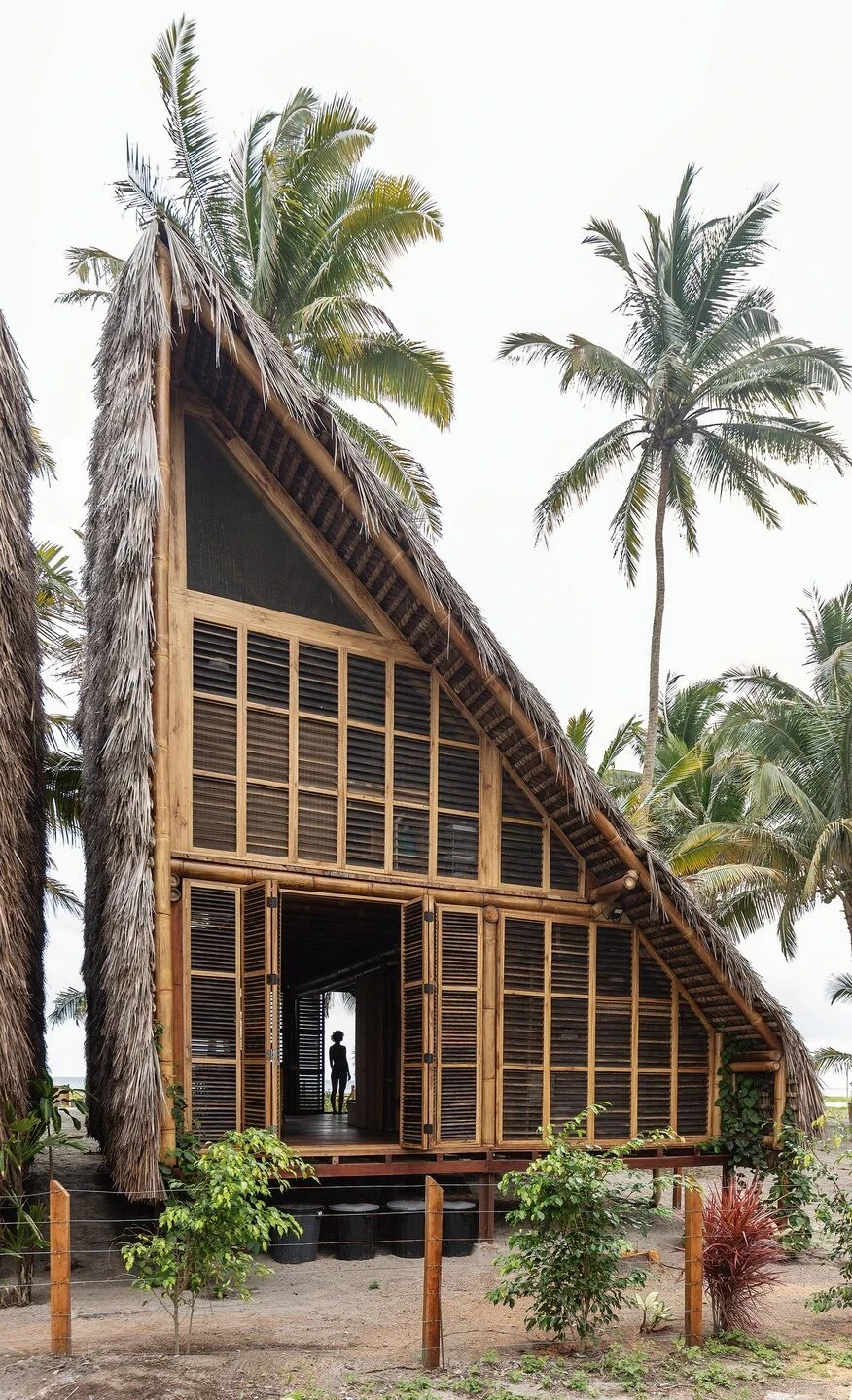
Ecuador has emerged as a leader in the structural use of Guadua angustifolia, valued for its tensile strength and seismic flexibility. Casa Toquilla by Rama Estudio demonstrates how traditional coastal bamboo construction can evolve into climatically responsive contemporary housing. Elevated platforms, stainless-steel reinforced joints, and woven toquilla panels create resilient, low-cost dwellings rooted in local craft traditions.
Rammed Earth and Passive Thermal Design
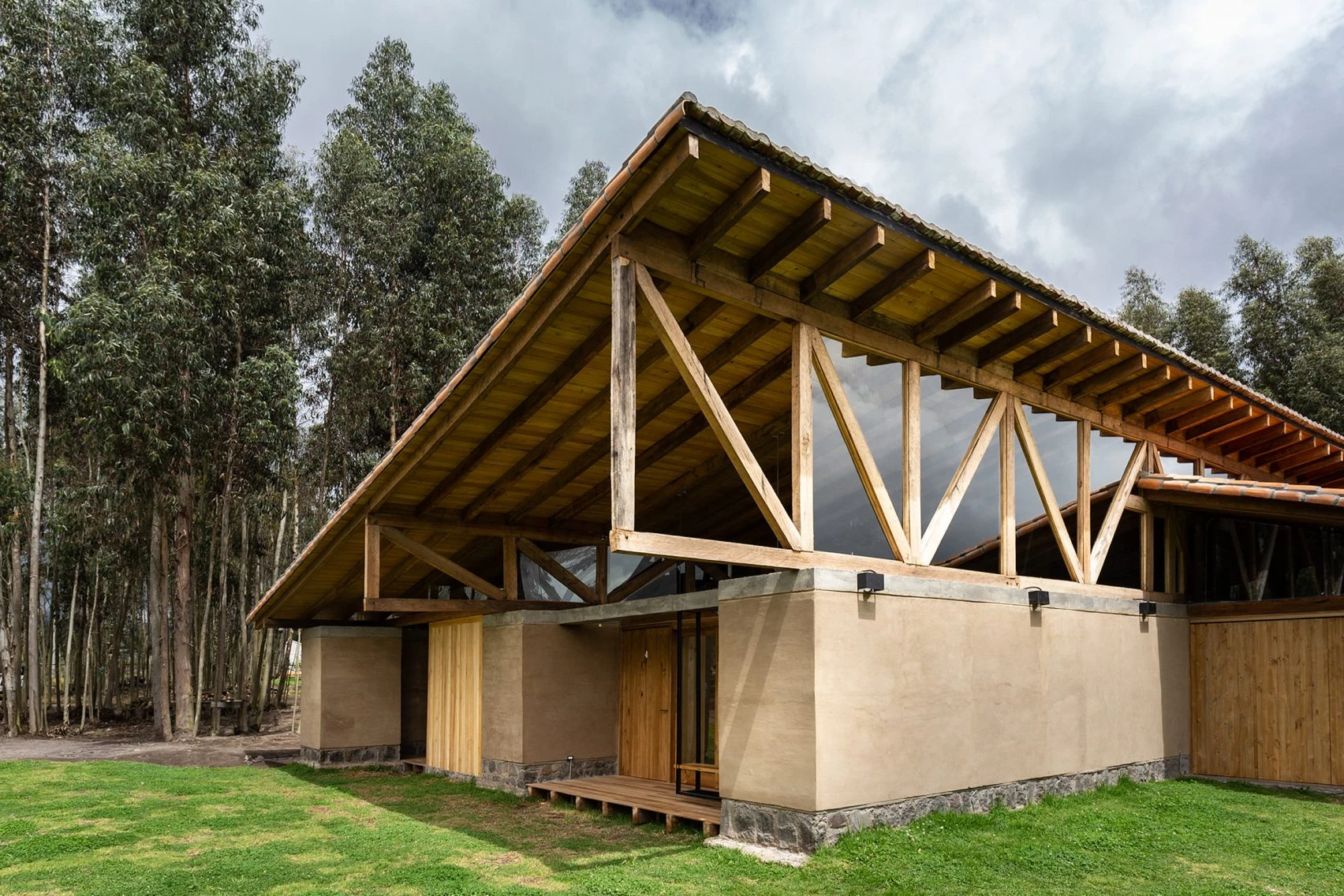
Casa Lasso uses monolithic rammed-earth walls as thermal buffers against harsh Andean climates, integrating furniture directly into the structural mass. Meanwhile, Casa de las Camas en el Aire by Al Borde revitalizes an eighteenth-century earthen structure through suspended sleeping platforms, recycled materials, and carefully inserted light systems. Together, these projects position vernacular architecture not as nostalgia, but as a framework for regenerative practice.
Ecuador: A Living Architectural Continuum
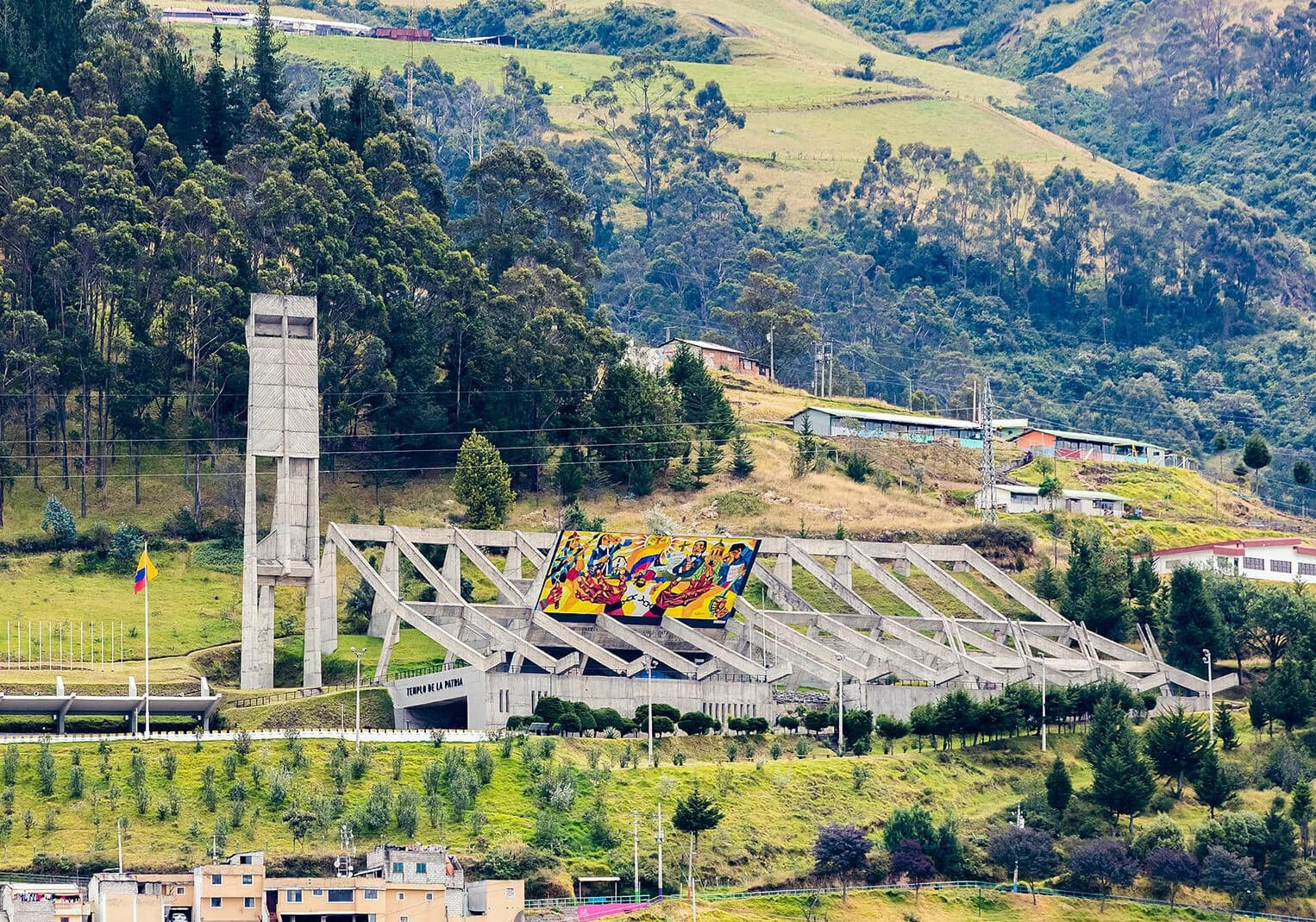
What distinguishes Ecuador is not merely the quality of its monuments, but the continuity between radically different architectural eras and material cultures. Colonial churches rise atop Incan foundations, brutalist concrete mirrors volcanic terrain, and bamboo structures anticipate climate-resilient futures. In Ecuador, architecture remains inseparable from geography, memory, and adaptation. It is shaped by mountains, earthquakes, rivers, indigenous knowledge, and urban transformation, creating a built environment where heritage and experimentation continue to coexist with remarkable clarity.
