


Architecture has always imagined the future as stable ground. Today, that ground is moving. The contemporary architectural landscape is not merely shifting in style or discourse; it is undergoing a deeper recalibration, one that feels less like evolution and more like a quiet surrender to reality. What defined the last century, its confidence in progress and its obsession with formal expression, now appears increasingly misaligned with the conditions we inhabit.
From Style to Survival
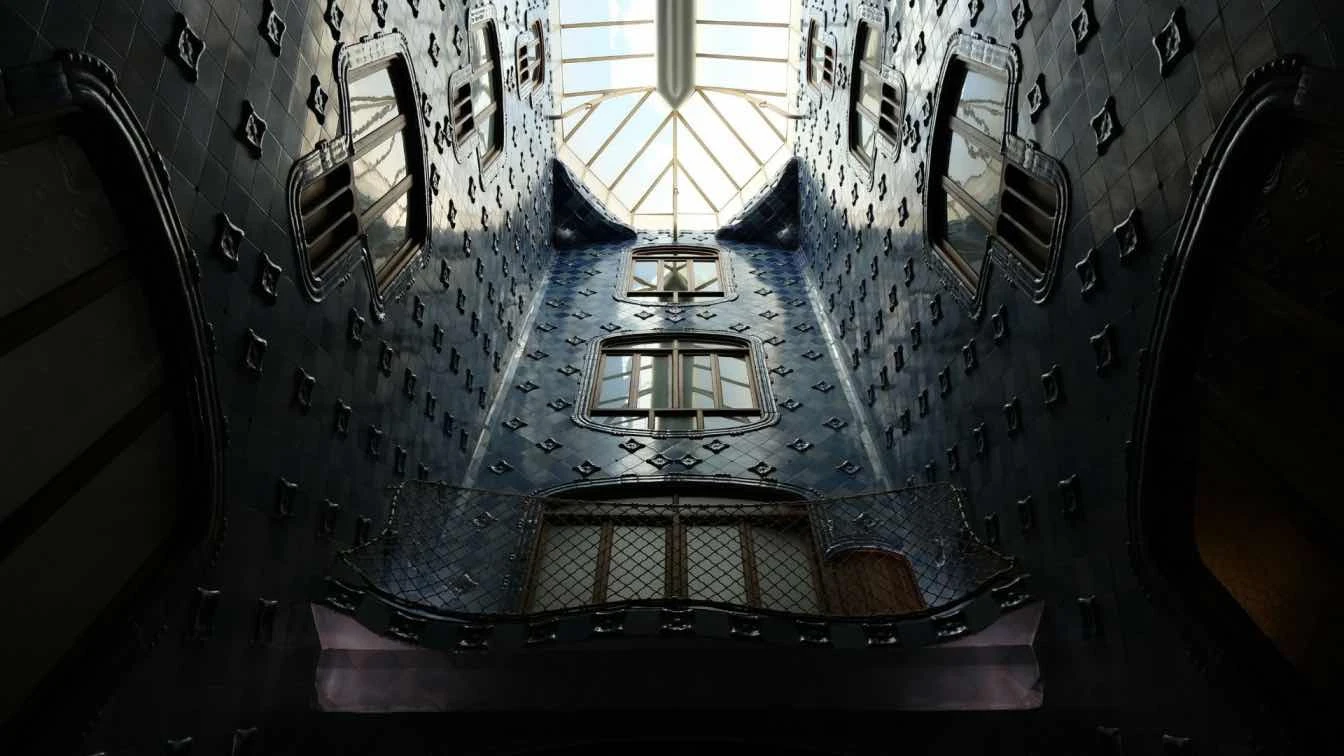
Modernism thrived on the fiction of abundance. Buildings were conceived as machines, precise, efficient, and fueled by seemingly endless energy. Postmodernism, in turn, destabilized meaning but left the material assumptions intact, treating the environment as a passive backdrop to intellectual play. In both, the climate was stable, resources were available, and supply chains were invisible.
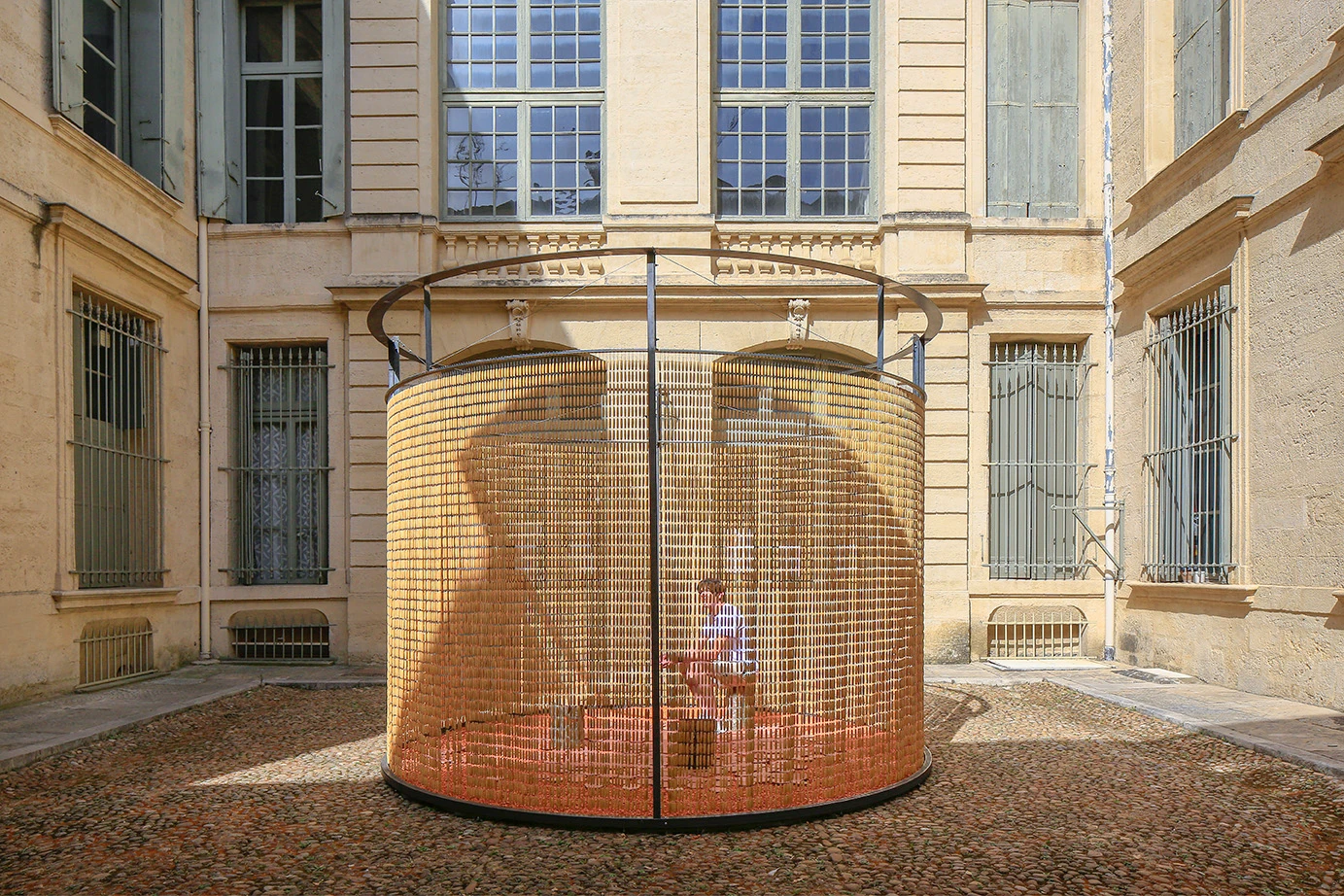
The emerging approach starts with accepting that the conditions once relied on for building, including predictable weather, cheap materials, and global supply chains, are no longer dependable. Instead of a new architectural style, it calls for a new attitude: less forecasting, more adaptation.
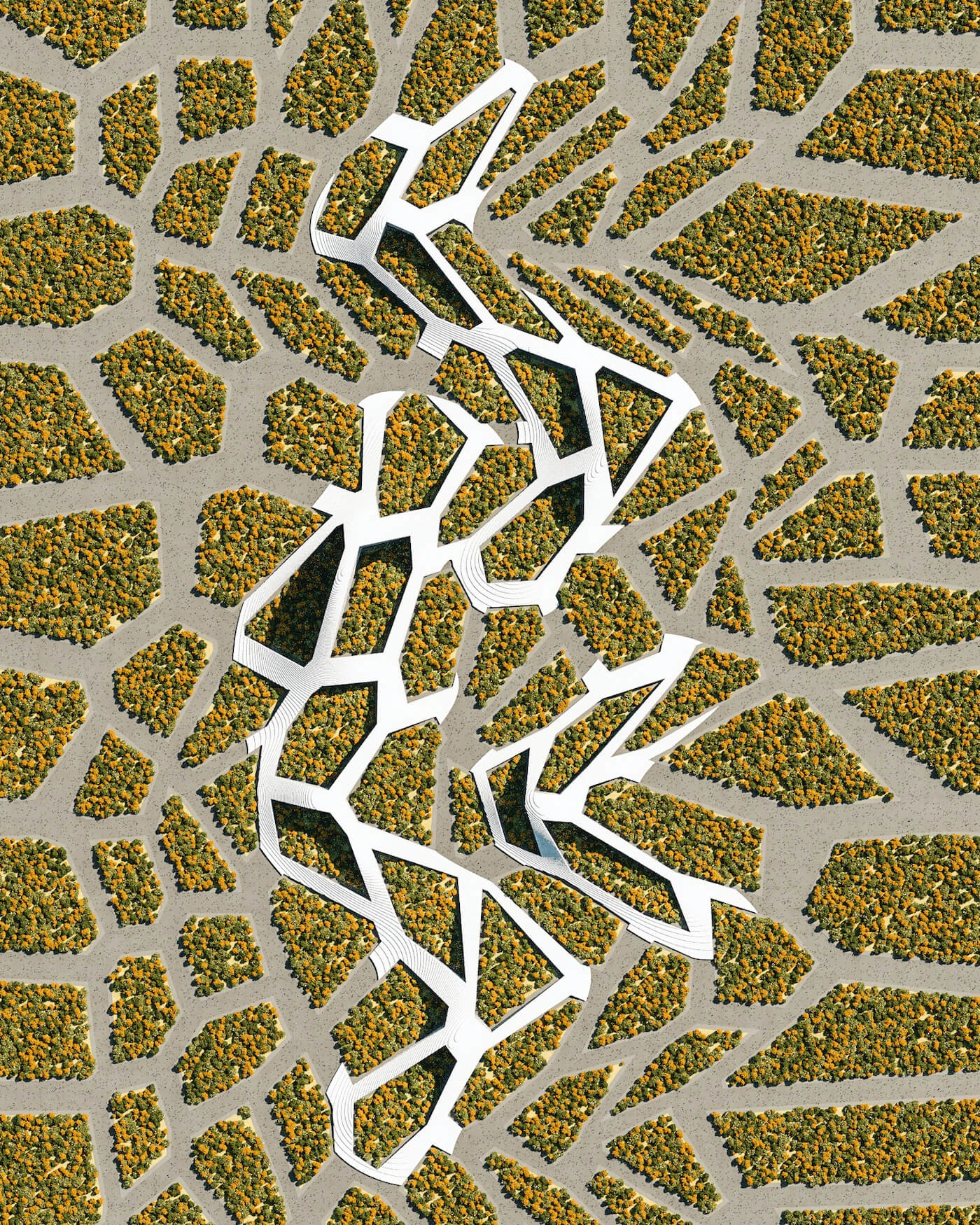
This is where the language of sustainability begins to feel insufficient. Green is no longer aspirational; it is expected. What comes next is a more demanding idea: an architecture of deep adaptation that assumes disruption rather than postponing it. Buildings are no longer separated from crisis—they are designed to exist within it.
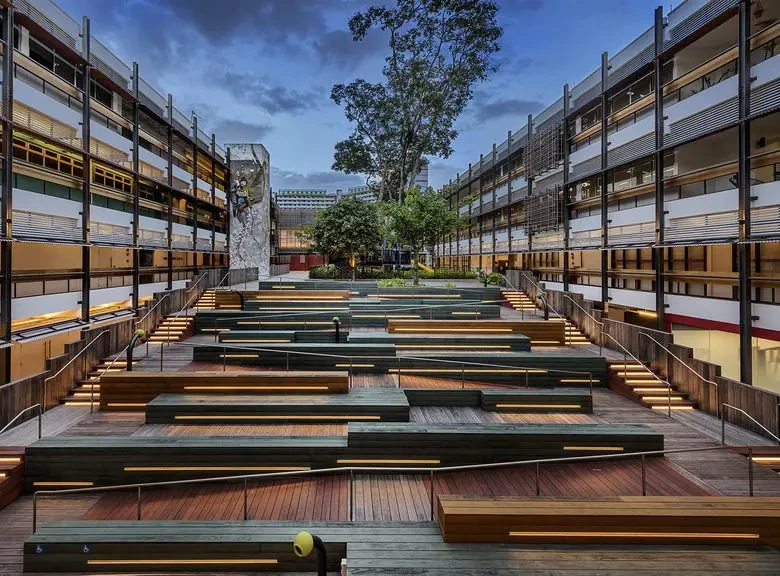
In its place emerges something more urgent and less declarative: an architecture shaped not only by ambition but also by necessity. Survival, rather than spectacle, is becoming the brief. While earlier shifts from Modernism’s functional rigor to Postmodernism’s symbolic play were driven by ideology, this moment is defined by constraint. Climate volatility, resource scarcity, and systemic fragility form the very context in which architecture must operate.
Building in an Age of Scarcity
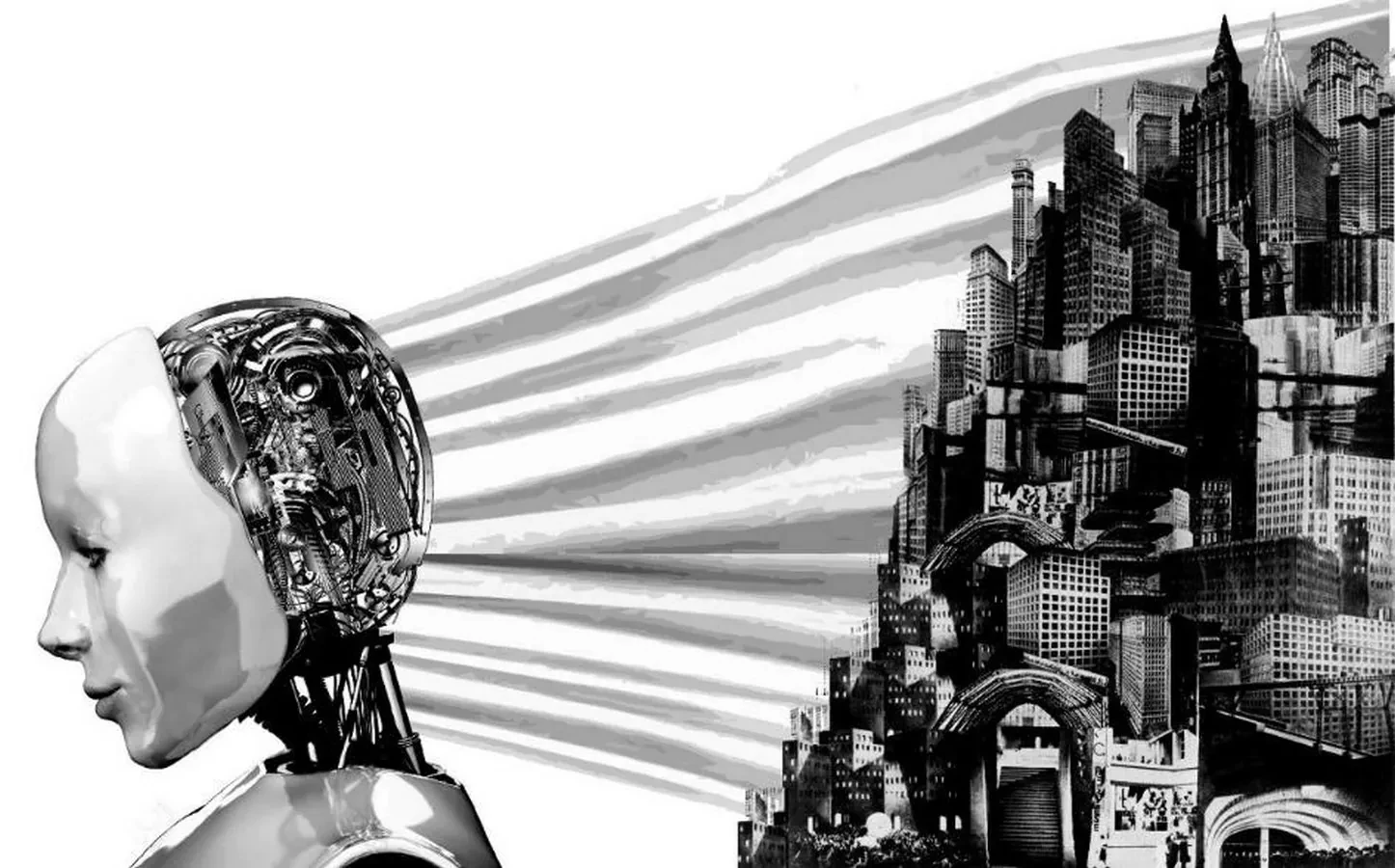
What was once abundant, sand, aggregates, and petroleum-based products, is now entangled in scarcity, geopolitics, and ecological cost. The industry’s reliance on extraction-heavy materials is not only environmentally untenable but increasingly economically unstable.
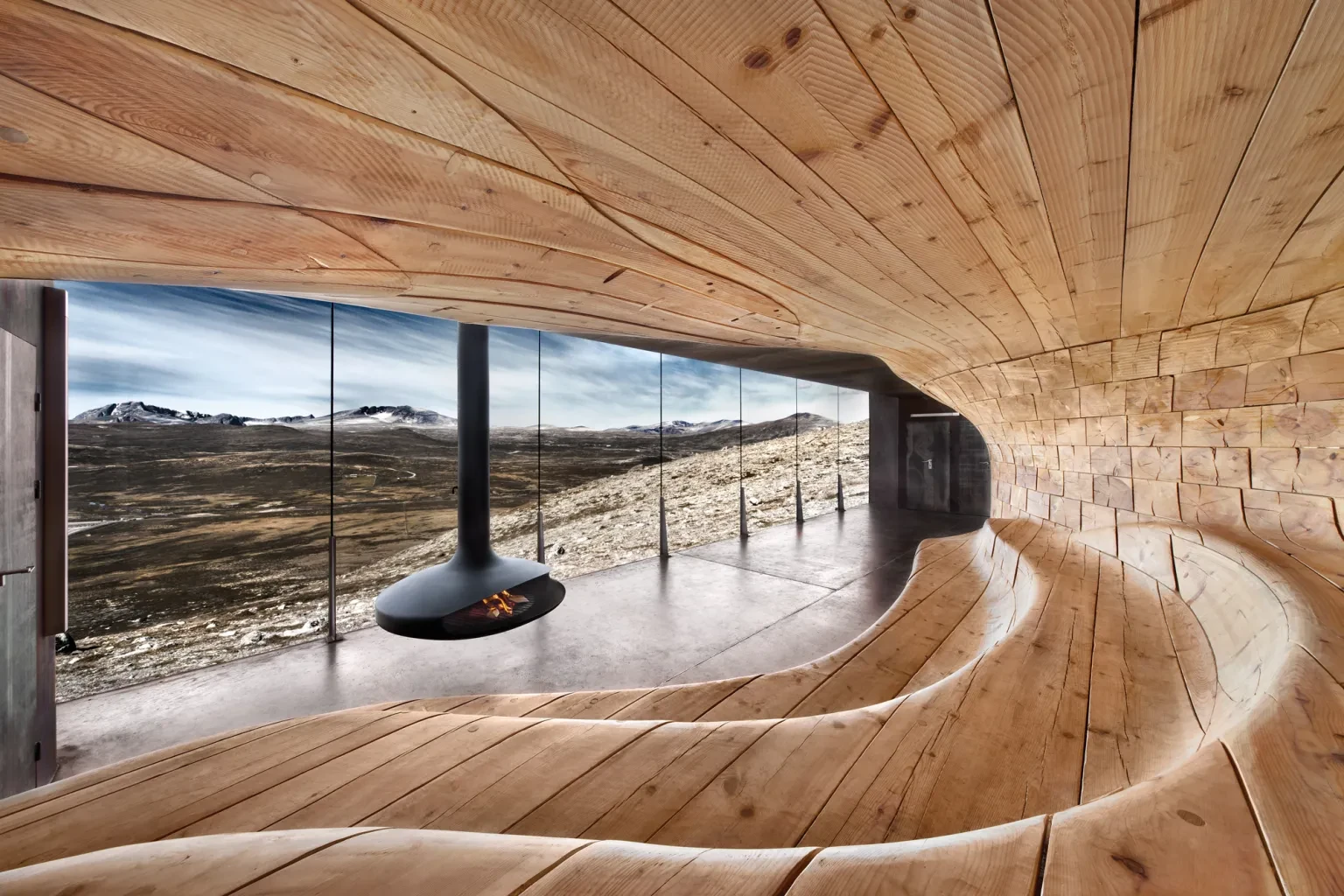
The proliferation of synthetic materials has quietly shaped indoor environments through microplastics, VOCs, and airborne particulates, embedding long-term health consequences into the spaces we inhabit. In response, architecture is rediscovering a quieter intelligence: reuse, low-energy materials, natural fibers, soil-based construction. The industry still lacks a shared, quantitative framework to evaluate materials holistically, beyond performance metrics or aesthetic preference.
The End of the Myth of Progress
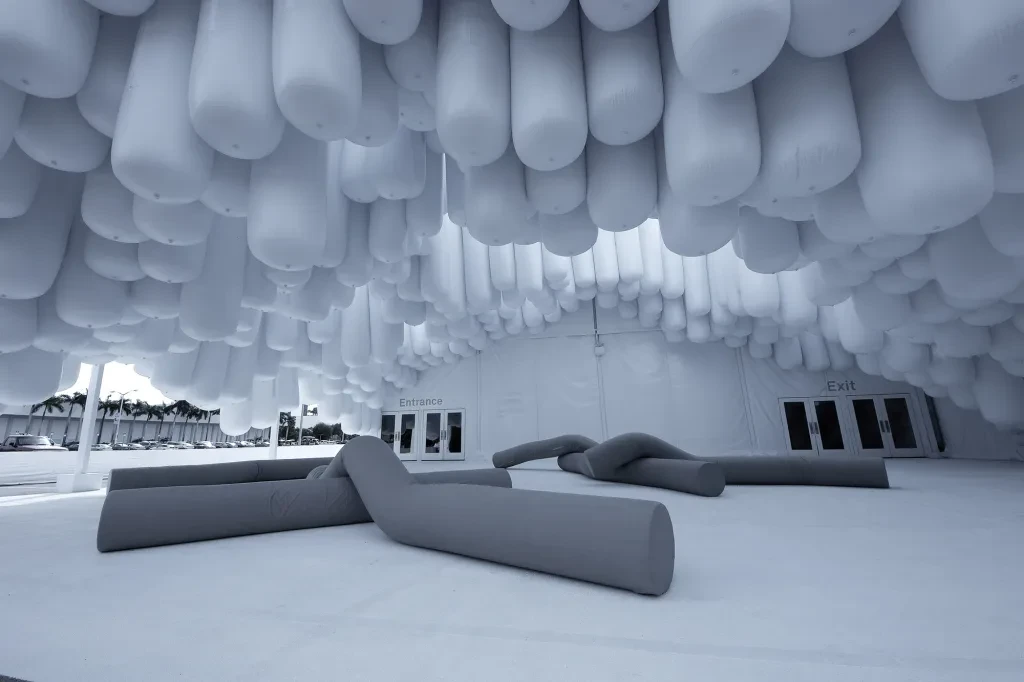
The idea of continuous progress, like building bigger, faster, and more, has long shaped the discipline’s identity. But in an era defined by climate thresholds and ecological limits, persistence can become a liability. Some ideas must be set aside not because they have failed, but because they no longer fit. Letting go of energy-intensive typologies, sealed glass towers in overheating cities, and materials whose true costs are deferred to the environment is not regression but is adaptation.
The City as Climate Apparatus
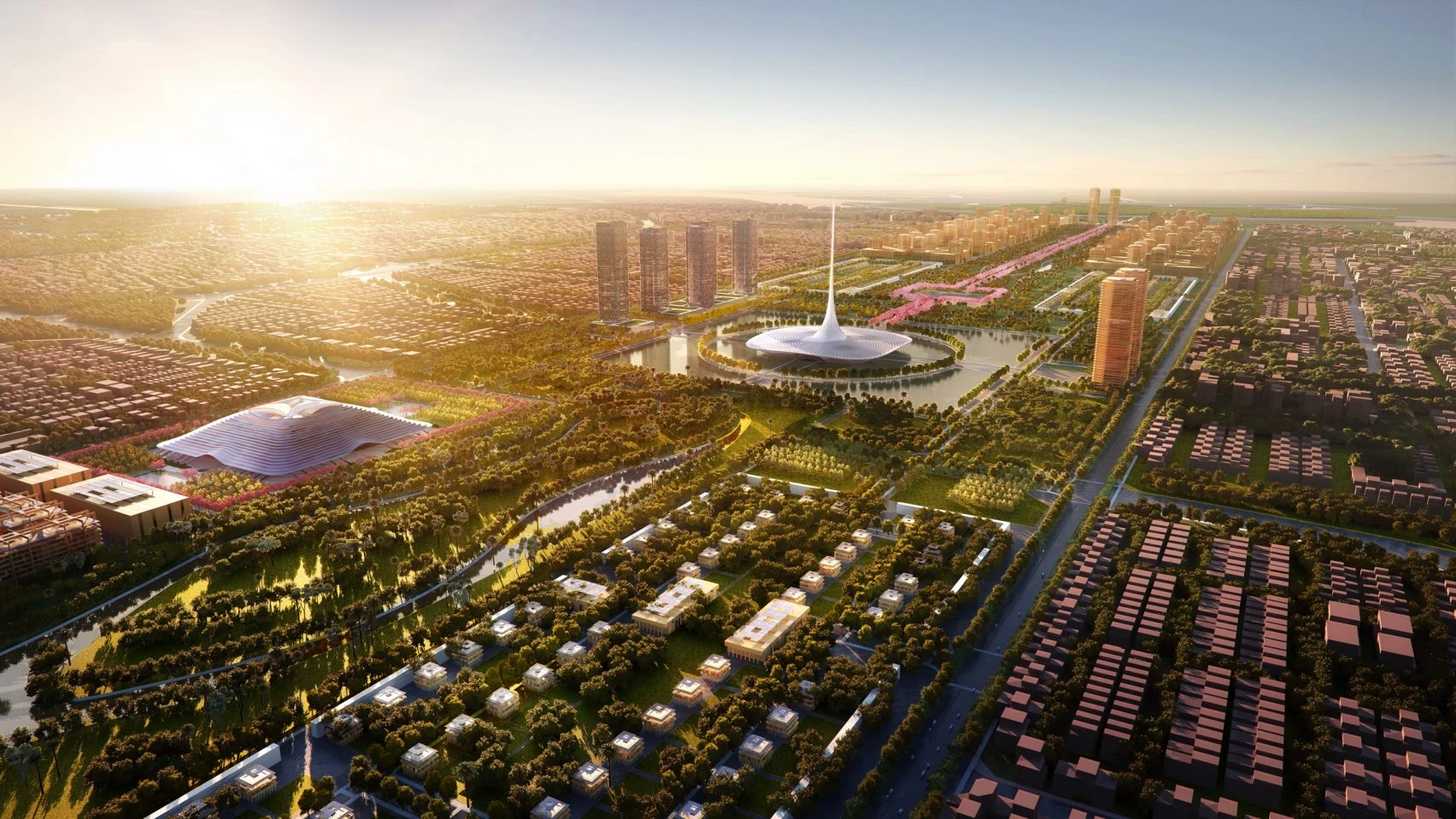
Extreme weather, heat islands, flooding, and infrastructure overload increasingly define urban environments. The ground itself has been engineered to repel water, and the air is conditioned to tolerate rising temperatures. The consequences are now cyclical and compounding.
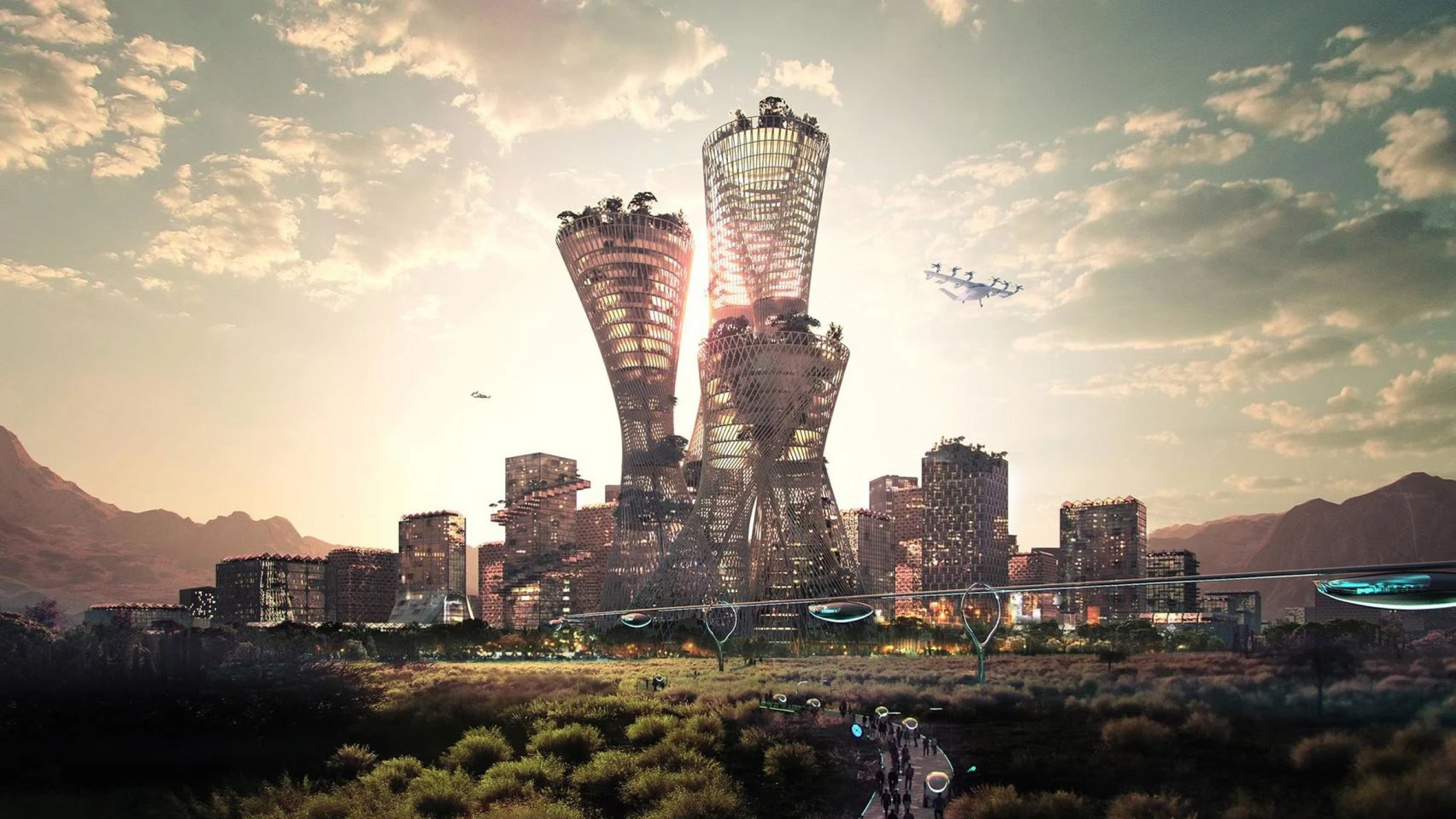
In response, the city is being reimagined less as a static composition and more as a climactic instrument. Depaving becomes an act of restoration, allowing soil to breathe and water to infiltrate. Green roofs and facades operate as thermal buffers, not decorative afterthoughts. Light-colored, permeable materials reduce heat absorption. Rainwater is no longer waste but a resource to be held, slowed, and absorbed.
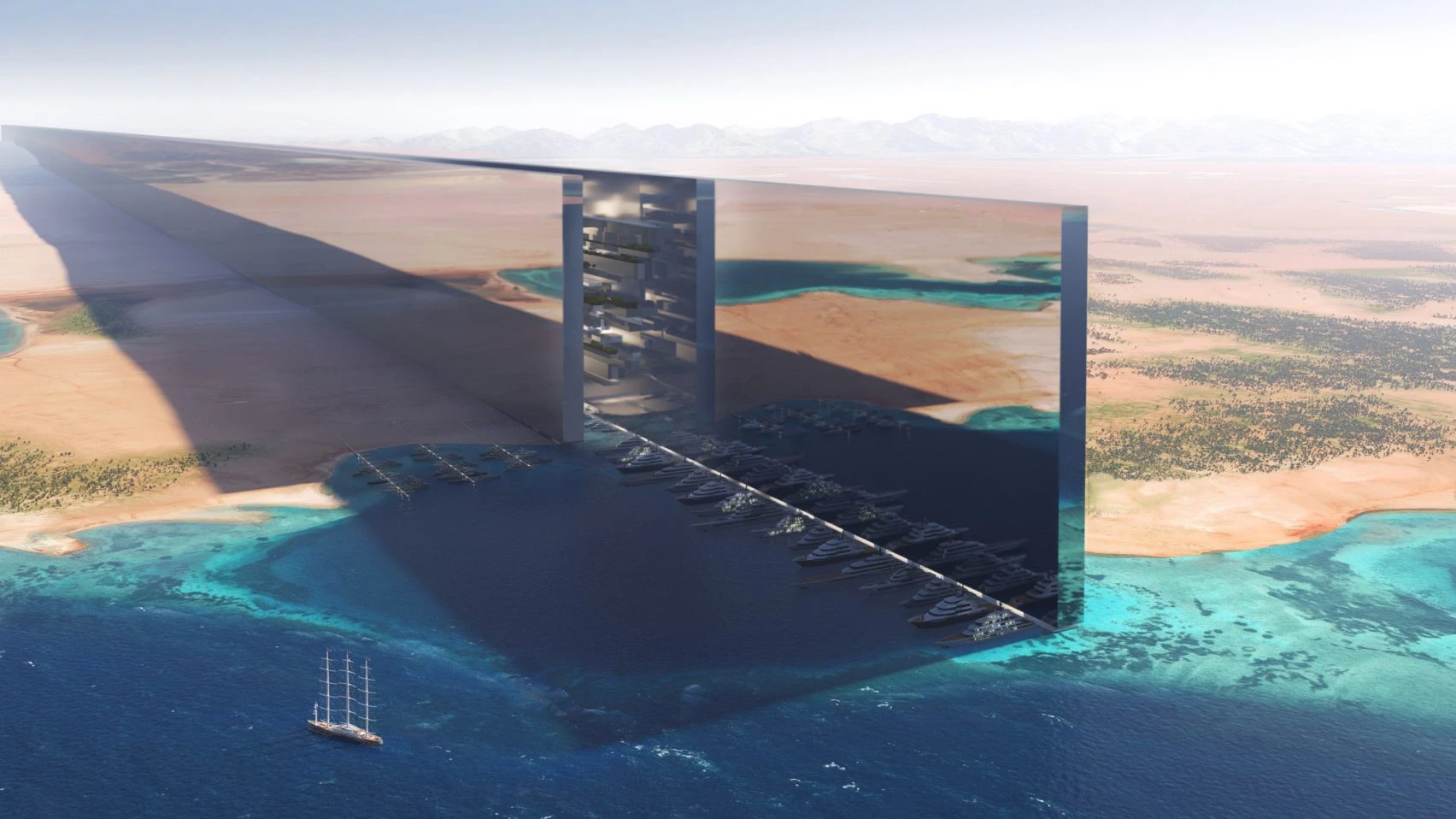
These are not isolated strategies; they signal a shift in thinking from controlling the environment to working with it. Even the tools of design reflect this change. Digital systems like BIM are predictive, enabling architects to simulate and negotiate performance from the outset.
Performance-Driven Architecture
This leads to a quieter but deeper shift: a reordering of design priorities. Architecture has long been judged by what is visible, like form, proportion, and symbolism. Today, its invisible performances, such as thermal comfort, airflow, and moisture control, are coming to the forefront. These qualities are measurable, simulatable, and increasingly non-negotiable.
What changes is not only what we design but also how we design it.
The architect is no longer the sole generator of form but a curator of parameters working with algorithms, simulations, and iterative systems that evolve design based on environmental criteria. The computer ceases to be a drafting tool; it becomes a thinking partner. This does not diminish creativity but reframes it. The aesthetic emerges as a consequence.
Earth, Printed and Reimagined
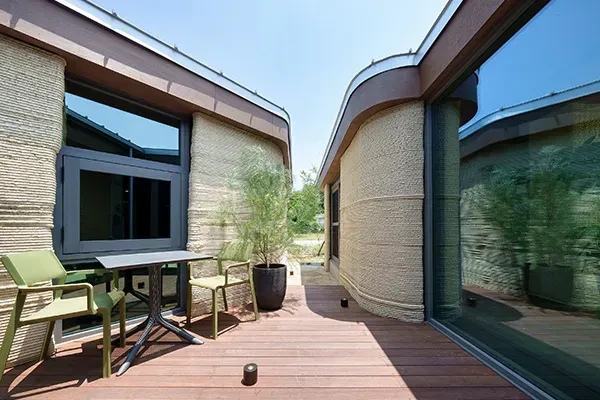
Advancements in additive manufacturing have enabled a return to earth as a primary building medium, but with new precision. Projects like TECLA demonstrate how soil, combined with natural fibers, can be transformed into high-performance structures through 3D printing. The intelligence lies in the material and its calibration: fiber content adjusted for strength, porosity tuned for thermal performance.
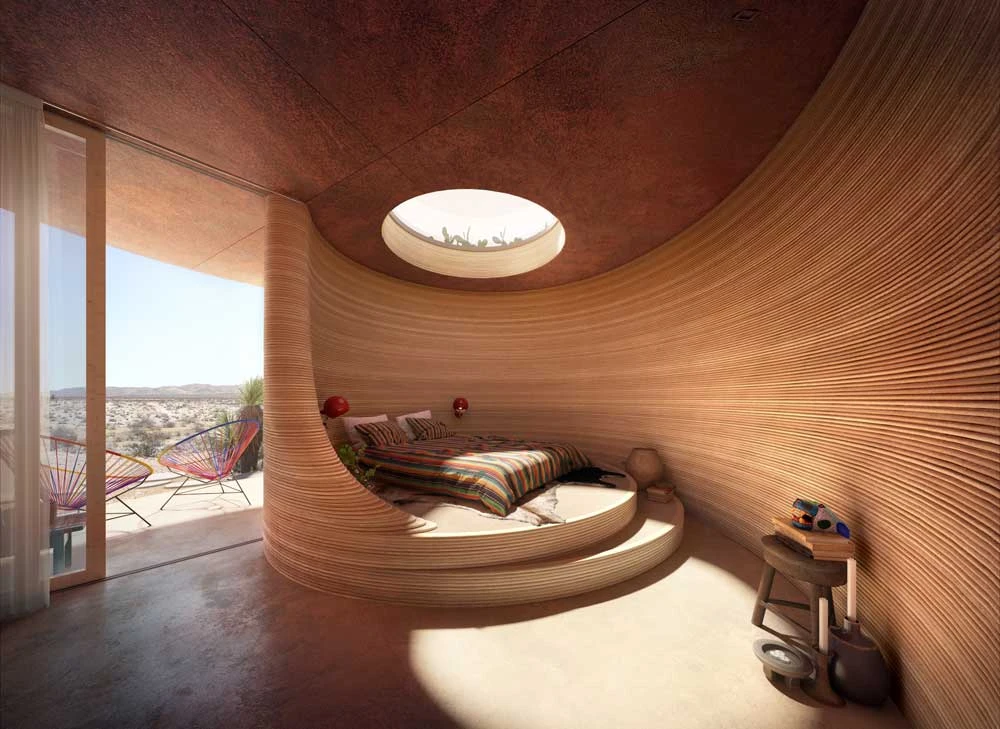
These structures carry a fraction of the embodied carbon of concrete, are locally sourced, and are inherently climate-responsive. What was once considered primitive is being re-engineered as advanced.
Designing for Extremes
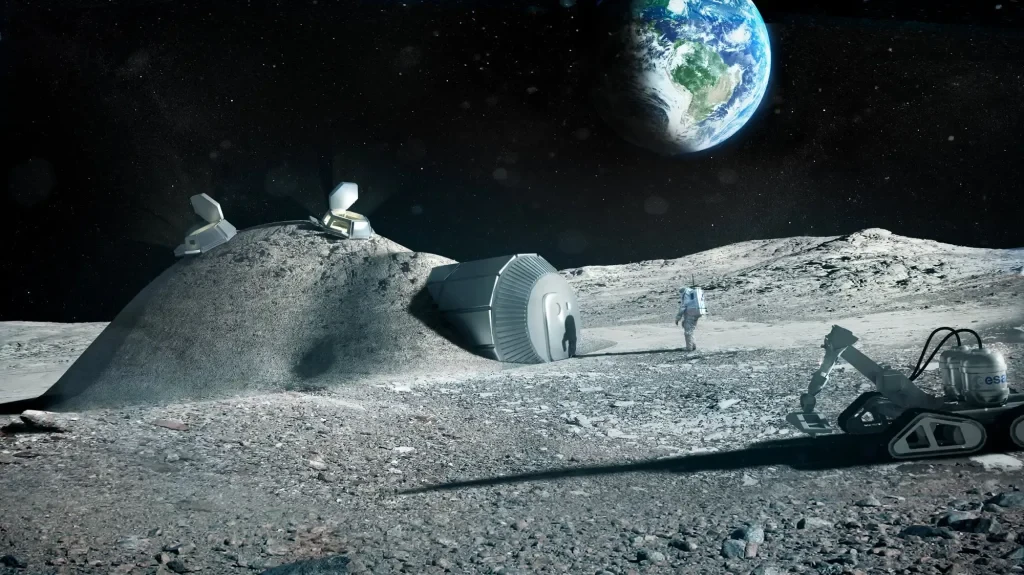
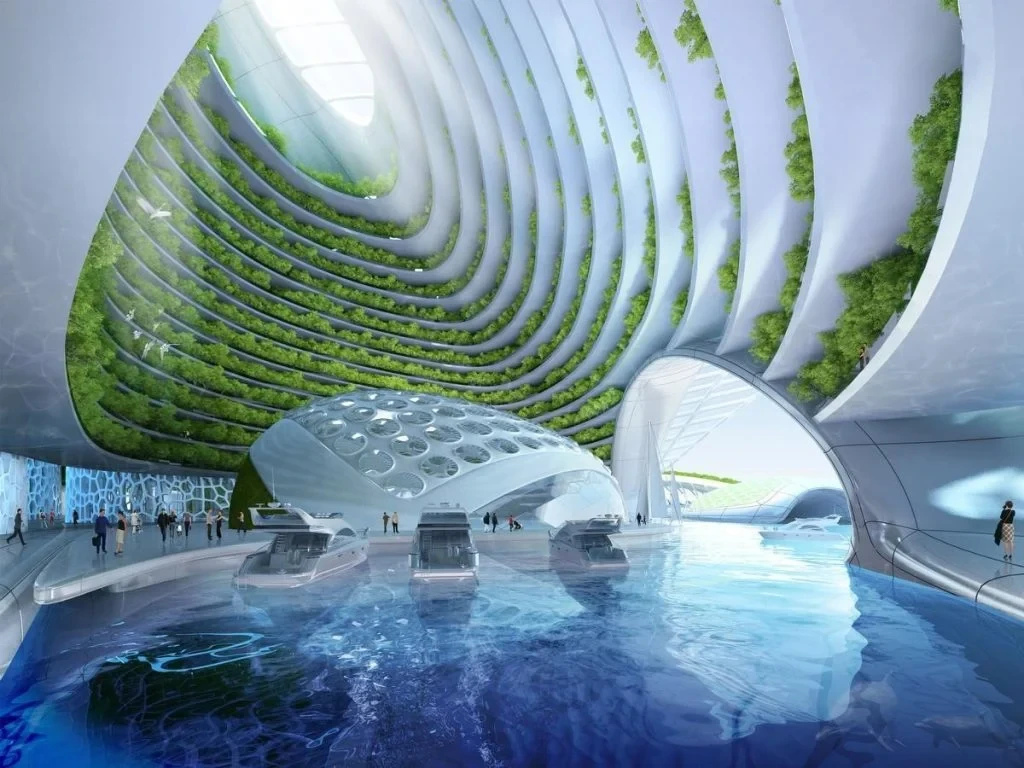
If survival is the new brief, then architecture must confront its most immediate threats. Along coastlines, rising seas demand new typologies. Proposals like Oceanix City imagine floating, modular communities, urban systems that operate as self-sustaining ecosystems, generating energy, managing water, and adapting over time.
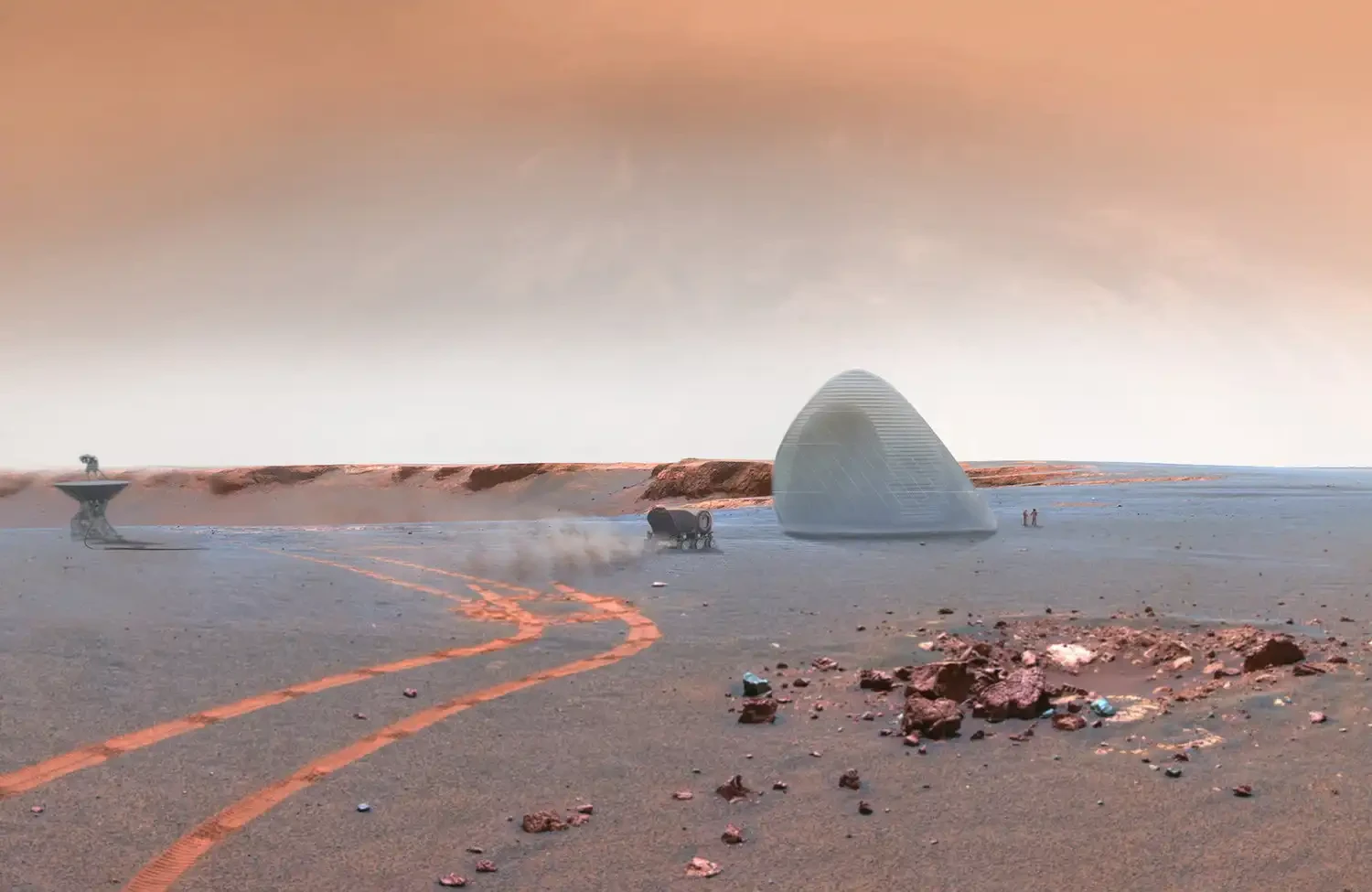
In fire-prone regions, the challenge is equally stark. Wildfire resilience is not an option and is embedded in the smallest decisions, material choices, detailing, and landscape design. Clearing combustible zones, using non-flammable exteriors, and designing ember-resistant openings are not just technical add-ons but spatial strategies of survival.
Beyond Sustainability: Toward Regeneration
Sustainability, at its core, asks architecture to reduce harm. Regeneration poses a greater challenge: can the built environment actively repair the damage it has inflicted? Can buildings produce more energy than they consume, restore ecosystems, and support biodiversity? This is where architecture begins to think like an ecosystem.
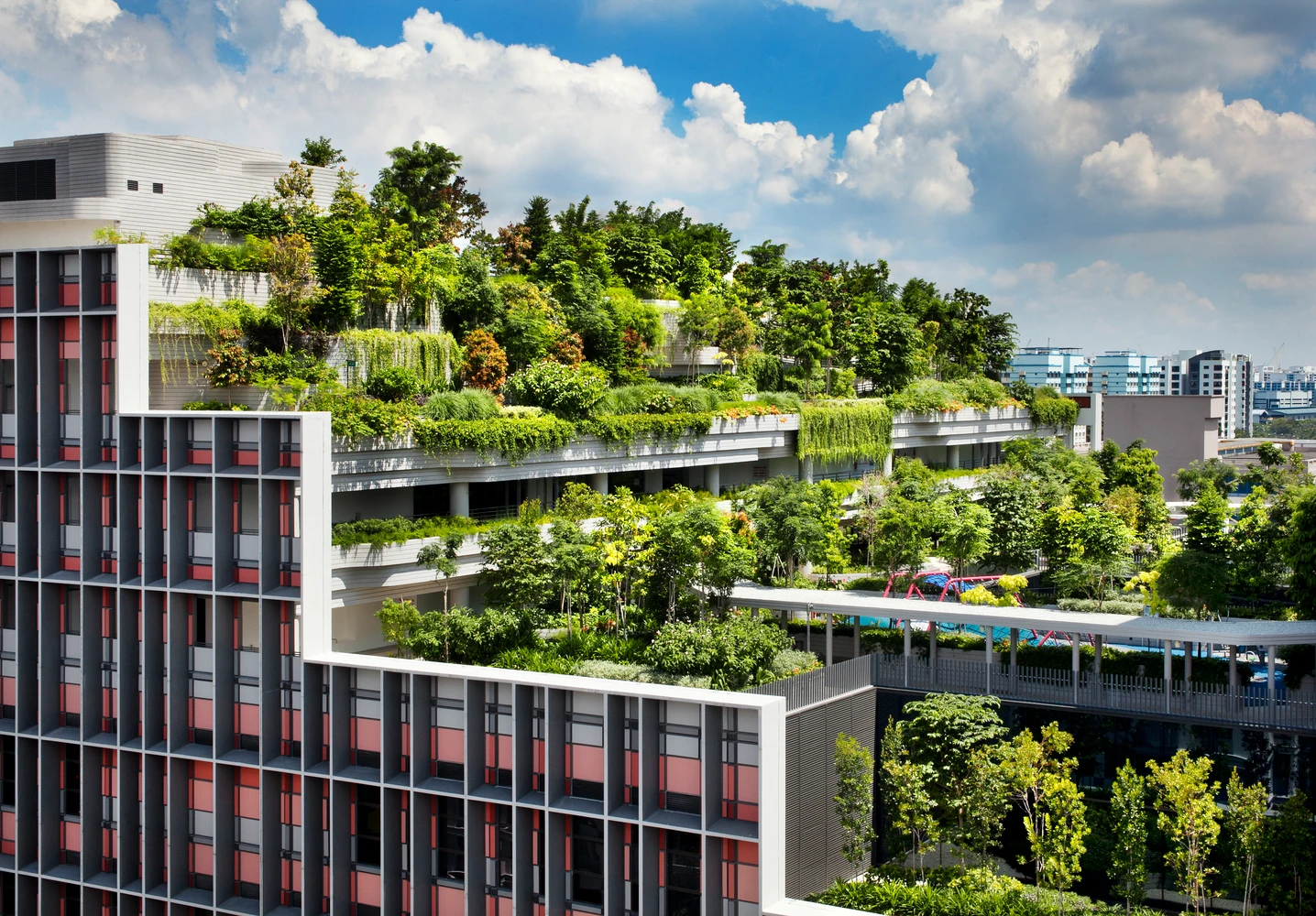
Projects that integrate water cycles, generate energy, and create habitats suggest a different relationship between the built and natural worlds. Firms working in this space are less concerned with minimizing impact and more with creating positive feedback loops socially, ecologically, and spatially.
Architecture as Continuity
What emerges from this moment is a redefinition of purpose. The role of the architect, in turn, becomes less about authorship and more about stewardship. And perhaps that is the quiet transformation underway: architecture shedding its illusions of permanence, and in doing so, rediscovering its most fundamental responsibility to sustain life.
