


Minimalism has long promised peace. Yet too often, it delivers absence, rooms that look resolved but feel uninhabited, precise yet curiously indifferent to the body. The real challenge is not subtraction, but calibration, or how to make less feel like more. What distinguishes a serene interior from a hollow one is not how much is removed, but how deliberately what remains is composed. Peace, in this sense, is not emptiness but brings in a sense of resonance.
Phenomenology and the Making of Inhabited Silence
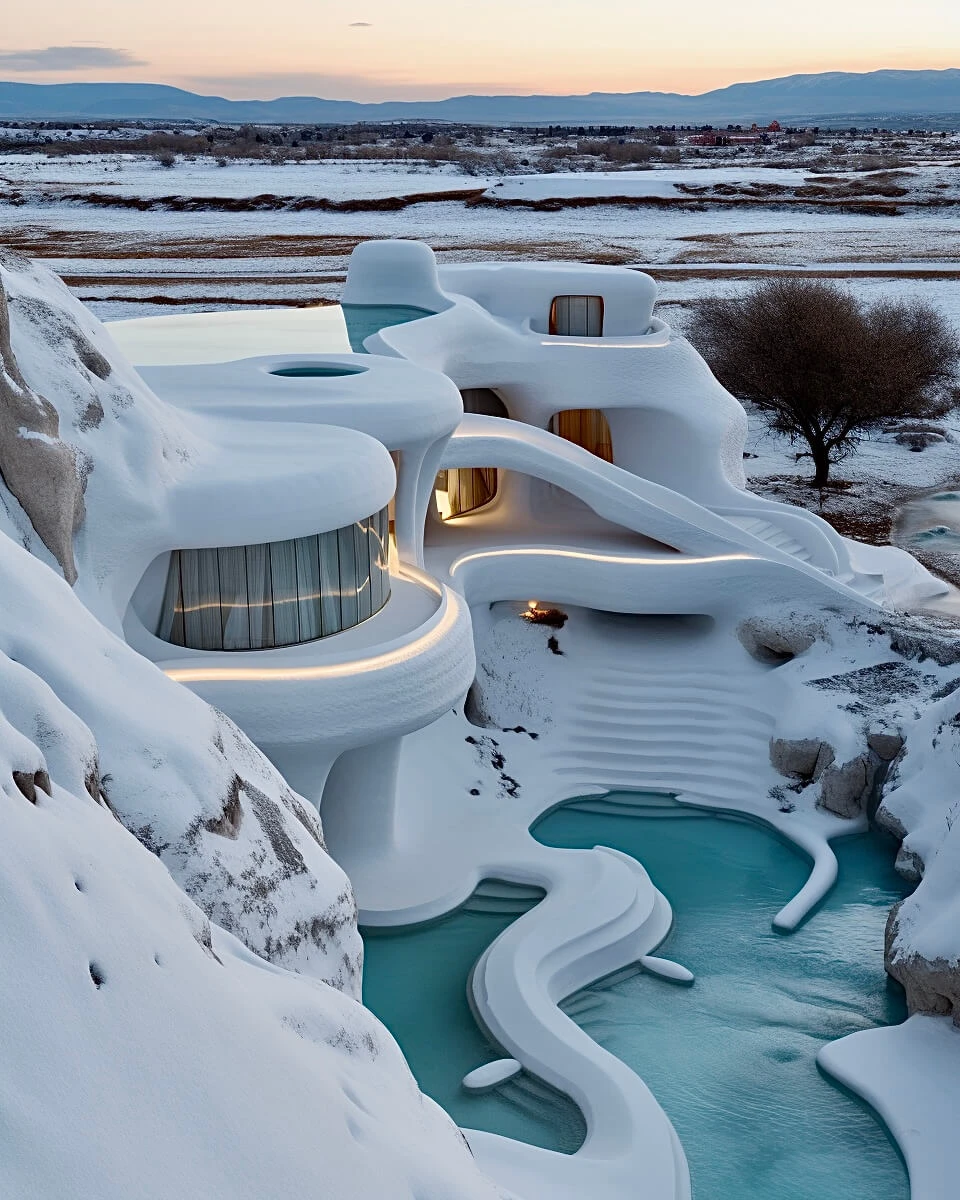
A phenomenological understanding of space, which values lived experience over visual order, is at the heart of meaningful minimalism. A room feels empty when it offers no foothold for the senses, no invitation for the body to dwell. In contrast, a peaceful space gathers its elements, light, material, and proportion into a quiet coherence that supports presence.
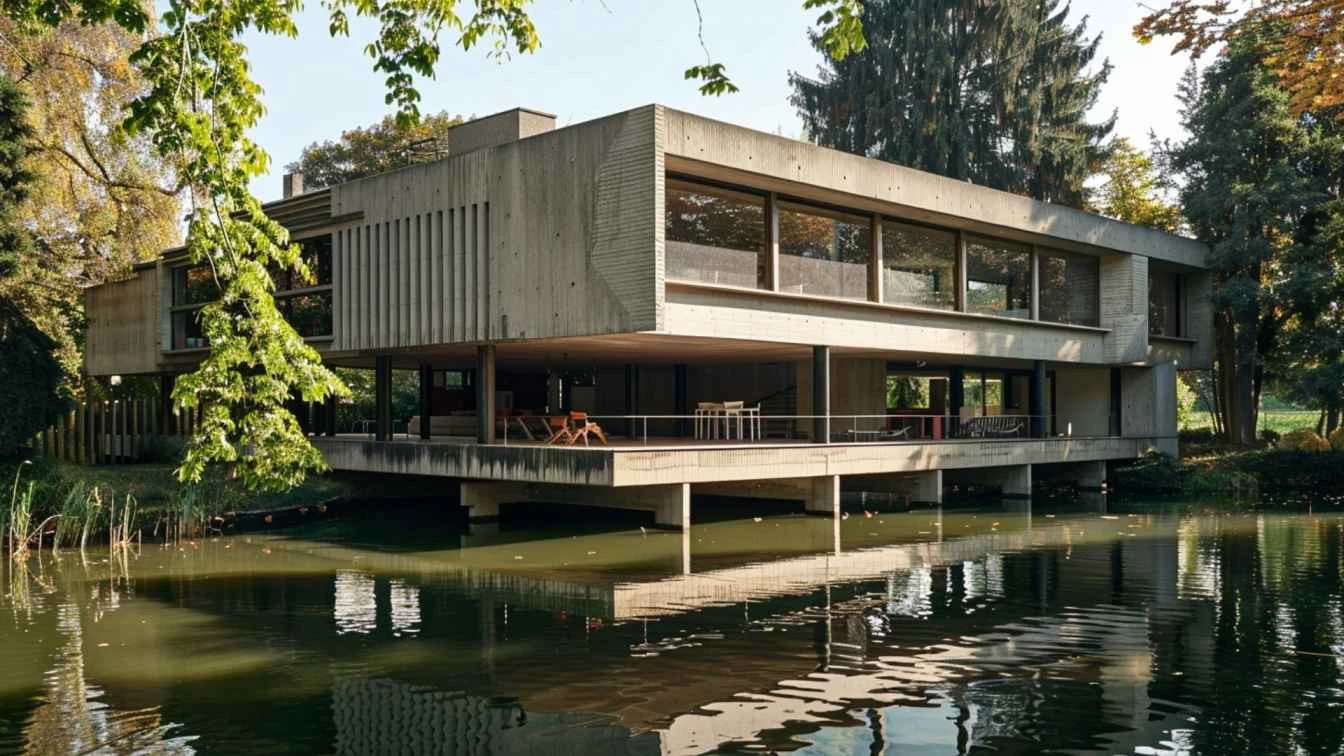
Philosophically grounded in the thinking of Martin Heidegger, this notion of dwelling extends beyond shelter to a deeper alignment between human life, earth, and sky. The work of Juhani Pallasmaa and Christian Norberg-Schulz further reinforces this position, as architecture must be felt before it is understood. The spirit of place is not just something you see; it is something you feel. It is sensed through texture, weight, temperature, and sound. In this wider way of experiencing space, minimalism begins to feel softer and more human.
From Cool Precision to Warm Minimalism
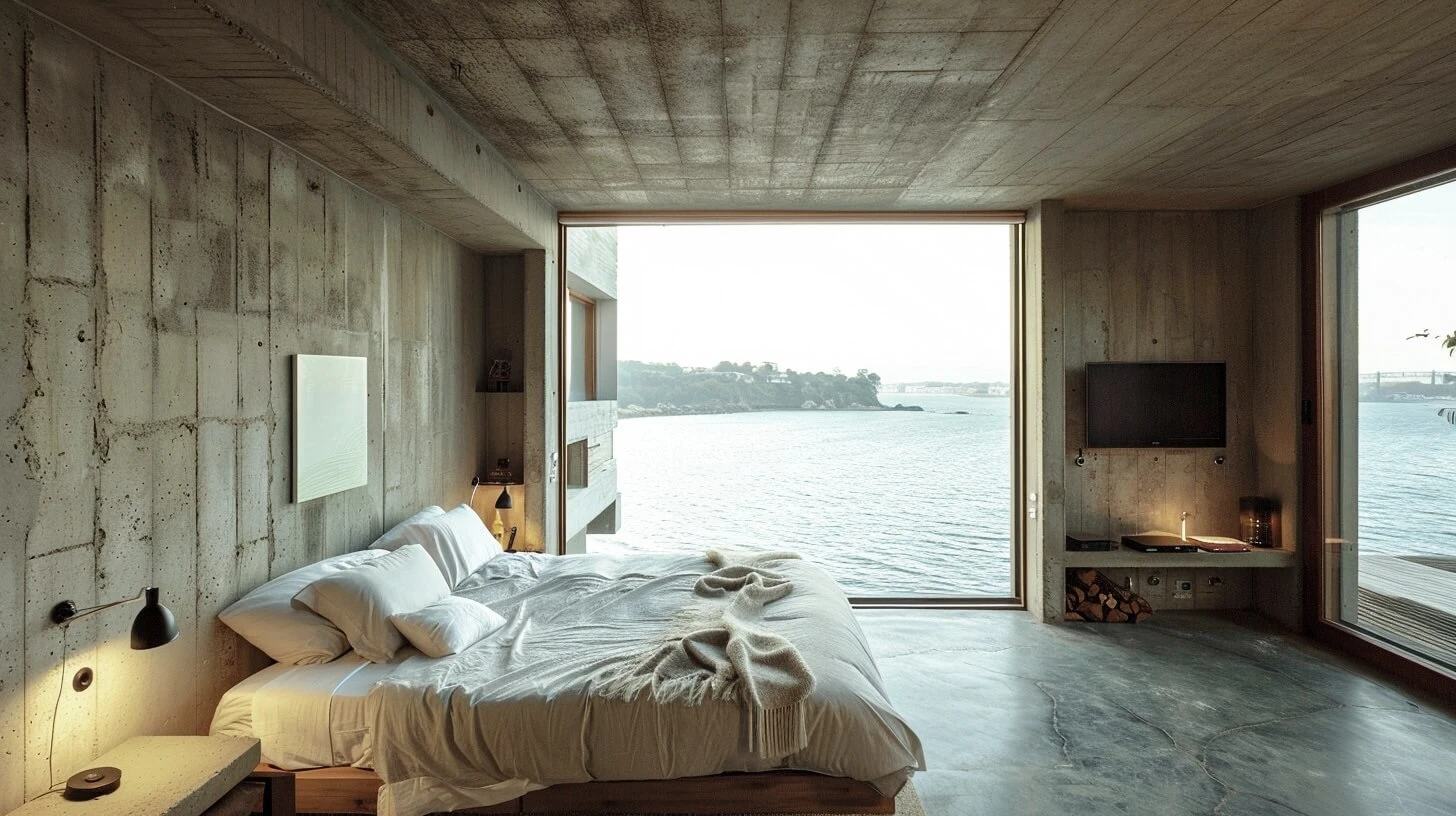
The evolution from late twentieth-century cool minimalism to a more tactile, human-centered design towards warm minimalism marks a subtle but critical shift. Where once glass, steel, and stark contrast dominated, contemporary practice leans toward earth tones, porous textures, and materials that age with dignity.
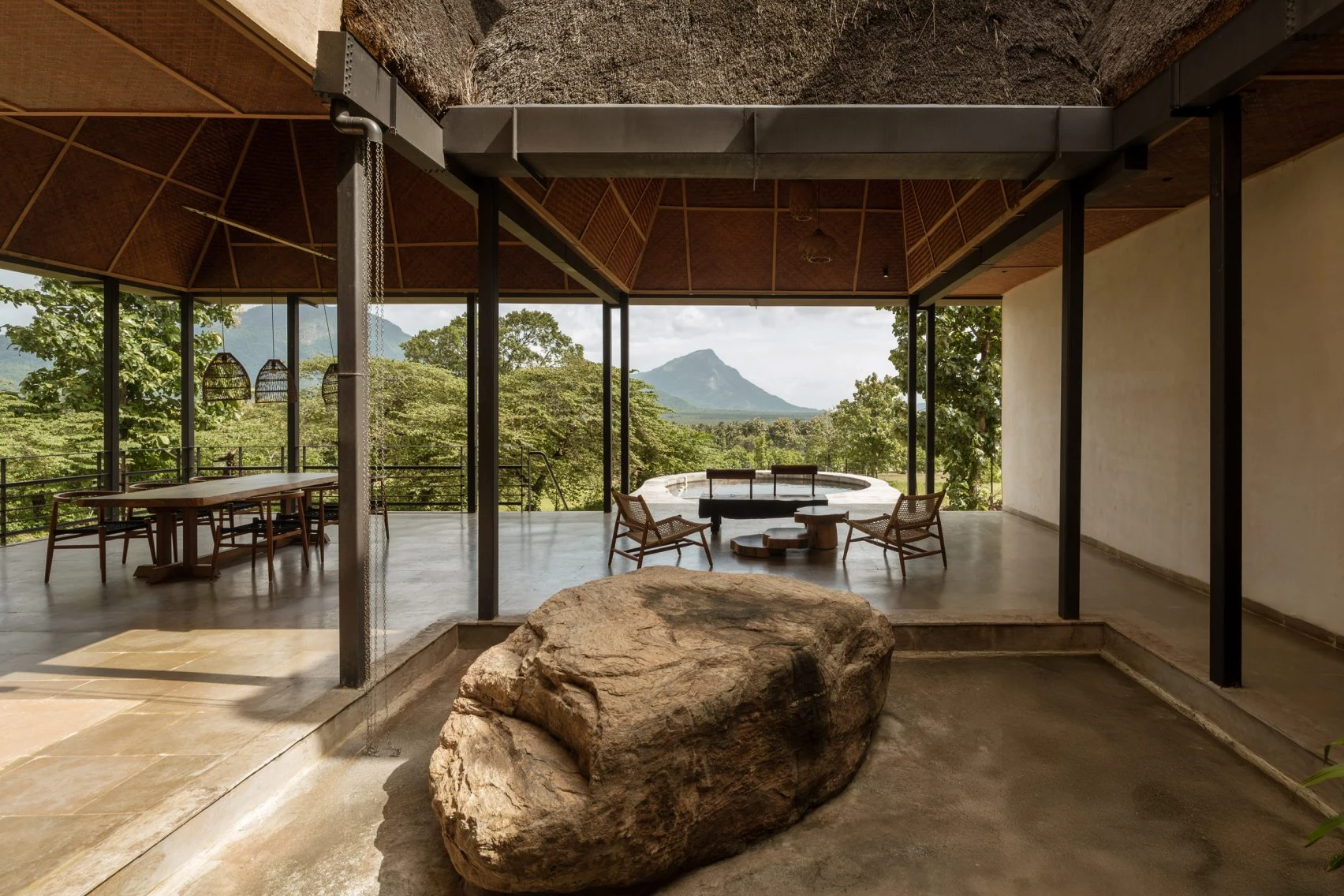
This is not merely aesthetic recalibration, as it is psychological. Warm minimalism replaces the pursuit of perfection with the acceptance of presence. It allows imperfection, variation, and grain to participate in the making of space. Neutrals are layered instead of flat, and light is absorbed instead of being reflected away, creating a space that feels calm and alive, restrained yet generous.
Light as Atmosphere
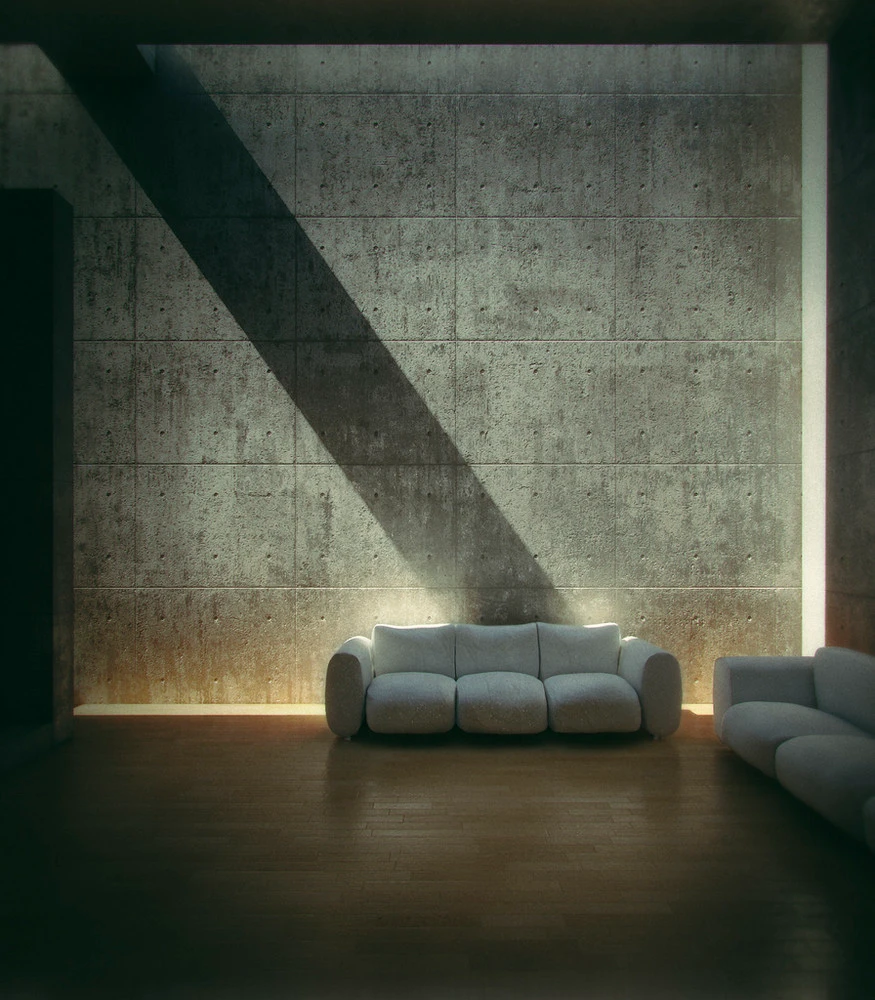
In a reduced spatial language, light becomes the main form of expression, shaped through channels, filters, and openings to reveal time within space. A wall becomes a surface for shadow, and a ceiling becomes a tool that shapes light.
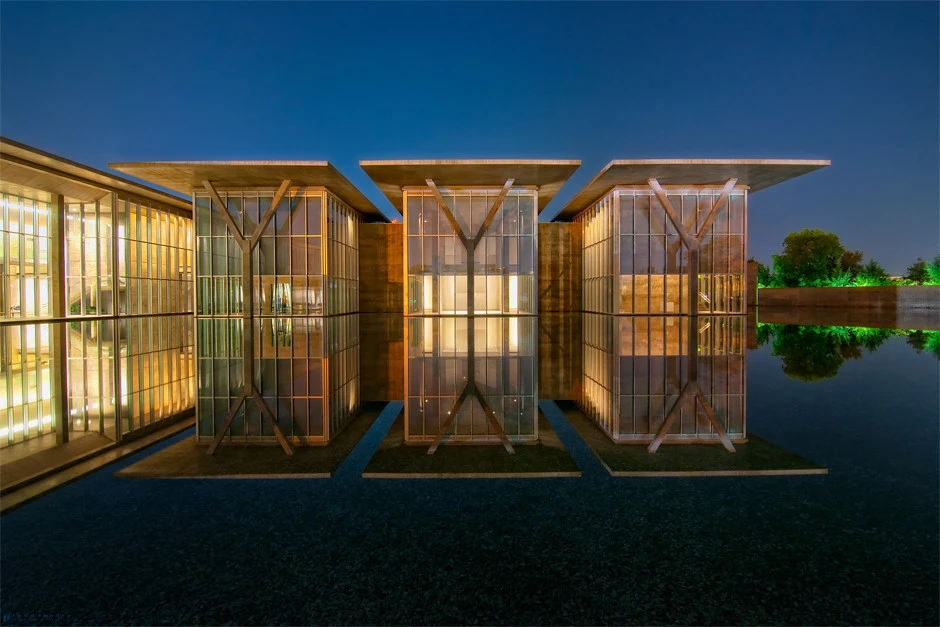
When treated as a substance instead of an addition, light prevents stagnation and brings stillness to life. The slow movement of daylight across textured surfaces can carry more emotional depth than objects within the space. In such environments, the absence of clutter does not feel empty because light itself fills the room.
Proportion: The Measure of Calm
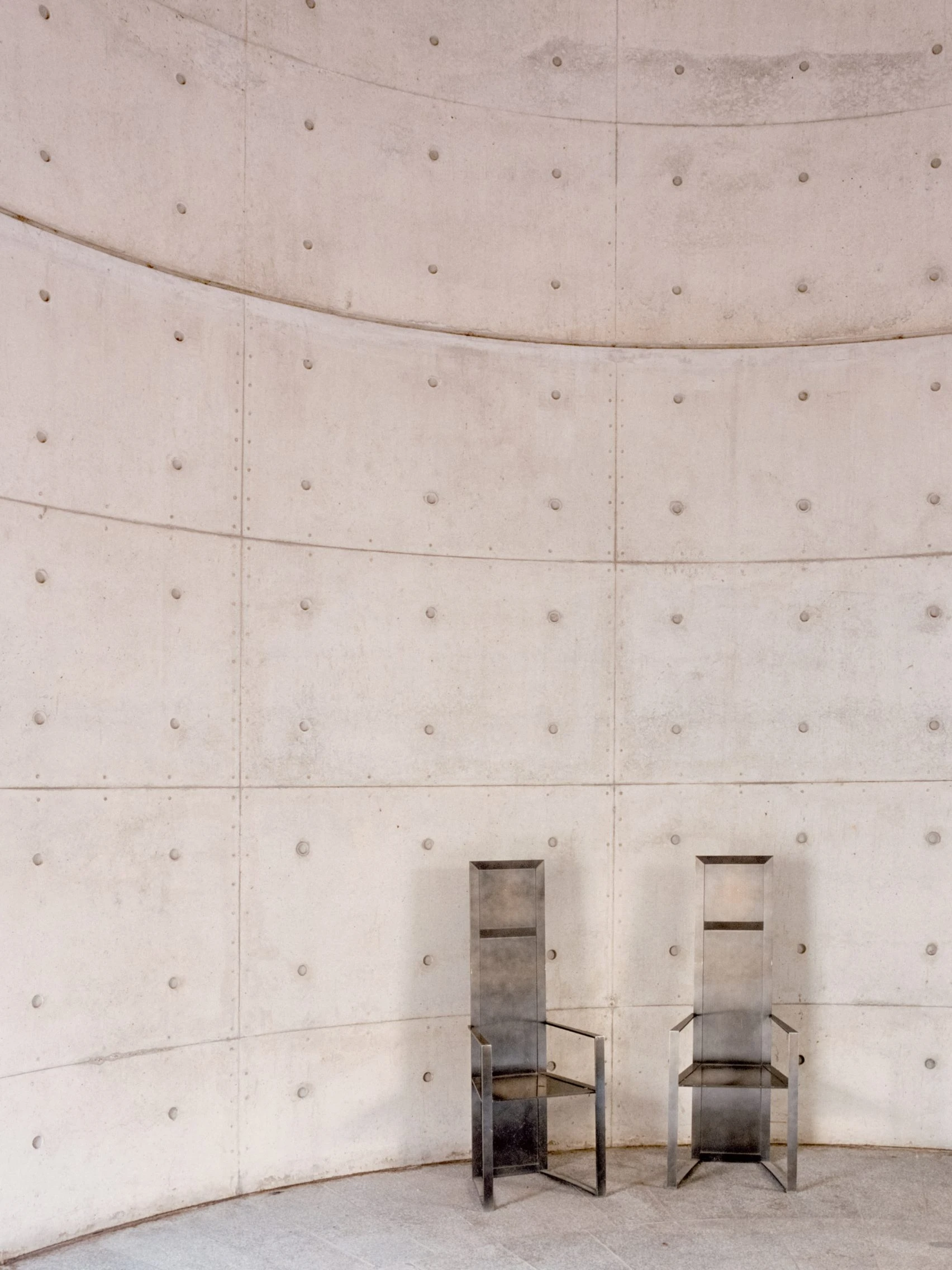
Emptiness often appears when the scale loses connection with the human body. Serenity comes from proportion, where space is carefully tuned to human perception. Ceiling heights, thresholds, and sequences are not random, but they are shaped to create ease, intimacy, or release.
Balanced proportions let the body settle, creating a quiet sense of rightness that doesn’t demand attention but gently supports it.
Biophilia Beyond Ornament
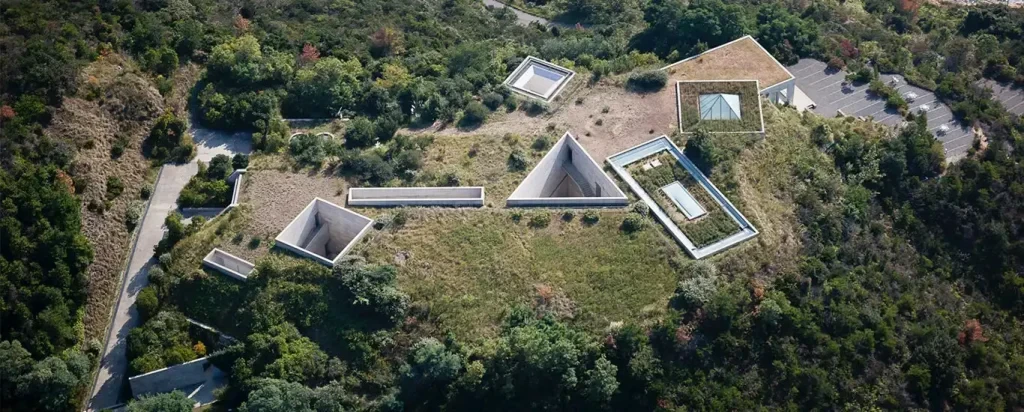
Nature in serene spaces goes beyond simply adding plants. It appears through deeper connections with views of the landscape, the presence of water, natural patterns, and shifting light.
When thoughtfully integrated, biophilic design grounds minimalism in life, introducing cycles, variation, and sensory richness that prevent sterility. In these environments, stillness is not static but alive and breathing.
Thresholds: The Architecture of Transition
Thresholds, entryways, corridors, and compressed passages act as spatial preludes. They prepare the body for what follows, marking a shift in tempo and attention. Through subtle manipulations of material, light, or direction, these transitional zones create awareness. In the work of John Pawson, a narrow opening can lead into a space of surprising height. In Tadao Ando’s architecture, entry is often indirect, creating a pause and a moment of adjustment. These experiences are intentional and carefully composed.
Case Studies in Resonance
Therme Vals: Material as Atmosphere
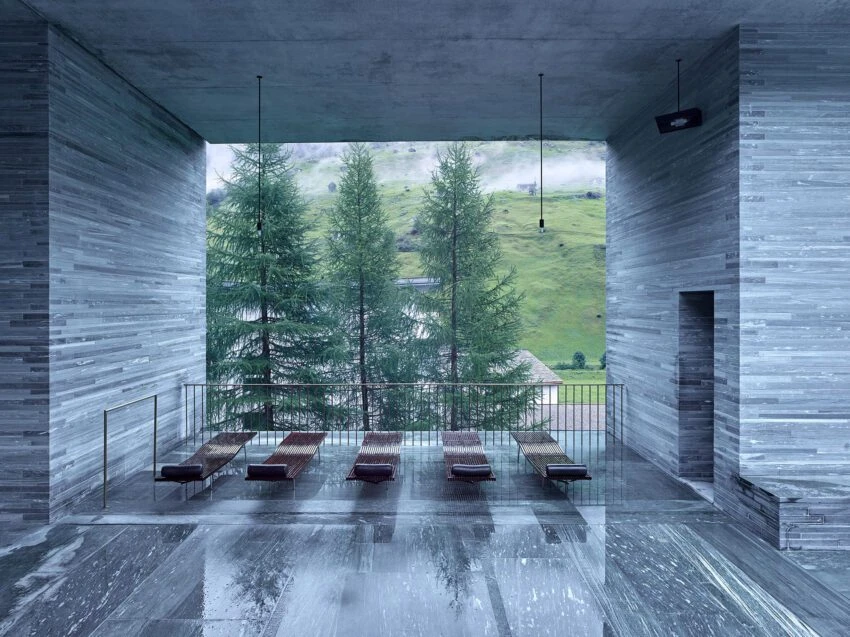
In Peter Zumthor’s thermal baths, architecture dissolves into geology. Built from locally quarried quartzite, the building feels less like an object and more like something carved from the earth. Here, serenity is not about visual minimalism but sensory depth where sound, temperature, and touch are carefully composed.
Water echoes differently across chambers, stone absorbs and releases heat, and light enters as thin cuts that soften the weight of the ceiling. The space feels full, not with objects, but with lived experience.
Church of the Light: The Power of the Void
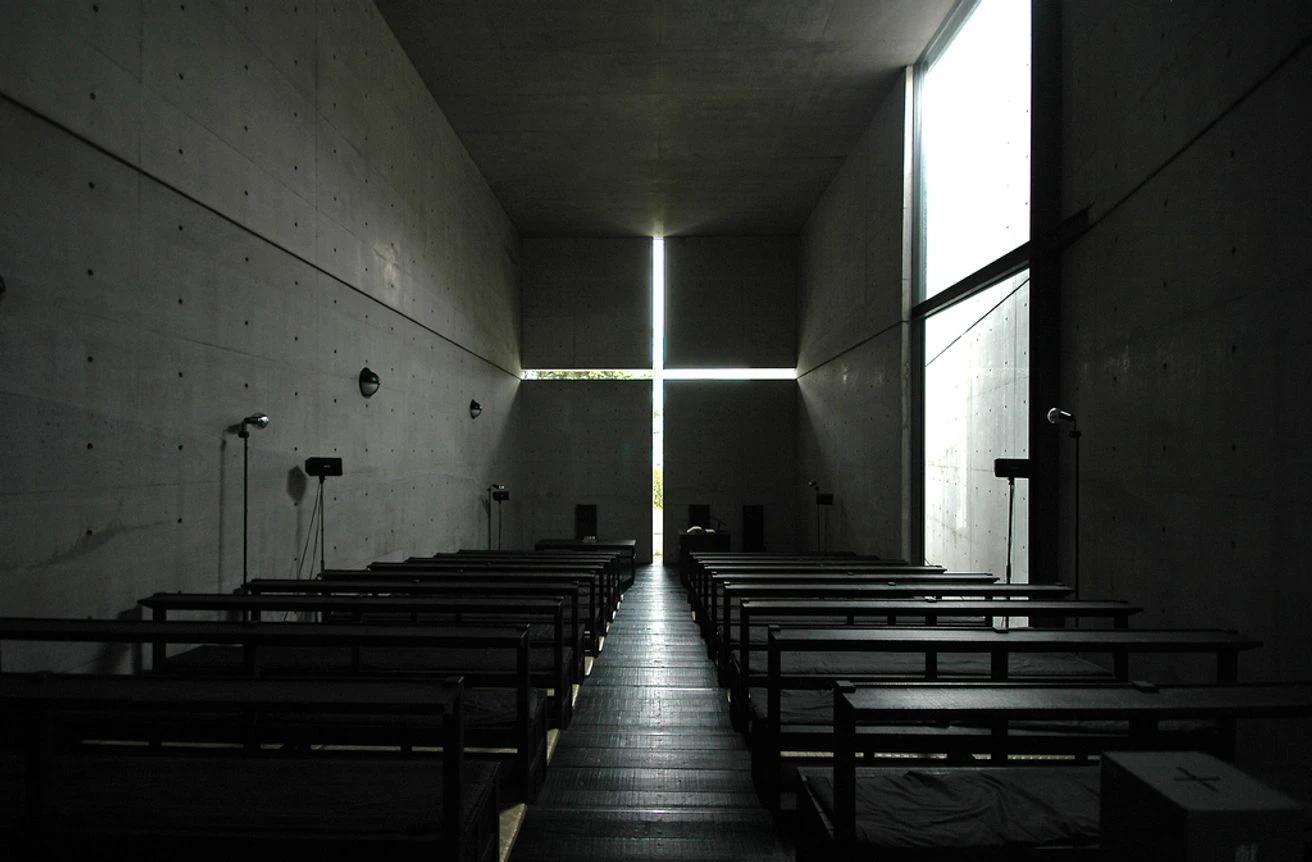
In Tadao Ando’s concrete volume, absence becomes the primary medium. The iconic cruciform opening is not decoration but a deliberate cut, a subtraction that lets light shape meaning. Entry is indirect, moving between walls before reaching the main space. Darkness sharpens perception, making light feel almost physical. The architecture does not speak as it holds silence. In doing so, it turns minimalism into something almost spiritual.
Neuendorf House: Precision and Proportion
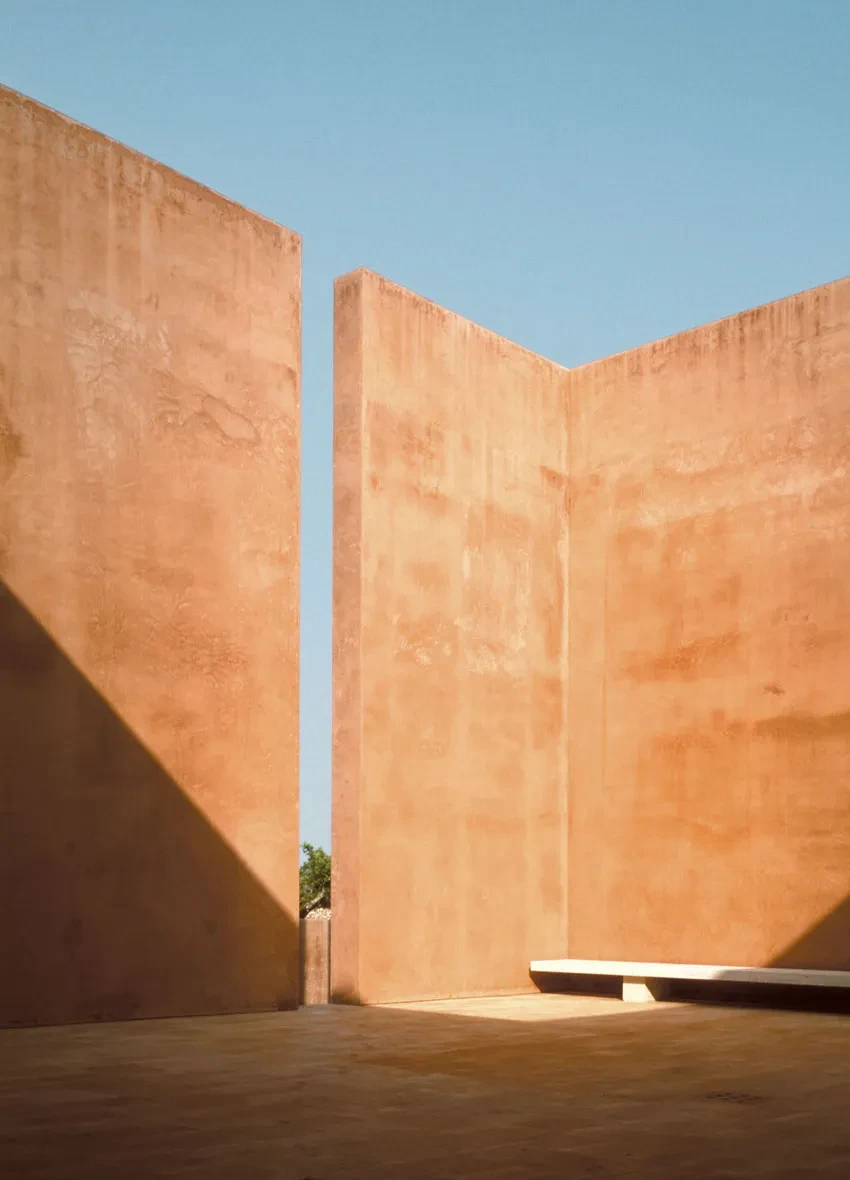
Designed by John Pawson and Claudio Silvestrin, Neuendorf House explores the tension between mass and void. Built on a strict grid, it reveals depth through proportion instead of ornament. The central atrium rises within the enclosure, making the thickness of space itself visible.
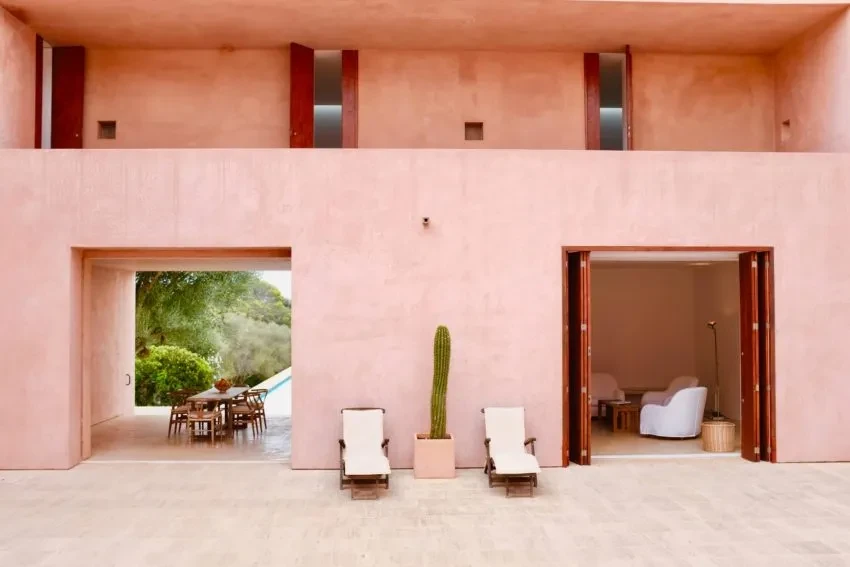
Materials shift in perception as stone appears light and glass gains weight. The architecture shows that reduction, when precise, does not diminish experience but instead clarifies it.
Windhover Contemplative Center: Architecture as Emotional Ground
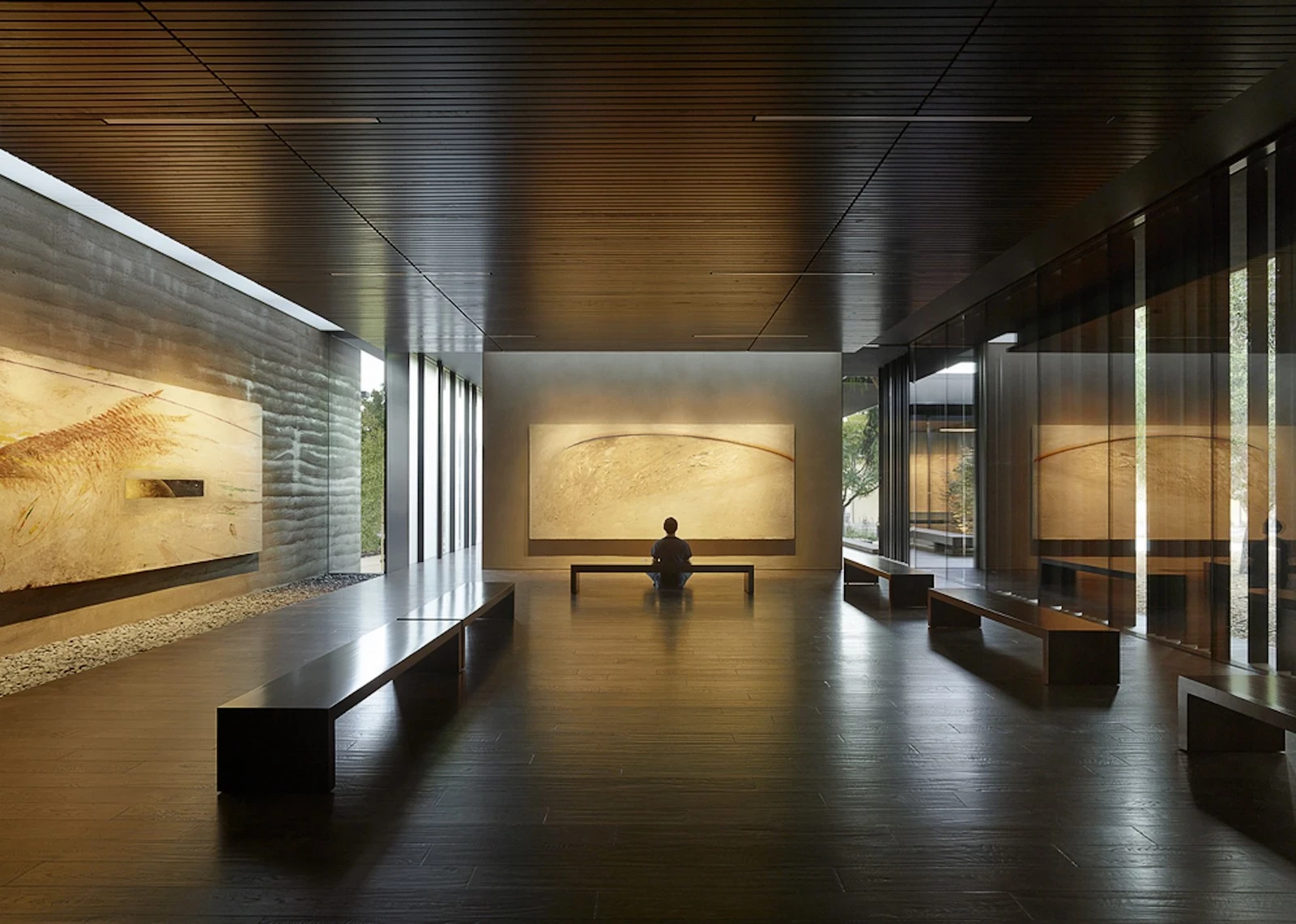
At Stanford, the Windhover Center redefines minimalism through biophilic immersion. Rammed earth walls, filtered light, and continuous views of the landscape create an environment that invites reflection. The space is intentionally simple, yet emotionally rich. It draws people inward, not through enclosure but through connection, linking art, nature, and the body into a shared sense of calm.
Path to Serenity: Choreographing Inner Landscapes
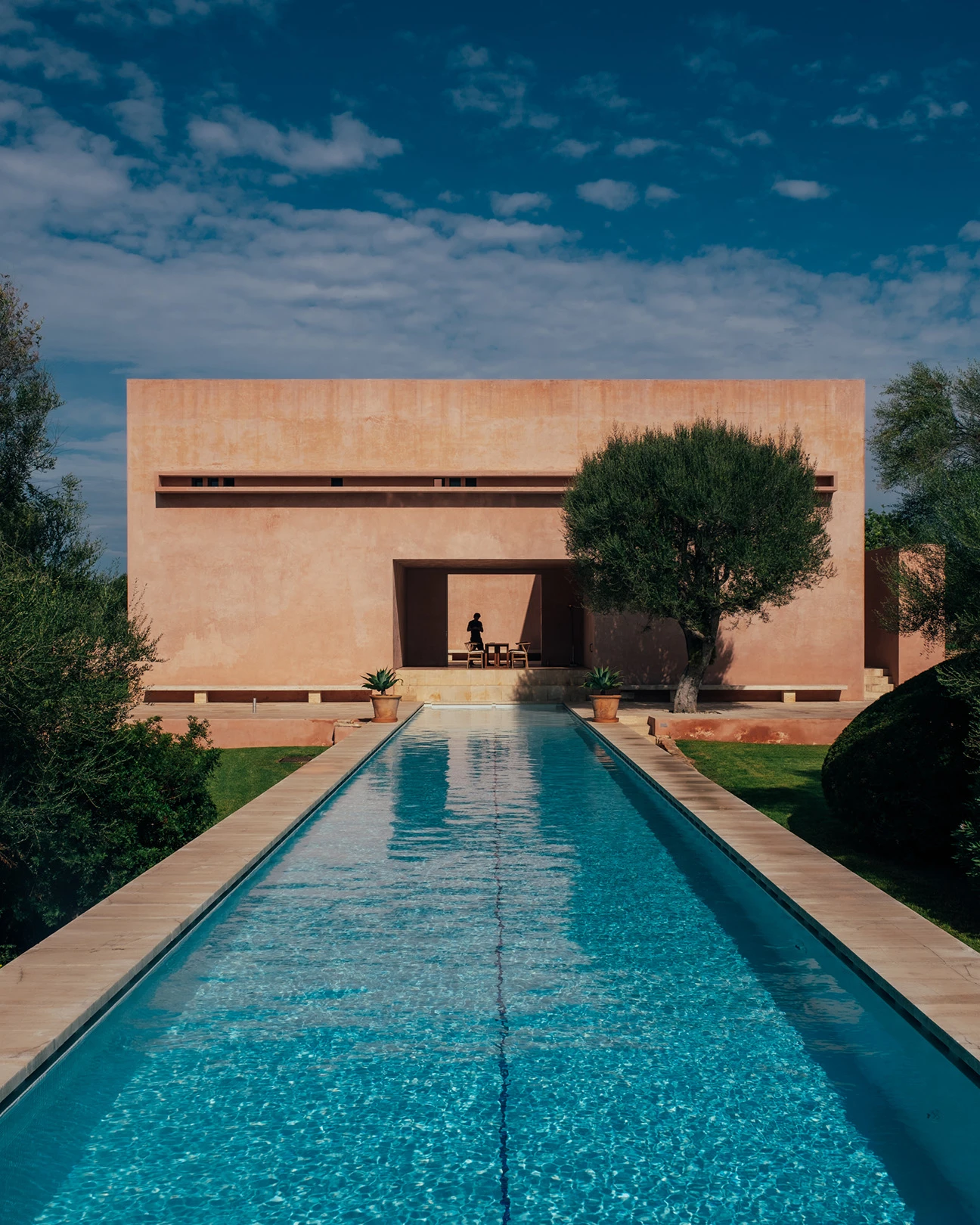
Conceived as a spatial journey, this project turns architecture into a narrative. Moving through sequences of compression and release, light and shadow, visitors gradually shed external noise. From entry to meditation to open contemplation, each space is tuned to evoke a specific emotional state. The architecture does not just contain experience but shapes it, turning emptiness into progression and silence into a medium of transformation.
Toward a Fuller Minimalism
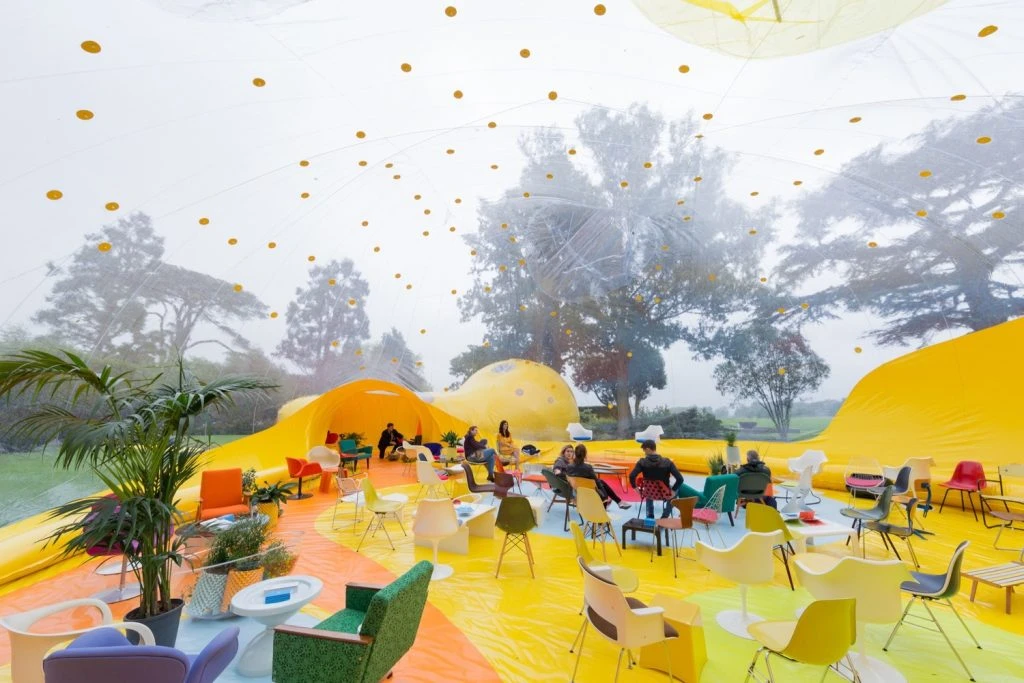
The failure of minimalism lies in the removal of objects not being matched by a deepening of experience. Grounded in phenomenology, warm minimalism offers an alternative, a way of designing focused less on visual restraint and more on sensory precision. In these spaces, nothing is accidental as materials carry memory, light carries time, and proportion carries the body. Peace is not empty but carefully and quietly constructed.
