
Close Menu
ParametricParametric

    Subscribe to Updates

    Get the latest creative news from FooBar about art, design and business.

    What's Hot

    Soundscape in Architecture: Designing Through Sound

    July 21, 2026

    MVRDV Wins Shift Embassy Competition with Rotterdam ROCKS!

    July 21, 2026

    External Reference’s Deportienda Features a Massive 3D-Printed Wave Inspired by the Atlantic

    July 21, 2026
    Facebook X (Twitter) Instagram
    Facebook X (Twitter) Instagram Pinterest YouTube LinkedIn TikTok
    ParametricParametric
    Courses
    • Home
    • Features
      • Typography
      • Contact
      • View All On Demos
    • Typography
    • Buy Now
    ParametricParametric
    Home»Uncategorized»Universal & Inclusive Design for Accessible Architecture
    Uncategorized

    Universal & Inclusive Design for Accessible Architecture

    Pooja Khanna TyagiBy Pooja Khanna TyagiApril 10, 202604 Mins Read0 Views
    Facebook Twitter Pinterest LinkedIn Tumblr WhatsApp Reddit Email
    Share
    Facebook Twitter LinkedIn Pinterest Email

    Inclusive design in architecture is shifting from rule-based compliance to human-centered thinking. It is designed not just for standards, but for real people with varied abilities, ages, and needs. Accessibility is no longer an afterthought added at the end of a project. It is part of the earliest design decisions.

    They focus on removing barriers in movement, perception, and interaction. This includes physical access like steps and ramps, sensory clarity like lighting and signage, and cognitive ease through simple layouts. The goal is independence. Users are ensured not to depend on assistance to experience the space fully.

    Inclusive design also extends beyond disability. It supports children, elderly users, travelers with luggage, and even temporary limitations like injury. In this way, accessibility becomes a shared spatial benefit and not a specialized requirement.

    Universal Design as a Human Framework

    Universal design acts as the foundation of inclusive architecture. It focuses on creating environments usable by all people without the need for adaptation or separate solutions. The design is created once, but for every possible user variation.

    Key principles include flexibility, clarity, and intuitive movement. Wide circulation paths, level entrances, ergonomic touchpoints, and clear visual cues are core design elements that shape the entire spatial experience, not extras.
    Universal & Inclusive Design for Accessible Architecture
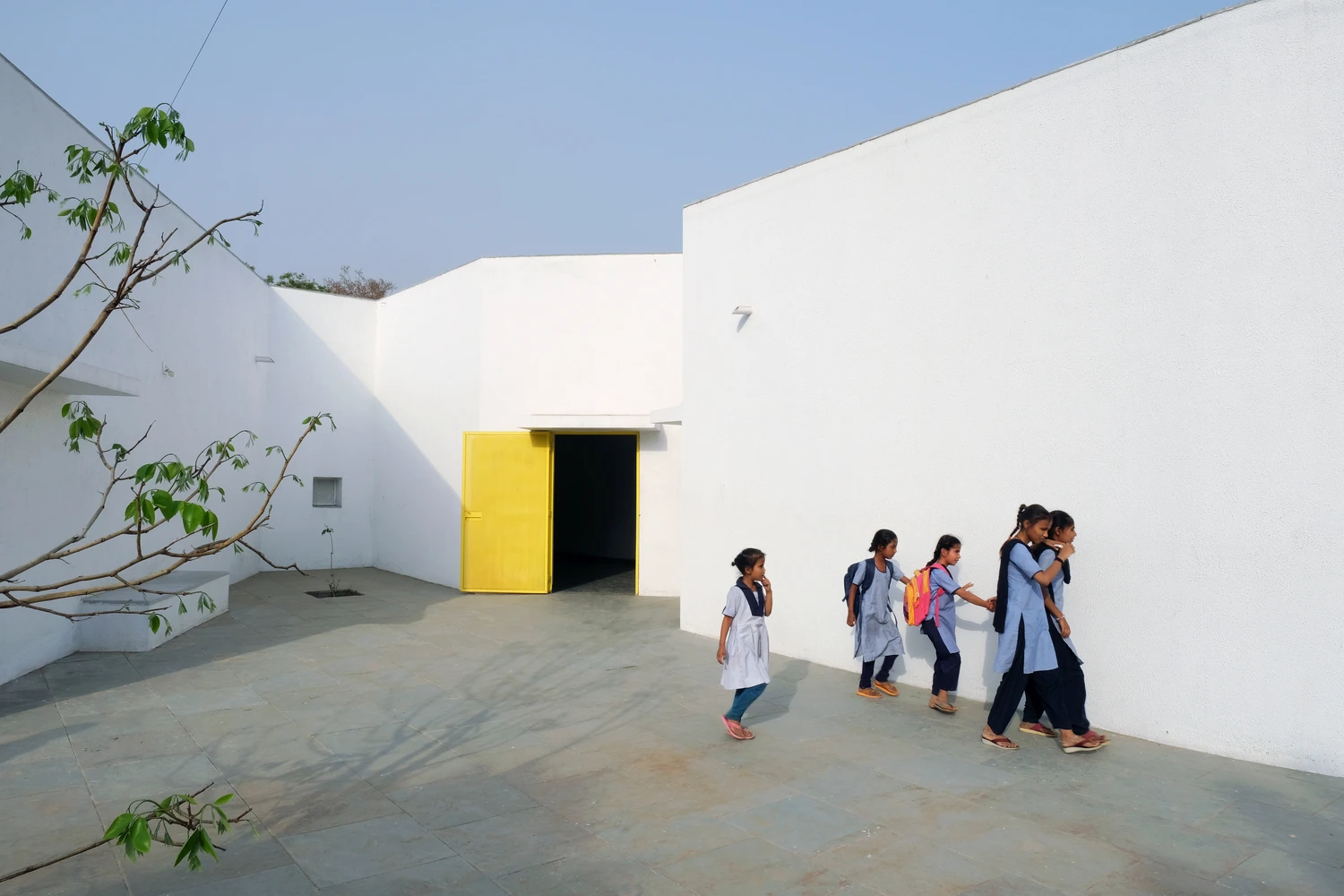
    School for Blind and Visually Impaired Children / SEAlab © Bhagat Odedara

    SEAlabs’ Mapping Space Without Sight project is a school for blind children in India that demonstrates how architecture can be designed beyond vision, focusing on sensory perception for visually impaired users. The school uses tactile materials, acoustic cues, smell-based orientation, and spatial rhythm to help students navigate independently. Corridors, courtyards, and textures act as cognitive maps. The project redefines accessibility through multisensory, human-centered design thinking.

    A powerful idea in universal design is that extreme needs often improve design for everyone. A ramp helps wheelchair users but also supports strollers and carts. Automatic doors assist mobility-impaired users while improving convenience for all. This shared benefit removes separation and builds equality into space itself. As a result, you begin to see architecture as an adaptable experience shaped for human diversity.

    Designing Accessible Public Spaces

    Public spaces demand continuous accessibility. Movement is designed to flow without interruption or confusion. Users are able to navigate independently, without constant direction or assistance. Circulation becomes the central design tool. Paths are simplified, transitions are softened, and level changes are carefully managed. Ramps, lifts, and gentle gradients are integrated into the main spatial logic and not treated as secondary additions.
    © CapitaLand Limited

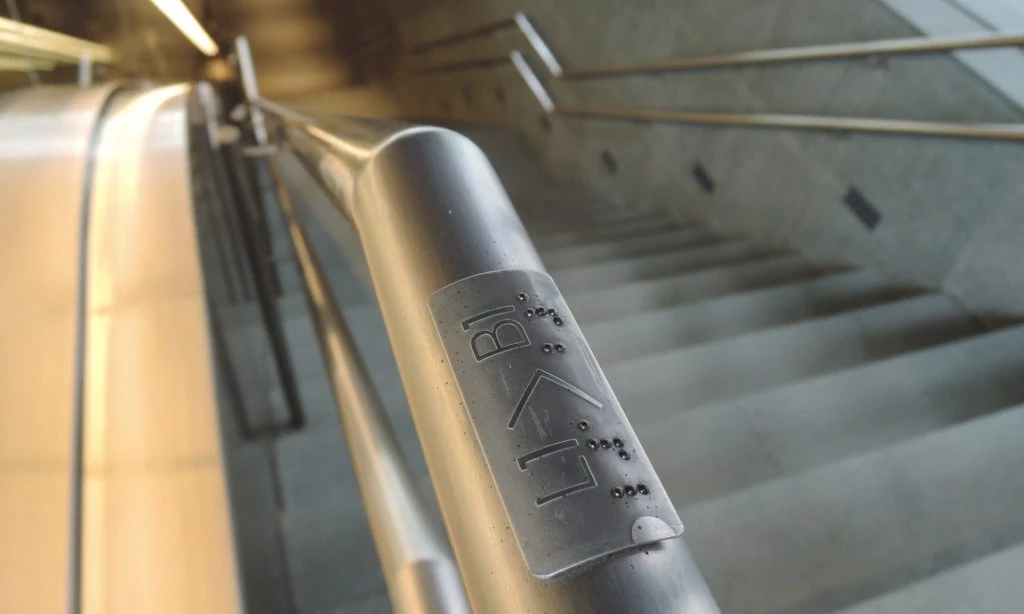
    Visual clarity also matters. Movement is guided through sightlines, lighting, and spatial rhythm. Rest points are integrated so comfort becomes part of movement, not a disruption to it. In strong inclusive design, no user follows a “separate route.” Everyone shares the same spatial system. This creates equality in experience, where architecture does not divide but unifies users within a single coherent environment.
    Universal & Inclusive Design for Accessible Architecture
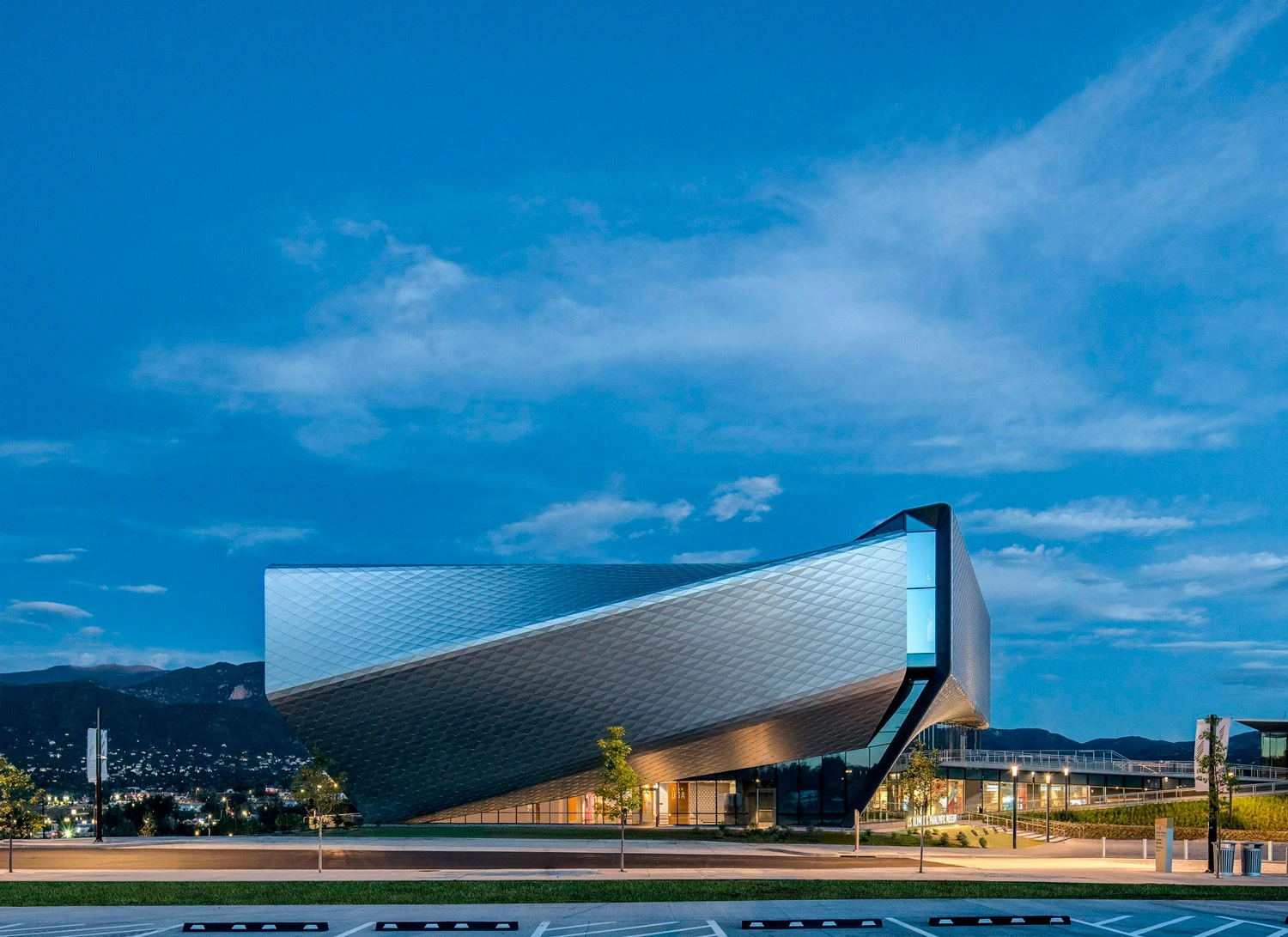
    DS+R Designed Museum © Jason O’Rear

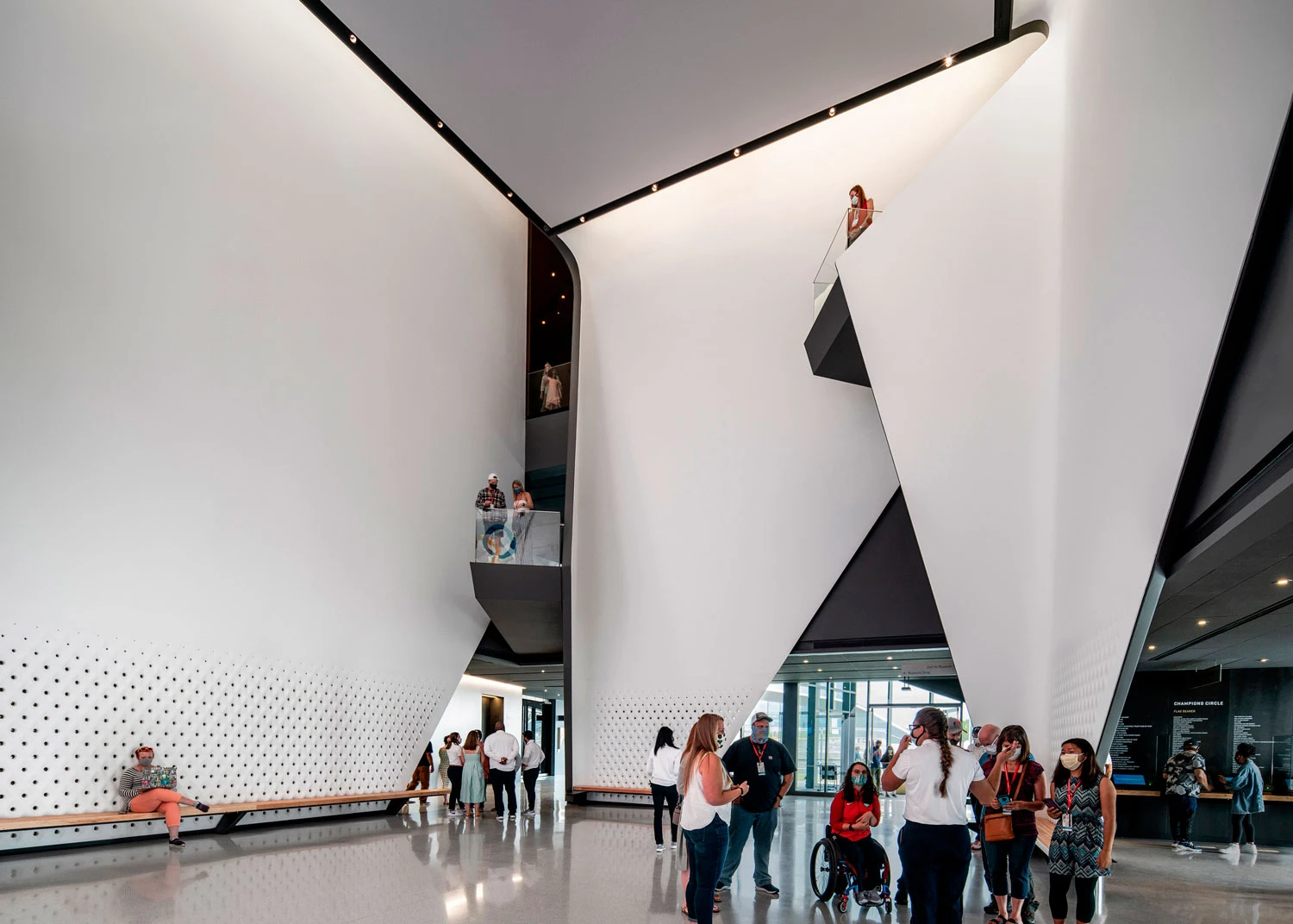
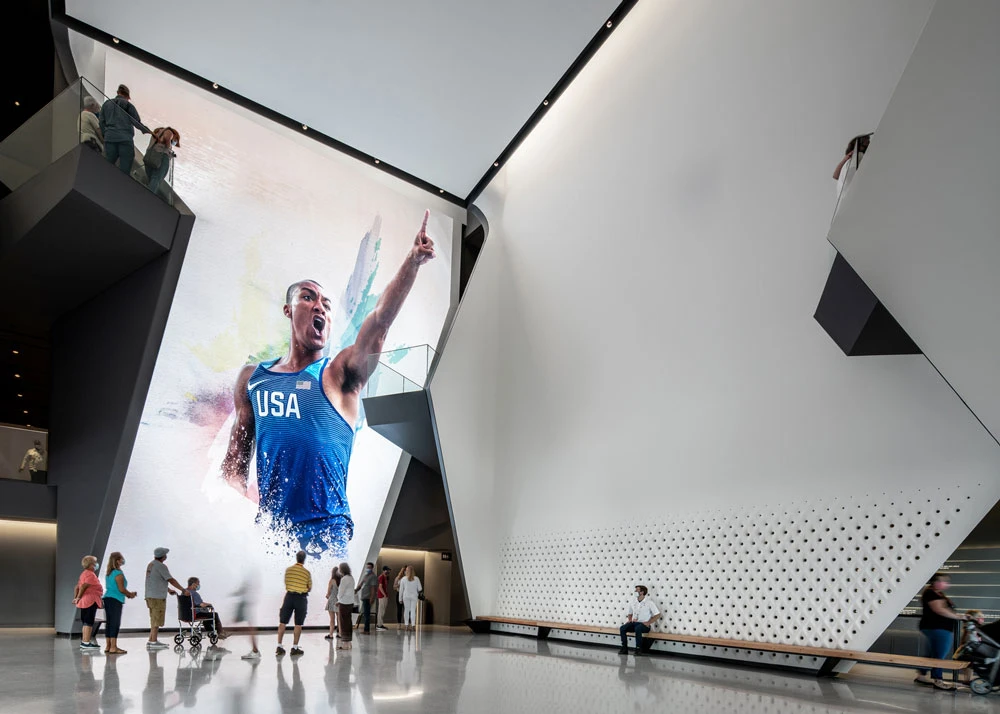
    A strong example of inclusive design can be seen in museum architecture by Diller Scofidio + Renfro. In this approach, accessibility is not added later. It is embedded directly into the spatial journey. They experience a unified circulation system where ramps, elevators, and transitions are fully integrated into the main architectural flow. There is no separation between mobility types. All visitors follow the same narrative path through the space. Movement is carefully choreographed. Spatial sequencing ensures clarity, while open sightlines reduce confusion. Users intuitively understand direction without needing excessive signage.
    Universal & Inclusive Design for Accessible Architecture
    DS+R Designed Museum © Jason O’Rear

    Material and environmental choices further support accessibility. Smooth flooring supports mobility aids, consistent lighting enhances visibility, and resting points are placed naturally along circulation paths. The result is a museum experience where accessibility feels invisible because it is fully integrated.

    Compliance with Human-Centered Futures

    Traditional accessibility often focused on minimum compliance, such as ramp angles, doorway widths, and lift requirements. While necessary, this approach frequently created segmented or secondary design solutions. Human-centered design shifts this mindset. Designers no longer design for rules alone. They design for behavior, comfort, and perception. The focus becomes how people actually move, understand, and experience space.
    Universal & Inclusive Design for Accessible Architecture
    DS+R Designed Museum © Jason O’Rear

    This leads to more intuitive environments where navigation becomes easier, and interaction feels natural. Independence becomes the default condition rather than an exception. Additionally, these improvements benefit everyone. Clear layouts support first-time visitors, ergonomic design enhances comfort across all age groups, and barrier-free circulation improves overall efficiency and spatial comfort.

    Inclusive architecture helps create spaces that serve human diversity naturally, shaping environments that feel equal, accessible, and shared by all.

    Share. Facebook Twitter Pinterest LinkedIn Tumblr Email
    Pooja Khanna Tyagi

    Pooja Khanna Tyagi is an India-based architect and design writer. Her work engages with architecture, interiors, materials, and evolving lifestyle narratives, with a focus on translating complex ideas into clear, accessible content. With a minimalist sensibility, she uses writing to simplify design ideas. A graduate of Dr. B.N. College of Architecture, Pune (2000), India, she has been active in the writing domain since 2016. She has contributed to leading publications in India and internationally, bringing together professional insight and a measured, articulate voice.

    Related Posts

    External Reference’s Deportienda Features a Massive 3D-Printed Wave Inspired by the Atlantic

    July 21, 2026

    MVRDV Wins Shift Embassy Competition with Rotterdam ROCKS!

    July 21, 2026

    Soundscape in Architecture: Designing Through Sound

    July 21, 2026
    Add A Comment
    Leave A Reply Cancel Reply

    Demo
    Top Posts

    10 Heritage Restoration Projects Giving Historic Buildings a New Life

    July 20, 20262 Views

    External Reference’s Deportienda Features a Massive 3D-Printed Wave Inspired by the Atlantic

    July 21, 20261 Views

    MVRDV Wins Shift Embassy Competition with Rotterdam ROCKS!

    July 21, 20261 Views

    Soundscape in Architecture: Designing Through Sound

    July 21, 20261 Views
    Don't Miss

    Soundscape in Architecture: Designing Through Sound

    By Mahshid MotamedJuly 21, 2026

    Architecture has traditionally been dominated by visual thinking. Design education, professional practice, and public perception…

    MVRDV Wins Shift Embassy Competition with Rotterdam ROCKS!

    July 21, 2026

    External Reference’s Deportienda Features a Massive 3D-Printed Wave Inspired by the Atlantic

    July 21, 2026

    10 Heritage Restoration Projects Giving Historic Buildings a New Life

    July 20, 2026
    Stay In Touch
    • Facebook
    • Twitter
    • Pinterest
    • Instagram
    • YouTube
    • Vimeo

    Subscribe to Updates

    Get the latest creative news from SmartMag about art & design.

    Demo
    About Us
    About Us

    Your source for the lifestyle news. This demo is crafted specifically to exhibit the use of the theme as a lifestyle site. Visit our main page for more demos.

    We're accepting new partnerships right now.

    Email Us: [email protected]
    Contact: +1-320-0123-451

    Our Picks

    Soundscape in Architecture: Designing Through Sound

    July 21, 2026

    MVRDV Wins Shift Embassy Competition with Rotterdam ROCKS!

    July 21, 2026

    External Reference’s Deportienda Features a Massive 3D-Printed Wave Inspired by the Atlantic

    July 21, 2026
    Most Popular

    10 Heritage Restoration Projects Giving Historic Buildings a New Life

    July 20, 20262 Views

    External Reference’s Deportienda Features a Massive 3D-Printed Wave Inspired by the Atlantic

    July 21, 20261 Views

    MVRDV Wins Shift Embassy Competition with Rotterdam ROCKS!

    July 21, 20261 Views
    Facebook X (Twitter) Instagram Pinterest YouTube LinkedIn TikTok
    • Home
    • Buy Now
    © 2026 ParametricArchitecture. All Rights Reserved. By utilizing this website, you are consenting to our User Agreement, Privacy Policy, and Cookie Statement. In compliance with the privacy laws of Turkey and the United States, we recognize and respect your rights. Please be aware that we may receive commissions for products bought through our affiliate links. Unauthorized reproduction, distribution, or transmission of any material from this site is strictly forbidden without prior written permission from ParametricArchitecture.

    Type above and press Enter to search. Press Esc to cancel.

    Sign In or Register

    Welcome Back!

    Login to your account below.

    Lost password?